Cork in January: Weather, Things to Do & What's Open
Cork in January brings short, wet, mild days and quiet streets. Plan around indoor sights, seasonal hours and the trade-offs of Ireland's cheapest month.
On this page
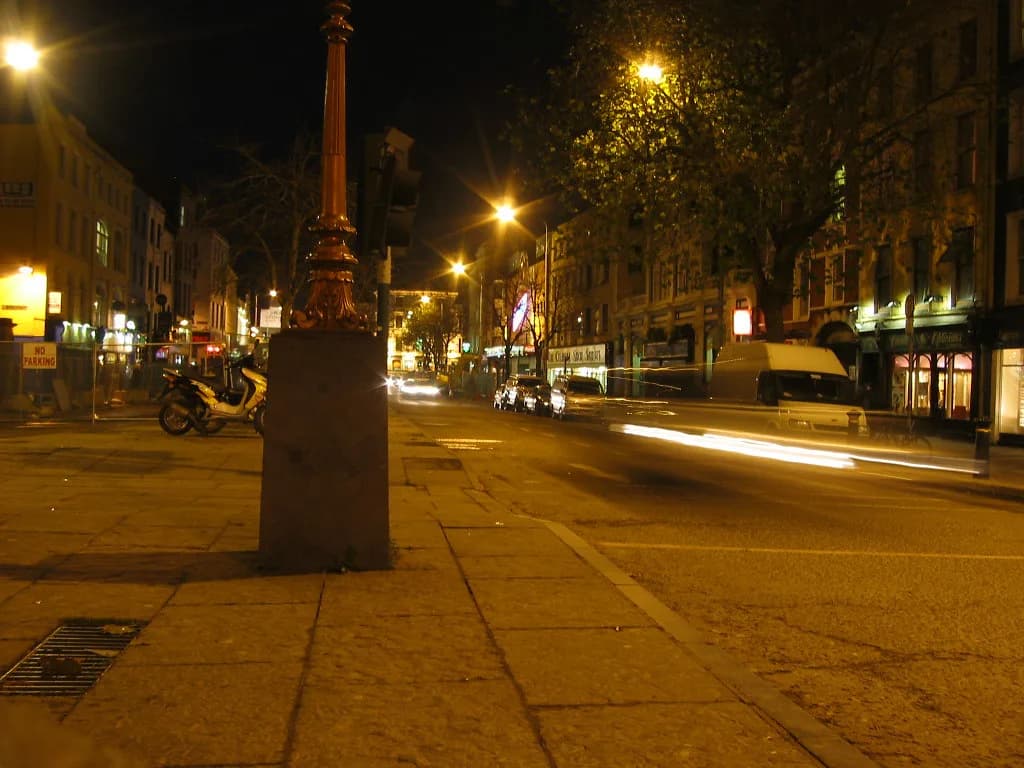
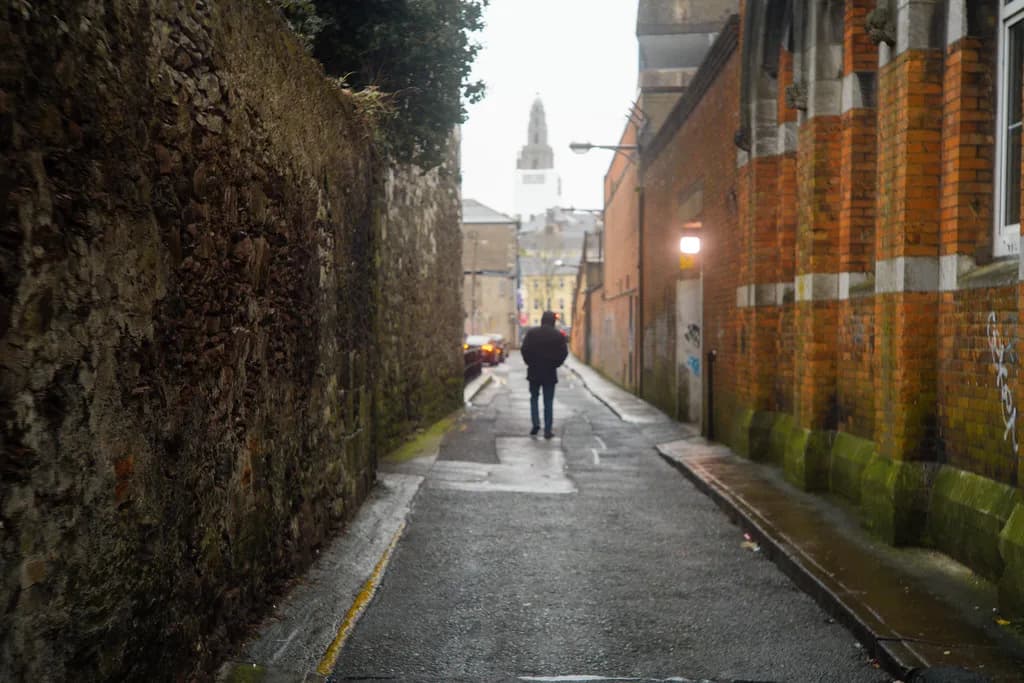
Cork in January is a city of warm interiors and grey skies. Days are short and often wet, winds come in off the harbour, and the streets empty out once the Christmas season ends, so the trip runs on covered markets, museums, pubs and long lunches rather than on sightseeing weather. It suits travelers who want low prices and quiet streets and are happy to spend half the day indoors.
The month is genuinely mild by European standards, so this is not a deep-freeze destination. What shapes the trip is rain, wind and daylight: expect to plan around a handful of usable outdoor hours rather than a full day outside. Anyone whose main goal is coastal scenery, gardens or long walks should look at May or September instead.
Weather in January
January sits in the middle of Cork's wet season. Typical conditions are mild and changeable, with daytime highs usually in single digits Celsius and nights a few degrees above freezing, and rain arriving in frequent fronts rather than as settled weather. Long-term averages are the figures to plan with, treated as typical rather than as a forecast.
Expect rain on a large share of days and a modest daily dose of sunshine, with wind adding a real chill near the harbour and on exposed ground. The practical consequence is that waterproof outer layers and shoes that cope with wet pavements matter more than heavy insulation. Check the outlook for your dates in the final week before you travel, because January weather swings quickly.
Daylight and How It Shapes Your Day
Midwinter daylight is short, with sunrise late in the morning and sunset before the working day ends, so outdoor plans belong in the middle of the day. Clocks go forward on 28 March 2027, which means every January day you plan sits inside the dark half of the year. Front-load castles, gardens and coastal walks into the late morning and early afternoon, then keep museums, markets and distillery tours for the afternoon and evening.
This rhythm also affects transport. A day trip to Cobh or Midleton by train is easy in daylight but leaves little margin if you start after lunch, and rural roads in the county are slower in the dark and wet. Plan one outdoor anchor per day and let the rest of the itinerary flex with the weather.
What January Changes
January is when Ireland's heritage sites and gardens move to reduced seasonal hours, and some ticketed attractions run shorter days or limited tours. Outdoor sites such as castles, forts and gardens stay open in many cases but with trimmed schedules, while indoor museums, distilleries and covered markets operate year-round. Cork City Gaol, the Titanic Experience in Cobh and the Midleton Distillery Experience are the reliable indoor anchors of a January trip.
Boat-dependent sites are the least predictable part of a January plan. Spike Island sits in Cork Harbour and is reached by ferry, so its winter operation depends on sailings that are seasonal; check the Spike Island site directly before building a day around it. Heritage sites run by the Office of Public Works publish current seasonal hours on their own pages, and that is the number to trust over any third-party listing.
New Year's Day in Cork
New Year's Day 2027 falls on Friday 1 January, a public holiday in Ireland, so expect reduced hours at shops and some attractions and a slow, quiet city centre. Pubs, restaurants and hotels largely trade, and the covered English Market is the best bet for food and coffee, though its holiday hours vary by trader. The days between New Year's Day and the return to work are among the calmest of the year in Cork.
The city feels different once the Christmas season ends: decorations come down, visitor numbers drop and hotel rates soften. If you want Cork at its quietest and cheapest, the second week of January onward is the sweet spot; if you want atmosphere, the first few days still carry a residue of the holidays. For the earlier part of the season, see what Christmas in Cork looks like and how the city closes out the year.
Things to Do in Cork City in January
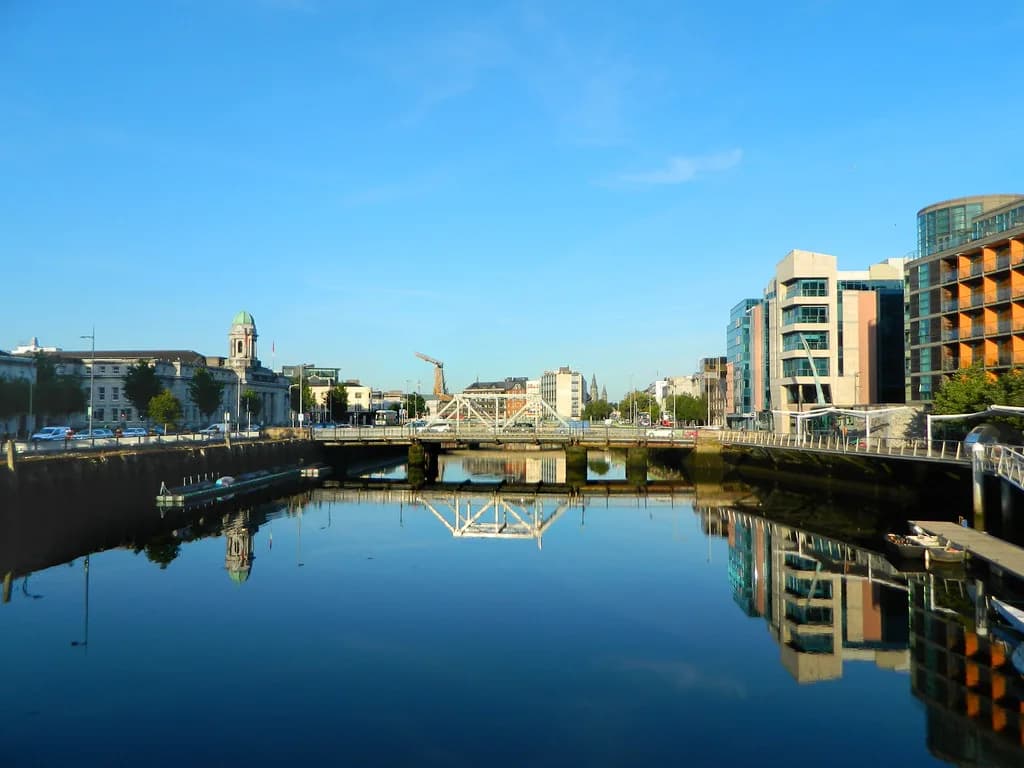
The English Market is the natural first stop: an 18th-century covered food market in the city centre where you can eat, shop and shelter from rain in one move. Pair it with a walk along the River Lee quays and a stop at Cork City Gaol, a restored 19th-century prison on the western edge of the centre that works well as an afternoon indoors. University College Cork's historic campus and gardens make a gentler stroll when the rain pauses.
Churches, cathedrals and smaller museums fill the gaps between showers, and Cork's food and pub culture is the real evening program. Long lunches, whiskey tastings and live music in city venues are what January evenings are for here, since it is dark by late afternoon anyway. This is a city that rewards slow travel in winter rather than a checklist of sights.
Cobh in January
Cobh, on the north side of Cork Harbour, is the best half-day trip from the city in January. The Titanic Experience occupies the former White Star Line ticket office where the ship's last passengers boarded, and the Cobh Heritage Centre covers emigration and maritime history nearby. St Colman's Cathedral sits above the town with harbour views and is a steep but short climb from the waterfront.
The harbour walk and the town's steep streets are worth an hour in daylight, but wind off the water makes it feel colder than the city. Cobh is reachable by commuter train from Cork Kent station, which removes the need for a car and keeps the day flexible if the weather turns. Check train times for the day you travel, since winter timetables are thinner than summer ones.
Around the County: Blarney, Fota and Midleton
Blarney Castle & Gardens, a short drive or bus ride northwest of the city, keeps its castle and grounds open in winter with seasonal hours, and the famous stone is the draw. Fota Wildlife Park east of the city is an outdoor day, so pick a dry forecast and go early while the light holds. Charles Fort near Kinsale is a striking coastal fortification but exposed, and best saved for a clear, calm day.
The Midleton Distillery Experience, east of the city, is the county's best rainy-day indoor option: a working heritage distillery with guided tours and tastings on a large estate. It pairs naturally with a train trip to Midleton, which keeps the outing car-free. Book tours ahead at weekends, when local demand is highest and slots are limited.
Rainy-Day Cork
Build a rain plan before you arrive: the English Market, Cork City Gaol, the Titanic Experience and the Midleton distillery cover most of a wet day between them, and all are indoors or largely covered. Add the covered arcades and shopping streets of the city centre and a long lunch, and a washout day becomes a good day. Distilleries and museums fill up in the afternoon, so book the timed entry you care about in advance.
Rain in Cork is usually showery rather than relentless, which means a wet morning often turns into a usable afternoon. Keep outdoor plans flexible and check the radar on the morning of travel rather than committing days ahead. A car helps in the county but is a liability in the city centre, where parking is tight and walking is faster.
Day Trips That Work in Winter
Kinsale, a compact harbour town southwest of the city, works well in winter for its food scene, galleries and coastal walks when the weather allows, though many seasonal restaurants and businesses run reduced hours. Midleton and Cobh are the two easiest trips because both have train stations on the Cork commuter network, which keeps you off wet rural roads. Blarney is a short bus or taxi ride and needs only half a day.
For a wider view of the season across the county, the Cork in November and Cork in December guides cover the run-up to Christmas, and Cork in February picks up as days lengthen and St Brigid's Day on 1 February marks the turn of the year. Clocks go forward on 28 March 2027, so March trips get noticeably longer evenings.
Events in January
January is a strong month for indoor entertainment in Cork: gigs, comedy nights, theatre and small festivals fill city venues once the holidays end. Listings sites publish what is on month by month, and venues such as Cork City Hall, Cyprus Avenue and the city's theatres carry their own calendars. Check the specific event page before booking, since January line-ups are announced closer to the date.
The pattern is reliable even when individual dates are not: music, stand-up and food events cluster in the city centre, with occasional shows in satellite towns such as Mallow and Ballincollig. Book accommodation near the city centre if you plan evening events, since taxis are scarce late on wet nights. For a broader picture of the season's calendar, the Cork in winter guide sets out what runs through the darker months.
Crowds, Prices and the Trade-offs
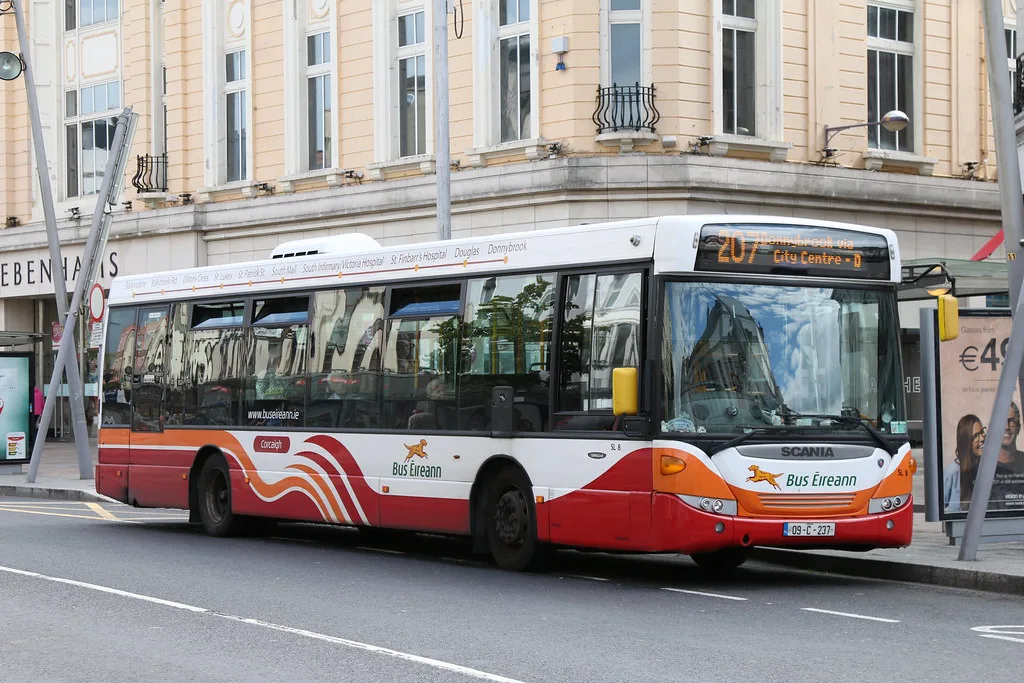
January is the quietest and cheapest month to visit Cork, with softer hotel rates and no queues at the main sights. What you pay for that is short daylight, frequent rain, wind and reduced opening hours at castles, gardens and boat-dependent sites. It is a fair trade for travelers who value space and low costs over long outdoor days.
Compare Dublin before committing if you want more indoor choice and evening entertainment: Dublin is bigger and busier in winter, while Cork is more compact and easier to cover on foot in a few days. Three days in Cork is enough for the city plus Cobh and one county day out, and four gives you room for Midleton and Kinsale.
Who January Suits
January suits travelers who like empty streets, low prices, pubs with fires and museums without crowds, and who are content to let the weather choose the day's plan. It is a good month for a city break built around food, drink and heritage rather than scenery. It does not suit anyone whose main reason for visiting is coastal drives, gardens in bloom or long hikes, all of which are better from spring onward.
If you want a comparable Irish city break in the same month, Galway in January offers a smaller, windier version of the same formula with a strong music scene. Within Ireland, Cork's advantage in January is its compact centre and the density of indoor attractions within walking distance of each other.
Getting Around
Cork city centre is compact and walkable, and January is not a month to fight traffic for short hops. Irish Rail commuter services run from Cork Kent station to Cobh and Midleton, which covers two of the best day trips without a car. Local buses serve Blarney and the suburbs, and taxis are easier to find at ranks than on the street in bad weather.
A car is useful for Charles Fort, west Cork and scattered heritage sites, but wet rural roads and short daylight make long drives tiring in January. If you do drive, plan routes that finish before dark and keep a flexible day in reserve for weather. Parking in the city centre is limited and expensive, so leave the car at your accommodation where possible.
Plan Your January Trip
Book accommodation and any timed tours, especially the distillery and the Titanic Experience, before you travel, and leave the rest of the itinerary open to the forecast. Plan one outdoor anchor per day, keep the English Market and a museum in reserve, and treat the short daylight as a schedule rather than an inconvenience. January rewards travelers who slow down.
Confirm seasonal hours with each site you plan to visit, since winter schedules shift and boat-dependent sites depend on sailings. If you want more daylight and a livelier city, look at Cork in February or March instead.
Explore more Cork winter guides
Frequently Asked Questions
What is the weather like in Cork in January?
January is typically mild, wet and windy in Cork, with daytime temperatures in single digits Celsius, frequent rain and modest sunshine. Treat long-term averages as typical conditions rather than a forecast, and check the Met Éireann outlook for your dates in the week before you travel.
Is January a good time to visit Cork?
It is the quietest and cheapest month, which suits travelers who want empty streets, low hotel rates and indoor culture. The trade-off is short daylight, rain and wind, plus reduced seasonal hours at castles, gardens and boat-dependent sites. If coastal scenery or long outdoor days are your priority, choose spring or September.
What is there to do in Cork in January?
Build days around the English Market, Cork City Gaol, University College Cork and the city's pubs and restaurants, then add day trips to Cobh for the Titanic Experience and St Colman's Cathedral, or to Midleton for the distillery. Blarney Castle and Fota Wildlife Park work on a dry day, and Kinsale is a good half-day trip by car.
Is 3 days in Cork too much?
No. Three days covers the city centre, Cobh and one county day out, which is a sensible pace in January when daylight is short. Four days lets you add Midleton and Kinsale without rushing, and gives you a spare day for wet weather.
Is Cork or Dublin better to visit in winter?
Dublin has more indoor choice and evening entertainment, while Cork is smaller, cheaper and easier to cover on foot in a few days. Cork suits travelers who want a compact city break with harbour towns and countryside within easy reach; Dublin suits those who want a bigger city with more to do after dark.
What is open in Cork on New Year's Day?
New Year's Day is a public holiday in Ireland, so expect reduced hours at shops and some attractions, while pubs, restaurants and hotels largely trade. The English Market is the most reliable stop for food, though individual traders set their own holiday hours.
Can you visit Blarney Castle and Spike Island in January?
Blarney Castle & Gardens generally stays open in winter on seasonal hours, so check the castle's own page before you go. Spike Island is reached by ferry, and its winter operation depends on sailings, so check sailing times before planning a day around it.
What is the best month to visit Cork, Ireland?
May, June and September offer the best balance of daylight, drier weather and open attractions, which is why they are the most popular months. January wins on price and quiet, and February and March improve steadily as the days lengthen.
Sources
Winter travel notes
Optional updates when we add or revise winter guides.
You might also like
Continue reading
More guides you'll find useful