Innsbruck in Winter: Alpine City Guide for November to March
Innsbruck in winter pairs a compact historic center with mountains reached in minutes. Here is the weather, what stays open, and who the season suits.
On this page
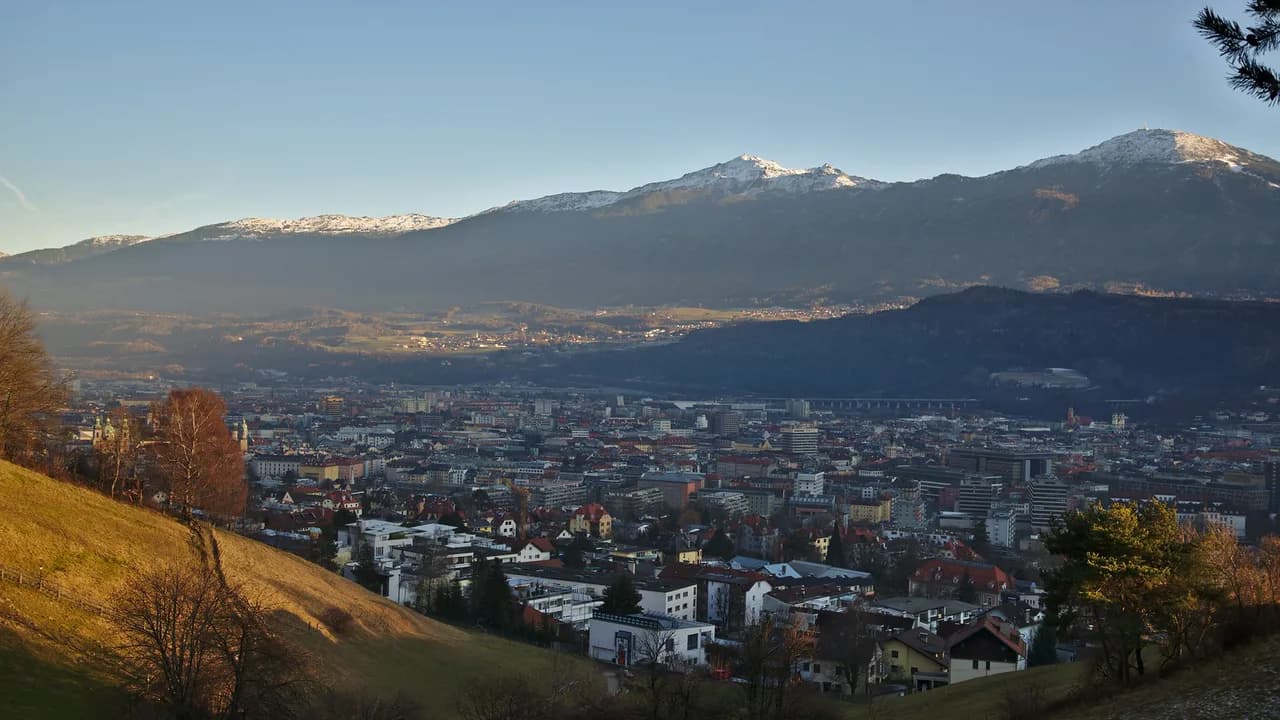
Innsbruck sits in a broad valley with the Nordkette wall rising directly behind the historic center, so winter here is a city season with mountains attached rather than a resort season. Snow often lies on the peaks while the streets stay clear, which means you can pair a museum morning with a mountain afternoon on the same short day. It suits travelers who want Alpine scenery and Austrian city life without committing to a ski week, and it rewards anyone willing to plan around daylight.
Why spend winter in Innsbruck
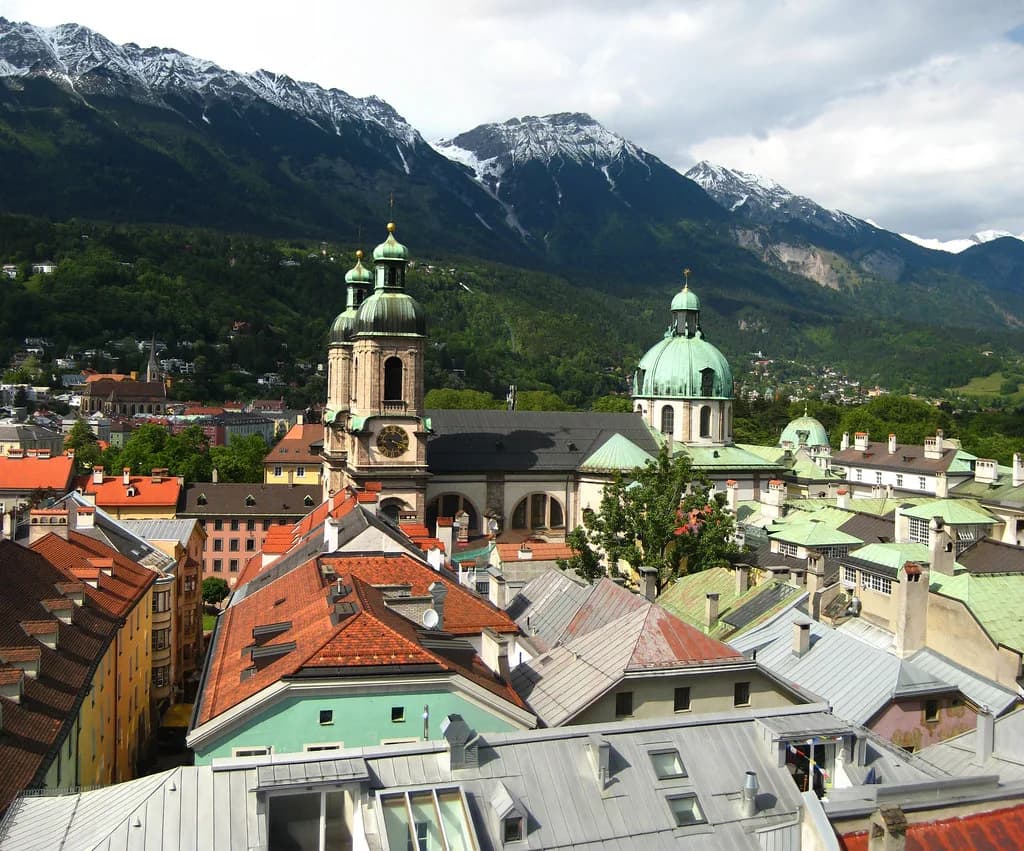
Few European cities put a 2,000-meter mountain terrace within a 30-minute ride of a medieval old town, and that proximity is the whole argument for coming in winter. The compact center means you can walk the Golden Roof, the Hofburg and the riverbank in a single morning, then decide between a cable car and a warm café depending on the cloud line. Winter also strips the city back to locals, students and a manageable flow of visitors outside the Christmas weeks.
Weather in winter: temperatures and snow
Typical winter temperatures in Innsbruck hover between about -2°C and 6°C (28–43°F), so days can be brilliantly sunny and cold or overcast with snowfall. Snow is common in December and January, but the valley floor often sees less of it than the surrounding mountains, which keeps the white backdrop even when the pavements are bare. Treat these as long-term averages rather than a forecast and build flexibility into each day.
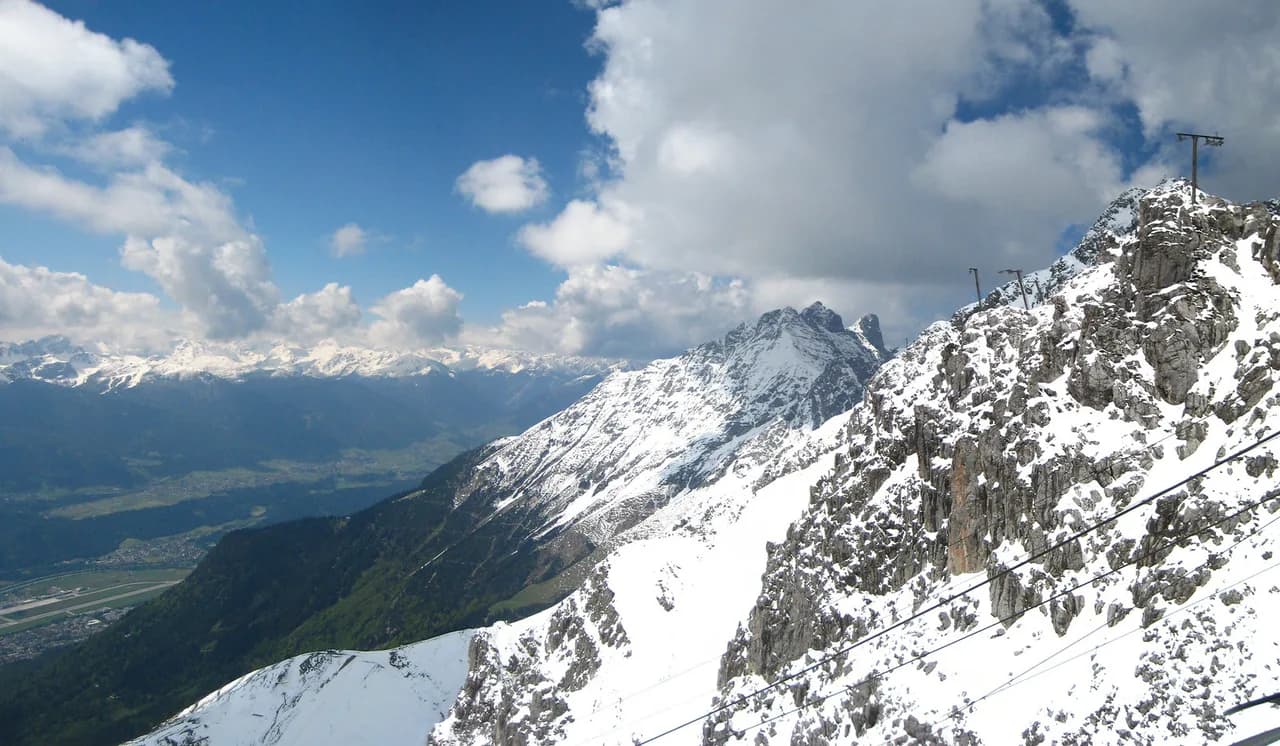
The mountain terrain above the city changes faster than the valley: the Nordkette, Patscherkofel and the ranges beyond can hold snow while Innsbruck itself is clear and mild. That split is the single most useful thing to understand before you plan, because it decides whether a given morning belongs to a viewpoint or a museum.
Daylight and short days
Innsbruck sits at the foot of the Alps, and winter daylight is short: expect darkness by late afternoon through December and well into January, with the days lengthening noticeably only from February. European clocks went back on 25 October 2026 and go forward again on 28 March 2027, so a late-March visit gains a long evening while a December visit does not. Plan outdoor sights for the middle of the day and keep an indoor option for the 4 pm fade.
December in Innsbruck
December is the most atmospheric month and the busiest: the old town fills with market stalls, the facades along the shopping streets are lit, and the Christmas season runs right through to Christmas Day 2026, which falls on a Friday. Book the mountain ride for a clear morning rather than a market evening, because the funicular queues lengthen as the lights come on. For the market layout and the festive side of the month in detail, the Christmas in Innsbruck guide covers what sits where.
If you want the city decorated but with thinner crowds, the first half of the month is calmer than the week between Christmas and New Year, when day-trippers from Munich and Bolzano arrive by train. Winter timetables on regional trains and mountain lifts can shift around the holidays, so book the long-distance legs early and keep the local plans loose.
For a closer look at temperatures, light and what is running in the city's busiest weeks, the Innsbruck in December guide goes month by month.
January and February in Innsbruck
January and February are colder and much quieter, and this is the stretch that suits travelers who care more about museums and mountain air than about festive decoration. New Year's Day 2027 is a Friday, and Epiphany on Wednesday 6 January 2027 is a public holiday in Austria, so the first week of January still feels busy before the city settles. After that, hotel rates and restaurant waits ease considerably.
Carnival Tuesday falls on 9 February 2027, with Ash Wednesday on 10 February, and Tirol marks the season in its own way rather than with the large parades of the Rhineland. Expect a low-key, local mood rather than a major event calendar. The Innsbruck in February guide is the place to line up the quieter weeks and the half-term crowds that arrive from neighboring countries.
For a full month-by-month picture of conditions, light and what is running in the coldest weeks, the Innsbruck in January guide sets out what to expect.
March in Innsbruck
March is the transitional month: the valley warms first, terraces reopen on sunny afternoons, and the snow line retreats up the mountains while the high lifts keep running. Easter Sunday falls on 28 March 2027, so Holy Week runs 21–28 March and the clocks change on the same final Sunday. That combination delivers long evenings and a city coming back to life, but also the risk of grey, wet days and slush at lower altitudes.
If you want reliable snow underfoot, come earlier; if you want to walk the old town without ice and sit outside with a coffee, late March is the better bet.
November in Innsbruck
November is the quiet shoulder: the larches are bare, the Christmas stalls have not opened, and the mountain lifts that serve walkers rather than skiers may run reduced schedules. It is a good month for museums, cafés and cheap city breaks, and a poor one for anyone hoping for a snow-globe old town. The Innsbruck in November guide covers what is running before the season starts.
What stays open in winter
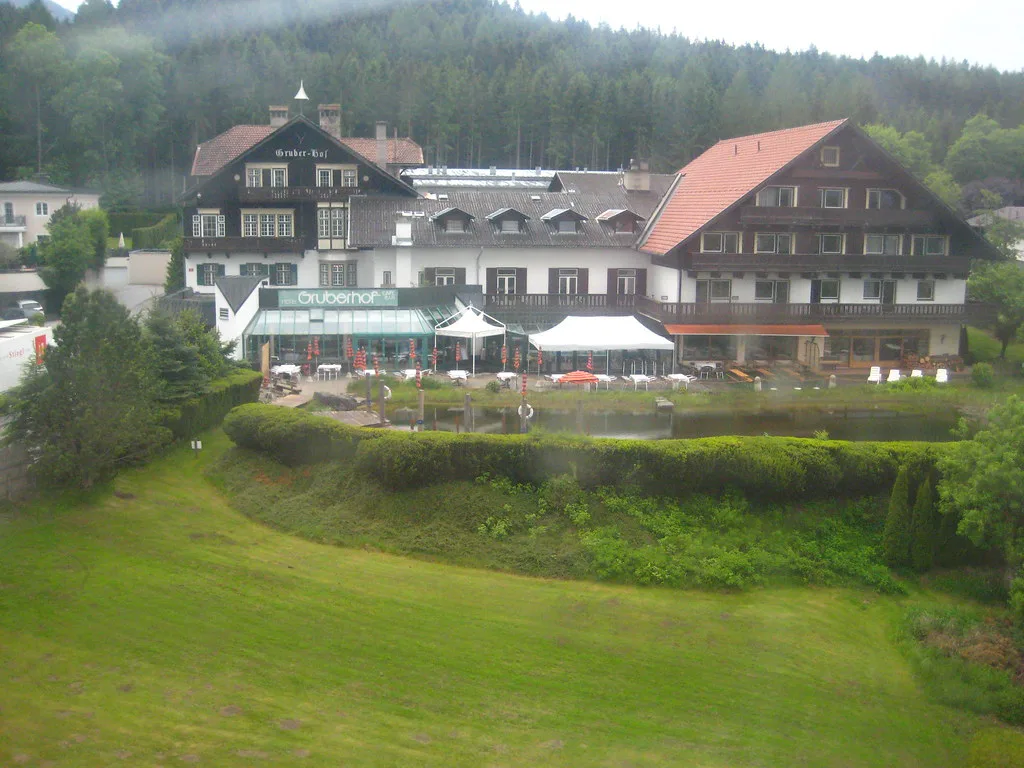
The city's core sights run year-round: the Golden Roof, the Hofburg, the Hofkirche with Maximilian's cenotaph and Ambras Castle all stay open through the winter, and the quieter months make them easier to see properly. The Bergisel ski jump, the Tirol Panorama and the city tower keep regular hours and give you indoor or sheltered vantage points when the weather turns. Seasonal mountain stations and hut restaurants above the city are the ones most likely to run shortened hours, so look up the Nordkette lift timetable or the hut's own opening times through Innsbruck Tourismus before you commit a day to them.
Several of these sights, along with public transport and the mountain lifts, are bundled into the Innsbruck City Card, which is worth pricing against your plans if you intend to visit three or more paid attractions. Admission prices change, so compare the card's current price with individual tickets at the ticket desk or on the Innsbruck Tourismus site before buying.
Things to do in winter
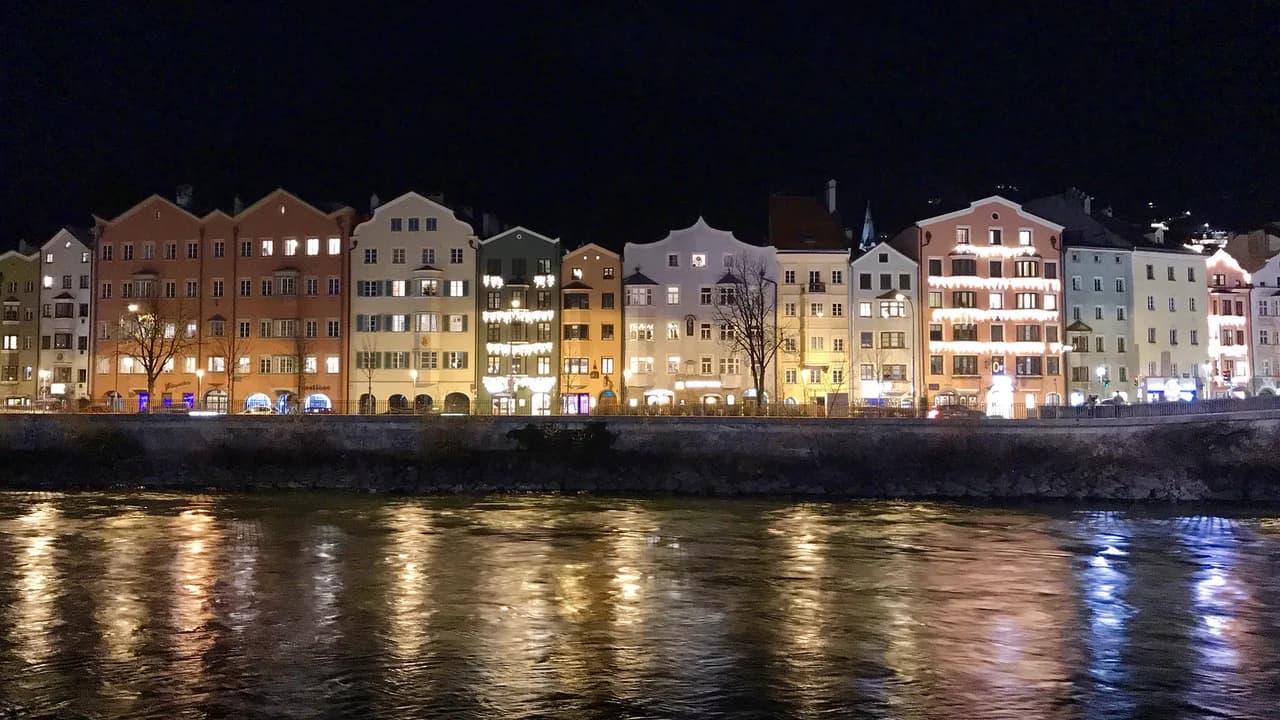
Start with the old town on foot: the arcaded lanes around the Golden Roof, the pastel houses along the river and the shopping stretch of Maria-Theresien-Strasse fill a cold but dry morning nicely. When the weather closes in, the Tirol Panorama with its huge 360-degree painting of the 1809 rebellion and the adjoining Kaiserjäger Museum make one of the best indoor hours in the city. For a longer wet-day block, the Hofburg state rooms and the Hofkirche next door pair naturally.
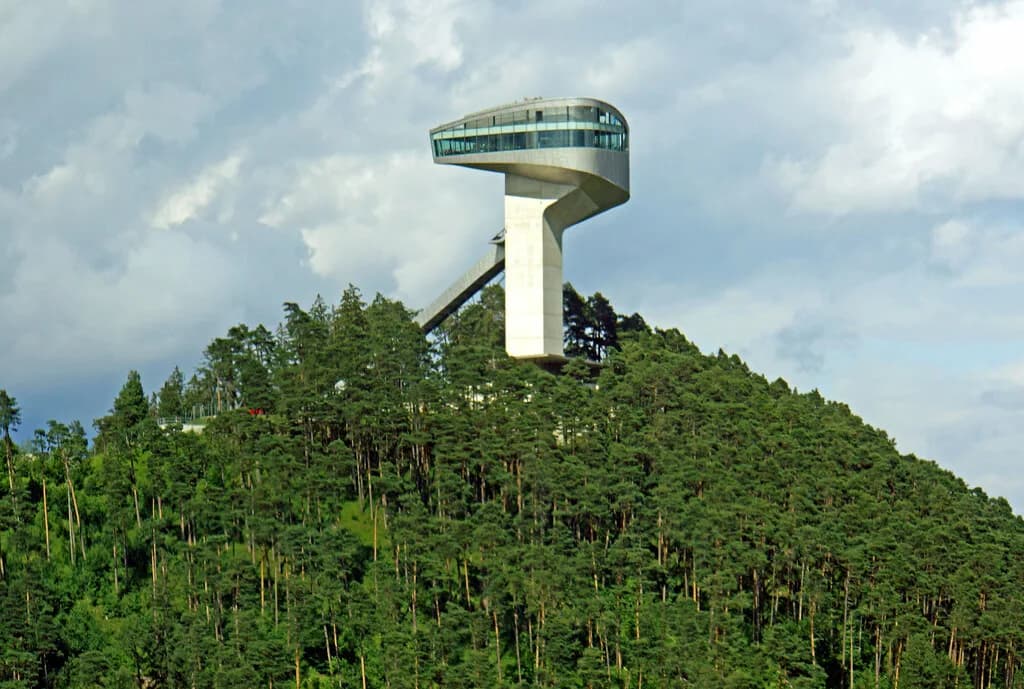
Above the city, the options multiply: the Nordkette tops out at 2,256 meters at the Top of Innsbruck, and the Bergisel ski jump adds a Zaha Hadid landmark with a viewing terrace over the valley. Olympiaworld runs the region's largest ice rink, which is a sensible family fallback when the mountain is in cloud.
Food is a winter activity in its own right here. Tyrolean cooking means käsespätzle with crispy onions, speckknödel in broth and slow-cooked goulash, and the coffeehouse tradition gives you a reason to sit still for an hour at Café Central or one of the student cafés near the university.
Riding the Nordkette cable car
The Nordkette ride is the signature Innsbruck experience and the one most dependent on weather. You start at the Zaha Hadid-designed Hungerburg funicular in the center, climb to the Hungerburg district, then switch to the cable car for Seegrube and, in the final stage, Hafelekar. In clear conditions the whole city, the Inn valley and the peaks unfold below you; in cloud you see grey.
Treat it as a half-day rather than a fixed booking. Go up on the first clear morning of your trip, because the mountain makes its own weather and the valley forecast tells you little about conditions at Seegrube. At the top, the Cloud 9 igloo bar and Restaurant Seegrube give you somewhere to sit out a squall, and the terrace is the point even if you never put on skis.
Museums and imperial sights
Innsbruck's Habsburg heritage fills the short afternoons well. The Hofburg's Giant's Hall and Maria Theresa's rooms, the Hofkirche with its 28 bronze figures guarding Maximilian's empty tomb, and Ambras Castle with Ferdinand II's collection of armor and curiosities each take an hour or two. A tram ride to Ambras also gives you a quiet winter walk on the castle hill.
The Tirol Panorama on Bergisel hill is the best single indoor stop for understanding the region's identity, and its hilltop position means you get a view as you leave.
Christmas markets in passing
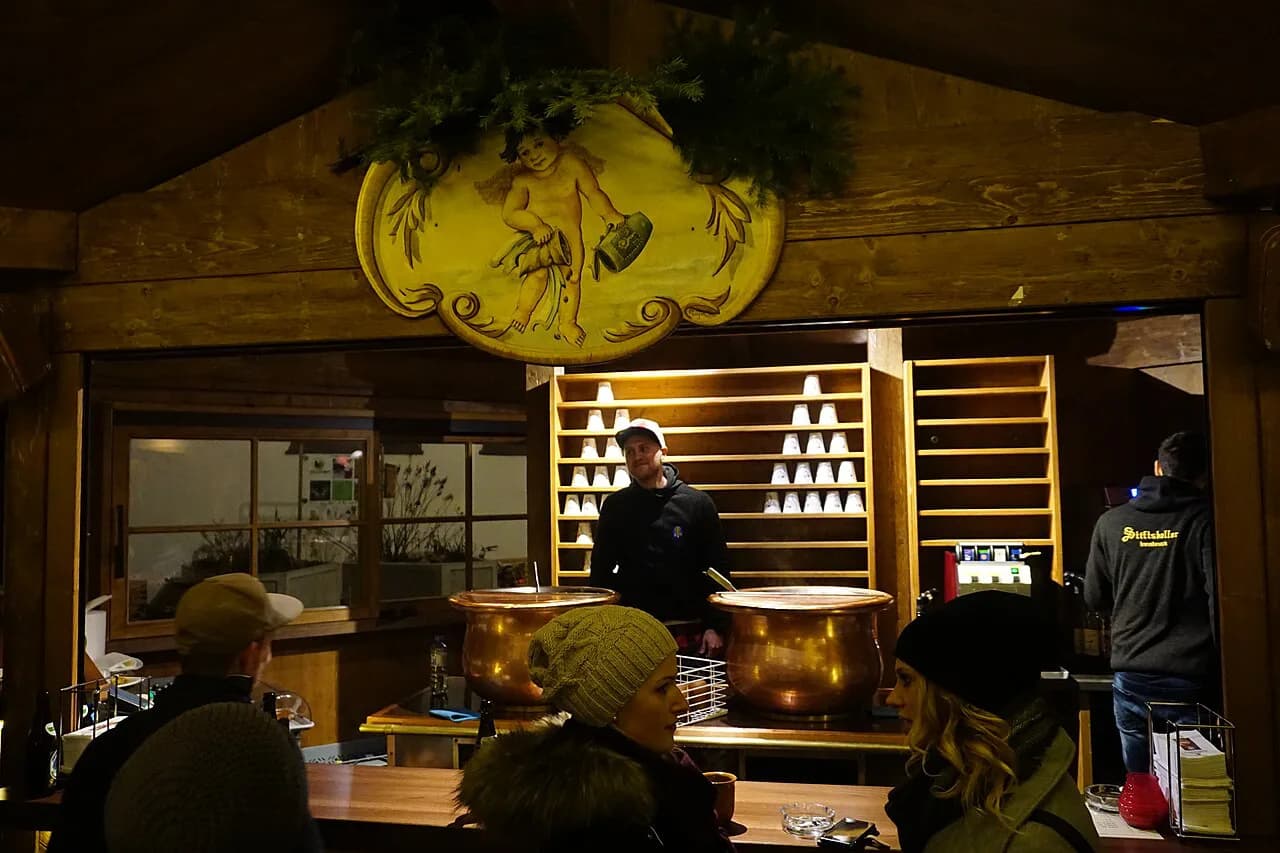
Between late November and Christmas Eve the city hosts several small markets rather than one large one: beneath the Golden Roof in the old town, on the Marktplatz by the river, along Maria-Theresien-Strasse and up at Hungerburg. They are pleasant rather than overwhelming, and the mountain-top one pairs naturally with a Nordkette ride. The detailed Christmas in Innsbruck guide handles the rest.
Day trips that work in winter
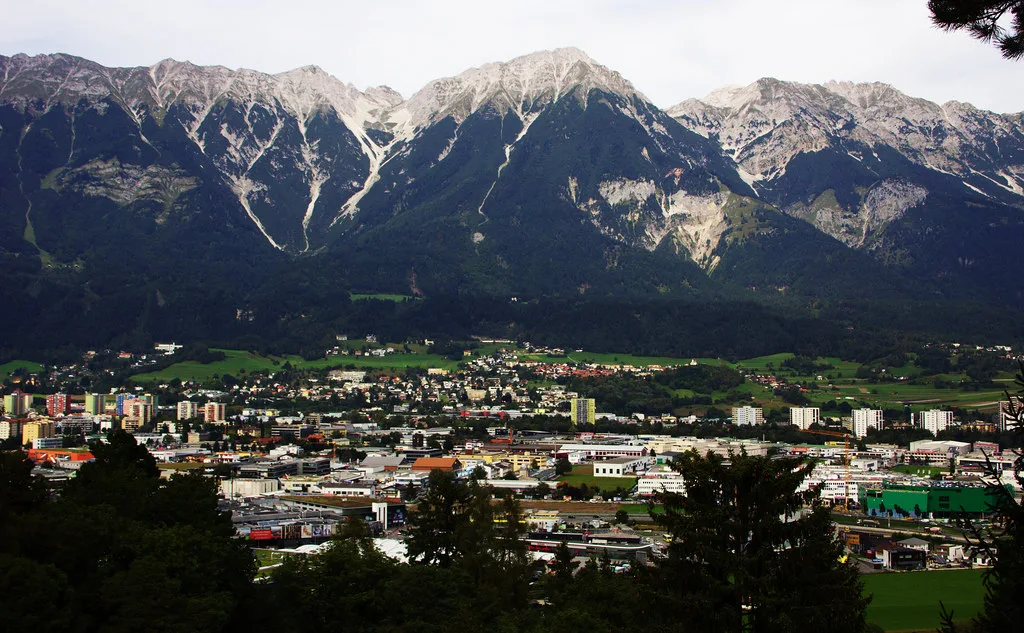
Hall in Tirol, about 20 minutes away, is a medieval salt town of narrow lanes and pastel houses that makes an easy half-day when the weather is dry. Seefeld, half an hour up the line by regional train, gives you a pedestrian village center and reliable snow even when Innsbruck is bare. Both fit inside a short winter day if you leave in the morning.
Swarovski Crystal Worlds, a short shuttle or train ride out of the city, is the obvious wet-weather day trip: the chambers are indoors and the light installations suit a grey afternoon. The Patscherkofelbahn on Innsbruck's local mountain offers a different panorama from the Nordkette and is often the better choice when the higher ridge is in cloud.
Crowds, prices and trade-offs
Innsbruck's winter crowds concentrate in two windows: the Christmas market weeks into early January, and the February half-term holidays. Outside them, the city is calm, hotel rates soften and restaurants have space, which is a strong argument for a mid-January or early-March trip. The trade-off is straightforward: quiet weeks come with colder, shorter and greyer days, and the mountain can be shut in for days at a time.
Who should go and who should wait
Come in winter if you want a compact Austrian city with real mountains overhead, are happy to plan around daylight and cloud, and value museums and cafés as much as viewpoints. Stay away if your ideal trip is long daylight hours, guaranteed snow on the streets or a wide choice of outdoor dining; a summer or early-autumn visit gives you far more of all three. Anyone set on skiing should base themselves in a resort rather than the city.
Getting around Innsbruck
The center is walkable, and the tram and bus network covers the station, Ambras and the Bergisel hill; the Hungerburg funicular connects the old town to the mountain lifts. Buy tickets at machines or in the app and validate them before boarding. For a broader sense of how Austrian cities handle the season, the Austria in winter guide puts Innsbruck in context.
Practicalities for a winter visit
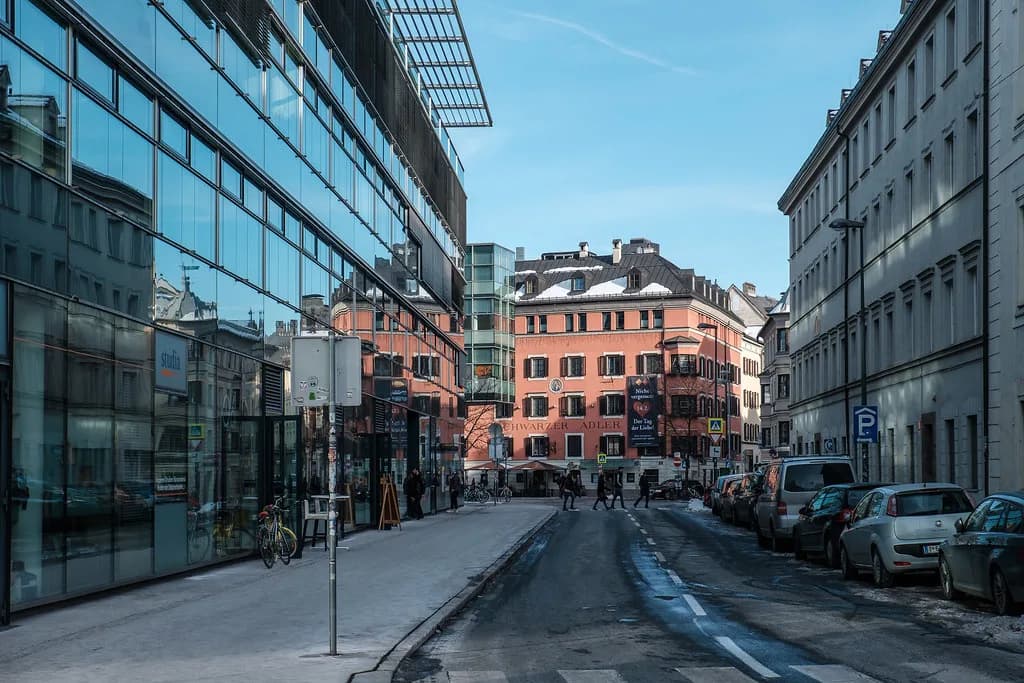
Book the mountain legs of your trip around a clear forecast and keep one museum day in reserve, because the Nordkette and Patscherkofel are worth saving for good visibility. Long-distance trains from Munich, Vienna or Bolzano run year-round but fill around the holidays, so reserve seats in advance. Ice on the pavements is the real hazard in January and February, and the city's side streets stay slick after snowfall.
Plan Your Visit
Innsbruck rewards a winter traveler who treats the season as a city break with a mountain attached. Aim for mid-January or early March if you want space and lower rates, pick December only if the festive atmosphere is the point, and hold the cable car for the clearest morning of your stay. With those choices made, the short days stop being a problem and start shaping a trip that fits together.
Explore more Innsbruck winter guides
Frequently Asked Questions
Is it worth visiting Innsbruck in winter?
Yes, if you want a compact historic city with Alpine scenery on the doorstep. The old town, the Hofburg, the Hofkirche and Ambras Castle stay open, and the Nordkette cable car lifts you to a mountain terrace in about half an hour. It is less rewarding if you need long daylight hours or guaranteed snow at street level.
What can you do in Innsbruck in winter without skiing?
Walk the old town around the Golden Roof, visit the Tirol Panorama and the imperial sights, ride the Hungerburg funicular and Nordkette cable car, skate at Olympiaworld, and take a day trip to Hall in Tirol, Seefeld or Swarovski Crystal Worlds. Cafés and Tyrolean inns fill the coldest hours.
Does it snow in Innsbruck in December?
Snow is common in December and January, but the valley floor often sees less of it than the surrounding mountains. The peaks usually hold white cover even when the streets are clear, so the classic winter backdrop is reliable while street-level snow is not.
How cold does Innsbruck get in winter?
Typical winter temperatures range between about -2°C and 6°C (28–43°F), with colder nights and sharper cold on the mountain terraces. The Nordkette and Patscherkofel are significantly colder and windier than the city, so plan for a real temperature drop when you go up.
Is Innsbruck worth visiting at Christmas?
Christmas is the most atmospheric stretch, with small markets in the old town, on the Marktplatz, along Maria-Theresien-Strasse and at Hungerburg. It is also the busiest and priciest window, so book trains and rooms early and expect company in the old town during the week between Christmas and New Year.
How many days do you need in Innsbruck in winter?
Three nights covers the old town, the imperial sights and one mountain day, with room for a wet-weather museum block. Four or five nights lets you add a day trip to Hall in Tirol or Seefeld and keep a spare clear morning for the Nordkette.
Sources
Winter travel notes
Optional updates when we add or revise winter guides.
You might also like
Continue reading
More guides you'll find useful