Austria in Winter: Where to Go and What the Season Is Like
Austria in winter means short bright days, snowy Alps and quiet imperial cities. Compare regions, what stays open, and which month fits your trip.
On this page
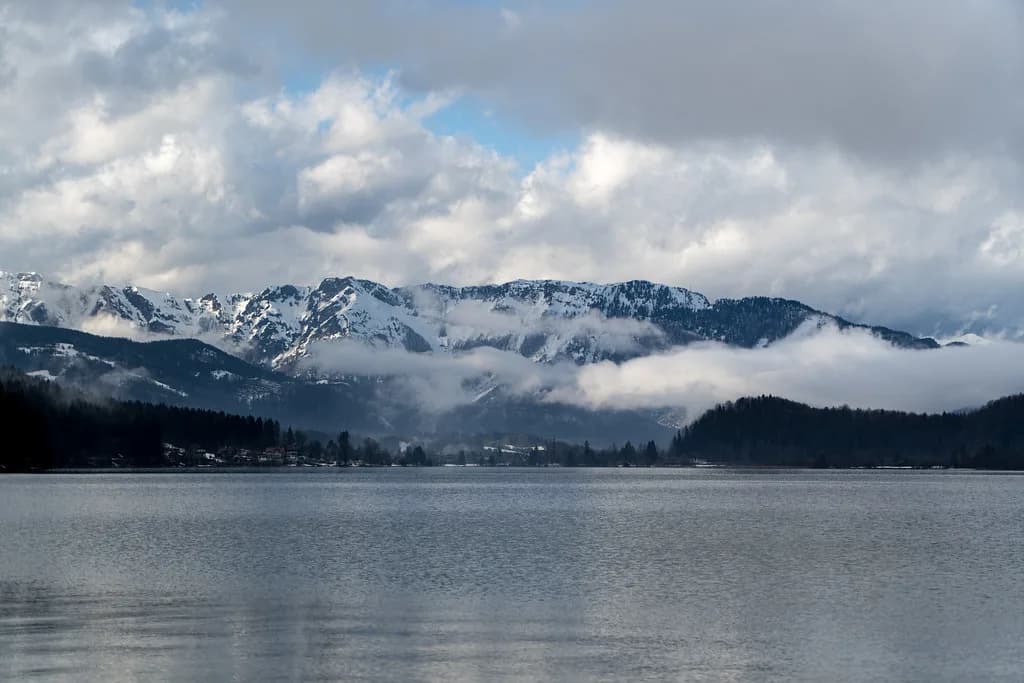
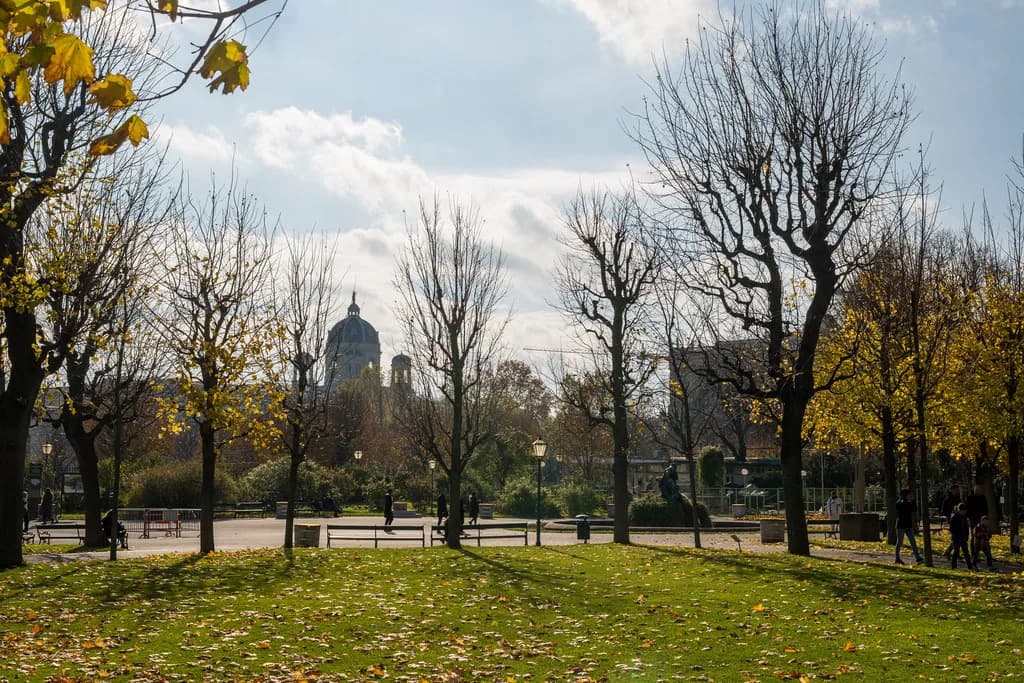
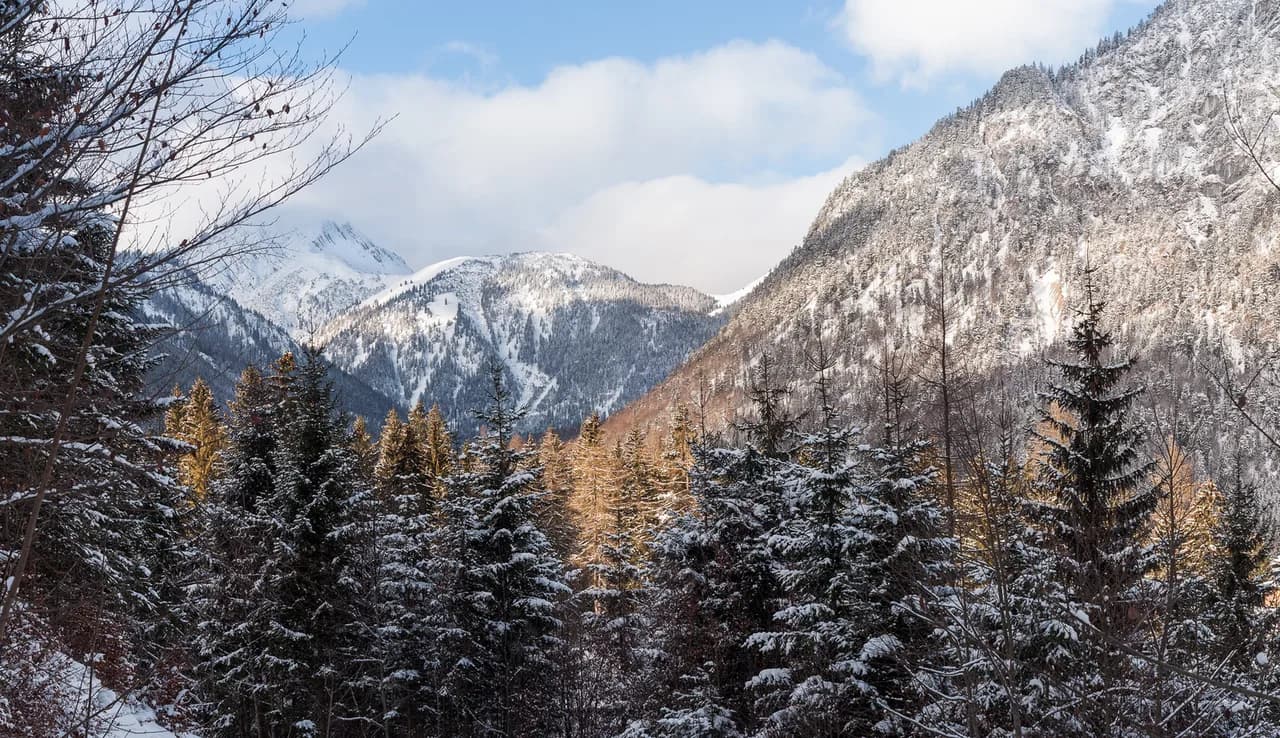
Austria in winter is a country of contrasts rather than one climate. Vienna in the east sits in a wide, low basin with grey, damp days and occasional snow, while the Alps to the west and south collect deep snow and offer bright, cold, high-altitude sunshine. That split should drive your planning more than any single temperature figure.
The season suits travelers who want museums, fortresses, spa afternoons and mountain scenery without summer bus queues, and who can accept short days and early darkness. It suits couples and city-focused travelers especially well. Anyone hoping for long sightseeing walks, lake swims or alpine road drives should look at late spring or early autumn instead.
What Austria in Winter Is Like, and Who It Suits
From November to March the country works in two gears. The Alps and their foothills run a full winter season with snow-covered slopes, while cities such as Vienna, Linz and Graz settle into a cultural rhythm of concerts, exhibitions and cafes. Travelers who want one base and easy day trips do better in a city than moving between villages. If you are weighing options beyond Austria, our Croatia winter guide weighs a similar city-versus-coast decision for the colder months.
Daylight is the real planning constraint, not cold. December afternoons fade early, so a sensible winter day usually pairs one indoor sight with one outdoor walk rather than trying to cover three districts. In January and February the snow window is widest; in March days lengthen and valleys soften, which makes it the best month for travelers who want mountains but not deep-winter conditions.
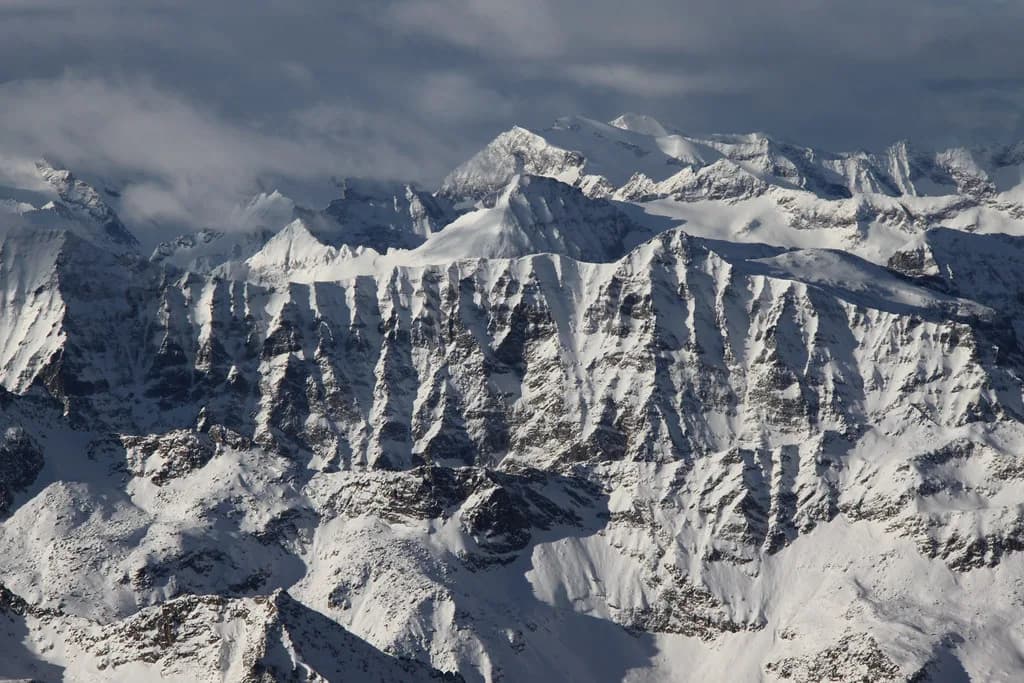
Snow is reliable at altitude and patchy in the lowlands. The eastern Danube valley, including Vienna, often sees snow that melts within days, while the Tyrol and the Salzburger Land hold snow for months. Read the seasonal snowfall patterns for Austria before deciding whether you need a mountain base or a city one.
Winter Weather Across Austria: Vienna, Salzburg, Innsbruck and the Alps
Expect typical January highs near freezing in Salzburg and Innsbruck, with nights well below freezing, and milder, damper days in Vienna where fog and low cloud are common. Alpine resorts at higher elevation are colder but often sunnier above the cloud layer. These are long-term averages rather than a forecast, so check GeoSphere Austria's published climate figures for the stations nearest your base.
For comparison, the standard long-term reference for Austrian stations is the national climate service GeoSphere Austria, which publishes monthly means for temperature, precipitation and sunshine. Read the January normals for two or three candidate towns before you commit: the gap between a foggy basin city and a high valley is large, and it decides whether your trip is a museum week or a mountain week.
Valley towns such as Zell am See and Kaprun sit between the two: cold enough for reliable snow on the surrounding slopes, but less harsh than high passes. Travelers choosing between a city week and an alpine week should weigh short daylight in the mountains against the grey, misty afternoons typical of the eastern lowlands.
Rain and snow mix in the lowlands, and snow chains or winter tires matter on mountain roads. Trains run throughout, which is why many winter itineraries pair Vienna and Salzburg with a fast rail link rather than a rental car.
December: Dark Afternoons, Advent Weekends and Christmas Eve Closures
December is the darkest month and the busiest in the cities. Advent weekends bring locals into the centers, markets fill squares, and hotels in Vienna and Salzburg run near capacity on weekends. Christmas Day 2026 falls on a Friday, and New Year's Day 2027 also falls on a Friday, so both holiday weekends lengthen the busy stretch.
Christmas Eve and Christmas Day are the days that reshape a December trip. Many businesses and sights reduce their hours or close around the holiday, and restaurant tables need booking well ahead. Plan a quiet Christmas Day around a hotel meal and a walk, and leave the major sights for the days either side. More detail on the month's rhythms sits in the guide to Austria in December, which covers Advent weekends and the holiday squeeze.
Book major Vienna sights before you travel in December, because holiday-week slots go first. The imperial palaces and gardens are open year-round and suit a winter visit, with the interior rooms giving a warm, dry hour out of the cold.
January and February: The Coldest, Snowiest Stretch
January and February are the coldest months in the Alps and the snowiest in the mountains. This is peak season for skiers and also the quietest time in city hotels once the New Year crowds leave. Epiphany on 6 January 2027, a Wednesday, is a public holiday in Austria, so expect some businesses to close and mountain areas to be busy.
Carnival brings a burst of activity before Lent. Carnival Tuesday falls on 9 February 2027, with Ash Wednesday on 10 February 2027, and towns in the Tyrol and Vorarlberg hold masked processions that draw visitors. Book accommodation in those regions early if you plan to attend, and read the full guide to Austria in February for the month's events and conditions.
For travelers who want snow but not a ski holiday, February works well for spa towns and alpine viewpoints. Keep plans flexible, because heavy snowfall can slow trains and close mountain roads for short periods. Snow conditions matter more than the calendar here, so check the snow outlook for Austria by month and region before choosing your base.
March: Longer Days, Milder Valleys and Holy Week Timing
March is the shoulder month that many travelers overlook. Days lengthen noticeably, valley snow turns to slush, and lower-altitude walks become possible again, while high slopes still hold snow. Clocks go forward on 28 March 2027, which adds a sudden hour of evening light at the end of the month.
Easter Sunday falls on 28 March 2027, so Holy Week runs from 21 to 28 March 2027. That week lifts demand in Salzburg, Vienna and mountain towns, and alpine lift operators publish their own season end dates as the month approaches. Book early if your dates overlap, and expect spring conditions rather than deep winter.
March suits travelers who want mountains without deep cold, and city visitors who prefer milder walks along the Danube. Thermal spa towns such as Bad Gastein are pleasant in this period, with indoor bathing and steam rooms unaffected by the weather outside; the month-by-month detail sits in Austria in March.
Vienna in Winter
Vienna is the easiest Austrian city to visit in winter. Its imperial palaces, world-class museums and coffee houses fill short days well, and the Ringstrasse tram gives a warm, moving view of the city on wet afternoons. The center is compact enough to walk between sights, but plan for early dusk and pick two or three anchors per day.
The Kunsthistorisches Museum is a strong winter choice: a single visit covers paintings, antiquities and a grand cafe under one roof, which keeps you out of the cold for hours. Pair it with a nearby museum or a coffee stop rather than trying to reach the outer districts.
Schönbrunn Palace is the other anchor, with the palace interior and the zoo on the same site. The gardens are free to walk at any time of year, but winter visits are best kept short and focused on the building itself. Book timed entry with the palace administration during holiday periods, when slots fill quickly.
Salzburg and the Salzburger Land in Winter
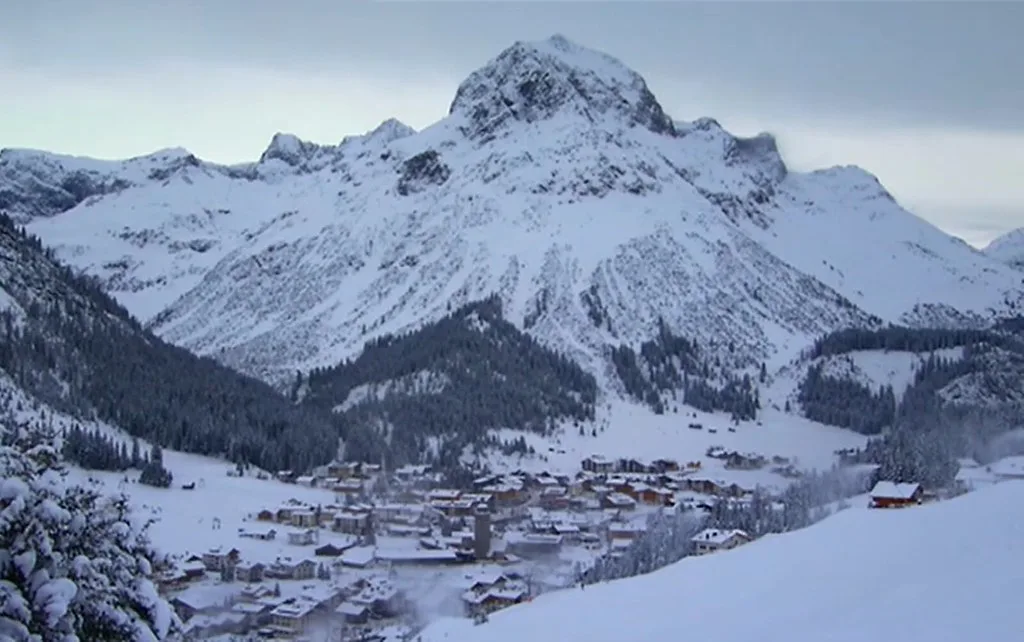
Salzburg combines a baroque old town with mountains close enough for a half-day excursion. Hohensalzburg Fortress, the largest intact fortress in Central Europe, gives a snowy panorama of the city and the Alps beyond, and the funicular saves a cold climb. Mozart's birthplace and the cathedral fill a second day comfortably.
For a mountain day, the Königssee lies across the German border and is a realistic excursion from Salzburg, with boat trips across the lake and a cable car above it. Treat it as a cross-border trip and confirm winter boat service with the Bayerische Seenschifffahrt before you go, since alpine lake transport is seasonal. Closer to the city, Mönchsberg offers a short ridge walk with views over the rooftops.
Burg Hohenwerfen, roughly 40 kilometers south of Salzburg, stands above the village of Werfen and looks its most dramatic under snow. The castle's hawk displays are a summer feature, so winter visitors come for the setting and the exterior rather than the shows. Combine it with a valley walk if the weather holds.
Innsbruck and the Tyrolean Alps
Innsbruck puts mountains at the end of every street. The city tower and the medieval houses on the market square give a compact old town, and the river Inn runs through the middle with pastel facades along its banks. It is the best Austrian base for travelers who want a city and alpine scenery in the same day.
Above the city, the Hungerburg funicular and the cable cars beyond it climb quickly into snow, so you can be at altitude within an hour of the center. For a full picture of the city in the cold months, see the guide to Innsbruck in winter, which covers the mountain railway and the old town in detail.
In the wider Tyrol, the Hintertux glacier offers year-round snow and an ice cave that stays frozen regardless of the season, which makes a striking contrast to the slush in the valleys. Kitzbühel and the Zillertal draw skiers, but non-skiers can use the lifts for walking and views. Snow quality at altitude is the reason this region works even in a poor lowland winter.
Castles, Lakes and Waterfalls in the Cold Season
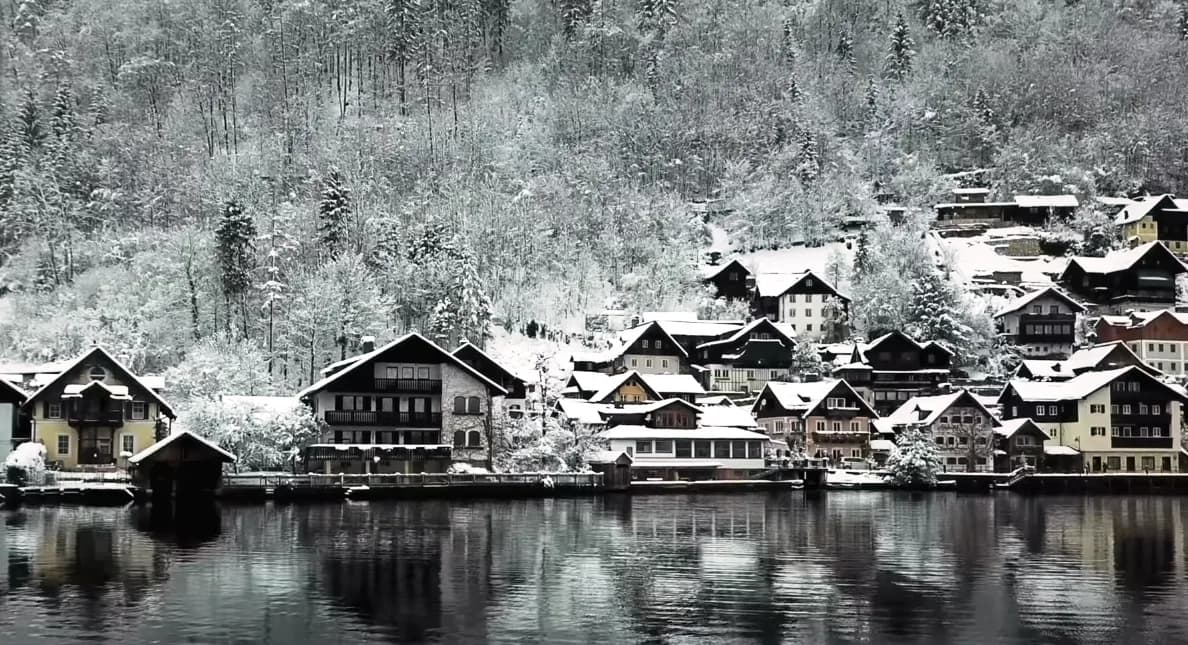
Austria's winter landscapes are at their most photogenic around frozen lakes and icy waterfalls. The Krimml Waterfalls, among the highest in Europe at around 385 meters in total, are dramatic when spray freezes on the surrounding slopes. Access in winter depends on snow and ice conditions, so ask the national park office locally before setting out.
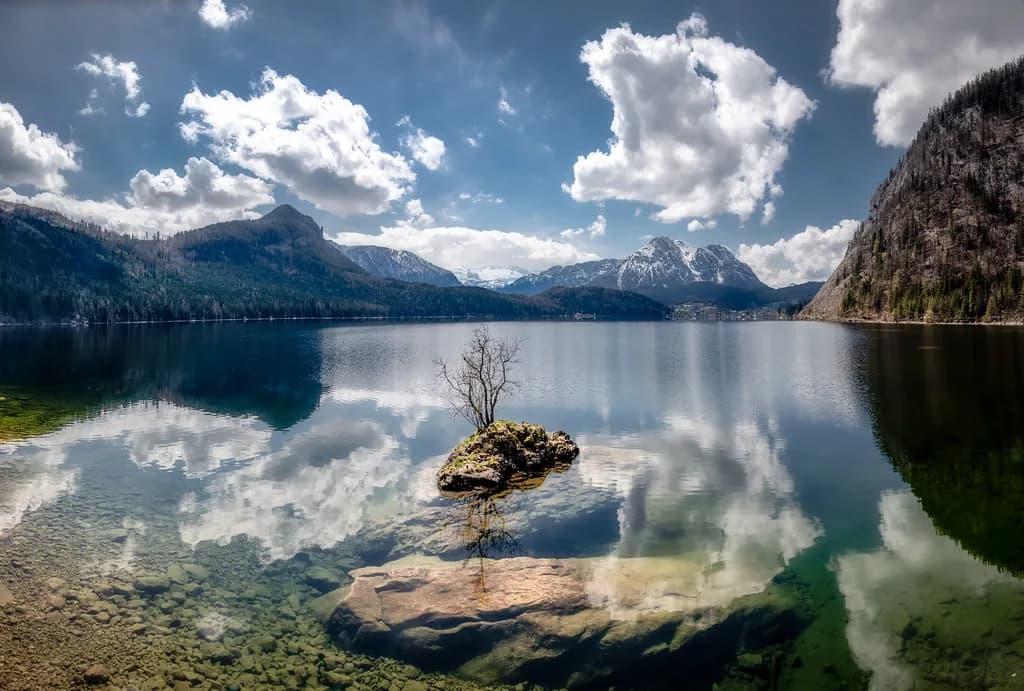
In Upper Austria, the Schiederweiher near Hinterstoder makes a gentle half-day walk from Linz, with mountains around the small lake and a marked path. A quieter route climbs from the Polsterstüberl toward the Großer Priel, gaining better views the higher you go, and you can return the same way. Snow makes the path slower than the distance suggests, and the route suits sturdy footwear rather than town shoes.
The Grossglockner Alpine road is a summer route and is not part of a winter itinerary. Keep mountain driving to cleared valley roads and use trains or organized transfers when snow is heavy.
Thermal Spas and Indoor Days
Austria's spa towns are built for bad weather. The Tauern Spa at Zell am See and Kaprun offers pools and saunas to day visitors for 26 euros as well as hotel guests, making it a practical stop between Salzburg and Innsbruck. Buy a day ticket for a few warm hours when the valley is grey.
Vienna and Salzburg both have strong indoor options: the Kunsthistorisches Museum and the Albertina in Vienna, and the Salzburg Museum and the cathedral in Salzburg. Mixing one indoor sight with one short outdoor walk keeps a winter day balanced. Families often find the Schönbrunn Zoo a good compromise, since it stays open year-round and children move quickly between indoor and outdoor areas.
What Is Open in Winter
Cities run year-round. Palaces, major museums, cathedrals and fortress sites such as Hohensalzburg keep regular winter hours, and rail services connect the main centers throughout the season. Mountain lifts and alpine roads are more variable, with some cable cars closing for maintenance in November and others opening only for the ski season.
Smaller attractions, lake boats and seasonal mountain huts often operate only in summer or only during the ski season, so consult each operator's own page for the dates of your trip. That applies especially to lake cruises, which run reduced winter schedules in some years and pause entirely in others.
Getting Around Austria by Train and Road
Austrian Federal Railways runs frequent services between Vienna, Linz, Salzburg and Innsbruck, and the west line is the backbone of most winter itineraries. Trains handle snow better than cars, and station-to-station travel avoids mountain road closures. Book seats on holiday weekends, when trains between Vienna and Salzburg fill up.
Driving is workable on main routes with winter tires, but mountain passes and forest roads need chains and local knowledge. If you plan to combine Vienna, Salzburg and a lake district, use the train for the long legs and a rental car only for short valley excursions. Package operators typically build a 2.5-hour train leg between Vienna and Salzburg into their winter itineraries.
Christmas Markets in Brief
Advent markets open in city squares across Austria in the weeks before Christmas, with Vienna's Rathausplatz and Salzburg's cathedral square among the largest. They run through Advent and usually close around Christmas, though dates vary by city. Treat them as an evening pleasure rather than the reason for the trip.
Costs and Crowds in Words
Winter pricing follows demand rather than the calendar. Christmas and New Year weeks are the most expensive and most crowded in Vienna, Salzburg and the ski resorts, while late January and early March are quieter and often cheaper. Book Christmas-week accommodation and holiday-period restaurants well in advance, and expect alpine towns to be full during school holidays.
Ski resorts charge peak rates during February half-term weeks across Europe, so non-skiers sharing those towns will find higher prices too. City hotels in January offer better value than in December. Travelers who want quiet museums and easy tables should aim for mid-January or early March.
Who Should Pick a Different Month
Travelers who want long daylight, alpine road drives, lake swimming or waterfall trails without ice should choose late spring or early autumn. Families with very young children may find December's short afternoons and holiday closures frustrating. Anyone relying on a specific cable car or lake boat should check the operating calendar before booking flights.
Travelers who want deep snow and winter atmosphere should come in January or February, and those who want mountains without harsh cold should choose March, avoiding Holy Week if crowds bother them. City-focused visitors can go almost any winter month, though December is the most atmospheric and the busiest.
Plan Your Visit
Pick your Austrian winter by what you want from the days, not by the thermometer. December suits city atmosphere and markets, January and February suit snow and alpine scenery, and March suits longer days and milder valley walks. Each month has a clear trade-off in daylight, crowds and snowfall.
Build the trip around rail links between Vienna, Salzburg and Innsbruck, keep one flexible day for weather, and book the anchors you care about before you fly. That structure turns a short winter visit into a comfortable one even when the sky stays grey.
Explore more Austria winter guides
Frequently Asked Questions
What months count as winter in Austria?
December, January and February are the core winter months, and March still feels wintry in the mountains and many valleys. November is a transitional month with short days and fewer visitors.
Is Austria worth visiting in winter for cities rather than skiing?
Yes. Vienna and Salzburg keep their palaces, museums and concerts running through the season, and short days encourage a slower pace. Travelers who prefer indoor culture to mountain sports often find the cities more rewarding than a ski resort.
How much daylight does Austria get in December and January?
December has the shortest days, with darkness falling in the late afternoon, and daylight begins to lengthen through January. Plan one or two anchor sights per day and use the morning light for outdoor walks.
Which part of Austria is best in winter for snow?
The Tyrol and the Salzburger Land are the most reliable for snow, especially at higher elevations. The eastern lowlands around Vienna see snow that often melts within days.
Are trains a good way to travel around Austria in winter?
Yes. Main-line rail links between Vienna, Linz, Salzburg and Innsbruck run through the season and handle snow better than mountain roads. Book seats on holiday weekends when demand peaks.
What should I expect on Christmas Eve and Christmas Day in Austria?
Many businesses reduce hours or close around the holiday, and restaurants need advance booking. Plan a quiet day around a hotel meal and a short walk, and visit major sights on the days either side.
Sources
Winter travel notes
Optional updates when we add or revise winter guides.
You might also like
Continue reading
More guides you'll find useful