Canary Islands in Winter: Where to Go and What to Expect
Winter in the Canary Islands brings mild temperatures, sunshine and some rain, with real differences between islands and between December and February.
On this page
Winter in the Canary Islands is the mildest winter you can find on Spanish soil: short-sleeve afternoons on the coast, a light jacket after sunset, and enough sun to keep the Atlantic looking inviting even in January. It suits travelers who want a European winter without ice, and who are happy to trade guaranteed heat for variety — volcanic landscapes, historic towns and whale-watching water within a short flight of each other.
It does not suit anyone expecting Caribbean certainty. Rain falls in winter, wind picks up on the exposed eastern islands, and the high ground of Tenerife and La Palma behaves like a different climate altogether. The archipelago is also not one destination: Lanzarote and Fuerteventura run drier and breezier, while the western islands take more rain and stay greener.
Winter Weather in the Canary Islands
Typical December conditions across the archipelago average around 14–19°C, with nights rarely dropping below 8°C (46°F), roughly ten hours of sunshine a day, and an average sea temperature of around 21°C (70°F) in the Atlantic. Rainfall averages about 139 mm for the month and average wind sits near 13 mph, which is why a cloudy morning often clears by lunchtime.
Another set of December averages puts daytime highs between 22°C (72°F) and lows near 16°C (61°F), which shows how much the figure depends on which island and which coast you measure. Treat all of these as long-term typical conditions rather than a forecast, and plan for a range: a warm afternoon in Costa Adeje can sit in the same week as a cool, windy one in Corralejo.
January is the coolest month of the winter and February sits close behind, but the coastal strip rarely feels cold in daylight. The bigger variable is altitude and aspect: south-facing resort coasts such as Maspalomas and Playa Blanca catch more sun, while north-facing shores and the high interiors cloud over first.
December: Christmas Sun and Short Evenings
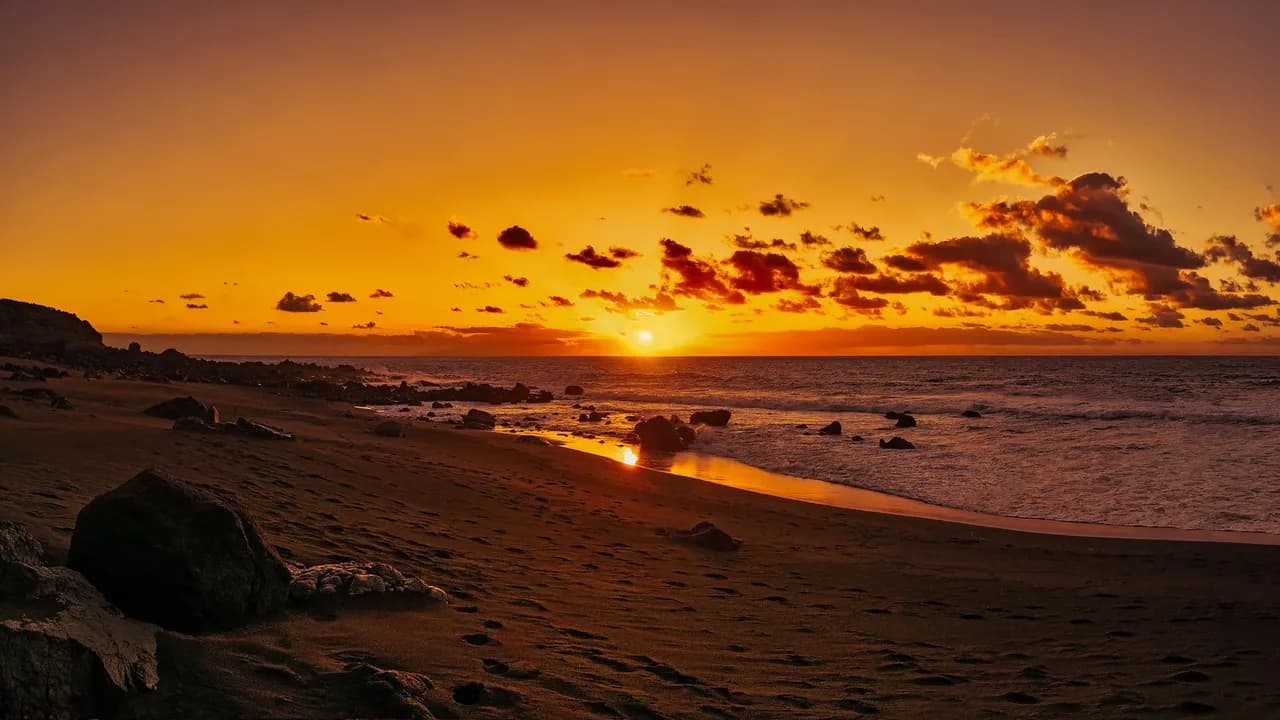
Early December still delivers sunsets around 6:45pm, so afternoons at the coast stretch longer than most of northern Europe. As the month runs toward Christmas the light shortens, and by the solstice you are looking at roughly ten hours of daylight — enough for a volcano visit, a coastal walk and a late lunch outdoors.
Christmas week itself is one of the busiest stretches of the Canary Islands winter, with Spanish families traveling home and northern Europeans booking sun over the holiday. Book the December week you want early and expect the resort towns, especially around Costa Adeje and Maspalomas, to feel full rather than sleepy.
Rain in December is real but uneven. The western islands — La Palma and Tenerife — generally see more of it than Gran Canaria, Lanzarote and Fuerteventura, which sit closer to the African coast and catch warmer, drier air. A December trip built around outdoor plans is safer on the eastern islands.
January: The Coolest Month
January brings the coolest air of the winter and the best value of the season, with coastal days still mild enough for a terrace lunch and a walk, and evenings that call for a layer. The water stays cool rather than cold by Atlantic standards, but this is not a month for long, unhurried swims unless you are used to brisk sea temperatures.
Epiphany on Wednesday 6 January 2027 is the big family date of the Spanish Christmas season, and the islands celebrate it with processions in the towns. If you want the festive atmosphere without the Christmas-week crush, the first week of January gives you both — but check that the specific restaurant or excursion you want is running before you build a day around it.
Sightseeing in January is comfortable: the Teide cable car, the old towns of La Laguna and Las Palmas, and the volcanic trails of Lanzarote are all more pleasant in mild air than in summer heat. Short daylight means starting early if you want a full day on the mountain.
February: Carnival and the Last Stretch
February is the month when the Canary Islands winter turns into a party. Carnival Tuesday falls on 9 February 2027, with Ash Wednesday on 10 February, and the run-up fills the streets of Santa Cruz de Tenerife and Las Palmas de Gran Canaria with parades, music and late nights.
Weather-wise February stays close to January, with mild coastal days and the chance of rain, though the days are already lengthening noticeably by the second half of the month. If Carnival is your reason for coming, book accommodation and transport well ahead — this is the busiest week of the island year outside Christmas.
For travelers who want warmth without crowds, late February is a sweet spot: the carnival energy has passed, the days are longer than in January, and the coastal resorts are quieter than at Christmas.
Which Island Is Warmest in Winter
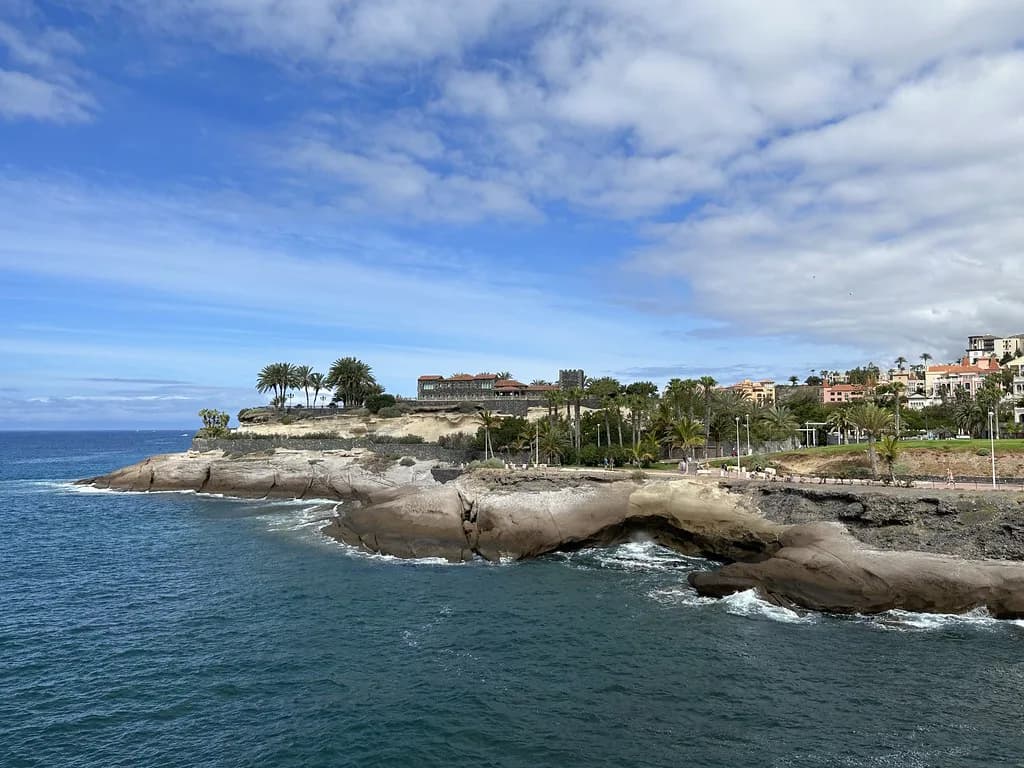
Warmer in practice means Lanzarote and Fuerteventura, which sit nearer the African coast and catch warmer continental air, and are more sheltered from the prevailing winds. Gran Canaria's southern resorts such as Maspalomas and Puerto Rico also hold onto sun, while Tenerife's Costa Adeje and Los Cristianos sit in the same warm, dry southern band.
The greener, western side is the wetter one. La Palma and the north of Tenerife and Gran Canaria take more rain, which is exactly why they are lush; if your priority is guaranteed dry days rather than dramatic scenery, base yourself in the south and east. Winter sea temperatures hover around 21°C (70°F), so the water is swimmable for many travelers on the sheltered southern coasts.
Altitude matters as much as longitude. A resort at sea level on Gran Canaria can be 10°C warmer than the pine forest an hour's drive inland, so pick your base by how you want to spend the day, not just by island name.
Snow and the High Mountains
Winter does bite in the Canary Islands — just not at the coast. Mount Teide on Tenerife rises above 3,700 m, and its summit can hold snow and ice while the beaches below sit in the low twenties Celsius. Access to the upper mountain depends on conditions, so on a winter day the sensible move is to head up only if the mountain is clear and the road is open.
La Palma's highest peaks, around the Roque de los Muchachos observatory, also see snow and freezing nights in winter, and the road up there can be affected by ice. Treat any high-mountain plan as weather-dependent and build in a backup day at the coast.
The prize for the climb is stargazing: the high ground of La Palma and Teide's surroundings are among Europe's clearest night skies, and winter's long nights give you more dark hours than summer.
What Stays Open and What Slows Down
The Canary Islands are a year-round destination, so the core of the trip — airports, ferries between the main islands, the Teide cable car, museums in Santa Cruz, La Laguna and Las Palmas, and the whale-watching boats off Tenerife's south coast — keeps running through winter. Beach clubs and some seasonal excursions cut their hours outside the Christmas and Carnival peaks, so confirm the specific operator before you rely on a particular departure.
Resort restaurants on the coasts stay open for the winter sun market, but a few rural and high-altitude places close in the quiet weeks of January. Walking trails and natural pools remain accessible, with the caveat that rain can close gorge routes and sea pools after heavy weather.
Things to Do in Winter
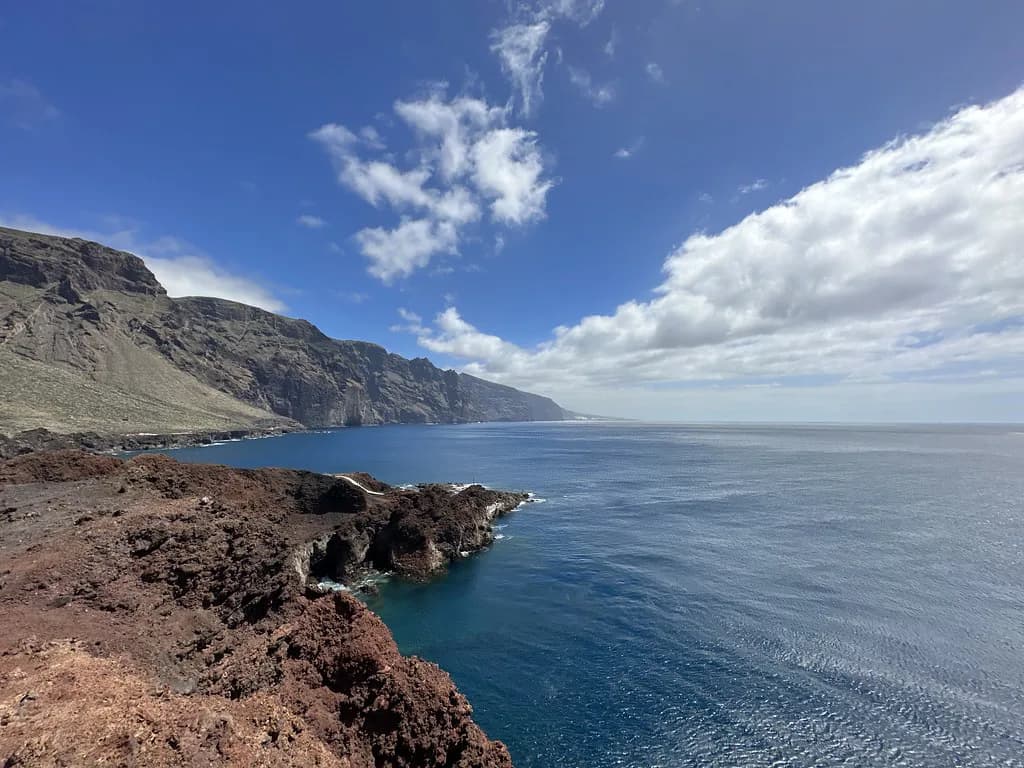
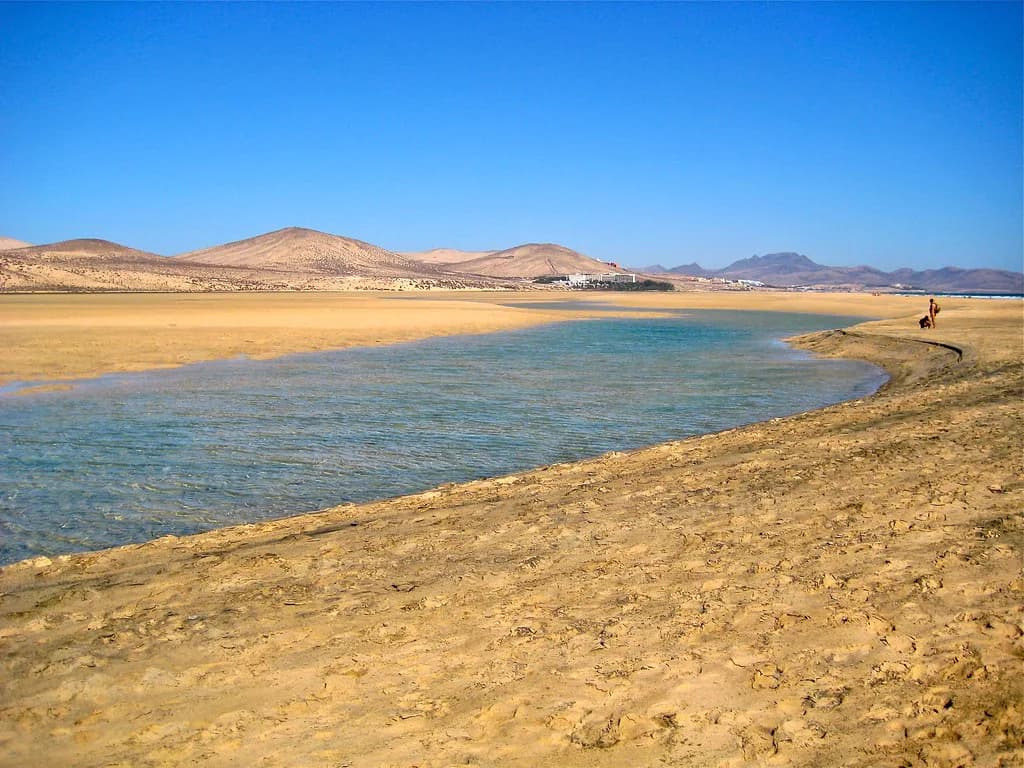
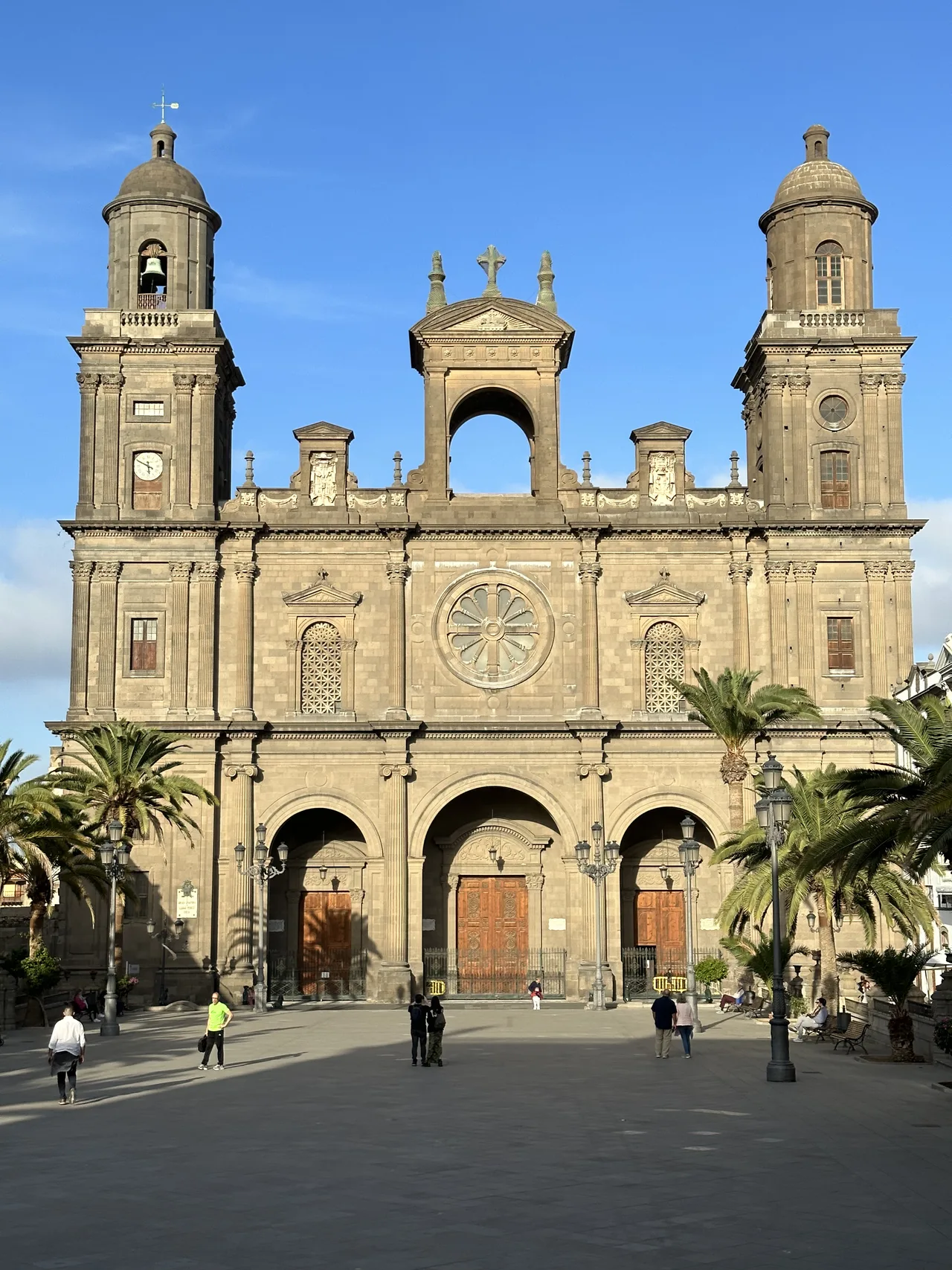
The volcanic landscapes of Timanfaya on Lanzarote and the dunes of Corralejo on Fuerteventura are at their best in winter, when walking them does not mean midday heat. Tenerife's Teide National Park gives you the cable car up and the crater trails at the top; Gran Canaria's Roque Nublo and the green interior suit a cooler day.
Historic towns fill the short daylight well: La Laguna's UNESCO-listed streets, Las Palmas's Vegueta quarter, and the old town of Santa Cruz de La Palma. Whale watching off the south of Tenerife runs year-round, and winter is a good time to see pilot whales and dolphins in calmer water.
Food is a reason in itself in the cooler months: papas arrugadas with mojo, fresh fish, and the island wines of Tenerife and Lanzarote taste better after a morning outdoors. Thermal and spa facilities, from the coastal spa hotels to the volcanic-rock pools of the north, give you a wet-weather plan.
Christmas and New Year in the Canary Islands
Spanish Christmas in the islands runs from the Christmas lights in December through Epiphany on 6 January 2027, with family meals and processions rather than a single big day. Christmas Day 2026 falls on a Friday and New Year's Day 2027 on a Friday, giving long holiday weekends and heavy demand on ferries and restaurants.
New Year's Eve in the islands means grapes at midnight, fireworks over the harbors of Santa Cruz and Las Palmas, and a long night that runs into the small hours. If you want a specific restaurant table for New Year's Eve, book it months ahead — the resort towns fill up quickly.
Carnival Season in the Canary Islands
Carnival is the second great season of the winter and, for many travelers, the reason to choose February. The biggest celebrations are in Santa Cruz de Tenerife and Las Palmas de Gran Canaria, with parades, drag galas and street parties in the weeks before Carnival Tuesday on 9 February 2027.
Carnival Tuesday itself is the peak, with Ash Wednesday on 10 February 2027 marking the end of the festivities and the start of Lent. Expect the main parade routes to be crowded and road closures around the centers; staying within walking distance of the old town is the simplest plan.
Day Trips and Getting Between the Islands
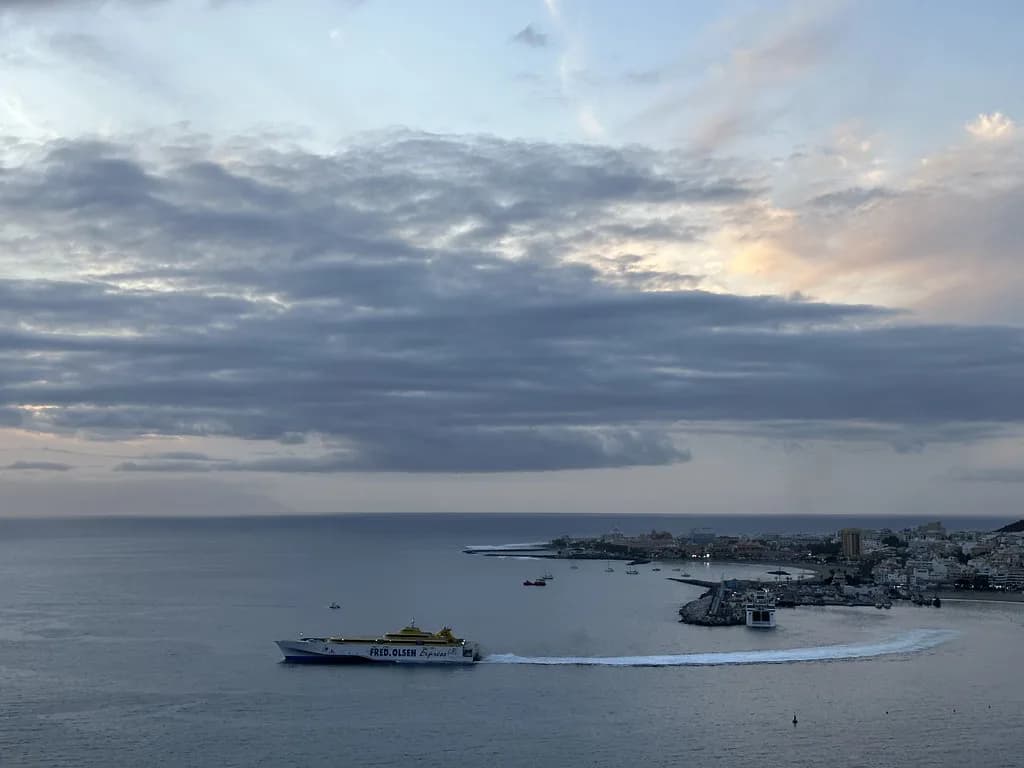
Inter-island ferries link Tenerife, Gran Canaria, La Palma and the eastern islands, and flights connect all of the main islands in under an hour. Winter weather can interrupt high-speed ferry crossings in rough seas, so build slack into any same-day connection between islands.
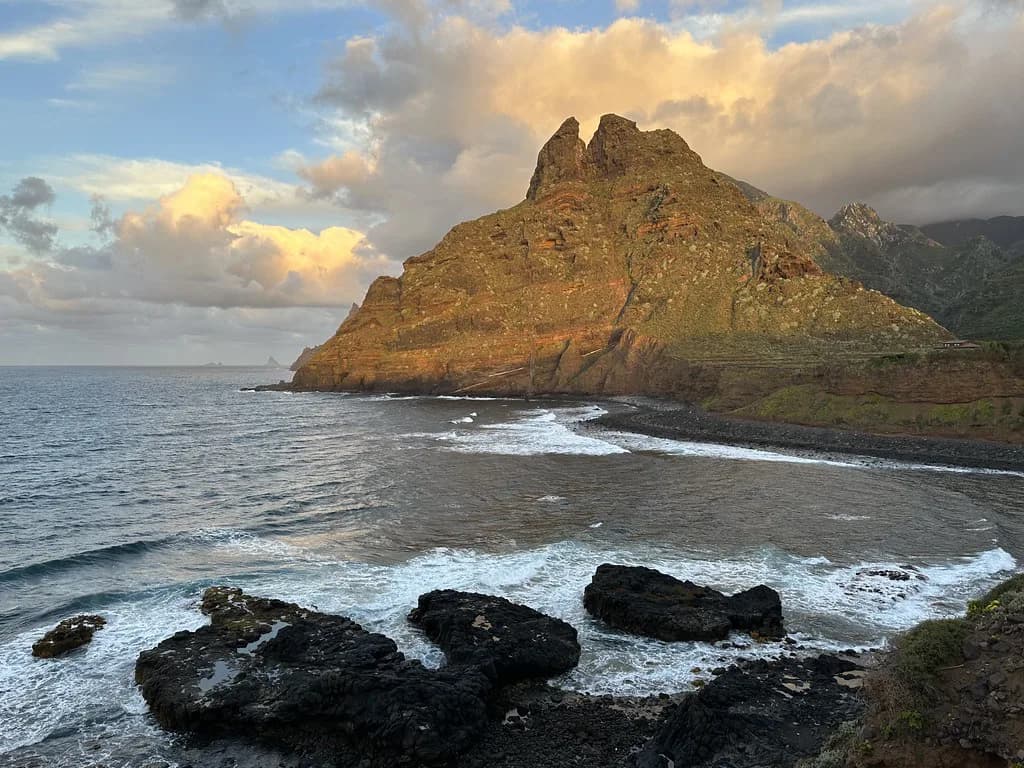
On Tenerife, the Teide cable car and the forest of Anaga make easy day trips from the southern resorts; from Gran Canaria, the interior villages and the dunes of Maspalomas are within an hour. Lanzarote's Timanfaya and Fuerteventura's Corralejo dunes are close enough for a day each without moving hotels.
Trade-Offs: Crowds, Prices, Rain and Wind
Winter is high season in the Canary Islands, and the Christmas and Carnival weeks feel it: fuller resorts, higher room rates and busier restaurants. January, after Epiphany, and late February are the calmer windows, when the same mild weather comes with noticeably more space.
Rain is the honest trade-off. There is a real chance of a wet day in any winter month, more so on the western islands, and wind on the exposed eastern coasts can make a beach afternoon unpleasant. Daylight is short — around ten hours in December — so days out need planning around the light rather than the clock.
The Verdict on Winter in the Canary Islands
Choose the Canary Islands in winter if you want mild coastal days, winter sun within a short flight of Europe, and a landscape varied enough to fill a week without repeating yourself. Lanzarote or Fuerteventura suits sun-seekers and walkers; Tenerife and Gran Canaria offer the best mix of beach, mountain and city.
Wait until spring if you need guaranteed heat, long beach days and warm sea, or if a high-mountain plan is central to your trip and you want it without weather risk. For a first winter trip, January or late February gives you mild weather, thinner crowds and the carnival season without the Christmas peak.
Plan Your Winter Trip
The Canary Islands are the most reliable winter sun in Spain, but the archipelago rewards a little planning: pick your island by its winter character, keep the high mountains as a flexible option, and treat rain as a possibility rather than a disaster.
Book Christmas and Carnival early, aim for January or late February if you want space, and confirm the specific excursions you care about — especially boat trips and cable car access — before you set your itinerary.
Explore more Canary Islands winter guides
Frequently Asked Questions
Which Canary Island is warmest in winter?
Lanzarote and Fuerteventura generally feel warmest and driest, sitting closer to the African coast and more sheltered from the wind. The southern resorts of Gran Canaria and Tenerife, such as Maspalomas and Costa Adeje, run close behind.
Is it warm enough to swim in the Canary Islands in winter?
The Atlantic stays around 21°C (70°F) in December, which many travelers find swimmable, especially on sheltered southern coasts. It is brisk rather than balmy, and the air can be cooler than the water.
Does it snow in the Canary Islands?
Snow falls on the high mountains rather than the coast. Mount Teide on Tenerife and the peaks of La Palma can hold snow and ice in winter, and access depends on conditions on the day.
Is winter a good time to visit the Canary Islands?
Yes, if you want mild coastal days and winter sun without extreme heat. Expect some rain, shorter days and busier resorts around Christmas and Carnival.
What is the weather like in December and January?
December typically averages around 14°C (57°F), with highs in the low twenties Celsius and lows near 16°C (61°F), plus about ten hours of sunshine a day. January is the coolest month, still mild on the coast but cooler at altitude.
Sources
Winter travel notes
Optional updates when we add or revise winter guides.
You might also like
Continue reading
More guides you'll find useful