Spain in Winter: Where to Go for Sun, Snow and City Breaks
Spain in winter splits into mild Mediterranean coasts, cold sunny interior cities, wet green north and snowy mountains. Compare regions, crowds and short days.
On this page
Spain in winter is really four destinations wearing one name. The Mediterranean coast stays mild enough for long lunches on a terrace, the interior gives you cold, bright days and world-class museums, the green north is wet and green, and the Canary Islands sit in permanent spring. Which one you choose matters more than the month.
The trade-off is light and crowd pressure rather than cold alone. Days shorten across the country, the Christmas and New Year weeks fill hotels and push fares up, and a handful of coastal and mountain businesses run reduced schedules. Book around those weeks and you get a calmer, cheaper Spain with shorter queues at the sights that matter.
What Spain is like in winter, and who it suits
Winter suits travelers who would rather see the Prado, the Alhambra or the Guggenheim without summer queues than chase beach weather. It also suits anyone flying south for real warmth in the Canary Islands, which sit off the African coast and keep mild conditions through the season.
It suits less well if you want swimming, sunbathing and long evenings outdoors on the mainland. Mediterranean water stays cold through winter, northern Spain gets most of its rain in these months, and the short days cut walking time. Plan indoor anchors for the middle of the day and you will not notice.
December is the busiest month of the low season, because locals and visitors alike are in festive mood, and the Christmas week and New Year push prices well above the rest of the month. If you want quiet, aim for the first half of December or the weeks after Epiphany.
Weather by region: Mediterranean coast, central Spain, the green north and the Canary Islands
The Mediterranean side is the mildest mainland option. Expect highs of roughly 15°C (59°F) in Barcelona, with temperatures edging up as you move south toward Andalusia, and sunshine on many days. That is comfortable sightseeing weather with a coat, not sunbathing weather.
Central Spain, Madrid included, is cold and clear: highs near 10°C (50°F) with lows around 3°C (high 30s °F), and January the coldest stretch of the year. Pack for real winter here, then enjoy the fact that museum queues are short and the light on the Royal Palace is sharp.
Green Spain along the Atlantic north is the wettest and cloudiest part of the country, with San Sebastián hovering around 12°C (55°F) and lows near 5°C (41°F). Rain is a feature, not an accident, so build pintxos bars and museums into the plan and treat dry hours as a bonus.
The Canary Islands are the genuine winter-sun choice, with temperatures typically around 20°C (68°F) and few rainy days. Swimming can still feel chilly on Gran Canaria, so treat the sea as a bracing dip and the sun as the main event.
Snow in Spain: Sierra Nevada, the Pyrenees and other mountain areas
Snow does fall in Spain, and the southern Sierra Nevada above Granada is the surprise. The range holds the peninsula's highest peak, Mulhacén, and its ski area is close enough to Granada to combine a morning in the Alhambra with snow on the skyline. Exact season dates and lift operations change with conditions, so the resort's own snow report is the only reliable guide.
In the north, the Pyrenees hold the country's biggest concentrations of winter terrain, from the Aran Valley and Baqueira-Beret in Catalonia to Formigal and Panticosa in Aragon, reachable from Zaragoza. The Picos de Europa across Asturias, Cantabria and León give snow-covered scenery without a lift pass.
Treat the mountains as a day-trip option rather than the point of the trip. Roads to higher villages can close in bad weather, and daylight is short, so start early and keep a flexible plan for the second half of the day.
Crowds, prices and short days: the winter trade-offs
Winter is Spain's low season everywhere except the holiday weeks. Hotels, flights and tours come down from summer levels across most of December, then spike sharply during Christmas week and around New Year. Outside those windows you get better rates and far shorter lines at major sights.
Daylight is the quieter cost. December days are short nationwide, with sunset arriving mid-afternoon in the north and only slightly later in the south, which squeezes outdoor sightseeing into a tighter block. Use mornings for walks and viewpoints and save afternoons for interiors.
Prices vary too much by city and date to quote here, so compare the official booking pages for the Prado, the Alhambra and the Guggenheim once your dates are fixed; winter rates and free-access windows are published there rather than in third-party summaries.
Madrid in winter: museums, the Royal Palace and New Year's Eve at Puerta del Sol
Madrid is the strongest cold-weather city break in Spain. The Prado and Reina Sofía give you whole days indoors, the Royal Palace rewards an early start, and the compact historic centre means you can walk between them with a coffee stop to warm up.
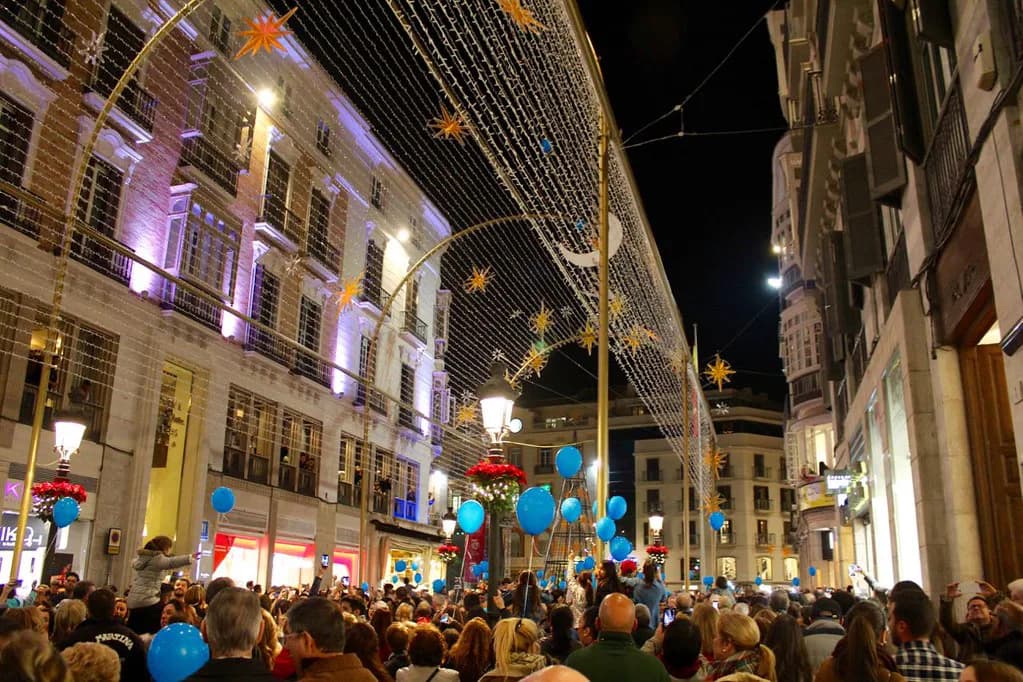
The city's festive season runs from the Plaza Mayor market through to Three Kings. On New Year's Eve the crowds gather at Puerta del Sol to eat twelve grapes with the clock chimes, a tradition that is rowdy, crowded and thoroughly local.
The Spanish Christmas is weighted toward Epiphany on 6 January 2027, a Wednesday, when gifts are exchanged and family meals matter more than Christmas Day itself. Expect some restaurants and shops to run holiday hours around that date.
Barcelona in winter: Sagrada Família, Park Güell and the Gothic Quarter
Barcelona in winter is a city of crisp walks and short queues. Sagrada Família and Park Güell are far easier to visit than in summer, the Gothic Quarter is atmospheric in low light, and MACBA and the Picasso Museum in Málaga give the rainy hours somewhere to go.
The city keeps its cultural calendar going, with jazz programming and neighborhood festivals through the season, alongside the Fira de Santa Llúcia market outside the cathedral. Warm up with escudella, a heavy winter stew, rather than the cold soups of summer.
The coast south of the city makes an easy off-season day out. Sitges in winter is quiet and walkable, with the Passeig Marítim good for a bracing stroll when the sun appears.
Andalusia in winter: Granada, the Alhambra and the Albaicín
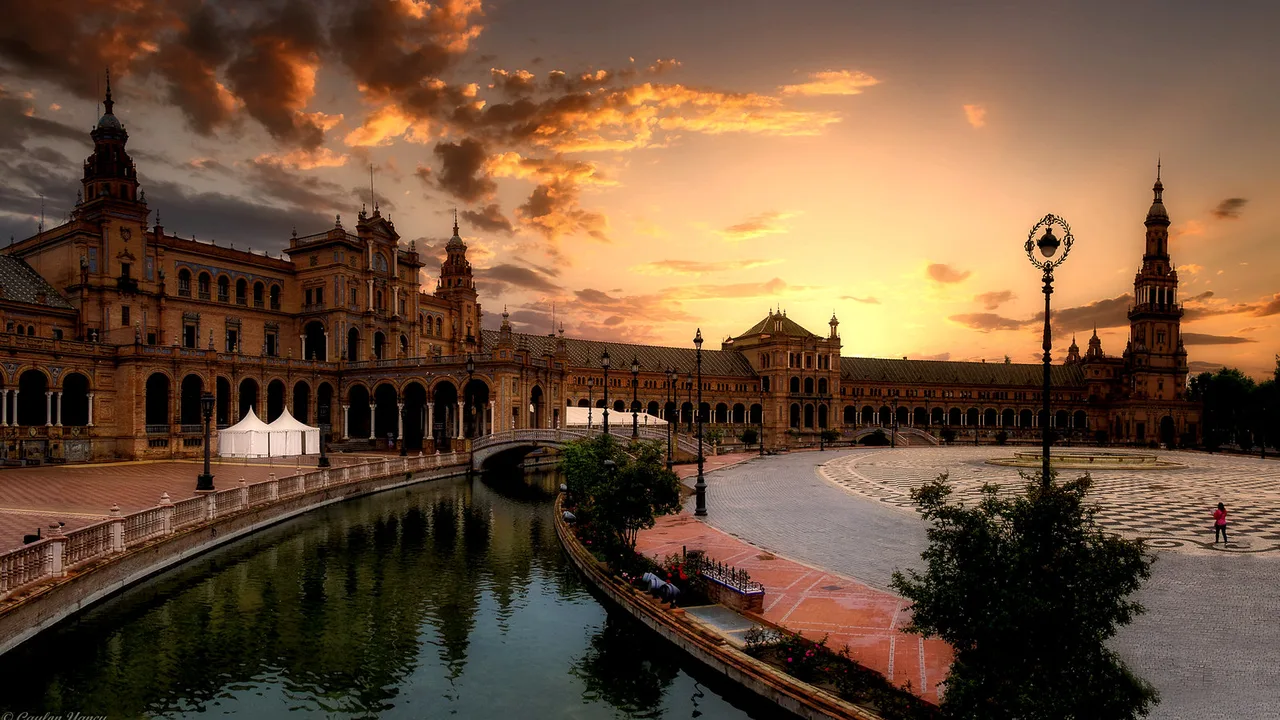
Andalusia is where winter most rewards the traveler. Granada's Alhambra, a UNESCO site, is easier to book and far more pleasant to walk in cool weather, and snow on the Sierra Nevada behind it makes the Nasrid palaces look sharper.
The Albaicín and Sacromonte neighborhoods give you flamenco, views and steep lanes, and the city works as a base for a Sierra Nevada day trip. Málaga and the Costa del Sol stay mild, with the Picasso Museum as a solid wet-weather anchor.
Further along the coast, Nerja in winter keeps the same mild pattern with a pretty, walkable centre and the famous balcony over the sea. It makes a calm base for short coastal drives between rain showers.
Northern Spain in winter: Bilbao, the Guggenheim and pintxos in San Sebastián
The Basque Country has a winter character that suits some travelers better than sun. Bilbao's Guggenheim is the obvious rainy-day anchor, with a strong museum and gallery scene around it, and the old town's taverns are built for cold, wet evenings.
San Sebastián pairs a stormy Atlantic with serious food. Pintxos bars and cider houses are the winter ritual here, and the sea temperature can fall to around 11°C (52°F), which makes surfing a wetsuit decision rather than a casual one.
This is also the region for travelers who want empty beaches and dramatic weather. The trade-off is rain and wind, plus shorter usable daylight, so book a base with easy indoor options and treat clear hours as a gift.
The Canary Islands in winter: Tenerife, Gran Canaria and stargazing
The Canaries deliver the warmest winter in Spain. Temperatures typically sit around 20°C (68°F) with limited rain, which makes hiking, sightseeing and volcano visits comfortable rather than grueling, though the sea still feels cool.
Tenerife's Teide National Park has cable-car access and lunar landscapes, and it is snow-dusted on occasion in winter. La Gomera has dense laurel forest and steep ravines, while Gran Canaria's Maspalomas dunes give you a desert walk and a swim in one afternoon.
The islands are among Europe's best places to stargaze, with lighting regulations protecting the night sky and observatories on Tenerife and La Palma running astronomy visits. Carnival season runs from late January into early March, so check local programming if you want the parades.
The Balearic Islands in winter: almond blossom, Old Town Ibiza and quiet coves
The Balearics in winter are quiet and cheap compared with summer, with many resort hotels and beach clubs shut and the islands left to residents. Ibiza's UNESCO-listed Old Town, with its cathedral and harbor, is at its most enjoyable without the crowds.
Mallorca's almond trees normally start blooming from late December and are at their best in the following weeks, blanketing parts of the island in white. Palma de Mallorca and the Serra de Tramuntana trails are the practical bases for seeing them.
Menorca's Camí de Cavalls coastal path and Formentera's flat lanes are lovely for walkers, but services thin out and weather can stop ferries. Sóller and Son Servera are quiet alternatives to the shuttered resort strips, and you should confirm which hotels and restaurants are actually open before committing.
What is on: Christmas, New Year's Eve and the 12 grapes
Christmas in Spain is a long, layered affair. Christmas Day 2026 falls on a Friday and is a relatively understated family day, with gift-giving and the big festive meals landing later, on Epiphany, 6 January 2027, a Wednesday. That changes how the whole December-January calendar feels.
New Year's Eve on 31 December is the loud one, with families and friends gathering for dinner before the midnight countdown, and the twelve-grape tradition running nationwide. New Year's Day 2027 is a Friday, so the break runs into the weekend for many businesses.
Carnival Tuesday falls on 9 February 2027, with Ash Wednesday the day after, so the parade season lands in the Canaries and Andalusia in particular. Before that, Epiphany parades and family gatherings close the Christmas cycle in early January.
Things to do in winter: food, museums, flamenco and walks
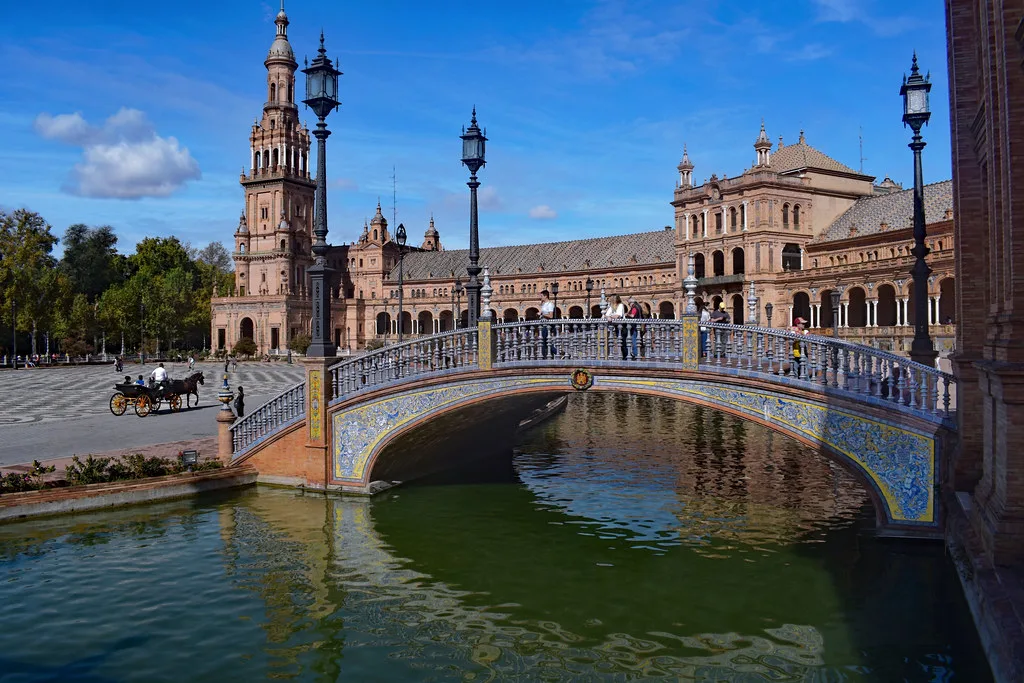
Build days around the indoor sights that make winter worthwhile: the Prado and Reina Sofía in Madrid, MACBA and Sagrada Família in Barcelona, the Guggenheim in Bilbao, and the Alhambra in Granada. All reward pre-booking, and none needs summer crowds to feel worthwhile.
Food is a winter strategy as much as a pleasure. Escudella and suquet in Barcelona, pintxos and cider in San Sebastián, and convents sweets in Salamanca give shape to cold afternoons, and flamenco tablaos in Madrid, Granada and Seville move indoors.
For fresh air, hit the Albaicín lanes, the Picos de Europa foothills or the Balearic coastal paths in the morning light. Alpine and coastal walks, surf lessons and stargazing all work in winter with the right expectations and a flexible plan for rain.
Day trips that work in winter
The best winter day trips are short and indoor-anchored. Granada to the Sierra Nevada, Zaragoza into the Pyrenees, Bilbao and San Sebastián between each other, and Barcelona's coast south to Sitges all keep travel time manageable and give you a warm option if weather turns.
Wine country is a good winter addition. Mallorca's wine routes and the vineyards of the Canaries run tastings out of season, and Salamanca pairs its heritage with a strong food scene, with nearby ski areas for snow if conditions allow.
Getting around Spain in winter
Trains are the reliable winter workhorse. The AVE network links Madrid to Barcelona, Seville and Málaga quickly, and Madrid works as the hub for domestic travel, which keeps you out of mountain-road weather.
Flying is the fastest route to the islands. Iberia and other carriers run frequent domestic services to the Balearics and the Canaries, and flights are the faster option for jumping between mainland cities too.
Ferries and rental cars matter in the islands and rural areas, but winter weather can disrupt crossing timetables and mountain roads. Keep one buffer day around any island hop and check operators' own schedules rather than booking tight connections.
Who should choose another month
Choose another month if you want warm sea swimming, long evenings outdoors or guaranteed sun on a mainland beach holiday. Spanish water stays cold, the north is wet, and short daylight limits outdoor plans in ways summer travelers simply never encounter.
Choose a different region within winter if you hate rain or cold. The Canaries are the reliable warmth, Andalusia and the Mediterranean coasts the mild mainland compromise, and the interior best for museums in bracing sunshine. Whichever you pick, book far ahead for Christmas week.
Plan Your Winter Trip to Spain
Winter in Spain rewards travelers who pick a region and plan around short days. Decide whether you want mild coastal cities, cold sunny interiors, snow-covered mountains or genuine island warmth, then build the itinerary around indoor anchors you have pre-booked.
Avoid the Christmas and New Year weeks if you want low prices and empty sights, and treat the early-December and post-Epiphany windows as the sweet spot. For anything with a schedule, such as ferry crossings, cable cars and the Alhambra, check current dates and prices directly with the ferry company, the cable car operator or the Alhambra's official booking page once your dates are final.
Explore more Spain winter guides
Frequently Asked Questions
Is Spain warm in winter?
It depends on the region. The Canary Islands stay around 20°C (68°F) with limited rain, the Mediterranean coast sits around 15°C (59°F) in Barcelona, and central Spain is cold at roughly 10°C (50°F) with lows near 3°C (high 30s °F). Treat these as typical conditions rather than a forecast.
Does it snow in Spain in winter?
Yes. The Sierra Nevada above Granada holds snow and has the peninsula's highest peak, Mulhacén, and the Pyrenees across Catalonia and Aragon carry the country's largest winter terrain. The Picos de Europa in the north also get snow-covered scenery.
Which part of Spain is warmest in December?
The Canary Islands are the reliably warmest option, with mild temperatures and few rainy days. On the mainland, the Mediterranean coast and Andalusia are the mildest, with Barcelona around 15°C (59°F) and higher readings further south.
Is winter a good time to visit Spain?
It is a strong choice for museum-rich city breaks and for the south, when you want the Prado, the Alhambra or the Guggenheim without queues. It is a weaker choice if you want warm sea swimming, sunbathing or long evenings outdoors on the mainland.
Is Spain cheap in winter?
Generally yes, outside the holidays. Winter is the low season, so hotels and flights come down, but prices spike during Christmas week and around New Year's Eve. Check official booking pages for specific sights once your dates are set.
What is there to do in Spain in winter?
Museums and galleries in Madrid, Barcelona and Bilbao; the Alhambra in Granada; flamenco; food and wine; mountain snow near Granada and Zaragoza; and stargazing or volcano walks in the Canary Islands. Coastal walks and short day trips fill clear daylight.
Should I go to the Canary Islands or mainland Spain in winter?
Choose the Canaries for reliable warmth and sunshine, hiking and stargazing. Choose the mainland for cities, the Alhambra, the Pyrenees and cheaper travel. The two pair well if you want a city break and a week of sun in one trip.
Sources
Winter travel notes
Optional updates when we add or revise winter guides.
You might also like
Continue reading
More guides you'll find useful