Spain in January: Winter Weather, City Breaks and What's On
Spain in January brings mild southern coasts, cold clear inland cities and quiet museums. Compare regional weather, crowds and opening patterns before booking.
On this page
January is the quietest, cheapest and most divided month of the Spanish winter. The country does not have one January climate: the Mediterranean and Canary coasts stay mild enough for long lunches outside, while Madrid and the meseta freeze at night under hard blue skies.
That split is useful rather than confusing. Pick your region by the weather you want, and the month rewards you with short museum lines, easy restaurant tables and room calendars that open up sharply after the first week.
Weather in January
Treat every January figure as a long-term average, not a forecast. Madrid and the inland meseta run cold, with daytime highs near 10°C (50°F) and nights that fall close to freezing or just below, so mornings start frosty and clear. Barcelona and Valencia sit milder on the coast, with highs in the mid-teens Celsius (high 50s to low 60s Fahrenheit), and Seville often warmer still at midday.
Rain is unevenly distributed. The green north — Bilbao, San Sebastián, Galicia — takes frequent wet days through January, while the interior stays largely dry and the southeast is drier still. Sunshine is generous inland and on the Levante coast, but daylight is short: expect sunrise around 8:30 and sunset before 18:30 in mid-January, giving you roughly nine and a half hours of light.
For exact regional normals, the Spanish national weather service, AEMET, publishes monthly climate tables by observing station, and those are the numbers to trust over any travel summary. Spain is milder than most of northern Europe but far from uniform, and the gap between Bilbao and Almería in January is bigger than the gap between many European countries.
Where to Go in January
Match region to weather. Andalusia and the Levante coast give the best balance of mild days and open sights, the Canary Islands give genuine warmth, the interior cities give cold but dry culture, and the north gives rain. If you want sunshine and city culture in one trip, base in Seville or Valencia and day-trip outward.
The Canary Islands are a different kind of Spanish trip in January: winter sun, volcanic landscapes and resort infrastructure rather than old quarters and cathedrals. They are the reliable warm-weather answer for anyone traveling with children or prioritizing outdoor time, but book them as a separate holiday rather than bolting them onto a mainland itinerary.
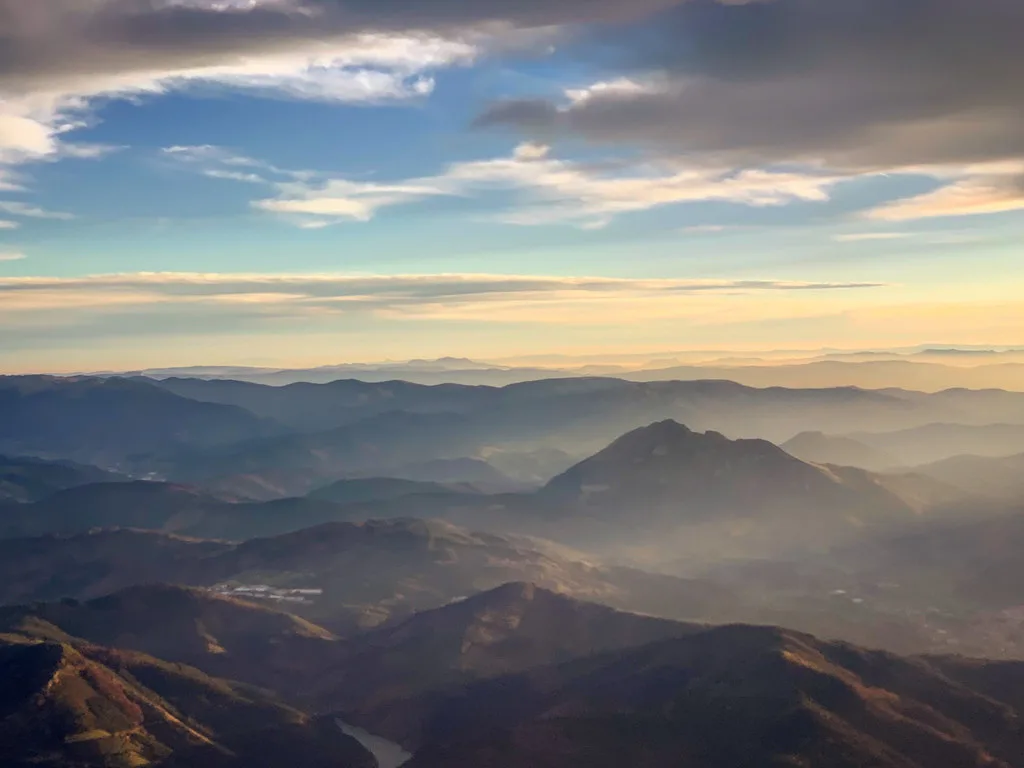
Inland and northern Spain suit travelers who prefer atmosphere over temperatures. Cold snaps, clear skies and low-season streets make Segovia, Toledo and Salamanca unusually photogenic, while Galicia and the Basque Country reward anyone who does not mind rain.
Madrid and Inland Spain in January
Madrid in January is bracing and bright. Days hover around 10°C (50°F) and nights drop near freezing, but rain is limited and the light is superb for the wide boulevards and the squares around the Puerta del Sol. This is prime museum weather: the Prado, Reina Sofía and Thyssen collections can be seen without the summer crush, and queues are noticeably shorter once Epiphany passes.
Use the cold as a structure for the day: outdoor walking in the late morning and early afternoon when the sun is highest, museums and long lunches in the coldest hours, then an early dinner. Madrid's transport runs as normal in winter, so day trips to Toledo and Segovia remain straightforward, though Segovia is noticeably colder and can be windy on the aqueduct side.
Salamanca, Burgos and Ávila are colder still, with frosty mornings and occasional snow on higher ground. They are quieter than Madrid but still fully functioning, which makes them a good choice for travelers who want Spanish city life without any peak-season friction.
Barcelona, Valencia and the Mediterranean Coast in January
Barcelona and Valencia stay mild enough for a light coat and long walks. Daytime highs typically reach the mid-teens Celsius (high 50s to low 60s Fahrenheit), and the sun appears often enough that café terraces open at midday. The sea is cold — swimming is for the brave — but the promenades and old towns are pleasant and uncrowded.
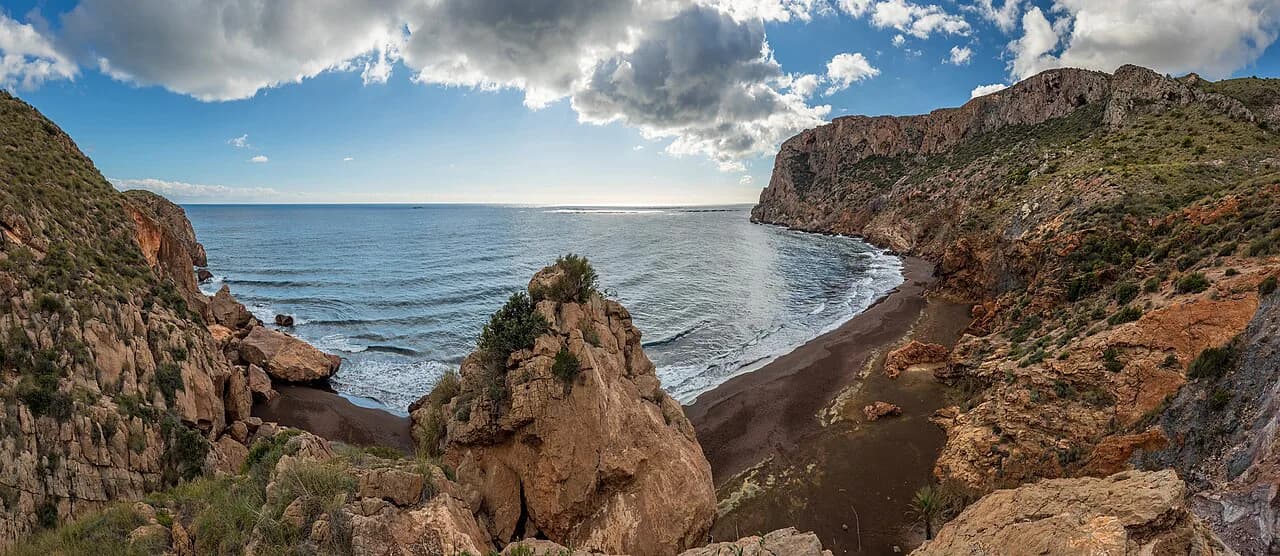
This is the month for the Barcelona you cannot see in summer: the Sagrada Família and the Gothic Quarter without the shoulder-to-shoulder crowds, and restaurant reservations available at short notice. Coastal towns further up the Costa Brava largely shut down for the season, so treat Barcelona and Valencia as city breaks and save the small coves for spring.
Mallorca in January is a quiet, walking-oriented island rather than a beach destination. Palma stays lively, the Serra de Tramuntana suits hikers, and hotel capacity is limited in resort areas, so plan a city base rather than a coastal one.
Andalusia in January
Andalusia is the strongest mainland January bet. Seville, Córdoba and Granada offer cool but sunny days, with Seville often reaching 16°C (61°F) in the afternoon, and the Alhambra and the Mezquita are far easier to visit than in spring. Expect cold mornings and evenings, and expect the Sierra Nevada to be visibly snowy above Granada.
Granada's Alhambra tickets still sell out on popular dates, so book ahead even in low season. Seville's tapas bars are at their best in January, when the city eats stews and offal dishes rather than cold summer plates, and the cathedral and Alcázar are comfortable to tour without heat.
The coast east of Málaga stays mild, but beach towns are largely dormant. Treat the Costa del Sol as a base for Málaga's museums and inland drives rather than a place to swim or sunbathe.
The Canary Islands in January
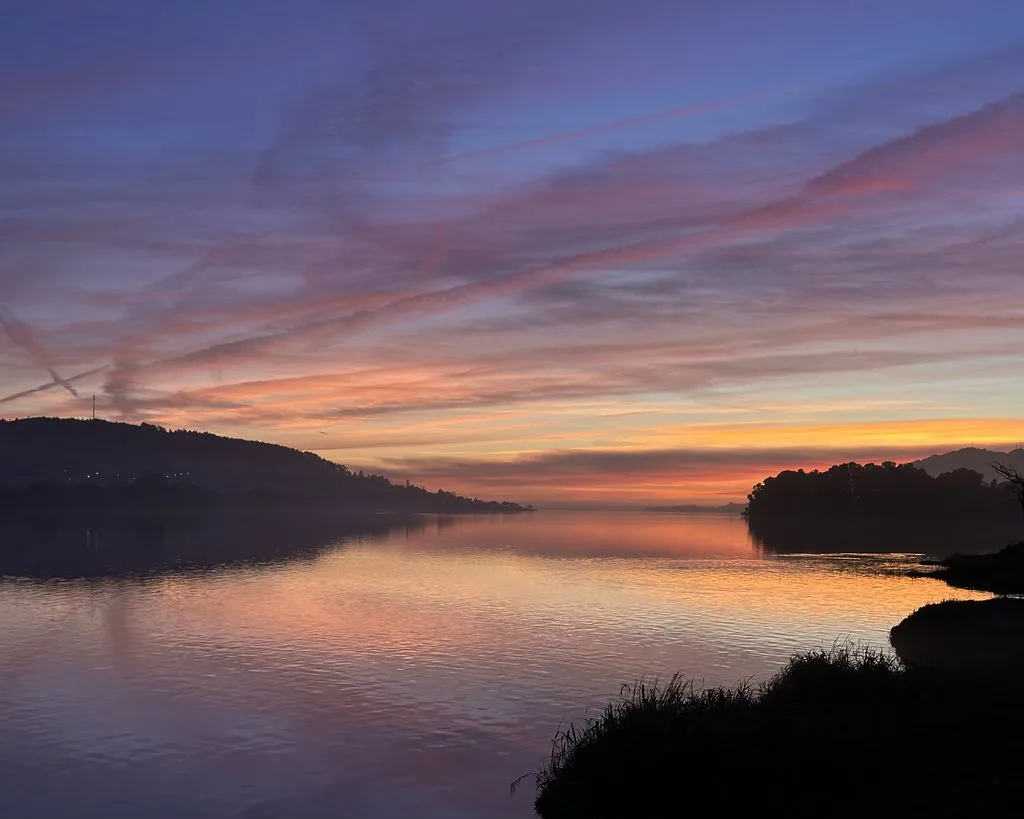
The Canaries deliver what the mainland cannot in January: warm afternoons that support hiking, whale-watching boats and open-air dining on the promenade. The Spanish tourism board's own winter reasons include that escape, with January days in the islands rarely dropping below the low 20s Celsius (around 75°F), which is why they fill with northern Europeans while Madrid shivers.
Tenerife, Gran Canaria and Lanzarote each work differently: Teide and the interior are cool and windy, the southern resorts are the warmest, and the northern coasts take more cloud. Because the islands sit a four-hour flight from Madrid, treat them as a standalone week rather than a detour from a mainland city break.
For figures, AEMET's island stations are the reference, and they matter here more than anywhere in Spain because altitude and side of the island change the January experience. A resort on the south coast and a village in the hills can differ by several degrees on the same afternoon.
What Is Open in Winter
Big-city museums, cathedrals, monuments and public transport operate year-round in Madrid, Barcelona, Seville and Valencia, generally on reduced winter hours rather than closed. Small municipal museums, rural hotels and coastal restaurants often cut days or shut entirely from November to February, so build city days around confirmed openings and keep coastal plans flexible.
Ferries and inter-island links in the Canaries run all year, while many seasonal boat services on the mainland coast and in the Balearics only resume in spring. Cable cars and mountain access depend on weather and maintenance schedules, so look at the specific operator's winter timetable before you build a day around it.
Epiphany and the January 6 Holiday
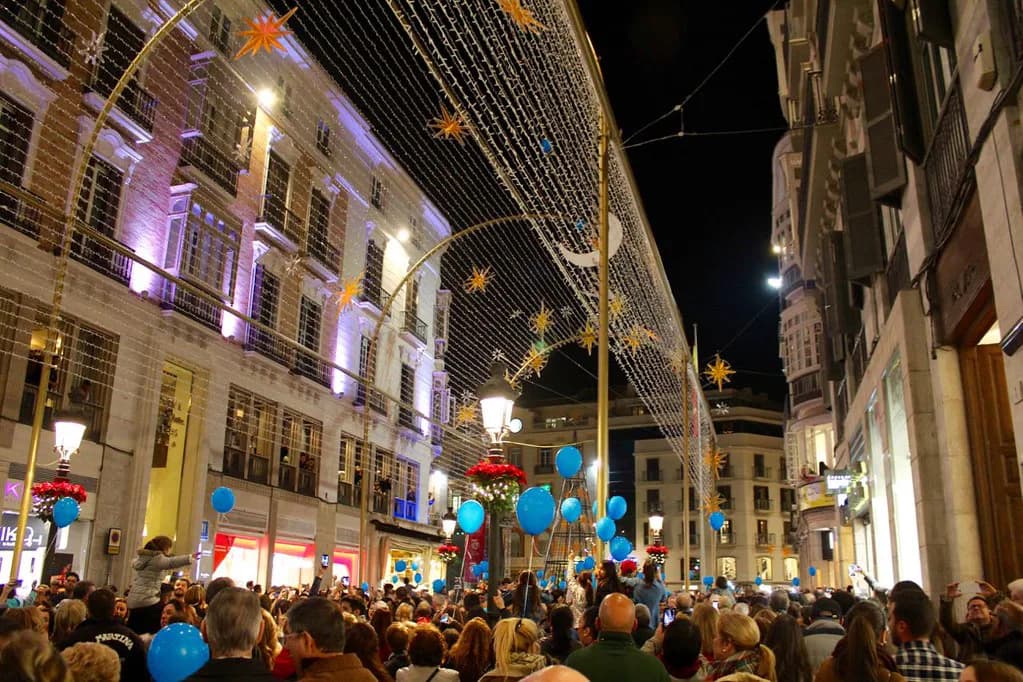
The first week of January is the real Spanish Christmas climax, not 25 December. Three Kings parades fill city streets on the evening of 5 January, and Epiphany itself, 6 January 2027, is a Wednesday and a national holiday. Expect shops and some museums to close or run Sunday hours that day, and book trains and restaurants early for the surrounding week.
The practical consequence is a two-part month. From New Year's Day to Epiphany, domestic travel and family visits keep city centers busy and prices firm; after 6 January, demand falls away sharply and hotels and flights become noticeably cheaper and easier to book. If your dates are flexible, arriving on or after 7 January changes the trip considerably.
What Is on in January
San Sebastián's Tamborrada on 20 January is the month's defining event: a full day of drumming processions through the city in honor of its patron saint. It is a local festival rather than a tourist spectacle, so expect crowds, booked-out hotels and a city focused on its own celebrations.
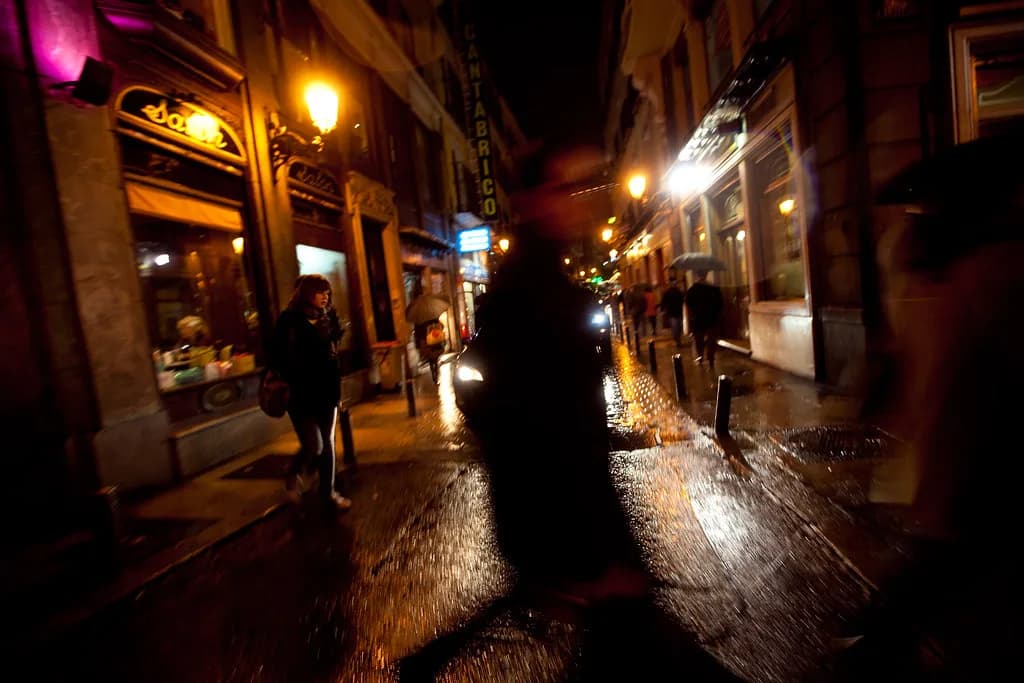
The other January institution is the rebajas sales season, which begins after Epiphany and runs for weeks, filling Spanish high streets and department stores with discounts. It is a genuine part of the month's rhythm and a reason city breaks feel lively even in low season.
Beyond those two, January is a month of ordinary Spanish life: league football, long Sunday lunches and local fiestas in smaller towns. Look at the municipal tourism office for the specific town you plan to visit rather than assuming a national calendar.

Things to Do
Structure days around food and interiors. Spain's winter cooking is its strongest suit: cocido in Madrid, callos and stews in Seville, fabada in Asturias and pintxos in San Sebastián taste better in January than in July. Markets such as Madrid's San Miguel and Valencia's Central Market are warm, social and a meal in themselves.
Walks work best in the middle of the day. Old quarters in Toledo, Córdoba and Girona are at their best in low winter sun, and guided walking tours run all year in the main cities. For something quieter, the Alhambra gardens, Barcelona's Park Güell and Seville's Alcázar gardens are all comfortable in January temperatures.
Day trips that hold up in January are the city-to-city ones: Toledo and Segovia from Madrid, Córdoba and Jerez from Seville, Montserrat from Barcelona. Coastal and mountain day trips are more weather-dependent, so keep those as optional rather than fixed plans.
Crowds, Prices and Trade-offs
January is among the cheapest months to fly to Spain and to book city hotels, with the exception of the Epiphany week and the days around New Year. Prices are lowest in the second half of the month, when domestic travel drops and northern European city-break demand is only moderate.
The trade-offs are real. Daylight is short, the north is wet, inland cities are genuinely cold, and some coastal and rural places are shut. You will also find fewer tours and reduced museum hours. In exchange you get Spain without queues, better restaurant access and lower costs across the board.
Who Should Go and Who Should Wait
January suits city-focused travelers, museum-goers, food travelers and anyone who values quiet streets over beach weather. It also suits budget-conscious visitors and families tied to school holidays who want culture rather than sun. Andalusia and the Canary Islands are the safest choices if mild weather matters.
Wait for spring if you want swimming, coastal walks, small-town beach life or reliable dry weather in the north. Also wait if you need long daylight hours for hiking or photography, or if you are traveling primarily to see seasonal coastal businesses in full operation, and consider how March shifts the balance.
Plan Your January Trip
Choose your region on weather first: Andalusia or Valencia for mild days and open cities, Madrid and Castile for cold, clear culture, the Canary Islands for warmth. Then set your dates around Epiphany, since the week to 6 January behaves like peak season and the weeks after it behave like low season.
Book the Alhambra and any headline museum in advance, keep coastal and mountain days flexible, and use AEMET's station data to set expectations for temperatures and rain. February is busier again around Carnival, so a late-January arrival often gives the calmest version of Spain.
Frequently Asked Questions
Where in Spain is it warm in January?
The Canary Islands are the warmest option, with mild days suitable for outdoor sightseeing and even sunbathing. On the mainland, the Andalusian coast around Málaga and the Levante coast around Valencia and Alicante are the mildest, typically reaching the mid-teens Celsius at midday. Inland cities are considerably colder, especially at night.
Is Madrid worth visiting in January?
Yes, if you want museums and city life rather than warmth. Days are cold but often sunny and dry, and the Prado, Reina Sofía and Thyssen collections are far quieter than in spring. Expect frosty mornings, so plan indoor activities for the coldest hours and save walking for midday.
Is winter a good time to visit Spain?
It can be excellent, provided you pick the right region. Winter brings lower prices, shorter queues and good food, but also short daylight, rain in the north and closed coastal businesses. City breaks and Andalusian itineraries work well; beach holidays do not.
What is there to do in Spain in January?
Museums, cathedrals and old quarters are the core of a January trip, alongside winter stews, tapas bars and food markets. Epiphany parades on 5 January and the San Sebastián Tamborrada on 20 January are the month's main events, and the post-Epiphany sales liven up the cities.
Does Spain celebrate Christmas in January?
The main gift-giving celebration is Epiphany on 6 January, when Three Kings parades take place the evening before. Many Spanish families treat that date as the heart of the season, so the first week of January remains busy before the country settles into low season.
Sources
Winter travel notes
Optional updates when we add or revise winter guides.
You might also like
Continue reading
More guides you'll find useful