Spain in March: Weather, Crowds and What Is On
Spain in March warms up in Andalusia, stays cool in Madrid and brings Las Fallas to Valencia. See typical weather, crowds and what suits a late-winter trip.
On this page
March is the month when Spain starts to change character. Almond and orange blossom appear across the south, days in the center turn bright and walkable, and the Atlantic coast keeps its winter rain. It suits travelers who want cities, food and countryside without summer heat, and who accept that the sea is not yet for swimming.
Weather in March
Typical March conditions vary far more by region than by date. In Andalusia, averages sit around 14 °C (about 57 °F) with roughly 66 mm of rain, which makes Seville and Córdoba comfortable for long days outdoors.
Catalonia averages near 11 °C (low 50s °F) with about 69 mm of rain, while the Basque Country is cooler at roughly 12 °C and wetter at close to 97 mm, so San Sebastián in March is a city of showers and green hills rather than terraces.
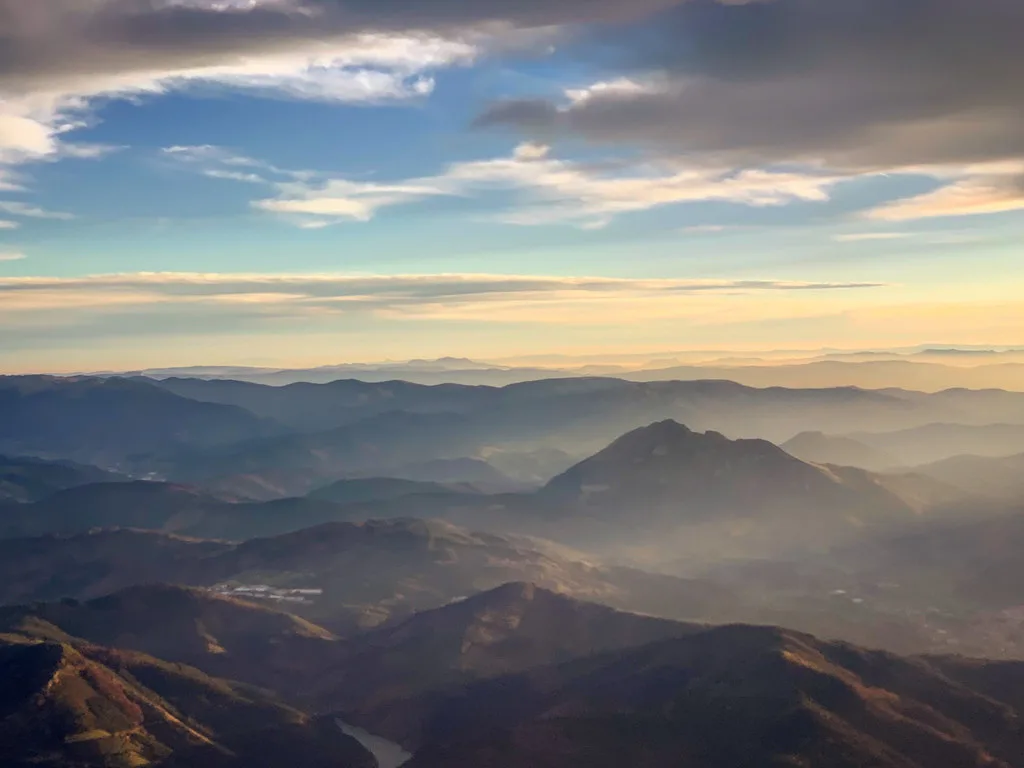
Mountain areas behave differently again: the Picos de Europa average about 11 °C and the Spanish Pyrenees closer to 8 °C (high 40s °F), both with meaningful rain or snow at altitude. Madrid sits on a plateau where days warm up but nights stay cold, so plan layers for the evening rather than the afternoon.
Treat all of these as long-term averages, not a forecast. The pattern to rely on is simple: the south and Mediterranean are pleasant, the center is crisp and sunny, and the Atlantic north is noticeably damper.
Daylight and Sea Temperature
March is the month clocks go forward, on 28 March 2027, and until then evenings arrive early. Sights are open all year, and lighter crowds in the winter months mean easier museum entry, so build a day that starts early and saves indoor visits such as the Prado Museum in Madrid or the Alhambra in Granada for the late afternoon.
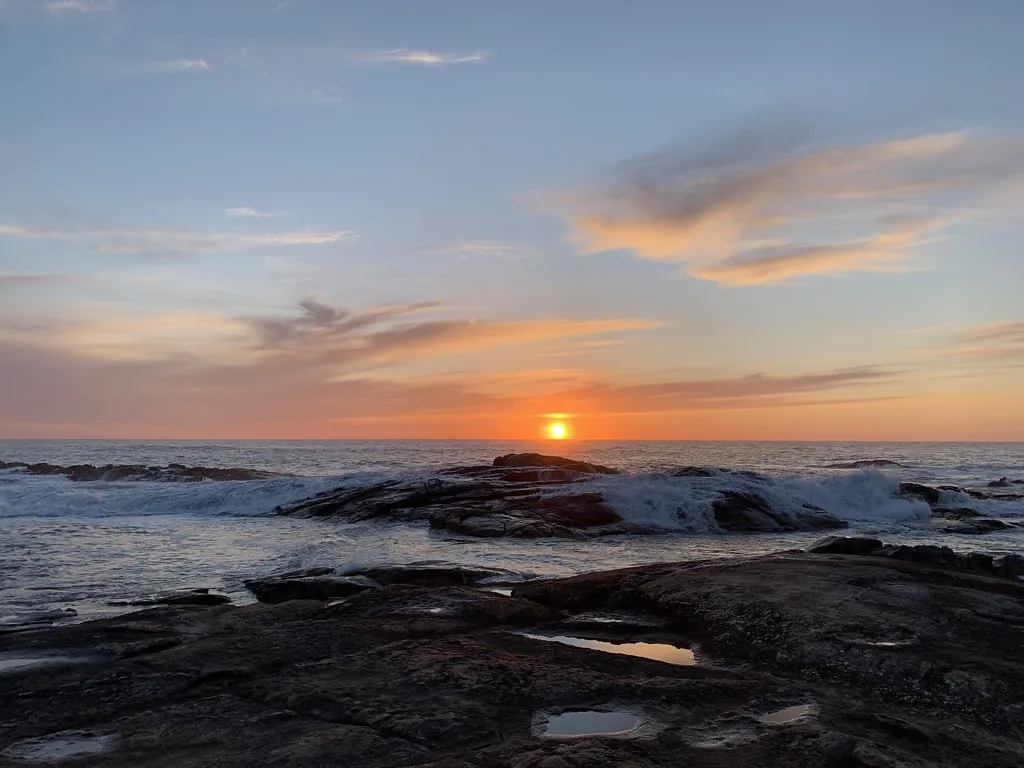
The Mediterranean is still cold in March. Tourism sources describe the water as too chilly for a comfortable dip in March, with the possible exception of the far south of Andalusia, so book a coastal stay for the light and the walks, not for swimming.
What Changes in March
March is a tipping point: some seasonal businesses are still running winter hours while others begin to reopen. Coastal and rural tourism operators often start their season later in the month, so a small hotel or restaurant outside the big cities may still be on a reduced footing in early March.
City sights are the safe bet, since major museums and monuments run all year. In January and February you get the lightest crowds of the whole year in places like the Prado, the Guggenheim in Bilbao and the Museu Picasso in Barcelona, but March still sits well below summer volumes.
What Is On in March
Las Fallas is the headline event, filling Valencia with satirical sculptures, fireworks and street parties. The festival is described as running from 15 to 19 March, ending with the burning of the figures, so Valencia is the busiest and most expensive city in Spain during those days.
The same source notes smaller March events, including the Sant Medir parade in Barcelona's Gràcia district and a flamenco festival in Jerez, but check the organizers' own announcements for the current year before building a trip around them. Elsewhere, Seville and Córdoba are at their best visually as orange blossom comes out.
The bigger timing issue is Easter. Easter Sunday falls on 28 March 2027, so Holy Week runs 21–28 March 2027 and lands inside the month, pushing up crowds and prices in Seville, Málaga and Granada in the final week.
Cities That Suit a March Trip
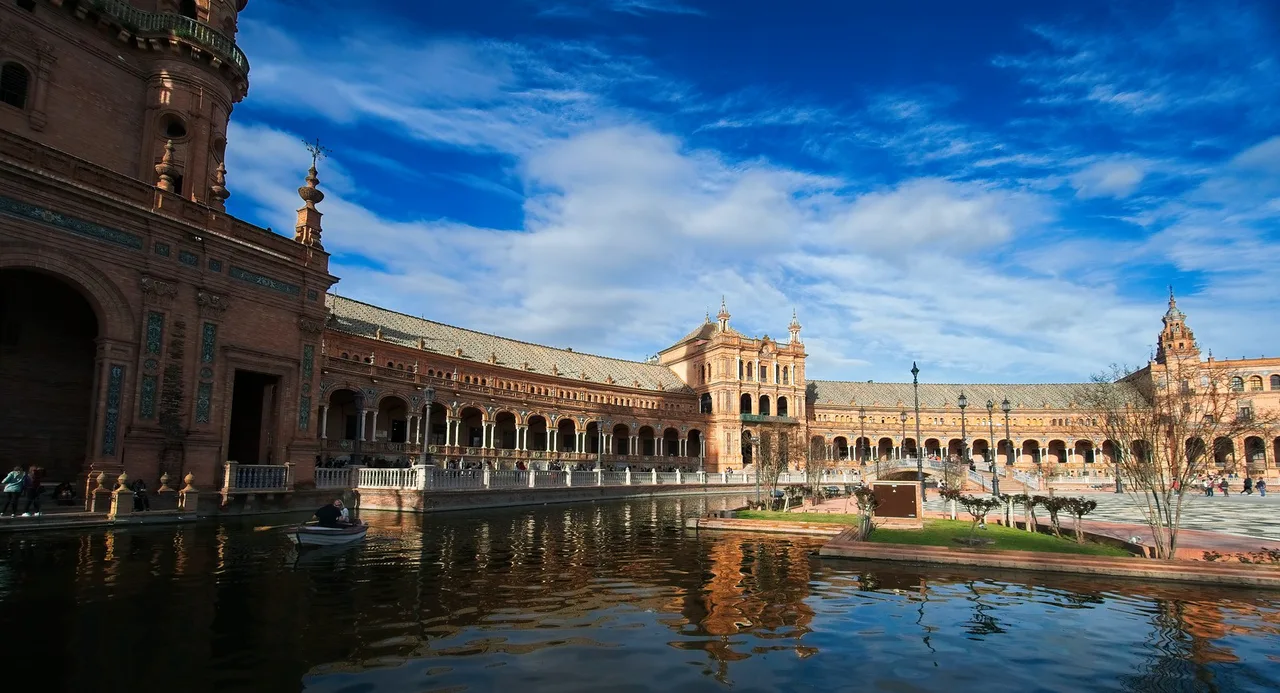
Madrid is the easiest all-round choice: cool but bright days, world-class museums and tapas culture that ignores the season. Seville and Córdoba reward early March with blossom and mild afternoons, and Granada gives you the Alhambra without summer heat.
Valencia is superb for food and architecture but crowded during Las Fallas, so go before 15 March or after 19 March if you want a calmer city. Barcelona works well for a short break, and the Basque Country suits travelers who accept rain in exchange for pintxos and the Guggenheim.
Outdoor March
The strongest reason to come early in the month is the blossom. Andalusia's almond trees flower in February and early March, and by mid-month orange blossom scents Córdoba and Seville, making the south a genuinely different trip from the summer version.
Ronda's gorge and bridges are a realistic day trip from Seville or Málaga, and the white villages of the Sierra de las Nieves reward a slow drive. Walking in the south is at its best now, before the heat arrives.
Rain in the Atlantic North
Galicia and the Cantabrian coast are a different proposition from Andalusia in March. Rainfall is heavier and more frequent, which is exactly why the landscape is so green, but it means you should plan indoor backups and waterproof layers rather than counting on dry days.
If you want northern Spain in March, treat it as a city-and-food trip: Bilbao and San Sebastián for museums and pintxos, with hill walking only when the weather allows.
Crowds and Prices
Outside Las Fallas and Holy Week, March is still shoulder season. The first three weeks are quiet by Spanish standards, with easier museum entry and calmer restaurants, and the source notes that winter generally brings lighter crowds and cheaper museum entry than summer.
The final week changes everything. Holy Week draws visitors to Andalusia in particular, so accommodation and transport around Seville and Granada become harder and more expensive; book that stretch early or avoid it.
Who March Suits
March suits travelers who prioritize cities, food, art and walking over beaches. It also suits anyone who wants blossom and mild southern weather without summer heat, and travelers who can dodge the last week's Easter surge.
It is the wrong month if you want to swim in the sea, want guaranteed sun in the north, or need every rural hotel and coastal restaurant open. Travelers who want real winter atmosphere should go for Christmas in Spain, and those wanting heat should wait until May or June.
Getting Around
The high-speed network links Madrid, Seville, Valencia and Barcelona efficiently, and spring timetables generally operate year-round, though some regional and coastal services are thinner in winter. Book trains early for the Holy Week period, when demand rises sharply.
For a two-week loop, Madrid, Seville, Córdoba, Granada and Valencia combine well by rail plus short bus hops. A short break works best as one city plus one day trip: Madrid with Toledo, Seville with Córdoba, or Barcelona with the Montserrat hills.
Taking a Dog to Spain in March
Dog owners planning a March trip should think hardest about where in the country they will spend their days, because the weather split that shapes a human itinerary also shapes a dog's. In the north, March is not a dry month: the rocky northern coast sees heavier rainfall, the Basque Country averages 11.7°C with 97 mm of rain, the Camino de Santiago 9.5°C with 48 mm, Catalonia 11.4°C with 69 mm, the Picos de Europa 10.8°C with 54 mm and the Spanish Pyrenees 7.9°C with 55 mm. The umbrella advice for the north applies doubly to a wet dog, and the northern Atlantic coast stays chilly at night, so a warm, dry place to sleep matters as much as a waterproof coat for walks.
Andalucía is the easier bet with a dog in March. It warms up nicely, with an average of 14.3°C and 66 mm of rain, and the colour and scent of orange blossom is everywhere in Córdoba and Seville, so long walks come with shade, scent and mild temperatures rather than heat. The one thing to plan around rather than walk into is water: on the Mediterranean coast a dip in the ocean might not be a good idea in March because the water is too chilly, and this might not be the case with the water in the south of Andalusia, so swimming in the sea is uncertain wherever you go. A dog that likes a swim should not count on it.
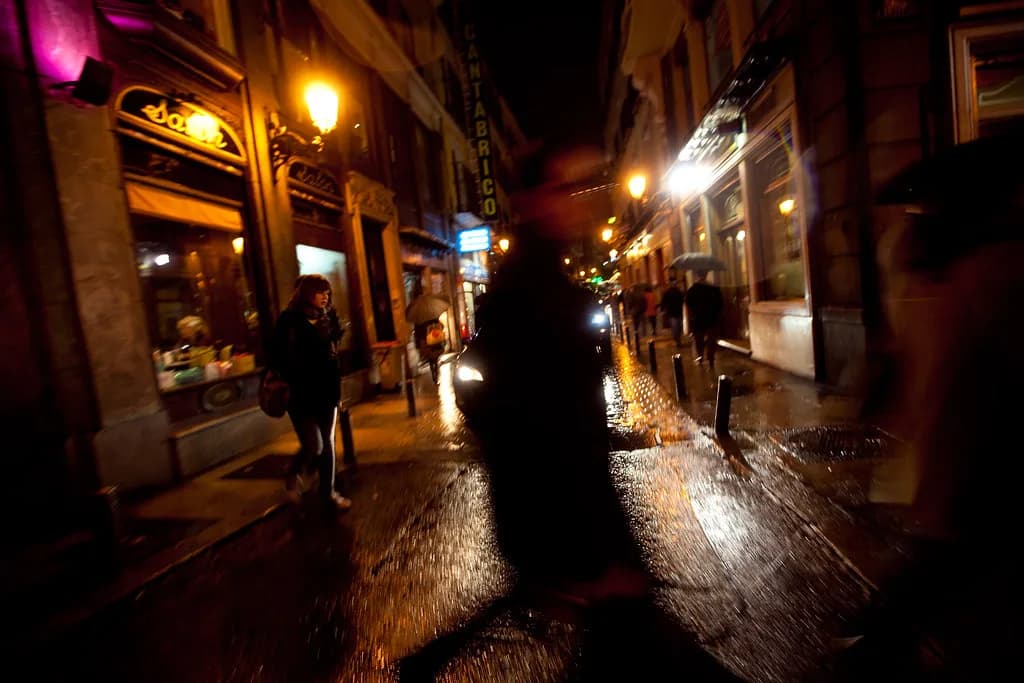
The month's calendar also matters for dogs. Las Fallas runs in Valencia from March 15th to 19th, when the city is engorged with drinking and dancing, and massive ninots of paper mache and cardboard fill the streets, while drinking and dancing late is part of the wider Spanish night. A dog in a festival city on those dates faces noise, crowds and debris. It is also worth remembering that Spain comes alive at night, when people head out for tapas, wine and dancing until the next morning; if you join them, March nights can be chilly, so jackets and a pullover are needed, and the same applies to a dog left waiting.
For the rest of the trip, the season's own rhythm works in a dog's favour. Spring in Spain brings a reinvigorated sense of fun and passion, and the country is full of hidden gems, from quaint villages to eye-pleasing places, that reward slow exploring on foot rather than rushing between headline sights. March days are sunny and pleasant while nights can still be chilly, so gardens, parks and quiet plazas are pleasant for both of you by day. Keep the pace gentle, follow the weather south, and let the festivals be the days you seek out calm instead.
Plan Your March Trip
Choose early to mid-March for blossom, calmer cities and easier bookings, and treat 15–19 March in Valencia and the Holy Week days around 21–28 March 2027 as the busy exceptions. Weather figures here are averages, so check a short-range forecast before you leave.
March rewards a flexible plan: cities and museums when it rains, southern countryside and blossom when it clears, and coastal stays for scenery rather than swimming, much like the trade-offs weighed for Mallorca in March.
Explore more Spain winter guides
Frequently Asked Questions
What is the weather like in Spain in March?
Typical conditions differ sharply by region. Andalusia averages around 14 °C with moderate rain, Catalonia and the Basque Country are cooler and wetter, and Madrid stays crisp with cold nights. All of these are long-term averages rather than a forecast, so check a short-range forecast before you travel.
Is March a good time to visit Spain?
Yes for cities, food, art and southern countryside, since crowds and prices are still below summer levels and the blossom is at its best. Avoid the final week if you want calm, because Holy Week in 2027 falls on 21–28 March and brings a surge in Andalusia.
How warm is the sea in Spain in March?
The Mediterranean is still too cold for comfortable swimming in March, apart from the possibility of a dip in the far south of Andalusia. Treat coastal stays as scenic rather than beach trips.
What festivals happen in Spain in March?
Las Fallas in Valencia is the main event, running 15–19 March with sculptures, fireworks and the final burning. Barcelona's Sant Medir parade and a flamenco festival in Jerez also fall in the month, and Holy Week ends March in 2027.
Is March busy in Spain because of Easter?
Only late in the month. Easter Sunday falls on 28 March 2027, so Holy Week runs 21–28 March 2027 and raises demand in Seville, Granada and Málaga. Early March is still shoulder season and noticeably quieter.
Should I visit Madrid or Andalusia in March?
Madrid gives you museums, food and cool, bright days, while Andalusia offers blossom, mild afternoons and Ronda as a day trip. Combine both by rail if you have ten days or more; pick one for a short break.
Sources
Winter travel notes
Optional updates when we add or revise winter guides.
You might also like

Continue reading
More guides you'll find useful