Mallorca in March: Weather, Openings and What a Trip Is Like
Mallorca in March means changeable spring weather, quiet resorts and lower prices. See typical temperatures, daylight and what actually opens.
On this page
March is the hinge month in Mallorca, when winter loosens but summer infrastructure has not yet switched on. Days can reach into the high teens with sun on a terrace and then turn cold, wet and windy within a day, so a sensible plan keeps an indoor option for every outdoor one. It suits walkers, cyclists and sightseers who want Palma and the Serra de Tramuntana without July crowds, and it frustrates anyone whose trip depends on swimming or full resort service.
The island's beach season has not started, and that single fact shapes everything else: resort strips stay sleepy, the sea stays cold, and prices stay closer to winter lows than to summer highs. If you have been weighing a Mallorca in winter trip with mild-weather walks and long lunches, March is the version with more daylight and better odds of sunshine.
Weather in March
Palma is the practical reference point for planning, and March is genuinely transitional rather than reliably warm. In the city, daily highs have run from 13°C (55°F) to 20°C (68°F), with overnight lows from 3°C (37°F) to 15°C (59°F) — a spread that tells you to pack for both and expect the cooler half early in the month. Treat those as typical conditions recorded over the years, not a forecast for your week, and check a short-range outlook close to departure.
Across Majorca more broadly, the cool stretch from December onward has been described with daytime temperatures around 11–15°C (52–59°F) at the colder end and 5–15°C (41–59°F) on the milder winter side, which fits March's pattern of pleasant afternoons followed by sharp evening chills. Locals in island forums sum up late March as genuinely unpredictable, spanning pleasant sun in the low 20s to cold, wet and windy spells. In practice that means a waterproof layer earns its place every day, and a sunny day should be spent outdoors rather than postponed.
Rain risk is real but rarely all-day, and March sits in the island's wetter half of the year before the dry summer. The mountains of the Serra de Tramuntana run cooler and wetter than Palma, and hill villages such as Valldemossa and Deià can sit in cloud while the city basks; schedule mountain days flexibly for that reason. Daylight grows quickly through the month, and the clocks go forward on the last Sunday of March, which pushes evenings suddenly later and makes late-March dinners outdoors far more realistic than early-March ones.
The sea is the month's biggest letdown: water temperature lags air temperature by weeks, so even a warm afternoon leaves the Mediterranean bracing. Most people swim only briefly, if at all, and the beaches are better for walking than bathing. If warm water is non-negotiable, a different archipelago entirely is a better March bet, and comparing this with the Canary Islands in March makes that trade-off obvious.
How March Differs from Winter and Summer
Early March still carries winter's rhythm: shorter days, thinner restaurant hours and a slow, local feel in the resorts along the bay. By late March, terraces fill on sunny afternoons, seasonal cafés and hotels begin opening for the season, and the island starts rehearsing for summer without committing to it. Exact opening dates vary by business, so treat any specific restaurant or beach club as unconfirmed until it publishes its season.
What runs year-round is the core of the trip: Palma's old town and cathedral, the city's museums and food scene, the Sóller railway, and the villages and trails of the Tramuntana. What stays dormant is the beach economy — lidos, beach bars and the water-sports operations that line the tourist coasts. Plan your days around the first list and treat the second as scenery rather than a service.
The mountain roads are open but weather-dependent; snow is uncommon at low levels yet possible on the highest peaks, and when it falls it closes minor roads and changes hiking conditions fast. If you are curious about how often that happens, this guide to whether it snows in Mallorca explains the pattern rather than a specific forecast.
What's On in March
The fixed point in 2027 is Easter Sunday on 28 March, which puts Holy Week from 21 to 28 March and fills the final third of the month with Semana Santa processions in Palma and other towns. Those dates move every year with the church calendar, so confirm the local procession schedule with the town hall or the parish organising it rather than relying on last year's programme.
Outside Holy Week, March in Mallorca is largely a month of ordinary local life rather than headline festivals — markets, Sunday strolls and the first spring cycling traffic on the mountain roads. Check the Consell de Mallorca and Palma tourism calendars for what is scheduled in your week, since specific event dates change annually.
If your dates drift earlier in the calendar and you want the colder, quieter version of the island, the January and December guides cover those months; Christmas in Mallorca is a separate trip entirely, built around markets and family gatherings rather than spring walking.
Things to Do
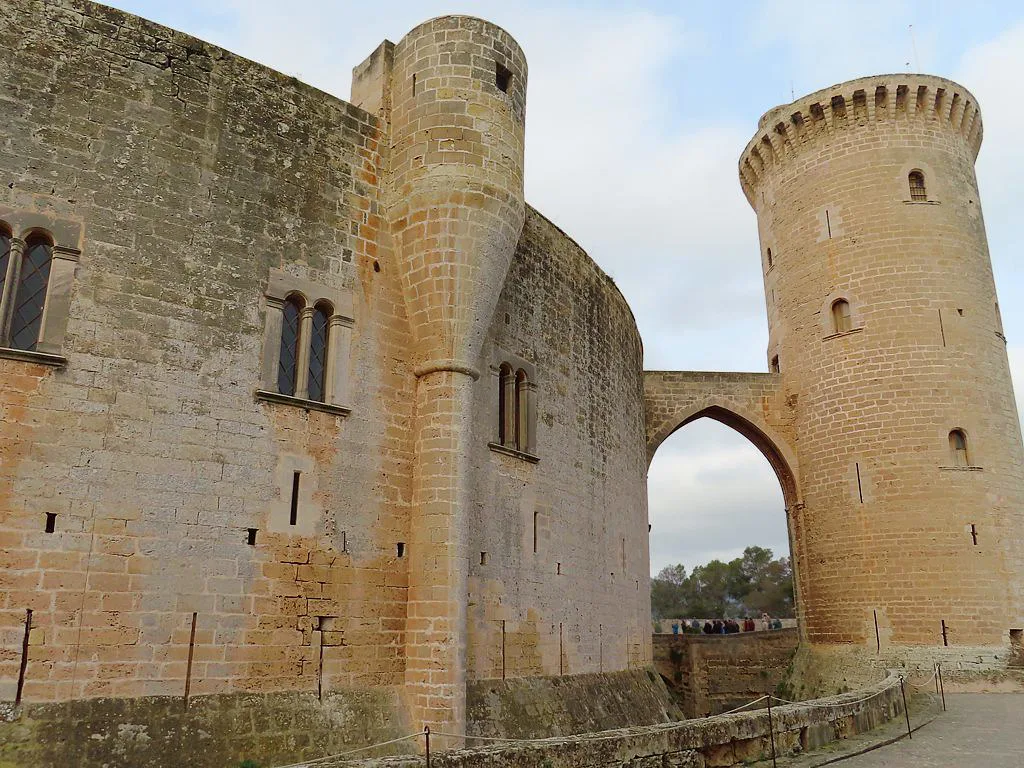
Start in Palma, where the cathedral, the Almudaina palace and the old town's narrow streets work in almost any weather, and where a rainy afternoon is easily absorbed by museums and a long lunch. The city is compact enough to explore on foot, and its indoor options mean a washout day costs you atmosphere rather than the whole day.
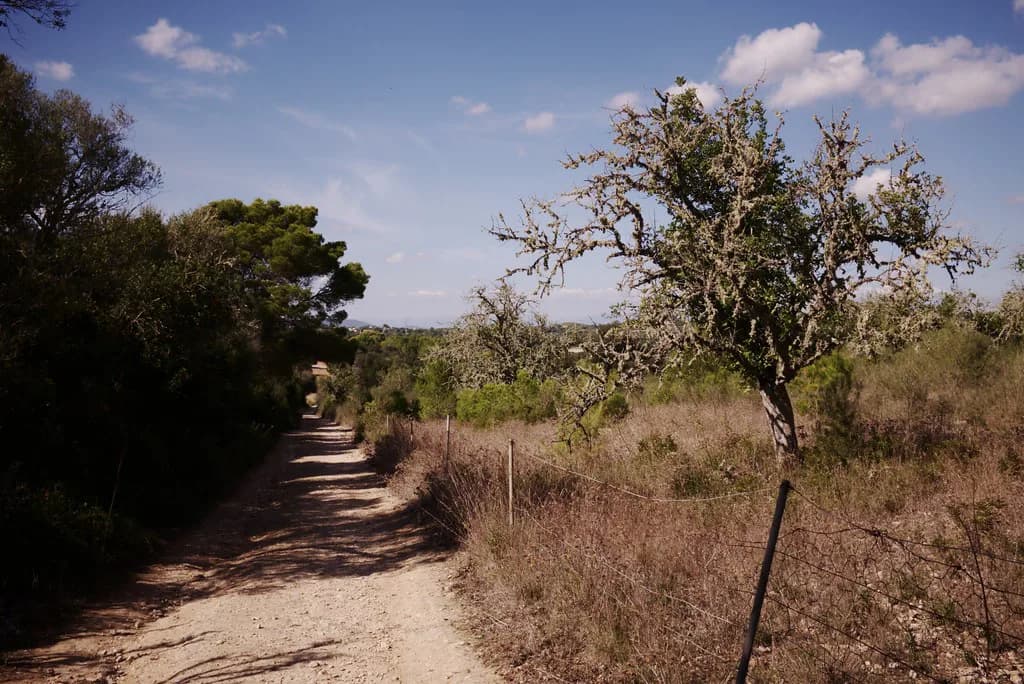
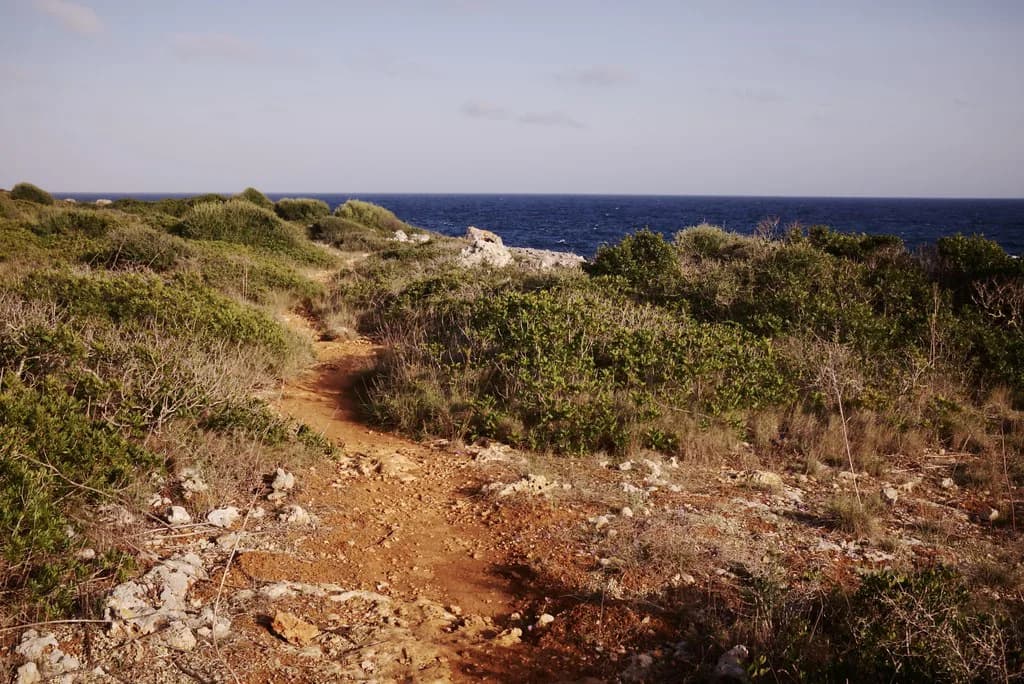
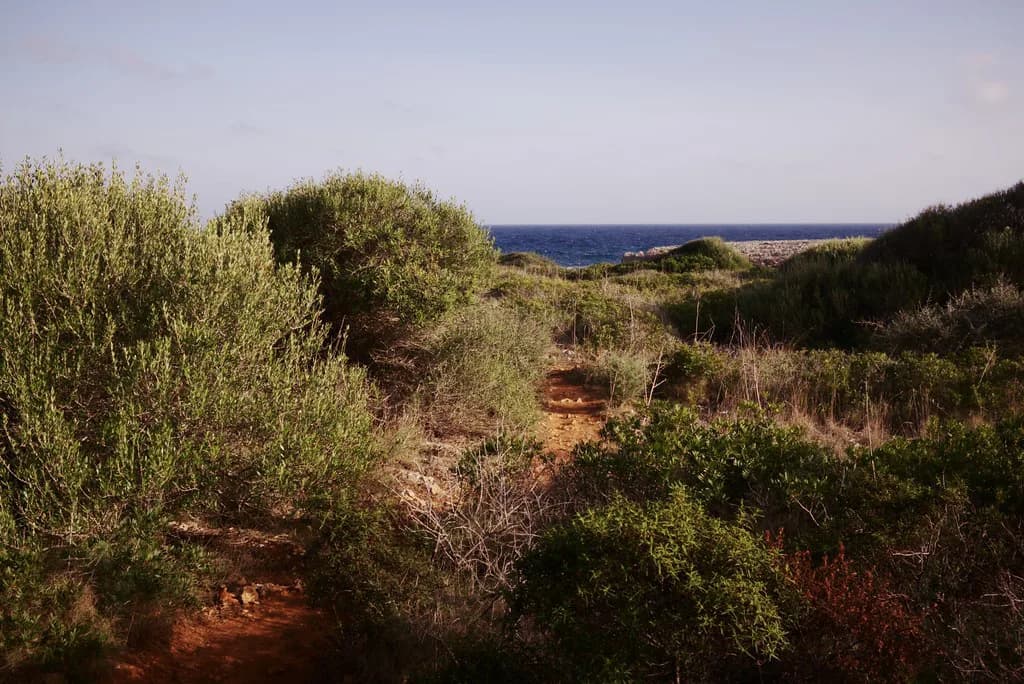
Walking is March's strongest card: the Tramuntana trails and the coastal paths around Deià and Valldemossa are at their most comfortable before summer heat arrives, provided you accept mud and changeable cloud. Carry a map, start early and be ready to turn back if the weather closes in on the ridges.
Food is a reliable pleasure this month, with markets in Palma and inland towns supplying the ingredients for a slow lunch, and restaurants less harried than in summer. Combine a market morning with a village visit and you have a full day that costs little more than fuel and lunch.
Day Trips That Work in March
The Sóller railway is the classic half-day: a vintage train from Palma through the mountains to Sóller, then the tram down to the port, with the return by rail or bus depending on how the day is going. In March the service runs on a reduced timetable compared with summer, so check the Sóller railway's timetable before you build a day around a specific departure.
Valldemossa and Deià make natural companions to Sóller, and both are quiet enough in March to wander without jostling. A car gives you the freedom to chase the sun across the island or retreat from the cloud, though mountain roads demand care in rain and you should avoid the highest passes in poor conditions.
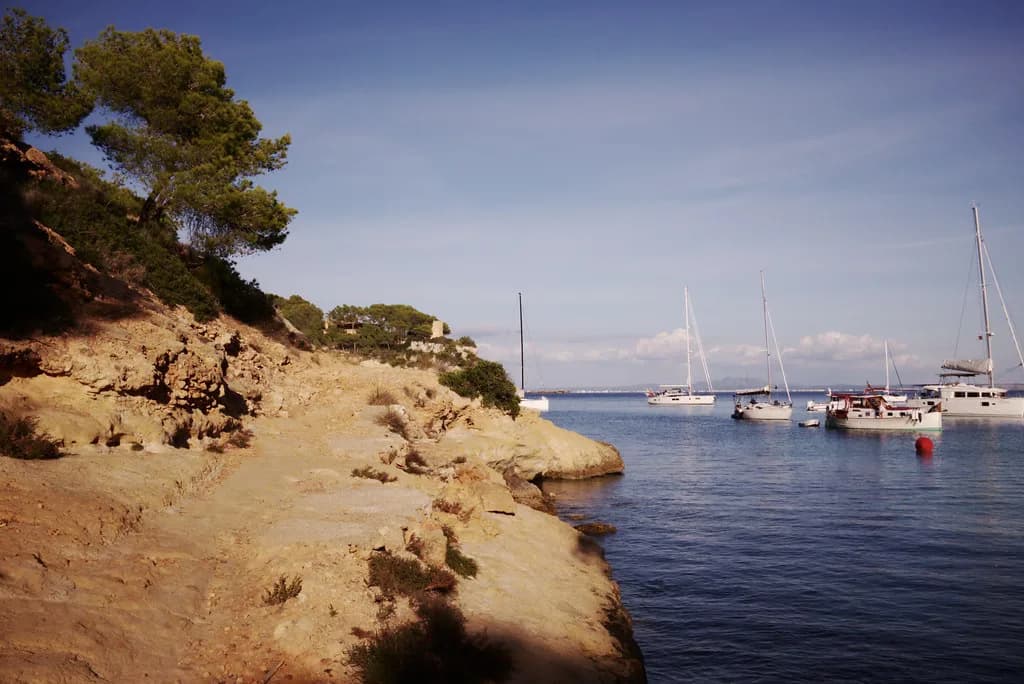
Driving the coast out toward the northwest lighthouses, or heading south to the salt flats and beaches around Es Trenc, works well on a dry day when you accept that the sea is for looking rather than swimming. If you need guaranteed warmth, a mainland alternative such as Málaga in March is a different proposition entirely.
Crowds, Prices and Trade-offs
Crowds in March are modest outside Holy Week, and accommodation and flights generally cost less than in summer, though the steepest discounts belong to the deepest winter months. Holy Week changes that: the final week of March 2027 brings Spanish holidaymakers to Palma and the coast, so book early if your dates land there. Compare the shoulder weeks before fixing dates, and note that a Christmas in Mallorca trip or a New Year's Eve in Mallorca stay sits at a different price point entirely.
The trade-offs are plain: cold sea, rain risk and changeable weather against quiet roads, cheap beds and good walking. Early March gives you the quietest version with the shortest evenings; late March gives you warmth, longer daylight and Easter crowds, which suits some travellers and not others. Those who need guaranteed sun and warm water should choose a summer month; those who want to walk, eat and explore without heat or queues will find March generous.
If your trip slips into April, the weather only improves; if it moves back to November, expect a similar shoulder-season feel with fewer daylight hours.
Getting Around in March
Public buses connect Palma with the main towns and are the simplest way to reach Valldemossa, Sóller and the airport, with timetables running on a reduced winter schedule until the season switches. The Sóller railway and tram operate on their own timetable, so check the operator's site for the day you plan to travel, especially early in the month.
Car hire is cheap in March and gives you the most flexibility for mountain villages and coastal drives, but mountain roads can be slick after rain and parking in Palma is limited and often paid. Base yourself in the city for culture days and use a car only for the days that genuinely need one.
For a broader picture of how the island's seasons fit together, the Mallorca in winter hub ties the months together and helps you decide whether March or a colder month suits your plans.
Can You Bring a Dog to Mallorca in March?
If your trip to Mallorca in March includes a dog, the month's weather is the main thing to plan around. Palma's March forecast shows daily highs ranging from 13° to 20°, with overnight lows between 3° and 15°, and the average high for March sitting well below the summer months. That spread matters for an animal: a daytime high of 20° is comfortable for walks and outdoor time, while mornings that drop to 3° or 4° call for a coat or a shorter first outing. The overnight lows move around a lot from day to day, so a warm layer for early and late walks is worth packing.
March itself is genuinely unpredictable, which shapes how you should plan dog-friendly days. Travelers on the Mallorca forum describe the end of March as capable of "absolutely anything from pleasant sun and temps into the low 20's to cold, wet and windy." For a dog, that means building flexibility into each day: a sunny afternoon suits a long walk or a beach stop, while a cold, wet and windy spell is better spent with shorter outings and time indoors. Because the same week can deliver both, it pays to have a backup plan for every day that involves the dog, rather than committing to a fixed outdoor schedule.
Across the winter months from November to March, temperatures hover between 11 and 15 degrees Celsius in December and 5 to 15 degrees Celsius more generally, so even the colder end of a March day is manageable for a dog that is used to cool weather, provided you watch the wind and rain rather than the thermometer alone. Planning around the day-by-day numbers rather than a single monthly average is the practical approach, since a 3° morning and a 20° afternoon can fall in the same week.
Plan Your Visit
March rewards travellers who treat the weather as a variable rather than an obstacle: keep a flexible plan, book Holy Week early, and put the mountains on the sunniest day of your stay. Expect mild afternoons, cold sea and occasional rain, and plan around indoor options in Palma for the wet ones. If warm water and guaranteed sunshine are the point of your trip, wait for summer; if you want quiet roads, good food and long walks, March delivers.
Frequently Asked Questions
How hot is Mallorca in March?
Palma's recorded March highs have ranged from about 13°C (55°F) to 20°C (68°F), with overnight lows from 3°C (37°F) to 15°C (59°F). Treat those as typical conditions rather than a forecast; the mountains are cooler and wetter than the city, and late March is usually milder than early March.
Can you swim in Mallorca in March?
The sea is cold in March because water temperature lags air temperature, so most people swim only briefly if at all. Beaches are better for walking and scenery than bathing at this time of year, and anyone who needs warm water should consider a different destination.
Is March a good time to visit Mallorca?
It is a strong month for walking, cycling, sightseeing and food, with quiet roads and lower prices than summer. It is a poor month for beach holidays, and the weather is changeable, so a flexible plan with indoor options matters.
Is Mallorca busy in March?
Most of March is quiet, but Holy Week, from 21 to 28 March in 2027, brings Spanish holidaymakers to Palma and the coast. If your dates fall in that week, book accommodation and travel early.
What is open in Mallorca in March?
Palma's cathedral and old town, the city's museums, the Sóller railway and the Tramuntana villages run through the season, while beach bars, lidos and water-sports operators mostly wait for warmer weather. Opening dates vary by business, so check current details before visiting.
Does it snow in Mallorca in March?
Snow is uncommon at low levels but possible on the highest peaks of the Serra de Tramuntana, and when it falls it can close minor mountain roads. The city itself rarely sees snow; check a short-range forecast before heading into the mountains.
Sources
Winter travel notes
Optional updates when we add or revise winter guides.
You might also like
Continue reading
More guides you'll find useful