Canary Islands in March: Weather, Crowds and What's On
Canary Islands in March brings warm days, cooler evenings and quieter beaches before Easter. See typical weather, what is open and who a March trip suits.
On this page
March is the month when the Canary Islands stop feeling like a winter escape and start feeling like an early summer one, with warm afternoons, green hillsides after the winter rains and a calmer atmosphere than the busy turn of the year. It rewards travelers who want sunshine and outdoor days without the peak-season crush, as long as they accept breezier conditions and cooler evenings.
The month sits in the gap between the winter-sun high season and the Easter surge, which changes crowds, road traffic and availability more than the weather does. If you are still choosing between months, the wider guide to the Canary Islands in winter sets out how December, January and February compare with March.
Weather in March
Typical March days bring highs of roughly 20 to 24°C (68 to 75°F) depending on the island, with nights around 15 to 18°C (59 to 64°F), according to the month-by-month weather summary for the islands. Rain is light and sporadic rather than persistent, and clear skies make the month good for stargazing away from resort lights.
U.S. News Travel, drawing on National Climatic Data Center figures, puts the March average at about 71°F high and 60°F low, with roughly 0.55 inches of precipitation across the month. Those numbers describe long-term conditions rather than a forecast, so treat them as the shape of a typical March, not a promise for your week.
The sea sits around 18 to 20°C (64 to 68°F), cool on entry but comfortable once you are in, which is why March swimming works best in short sessions and sheltered spots. Sunshine averages around seven to eight hours a day, enough for a beach morning plus an afternoon walk or drive.
Rainfall across the archipelago is modest in March, with the wettest months falling earlier in the winter, so a week here rarely means washed-out days. Plan one indoor or town day as a buffer and you will barely notice the showers.
Wind is the variable that shapes how warm a day feels, and it is strongest on the exposed eastern islands of Lanzarote and Fuerteventura. On Tenerife and Gran Canaria the varied terrain means you can usually find a sheltered side of the island whatever the breeze is doing.
Why Each Island Feels Different in March
The single biggest planning decision in March is not which month but which island and which side of it. Southern Tenerife, around Costa Adeje, Los Cristianos and Playa de las Américas, has the most reliable beach weather, while the greener north runs cooler and cloudier. Gran Canaria splits the same way, with shelter in the south around Maspalomas and Puerto de Mogán and a crisper interior in the mountains.
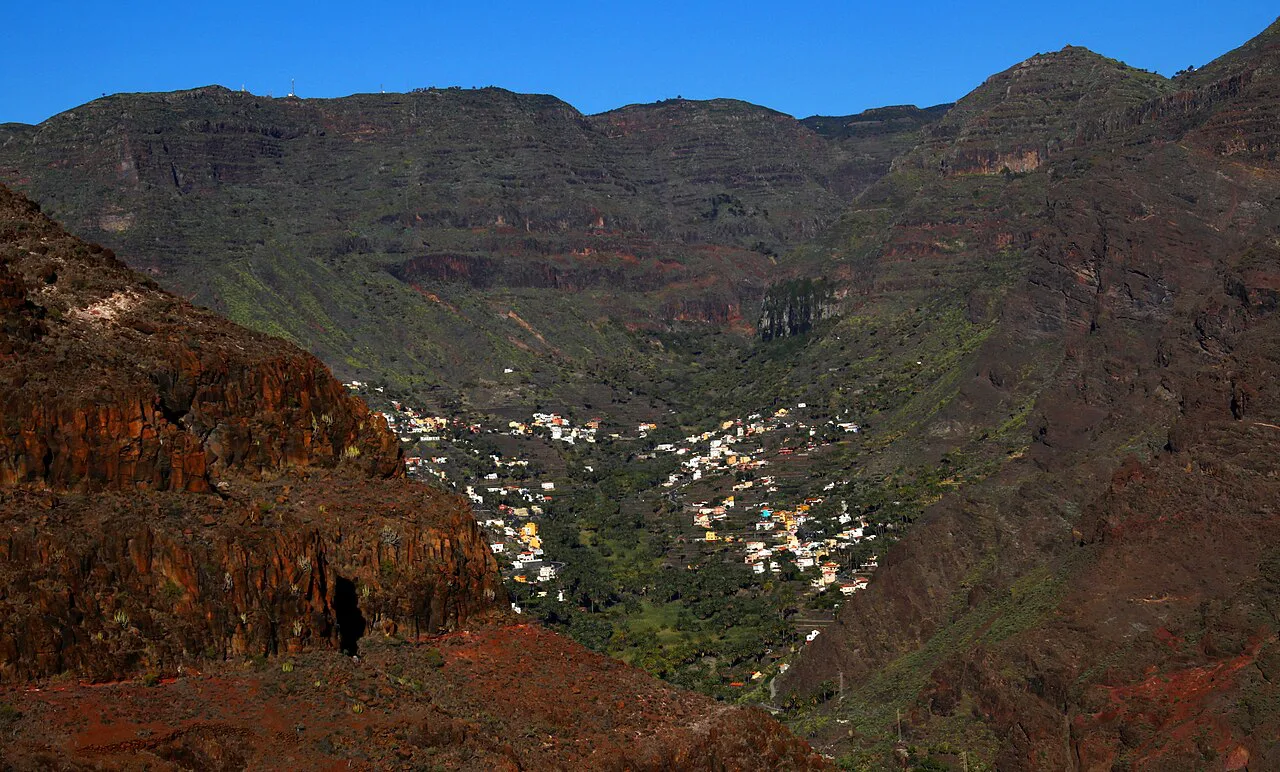
Lanzarote and Fuerteventura trade a little warmth for steady wind, which suits walkers, cyclists and water-sports travelers more than sunbathers who feel the chill. The smaller western islands, La Gomera, La Palma and El Hierro, are milder and quieter, with a nature-first feel that appeals to hikers over beach-goers.
Lanzarote is often described as the island with the highest year-round temperatures, helped by its position nearest the African coast, while La Gomera is known as the mildest through the winter months. That does not make either automatically better in March; it means the eastern islands feel hotter and drier while the western ones feel softer and greener.
If beach time is the priority, base yourself in the south of Tenerife or Gran Canaria and treat the north as a day out. If walking and landscape matter more, pick a base near the trails and accept that some days will be for trousers rather than swimwear.
Daylight and Short-Day Trade-offs
March days are long enough to fit in a morning hike, an afternoon beach session and a drive before dark, which is one reason the month works well for mixed itineraries. The islands sit far west in their time zone, so daylight lingers later than you might expect for the latitude, and evenings stay usable.
European clocks go forward on 28 March, and if your trip spans that date you lose an hour of morning light on the Sunday. Build the change into your plans rather than scheduling an early ferry or a long trail start on that day.
The practical approach is to front-load outdoor plans: hike or drive in the morning while the air is cool and the light is clear, then keep the afternoon flexible for beaches, towns or a museum if cloud rolls in. Cooler mornings also make climbs such as Teide's trails far more comfortable than in summer.
Swimming and Beach Time in March
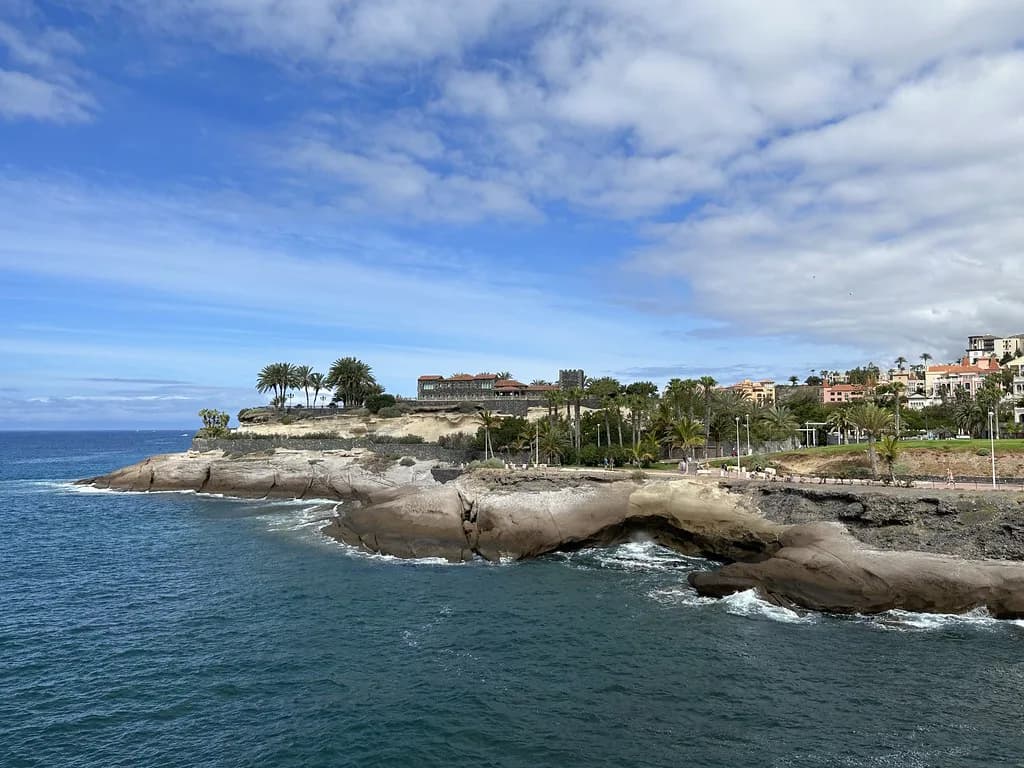
Swimming is realistic in March, but the sea is refreshing rather than bath-warm, and wind makes some stretches unpleasant even when the air is hot. Sheltered southern beaches such as Playa del Duque on Tenerife, Puerto de Mogán on Gran Canaria and Playa Papagayo on Lanzarote are the safer bets on breezy days.
The eastern islands can feel windy enough that a beach day turns into a walk instead, and locals use rock windbreaks on some sands to make sunbathing workable. If your trip revolves around lying on the sand, choose a sheltered southern resort and keep one backup plan for the windiest day.
Surfers and windsurfers get the better end of March conditions, with consistent waves and steady breeze on the exposed coasts of Fuerteventura and Lanzarote. Families with small children should weigh the cooler water and wind against the calm, quiet beaches, which are a genuine advantage over peak season.
What Is Open in March
March is a working month across the islands, so ferries between the main islands run and the road network, shops and restaurants operate normally. Sea conditions are generally stable enough for inter-island crossings, which makes island hopping a realistic plan rather than a gamble.
High-altitude trips need more caution: the Mount Teide cable car can be cancelled when winds pick up, so keep the summit flexible and slot it into the calmest day of your stay. Check the cable-car operator's own status page on the morning you plan to go rather than pre-booking a fixed slot you may lose.
Walking trails in the national parks stay accessible, and March is one of the greenest months to use them after the winter rains. Visitor centers and trailheads publish their own hours, so confirm those for the specific park you plan to walk in.
What's On in March
Carnival dominates the late-winter calendar, with the Tenerife celebrations in Santa Cruz de Tenerife running from late January into early March in some years, so the main parades and street parties usually land in February rather than March. Santa Cruz de Tenerife hosts the largest celebration, with events across the islands in the weeks around it.
Holy Week and Semana Santa processions take place across the islands, and Easter week brings a noticeable burst of visitors and higher demand. If your dates overlap, treat it as a peak period rather than a quiet spring week.
The islands also host a busy events calendar through the winter, including the Canary Islands Music Festival in January and February and the Rally Islas Canarias on Gran Canaria in March. Venue and organiser pages carry the current programme, since dates shift year to year.
Hiking and Walking
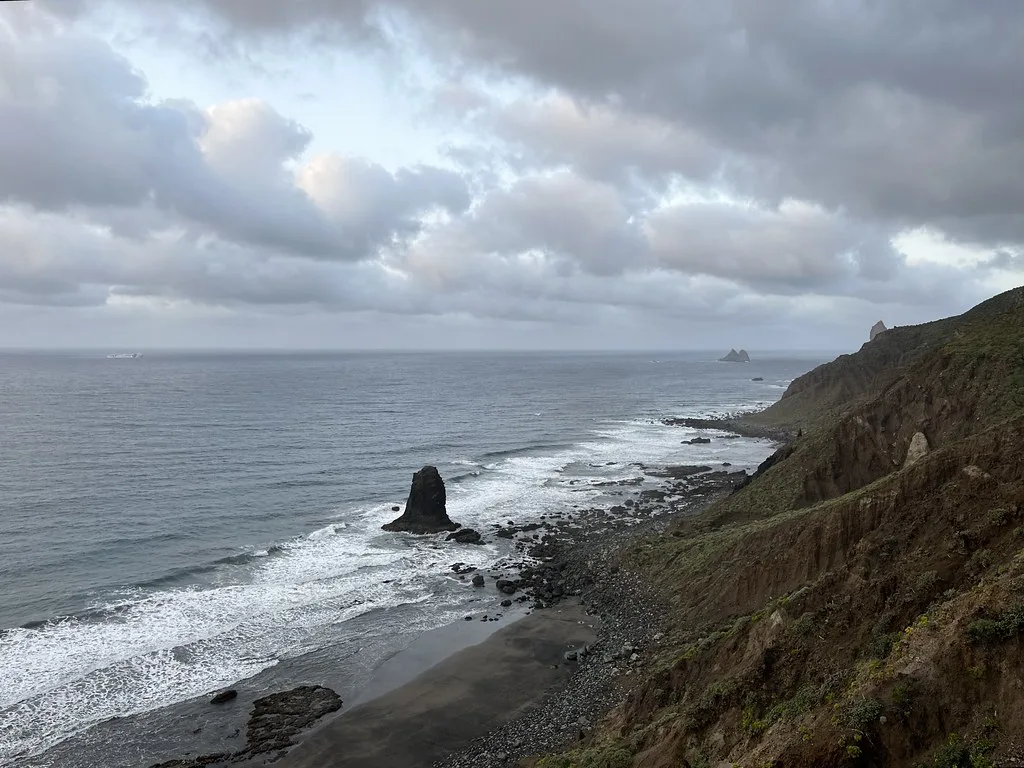
March is arguably the best month of the year for walking here: the hills are at their greenest, wildflowers appear, and temperatures stay cool enough for long days on the trail. Teide National Park on Tenerife offers cool mornings and clear visibility, while Anaga Rural Park has lush forest and coastal cliffs.
Gran Canaria's central mountains around Roque Nublo and Pico de las Nieves, the Caldera de Taburiente on La Palma and the volcanic trails around Timanfaya on Lanzarote all suit March conditions. Trails are quieter than in the winter holidays, which matters on the popular routes.
Take the altitude seriously on Teide: even in March the air is cold at the top, and wind can close the cable car. Walkers who want the summit without the cable car need a permit arranged in advance through the park authority.
Walkers often pair Tenerife with La Gomera thanks to the ferry links and the contrast between dry volcanic terrain and laurel forest. If you want a walking-led trip book the crossing early, since March fill rates rise around Easter week.
Whale and Dolphin Watching
The waters between Tenerife and La Gomera are home to resident pilot whales and bottlenose dolphins, and March is a strong month for sightings, with migrating species also moving through. Trips leave from Costa Adeje, Los Cristianos and Puerto Colón on Tenerife, and from ports on La Gomera and Gran Canaria.
Choose operators that limit boat numbers and follow wildlife-watching rules, since responsible practice is what keeps these populations resident and viewable. Morning departures usually get calmer seas, which helps if anyone in your group is prone to seasickness.
Island Hopping and Road Trips
March delivers dry roads, long daylight and lighter traffic than the holiday periods, which makes self-drive exploring easy on Tenerife, Gran Canaria and Lanzarote. Scenic drives link beaches, volcanoes and small inland towns, and car availability is generally better than in January or February.
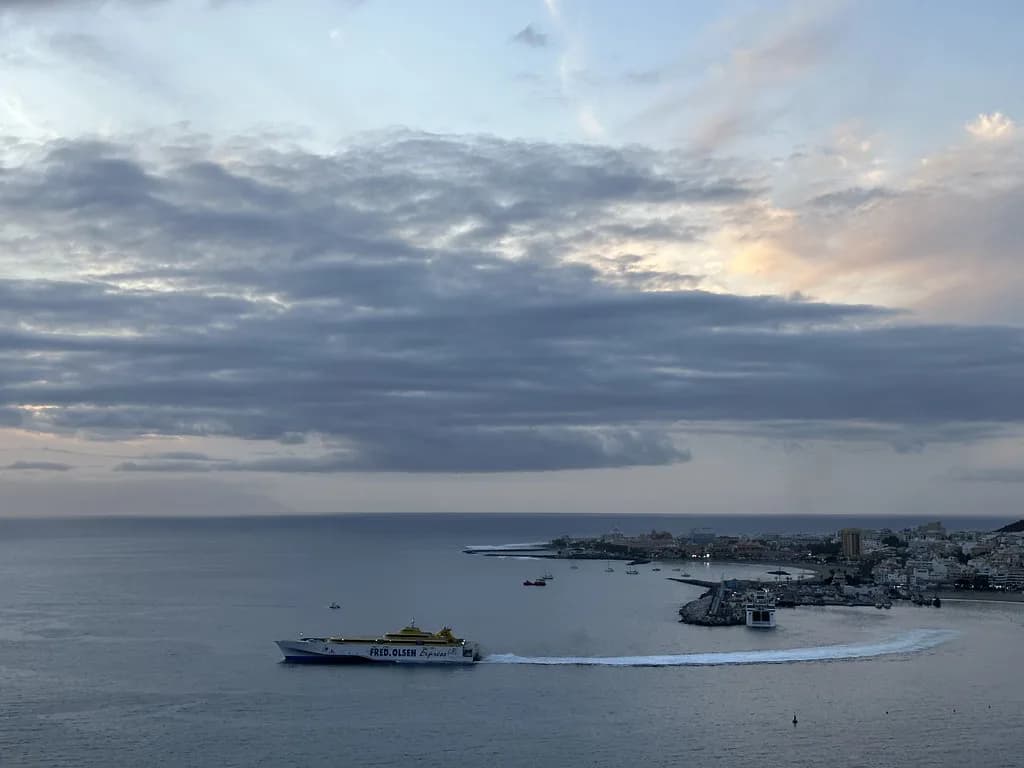
Ferries connect the larger islands regularly, and stable March seas make hopping between them practical; pairing Tenerife with Lanzarote, or Gran Canaria with Fuerteventura, gives you contrasting landscapes within one trip. Book crossings for the Easter week early if your dates run into late March.
Driving is straightforward but mountain roads on Tenerife and La Gomera are slow and winding, so build in more time than the distance suggests. Parking in popular trailheads and resort towns fills early on sunny weekends.
Town and Food Days for Wetter Weather
When cloud or wind rules out the beach, the islands have good town days: La Orotava on Tenerife for colonial streets and gardens, Arrecife on Lanzarote for its lagoon-side center, and Betancuria on Fuerteventura for the old island capital. Each works well in a few hours with a long lunch.
Lanzarote's La Geria vineyards, where vines grow in volcanic ash pits, are a rewarding half-day of tastings and landscape, and the island's wines are a genuinely local product. Tastings usually need booking at the bodega, so arrange visits directly with the winery.
The islands' food leans on fish, potatoes and mojo sauces, with greater variety in the capital cities than in resort strips. A market morning in Santa Cruz de Tenerife or Las Palmas pairs well with an indoor afternoon if the weather turns.
Prices and Crowds
March sits between two busy periods: the winter holiday and Easter, so rates are usually lower than in January and February, with better last-minute availability on resorts, villas and car rental. U.S. News Travel also identifies spring as a value window compared with winter and summer peaks.
Beaches, restaurants and trails feel noticeably quieter in early and mid March than during the winter-sun rush, though popular resorts like Costa Adeje, Maspalomas and Corralejo stay lively. The last week flips as Holy Week approaches, so book that week as you would a peak holiday.
For comparison with the months either side, the guides to the Canary Islands in February and Canary Islands in January show how the winter peak behaves, which helps you decide whether the March savings are worth waiting for.
Who March Suits — and Who Should Pick Another Month
March suits walkers, couples and independent travelers who want warm days without peak-season prices and can live with breezy afternoons and occasional showers. It also suits families tied to school breaks who want beach time before the summer heat, provided they pick a sheltered southern base.
It suits sun-seekers less if they expect guaranteed heat and calm water, since the sea is cool and the wind can bite; late summer or early autumn delivers more reliable beach conditions. Travelers who want Carnival parades should aim for February rather than March in 2027.
If your heart is set on a different island group entirely, other winter sun options exist within Europe, but few combine this warmth with this short a flight from northern Europe. Comparing the Canaries against alternatives is worthwhile before committing to a March week.
Getting Around Between the Islands
Inter-island ferries are the backbone of a multi-island March trip, with regular crossings between the main islands and stable seas for most of the month. Book vehicle spaces in advance if you are taking a rental car across, since capacity is limited on the busiest routes.
Flights connect the larger islands quickly, which can save time if you want to combine distant islands such as Tenerife and Lanzarote within a week. Internal flights carry baggage rules that differ from long-haul carriers, so check the fare conditions at booking.
Plan Your March Trip
March rewards travelers who plan around the islands' microclimates rather than the archipelago's average weather: pick a sheltered southern base for beach days, keep high-altitude plans flexible for wind, and book the final week with Easter demand in mind. The result is a trip with warm afternoons, green trails and far more breathing room than the winter peak.
If your dates are not fixed, compare February for Carnival and quieter beach weather, or the wider winter guide for a December or January trip. For anyone without those constraints, March is one of the most comfortable months to see the Canaries on foot and by car.
Explore more Canary Islands winter guides
Frequently Asked Questions
Is it worth going to the Canary Islands in March?
Yes, for travelers who want warm days, green hiking terrain and lower demand than the winter high season. Sea temperatures are cool and wind can be brisk, so beach time is best in sheltered southern spots. The final week fills up around Holy Week.
Which is the warmest Canary Island in March?
Lanzarote is generally described as having the highest year-round temperatures, with Tenerife, Gran Canaria and Fuerteventura also warm, especially in their southern areas. The western islands such as La Gomera are milder overall but still pleasant.
Can you swim in the Canary Islands in March?
Swimming is realistic, though the sea is refreshing rather than warm. Sheltered southern beaches on Tenerife, Gran Canaria and Lanzarote are the most comfortable, while exposed eastern coasts can be windy.
How warm is the Canary Islands in March in Fahrenheit?
Typical March highs run from about 68 to 75°F, with lows around 59 to 64°F. These are long-term averages rather than a forecast, so pack for cooler evenings and the occasional breezy day.
Is it windy in the Canary Islands in March?
Wind is part of March on the islands and is strongest on Lanzarote and Fuerteventura. On Tenerife and Gran Canaria you can usually find a sheltered side of the island, and high-altitude trips such as the Mount Teide cable car can be affected.
Are the Canary Islands busy in March?
Early and mid March are calmer than January and February, with more space on beaches and trails. The last week becomes busy as Holy Week approaches, so book that period as you would a peak holiday.
What is there to do in the Canary Islands in March?
Hike Teide National Park, Anaga, Gran Canaria's central mountains and the Timanfaya trails; swim at sheltered southern beaches; take a whale-watching trip between Tenerife and La Gomera; and drive scenic routes between volcanoes, towns and vineyards.
Is the end of March a good time to visit the Canary Islands?
The weather stays warm, but the end of March coincides with Holy Week in 2027, which brings more visitors and higher demand. It suits travelers who want the warmer days and do not mind booking early.
Sources
Winter travel notes
Optional updates when we add or revise winter guides.
You might also like
Continue reading
More guides you'll find useful