Christmas in Canary Islands: Where To Go & What To Expect
Christmas in the Canary Islands brings mild days, outdoor family dinners on Christmas Eve and busy resorts. Here is what the festive season is actually like.
On this page
Christmas in the Canary Islands looks nothing like the northern European version. You can eat lunch outside on 25 December, walk a volcanic trail in the afternoon and still find a nativity scene set up in the town square. The season suits travelers who want mild air and daylight rather than snow, and who accept that the holiday weeks are the busiest the islands see all winter.
The archipelago runs on two speeds in December. The first two and a half weeks are quiet, with space on the promenades and easy tables at dinner; from roughly 19 December the resorts switch into festive mode and stay there into the first days of January. Deciding which of those two trips you want matters more than picking the island.
Weather in December
Expect typical December highs of 21–22 °C (70–72 °F) and nights around 15 °C (59 °F) across the main islands. Lanzarote and Fuerteventura run slightly warmer and drier than Tenerife and Gran Canaria, and the sea sits at about 21 °C (70 °F), which is swimmable for most people who are used to Atlantic water. Treat these as long-term averages, not a forecast.
Rain is modest and uneven. The dry eastern islands of Lanzarote and Fuerteventura see very little, while the north of Tenerife and Gran Canaria catches short showers when the trade winds push cloud against the hills. The practical consequence is that the south coasts of Tenerife and Gran Canaria are the safer bet for outdoor plans, and a wet morning in one resort often means a sunny afternoon an hour's drive away.
December days are short but not bleak: the islands sit far enough south that daylight lasts roughly from shortly after 7am to around 6pm near the solstice. Evenings cool quickly once the sun drops, which is why local families eat late indoors rather than lingering on terraces. For a fuller month-by-month picture of light, rain and sea conditions, the winter overview is worth reading before you fix dates.
What the season changes on the islands
The resorts stay open through the holidays, but the rhythm shifts. Outdoor pools are heated at many hotels yet the water can feel brisk, and the beach clubs and lidos that draw crowds in summer trim their offer. Life moves to promenades, sheltered terraces and the towns inland, where the Christmas lighting and belenes (nativity scenes) become the evening walk.
Mountain access is the one plan that genuinely depends on the day. Teide National Park sits above 2,000 m and can be cold, windy or briefly snow-dusted in December, so a cable car ascent is best kept flexible rather than booked tightly against a flight. Check the cable car operator's own page on the morning you plan to go up.
Ferries between the islands run year-round, but inter-island sailings and excursion boats are weather-dependent in winter, and whale-watching trips out of Tenerife and Gran Canaria can be cancelled when the Atlantic swell builds. Book boat trips for the middle of your stay rather than the last day so a cancellation does not cost you the experience.
Christmas Eve and Christmas Day: Nochebuena
The main family occasion is Nochebuena on 24 December, not Christmas Day. Households gather for a long evening meal, and in the islands that often means fish and seafood rather than the roast bird of northern Europe. Because the evening belongs to family, resort restaurants can run reduced service or fill with pre-booked groups on 24 December, so plan that dinner in advance rather than improvising.
Christmas Day itself is quieter and more outdoor. With Christmas Day 2026 falling on a Friday, the long weekend that follows is the busiest stretch for arrivals, and beaches and promenades fill in the early afternoon. Supermarkets and shops typically close or run limited hours on 25 December, so buy what you need for the day before.
The days between Christmas and New Year are a slow, sociable stretch: families visit, towns hold concerts and children's activities, and the resorts absorb a large share of their winter visitors. If you want the holiday atmosphere without hosting duties, this is the week that delivers it most easily.
Christmas lights, nativity scenes and markets
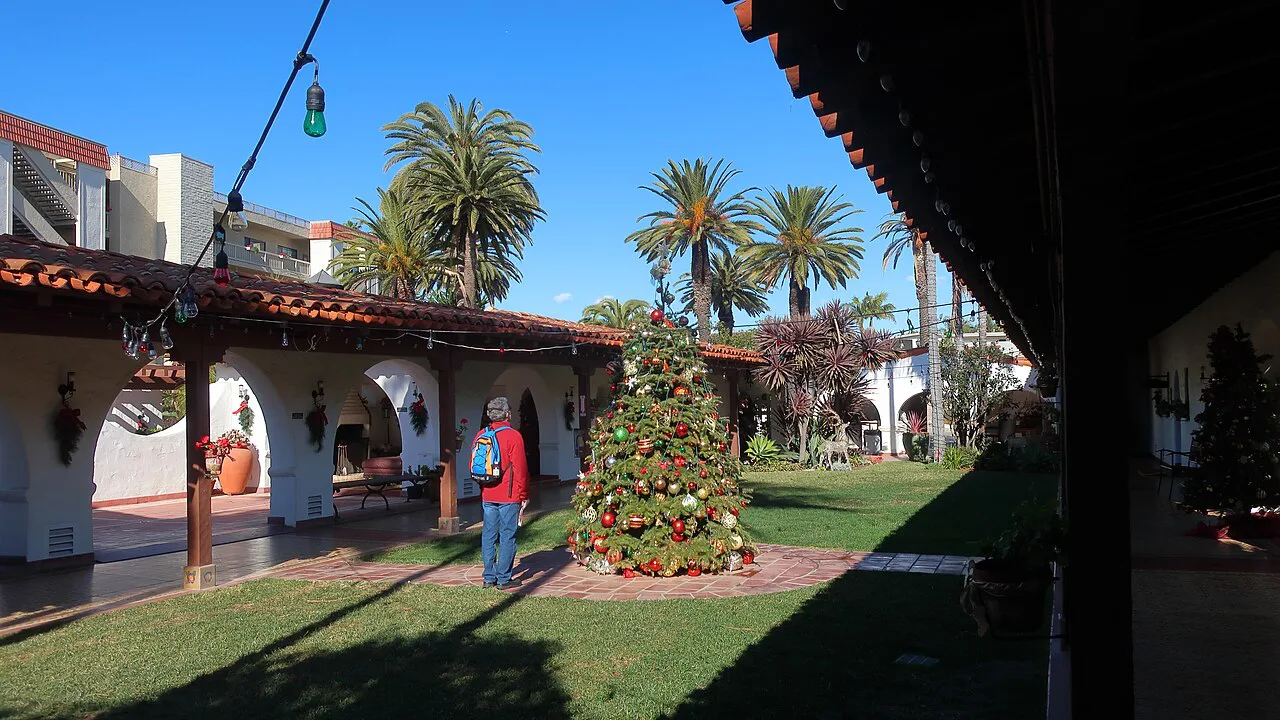
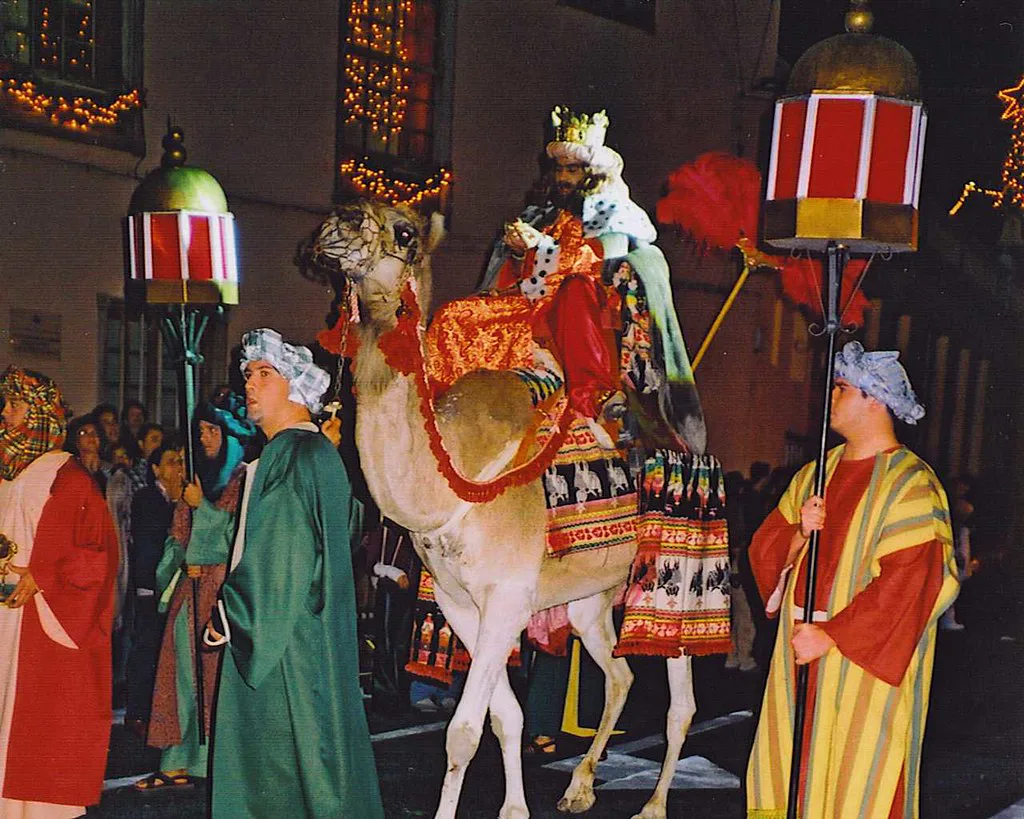
Town halls across the islands string lights through December and set up belenes, from large civic displays in Las Palmas and Santa Cruz de Tenerife to small parish scenes in inland villages. These are free, evening-friendly and a good use of the short daylight hours. Small Christmas markets appear in the main towns and resorts alongside them.
Do not build a trip around markets alone. The Canary Islands' Christmas is a family and street-lighting occasion rather than a market destination, and the outdoor life here is the real draw. If markets and long, cold evenings are what you picture, a mainland Spanish city is closer to that image; our guide to Christmas in Spain explains how the traditions and decisions differ there.
Outdoor things to do that suit December weather
December temperatures make walking and hiking comfortable in a way summer rarely does. Lanzarote's volcanic landscapes and Tenerife's Anaga and Teide trails are at their most pleasant now, and guided rainforest walks on Gran Canaria work well in the cooler air. Start early to make the most of the light and carry a layer for the wind.
On the water, whale and dolphin watching runs through December, and surfing and windsurfing conditions are good on Fuerteventura and the north coasts of the larger islands. Swimmers should favour sheltered southern beaches, where the water is calmest and the sea is still around 21 °C.
For a day that ignores the weather, Las Palmas pairs a city beach with museums and a historic old town, while Santa Cruz de Tenerife and La Laguna give you architecture, cafés and shopping in the same afternoon. Both work on a showery day when a hike does not appeal.
New Year's Eve in the resorts and towns
New Year's Eve follows Spanish custom: twelve grapes at midnight, one for each chime, eaten in the town square or in front of the television with family. Towns across the islands put on their own celebrations, and resort seafronts draw the largest crowds. New Year's Day 2027 falls on a Friday, which stretches the holiday into a second long weekend.
Expect the last week of December to be the noisiest and most booked-up of the winter, with restaurants selling out and traffic heavier along the coast roads. If you want a calmer version of the same holiday, stay in a smaller town and travel into the resort for the evening.
Day trips and nature outings that work in winter
The islands are compact enough for real day trips. From Tenerife's south coast you can reach the laurel forests of Anaga, the Teide crater and the colonial town of La Orotava in a single day each; from Gran Canaria's resorts, the green interior around Teror and Tejeda makes an easy loop. Lanzarote's Timanfaya and Fuerteventura's dune beaches are short drives from the main resorts.
Winter is also the season for inland food: gofio, wrinkled papas arrugadas with mojo, fresh fish and island cheeses appear on menus in the towns away from the coast, where lunch is often the main meal. Combine a market visit with a mountain drive and you have used the short day well.
Crowds and prices: early December versus the festive weeks
The first half of December is the bargain window: quieter beaches, easier availability and lower flight and accommodation costs before the schools break up. From around 19 December until the first days of January the islands shift into their peak, and the most popular resorts fill well ahead. Book flights and beds early for the holiday weeks rather than assuming last-minute deals.
The same split applies to car hire, which thins out around Christmas when everyone wants one at once. Reserving a car when you book the flight is the low-effort fix. If flexibility matters more to you than festive atmosphere, a trip in the first half of the month is the better value.
Which island suits which kind of Christmas
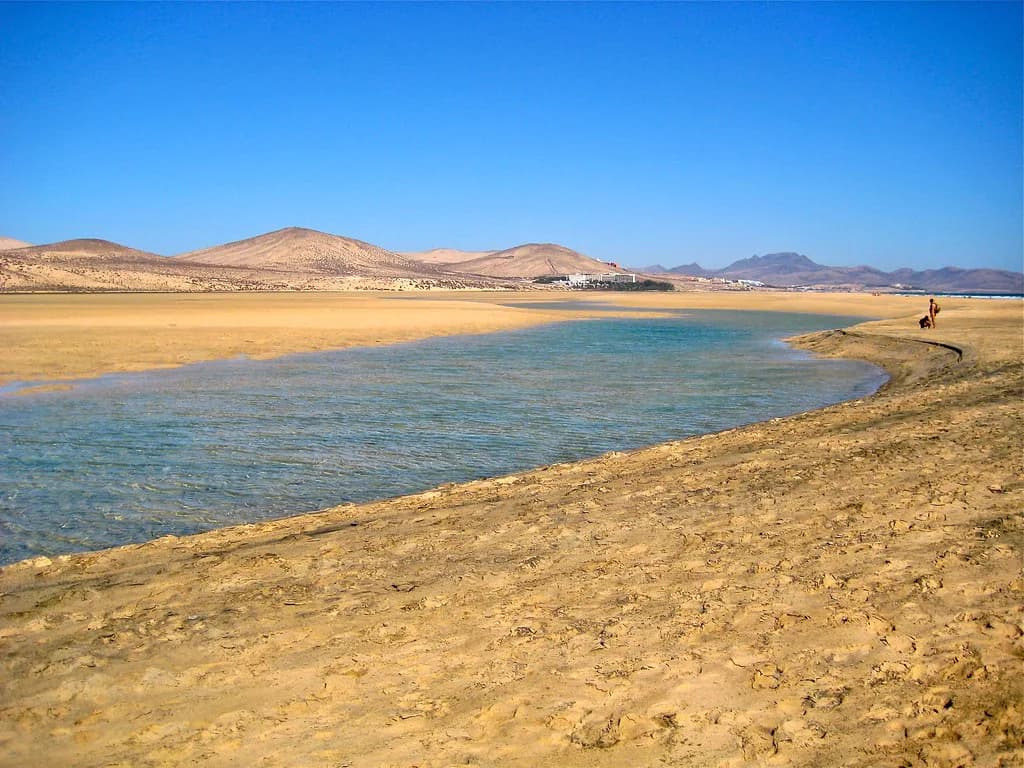
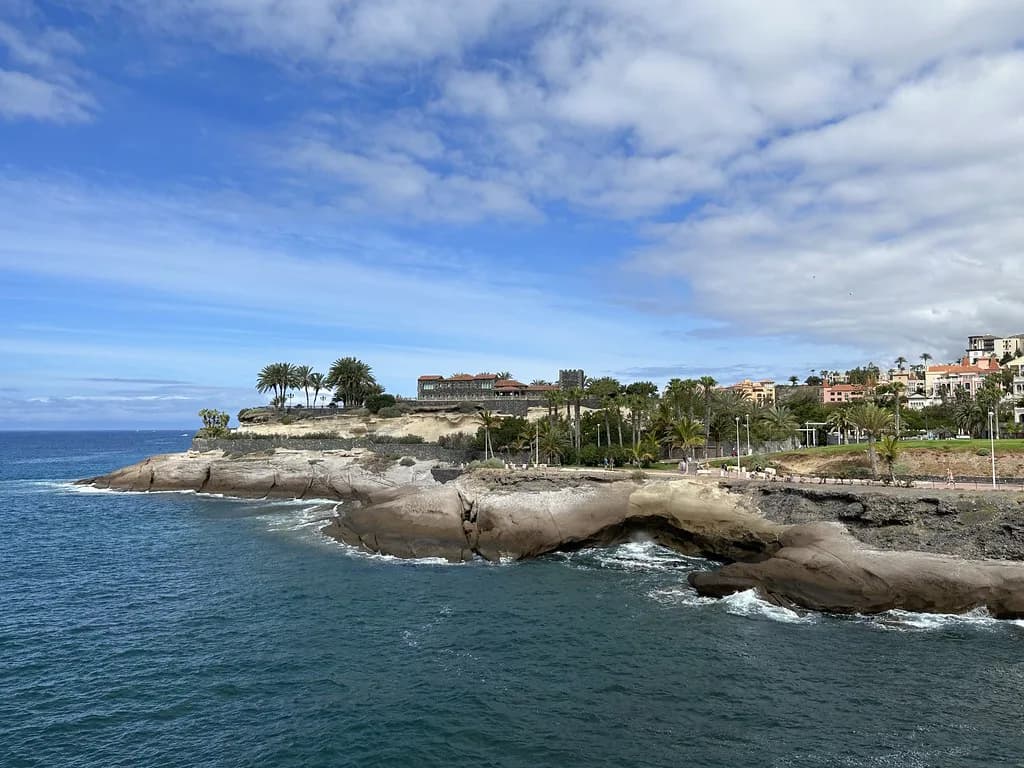
Lanzarote and Fuerteventura give you the driest, calmest version of the holiday, with wide beaches, water sports and quieter towns; they suit travelers who want sunshine with a low-key festive backdrop. Tenerife's south coast is the busiest and most built-up option, with the most restaurants and organised entertainment, and it wins if you want a resort Christmas with everything on hand.
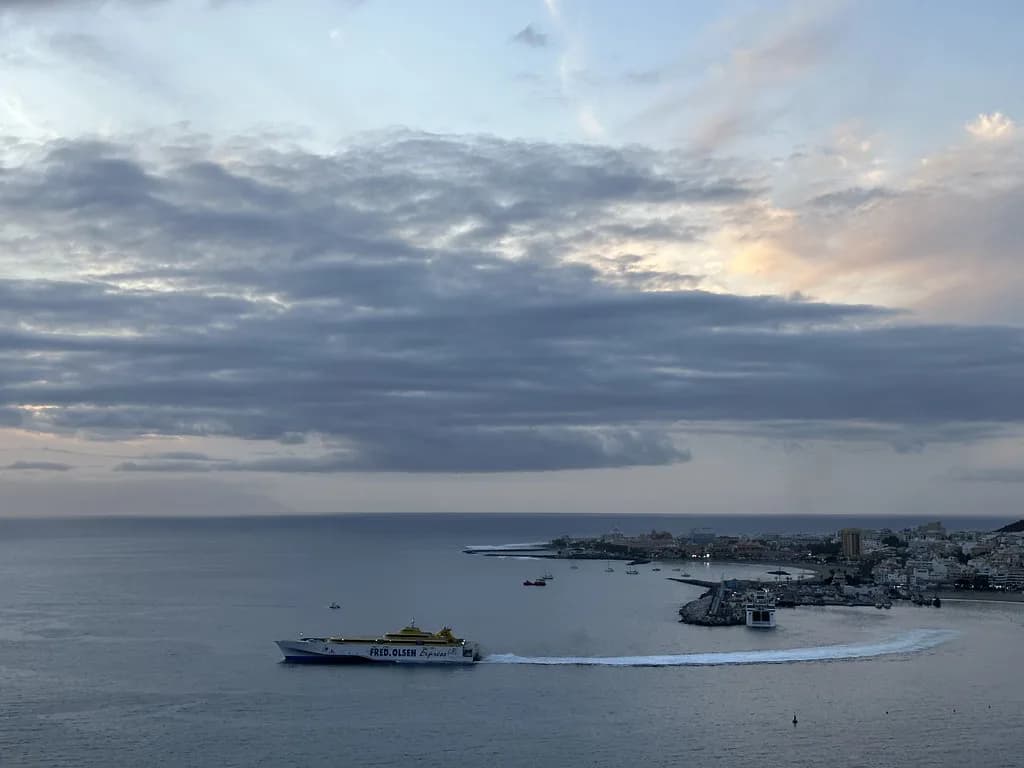
Gran Canaria sits in between: lively southern resorts, a genuine city in Las Palmas and mountains within an hour. It is the island to choose if you want a bit of everything and don't mind driving. For a quieter base with easy access to two islands, the short ferry crossings in the archipelago open up combinations.
Who a Canary Islands Christmas suits, and who should choose another month
This trip suits families with children, couples who want warmth and daylight without long-haul flights, and anyone whose idea of Christmas is lunch outdoors rather than beside a fire. It also suits walkers, cyclists and surfers, who get comfortable conditions at the one time of year the rest of Europe is frozen.
Choose another month if you want guaranteed beach heat, since December sea and air temperatures are mild rather than hot, or if you want empty resorts, because the holiday weeks are the opposite. If your ideal Christmas involves markets, mulled wine and frost, look at mainland Spain instead. Travelers who can shift their dates should look at January and February, when the crowds thin and the weather holds.
Plan Your Christmas Trip
Fix your dates first, because the difference between the first half of December and the holiday weeks is larger than the difference between the islands. Then pick an island by the kind of holiday you want: dry and quiet on Lanzarote or Fuerteventura, full-service and busy on Tenerife's south coast, mixed on Gran Canaria.
Plan Christmas Eve dinner and New Year's Eve early, keep mountain and boat trips flexible around the weather, and build in one indoor city day for the showery spells. Check the Teide cable car and your ferry operator for the days you plan to use them, and the rest of the trip runs on island time.
Explore more Canary Islands winter guides
Frequently Asked Questions
Is December a good time to visit the Canary Islands?
Yes, if you want mild air, winter daylight and outdoor life rather than heat. Typical December highs sit around 21–22 °C with nights near 15 °C, and the sea is swimmable. The trade-off is that the holiday weeks are the busiest and most booked-up period of the winter.
Which Canary Island is warmest in December?
Lanzarote and Fuerteventura are typically the driest and slightly warmest, with the south coasts of Tenerife and Gran Canaria close behind and more sheltered. The northern sides of the larger islands catch more cloud and short showers, so where you stay on an island matters as much as which island you pick.
Can you swim in the sea in the Canary Islands in December?
The sea sits at roughly 21 °C, which most swimmers find comfortable, especially on sheltered southern beaches. Atlantic swell can make exposed northern coasts rougher, so choose your beach by the day's conditions rather than by habit.
Do you need to book early for Christmas in the Canary Islands?
For the holiday weeks, yes. Accommodation, flights and car hire fill fastest between about 19 December and the first days of January, while early December is much easier. Booking the flight and the car together is the simplest way to avoid a shortage at the last minute.
What is Christmas Eve like in the Canary Islands?
Christmas Eve, Nochebuena, is the main family occasion. Households gather for a long evening meal, often built around fish and seafood, so resort restaurants can run reduced service or fill with pre-booked groups. Christmas Day itself is quieter and more outdoor, with most shops closed or on limited hours.
Is Christmas in the Canary Islands warm enough to eat outside?
Daytime temperatures in the low twenties Celsius make outdoor lunches and terraces realistic on the south coasts, though evenings cool quickly after sunset. A light layer is useful for late dinners, and the northern sides of the larger islands are less reliable for outdoor plans.
Sources
Winter travel notes
Optional updates when we add or revise winter guides.
You might also like
Continue reading
More guides you'll find useful