Málaga in Winter: What November to March Is Really Like
Málaga in winter brings mild, sunny days, short evenings and a working city that never shuts down. Here is what November to March really feels like.
On this page
Málaga in winter is a working Andalusian city with mild, bright days rather than a resort in hibernation. Daytime temperatures typically sit around 17–18°C (62–64°F), mild enough for long walks through the old town and up to the hilltop castles, while evenings drop cool enough that you will want a warm layer.
It suits travelers who want city life, museums, tapas and sunshine without summer heat or summer queues. It is a poor fit for anyone set on swimming, sunbathing or a beach-holiday rhythm, because the sea stays cold and the daylight is short.
What Málaga in winter is like and who it suits
The city runs on its own calendar rather than the tourist season. Museums, restaurants and monuments keep broadly normal hours, so a January or February visit feels like ordinary Spanish city life with fewer visitors in the streets. Expect a mild Mediterranean winter: bright, dry days mixed with windy spells and the occasional stretch of rain.
Winter here rewards slow travel. A morning at the Alcazaba, a long lunch, an afternoon in a museum and an evening of tapas fills a day comfortably without rushing. Travelers who need heat, sea swimming or late outdoor evenings should look at a different month or a different destination.
Weather month by month: November, December, January, February and March
November is the transition month, still mild in the sun but noticeably cooler and wetter than October. December and January are the coolest stretch, with crisp mornings, pleasant midday sun and evenings that turn genuinely chilly. February stays similar, and March begins to warm as spring arrives in Andalusia.
The regional climate is one of the mildest in mainland Europe, with roughly five hours of sunshine a day in winter. Treat those numbers as long-term typical conditions, not a forecast, and pair any trip with indoor plans for the wet days.
If February is your window, the month pairs mild days with Carnival, and Málaga in February covers how the celebrations and the weather fit together. December brings the Christmas lights and the busiest festive evenings, which is where Málaga in December becomes useful for timing.
Rain, sunshine and daylight: how short the days get
Winter daylight is the real constraint on sightseeing. Around the solstice, sunset comes early in the afternoon and sunrise is late, so a full day out needs an early start. Plan the outdoor sights for the middle of the day and keep museums, markets and long lunches for the edges.
Rain arrives in wet spells rather than constant drizzle, often with a cold westerly wind behind it. A flexible itinerary beats a tightly booked one, and indoor backups such as the Picasso Museum or the Pompidou Centre make a wet afternoon easy to absorb.
Is the sea warm enough to swim?
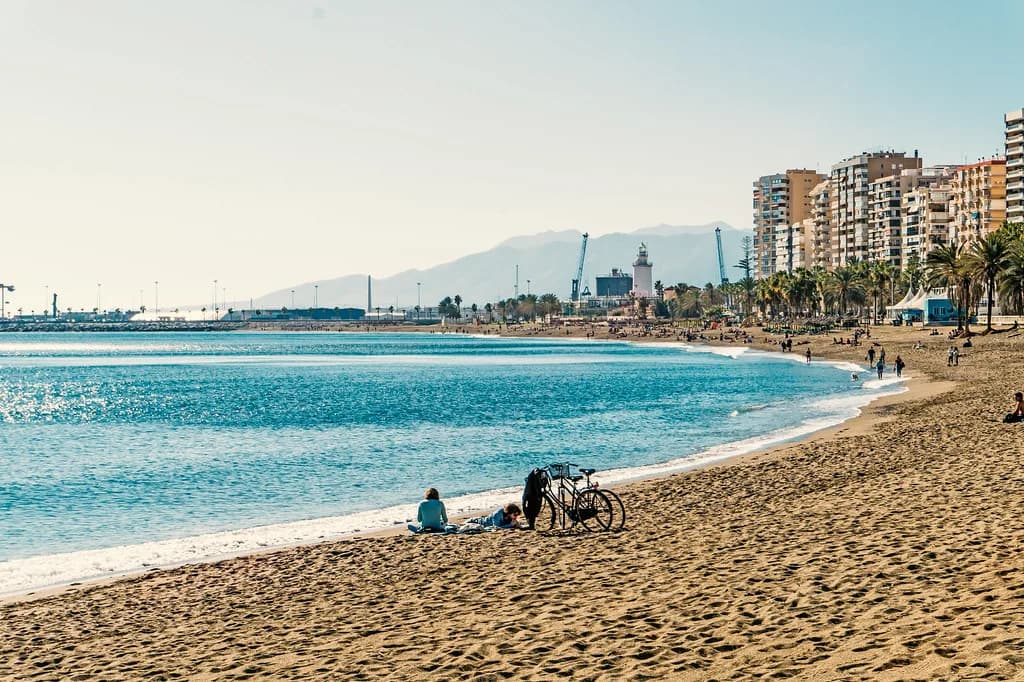
The Mediterranean off Málaga sits around 16–17°C in winter, which is bracing rather than inviting for most visitors. Locals may take a quick dip, but a winter trip here is not a swimming holiday and the beach clubs and chiringuitos thin out along the coast.
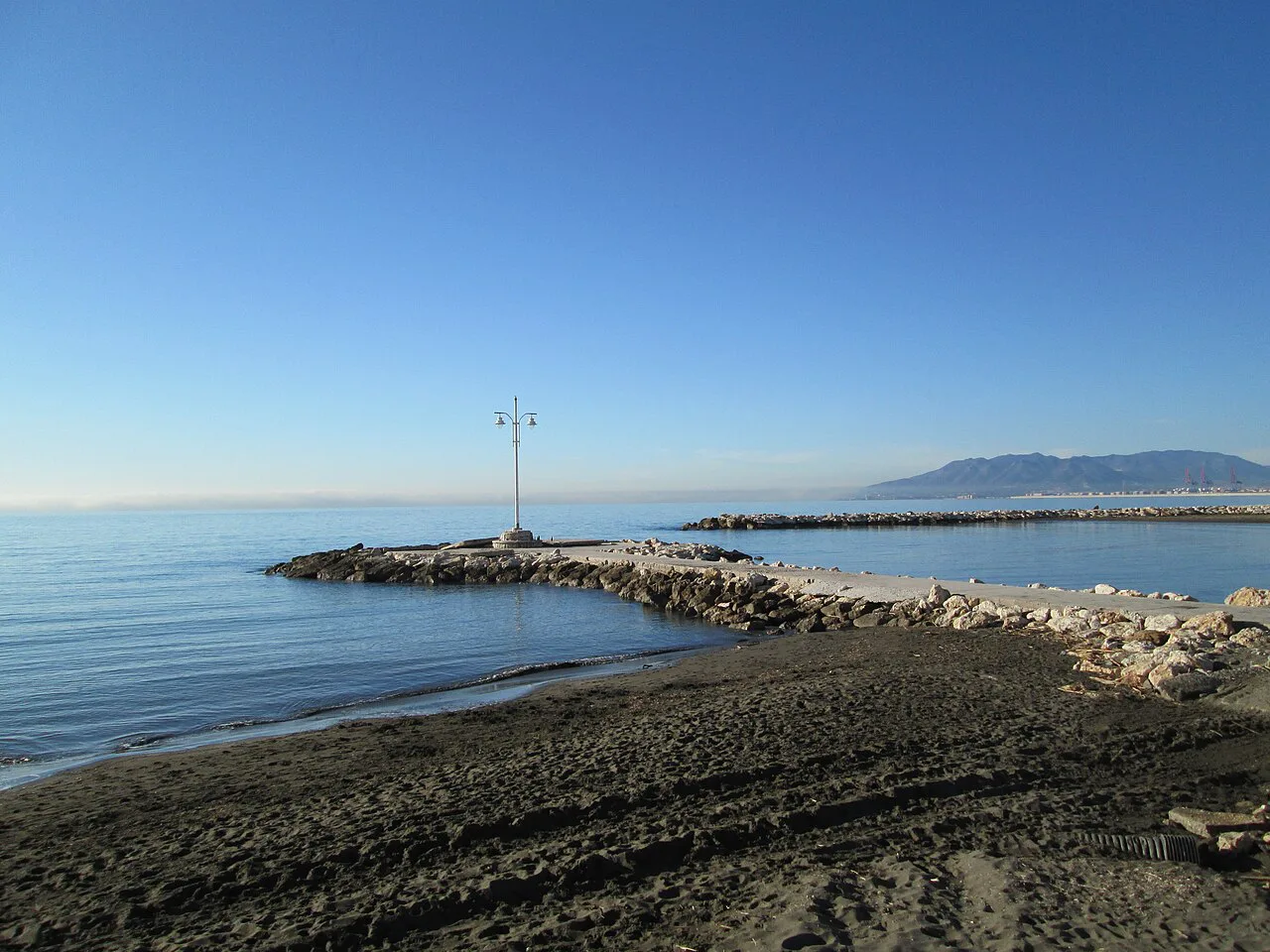
The coast is still worth using on foot. The Paseo Marítimo and the beaches at La Malagueta and Pedregalejo are at their emptiest in winter, which makes them good for a morning walk rather than a day under an umbrella.
What stays open in winter and what winds down
Málaga does not close for the season. The old town, the cathedral, the Alcazaba and Gibralfaro, the port area around Muelle Uno and the main museums all continue through the winter months, and restaurants keep serving to a local clientele rather than a tourist crowd.
What changes is the coastal fringe. Some beach bars cut their hours or shut entirely for the season, while others stay open year-round, so a plan built around a specific chiringuito is riskier than one built around the city itself.
Christmas in Málaga: Calle Larios lights and Plaza de la Constitución
Christmas is the busiest and most atmospheric stretch of the winter. Calle Larios puts on a synchronized light and music show through the festive season, and the streets around Plaza de la Constitución fill with stalls and shoppers. Christmas Day 2026 falls on a Friday, with New Year's Day 2027 the following Friday.
Evenings in the center are crowded and loud over the holidays, so light sleepers should weigh a quieter base against the convenience of walking everywhere. For the full festive picture, Christmas in Málaga sets out how the lights, markets and family traditions fit together.
New Year's Eve in Málaga follows Spanish custom, with crowds gathering to eat grapes at the chimes and celebrate late into the night. If that is the centerpiece of your trip, New Year's Eve in Málaga covers how the evening unfolds and where the city gathers.
Three Kings' Day and the 5 January parade
For Spaniards, the real gift-giving climax comes on Epiphany, which falls on Wednesday 6 January 2027. Málaga marks it with a Three Kings parade on the evening of 5 January, when floats and costumed riders process through the city center.
The route and start time are published by the city each year, and the crowd along the center is dense, so arrive early and pick a spot away from the tightest pinch points. The days around 5 and 6 January also fill hotels and restaurants, so book ahead if those dates matter.
Carnival in February
February brings Carnival, with parades and street parties that give the month a livelier edge than January. Carnival Tuesday falls on 9 February 2027, with Ash Wednesday the following day, so the biggest celebrations land in the days just before Lent.
Expect music, costumes and late nights in the center, plus family-oriented events earlier in the day. The program is confirmed by the city close to the date, so keep the exact schedule flexible until it appears.
Things to do on mild winter days: Alcazaba, Gibralfaro and the port
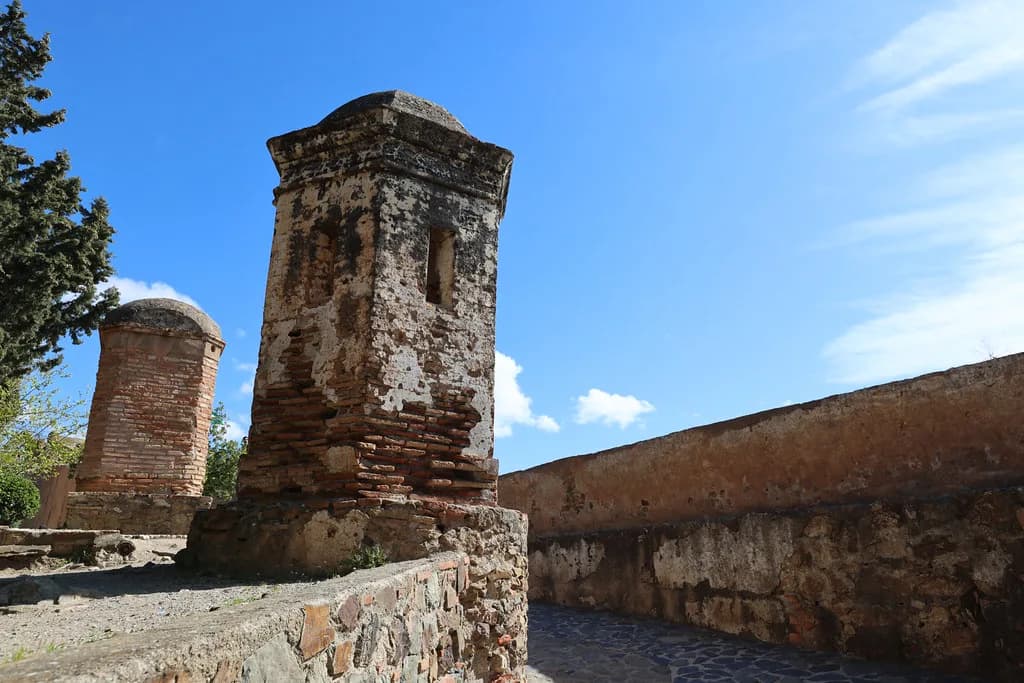
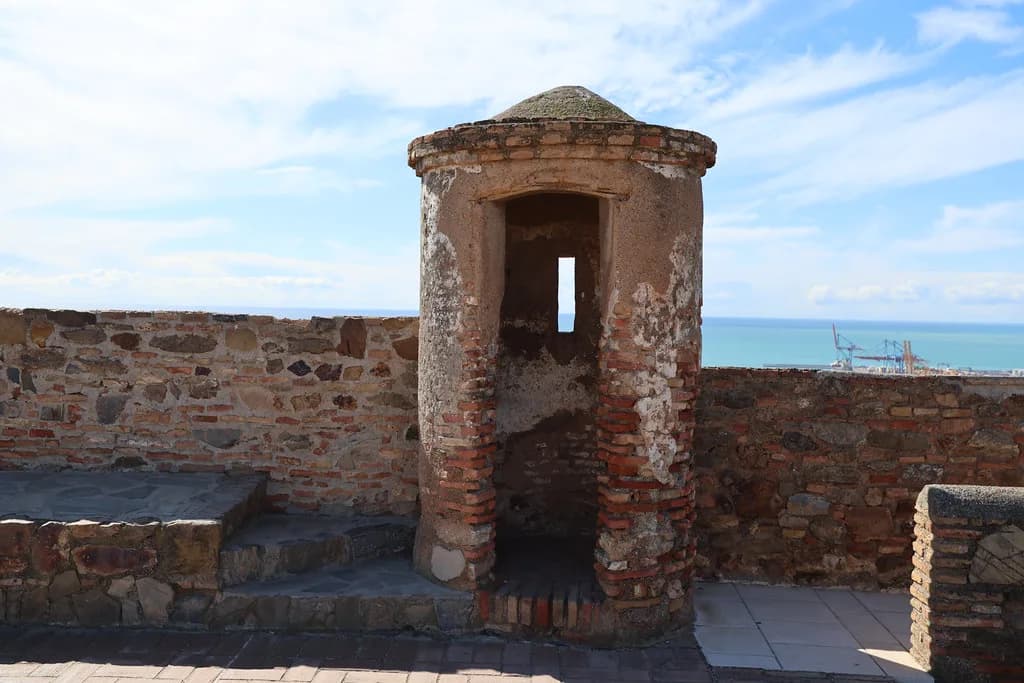
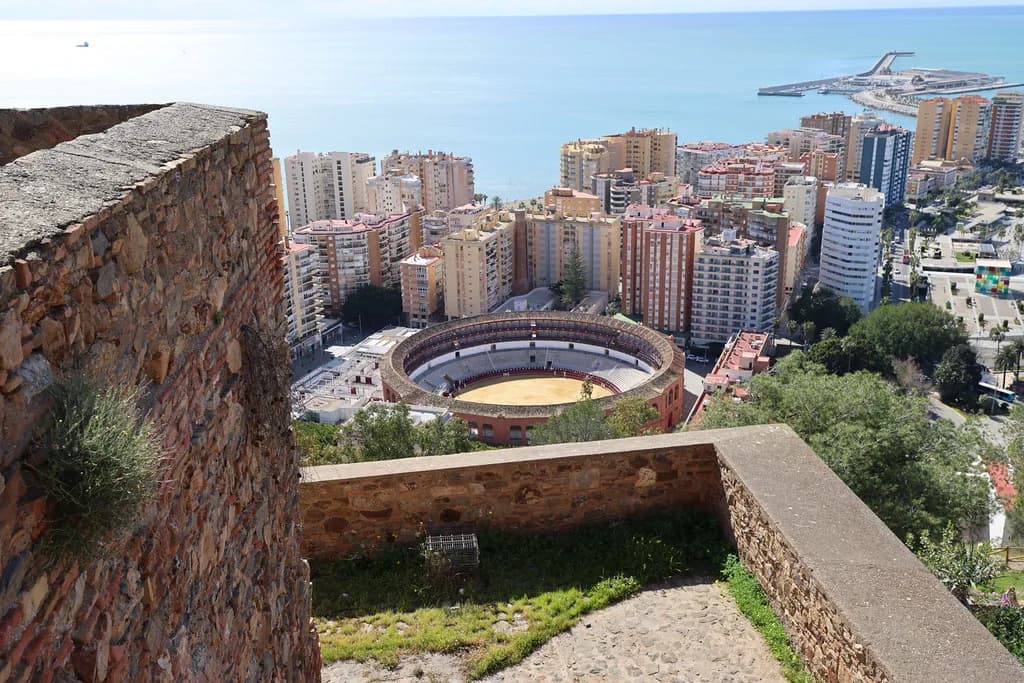
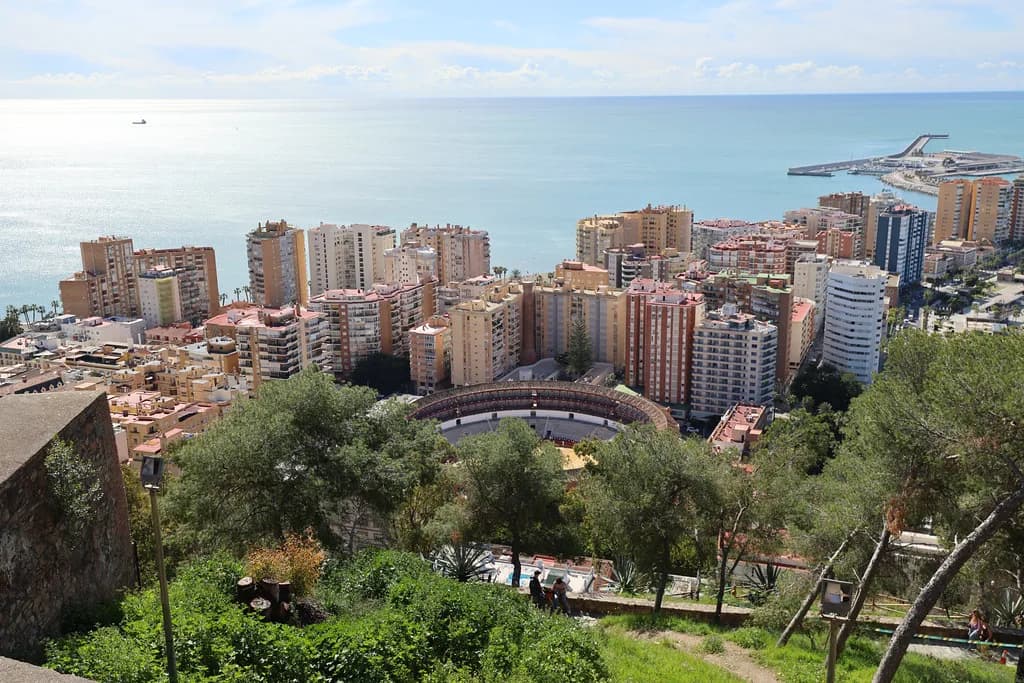
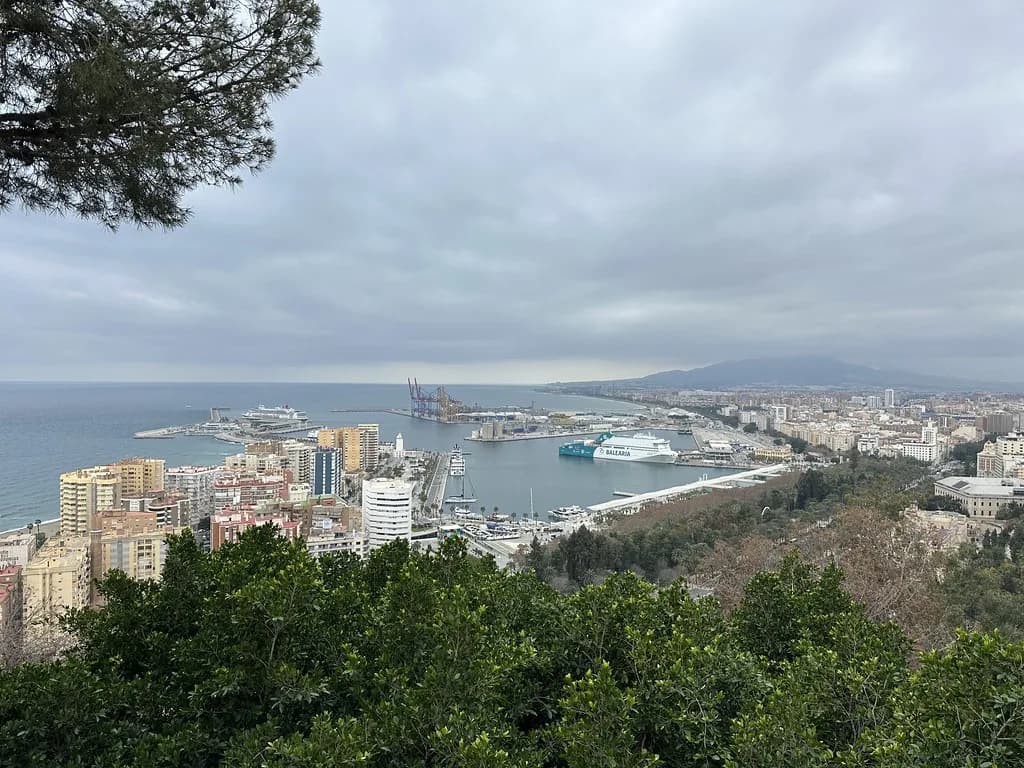
Use the bright middle of the day for the outdoor sights. The Alcazaba fortress and Gibralfaro castle sit above the city, and the climb rewards you with views over the port and the coast. The walk back down through the old town leads straight to the cathedral and the Picasso Museum.
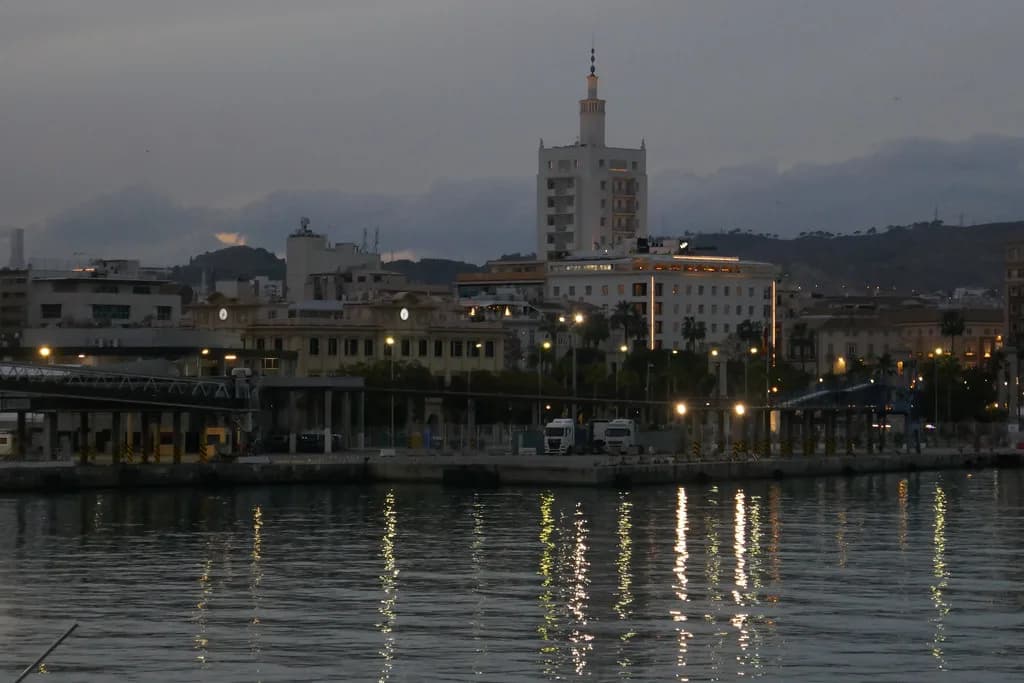
The port area around Muelle Uno is a good late-afternoon stop, with the Pompidou Centre's colorful cube marking the waterfront. From there the Paseo Marítimo runs along to La Malagueta, giving you a seafront walk without committing to a beach day.
Museum days when it rains: Picasso Museum and the Pompidou Centre
Málaga has become a serious museum city, and rainy days are the moment to use it. The Picasso Museum in the old town and the Pompidou Centre on the port both anchor an indoor afternoon, with the Carmen Thyssen and the contemporary art museum in Soho filling out a longer stay.
Museums here are far quieter in winter than in summer, which is one of the strongest arguments for visiting now. The same applies to restaurants: tables that are hard to get in August are easy to book in January.
Beach walks and the Paseo Marítimo
The seafront works best as a walking route rather than a place to settle. The promenade toward Pedregalejo and El Palo passes former fishing neighborhoods where locals still take their daily paseo, and the eastern orientation catches good winter sun.
Walking east also gives you the best chance of a warm, sheltered hour when the wind is coming off the sea. Go in the morning and keep the afternoon for the old town.
Food and drink in winter: chiringuitos, tapas and winter dishes
Winter eating in Málaga is a mix of year-round beach cooking and heartier city fare. Several chiringuitos stay open through the season and still serve grilled sardines and fried fish, while the bars of the center turn to stews, chickpeas and slow-cooked dishes that suit cooler evenings.
The tapas culture is the real winter asset. Small bars around the old town and Soho fill up with locals after work, and a modest order at the counter usually comes with a free bite alongside your drink.
Winter day trips: Granada, Ronda and the white villages
Granada is a full day out and the most rewarding one, with the Alhambra as the centerpiece. Book Alhambra tickets well ahead, since they sell out regardless of season, and take an early train or bus to leave enough daylight for the visit.
Ronda is a shorter, easier day trip, with its gorge and the Puente Nuevo bridge an hour or two from the coast. The white villages inland, such as Mijas, work as half-day excursions in winter, when the roads are quieter and the light is soft.
Crowds, prices and the trade-offs of a winter visit
Winter is the value season here. Accommodation and restaurant reservations are easier and cheaper than in summer, and museums and streets are far less crowded outside the Christmas and Carnival weeks.
The trade-off is daylight and weather. Short days mean fewer outdoor hours, wind and rain can interrupt plans, and the sea is too cold for most swimmers. Christmas, New Year and the days around Three Kings' Day are the exception, when the center is as busy as summer.
Who should skip Málaga in winter and go another month
If your idea of a winter break is sunbathing and swimming, go elsewhere or come back in summer. Málaga delivers mild city days, not beach weather, and travelers after guaranteed heat should look at the Canary Islands in winter, where the sea stays warmer. Closer to home, La Palma in winter offers a very different island experience.
Anyone who values long evenings outdoors or a resort-style coastal break is better off between May and October. For culture, food, walking and short-haul sunshine, winter is the smarter season, and Málaga in March gives you the warmest edge of it.
Plan Your Winter Trip to Málaga
Málaga in winter is a mild, bright city that never shuts down, with quiet museums, good food and the Christmas and Carnival seasons as its high points. Plan around short daylight, keep an indoor backup for wet days, and accept that the sea is for looking at rather than swimming in.
If your dates are fixed around January, Málaga in January explains what the city is like in its quietest month. For a wider view of the country at this time of year, Spain in winter shows how Málaga's mild coast compares with the rest of the country, from the cold plateaus to the islands.
Explore more Málaga winter guides
Frequently Asked Questions
Is Málaga warm in winter?
Days are typically mild, around 17–18°C, with bright sun at midday and cool evenings. It is comfortable for walking and sightseeing but not for swimming or sunbathing, and a warm layer helps after sunset.
How many hours of daylight does Málaga get in December and January?
Days are at their shortest around the solstice, with sunset falling in the late afternoon and sunrise late in the morning. Plan outdoor sights for the middle of the day and save museums, markets and long lunches for the edges.
Is the sea warm enough to swim in Málaga in winter?
The Mediterranean sits around 16–17°C, which is bracing for most visitors. Locals may take a quick dip, but a winter trip is better built around the city than the beach.
Does it rain much in Málaga in winter?
Rain comes in wet spells rather than constant drizzle, often with a cold westerly wind behind it. Keep indoor backups such as the Picasso Museum or the Pompidou Centre ready for those afternoons.
Is Málaga worth visiting in January?
Yes, if you want a quiet city break with mild days and easy museum access. Christmas crowds have gone, restaurants and sights stay open, and the trade-off is short daylight and the occasional wet or windy stretch.
What is there to do in Málaga in winter?
The Alcazaba, Gibralfaro, the Picasso Museum and the Pompidou Centre fill bright days and rainy ones alike, alongside tapas bars, the port and seafront walks. Carnival in February and the Three Kings parade on 5 January add seasonal color.
Sources
Winter travel notes
Optional updates when we add or revise winter guides.
You might also like
Continue reading
More guides you'll find useful