Málaga in January: Winter Weather and What to Expect
Málaga in January brings mild, sunny days, the Three Kings parade on 5 January and near-empty museums. Here is what the month is really like to visit.
On this page
Málaga in January feels like a southern city on a mild spring day, which is exactly why it suits travelers who want long walks, museum afternoons and outdoor lunches rather than beach weather. You can sit on a terrace at midday in a light jacket, then feel the chill the moment you step into shadow or the sun drops behind a building. That gap between sun and shade shapes how you should plan each day. If you are weighing up other mild winter escapes, it is worth comparing the Canary Islands in January, where winter sun is warmer and more reliable than on the mainland.
The month is really two different visits. The first week carries the tail of the Christmas lights and the Three Kings celebrations on 5 and 6 January, with crowded streets and a holiday mood. After Epiphany the city empties out, museums lose their queues and the city feels calmer and easier to book.
Weather in January
Typical daytime highs sit at roughly 17–18°C (62–64°F) with about five hours of sunshine a day, close to three times what northern Europe gets in midwinter. The mild air is often undercut by humidity, so a shaded street or an evening without sun feels noticeably cooler than the thermometer suggests. Treat these as long-term averages rather than a forecast for your week.
The Mediterranean sits at about 16–17°C in winter, cold enough that most visitors only walk the shoreline, though a few hardy swimmers still go in on unusually warm afternoons. Evenings in the historic center drop toward 10°C, and the older apartment stock often relies on air conditioning rather than central heating, which matters if you plan to spend long evenings indoors.
Daylight and How to Structure Your Days
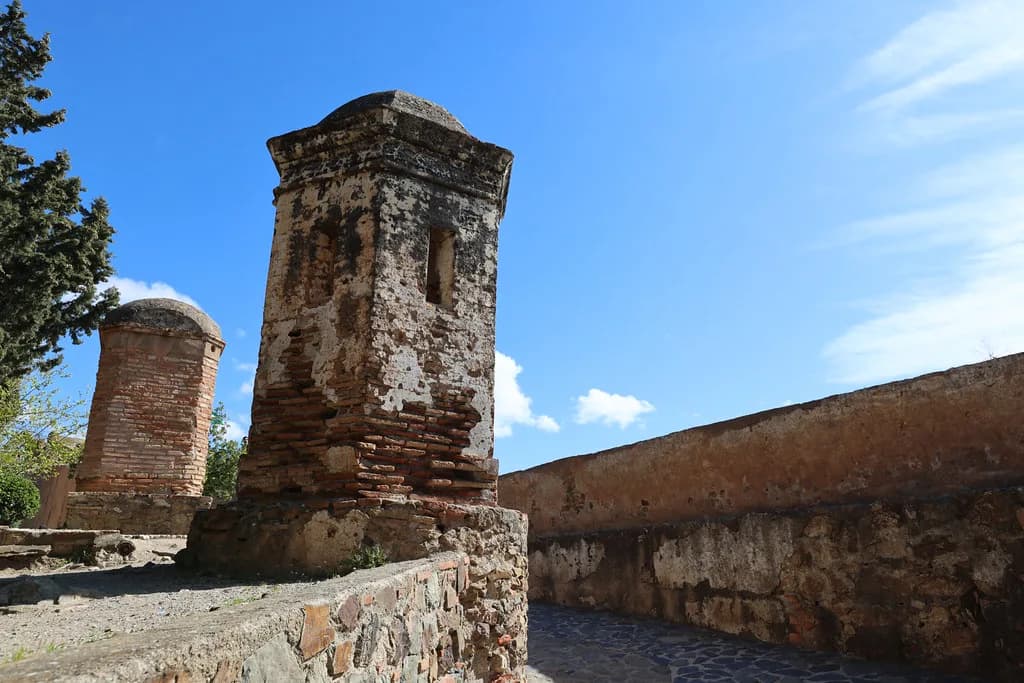
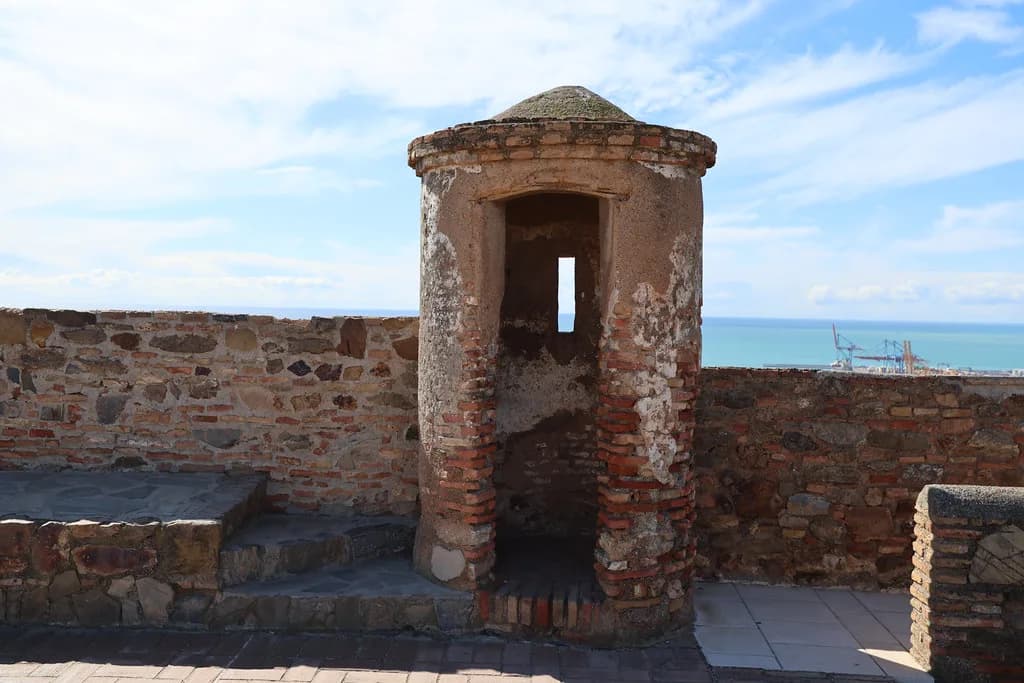
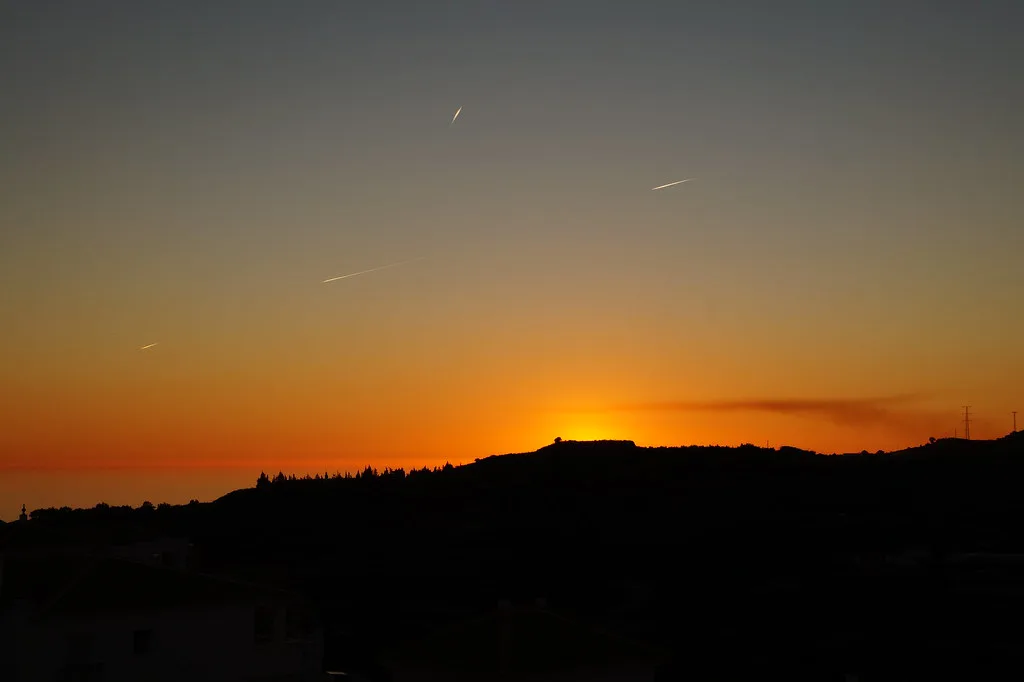
Days are short but usable: in early January the sun sets around 6pm, giving you a bright block from mid-morning to late afternoon for outdoor sights. Plan the Alcazaba, Gibralfaro and the port promenade for the middle of the day, when the sun is on the walls and terraces, and save indoor collections for the dimmer late afternoon.
A practical rhythm is a morning walk along the sea or up to the castle, a long lunch on a sunny terrace, then a museum or a hammam as the light fades. Because the shade is cold, an afternoon that starts outdoors at 3pm in an alley can feel raw by 4.30pm, so keep a warm layer for the last hour.
What Is Open in Winter
Málaga works as a city rather than a seasonal resort, so restaurants, museums and most major sights stay on largely regular schedules through January. The Picasso Museum, the Carmen Thyssen and the cathedral remain reliable wet-weather anchors, and the city rewards anyone who wants to see them without summer crowds. The Alcazaba runs shorter winter days, closing at 6pm from November through March rather than 8pm, so build the fortress into the early afternoon.
The beach scene is the part that changes. Many chiringuitos along the exposed sands cut hours or shut from late October until March, while the promenade and some year-round beach bars keep going. If grilled sardines on the sand are part of your plan, aim for the established chiringuitos in Pedregalejo and El Palo, where the local rhythm continues through winter.
Christmas Lights Until 6 January
If you arrive in the first days of January you catch the final week of the city's light displays. Calle Larios is the centerpiece, with synchronized light-and-music shows in the evening, and the cathedral tower carries a video-mapping projection that can be watched from the nearby square. The lights traditionally stay up until 4 January, so the first few days of the month are your window.
Beyond the main street, nativity scenes appear in churches, museums and public buildings across the center, and the city publishes a map so you can wander between them. The La Concepción Botanical Gardens also hosts a separate evening light trail that runs into early January.
Three Kings Eve and Three Kings Day: 5–6 January
The Cabalgata de Reyes on the evening of 5 January is Málaga's biggest winter event, with floats, bands and an enormous volume of sweets thrown to the crowds. The procession traditionally starts in the early evening from the city hall area and works through the center, and roads close from the small hours of the 4th, so anyone staying downtown should expect noise and closed streets.
The 6 January public holiday is the quiet, family side of the celebration, when bakeries sell roscón de reyes, a ring-shaped sweet bread with a hidden figurine inside. The night before, roads in the center close from midnight on the 4th through the end of the parade, and the next day the city moves at a slower, family pace. Book the first days of January well ahead if you want to be in the center for the parade.
Things to Do: Museums, Fortresses and Indoor Warmth
The Picasso Museum, the Carmen Thyssen in its 16th-century palace and the Centre Pompidou at Muelle Uno make a strong rainy-day circuit, and in January you can stand in front of the paintings without elbowing anyone. The car and fashion museum in the old tobacco factory is an offbeat option, and the Roman theatre beside the Alcazaba is free to look at as you pass.
For something warmer than a gallery, Hammam Al Andalus offers Arab baths at several temperatures, a steam room and massage packages in a Moorish-style setting. Slots fill even in winter, so reserve ahead if you want a specific evening.
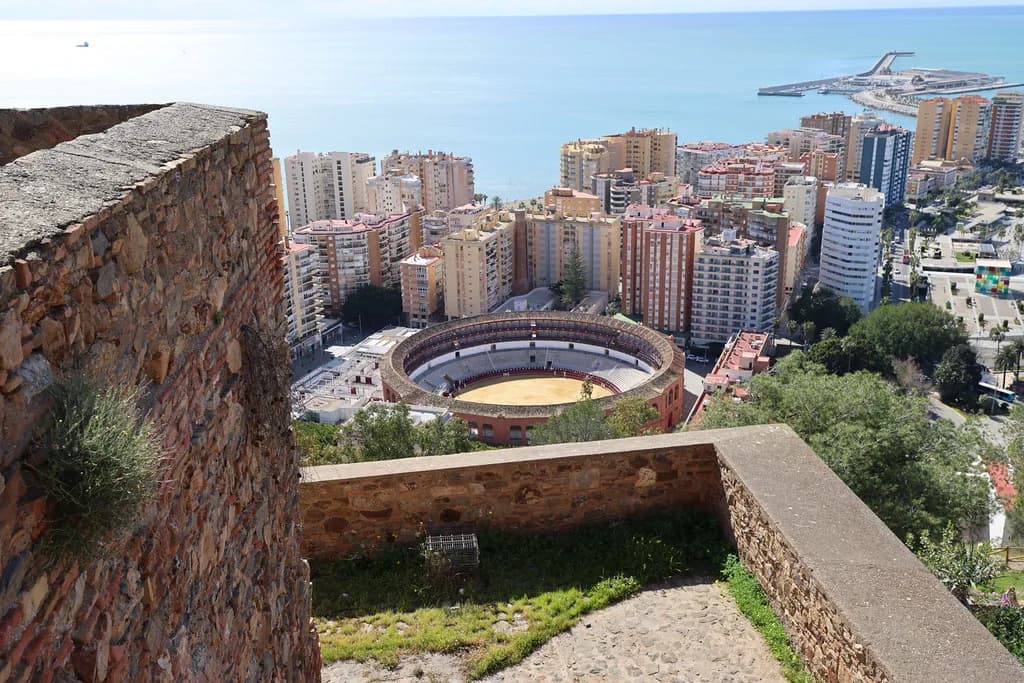
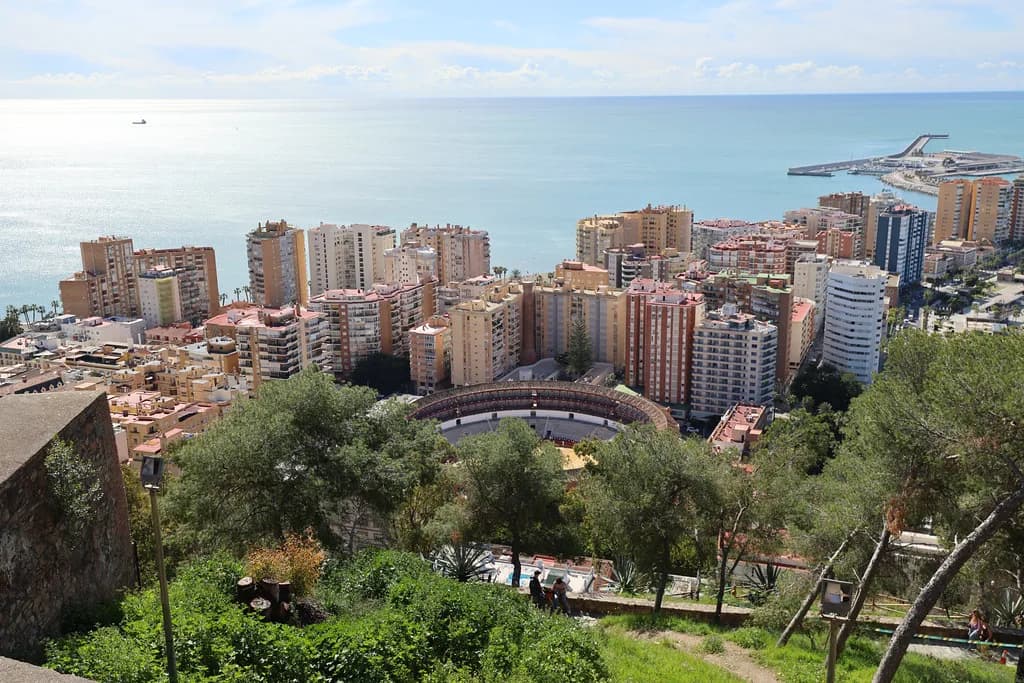
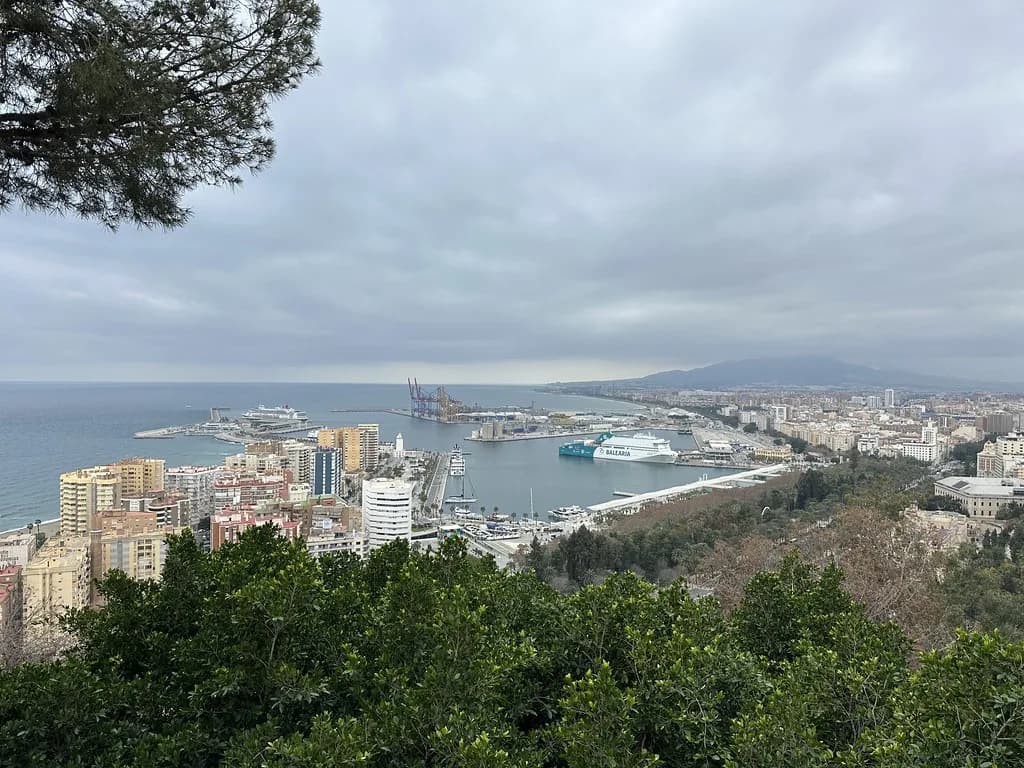
Climbing to Gibralfaro rewards you with the best view over the port and the sea, and January is the month to do it without heat exhaustion. Take the walk up in the morning and come down through the Alcazaba, which pairs the two fortresses in one half-day.
Beach and Promenade Walks
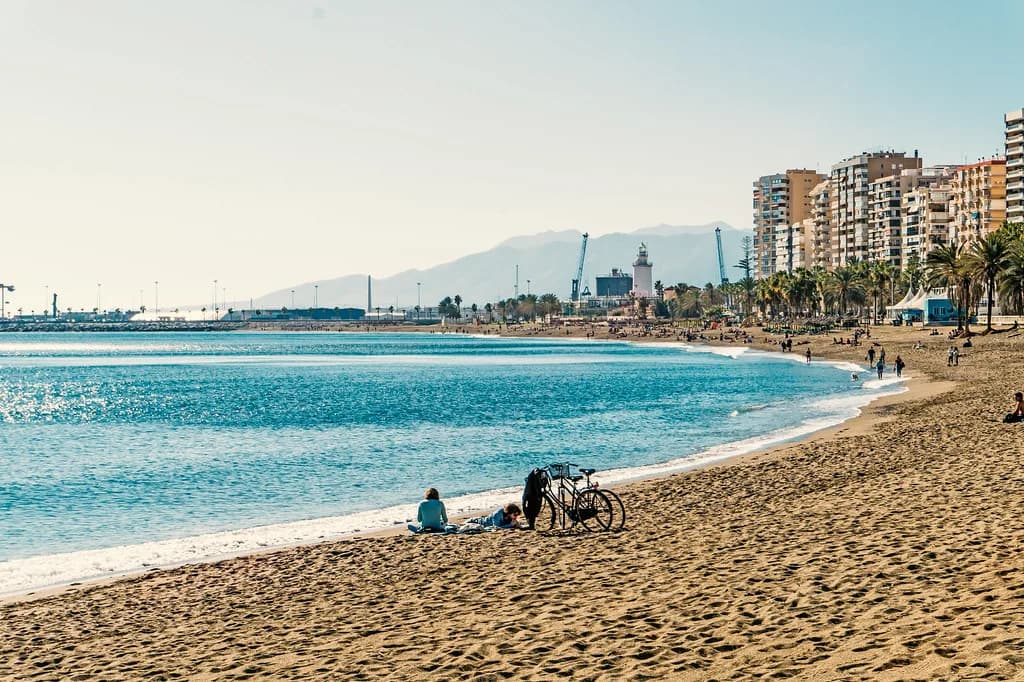
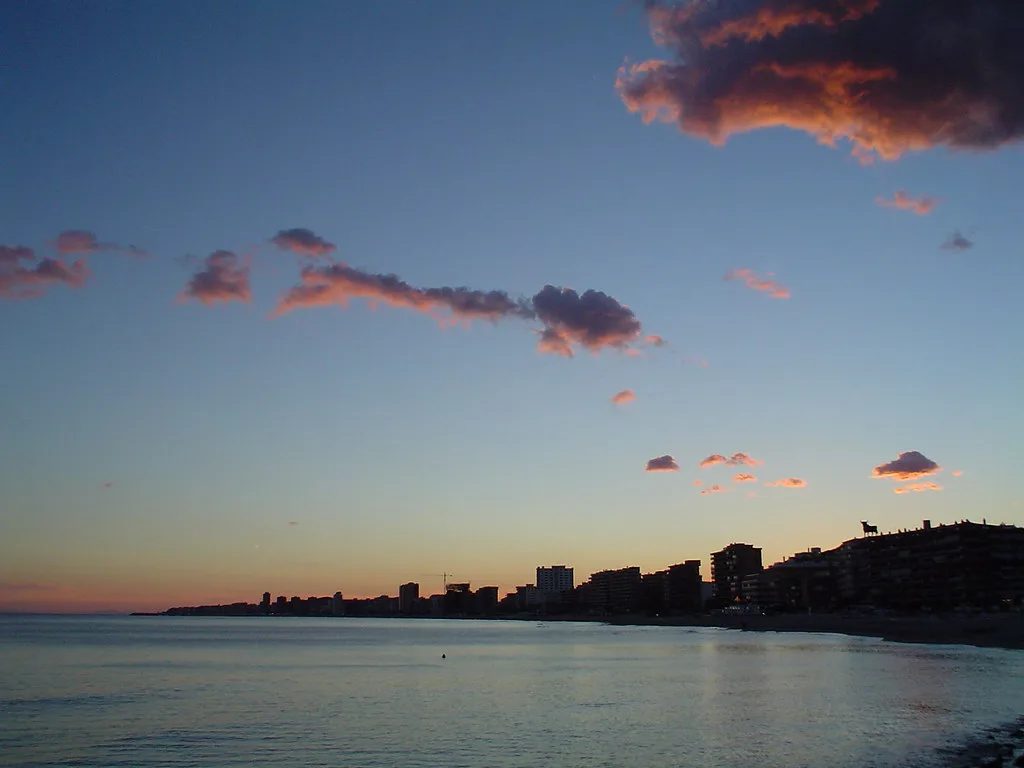
Playa de la Malagueta is all but deserted in January, which makes the seafront promenade one of the city's best quiet walks. Locals still jog, walk dogs and take their evening paseo along the Paseo Marítimo, so the waterfront feels alive without crowds.
Further east, Pedregalejo and El Palo have a more residential feel, with palm-lined promenades and chiringuitos that keep serving through winter. The area has good sun exposure in the morning, so an early walk followed by coffee is a sensible way to use a short day.
What to Eat in January
Winter food in Málaga is hearty rather than summery. Berza malagueña, a stew of chickpeas, pork, chorizo, potato and greens, is the dish locals turn to in the cold months, and gazpachuelo is a warm mayonnaise-based soup with potato and seafood. Migas cortijeras, fried breadcrumbs with garlic and chorizo, suits a day that started with a hike.
Sweet things carry the season: borrachuelos, fried pastries scented with wine and aniseed, appear in bakeries around Christmas and stay for weeks. Roast chestnut stalls also set up in the streets in the festive period, selling them in paper cones.
Day Trips That Work in Winter
Ronda is about two hours by train from Málaga, and the scenic ride through olive groves makes the journey part of the day. Winter temperatures there hover around 10–15°C, comfortable for walking the gorge viewpoints and the Puente Nuevo without the summer crush.
The Nerja Caves, about 50 minutes east, hold a steady temperature year-round and are ideal on a cold or wet day, with the Balcón de Europa and the town itself quieter in January. The Caminito del Rey is comfortable in winter but does close in wind and rain, so keep your dates flexible and check the official Caminito del Rey ticket site for closures before you commit. Antequera, inland, adds a historic center and the Torcal limestone landscape for travelers with a car.
Crowds and Prices: Early Versus Late January
The first week of January is still busy in spirit: the lights draw visitors, the Three Kings parade fills the center, and restaurants near the cathedral need reservations. From 7 January onward the city drops into a quieter rhythm, with museums that feel private and accommodation that is far easier to book.
If you want the festive atmosphere, accept the crowds and book early. If you want cheap, quiet and sunny, come in the second half of the month.
Travelling to Málaga with a Dog
If you are bringing a dog to Málaga in January, plan your sightseeing around the city's outdoor spaces rather than its interiors. Málaga's average daytime temperatures hover around 17-18°C (62-64°F) in winter, with roughly 5 hours of sunshine daily, so long walks are comfortable for both of you, though the high humidity can make the shade feel noticeably colder than the thermometer suggests, so an early start gives you the most daylight.
The city's beaches are a good bet in the off-season. Some beach clubs and chiringuitos along the more exposed beaches operate on reduced hours or close from late October until March, which means quieter sand for a dog walk, and the chiringuitos that do stay open are where locals eat sardines al fresco. The promenade areas of Pedregalejo and La Malagueta are among the neighbourhoods recommended for beach access, and El Palo is described as the budget-friendly, authentic option, all of which sit on the flat coastal path rather than the steep climbs up to Gibralfaro.
Be realistic about the indoor sights: the Alcazaba closes at 6pm instead of 8pm during winter months (November through March), and the Cathedral, Picasso Museum and other major attractions keep consistent schedules year-round, but these are interiors where a dog cannot join you, so split your party or save them for a day when someone stays behind. The city remains vibrant year-round because it is a working city, not just a tourist destination, so restaurants and museums keep mostly regular hours even in January.
For accommodation, look at neighbourhoods where outdoor access is easy. Pedregalejo is highlighted as best for families and La Malagueta for beach access, while El Palo offers authentic value for budget travellers; the historic centre puts you within walking distance of the Cathedral, Picasso Museum, Alcazaba and Gibralfaro, but expect busier pedestrian streets. Winter also means affordable accommodation, available restaurant reservations and museums you can actually breathe in, which makes a dog-friendly trip far less stressful than in high season.
Who Should Come in January
January suits museum-goers, walkers, food lovers and long-stay visitors who value mild days, short queues and affordable rooms over beach weather. It is a poor fit for anyone who wants to swim, sunbathe or count on dry mountain hikes, since the sea is cold and exposed trails can close in bad weather.
If you want the festive lights and the Three Kings parade, aim for the first week of January and book ahead. If you want the quiet, sunny version of the city, wait until after Epiphany and enjoy Málaga at its most relaxed.
Explore more Málaga winter guides
Frequently Asked Questions
What is the temperature in Málaga in January?
Typical January days reach roughly 17–18°C (62–64°F) with about five hours of sunshine, and evenings in the historic center fall toward 10°C. Humidity makes shade and afternoons after sunset feel colder than the numbers suggest, so plan terrace time for midday and keep a warm layer for later.
Can you swim in Málaga in January?
The Mediterranean is typically around 16–17°C in winter, which is too cold for most visitors, though a few swimmers still go in on unusually mild afternoons. The safer winter water plan is a long promenade walk at Malagueta or Pedregalejo rather than a swim.
What is there to do in Málaga in January?
The Picasso Museum, the Carmen Thyssen, the Centre Pompidou and the Alcazaba fill short days, with the fortress open on reduced winter hours. Inland, Ronda by train and the Nerja Caves make easy day trips, and the Caminito del Rey is comfortable but can close in wind and rain.
When is the Three Kings parade in Málaga?
The Cabalgata de Reyes takes place on the evening of 5 January, with floats and sweets thrown to crowds along the city center route. The 6 January public holiday follows, when bakeries sell roscón de reyes and families exchange gifts.
Is January a good time to visit Málaga?
It is a strong month for museum-goers, walkers and long-stay visitors who prefer mild days, short queues and easy restaurant bookings. The first week is busy with the lights and the Three Kings, while the stretch after Epiphany is the quietest and calmest part of the month.
Sources
Winter travel notes
Optional updates when we add or revise winter guides.
You might also like
Continue reading
More guides you'll find useful