Mallorca in Winter: What November to March Is Really Like
Mallorca in winter brings mild days, quiet villages and empty trails, but some coastal resorts shut down. Here is what the season is like and who it suits.
On this page
Mallorca between November and March is a different island from the one in the summer brochures. Days are often mild and bright, the crowds thin out, and the Serra de Tramuntana becomes prime walking country rather than a backdrop seen from a beach lounger. It suits travelers who want culture, hiking and village life at a relaxed pace, and it disappoints anyone whose holiday depends on swimming and resort entertainment.
The single most useful decision you will make is where to base yourself. Palma and the inland towns keep their restaurants, markets and museums running, while the purpose-built coastal resorts largely close or cut back for the season. Choose your base for the winter you actually get, not the summer version of the island.
What Winter Weather Feels Like
Mallorca's winter is mild by northern European standards but not warm. Daytime temperatures typically sit somewhere between 12°C and 18°C (roughly 54°F to 64°F), with mornings and evenings noticeably cooler, and the island averages around seven hours of daily sunshine. Rain, wind and genuinely cold conditions in the mountains are all part of the picture, so treat any single bright week as luck rather than a guarantee.
The mountain interior and the Tramuntana villages run colder and wetter than Palma, and a clear, still day in the city can mean a raw wind up at Deià or Valldemossa. Packing layers rather than a single heavy coat makes sense because a December afternoon on the Passeig del Born and a morning on the GR-221 feel nothing alike. For forward-looking conditions rather than averages, the Spanish meteorological agency AEMET is the authority to follow as your dates approach.
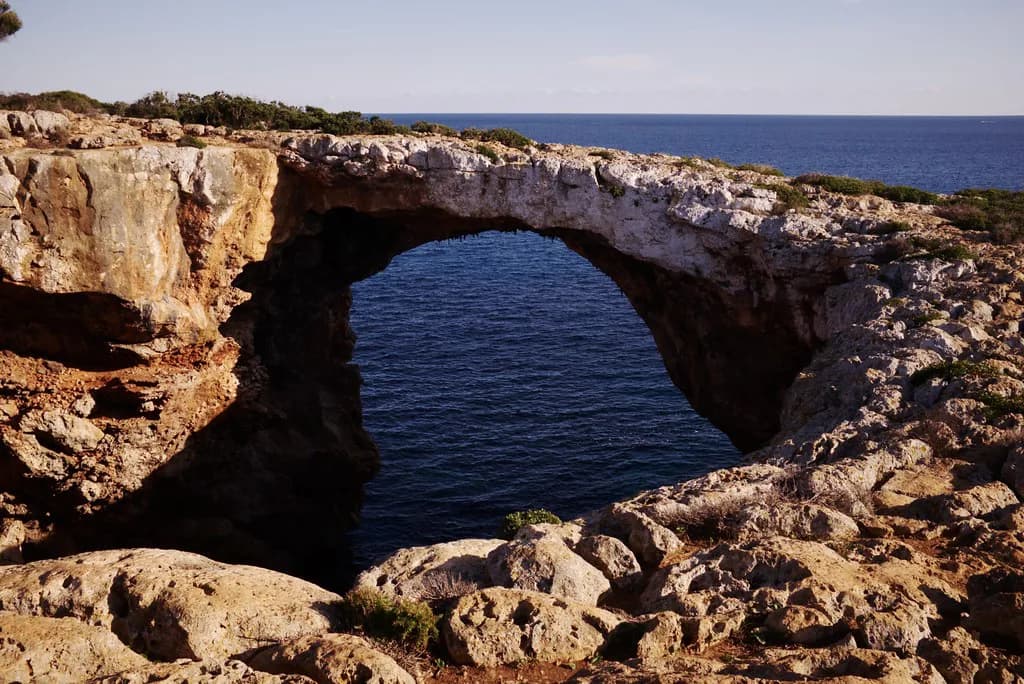
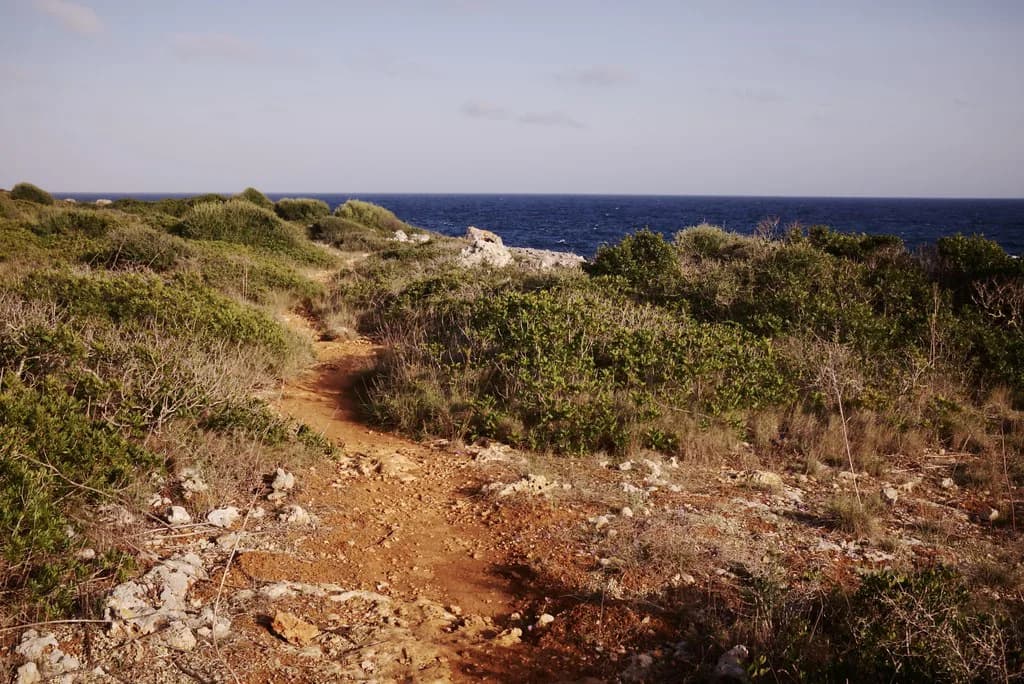
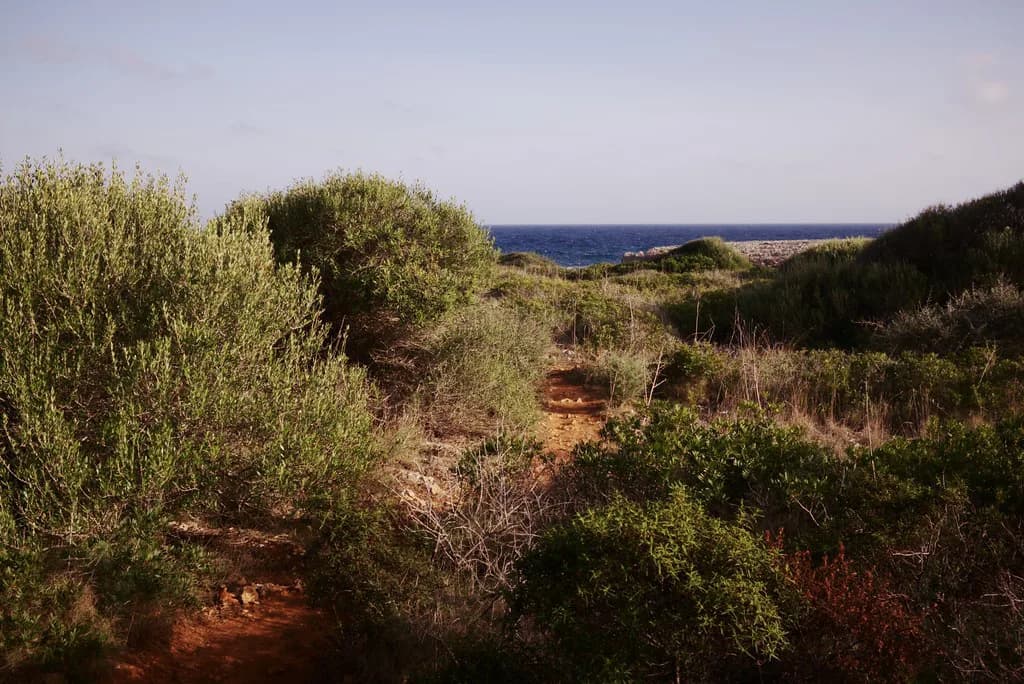
The sea stays cold through the season, so this is not a swimming trip in any month from November to March. It is, however, excellent hiking weather: the island's trails are at their most comfortable when summer heat is gone, and the coastal path down to Cala Deià, for instance, can be walked in near solitude.
Weather by Month: December, January and February
December brings the shortest days alongside the festive period, when Palma's streets are lit and the city is at its most atmospheric. Expect cool evenings, a real chance of rain, and a city that feels local rather than overwhelmed. The practical detail that matters most is daylight, since clocks went back on 25 October 2026 and go forward again only on 28 March 2027, so plan outdoor sights for the middle of the day.
January is the coldest month in feel and the quietest in terms of visitors, which makes it the best window for the cathedral, the Almudaina and Bellver Castle without queues. It is also when Palma's winter festival calendar kicks in, with Sant Antoni and Sant Sebastià falling this month. Rain is possible, and mountain days can be genuinely chilly, but bright, still afternoons are common enough to plan around.
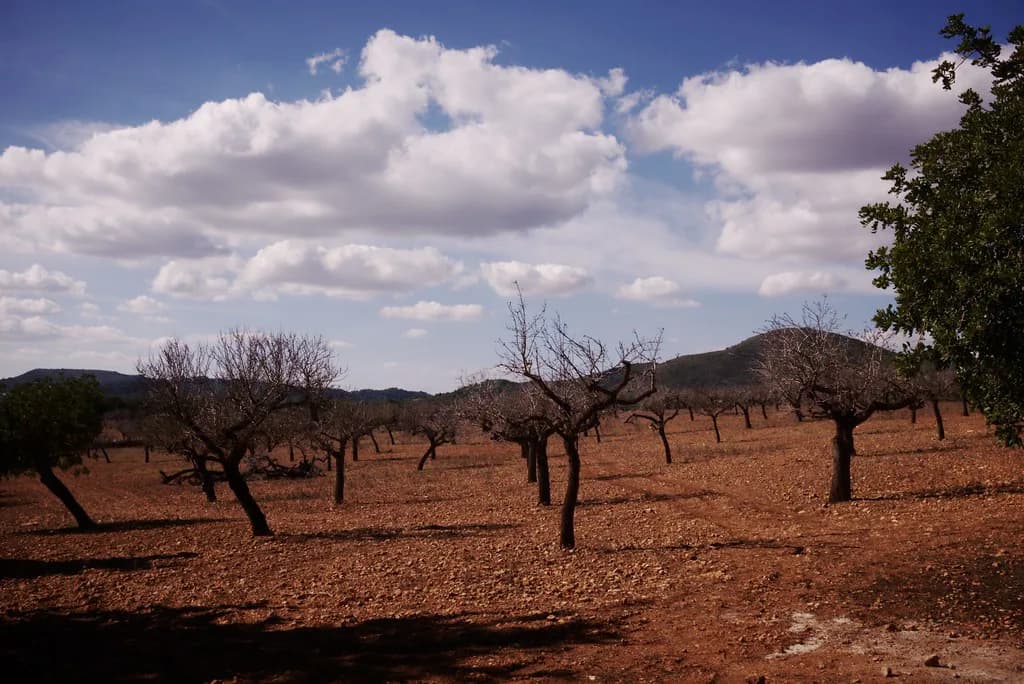
February is the transition month and many travelers' favorite. Almond trees come into bloom across the interior from late January through February, turning drives around Santanyí, Campos, Porreres, Bunyola and the Sóller valley into the island's one genuinely winter-only spectacle. Days lengthen noticeably, and the mix of blossom, low tourist traffic and manageable temperatures makes it the strongest month for a first winter visit.
What Closes and What Stays Open in Winter
The island splits cleanly in two. Palma and the larger inland towns remain active year-round, with restaurants, shops, markets and cultural venues serving residents as much as visitors. The resort towns built around summer tourism are a different story: holiday properties are boarded up, seasonal restaurants close, and some stretches of coast feel deserted rather than merely quiet.
In practice this means a winter trip built around Palma, the Tramuntana villages and the interior works well, while a trip booked around a coastal resort hotel may leave you driving for dinner. If a specific restaurant or beach club is the reason for your visit, confirm its winter arrangements directly with the business before you commit to a base. Sóller and Valldemossa, by contrast, can be enjoyed at an unhurried pace in the off season.
Palma in Winter: Cathedral, Almudaina and Bellver
Palma is the heart of a winter trip and rewards slow days rather than a checklist. La Seu Cathedral, the Royal Palace of La Almudaina and the old town's alleys sit close enough to cover on foot, with the Parc de la Mar offering the classic view back at the cathedral and a sunny bench when the wind drops. The Cathedral opens from 10am to 3:15pm Monday to Saturday in winter and is closed on Sundays, so build your day around those hours rather than an early start.
Castell de Bellver, a short climb above the city, gives you the panorama that explains the whole island's geography, and its winter schedule is shorter than in summer. The Mercat de l'Olivar is the place to eat well and cheaply at lunch, with stalls selling local produce, seafood and tapas, though it closes in the afternoon and stays shut on Sundays. Combine a market lunch with an afternoon at Es Baluard or a wander down the Passeig del Born, where the trees are strung with lights in the darker months.
The Serra de Tramuntana: Villages, the Sóller Train and the GR-221
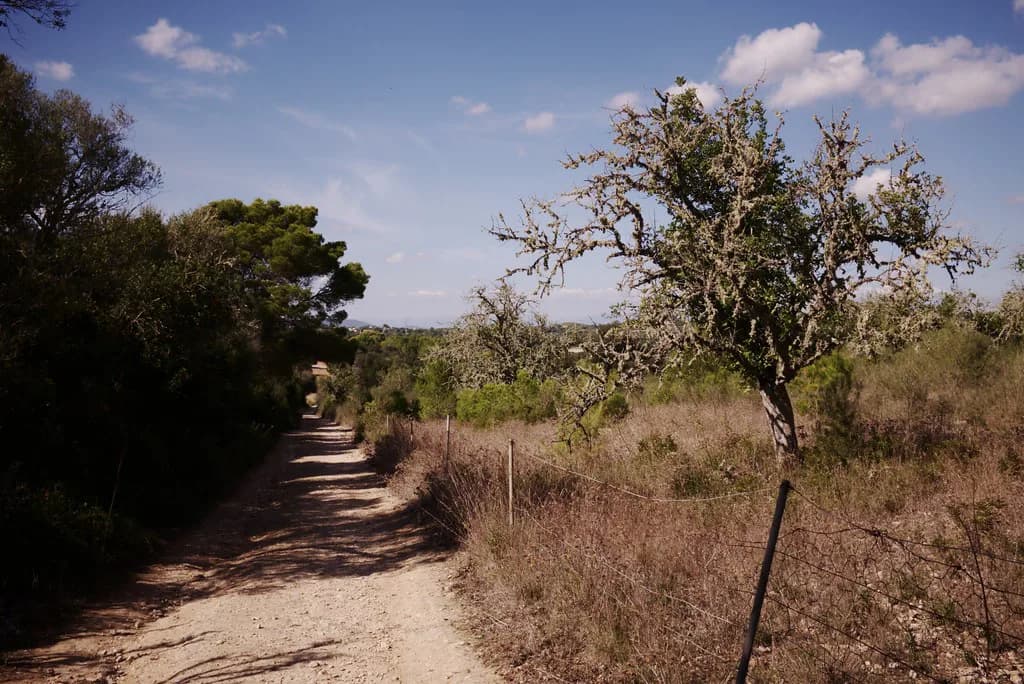
Winter is the season that makes the Tramuntana make sense. The GR-221 Dry Stone Route, a long-distance trail along the western coast, is walkable without summer heat, and the villages along it — Deià, Valldemossa, Fornalutx, Sóller — are quiet enough to feel like places rather than attractions. Mountain restaurants serve hearty local cooking, and the historic Palma to Sóller train still runs the scenic route through the mountains.
Do not treat the mountains as a mild-weather extension of the coast. Conditions up there are colder, wetter and windier, and a rainy day in Palma can mean low cloud and slippery paths above Deià. Check the forecast before committing to a long walk and keep a village-and-lunch plan as the fallback.
Almond Blossom in Late January and February
The almond blossom is Mallorca's winter event, and it is the reason some travelers time their trip for February rather than December. From late January through February, the interior turns white and pink, with routes around Santanyí, Campos, Porreres, Bunyola, Santa Maria, Consell and the Sóller valley offering the best drives and bike rides. Low tourist traffic makes these routes easy to enjoy at your own pace.
Blossom timing shifts with the weather each year, so treat the window as a guide and build some flexibility into your dates rather than booking a single day around it. A rental car makes the difference here, since the best orchards sit between towns rather than in them.
What Is On: Sant Antoni, Sant Sebastià and the Christmas Period
Palma's winter festival season centres on January. Sant Antoni and Sant Sebastià are the city's biggest winter celebrations, with bonfires, music and street events, and they give a January trip a genuine focal point rather than a merely quiet city break. For exact program details, the city council and the festival organizers publish the schedule closer to the date.
The Christmas period itself brings lights along Palma's shopping streets and a festive atmosphere in the city centre, with Christmas Day 2026 falling on a Friday and New Year's Day 2027 on a Friday. Epiphany on 6 January 2027, a Wednesday, closes the season with the traditional Three Kings celebrations. If you are in Palma over those weeks, expect locals to be out enjoying the city rather than tourists filling it.
Food and Wine in Winter
Winter cooking on Mallorca is built for cooler days: hearty soups, arroz brut, tumbet and slow-cooked pork, with local citrus at its best. The island's wineries, especially around Binissalem and the boutique cellars of Santa Maria and Consell, are far more pleasant to visit without summer crowds, and many offer tastings and vineyard tours by arrangement.
In Palma, bakeries turn out ensaimada, the spiral sweet bread that is the island's signature, and the market halls are where locals actually shop. Eating at Mercat de l'Olivar at lunchtime is a better use of a winter day than a long restaurant dinner, since it leaves the short daylight for walking.
Day Trips That Work in Winter
The classic winter day trip is the Palma to Sóller train, which crosses the Tramuntana to a town that stays inhabited and open year-round; from Sóller you can continue to the port or take the tram. Valldemossa and Deià make easy half-days by car, and Fornalutx, just above Sóller, is one of the prettiest stops on the mountain circuit.
Inland, wine country around Binissalem and the almond-growing country of the south and centre reward a car and a loose plan. Distances are short, roads are quiet in winter, and the main constraint is daylight rather than traffic.
Winter Trade-offs: Short Days, Rain and Quiet Resorts
The honest case against winter is simple: the days are short, rain is a real possibility, the sea is too cold for most people, and some coastal areas are shut. The hours of daylight matter more than the temperature, because a late start in December leaves little time for both a museum and a hike.
The case for winter is equally simple. Prices on flights, accommodation and rental cars drop well below peak season, sometimes substantially, and availability improves to the point where you can book good accommodation at short notice. Historic sights that are packed in summer have only a handful of visitors, hiking paths empty out, and Palma feels like a working city rather than a tourist funnel.
Who Should Go and Who Should Pick Another Month
Mallorca in winter suits walkers, cyclists, city-break travelers, food and wine visitors, and anyone who wants the Tramuntana without heat or crowds. It also suits travelers combining a short Palma stay with a few days in the villages, and anyone who values a quiet cathedral over a busy beach.
It does not suit families wanting water parks and resort entertainment, travelers whose holiday depends on swimming and beach clubs, or anyone who needs guaranteed sunshine every day. Those travelers should look at the Canary Islands in winter instead, where the season is warmer, or wait for late spring. If you do come, plan around daylight, base yourself in Palma or a Tramuntana village, and treat rain as a reason to spend the afternoon in a museum or a market.
Plan Your Winter Trip
The strongest winter trip on Mallorca is a split one: a few days in Palma for the cathedral, the Almudaina, Bellver and the market, then a move into the Tramuntana for villages and walking, with a car if you want the almond routes and wine country. Book the Palma end with flexible dates, because winter availability is the season's real luxury.
Before you go, check AEMET for the conditions likely during your dates, and confirm winter opening hours with any venue that is central to your plans, since schedules shift between seasons. With those two things settled, the rest of a Mallorca winter is about taking the quiet, bright days as they come.
Explore more Mallorca winter guides
Frequently Asked Questions
How hot is Mallorca in winter?
Mallorca is mild rather than warm in winter, typically somewhere between 12°C and 18°C by day, which is roughly 54°F to 64°F. Mornings and evenings are cooler, and the mountains run colder and wetter than Palma. The sea stays cold, so swimming is not the point of a winter trip.
Does Mallorca close down in winter?
Not the whole island. Palma and the larger inland towns stay active all year, and the Tramuntana villages remain inhabited and open. The purpose-built coastal resorts and many seasonal restaurants do close or cut their hours, so your base choice matters more than the season itself.
Is Mallorca worth visiting in winter?
Yes, for the right traveler. Winter brings uncrowded sights, comfortable hiking on the GR-221 and the Tramuntana trails, lower prices and easy availability. It is a poor fit if you want beach days, water parks or resort nightlife.
When do the almond trees bloom in Mallorca?
The almond blossom usually runs from late January through February, with the interior around Santanyí, Campos, Porreres, Bunyola and the Sóller valley among the best places to see it. Exact timing varies with the weather each year, so keep your dates flexible if the blossom is a priority.
Is it rainy in Mallorca in winter?
Rain is possible throughout the season, and the mountains see more of it than Palma. Winter is not a washout by any means, but you should plan for a few wet days and keep indoor options like the cathedral, Es Baluard or the market in reserve.
What is there to do in Mallorca in winter?
The strongest options are city culture in Palma, walking in the Serra de Tramuntana, village-hopping by car or the Sóller train, almond blossom drives in February, and food and wine around Binissalem. January also brings Palma's Sant Antoni and Sant Sebastià festivities.
Sources
Winter travel notes
Optional updates when we add or revise winter guides.
You might also like
Continue reading
More guides you'll find useful