Mallorca in January: Weather, Events and What Stays Open
Mallorca in January brings mild, sunny days, Three Kings parades and empty hiking trails. Here is what stays open and who the month suits.
On this page
January is the island at its quietest and, for many travelers, its most usable. Daytime highs around 16°C (61°F) make long walks, village wandering and al fresco lunches realistic, while nights near 5°C (41°F) keep you reaching for a jacket after dark. This is a month for Palma, the mountain villages and the trails rather than for swimming or resort life.
It also happens to be one of the island's biggest fiesta months, with Three Kings parades at the start and local winter celebrations following. If you want Mallorca without summer crowds and you are happy to plan around short daylight and some rain, January delivers. If you want warm sea, open beach clubs and a resort on your doorstep, look elsewhere.
Weather in January
Expect mild, changeable winter weather rather than guaranteed sun. January averages a high of 16°C (61°F) by day and a low of 5°C (41°F) at night, with roughly seven hours of sunshine a day and sunrise near 08:00 falling to sunset between 17:30 and 18:00 across the month.
Rain arrives in passing fronts rather than all-day downpours, and the sources describe around six rainy days a month with six to eight hours of daily sunshine. Treat these as long-term averages, not a forecast: check a local forecast a few days out, especially before a mountain hike.
The mountains of the Serra de Tramuntana run cooler and cloudier than Palma, and winter storms occasionally dust the highest peaks. Plan summit days flexibly and keep a Palma museum or market day in reserve for the wettest slot of your trip.
Is the sea warm enough to swim?
In practice, no. The air can feel spring-like at midday, but the Mediterranean stays cold through January, so this is a month for beach walks, picnics in the sun and photographs of empty sand rather than proper swimming.
If warm water is the point of your winter escape, choose a different destination entirely. Within Spain, the Canary Islands are the winter-sun option, and their January conditions are a genuinely different proposition from Mallorca's.
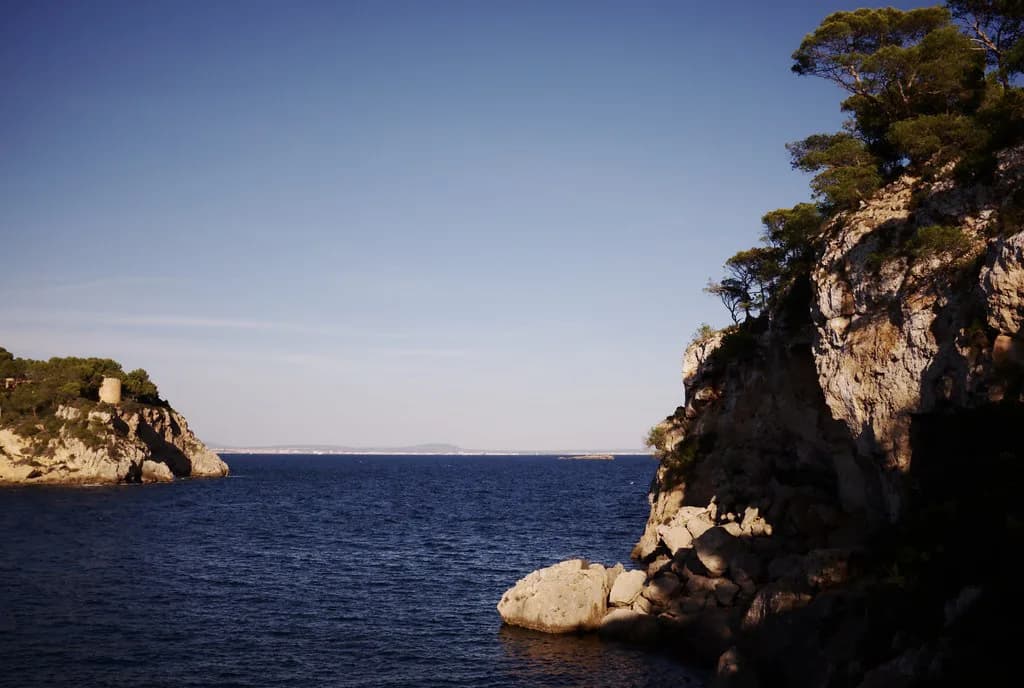
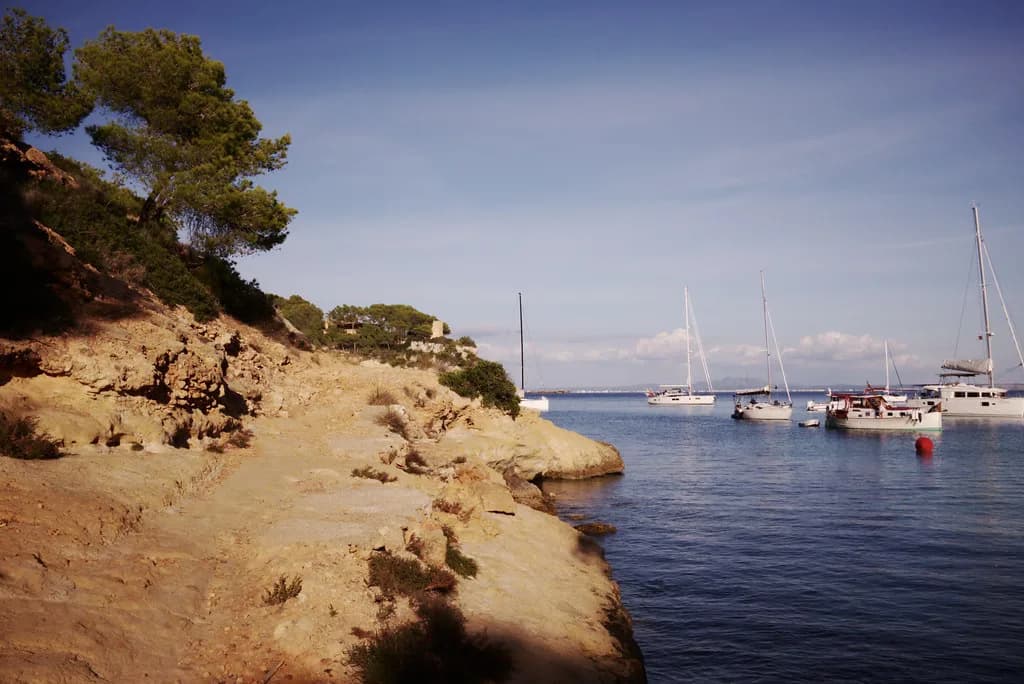
Cold water does not stop you using the coast: the promenade at Port de Sóller and the sand at Cala Deià are quiet and photogenic in January, and walking them takes minutes rather than an afternoon.
What is open in January
The honest split is between Palma and the purpose-built coast. Palma works year-round, with its cathedral, markets, museums and restaurants all functioning for residents rather than tourists, while resorts and many countryside hotels and restaurants close or cut back for the season.
Base yourself in Palma and treat the rest of the island as day trips. That means a rental car for the mountain villages and trailheads, since buses are thin on the ground, and it means checking which village restaurants are actually serving before you drive an hour for lunch.
Mountain villages such as Fornalutx and Deià are largely boarded up but still worth walking through, with empty lanes and a peace you will not find in summer. Valldemossa shuts early, so arrive before mid-afternoon if you want the monastery and a shop or two.
If you are weighing January against the shoulder months, Mallorca in December is quieter and more festive, while February brings slowly lengthening days and the first almond blossom.
The broader seasonal picture, from December closures to March reopening patterns, is set out in the Mallorca in winter overview.
Three Kings and January fiestas
The month opens with Spain's Three Kings celebrations early in January, when parades fill towns with floats and sweets thrown to the crowd. It is the island's biggest family festival of the winter and the one date worth planning your trip around.
Local winter fiestas follow through the month, with bonfires, music, parades and traditional devil performances in various towns, plus events honouring the patron saint of animals. Specific dates vary by municipality and are announced by each town hall, so confirm locally rather than assuming a fixed calendar.
Sports fans get an early-season cycling race that draws professional teams to the island for training and racing. The exact route and date are published by the organisers closer to the event, so check before building a day around it.
If your trip overlaps the end of the Christmas season, the Christmas in Mallorca guide covers lights, markets and the Eve and Day arrangements in Palma.
Things to do in Palma
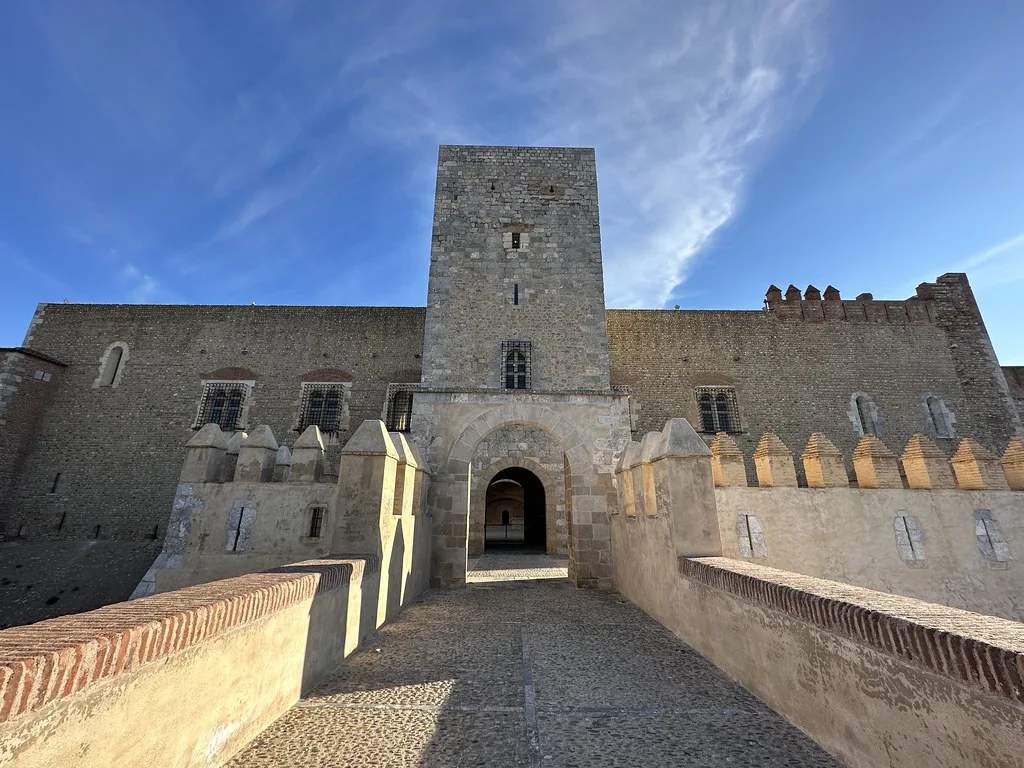
Start with La Seu, Palma's Gothic cathedral, where winter light through the stained glass is the reason locals call it the Cathedral of Light. Gaudi worked on the interior in the early twentieth century, and the result rewards a slow hour rather than a photo stop.
Across the way, the Royal Palace of La Almudaina is the king and queen's official residence on the island and open for visits, with terraces over the bay and a garden, S'Hort del Rei, next door. Nearby, Castell de Bellver is Spain's only circular castle and its terrace gives the best panorama of the city.
For wet or cold hours, duck into Mercat de l'Olivar for produce and tapas counters, or Mercat de Santa Catalina for a more traditional feel. Add Es Baluard for modern art in a sixteenth-century bastion and the Pilar and Joan Miró Gallery for the artist's own collection.
Eat the winter menu: arros brut, suckling pig and lamb in the traditional celler restaurants of Palma, Inca and villages like Algaida. Finish with an ensaimada and hot chocolate in the old town, or a vermouth before lunch as locals do.
The city's own winter programme, including how Palma handles the Christmas lights and New Year period, is covered in the Palma de Mallorca guide.
Hiking and cycling in the Serra de Tramuntana
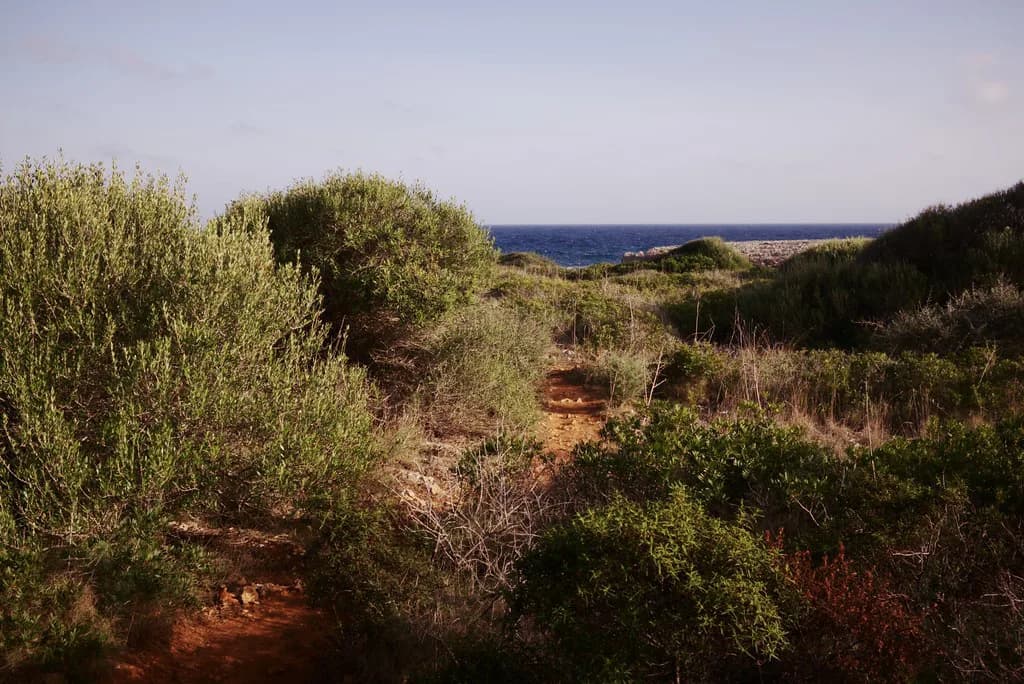
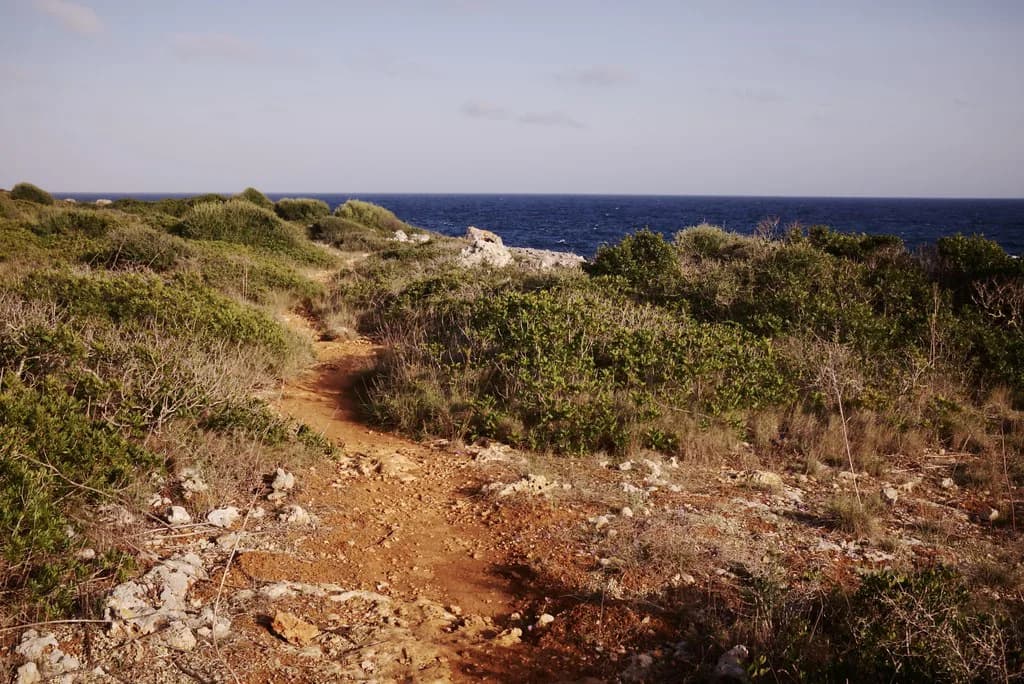
Cool, dry weather is what makes January a hiking month here. The classic is the Barranc de Biniaraix loop from the village of Biniaraix, a five-kilometre route on an old stone path up a gorge, with an optional extra climb to the Grand Cornador for views over the Sóller valley.
A gentler option is the roughly 9.5-kilometre loop from Sant Elm to the ruins of La Trapa monastery, passing an abandoned watchtower with views to Dragon Island. Start early, carry water and wear shoes with ankle support, because the paths mix sun and shade and much of the walking is on cobbles.
Cyclists come for exactly these conditions, with quiet roads and mild temperatures suiting long days in the saddle. The climb to Sa Calobra is the island's benchmark, gaining around 668 metres over 9.4 kilometres at an average gradient of seven per cent, and it is not a beginner's route.
Late January and early February are when the racing teams arrive to train, which raises the energy on the roads and the demand for bikes. Book rentals ahead if you are riding, and expect the highest passes to be cold and occasionally wet.
For a fuller look at tramuntana conditions and other winter routes, use the Serra de Tramuntana section of the February guide.
Day trips: villages and the north
Valldemossa is the easiest day trip from Palma, reachable by the 203 bus from Plaça d'Espanya. The Royal Carthusian Monastery is where Chopin and George Sand spent a winter, and the village's coca de patata is worth the stop; plan to be there before mid-afternoon when things close.
Sóller, Deià and Fornalutx sit in the same valley and work best as one loop, but many places are shuttered in January, so treat them as walking and photography stops rather than shopping trips. Cala Deià, with its rock pools and restaurants that book out months ahead in summer, is empty now.
In the north, Pollença and Port de Pollença make a good half-day, with the Mirador de es Colomer and Cap de Formentor lighthouse reachable by car when the road is open. Port d'Andratx is the reliable lunch stop in the southwest, with a handful of restaurants still serving by the water.
By February the almond blossom is out and the coast begins to wake up, so if you want more open and more daylight, Mallorca in February is the better fit.
Crowds, prices and the trade-offs
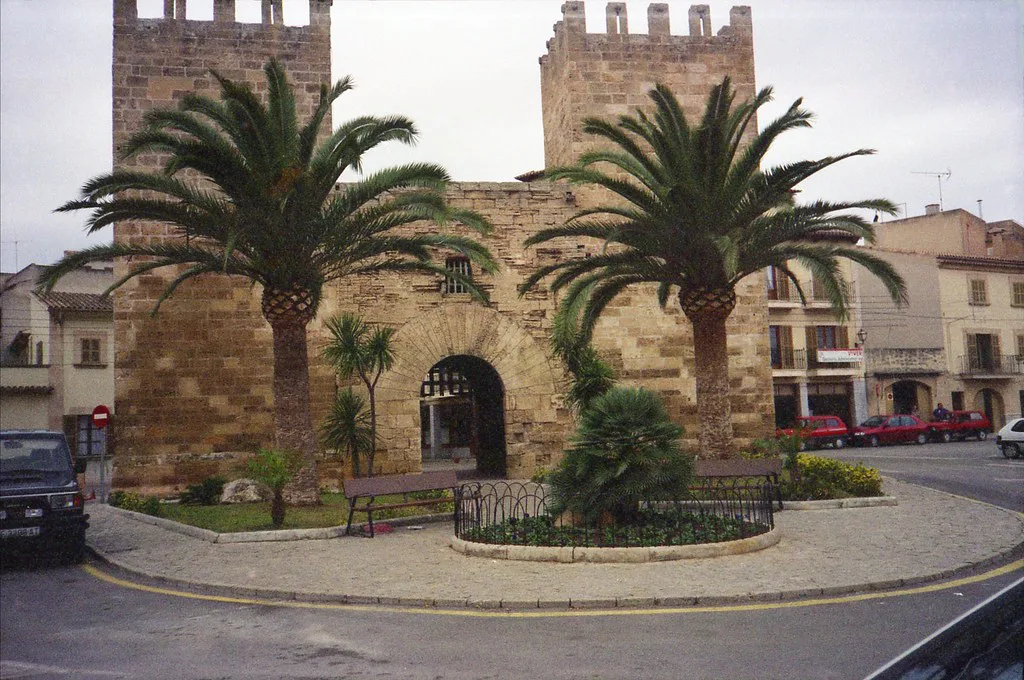
January is the cheapest and emptiest the island gets. Flights, car hire and accommodation are easier to book and less expensive than in summer, and the obvious sights can be seen without queues.
The trade-offs are real: short days, occasional rain, closed restaurants and hotels in the resorts, and a limited bus network that makes a car close to essential for the mountains. Christmas-market content is thin, and Palma's festivities wind down in the first days of January.
For travelers who want heat and guaranteed sea, January is the wrong month. Those after a short Mediterranean city break with a good chance of dry walking weather will find Mallorca unusually rewarding.
Who should pick another month
Come in January if you want Palma's museums and markets without crowds, you plan to walk or ride the Serra de Tramuntana, and you are happy to rent a car and eat where locals eat rather than where the summer season dictates.
Choose another month if you want swimming, open beach clubs, resort hotels and a full events calendar. May, June and September all deliver that side of the island, and Mallorca in November offers a milder shoulder with more still open.
If you want to see the island at its most celebratory and don't need the sea, consider timing your trip to New Year's Eve, when Palma is at its most atmospheric before the quiet of mid-January sets in.
Plan Your January Trip
Book Palma as your base, rent a car for the mountains and keep your days flexible enough to swap a hike for a museum when the weather turns. Build your trip around the Three Kings parades if you want the island's biggest winter festival, and book restaurants in the villages before you drive to them.
Expect mild days, cold nights and quiet roads rather than beach weather. January rewards travelers who treat Mallorca as a walking and city-break destination; anyone chasing sunshine and swimming should look to the Canary Islands instead.
Explore more Mallorca winter guides
Frequently Asked Questions
Is January a good time to visit Mallorca?
Yes, if you want a quiet, mild winter break built around Palma, the mountain villages and the Serra de Tramuntana trails. The air is mild by day and the island is at its emptiest. It is not the month for swimming, open resorts or guaranteed sunshine, so if those matter to you, choose another month.
How warm is Mallorca in January?
Long-term averages put daytime highs around 16°C (61°F) and night lows near 5°C (41°F), with about seven hours of sunshine a day and around six rainy days across the month. The mountains of the Serra de Tramuntana run cooler and cloudier than Palma.
Can you swim in Mallorca in January?
No, in practice. The air can feel spring-like at midday but the Mediterranean stays cold through January, which makes this a month for beach walks and picnics rather than swimming. If warm water is what you want in winter, the Canary Islands are the better Spanish option.
Does Mallorca shut down in winter?
Not the whole island. Palma stays fully functional year-round, with its cathedral, markets, museums and restaurants serving residents. Purpose-built coastal resorts and many rural hotels and restaurants close or cut back for the season, and mountain villages like Fornalutx and Deià are largely boarded up but still worth walking through.
What is there to do in Mallorca in January?
See Palma's cathedral, palaces and markets, walk the old town, and eat at traditional celler restaurants. Outdoors, hike the Barranc de Biniaraix or the Sant Elm to La Trapa route, and cycle the quiet roads. Day-trip to Valldemossa, Sóller, Deià and the north.
Is Mallorca sunny in January?
It typically gets around seven hours of daily sunshine, and the sources suggest six to eight hours on average. That is enough for outdoor sightseeing and lunches outside, but January also brings around six rainy days, so treat the figures as long-term averages rather than a forecast.
Sources
Winter travel notes
Optional updates when we add or revise winter guides.
You might also like
Continue reading
More guides you'll find useful