Sicily in Winter: What November to March Is Really Like
Sicily in winter brings mild coastal days, rain spells and near-empty villages. See typical weather month by month, what stays open and who should go.
On this page
Winter turns Sicily into a different island: coastal days that often feel spring-like, near-empty villages, and the freedom to walk through Greek temples without a crowd. It suits travelers who want cities, archaeology, food and long lunches more than beach time, and who can accept that a week of weather can swing from bright sun to days of cold rain.
The key decision is where you base yourself. Palermo, Catania and Ortigia in Siracusa keep restaurants, markets and museums running through the low season, while seaside towns and the smaller islands largely close down. Plan around a city, treat the coast and the ruins as day trips, and a winter trip becomes both cheaper and calmer than the summer version.
Weather in Winter: What Typical Days Feel Like
Sicily has a Mediterranean climate, and winter is mild by northern European standards but not reliably warm. Expect daytime temperatures in the teens Celsius, colder nights, and rain that can arrive in multi-day spells rather than passing showers; a single February week can deliver both sunshine and storms.
Two points on a large island illustrate the spread. In Palermo, typical December conditions run to about 16°C (61°F) by day and 10°C (50°F) at night with roughly 94 mm of rain, while January drops to about 14°C (58°F) and 8°C (46°F) with around 82 mm. Catania on the east coast is north of the mark: about 17°C (62°F) by day and 7°C (44°F) at night in December.
Build your plans around the possibility of a washed-out day rather than the average. Interiors and restaurants in southern Italy are built to stay cool in summer, so apartments and dining rooms can feel genuinely cold even when the outside temperature looks acceptable; book accommodation with proper heating and expect to keep a warm layer on indoors.
Weather in December
December is the wettest of the winter months in Palermo, with about 94 mm of rain and typical highs near 16°C (61°F), while Catania sees roughly 79 mm and highs around 17°C (62°F). Daylight is at its shortest around the turn of the month, so sightseeing works best when you start early and keep the afternoon for indoor stops.
The holiday period brings Christmas markets in the larger cities and living nativity scenes staged in several towns, which draws Sicilian visitors into the centres even as the coast empties. Christmas Day 2026 falls on a Friday and New Year's Day 2027 on a Friday, so expect holiday closures around both dates and plan travel and meals accordingly.
Weather in January
January is the coolest month in the figures for both main cities: Palermo averages about 14°C (58°F) by day and 8°C (46°F) at night with roughly 82 mm of rain, Catania about 16°C (61°F) and 5°C (41°F) with 85 mm. Snow is a matter for Etna's upper slopes rather than the coast, and mornings can be crisp and clear between rain fronts.
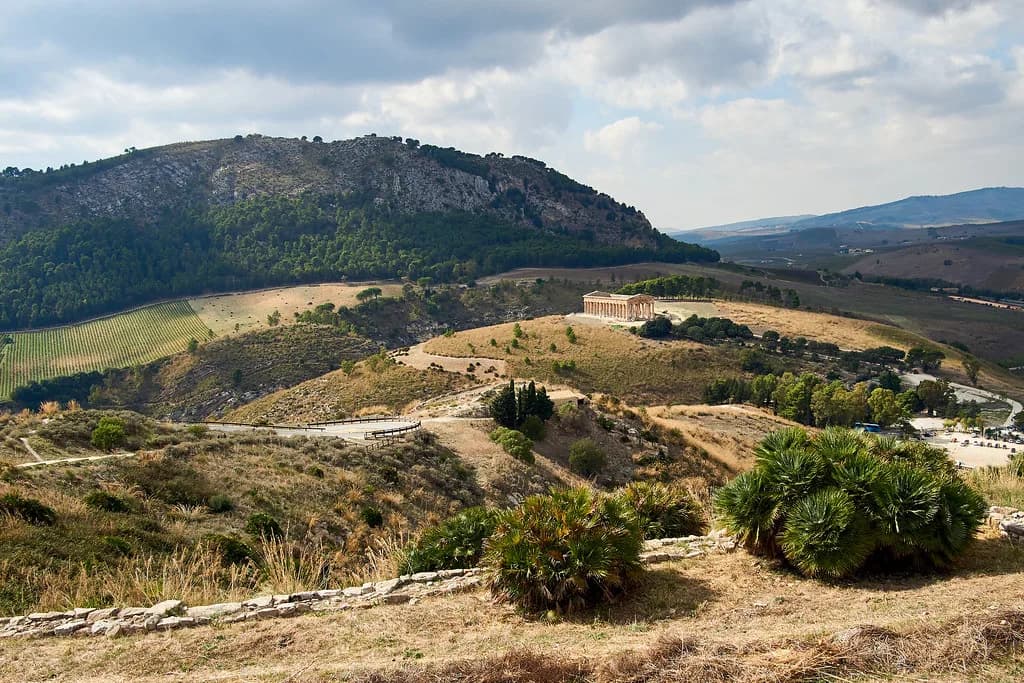
This is prime time for the archaeological sites, which lack shade in summer and are far more comfortable in the cool season. The Valley of the Temples at Agrigento is the standout, with Segesta and Selinunte also rewarding a dry day; check the site's own winter opening hours before committing to a long drive.
Epiphany on 6 January 2027 is a Wednesday and is widely observed, so treat it as a holiday in your planning. Some lifts and seasonal transport links wind down after the New Year, and the Trapani–Erice cable car is generally out of service from early January into late March, leaving the winding road up to Erice as the alternative.
Weather in February
February is often the sweet spot for a city break: Palermo averages around 16°C (60°F) by day and 8°C (46°F) at night with about 66 mm of rain, the driest of the winter months in the west, while Catania records roughly 72 mm. Rain is less frequent than in December but cold snaps remain possible, so keep a flexible indoor option for each day.
Carnival closes the month on the Catholic calendar, with Carnival Tuesday on 9 February 2027 and Ash Wednesday the following day. Catania's Festa di Sant'Agata is the island's biggest winter festival and fills the city with processions and pastry stalls, so book accommodation there early if your dates overlap.
Weather in March
March warms gradually: Palermo averages about 17°C (63°F) by day and 9°C (48°F) at night with roughly 63 mm of rain, Catania about 17°C (62°F) and 7°C (44°F) with 64 mm. Sunshine becomes more dependable, which makes this a strong month for combining cities with ruins and short coastal drives.
Clocks go forward on 28 March 2027, adding an hour of evening light just as Holy Week runs from 21 to 28 March. Expect heavier demand in Catania, Siracusa and the Baroque towns of the southeast during those days, and reserve where you can. Almond blossom draws visitors to the Agrigento area in early March, with the festival running over the course of a week; the organiser's own programme gives the current dates.
What Is Open in Winter
Cities are the reliable choice because people live in them year-round, so Palermo, Catania and Ortigia keep restaurants, markets and museums going through the low season. Smaller inland towns and seaside villages are much quieter, and businesses do not always mark seasonal closures online, so a restaurant that appears open may turn out to be shut when you arrive.
The island's official tourism board promotes winter as a season for art cities, UNESCO sites, hiking and theatre and concert seasons, which is a fair summary of what actually functions. Use it to shortlist experiences, then contact the individual tour companies and venues directly about availability on your dates, since summer schedules often do not hold in winter.
Many guided tours, food walks and boat trips simply do not run in winter because demand is too thin, so a tour you counted on may be unavailable even in Palermo or Catania. The Aeolian and Egadi islands are reachable but thin out dramatically, with ferry services reduced and most businesses shuttered outside Lipari; if island time matters, treat it as a summer plan.
Things to Do: Ruins, Markets and Food
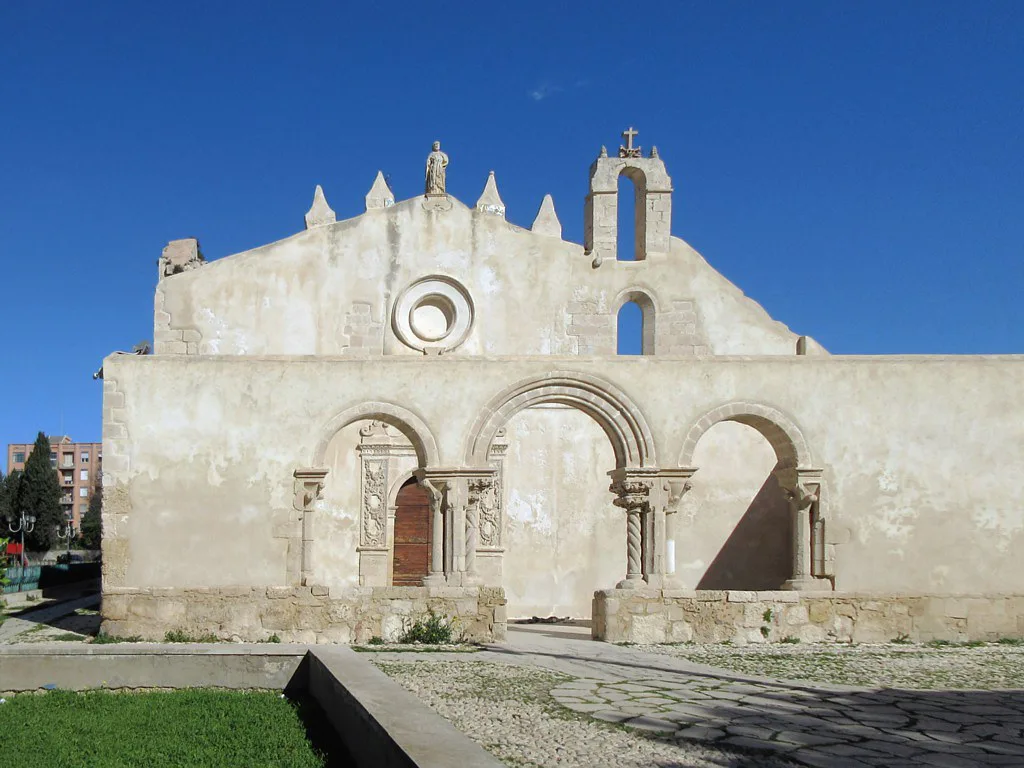
Winter is the best season for Sicily's classical sites because there is no shade to hide in and no queue at the gate. Agrigento's Valley of the Temples, Segesta with its theatre view, Selinunte and the Villa Romana del Casale at Piazza Armerina all reward a dry, cool day far more than an August afternoon does.
In Palermo, spend mornings on the markets and the Arab-Norman sights such as the Palatine Chapel and Monreale's mosaics, and afternoons on street food and long lunches. The city is generally sunnier and warmer than eastern Sicily and remains lively in winter, which makes it the easiest single base for a first cold-season trip.
Catania pairs Baroque streets and the Sant'Agata cathedral with easy access to Etna's lower slopes, while Siracusa's Ortigia offers the Greek theatre, the archaeological park and a waterfront still populated enough for good evening meals. All three work as winter bases without a car for the city days.
Catania and the Southeast
The southeast holds the late-Baroque towns of the Val di Noto, including Noto, Modica, Scicli and Ragusa Ibla, all UNESCO listed and all visitable in winter with far fewer people. They are compact and best linked by car, since public transport between them is limited and slow.
Taormina remains open and its cable car down to Isola Bella runs, but the resort feel fades in winter and some seafront places cut hours. Treat it as a half-day for the views and the theatre rather than a base, and check the cable car's own winter schedule before relying on it. For a longer look at what stays open here in the cold months, our Taormina winter guide is worth reading.
Christmas and New Year in Sicily
December brings Christmas markets in Palermo and Catania and living nativity scenes in towns such as Giarratana, Custonaci and Gangi, some with large casts and scheduled performance evenings. These are local events with their own timetables, so the town tourism office is the place to confirm which evenings are running during your stay.
With Christmas Day 2026 and New Year's Day 2027 both falling on Fridays, the holiday stretch produces long weekends of closures and family-focused opening hours. Book Christmas lunch and New Year's Eve dinner well ahead in the cities, and keep the days either side for markets, churches and nativity scenes rather than long drives.
What Is On in January, February and March
Sant'Agata in Catania dominates early February, and Carnival follows shortly after with Carnival Tuesday on 9 February 2027. Both are street-heavy, late-running festivals, so accommodation in Catania and the main Carnival towns tightens around those dates and prices rise with demand.
March brings the almond blossom around Agrigento and then Holy Week from 21 to 28 March 2027, with processions in many towns. If either matters to you, check the organising body's published programme for the current year and plan transport and rooms around it rather than the other way round.
Day Trips That Work in Winter
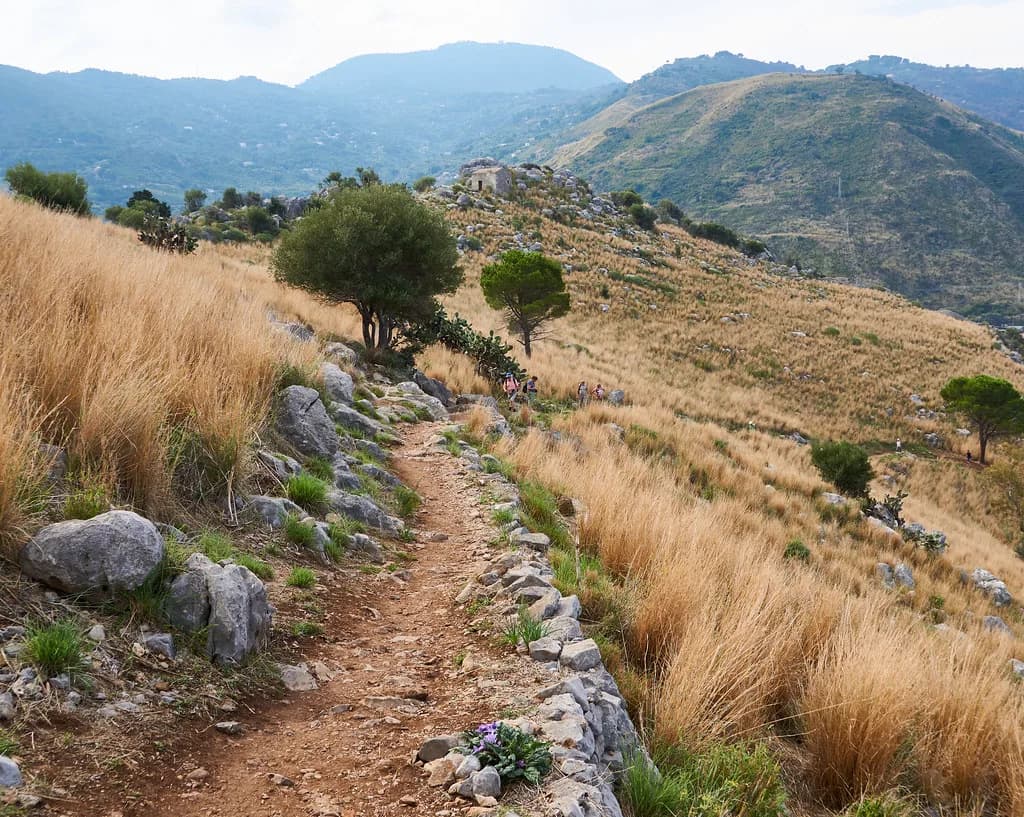
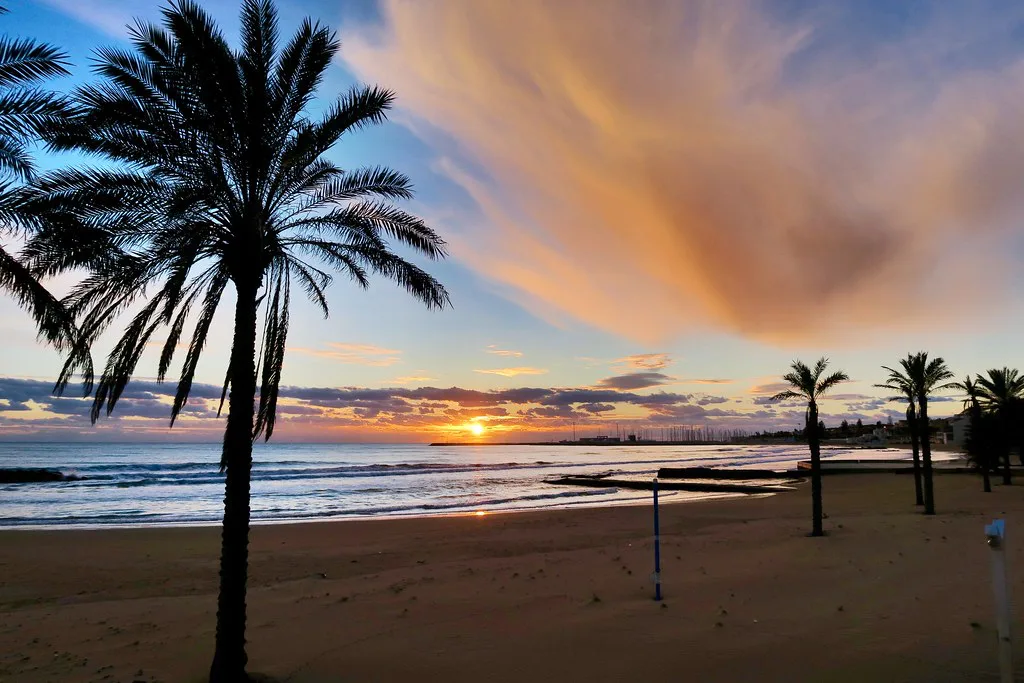
From Palermo, Monreale for the cathedral mosaics and Cefalù for the Norman cathedral and a seafront walk are straightforward day trips, though Cefalù is quiet in winter and many seafront businesses shut. From Catania, Etna's lower slopes and the Alcantara Gorges are realistic in good weather, while the summit area needs a guided visit and settled conditions.
Erice and Segesta combine well from Trapani or Palermo, but the cable car up to Erice is generally closed from early January to late March, so plan the drive instead and expect few open restaurants in town. Use the daylight you have: winter days are short, and a two-hour drive each way eats a morning.
The Trade-Offs
The main cost of winter is unpredictability. Average figures hide multi-day rain events, and on a one-week trip a run of cold storms can wipe out the outdoor plan you came for, so give yourself enough days or enough indoor alternatives to absorb a bad spell.
The compensations are real: low-season prices, empty ruins, no queues and a version of Sicily that feels lived-in rather than staged. What you give up is swimming, island hopping and reliable outdoor dining on the coast, plus the comfort of warm interiors in older buildings.
Who Should Go in Winter and Who Should Wait
Winter suits travelers with a week or more who want cities, food, archaeology and quiet roads, and who are happy to swap a beach afternoon for a museum or a long lunch. A month is generous enough to wait out rain and catch the sunny stretches that make the island shine.
Wait for late spring or early autumn if your trip hinges on swimming, boat trips to the islands, or a single short break with no margin for bad weather. May, September and October deliver warmer seas and more dependable sunshine without the August crowds.
Getting Around Sicily in Winter
Sicily has several airports, including Palermo, Catania and Comiso, with low-cost links from across Europe, so winter access is straightforward. Trains connect the main cities reasonably well, but reaching ruins, hill towns and the coast generally means a car, which is worth renting for short blocks rather than the whole trip.
Rural public transport thins out in winter and small-town services may not run at all on Sundays and holidays, so build driving days around daylight and avoid arriving after dark in unfamiliar hill towns. Fuel stations outside cities often close at midday and on Sundays, so fill up when you can.
Plan Your Winter Trip
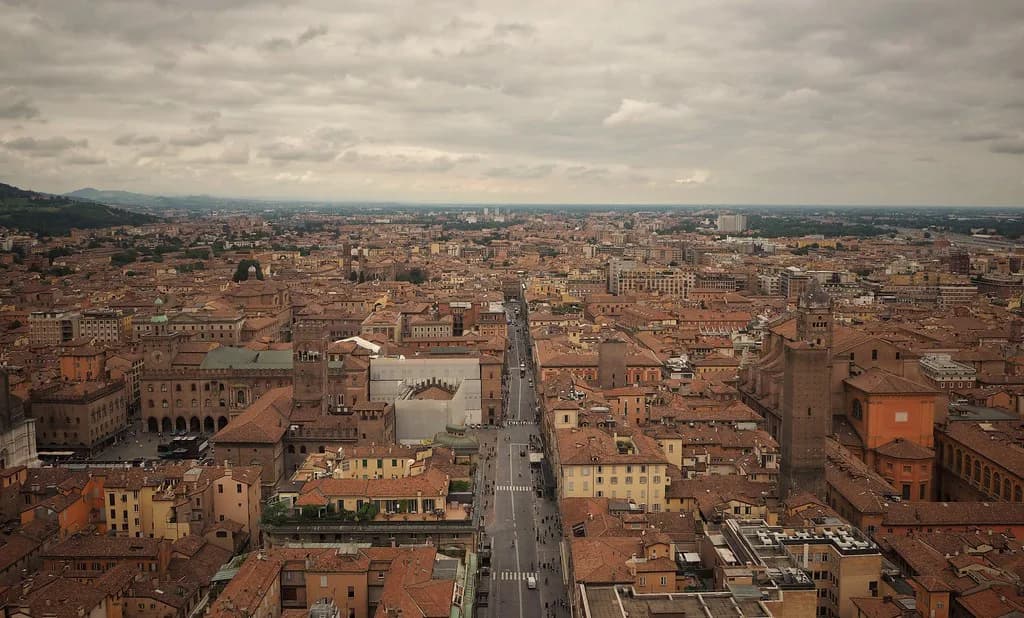
Decide first whether your trip is a city trip or an island trip. A week based in Palermo with day trips to Monreale, Segesta and the coast gives you the best of winter with the least risk, while a longer stay lets you add Catania, Ortigia, Agrigento and the Baroque southeast without dreading a rainy spell. If you are weighing Sicily against another Italian low-season destination, Bologna in winter makes a useful comparison for a city-first trip, and Malta in winter is another nearby option worth reading up on.
Then set your dates against the calendar: Sant'Agata and Carnival in February, almond blossom and Holy Week in March, and the Christmas and New Year closures in the cities. Booking the city base and the car early, and leaving the rest flexible, is the most reliable way to enjoy Sicily when the weather decides the schedule.
Explore more Sicily winter guides
Frequently Asked Questions
Is it worth going to Sicily in January?
Yes, if you want cities, ruins and food rather than beaches. January is the coolest month in the typical figures, with Palermo averaging around 14°C (58°F) by day and 8°C (46°F) at night, and rain possible in multi-day spells. The upside is empty archaeological sites, low-season prices and lively Palermo and Catania. Give yourself more than a few days so one wet spell does not define the trip.
Which part of Sicily is warmest in winter?
The western coast around Palermo tends to be a little milder and sunnier than eastern Sicily, and the figures reflect that: Palermo's typical January high is about 14°C (58°F) against Catania's 16°C (61°F), but Catania's nights are colder. The difference is small; choosing a city base matters more than chasing a couple of degrees.
Can you swim in Sicily in winter?
Swimming is not a realistic plan for most visitors between November and March. The sea cools substantially and beach towns largely shut, with most coastal businesses closed and few facilities open. Treat the coast as a place for walks and views, and save swimming for late spring or early autumn.
Are restaurants and hotels open in Sicily in winter?
In Palermo, Catania and Ortigia, yes: enough restaurants, markets and hotels stay open to make a winter stay comfortable. In small towns and seaside villages, many places close for the season and closures are not always reflected online, so staying in a city and driving out for the day is the safer structure.
Do ferries to the Aeolian Islands run in winter?
Services are much reduced and many businesses on the islands close for the season. Lipari, the largest island, keeps the most life and is the only sensible winter base if you go. Check the ferry operator's own winter timetable for your dates before building a plan around an island crossing.
What events happen in Sicily in winter?
Catania's Festa di Sant'Agata and Carnival in February, the almond blossom festival around Agrigento in early March, and Holy Week processions from 21 to 28 March 2027 are the main fixed points, alongside Christmas markets and living nativity scenes in December. Check current dates and programmes with the organising towns or tourism offices.
How many days do you need in Sicily in winter?
A week is the minimum for a city-based trip with two or three day trips, and it leaves you exposed if the weather turns. Ten days to two weeks lets you add Agrigento, the southeast Baroque towns and Etna without rushing, and a month lets you wait out rain and travel at a genuinely relaxed pace.
Is Etna worth visiting in winter?
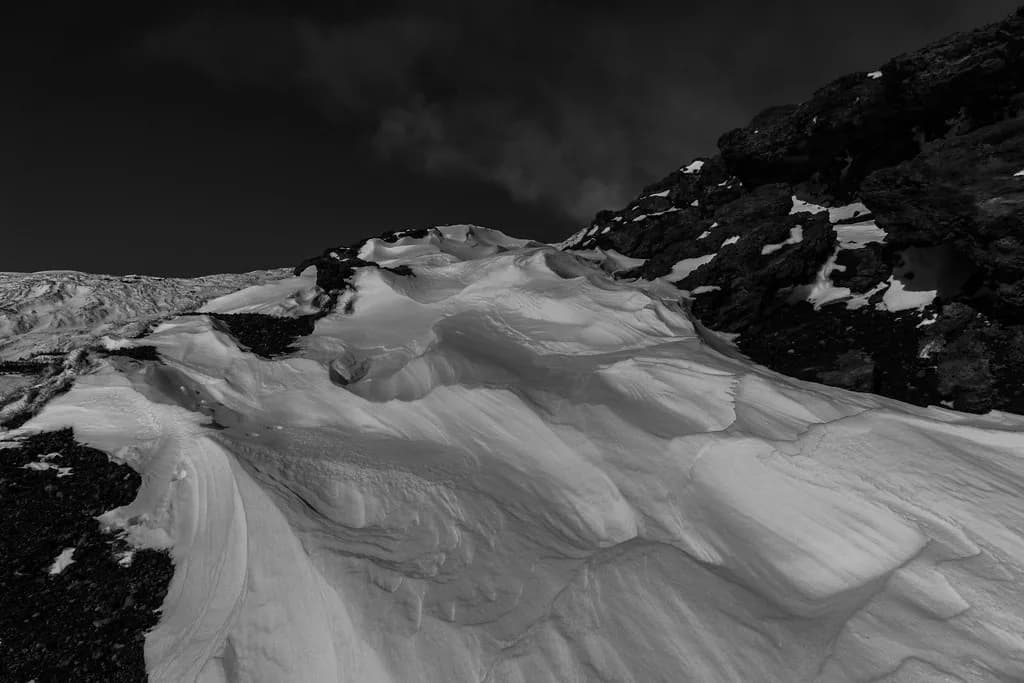
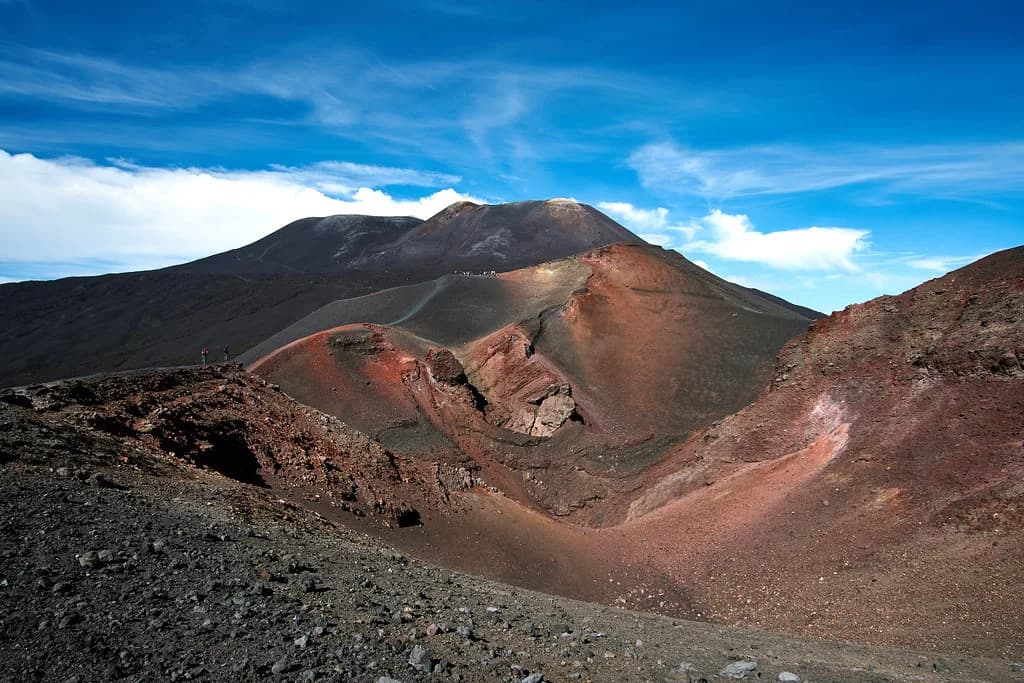
Etna's lower slopes and the surrounding landscape are impressive in winter, and the volcano often carries snow on its upper flanks. Access to the higher zones depends on conditions and guided services, so check with the operator you plan to use; this is not a ski trip, but a volcanic landscape visit.
Sources
Winter travel notes
Optional updates when we add or revise winter guides.
You might also like
Continue reading
More guides you'll find useful