Amalfi in Winter: What November to March Is Really Like
Amalfi in winter brings mild days, heavy rain spells, suspended ferries and near-empty towns. See what stays open and who should pick another month.
On this page
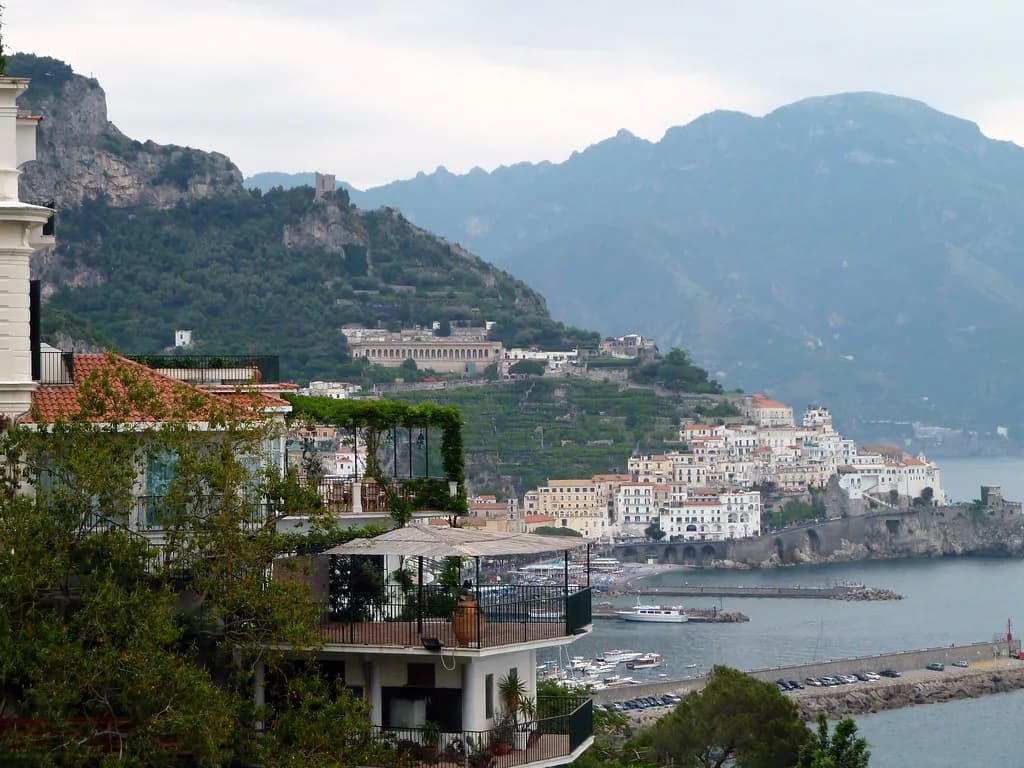
Winter turns the Amalfi Coast into a different place: the beach clubs are packed away, the pastel towns empty out, and the sea view comes with rain squalls instead of sunburn. It suits travelers who want quiet lanes, cheap rooms and a reason to spend rainy hours in Naples or Pompeii, not anyone chasing swims and boat days. The season runs roughly November to March, and the experience shifts a lot between those months.
The single biggest planning fact is the sea. Ferry routes along the coast stop for the winter, so moving between towns means buses, transfers or a car, and that reshapes how you build a short trip. The service usually resumes around Easter or a little earlier if Easter falls late.
What Amalfi in Winter Is Like, and Who It Suits
Expect mild coastal air rather than Alpine cold, with the sea moderating temperatures in towns like Amalfi, Sorrento and Vietri sul Mare. The trade-off is water: November is the rainiest month of the year, and storms between November and February can bring rough seas and slippery trails.
This is a season for walkers, museum-goers and travelers who value empty viewpoints over open beach clubs. If your idea of the coast involves swimming, sunbathing or hopping between towns by boat, winter will frustrate you and May or June is the better choice. Crowds and traffic largely disappear, which makes the coastal road calmer for drivers and buses.
The quieter rhythm also means some hotels and restaurants shut entirely for the season, and which ones depends heavily on the town. Larger centers such as Amalfi and Sorrento keep more life through the winter, while Positano shuts down far more completely.
Weather Month by Month: November, December, January, February, March
January is the coldest and quietest month, with typical highs near 15°C (59°F), lows around 10°C (50°F), a sea temperature of about 15°C (59°F) and roughly nine hours of daylight. About half of days bring clouds, rain falls on around 30% of days, and rain can trigger mudslides that block the coastal highway.
November arrives wet and unsettled, with the year's heaviest rain and the tail end of the ferry season fading. It is still mild enough for coastal walks on dry days, but storms can cancel boats and close trails, so keep plans flexible. Amalfi in November rewards travelers who accept short daylight and sudden showers.
December and January bring the same mild-but-wet pattern, with December's holiday lights and festivities briefly filling Amalfi's streets before the post-Epiphany lull. February stays cool and often damp, with many businesses still closed and few visitors on the ground.
March is the transitional month, when days lengthen, clocks go forward on 28 March 2027, and businesses begin reopening toward Easter, which falls on 28 March 2027. Expect changeable weather and a coast slowly waking up rather than full summer conditions.
Rain, Storms and Rough Seas: How They Affect Plans
Winter storms are not constant, but they can be sharp: heavy rain sometimes triggers landslides that block the coastal highway between towns for days, and rough seas can cancel the limited boat services that still run. Build slack into any tight itinerary and keep an indoor option ready for each outdoor plan.
The upside is that storms often clear into bright, crisp days when the coast looks its best, with empty terraces and clear light over the water. Hiking stays popular through the cooler months, but coastal paths can turn slippery after rain, so check conditions before setting out on routes like the Path of the Gods.
What Closes and What Stays Open
Many hotels and restaurants close for the season, and the pattern varies by town: nearly everything shuts in Positano for the winter, while in Amalfi most restaurants and shops stay open through Epiphany before many close for February. Quiet villages like Scala see little change, though they offer fewer services overall.
Sorrento stays the most consistently lively base through the winter, with shops, restaurants and winter sales giving it more energy than the smaller coastal towns. Larger centers like Amalfi and Vietri sul Mare also keep a working local rhythm of cafés and restaurants through the colder months. For a closer look at that livelier neighbor across the peninsula, see Sorrento in winter.
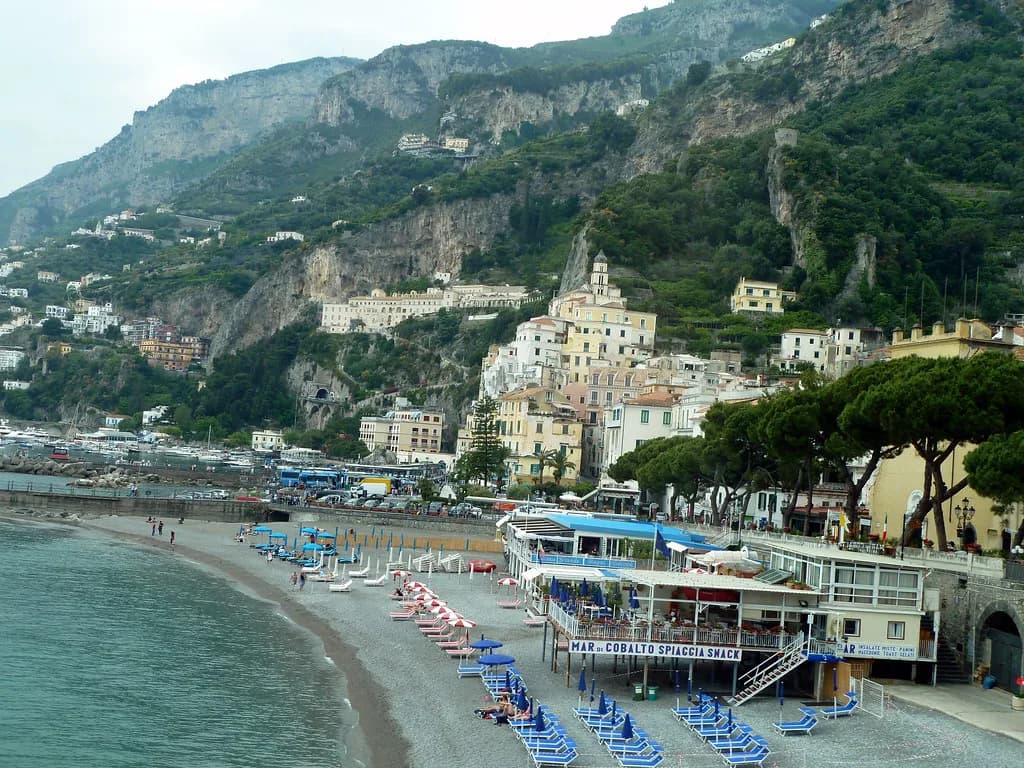
Beach clubs and seasonal boat operators typically stand down for the winter, and the swimming season is effectively over. Treat the coast as a place for walking, eating and sightseeing rather than a beach destination.
Getting Around Without the Ferries
The local ferry network linking Positano and Amalfi does not run in winter, and the routes that do operate are generally limited to Capri, Sorrento and Naples. For moving between coastal towns, expect buses, private transfers or a car, and allow extra time on the coastal highway.
Buses are far less crowded than in summer, so you can usually buy tickets on the day and still find a window seat for the cliff views. Driving is easier without summer traffic, but parking in the towns remains tight and the road can be closed after heavy rain. For context on how other Italian cities handle the season, the Italy in winter overview is a useful companion.
Amalfi Town in Winter: Duomo, Cloister of Paradise and Paper Museum
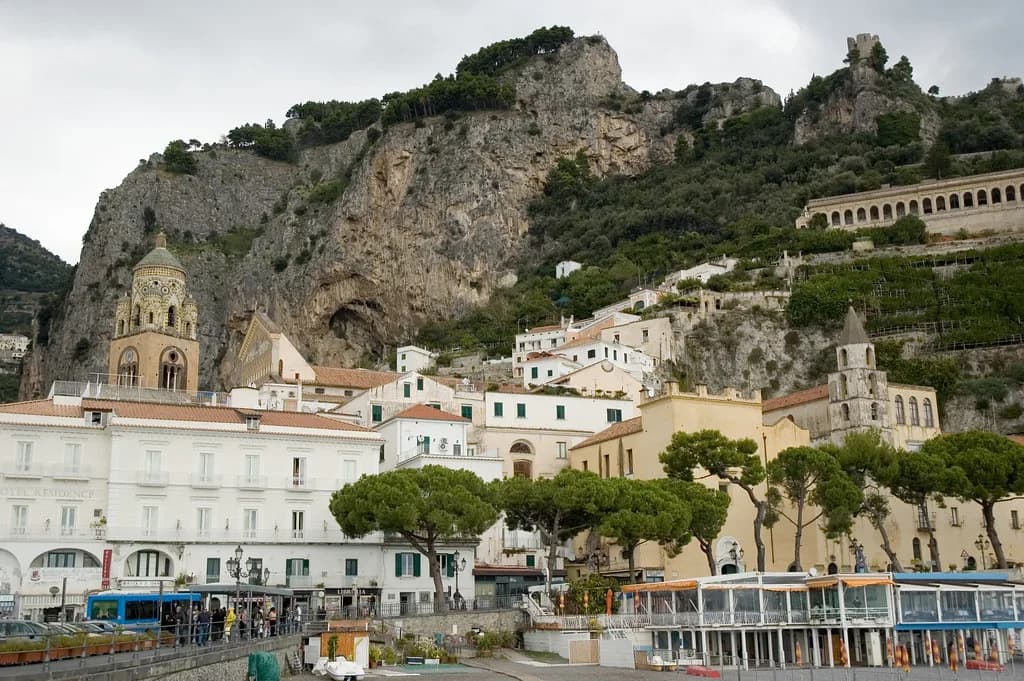
Amalfi holds most of the coast's indoor sightseeing. The Amalfi Cathedral, dedicated to St Andrew, shelters the Cloister of Paradise and a small museum, while the Paper Museum tells the story of the town's historic paper mills. Those few stops, plus the cathedral itself, cover most of the indoor options in town.
On dry days the town's pier and waterfront make a calm winter walk, with empty benches and a view back over the pastel facades. Pasticceria Pansa beside the cathedral is a local institution for panettone and holiday sweets during the Christmas season.
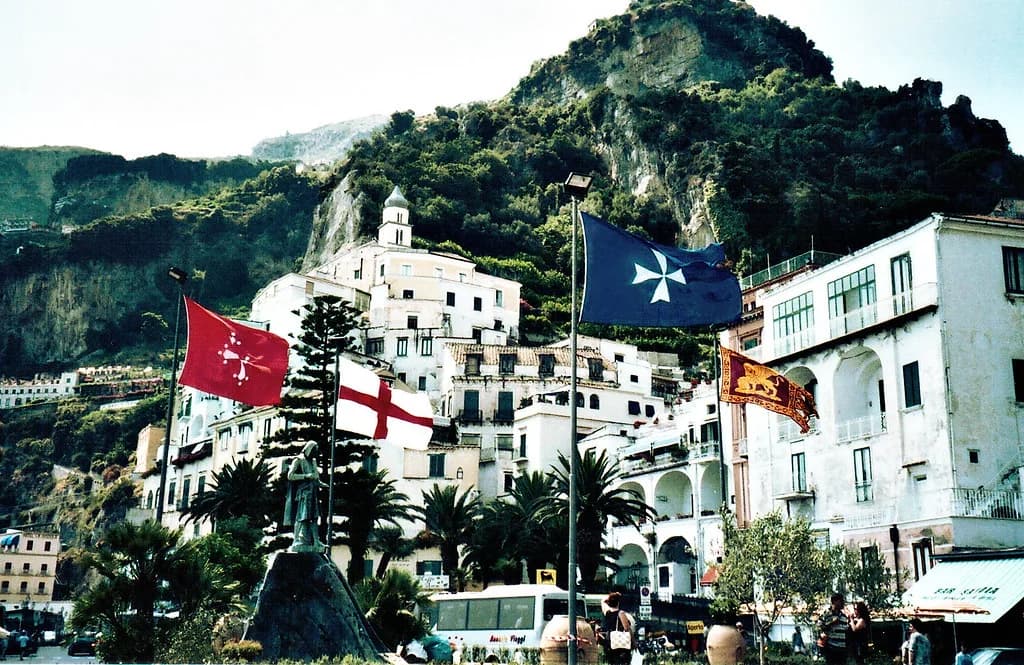
Treat Amalfi as a working town rather than a seasonal resort, and you will find a slower, more local version of the coast than the summer crowds ever see.
Positano, Ravello and the Quieter Villages
Positano in winter is largely shuttered, so travelers hoping for its famous café terraces and hotel bars should look elsewhere in the off season. Ravello keeps its cathedral museum and medieval art collection, and its lofty viewpoints remain open to anyone willing to climb the stairs.
Vietri sul Mare keeps a year-round ceramics trade, and villages like Scala and Tramonti see little seasonal change because daily life continues regardless of visitors. These are places to wander slowly rather than tick off sights, and they reward travelers who like empty lanes and sea views without an audience.
Christmas, New Year's Eve and Epiphany on the Coast
Amalfi is the liveliest place to be over the holidays, when the streets fill with lights, shops open for holiday shopping, concerts take place across the area and fireworks mark New Year's Eve. Christmas Day 2026 falls on a Friday and New Year's Day 2027 on a Friday, so the holiday period stretches across two long weekends.
The festive mood usually lasts until Epiphany, which falls on Wednesday 6 January 2027, after which the coast goes very quiet for the rest of January and February as many businesses close and locals take their own break. Carnival season arrives with Carnival Tuesday on 9 February 2027 and Ash Wednesday on 10 February 2027, though the coast's observances are modest compared with bigger Italian cities.
Things to Do on a Mild Day
On dry, mild days, walk between Amalfi's lanes and its waterfront, climb to Ravello for the views, or take on a stretch of coastal path. The cooler temperatures make hiking genuinely pleasant, and the Path of the Gods rewards early starts with clear light over the sea.
Winter is a good moment to explore the archaeological sites around the Bay of Naples without summer heat or crowds. Pompeii, Herculaneum and the slopes of Mount Vesuvius are within day-trip range, and the cooler air makes the ruins far easier to enjoy than in July.
Things to Do on a Wet Day
Rainy days expose the coast's thin supply of indoor sights, which mostly means Amalfi's cathedral complex, the Cloister of Paradise and the Paper Museum. Once those are covered, the strongest move is to head for Naples, roughly an hour's drive away, where the National Archaeological Museum and Capodimonte offer deep collections for a wet afternoon.
Cooking classes are another reliable wet-day option, especially ones built around local lemons and seafood, and they fill a half day without depending on sunshine.
Day Trips That Work in Winter: Naples, Pompeii, Herculaneum, Capri and Sorrento
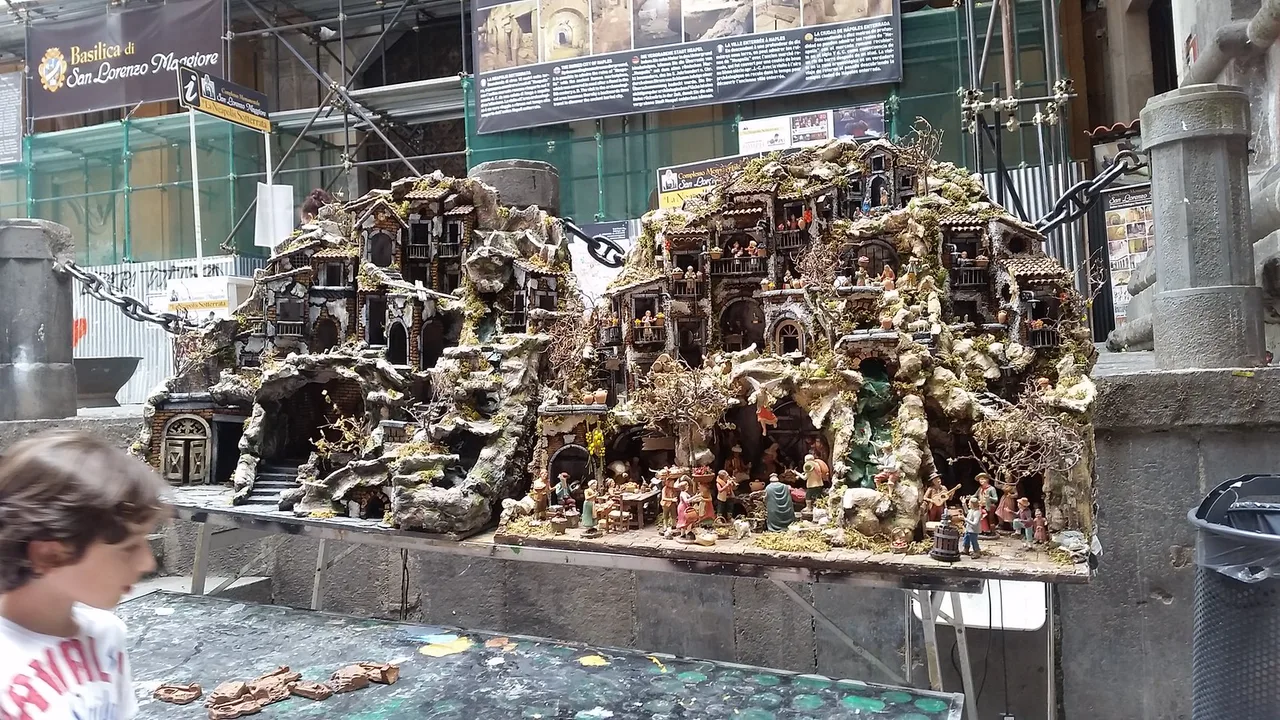
Naples is the most dependable winter day trip, with world-class museums and a working city life that does not depend on the season. Pompeii and Herculaneum are close enough for a half or full day and are far more comfortable without summer heat.
Capri takes on a wild, empty beauty in winter, though you should expect reduced services and limited ferry connections rather than the full summer experience. Sorrento is the most practical base for winter day trips, with shops, restaurants and the Correale Museum giving it substance beyond the seasonal hustle.
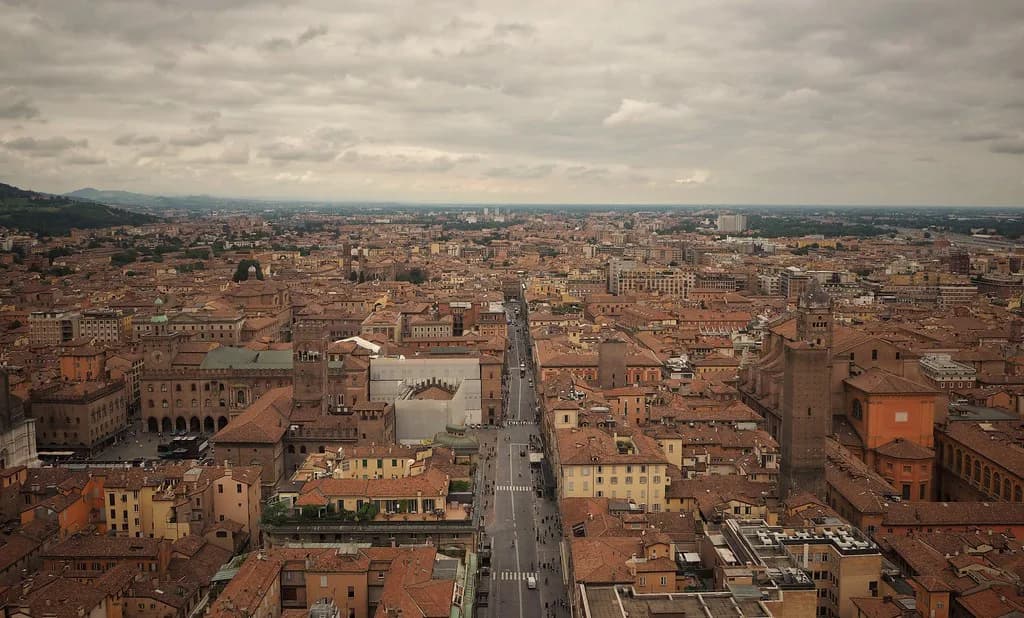
If you would rather pair the coast with a northern city, Bologna in winter or Genoa in winter each offer a very different Italian off-season, with the former built around porticoed streets and the latter around its dense Centro storico. Neither is a day trip from Amalfi, so plan them as separate legs of a longer trip.
Crowds and Prices in the Off Season
Winter brings a dramatic drop in visitors, and hotel and tour prices fall in line with demand, even if exact rates vary by property and date. Transportation is easier to book on short notice, and the sense of having the coast to yourself is the real reward.
The holiday weeks around Christmas, New Year and Epiphany are the exception, when Amalfi fills again and prices and demand briefly rise. Outside those stretches, the coast is as quiet as it gets all year.
Who Should Choose Another Month
Skip winter if your trip depends on boats, swimming, beach time or a lively restaurant scene, since the ferry network and most seasonal businesses are shut. Travelers with tight schedules who cannot absorb a rain day should also think hard about spring or early autumn instead.
Winter rewards slow travelers who like empty viewpoints, long lunches, museums and the chance to see a working Italian coast. If that sounds right, the season is genuinely worth the rain.
Plan Your Winter Trip
Pick one base rather than hopping between towns. Amalfi or Sorrento gives you open restaurants and bus connections, while Positano will feel shut and Ravello is best as a day visit. Keep at least one indoor day in reserve for Naples or Pompeii, since wet weather is the norm rather than the exception.
Book ferry-free transport in advance and confirm that your chosen hotel and restaurants are actually open in the weeks you plan to travel, since winter closures vary from town to town. The Amalfi Coast in winter is at its best for travelers who trade summer perfection for solitude.
Explore more Amalfi winter guides
Frequently Asked Questions
How cold is the Amalfi Coast in winter?
Mild rather than cold. January is the coldest month, with typical highs around 15°C (59°F), lows near 10°C (50°F) and a sea temperature of about 15°C (59°F). December and February sit close to that range, and rain is more of a factor than cold.
Do ferries run on the Amalfi Coast in winter?
Local ferry routes linking towns like Positano and Amalfi are suspended for the winter, and the remaining services are generally limited to Capri, Sorrento and Naples. Buses, transfers and cars take over as the practical way to move between towns.
Is it worth visiting the Amalfi Coast in winter?
Yes, if you want empty towns, lower demand and quiet coastal walks, and if you accept rain and closed businesses. It is a poor fit for anyone hoping to swim, use beach clubs or rely on boats.
What is open in Amalfi in January?
Amalfi holds more than Positano does, with many shops and restaurants open through Epiphany before a quieter February. The cathedral, the Cloister of Paradise and the Paper Museum give the town a handful of indoor options.
What can you do on a rainy day on the Amalfi Coast?
Head to Amalfi's cathedral complex and Paper Museum, take a cooking class, or drive to Naples for museums such as the National Archaeological Museum and Capodimonte. Pompeii and Herculaneum also work well in cooler, wetter weather.
Is Positano or Amalfi better in winter?
Amalfi is the better winter base because more of its restaurants and shops stay open. Positano shuts down much more completely for the season, though it remains worth a short visit on a dry day.
Sources
Winter travel notes
Optional updates when we add or revise winter guides.
You might also like
Continue reading
More guides you'll find useful