Amalfi in March: Weather, Crowds and What's Open
Amalfi in March brings mild, mixed weather, near-empty streets and a slow reopening of hotels and restaurants, while boats wait for April.
On this page
March on the Amalfi Coast is a handover month, with the first balmy spring afternoons arriving alongside the last blustery winter ones, sometimes in the same day. For travelers who want the cliffside villages without summer queues and do not need to swim or island-hop, this is one of the most rewarding windows of the year.
The catch is structural rather than weather-related: ferries have not resumed, several hotels and restaurants are still shuttered, and some sights keep shorter hours. Plan around buses, hikes and the towns themselves, and March rewards you with near-empty streets and photo-ready viewpoints.
What March Feels Like on the Coast
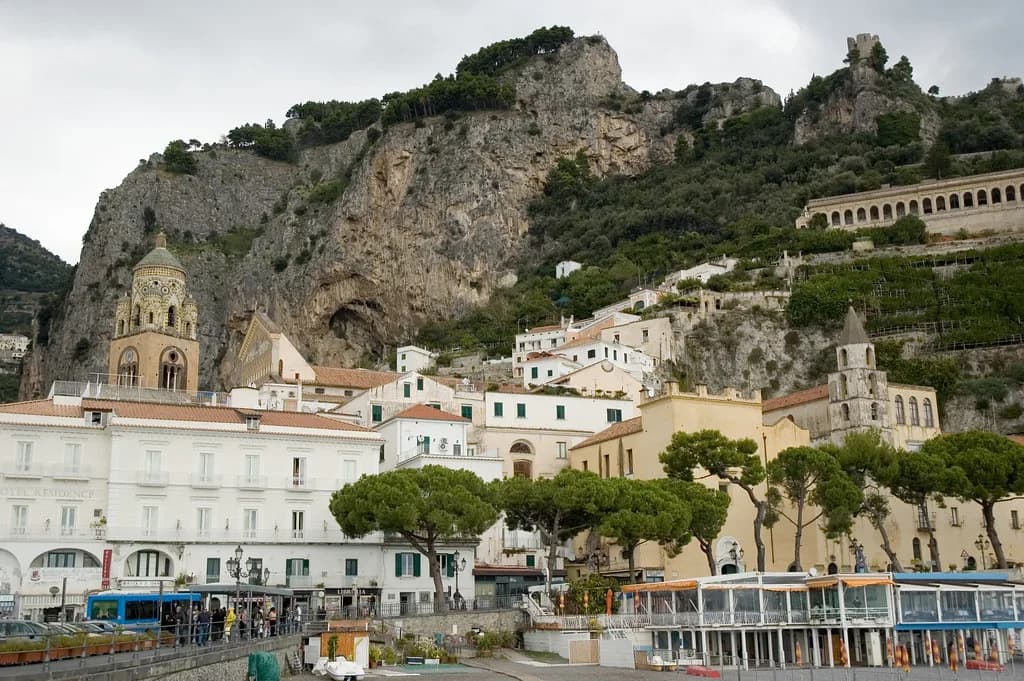
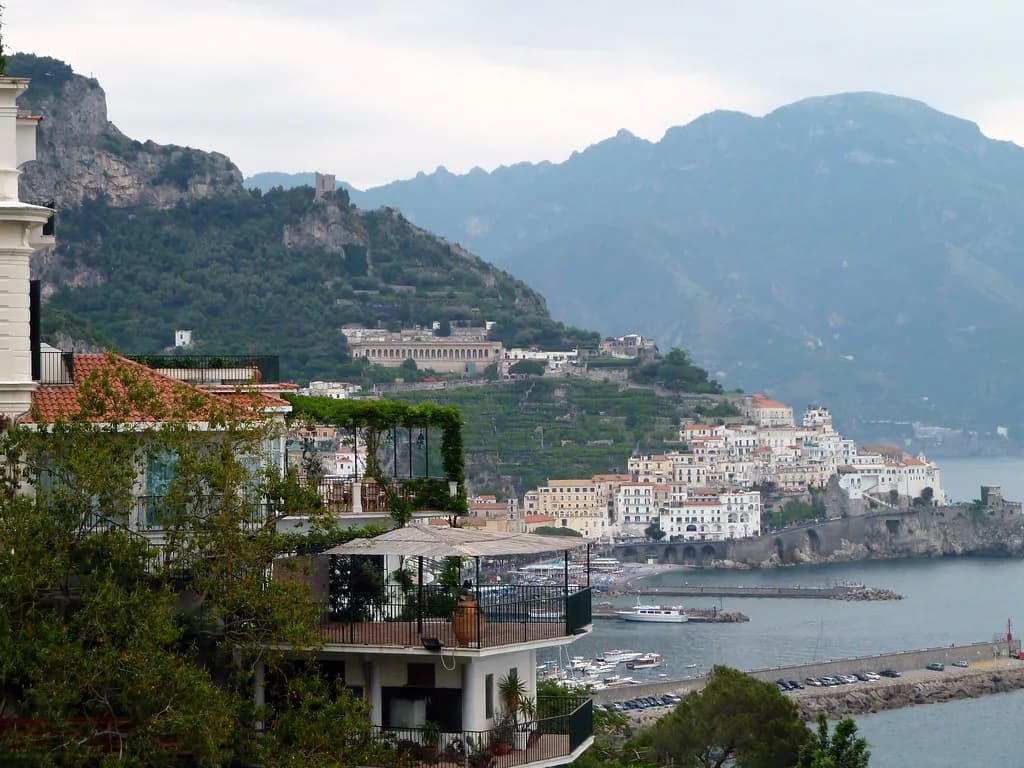
Think of March as the month when the coast starts waking up rather than fully reopening. Positano, Amalfi, Ravello and the smaller villages are walkable and quiet, with tour groups rare and room to linger at the marina or in the cathedral square. Travelers who value atmosphere over beach time tend to love it; travelers who picture striped umbrellas and boat lunches should look at late April or May instead.
The mood swings, and that is part of the deal. March often delivers sun and rain in the same afternoon, so build each day around one indoor anchor and one outdoor one rather than a strict schedule. A morning in a church or villa garden pairs well with an afternoon walk if the sky clears.
Weather in March
Typical March conditions on the Amalfi Coast run to an average high of about 16°C (61°F) and an average low of about 9°C (48°F), with roughly 55 mm of rain spread across 8 to 10 wet days. The sea sits near 14°C (57°F), which is cold enough that swimming is a plunge for the hardy rather than a holiday activity. Daylight stretches from about 6:30 in the morning to 6:00 in the evening by the end of the month. Treat all of these as long-term averages, not a forecast for your week.
If your trip falls in late March 2027, note two calendar shifts: European clocks go forward on 28 March 2027, pushing sunset an hour later and giving you long light for evening walks, and Easter Sunday falls on the same date, opening Holy Week on 21–28 March 2027. That overlap makes the final week of the month busier than the first three.
Rain Versus Sun: How to Plan a Day
Because March weather flips quickly, the practical strategy is to keep plans loose and pick the outdoor option when the morning looks clear. Keep a short list of indoor fallbacks in each town, such as the Amalfi Cathedral and cloister or the villa interiors at Ravello, so a wet afternoon costs you nothing. Hikers should check trail conditions locally after heavy rain, since paths can turn slippery.
Rain here is usually drizzle rather than all-day downpours, so a light waterproof layer and shoes with grip cover most days. The trade-off is that a washed-out day is genuinely possible, and the coastal views that justify the trip disappear in low cloud. If photography or hiking is your main reason for coming, allow at least three full days so one bad one does not wreck the trip.
What Is Open in March
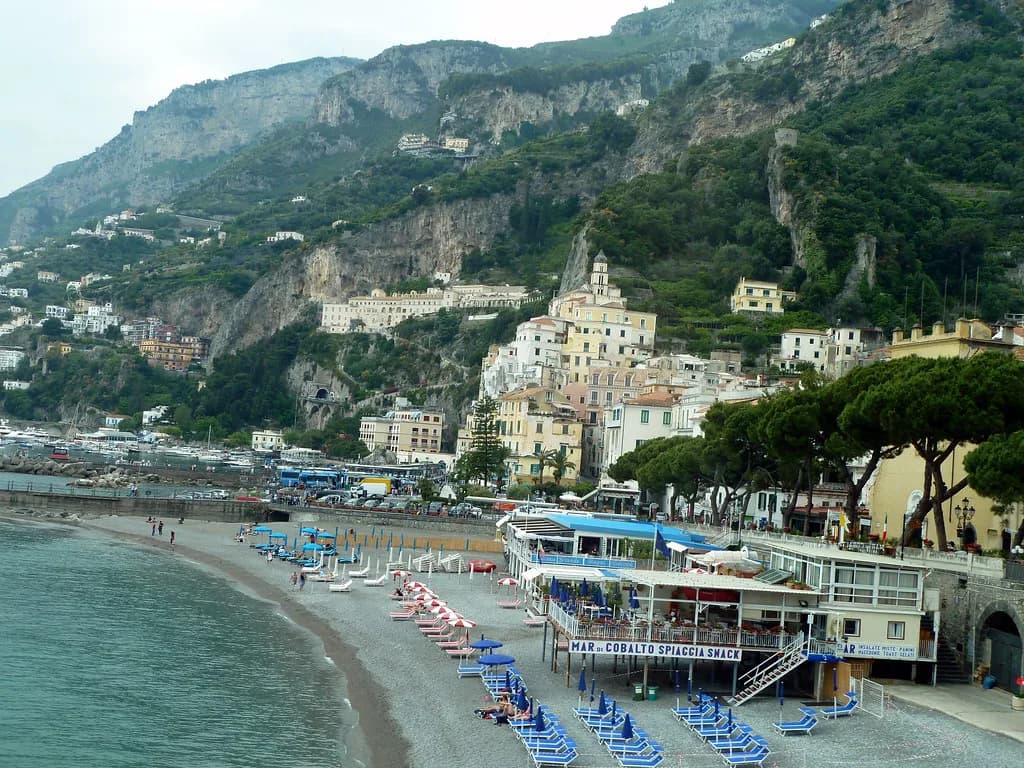
Reopening is gradual and uneven. Many hotels and restaurants stay closed until April, while a handful start taking guests and serving meals in March, often only in the second half of the month. Restaurants that are open frequently run shorter hours, so eating earlier in the evening is the safer habit. Even in mid-March, some beachfront restaurants remain shut.
The upside is that the shops and restaurants that have been closed through winter begin to reopen, with menus shifting to spring vegetables, spring lamb, and the first anchovies and blue fish. In Amalfi town itself, the cathedral, the Chiostro del Paradiso and the paper museum tradition run year-round, which makes the town a reliable base even in a quiet week.
Getting Around Without Ferries
Most boat operators have not resumed service in March, and the ferry routes linking Amalfi, Positano, Sorrento and Salerno generally start running in April. Plan your trip as a bus-and-foot itinerary and you will not be disappointed at the port. The coastal road is slow but scenic, and SITA buses connect the main towns along it.
On the bus, sit on the sea-facing side for the views; heading east toward Salerno that is the right-hand side. Buses can be crowded at school and commuter times even in low season, so avoid the last departure of the afternoon if you are staying somewhere with few alternatives. For longer transfers, the train stations at Sorrento and Salerno are the practical anchors.
Things to Do in Amalfi in March
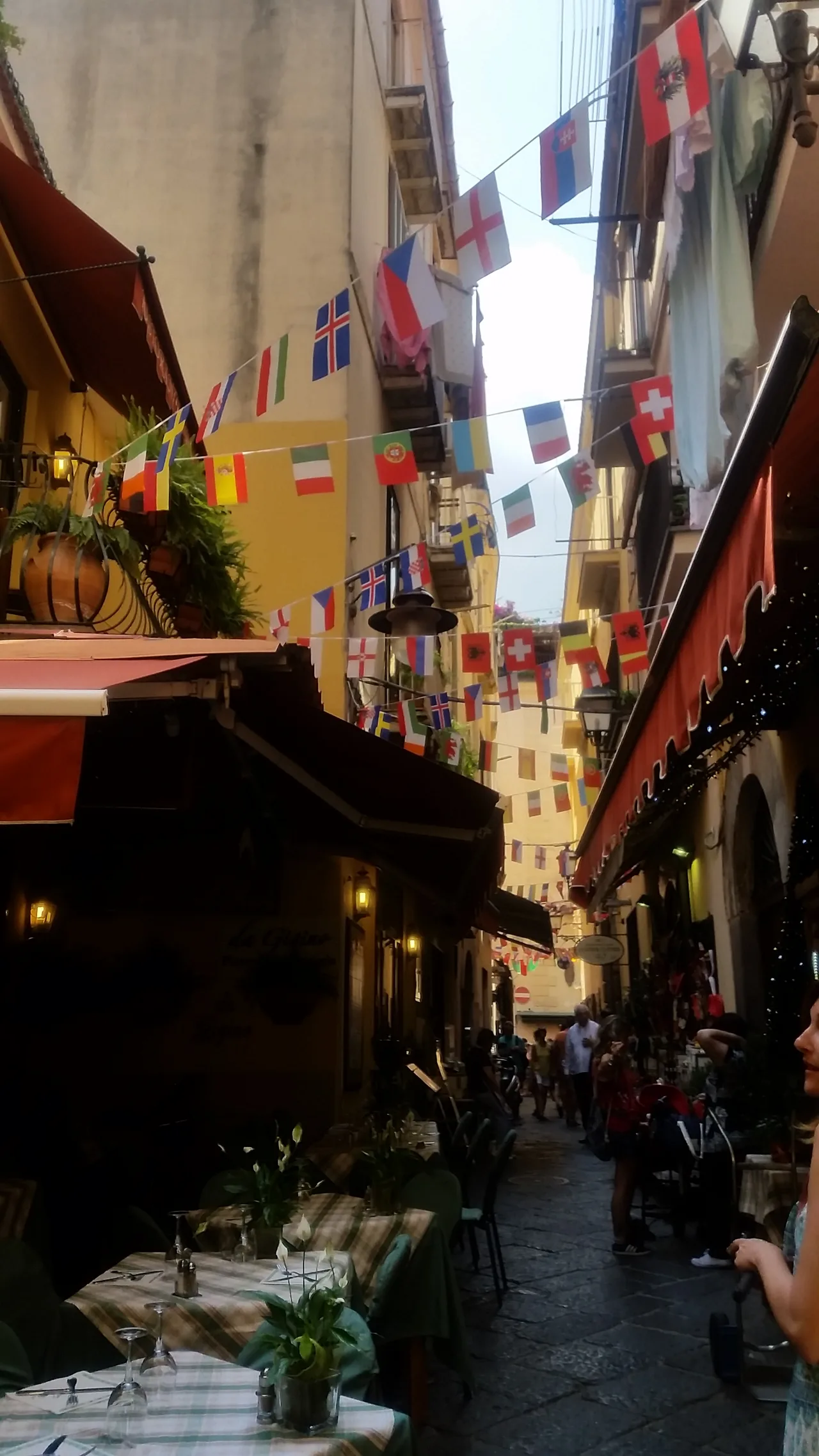
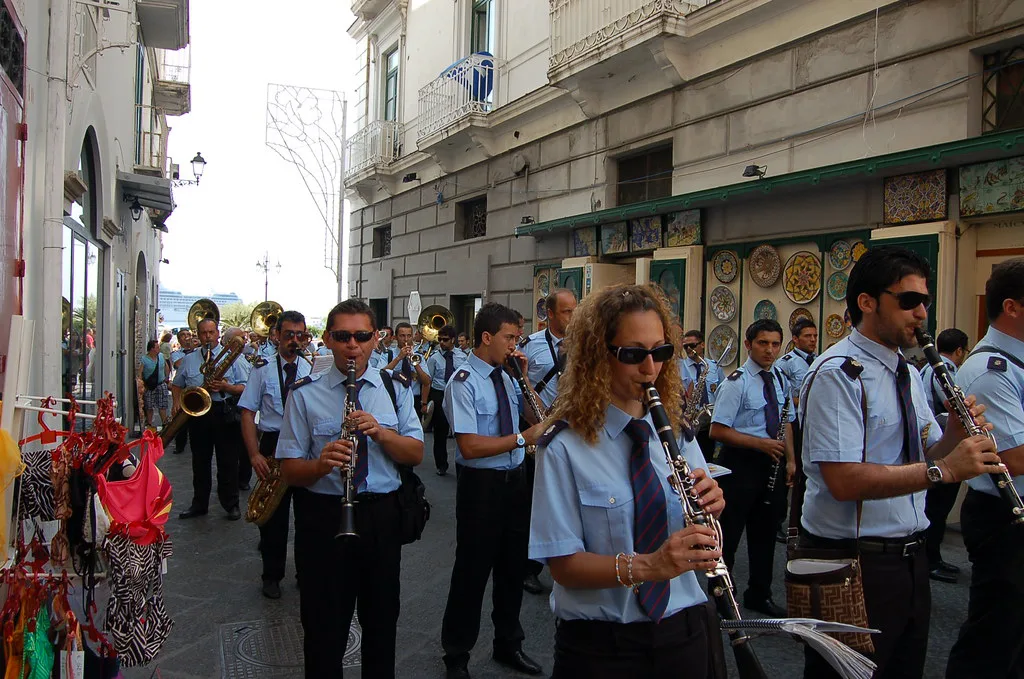
Start with the town itself. The Cathedral of Amalfi and its Chiostro del Paradiso reward a slow visit, and the streets around them are quiet enough in March to walk without weaving through crowds. From there, the marina and the waterfront make an easy late-afternoon loop.
Ravello is the other essential stop, and its gardens are the reason to go in spring. Villa Rufolo and Villa Cimbrone begin their flowering season in these weeks, and the terraces give you the coast views without the summer crush. Allow a half day for the two villas plus the walk between them.
Smaller villages are where March shows its advantage. Atrani, Cetara and Minori are authentic and welcoming, and they are far more pleasant without summer traffic. Base yourself in one of them for a night if you want an evening without bus logistics.
Hiking in March
Cooler temperatures make the coast's steep trails far more comfortable than in summer. The Path of the Gods, running from Bomerano along the clifftops, and the Valle delle Ferriere are the two signature routes, and both reward an early start. Bring water and proper shoes, and expect the trails to be largely empty.
For something gentler, the Lemon Path between Maiori and Minori and the Sentiero della Volpe Pescatrice at Furore suit a half day at an easy pace. The trade-off is that wet weather makes rock and stone steps slippery, so a guided hike is a sensible call if you are unsure of conditions underfoot.
Day Trips That Work in Winter
Pompeii is the standout day trip, and a guide adds real value given the scale of the site and the thin signage in places. It is a full day from Amalfi, so pair it with a night in Sorrento or Naples rather than trying to return the same evening. The ruins are exposed, so pick a dry forecast day.
Closer to base, the villages of Atrani, Cetara and Minori make easy half-day trips, and Salerno is worth a few hours for its waterfront and transport connections. Ferries to Capri and along the coast are not reliable in March, so keep day trips on land, and if you are weighing an earlier month, the Amalfi in December version of the coast is even quieter and colder.
Eating in March
Spring changes the menu. Expect asparagus, fava beans, peas, artichokes and the first zucchini flowers fried in batter, along with anchovies, squid and the anchovy sauce that Cetara is known for. Pastry shops carry Easter specialties such as pastiera alongside the lemon desserts the coast is famous for.
The Amalfi lemon shows up everywhere, most memorably in delizia al limone, and it is worth seeking out a proper pastry shop rather than a tourist-facing cafe. Cooking classes are a reliable way to guarantee a good meal and a warm indoor afternoon when the weather turns, and they run outside the summer season too.
Easter and Holy Week 2027
Easter Sunday falls on 28 March 2027, so Holy Week runs 21–28 March 2027, and the coast marks it seriously. Processions such as the Via Crucis and older local rites draw residents and visitors, and they are among the most atmospheric events of the year. They also bring crowds and higher demand for the few open rooms.
If your dates are flexible, the first half of March is the quieter version of the same month. If you want the processions, book early, because the supply of open hotels is still limited at that point in the season. Either way, the crowds here in March are nothing like July and August.
Crowds and Prices in Words
March is genuinely quiet, and prices reflect it. Tour groups are rare and rooms cost far less than in high summer, but the open businesses are fewer, so your choices are narrower rather than simply cheaper. Late March with Easter is the exception, when demand spikes for a short window.
Weigh that against what you give up: no ferries, patchy restaurant hours, and a real chance of rain. If a beach holiday or island hopping is the point of the trip, wait for April or May. If empty streets, hiking and lower costs matter more, March is a strong pick. For a sense of how the same coast reads in the depths of the off-season, the Amalfi in November picture is even quieter still.
Walking the Coastal Trails with a Dog
A dog changes which of the March trails are realistic. The Path of the Gods starts in Bomerano and winds along the cliffside with jaw-dropping views the entire way; it is a fairly challenging hike, and cooler March temperatures mean you will feel less exhausted doing it, and you will likely have the trail mostly to yourself. You can walk it yourself if you are an experienced hiker, or go with an experienced guide on a small group hiking tour, since guides are aware of any changes based on the recent weather.
If you would rather stay close to the villages and wander through charming alleys, the Lemon Path between Maiori and Minori or the Sentiero della Volpe Pescatrice in Furore are more suitable, and gentler underfoot. For the more athletic, the other trails not to be missed are the Path of the Gods and the Valle delle Ferriere; in both cases the trekking routes are longer and more rugged, but probably the most spectacular. Wherever you walk, always bring a water bottle and comfortable shoes with you.
Two things sit outside your control. March weather on the Amalfi Coast mixes the first balmy days of spring with the last blustery days of winter, with sun and rain often in the same afternoon. And most boat operators have not resumed service yet in March, so ferry routes between Amalfi, Sorrento, Salerno and other key stops generally start running in April, though private boats and shared tours can sometimes be arranged on fine days. On foot rather than on the water is the safer plan with your dog. If the paths are too wet on a given day, the gentler option is strolling along the main street and marina of Positano, which is a more pleasant experience without the large crowds, and pausing for an aperitivo on Marina Grande beach.
Who March Suits
March suits hikers, photographers and travelers who want the coast to themselves and are content with buses and short walks between villages. It does not suit anyone planning on swimming, boat trips or a full restaurant scene.
If you are deciding between months, compare February's deeper quiet and January's colder, wetter conditions with March's slow reopening, then book the first half of March if you want the calmest version.
Explore more Amalfi winter guides
Frequently Asked Questions
Is it worth visiting the Amalfi Coast in March?
Yes, if you want empty villages, comfortable hiking and lower prices and can accept rain and closed ferries. It is not worth it if you picture beach days, boat trips or a full choice of restaurants, which come later in spring.
How warm is Amalfi in March?
Typical March days reach an average high near 16°C (61°F) and drop to about 9°C (48°F) at night, with rain on roughly 8 to 10 days. These are long-term averages, so expect some variation week to week.
Can you swim in Amalfi in March?
The sea is usually around 14°C (57°F) in March, which is cold for most people. Swimming is only for the hardy, and many beach clubs and waterfront restaurants are still closed.
Are ferries running on the Amalfi Coast in March?
Most boat operators have not resumed service in March, and routes between Amalfi, Positano, Sorrento and Salerno generally start in April. Use SITA buses along the coastal road instead.
Is the Path of the Gods open in March?
The trail is generally walkable in March and far more comfortable than in summer, but wet weather can make it slippery. Check conditions locally after rain and consider a guided hike if you are unsure.
When do hotels and restaurants reopen in March?
Many hotels and restaurants stay closed until April, while some reopen during March, often in the second half of the month. Open places frequently keep shorter hours, so eating earlier in the evening is safer.
Sources
Winter travel notes
Optional updates when we add or revise winter guides.
You might also like
Continue reading
More guides you'll find useful