Italy in March: Weather, Crowds and What's Open
Italy in March brings mild southern days, lingering Alpine snow and thinner crowds. See typical weather, what is open and who the month suits.
On this page
March in Italy is a handover month, and it happens at different speeds depending on where you stand. Sicily and the south edge toward spring while Milan, Turin and the Alps still hold winter cold and snow at altitude. That split is the whole story of the month, and it decides whether you build a city itinerary, a southern one, or a mix of both.
It suits travelers who want major sights with breathing room: the Colosseum, Pompeii and the Vatican without summer queues. It does not suit anyone hoping for beach weather or a fully switched-on coastal season, because much of the Riviera and the Amalfi Coast is only beginning to wake up. If you want deep winter atmosphere instead, plan around Italy in winter rather than the shoulder.
Weather in March
Treat the figures as long-term averages, not a forecast, because March is genuinely unstable from one week to the next. Typical ranges run roughly 2–13°C (35–55°F) in the north, 7–16°C (45–60°F) in the center and 10–16°C (50–60°F) in the south, with coastal areas milder than inland ones. Expect a mix of clear sunny spells and showers rather than a steady pattern.
Rainfall is uneven rather than dramatic. The north, especially toward the Alps, can collect far more precipitation than the islands, where March totals stay modest. In practice that means wet days in Milan, Turin and the Alpine foothills are more likely than in Palermo or Catania, so a flexible itinerary that keeps one indoor day in reserve pays off in the north.
Daylight lengthens noticeably through the month, which matters more than most travelers expect for sightseeing and for evening walks. Clocks in Europe go forward on 28 March 2027, so late-March visitors lose an hour of sleep but gain long, bright evenings. Anyone arriving in the final week should plan the first days around that shift rather than booking an early-morning tour on the Sunday.
Rome and Central Italy in March
Rome and Florence sit in the sweet spot of the month. Typical daytime highs land around 15–16°C (59–61°F) in Rome with nights near 10°C (50°F), which is comfortable for hours of walking between the Colosseum, the Forum and the Vatican Museums. Showers still pass through, so a morning indoors and an afternoon outside is a sensible way to structure a day.
Central Italy overall runs milder than the north, with Florence and Rome beginning to feel spring warmth while rain showers remain common. That combination keeps the big sights pleasant without the heat that makes July and August punishing on exposed ruins. Uffizi and Vatican galleries still need timed entry booked ahead, since reduced crowds are relative rather than empty.
The South and the Islands
Sicily and the far south are the warmest option, typically around 16°C (61°F) in places like Taormina, with more sunny days than the rest of the country. Ancient Greek temples and open archaeological sites are far more enjoyable now than in high summer, and the countryside is starting to green up. Use Sicily as a base if warmth is your priority rather than a bonus.
The Amalfi Coast is a different calculation. Positano and neighboring towns see mild weather around 15°C (59°F), and seafront dining starts to reopen, but the coast is still quiet in early March rather than fully running. If the coast is central to your plan, weigh whether you want calm and partial openings or a livelier April.
Whether the south means spring sunshine or a cold snap depends on the pattern that year, and the interior mountains can still see snow while the coast stays mild. If snow is part of what you are chasing, read Does It Snow in Italy? Snow by Region and Month before you commit to a southern itinerary.
The North and the Mountains
Northern Italy is still winter in March. Typical temperatures stay in the 2–13°C (35–55°F) band, with cold mornings and a real chance of snow in the Alps and Dolomites. Milan and Turin are better used as museum and city-break bases than as a spring escape, and the Alpine passes and high roads can behave very differently from the valley towns.
At altitude, snow conditions commonly hold through March, and slopes are quieter than in February. That makes late March a reasonable window for a short mountain stop without committing the whole trip to a resort. Lake Como and the other northern lakes sit in an in-between state, cool and often showery, so treat them as scenery and walking rather than as a warm-weather destination.
What the Season Changes
March is when coastal businesses and mountain services begin their seasonal restart, and the timing varies by operator rather than following one national date. Ferries to the smaller islands, coastal restaurants and hill-town hotels may run reduced or weekend-only service early in the month and expand as spring arrives. Confirm specifics with the ferry company or the property directly for your own dates.
City sights and major museums run year-round, which is why Rome, Florence, Naples and Venice are the safest bets in early March. Smaller archaeological parks and rural attractions are more likely to keep winter hours until later in the month. Build your days around the fixed indoor anchors and leave the flexible outdoor stops for whichever day the weather cooperates.
What's On in March
The month has two fixed Italian dates worth planning around. Festa della Donna on 8 March is marked with mimosa flowers given to women, and St Joseph's Day on 19 March brings processions and seasonal pastries, particularly in Naples and Sicily. Both are local and low-key rather than large-scale tourism events, so they shape a day rather than a whole trip.
Holy Week runs 21–28 March 2027, with Easter Sunday falling on 28 March, the same day the clocks go forward. Rome and the Vatican draw pilgrims for papal services, and processions take over streets in many southern towns. If you are traveling in that final week, book transport and the main sights early rather than treating it as a quiet shoulder period.
Carnival tails off at the start of the month in some years, and Venice can still be winding down its masked celebrations in the first days of March. The Rome Marathon also falls in March, though the 2027 date and entry details sit with the organizers rather than in any general guide, so look at their site before planning around it.
Things to Do
Build the trip around what weather cannot spoil. Rome's Vatican Museums and Colosseum, Florence's Uffizi, and Naples' archaeological museum all work in rain, and Pompeii is far more comfortable in March than in summer heat. In the south, the Greek temples of Sicily and the cave town of Matera reward travelers who want to walk rather than queue.
Countryside and hill-town walking opens up as the month progresses. Umbria's towns, the Cinque Terre trails and Tuscan vineyards all begin to show early greenery, and the paths are quiet. Trails and vineyard visits can still be weather-dependent in early March, so keep a town day in reserve rather than chaining outdoor plans back to back.
If you are deciding between months, the contrast is sharp. December trips bring Christmas atmosphere and short days, while March offers light and space. Compare your priorities against Italy in December if markets and festive evenings matter more to you than longer daylight.
Day Trips That Work in March
From Rome, Ostia Antica and Tivoli's villas are easy half-day escapes that stay open year-round and need no seasonal planning. From Florence, Siena and the Chianti villages are reachable by bus or car and remain pleasant even under showers. From Naples, Pompeii, Herculaneum and the Amalfi towns are realistic day trips, though coastal transport thins out early in the month.
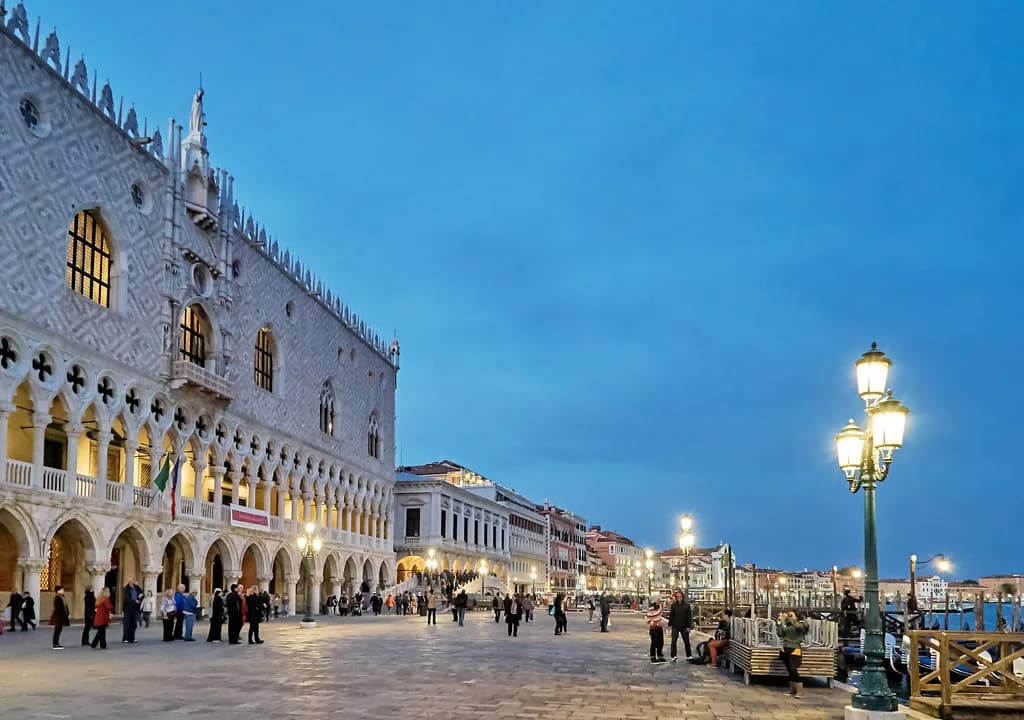
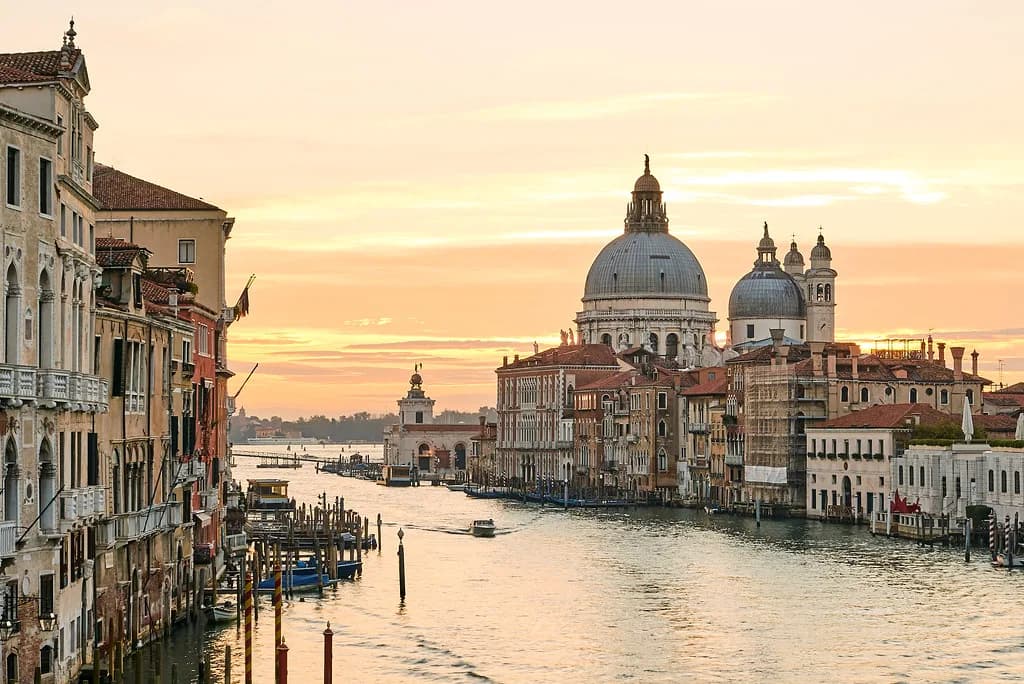
From Venice, Padua, Verona and the mainland towns make better March day trips than the lagoon islands, which are exposed and quiet in cool weather. Matera and the surrounding Basilicata towns work well from a southern base, with fewer visitors and mild days. Plan transport around published timetables rather than expecting summer frequency.

Crowds and Prices
March is shoulder season, and that shows in both crowds and cost. Tourist numbers are noticeably lower than in spring and summer, flights and rooms stay moderate, and the main sights move faster, though the month starts to fill toward the end as the season picks up.
The trade-off is a sharp divide inside one month. The first three weeks are calm and cheap by Italian standards; the final week and Holy Week tighten up fast, with higher demand on trains, hotels and Vatican tickets. If you have flexibility, aim for early to mid-March and treat the last week as peak travel for planning purposes.
Who March Suits
March suits city travelers, ruin-and-museum visitors, walkers and anyone who prioritizes space over heat. It is the best month for combining Rome, Florence and Naples without summer crowds, and a good option for Sicily if you want mild days rather than beach weather. Couples and first-time visitors get a gentler version of Italy than in June.
It is the wrong month for a beach-focused holiday, for a fully open Amalfi Coast, or for anyone expecting reliable sunshine in the north. If warmth and long evenings matter most, wait until April. If you want the deepest winter atmosphere, February brings Carnival and colder, quieter cities instead.
Plan Your Visit
Plan March around geography first: choose the south for warmth, the center for cities and ruins, and the north only if cold mornings and snow suit your idea of the trip. Fix the indoor anchors early and leave the outdoor days flexible.
Then set the calendar: if your dates touch the last week of March 2027, plan for Holy Week crowds and the clock change on 28 March. Book the key sights and trains before you finalize the rest, and check coastal and ferry services for your specific dates.
Explore more Italy winter guides
Frequently Asked Questions
Is March a good time to visit Rome?
Yes, for sightseeing. Typical March days in Rome run around 15–16°C (59–61°F) with nights near 10°C (50°F), which is comfortable for long walks between the Colosseum, the Forum and the Vatican Museums. Showers still pass through, so pair an indoor morning with an outdoor afternoon. Book timed entry for the Vatican Museums and Uffizi anyway, because thinner crowds are relative rather than empty.
Where is warmest in Italy in March?
Sicily and the far south are the mildest options, typically around 16°C (61°F) in places such as Taormina, with more sunny days than the north. Coastal areas generally run milder than inland ones. The interior mountains can still see snow while the coast stays mild, so pick your base according to whether you want warmth or winter scenery.
Is March still winter in northern Italy?
Largely, yes. Northern regions typically sit in a 2–13°C (35–55°F) range, with cold mornings and a real chance of snow in the Alps and Dolomites. Milan and Turin work better as museum and city-break bases than as a spring escape. Snow conditions at altitude commonly hold through the month, and slopes are quieter than in February.
What events fall in March in Italy?
Festa della Donna on 8 March is marked with mimosa flowers given to women, and St Joseph's Day on 19 March brings processions and seasonal pastries, especially in Naples and Sicily. Holy Week runs 21–28 March 2027, with Easter Sunday on 28 March. The Rome Marathon also falls in March; the organizers publish the date and entry details for each edition.
Should I go to the Amalfi Coast in March?
Only if you accept a partial season. Positano and neighboring towns see mild weather around 15°C (59°F), and seafront dining starts to reopen, but the coast stays quiet in early March rather than fully running. Coastal transport thins out early in the month, so check ferry and bus service for your dates. If you want the coast at full strength, April is the better bet.
Sources
Winter travel notes
Optional updates when we add or revise winter guides.
You might also like


Continue reading
More guides you'll find useful