Does It Snow in Italy? Where and When It Snows in Winter
Yes, it snows in Italy, but mostly in the Alps and Dolomites. See where snow falls and settles in winter, how the cities compare, and when to plan a trip.
On this page
Italy in winter splits into two countries that share a border and a language. Up in the Alps and Dolomites, snow is the point of the season, and villages, lifts and mountain huts are geared to it from December onward. Down on the plains and the long coastline, winter means bare trees, low sun, empty piazzas and rain far more often than snow.
That split is useful when you plan. If snow underfoot is the goal, you choose elevation and a mountain base rather than a city break with a day trip attached. If you want museums, food and quiet streets, the cities reward you in winter and you treat snow on the peaks as scenery rather than a promise.
Who a Snow-Chasing Winter Trip Suits
A snow-focused trip to Italy suits travelers who are happy to base themselves in a mountain town, ride cable cars and gondolas, and accept that weather can rearrange a day. It also suits non-skiers, because snowshoeing, winter walking and scenic lift rides put you in the landscape without bindings. Anyone who wants guaranteed snow on the ground every day should look at high-altitude resorts rather than valley towns, where cover comes and goes.
It suits less well if your idea of Italy is warm terraces and swimming. Southern winters are mild enough for long walks in a jacket, but the sea stays cold and the season is about light and quiet rather than heat. Travelers who need long daylight hours should aim for late February or March, when the days stretch out and the alpine season is still running.
Snow by Region: Alps, Apennines and the South
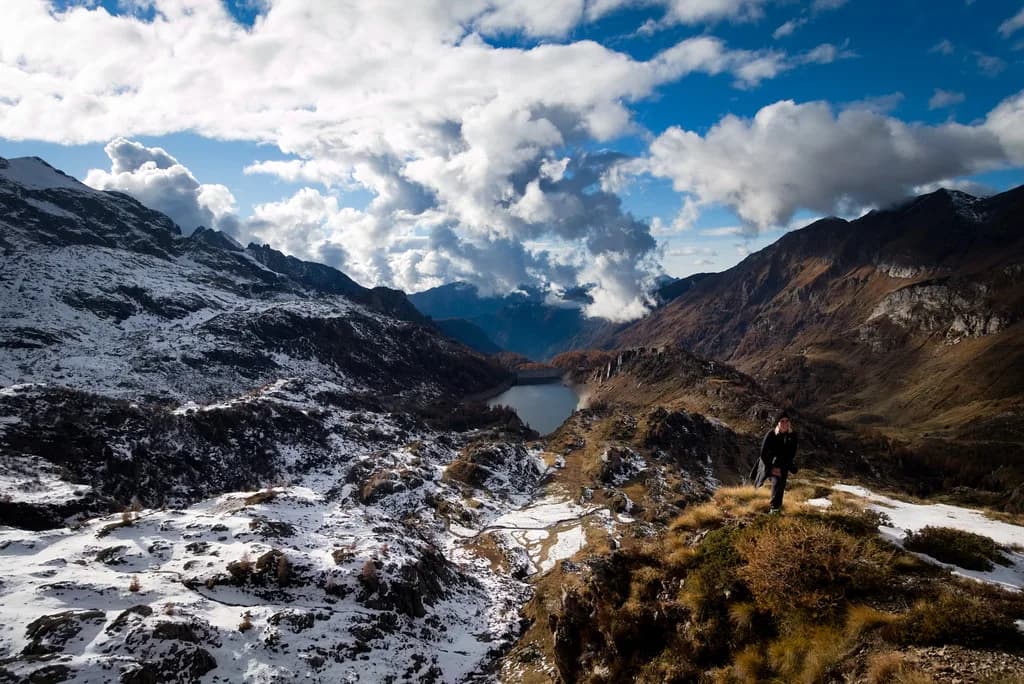
Snow in Italy is a question of elevation first and geography second, and the mountains of the north collect most of it. The Dolomites run through Belluno, South Tyrol and Trentino in the northeast, a range of pale rock towers that turn pink in the late afternoon, with valley towns where German is often spoken alongside Italian. The Aosta Valley in the northwest sits between Switzerland and France and holds the highest peaks in the Alps, with Roman ruins and castles down on the valley floor.
Central Italy gets snow mainly on high ground, and the Abruzzo mountains east of Rome are the standout, with enough cover to support ski areas. Southern Italy sees snow rarely outside the highest peaks, though Mount Etna in Sicily and the Madonie mountains can turn white in a cold snap. Coastal towns and the big southern cities almost never hold snow, even in the coldest weeks of the year.
When It Snows in the Mountains
High-altitude snow is most consistent from December through March, with January and February usually offering the best combination of cold temperatures and settled cover. December can be beautiful in the villages, but early-season cover varies from year to year, so a mid-December trip is a bet on atmosphere rather than guaranteed depth. By March the days are longer, the light is better and the snowpack is often still deep at altitude, which makes it a strong month for non-skiers.
Snowfall totals swing enormously between seasons and between resorts, so treat any single figure as a record of one winter rather than a forecast. In the 2025/26 season the heaviest accumulations were measured in the western Alps, around Breuil-Cervinia, the Monterosa valleys and Courmayeur, while eastern Dolomite areas such as Cortina d'Ampezzo also make the snowiest lists. If snow depth matters more than scenery, the higher and more westerly resorts are the safer pick.
Snow in Italy's Cities: Rome, Florence, Venice, Milan and Bologna
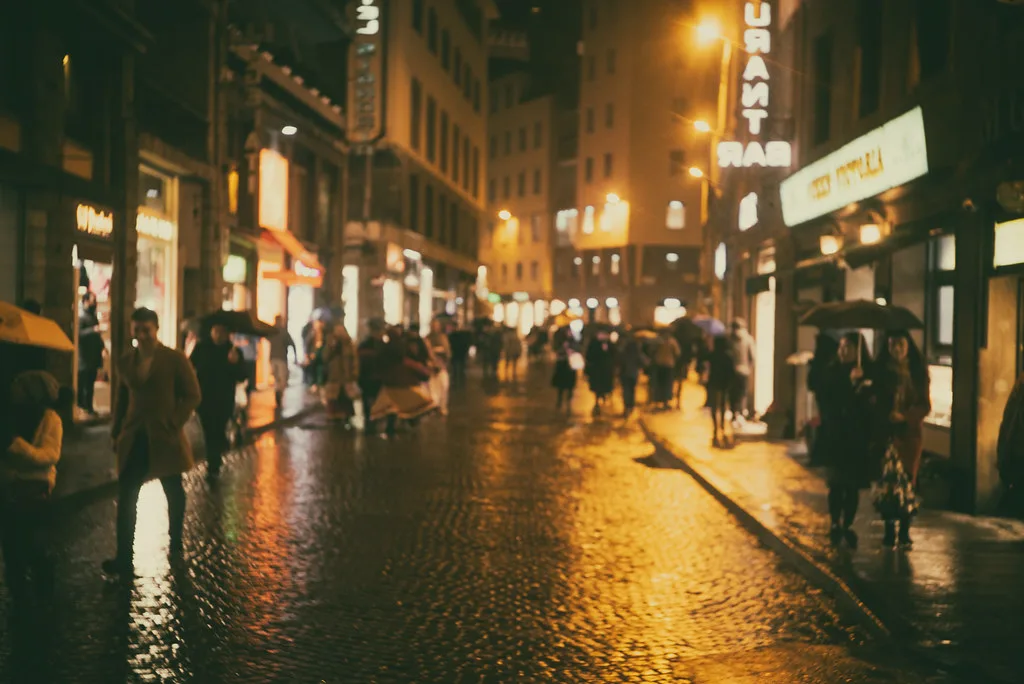
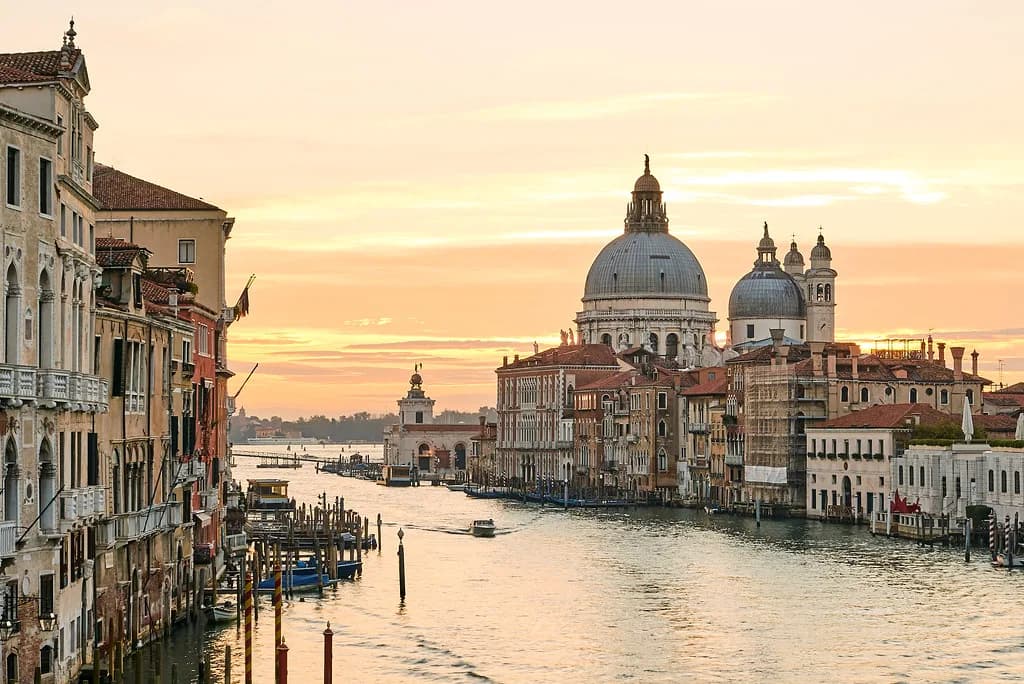
Rome, Florence and Venice see snow only occasionally, and when it comes it is a news event rather than a normal winter condition. Venice's winter problems are acqua alta and fog, not drifts, while Rome's winter is mild enough for outdoor sightseeing with a coat. Florence sits in a valley and can get cold, but snow that settles in the historic center is unusual.
Milan and Bologna sit on the northern plain and are colder, with fog and occasional light snow in the coldest weeks. Milan's advantage in winter is its position: the Alps and the lakes are within a couple of hours by train or car, so you can combine a city stay with a mountain day. If a city snowfall is part of what you are hoping for, learn what the plain realistically delivers: a dusting that rarely settles for long rather than the deep cover of the mountains. For a closer look at one of these plain cities, see whether it snows in Bologna and what a typical winter there brings.
Snow in the South: Abruzzo, Mount Etna and the Coast
Abruzzo is the surprise of central Italy: a mountainous region with ski areas, high plateaus and old hill towns, all within reach of Rome by road. Snow here can be substantial in January and February, and the region is quiet in winter compared with the art cities. It suits travelers who want mountain scenery without the alpine price level or the alpine crowds.
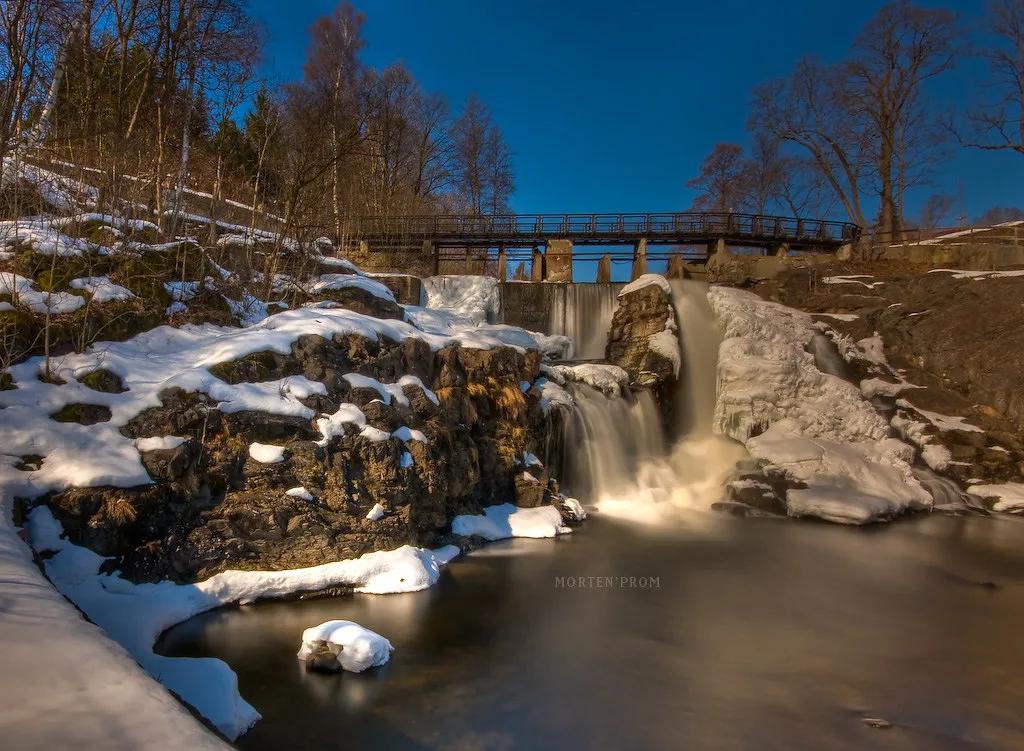
Sicily's Mount Etna gets snow on its upper slopes most winters, and the contrast of lava fields, snow and the sea below is one of Italy's strangest landscapes. The Madonie mountains nearby can also see snow, though rarely enough for anything beyond a walk in it. Do not plan a southern trip around snow: treat it as a bonus if a cold front arrives while you are there.
Snow You Can Visit Without Skiing
Cable cars are the easiest way to reach real snow without owning gear. The Cortina Skyline gondola climbs from the Cortina d'Ampezzo area to the Cinque Torri in about twenty minutes, and mountain huts at the top serve lunch with the peaks in view. In the Aosta Valley, lifts at Cervinia and Courmayeur give access to high-altitude viewpoints over the Alps and Mont Blanc, and the towns below are pleasant bases even for non-skiers.
Snowshoeing and winter walking are widely available around Cortina d'Ampezzo, in the Aosta Valley and across the Dolomite valleys, usually with rented snowshoes and a marked route. Alpine villages reward slow travel: a short walk, a long lunch of polenta and melted cheese, and an early dusk are the shape of a winter day. Daylight is short in December and January, so plan outdoor time for the middle of the day.
The Trade-Offs: Short Days, Holiday Crowds and Prices
The trade-off is daylight. In December the sun sets in the late afternoon across Italy, and in the mountains the valleys lose light earlier than the peaks, so a full day outdoors needs an early start. Prices and crowds in the mountains peak over the Christmas and New Year weeks, when Christmas Day falls on a Friday in 2026 and New Year's Day on a Friday in 2027, creating two long holiday windows that fill fast.
Mid-January through early February is quieter and often better value, though it is also the coldest stretch and the period when some small hotels and restaurants in mountain villages take their annual break. Carnival falls on Tuesday 9 February 2027, with Ash Wednesday the next day, and it brings short, lively peaks of demand in cities such as Venice. If your trip is about snow rather than festivities, plan around those dates.
Who Should Chase Snow and Who Should Go South
Chase snow if you want dramatic landscapes, are comfortable with cold and can be flexible about plans. The Dolomites and the Aosta Valley are the strongest choices, and the Abruzzo mountains are the best option for a snow fix close to Rome. Non-skiers get a great deal out of these areas by using lifts, snowshoes and mountain huts rather than the slopes.
Choose the south or the cities if you want mild weather, long walks and fewer people. Coastal Campania, Sicily and Puglia are quiet and often sunny in winter, though many seaside hotels and restaurants close for the season. If you want the sweet spot, a city stay in Rome or Florence paired with a mountain detour gives you both worlds without committing to deep snow.
Getting Around and Reaching the Mountains
The Dolomites are best reached from Venice, Treviso or Verona airports, with a rental car or regional buses covering the last stretch into the valleys. Turin is the gateway to the Aosta Valley, with fast trains from Milan and onward buses or a scenic rail line into the mountains. Mountain roads can close or require chains after heavy snow, so build a buffer into any transfer day.
Trains are the low-stress option for city-to-city travel, and Italy's high-speed network links Turin, Milan, Bologna, Florence, Rome and Venice comfortably in winter. For the mountains, regional trains reach Bolzano, Aosta and Belluno, from which local buses and lifts take over. Snow can slow road transport, so avoid same-day connections between a mountain valley and an international flight.
Plan Your Snow Trip to Italy
The short answer is yes: it snows in Italy, but mostly in the mountains and mostly between December and March. Base yourself at altitude in the Alps, the Dolomites or the Aosta Valley if snow is the goal, and treat the cities as a mild-weather option where a snowfall is a lucky extra.
Time your trip around the holiday peaks, accept short days in midwinter, and check lift and road conditions with the lift company before you travel. If you want longer light and softer prices, late February and March give you a running alpine season with more of the day to enjoy it.
Explore more Italy winter guides
Frequently Asked Questions
Does it snow in Italy every winter?
In the high Alps and Dolomites, snow on the ground is normal every winter from December through March, especially at altitude. In the cities and along the coast, settled snow is unusual and cannot be counted on in any given week.
Which parts of Italy get the most snow?
The western Alps and the Dolomites receive the heaviest and most reliable snowfall. In the 2025/26 season the largest accumulations were recorded around Breuil-Cervinia, the Monterosa valleys and Courmayeur, with Dolomite areas such as Cortina d'Ampezzo also appearing among the snowiest.
Does it snow in Rome or Florence?
Only occasionally. Rome and Florence have mild winters, and snow that settles in the historic centers is a rare event. Rain and cool evenings are far more typical, so plan city sightseeing around a warm coat rather than snow gear.
Can you see snow in Sicily?
Yes, on Mount Etna and in the Madonie mountains, where the upper slopes can turn white in a cold snap. It is not something to build a trip around, but it makes a striking contrast with the coast below.
What months are best for snow in Italy?
January and February usually offer the best combination of cold and settled cover in the mountains. December is atmospheric but less predictable for depth, and March often still has good snow at altitude with longer, brighter days.
Where can you experience snow in Italy without skiing?
Cable cars such as the Cortina Skyline to Cinque Torri, the lifts at Cervinia and Courmayeur, and marked snowshoe routes around the Dolomites and the Aosta Valley. Mountain huts at the top make a lunch with a view an easy half-day plan.
Do you need a car to reach snowy areas in Italy?
Not always. Trains reach Bolzano, Aosta and Belluno, and buses connect the valleys, but a car gives more flexibility for small villages and trailheads. In snowy spells, roads can require chains and closures are possible, so allow extra time for transfers.
Is February a good month for snow in Italy?
Yes. February is one of the coldest and most reliable months in the mountains, and it falls after the Christmas and New Year peak. Carnival on 9 February 2027 brings short bursts of demand in cities, so book mountain accommodation around those dates.
Sources
Winter travel notes
Optional updates when we add or revise winter guides.
You might also like
Continue reading
More guides you'll find useful