Italy in February: Weather, Crowds and Where to Go
Italy in February brings cold northern cities, mild Sicilian days, thin crowds and Carnival. Compare typical temperatures, rain and daylight by region.
On this page
February is the month when Italy stops pretending it is one country. The north sits in proper winter, with frost, fog and snow on the mountains, while Sicily and the south can hand you a mild afternoon that feels like early spring. That split is the whole planning decision: pick your region for the weather you actually want, not for a national average that describes nowhere.
It is also the quietest stretch of the winter calendar outside a handful of festival weeks. Museums and archaeological sites are easier to walk into, hotel rates soften outside Carnival, and the light is low and long. The trade-offs are real too: shorter days, damp cities and coastal businesses running on reduced hours.
What Italy is like in February
Think of February as late winter with a southern escape hatch. The Alps and Dolomites hold their snow, the Po valley cities stay cold and often damp, and the further south you go the more the afternoons soften toward spring. Untold Italy describes February as cooler in the north and milder in the south and centre, with the Alps and Dolomites still under heavy snow from December through February.
Daylight is still short but improving through the month, which matters more than the thermometer when you are planning a day of outdoor ruins. Put exposed sites such as the Colosseum, Pompeii or a hill town climb in the early afternoon, when the day is at its warmest, and keep museums, churches and covered markets for the mornings. Untold Italy notes that daylight lengthens as February progresses, and Royal Caribbean's February guide makes the same point about scheduling ruins for early afternoon.
If your dates are flexible enough to consider the neighbouring months, the wider Italy in winter picture shows how December and January compare on cold, crowds and closures, and it helps to slot February into that sequence before you book flights.
Weather in February: north, centre and south compared
Venice is the coldest of the big tourist cities, with typical February days around 2°C to 9°C (35°F to 48°F) and roughly nine days of rain in the month. Florence runs milder at about 3°C to 12°C (38°F to 54°F) with five to seven wet days, and Rome sits warmer again at around 5°C to 14°C (41°F to 57°F). Royal Caribbean's figures for the same three cities are close, listing Rome at 5°C to 14°C, Florence at 3°C to 12°C and Venice at 2°C to 9°C, so treat any single decimal with suspicion and plan for a cool, occasionally wet day.
Southern Italy and the islands are where February earns its reputation as an underrated month. Naples typically reaches around 7°C to 16°C (44°F to 60°F), and Sicily is warmer still, with Untold Italy putting Sicilian days at roughly 10°C to 15°C (50°F to 59°F) and among the lowest rainfall in the country. Pick Sicily if you want to sightsee in a jacket rather than a coat; on that island, a February trip is genuinely a mild-weather trip.
Rain is the shared thread: Untold Italy puts national February precipitation at roughly 50 to 100 mm depending on region, with the Amalfi Coast and Cinque Terre among the wettest corners at around 11 to 12 rainy days. That does not mean washed-out days, but it does mean building one indoor anchor into each day so a wet morning costs you an hour rather than the whole plan.
One caution on coastal figures: February sea temperatures around Italy sit in the cool range that makes swimming a wetsuit or a very brief dip rather than a beach activity. If warm water is the point of your trip, this is the wrong month, and the Sicily in February guide explains where the island's milder days actually help.
Rome, Florence and Venice in February
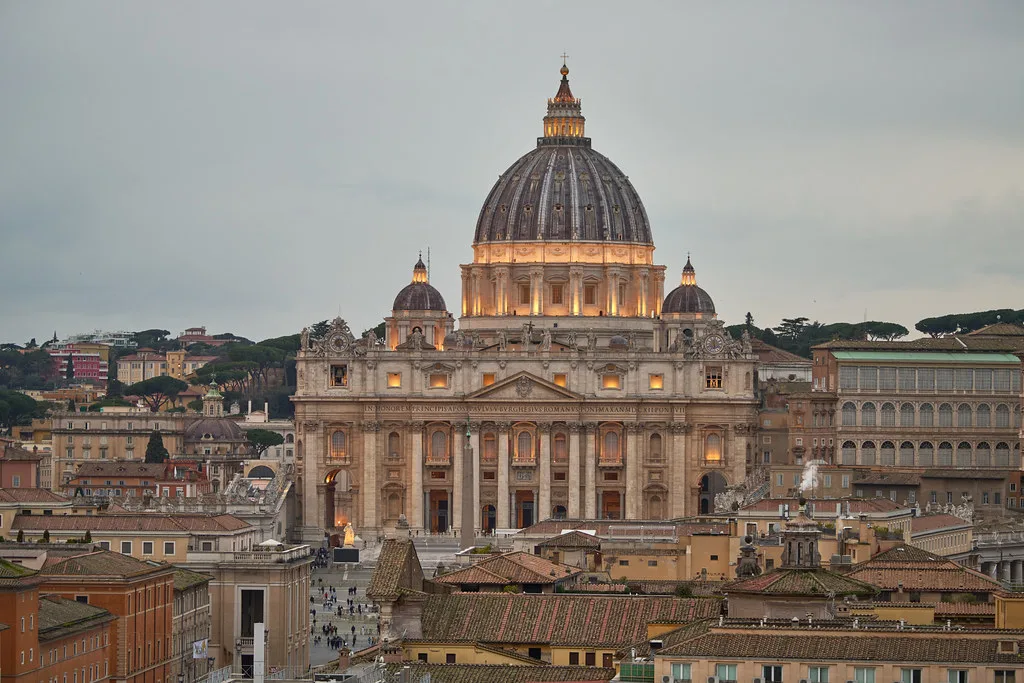
Rome is the easiest February city for sightseeing on foot. The Colosseum, Roman Forum and Vatican Museums run normal winter hours and the queues are shorter than in spring, so you can cover more ground in a day. Cool mornings and mild afternoons suit the ruins better than July heat, and the neighbourhoods around Monti, Prati and San Lorenzo reward a slow evening of pasta and wine.
Florence turns inward in February, which is exactly what its art wants. The Uffizi and Accademia are far less congested than later in the year, and the compact centre means you can pair a gallery morning with a cathedral visit and a long lunch without covering much distance. Expect cold, damp air and occasional rain, so build in a museum stop for each outdoor stretch.
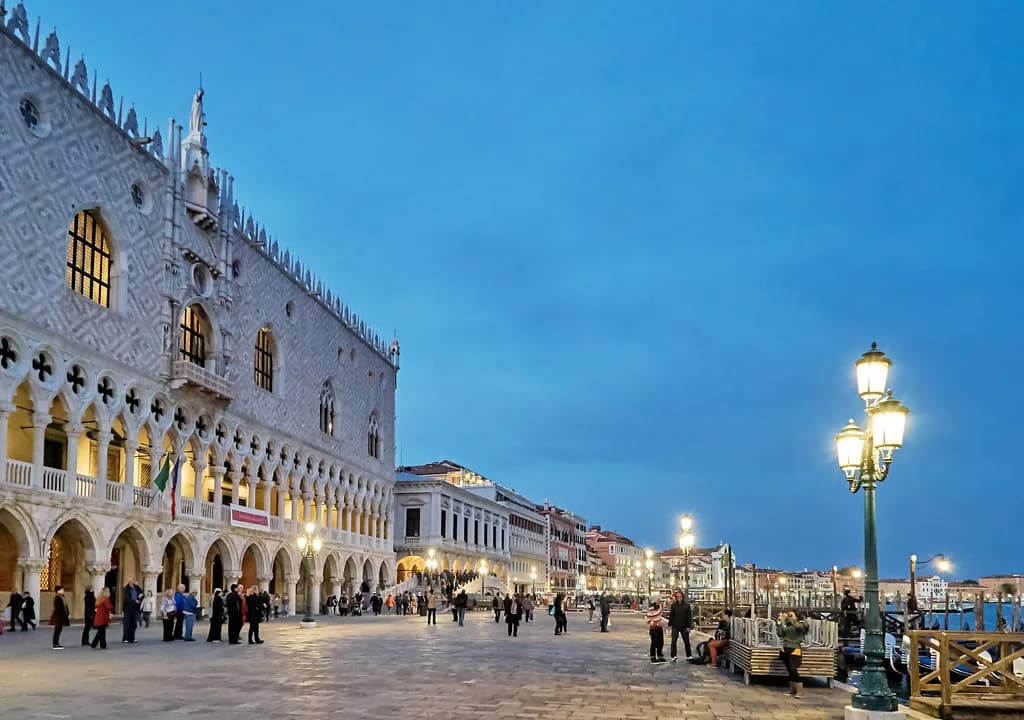
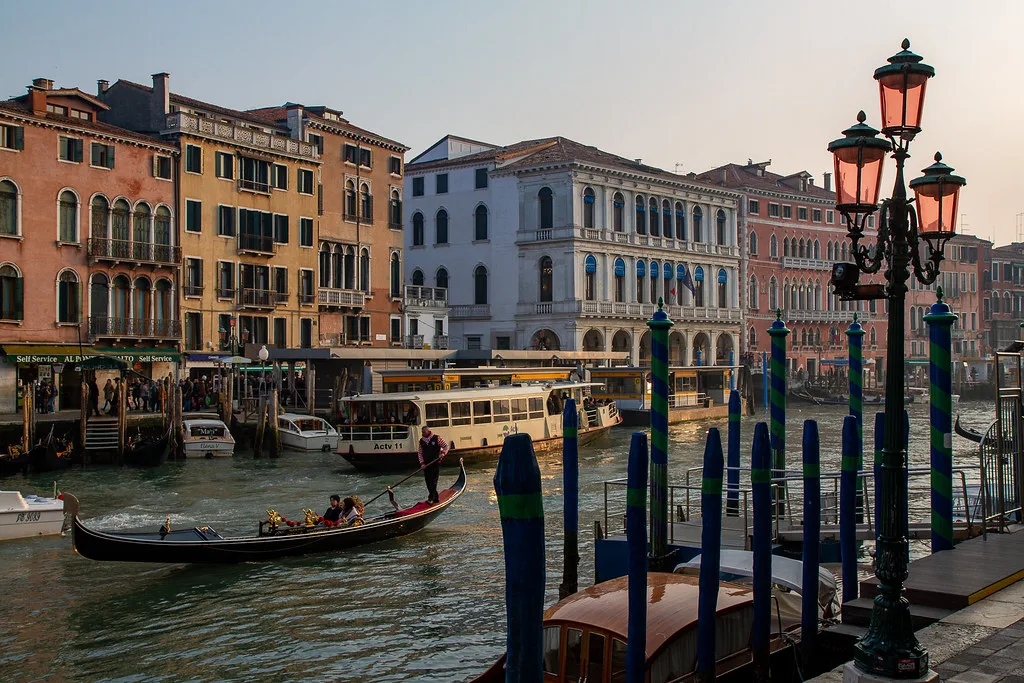
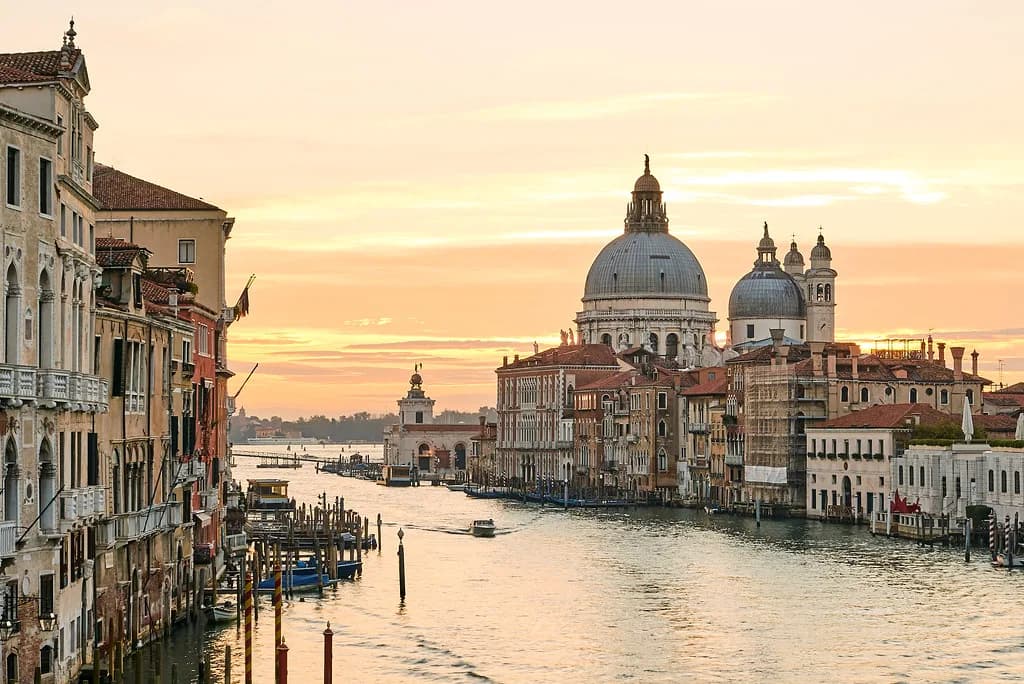
Venice in February has two personalities. Outside Carnival it is cold, quiet and often foggy, with the basilica, Doge's Palace and Rialto far calmer than in summer. During Carnival the city fills with masks, costumes and boats, and hotel rates rise sharply for those weeks; Untold Italy flags the Carnival period as the one time Venice stops being uncrowded. Check the Carnival dates before booking, because the two versions barely resemble each other.
The south and the islands: Naples, Sicily and Calabria
Naples is the practical southern base. Pompeii and Herculaneum are far more comfortable to walk in February than under summer sun, and the exposed streets of the archaeological parks reward the cooler hours. The city itself is louder and grittier than the postcard south, but it works as a hub for the ruins, the bay and the islands.
Calabria in February is quiet to the point of emptiness, which some travellers love and others find limiting. Tropea and the Tyrrhenian coast run on reduced winter service, but the upside is empty viewpoints, open countryside and restaurants serving locals rather than tourists. Make your base a town that stays inhabited through winter and you get the coast without the summer machinery.
Sicily deserves its own week. Catania and Palermo stay busy year-round, the Valley of the Temples outside Agrigento is a far more pleasant walk in February than in June, and the interior hill towns such as Erice and the small coastal centres keep their character. On the eastern side, Mount Etna often holds snow at altitude while the coast below is mild, so you can see two seasons in one day.
If your trip stretches back to the start of winter or forward toward spring, Italy in December and March both show how the seasonal rhythm changes at the edges, which is useful when February dates do not fit your schedule.
Snow and the mountains: the Dolomites and the Alps
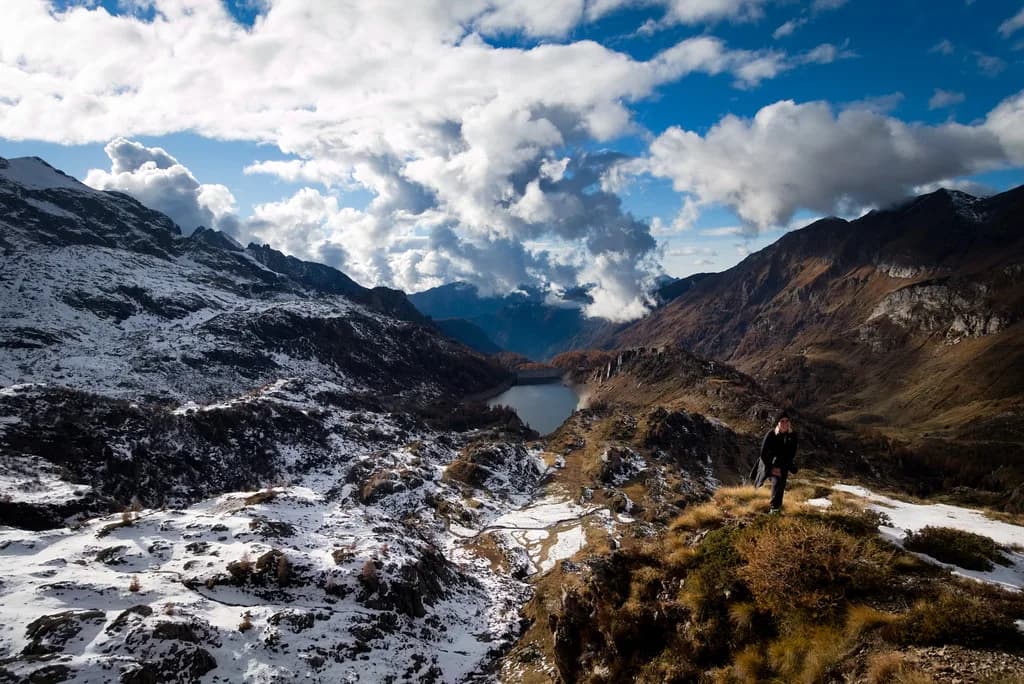
The Dolomites are deep in winter in February, with typical mountain temperatures well below freezing and reliable snow cover on the higher slopes. Untold Italy puts February temperatures in the range that suits skiing rather than walking, and warns that exposed passes can feel much colder when wind picks up. This is not a month for high-level hiking unless you are equipped and experienced.
What makes the Dolomites workable in February even for non-skiers is the valley network. Bolzano is a comfortable town base, and the Dolomiti Superski lift pass and connecting buses let you move between resorts without a car. Winter editions of the wider winter guide explain how the region handles snow, mountain transport and short days, so you can judge whether a valley stay or a city base suits you.
The Aosta Valley on the French border is the quieter alternative to the Dolomites, with Courmayeur under Mont Blanc and a food culture that mixes Alpine and Italian. Standards of accommodation and lift infrastructure are high, and February is peak season for skiing, so book well ahead if the mountains are the point of the trip.
Carnival in February: Venice, Viareggio and Martedì Grasso
Carnival is the defining event of the Italian February, and its dates move with Easter. In 2027, Carnival Tuesday (Martedi Grasso) falls on 9 February and Ash Wednesday on 10 February, which puts the main Venetian weeks in late January and the first days of February. Venice fills with masked revellers, costume balls and public events, and hotel rates rise for the peak weekends.
Viareggio, on the Tuscan coast, runs a very different Carnival built around huge satirical floats and parade weekends rather than masked balls. Untold Italy describes a month-long run of parade Saturdays and Sundays including Fat Thursday and Fat Tuesday, which makes it a viable day trip from Florence, Lucca or Pisa. Check the current programme for the year you travel before booking a specific weekend.
If crowded Piazza San Marco is not your idea of a good time, Venice outside Carnival is one of the best-value city breaks in Italy in February, while Carnival week is the one period when you should book everything in advance and expect to pay for it.
Other February dates: Sant'Agata in Catania and Valentine's Day
Catania's Festival of Saint Agatha, in the first days of February, is one of the largest religious festivals in Italy, with processions that draw pilgrims and visitors into the streets of the city. Untold Italy places it in the first week of February, and it is worth knowing about if your Sicilian itinerary passes through Catania at that time, both for the spectacle and for the crowds it brings.
Valentine's Day on 14 February is a bigger commercial moment in Italy than many visitors expect, with Verona in particular leaning into its Romeo and Juliet association. Expect romantic packages, restaurant set menus and higher demand in Verona and Rome that evening. If you want a quiet dinner instead, book elsewhere or plan a low-key night in a smaller town.
Saint Blaise's feast on 3 February is a smaller, more local date, marked in Milan with the last of the panettone and in some towns with the blessing of the throat. It is the kind of festival you stumble into rather than travel for, but it gives February a distinctive calendar of its own beyond Carnival.
What closes or slows down in winter
Winter closures in Italy are regional rather than national. Museums, major churches and archaeological sites generally keep regular hours through February, while coastal businesses, seasonal hotels and some rural restaurants trim their calendars. Untold Italy warns that some businesses and restaurants close over winter, especially along the coasts and lakes, so plan a base that stays alive year-round rather than a resort that empties in November.
The Amalfi Coast is the clearest case. Summer ferries and beach clubs operate seasonally, and many coastal hotels shut for the winter, so February is for scenery, walks and the open towns rather than boat-hopping. If the Amalfi Coast is on your list, Amalfi in February sets out what actually runs.
In the north, mountain lifts, cable cars and high passes operate on winter schedules, which mostly means weather-dependent opening on the day. Check the lift operator's own snow and opening report the morning you plan to go up, because wind and visibility close upper stations at short notice.
Things to do when it rains
Italy's best rainy-day answer is its museums, and February is the month to use them properly. The Vatican Museums, the Uffizi, the Accademia and the archaeology museums of Naples are all indoor and all quieter than in spring. Pair one with a long lunch and the day is saved without any heroics.
City churches and covered markets fill the rest of the time. Bologna's porticoes keep you dry for whole stretches of the centre, Turin's arcades do the same, and Palermo's markets are as good in the rain as out of it. In the south, thermal baths and spa towns give you a warm indoor option when the weather turns, and the winter things to do in Italy in winter guide covers the indoor side of the season in more depth.
Snow is not only a mountain story. Inland hill towns in Tuscany, Umbria and Le Marche see occasional snow, and the higher villages can look transformed for a day or two. If you are deciding between a city break and a hill-town stay, does it snow in Italy answers where snow is likely and when.
Food and wine in February
February is a good month to eat in Italy because the cooking is at its most regional. Winter dishes such as polenta in the north, ribollita and hearty soups in Tuscany, and pasta with sardines or cauliflower in Sicily are all at their best. Truffles are mostly a late-autumn and winter story, and some areas still have white or black truffle dishes on menus early in the year.
Carnival brings its own food. Venetian bacari serve cicchetti through the festival weeks, and the fried pastries and sweets of Carnival appear across the country in the run-up to Ash Wednesday. Viareggio and Venice are the obvious places to eat your way through the festival, but the smaller towns often do it better and with fewer people.
For a food-first trip, use Bologna or Parma as a base and take day trips into Emilia-Romagna, where the winter menu is at its richest. Florence works well for a mix of art and food in the same short trip, and Rome rewards anyone who eats in the neighbourhood trattorias rather than the piazza restaurants.
Day trips that work in winter
February's short days favour day trips with a single strong anchor rather than a long loop. From Rome, Ostia Antica, Tivoli and Orvieto all work as manageable outings; from Florence, Lucca, Pisa and Siena are easy by train; from Naples, Pompeii and Herculaneum are short rides on the Circumvesuviana. Keep the return before dark and you avoid the coldest, emptiest part of the day.
From Venice, Padua, Verona and Vicenza are all quick train hops and give you a full day of churches, squares and food without the Carnival crush. From Milan, Bergamo, Brescia and Lake Como are workable in February, though lake boats run reduced winter schedules. In the north, if the lakes are your interest, lake como in February explains how the boats and towns function in the cold months.
In Sicily, day trips tend to be archaeological or scenic. The Valley of the Temples outside Agrigento, Segesta, Selinunte and the hill towns above Palermo all suit a February pace, when you can walk a large site without heat exhaustion. Train services are slower than in the north, so keep the itinerary short and stay overnight if the site is far.
Crowds, prices and daylight: the trade-offs
February outside Carnival is one of the least crowded months in Italy. Museums are calmer, restaurants have room and the major cities can be seen at a human pace. Untold Italy calls February a low-season month, with the main exception of Venice during Carnival and Catania during Sant'Agata, when crowds briefly spike.
Prices follow the crowds, but not evenly. City hotels and flights are generally softer than in spring, while ski resorts in the Dolomites and Aosta Valley are in peak winter season and charge accordingly. Carnival weeks in Venice are the sharpest swing, with hotel rates rising well above the winter norm for those dates.
Daylight is the quiet cost. February days are still short, especially in the north, and the light fades early enough that an afternoon plan should end with something indoors or near your base. Build the day around one outdoor anchor and one indoor one, and you will rarely be caught out by darkness or rain.
Who February suits and who should wait
February suits city travellers, museum-goers, food people and anyone who wants Italy without queueing. It suits skiers heading for the Dolomites and Aosta Valley, Carnival-goers prepared for the crowds, and travellers who prefer mild Sicilian afternoons to summer heat. It also suits slow travellers who want a base, a few good restaurants and no rush.
Wait for another month if you want beaches, warm water, long evenings or reliable coastal ferries. The Amalfi Coast, Cinque Terre and the smaller islands are at their least convenient in February, and beach clubs and summer boat services are out of season. Families with small children may also prefer later spring, when the weather is more forgiving.
For the shoulder months either side, Italy in January and Italy in March show what changes: January is colder and quieter, while March brings longer days, Holy Week in 2027 and the first signs of spring. February sits between them as the month of Carnival, low prices and short, clear days.
Plan Your Trip
Pick the region before you pick the dates. If you want mild afternoons and open archaeological sites, head south to Naples, Sicily or Calabria. If you want snow, mountains and winter food, base yourself in the Dolomites or the Aosta Valley. If you want cities and museums without crowds, Rome, Florence and Venice deliver in February, with the one warning that Carnival week changes everything in Venice.
Book around the fixed anchors: Carnival Tuesday on 9 February 2027, Sant'Agata in the first days of February and Valentine's Day on 14 February. Outside those windows, February is one of the easiest months to plan Italy loosely, with rooms available and major sights walkable. Keep one indoor plan per day, watch the clock, and the short days stop being a problem.
Explore more Italy winter guides
Frequently Asked Questions
Is February a good time to visit Italy?
Yes, if your priorities are cities, museums, food and thin crowds. February is low season outside Carnival, so major sights are calmer, hotel rates are generally softer and the weather in the south is mild enough for comfortable walking. The trade-offs are short days, rain in the centre and north, and reduced services on the coasts.
Which part of Italy is warmest in February?
Sicily and the far south are the mildest, with typical February days around 10°C to 16°C in coastal areas, followed by Naples. Rome and Florence are cool but workable, while Venice and the northern cities are the coldest of the major destinations. The mountains are a separate story, with below-freezing temperatures and snow.
Is February a good time to visit Venice for Carnival?
Venice during Carnival is spectacular and crowded. Expect masked revellers, costume events and public performances, alongside a sharp rise in hotel rates for the peak weekends. If you want the quieter version of the city, visit Venice outside Carnival week, when the basilica, Doge's Palace and canals are far calmer.
Do restaurants and hotels close in Italy in winter?
Some do, especially along the coasts and lakes. Major cities, museums and year-round towns keep normal service, but seasonal coastal hotels, beach clubs and some rural restaurants trim or stop operations in winter. Choosing an inhabited town as your base rather than a summer resort avoids most of the problem.
Is February warmer than January in Italy?
Generally yes. February is slightly milder than January across most of Italy, and daylight lengthens as the month progresses. The south warms first, while the north can still deliver cold snaps, fog and snow on the mountains. Treat any long-term average as typical conditions rather than a forecast.
What should I avoid in Italy in February?
Avoid planning a beach or island-hopping trip around February, since summer boats and beach clubs are out of season and the water is cold. Skip exposed ruins in the late afternoon when the light fades and temperatures drop. And if crowds bother you, plan around Carnival in Venice and the first days of February in Catania.
Sources
Winter travel notes
Optional updates when we add or revise winter guides.
You might also like
Continue reading
More guides you'll find useful