Amalfi in February: Weather, What's Open and Who Should Go
February on the Amalfi Coast brings quiet lanes, mild but rainy days and many closed hotels. See typical conditions and decide whether to go now.
On this page
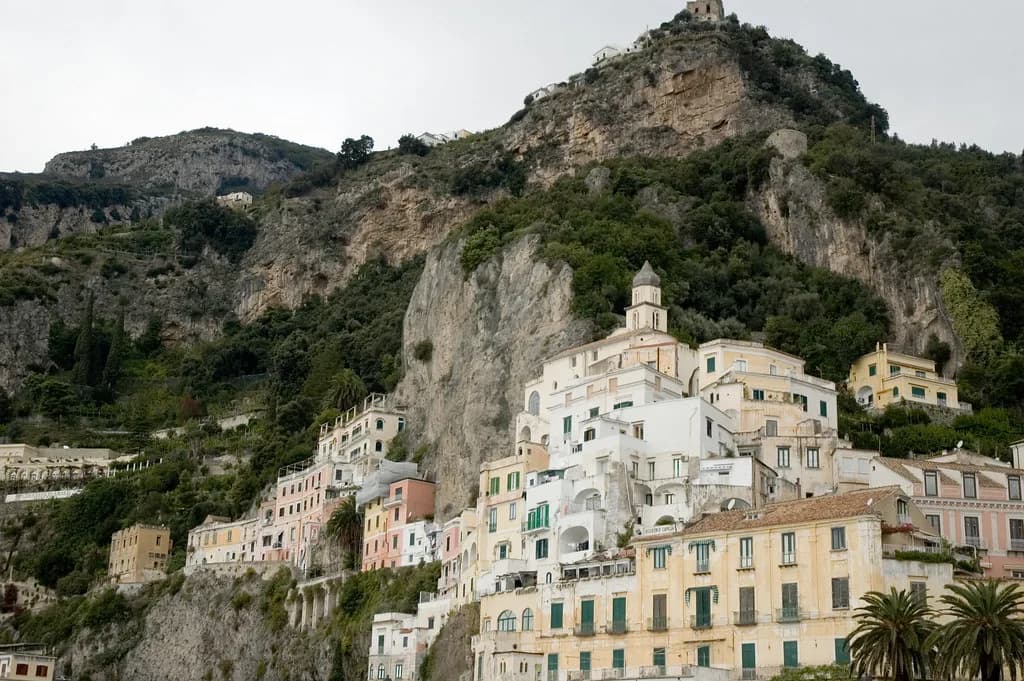
February is when Amalfi looks like a working Campanian town again rather than a summer resort: the seafront promenade is almost empty, the lemon terraces above the coast are quiet, and the light on the Tyrrhenian Sea is sharp and changeable. It suits travelers who want the Duomo, the paper mills and the cliffside walks without jostling, and who accept that a wet day is part of the deal.
It is a poor fit for anyone who pictures long lunches on a Positano beach or boat trips to the grottoes. Much of the coast's seasonal hospitality goes into hibernation, ferry services shrink, and the weather can swing from bright mild afternoons to cold rain within a day. Plan February as a walking and viewing month, not a swimming one.
Weather in February
Expect mild coastal winter conditions rather than Mediterranean warmth. Daytime highs typically sit in the low teens Celsius, roughly the mid-50s Fahrenheit, and nights drop to single digits Celsius just above freezing in Fahrenheit terms, so a sunny lunchtime walk and a chilly evening happen on the same day. Treat these as long-term typical values, not a forecast, and check the monthly outlook for Amalfi close to departure.
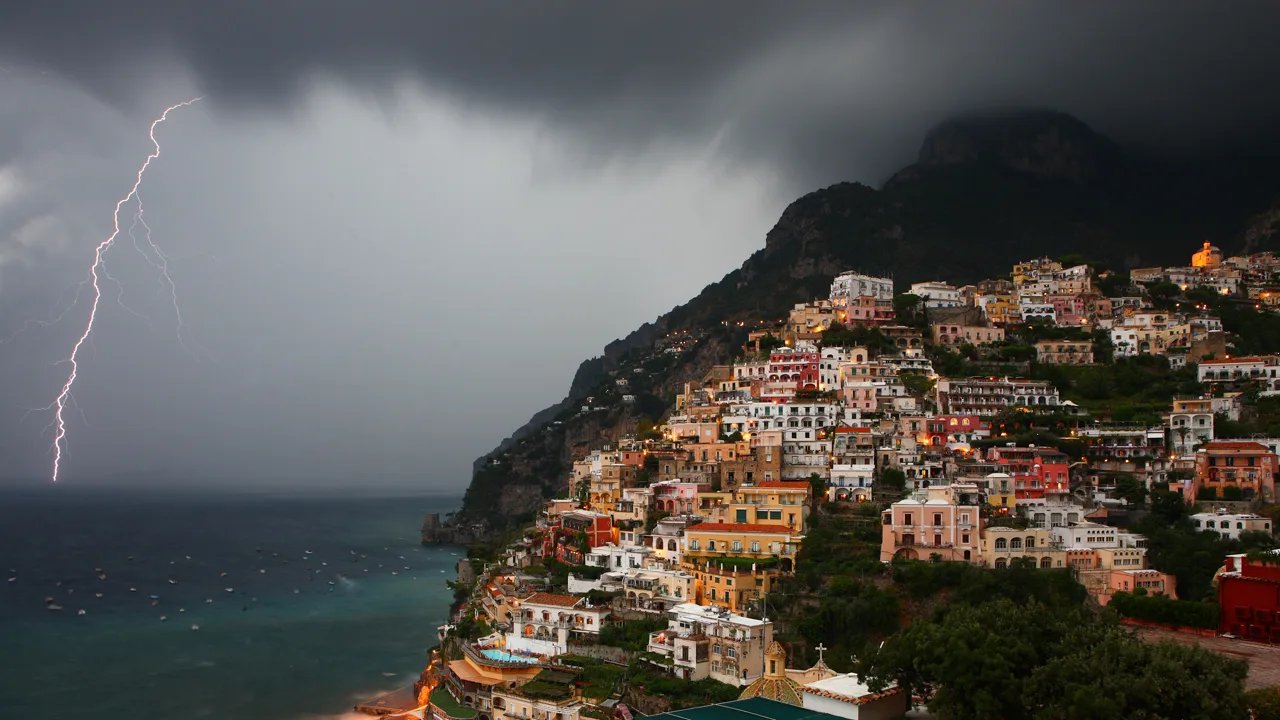
Rain is the variable that shapes the trip. February is one of the wetter months on this coast, with spells of steady rain alternating with clear, almost spring-like days; forum reports from past winters describe sleet and cold rain alongside sunny afternoons in the high teens Celsius. Build at least one indoor fallback into every two days on the coast.
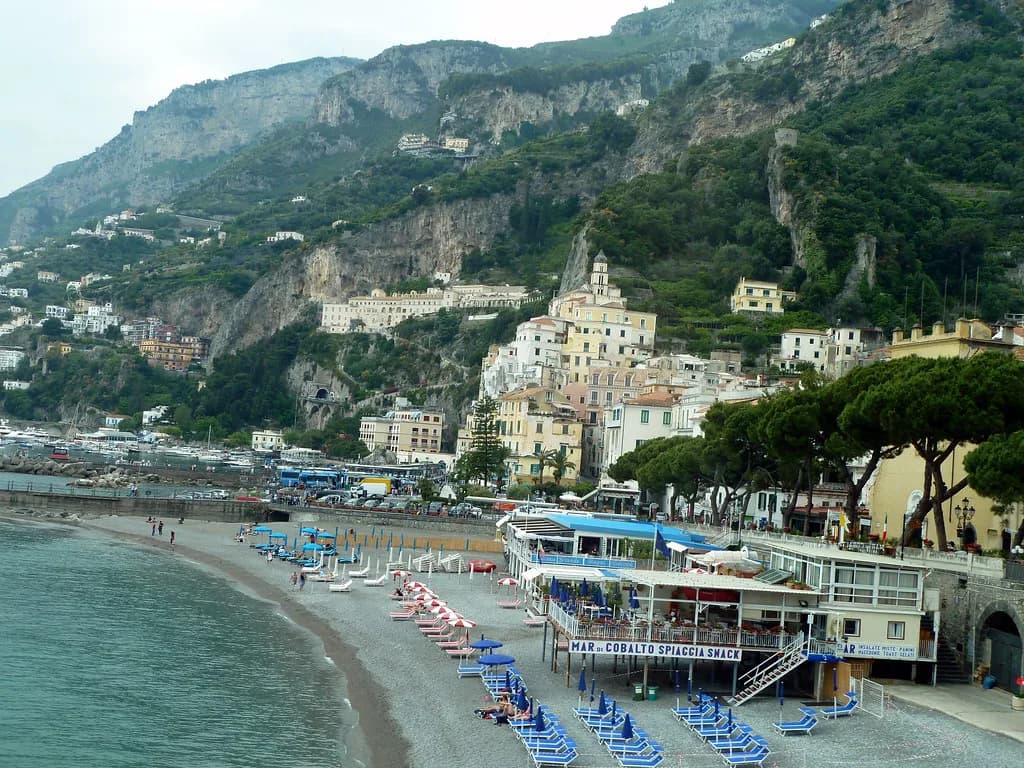
Daylight is still limited: the coast sits roughly 41 degrees north, so mid-February gives you about ten and a half hours between sunrise and sunset, with darkness arriving before dinner. Sunshine hours are modest compared with spring, which matters if you want photographs of the terraces or a walk between villages. The sea off Amalfi stays cold through February, well below comfortable swimming temperature, and beach clubs are not operating.
How February Differs From Summer
The biggest change is what is not running. Many coastal hotels, seasonal restaurants and beach establishments close from around November and reopen in spring, so accommodation and dining choices narrow sharply compared with summer; the upside is low-season rates and no reservation stress. Winter is generally a cheaper, calmer time to book on the coast.
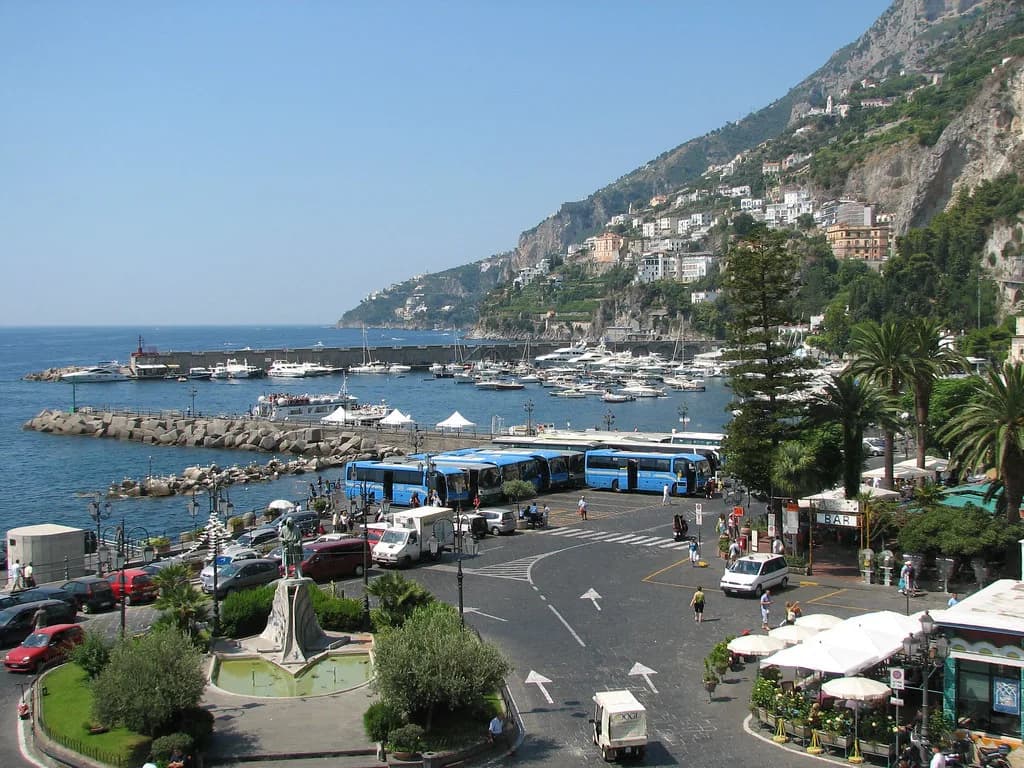
Ferries between Amalfi, Positano, Salerno and Capri are drastically reduced or suspended in winter, and the coastal road becomes the main artery; buses along the SS163 still run but on winter timetables with fewer departures. Amalfi Cathedral, the town's cloister and the main squares stay accessible year-round as public or church spaces, and the town itself keeps living through the low season.
If you want the full shoulder-season version of this trip, with more daylight, better ferry coverage and a wider choice of open hotels, look at Amalfi in March instead. February sits at the deep end of the off-season, which is exactly what makes it quiet and exactly what makes it logistically fiddly.
Things to Do in Amalfi in February
Start with the town itself. The cathedral and its cloister, the paper museum in the old mill valley and the steep stairways between the terraces fill a wet morning comfortably, and the seafront is bracing but walkable between showers. The Amalfi in winter guide lays out which sights hold steady hours outside summer and how to pace the town's vertical streets.
When the sun breaks through, walk the coast path toward Atrani and Ravello's lower slopes, or take the bus up to Ravello for the villa gardens and the views from the belvedere; check villa opening days before you climb, since some gardens run reduced winter hours. Cooking classes, lemon-grove visits and small restaurants that stay open give rainy days a purpose, and low-season rates make longer lunches easy.
For a change of scale, Naples is roughly two hours away by train and bus via Salerno and offers museums, churches and pizza that work in any weather. Pompeii and the Vesuvius area are reachable as a long day trip, though exposed archaeology is punishing in rain; treat it as a fair-weather option. Keep the plan flexible and let the morning sky decide.
Day Trips That Work in Winter
Positano in February is a steep, quiet village with most of its boutiques and beach clubs shuttered; go for the church of Santa Maria Assunta and the views, not for shopping. Ravello rewards a clear day with its villas and terraced gardens, and Salerno, the coast's transport hub, has a lively historic center and a seafront promenade that stays active through winter.
Naples is the strongest rainy-day option: the Museo Archeologico Nazionale, the Cappella Sansevero and the city's church interiors can absorb a whole wet day. If you are weighing a longer escape south, Sicily in February offers bigger cities and archaeological sites, but it is a flight or a long train from Campania, not a casual day trip from Amalfi.
Ferry timetables are the constraint on any winter day trip: confirm sailings before relying on a boat, and plan the Salerno connection by bus or car as the default. Amalfi in January has even shorter days and the same thin transport, which makes February the marginally more practical deep-winter month.
What Is On in February
Carnival season falls in February, with Carnival Tuesday on 9 February 2027 and Ash Wednesday the next day, a calendar fact that shapes the week across Catholic Italy. Amalfi and the smaller coastal towns do not publish a large Carnival programme of their own, so check local town hall notices if you want to join a procession or a children's parade rather than assume one.
Further afield, Carnevale celebrations in bigger Italian cities give February a festive edge, and Italy in February covers where the season's events cluster and how they affect travel dates. Epiphany on 6 January 2027 falls before the month but marks the end of the Christmas period, so early-February visitors find the coast already stripped back to its winter routine.
Crowds, Prices and Short Days
Crowds are essentially absent outside Carnival weekend, and prices follow: many hotels and restaurants charge low-season rates, and you can often book late. The trade-off is choice, since a large share of seasonal businesses close entirely and the ones that stay open may run reduced menus and hours. In 6 reasons to visit the Amalfi Coast in the winter off-season you'll see how the quiet months change the cost and character of a stay.
Short days and rain are the real costs. A February itinerary needs early starts for day trips, indoor plans for wet afternoons and realistic expectations about boat trips and beach time. Travelers who want long golden evenings and swimming should look at spring; those who want the coast to themselves should accept the weather as the price of admission.
If your dates straddle the season, Amalfi in November and Amalfi in December show the coast in progressively quieter, colder mode, with December bringing festivity and November bringing the last mild weeks. February sits at the quietest point, which is either the whole appeal or the whole problem.
Who a February Trip Suits
February suits walkers, photographers, budget travelers and anyone who prefers a working Italian town to a resort. It suits travelers based in Amalfi, Ravello or Salerno who can drive or take buses, and it suits people who treat rain as an excuse for a long lunch and a museum rather than a ruined day.
It does not suit beach seekers, boat-trip planners, families counting on beach clubs, or anyone who needs a wide choice of hotels and restaurants without checking ahead. Couples wanting a romantic summer-coast fantasy should wait for April or May, when ferries return, gardens reopen and the light lasts into the evening.
Walking a Dog in February Amalfi
February daytime temperatures in Amalfi reach about 15 to 19 degrees Celsius, and overnight lows fall to between 1 and 12 degrees Celsius, according to the day-by-day forecast for the month. For a dog, the middle of the day is the warmest part of the walk: on the mildest February days the high touches 19 degrees, while the coldest mornings start at 1 degree and the warmest nights stay near 12. Planning walks around the higher end of that range keeps a small dog comfortable, and the lower figures are a reminder that early mornings and evenings still feel cold.
Rain is the other thing to plan around. February in Amalfi has brought sleet, two days that were cold and rainy, and several days that were sunny with temperatures in the high 60s Fahrenheit, all within one trip, according to a traveler's account of the month. A dog walk that starts dry can turn wet quickly, so a towel and a dry coat are worth carrying on any outing, and the sunny stretches are the best windows for a longer walk.
The off-season works in a dog's favor in one clear way: there are no crowds on the beach in Positano or elsewhere, which is one of the reasons given for visiting the Amalfi Coast in winter. A February beach walk therefore means more room and less jostling than the same walk would involve in summer, and the short February days simply mean starting earlier. Winter also brings savings on Amalfi Coast hotels, which leaves more room in the budget for the practical side of traveling with a dog.
Combined, the numbers point to a simple routine: walk in the milder middle of the day, keep the early and late outings short when lows drop toward 1 degree, and treat the sunny days as the ones for the beach. That is the shape of a February stay in Amalfi with a dog, built from the month's own weather rather than from summer habits.
Plan Your February Visit
Book a base that stays open, plan around the weather rather than against it, and treat transport as the first thing to pin down: ferries and coastal buses dictate what is possible in a short winter day. The Amalfi Coast in February rewards travelers who come for the place itself, not for the summer version of it.
If you want warmer sea, longer days and more open businesses, shift to March or spring; if you want emptiness and low-season rates, February delivers both. Check the forecast and the operator timetables the week you travel and let the coast's quieter rhythm set the pace.
Frequently Asked Questions
What is the weather like in Amalfi in February?
February is mild but unsettled on the Amalfi Coast, with daytime temperatures typically in the low teens Celsius and cold nights, plus regular rain. Sunshine comes in spells rather than full days, and the sea stays too cold for comfortable swimming.
Is February a good time to visit the Amalfi Coast?
It is a good time for quiet walks, photography, low-season rates and seeing Amalfi as a working town. It is a poor time for beach life, boat trips and a wide choice of hotels and restaurants, many of which close for the season.
Is the Amalfi Coast open in February?
The towns and main churches stay accessible, and some hotels and restaurants remain open year-round, but many seasonal businesses shut and ferry services shrink. Confirm your accommodation and transport before booking, since winter coverage varies by town.
How rainy is Amalfi in February?
February is one of the wetter months on this coast, with spells of steady rain mixed with clear, mild days. Plan indoor alternatives such as museums, church interiors and long lunches so a wet day does not derail the trip.
Can you swim in Amalfi in February?
The Tyrrhenian Sea stays cold through February and beach clubs are closed, so swimming is for hardy winter dippers rather than a holiday activity. Most visitors walk the coast and enjoy the views instead.
What is there to do in Amalfi in February when it rains?
The cathedral and cloister, the paper museum and the town's stairways fill a wet morning, and Naples offers museums and churches on a longer day trip. Cooking classes and lemon-grove visits give rainy afternoons a purpose.
Does Carnival happen in Amalfi in February?
Carnival Tuesday falls on 9 February 2027, with Ash Wednesday the next day, but Amalfi and the smaller coastal towns do not publish a large Carnival programme of their own. Check local town hall notices if you want to find a procession or parade.
Sources
Winter travel notes
Optional updates when we add or revise winter guides.
You might also like
Continue reading
More guides you'll find useful