Italy in Winter: Where to Go, What's Open and What to Expect
Italy in winter means quiet northern cities, mild Sicilian sun and snow in the Dolomites. See what each region delivers and who the season suits.
On this page
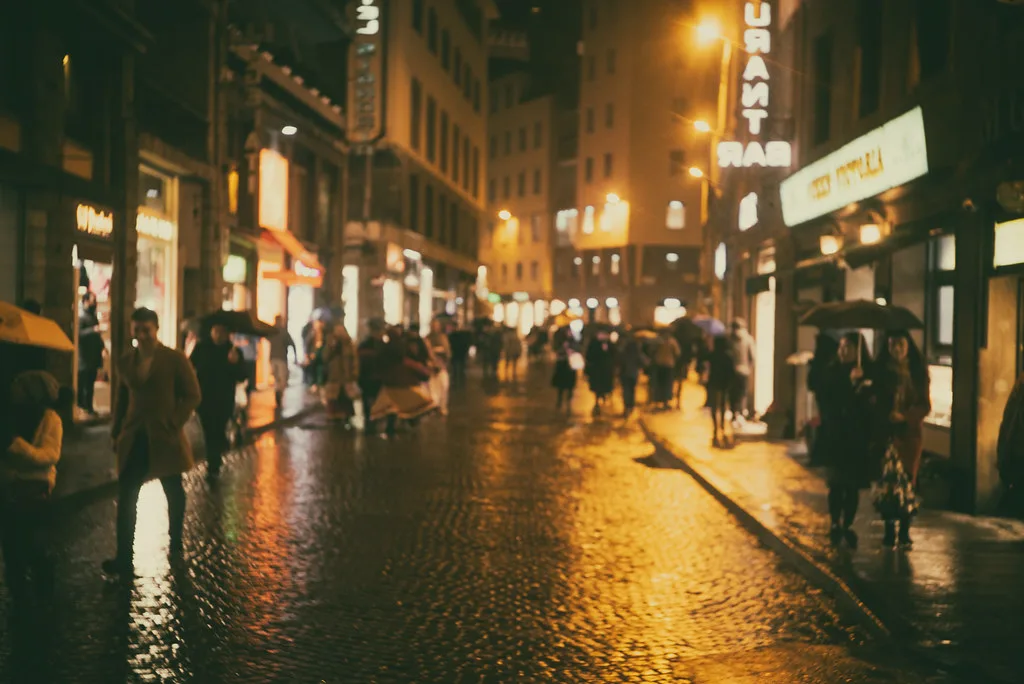
Between November and March, Italy stops being one destination and becomes three. The north turns cold, sometimes foggy and often snowy in the mountains; the center is cool and damp; the south and the islands stay mild enough for coastal walks and outdoor ruins. The band you pick decides almost everything else about the trip, from how you pack to how long the daylight lasts.
What you gain everywhere is space. In winter you can stand in front of the Colosseum or Michelangelo's David without the summer crush, and trattorias feel warmer for the chill outside. What you give up is hours of light and, in the north, whole days to rain.
Weather in winter: regional averages, rain, and daylight
Typical winter conditions fall into three bands. Northern Italy, including Milan, Turin and the Dolomites, averages roughly -1°C to 8°C (30°F to 46°F), with Milan's daytime highs near 8°C (46°F); central Italy, taking in Florence, Rome and Tuscany, runs about 4°C to 13°C (39°F to 55°F); and the south, from Naples to Sicily and Puglia, sits around 8°C to 17°C (46°F to 63°F), with Sicily reaching about 17°C (63°F).
Treat these as long-term averages, not a forecast. The same source describes the center as cool and damp with occasional rain and misty mornings, and the north as cold, crisp, sometimes foggy and often snowy at altitude, while the south stays mild and sunny with cool evenings. Plan for a wet day in Rome or Florence and you will rarely be surprised.
Daylight is the quieter constraint. The shortest days fall around late December, so a city break then means sightseeing in a compressed window and museum time that earns its keep; by early March, evenings stretch enough for a second walk after dinner. Clocks go forward on 28 March 2027, which lands right at the end of the winter season.
Italy in December
December is the atmosphere month. Cities string up lights, the cold sharpens the look of piazzas and stone, and the Christmas market stalls in alpine towns such as Bolzano and Trento draw steady local crowds rather than the summer hordes. Expect the shortest daylight of the season and pack for genuinely cold evenings in the north.
Christmas Day 2026 falls on a Friday, which turns Christmas and New Year into a single long holiday window; book trains and major museums for that stretch early, since Italians travel too. For a fuller read on the month's weather and what is on, see the Italy in December planning notes, where the holiday period and the quieter days after Epiphany are set out in detail.
If you want thermal water rather than another museum, Tuscany's hot springs stay appealing in the cold: Saturnia's cascading pools and the tucked-away soak at Bagni San Filippo are both outdoor winter stops, best done in the middle of the day when the light holds.
Italy in January
January is the quietest and cheapest-feeling month of the Italian winter, with the holiday crowds gone and hotel rates softer than in December. It is also the coldest, and the north can sit under fog or frost for days while the south offers crisp, bright afternoons. If your plan is museums, churches and long lunches without queues, this is the month.
One date matters: Epiphany, on Wednesday 6 January 2027, closes the festive season with La Befana traditions and a final public holiday, so the first week still carries some bustle. After that, many coastal towns on the Amalfi Coast and around Lake Como fall into their deep low season, with ferries on reduced winter timetables and some seasonal hotels and restaurants shut for the winter, so check what is running before you build an itinerary around the coast.
Italy in February
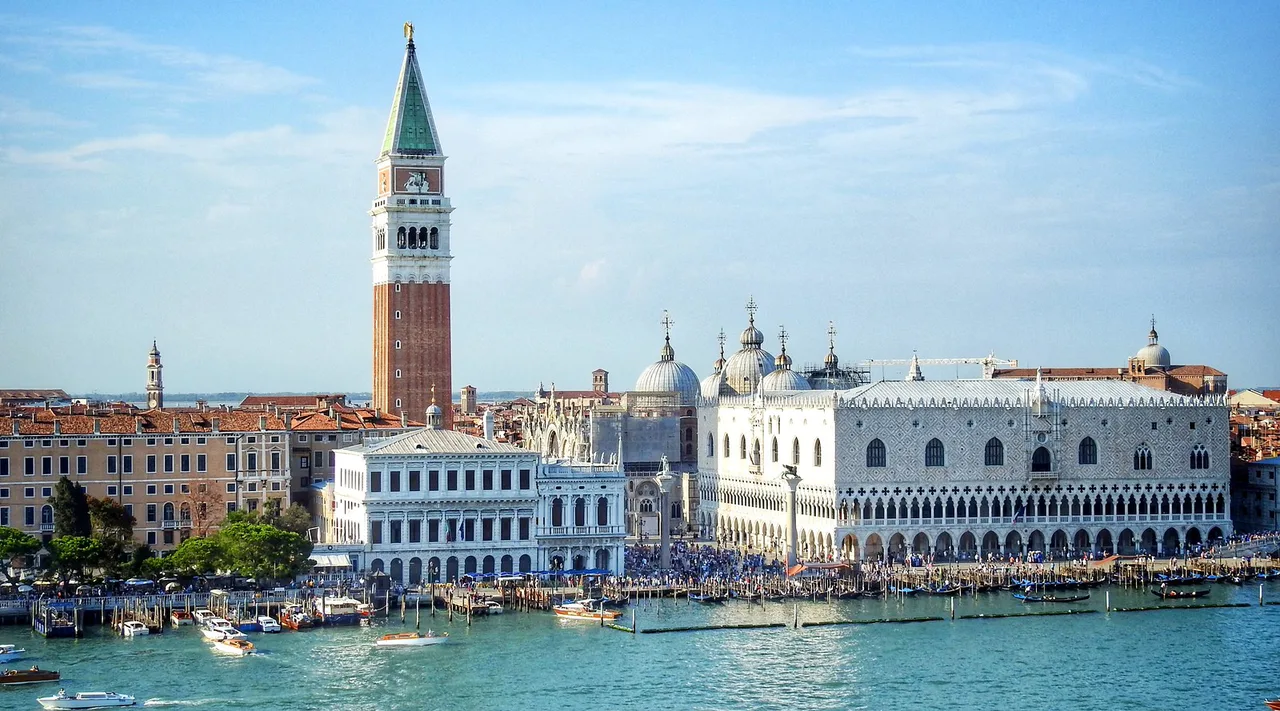
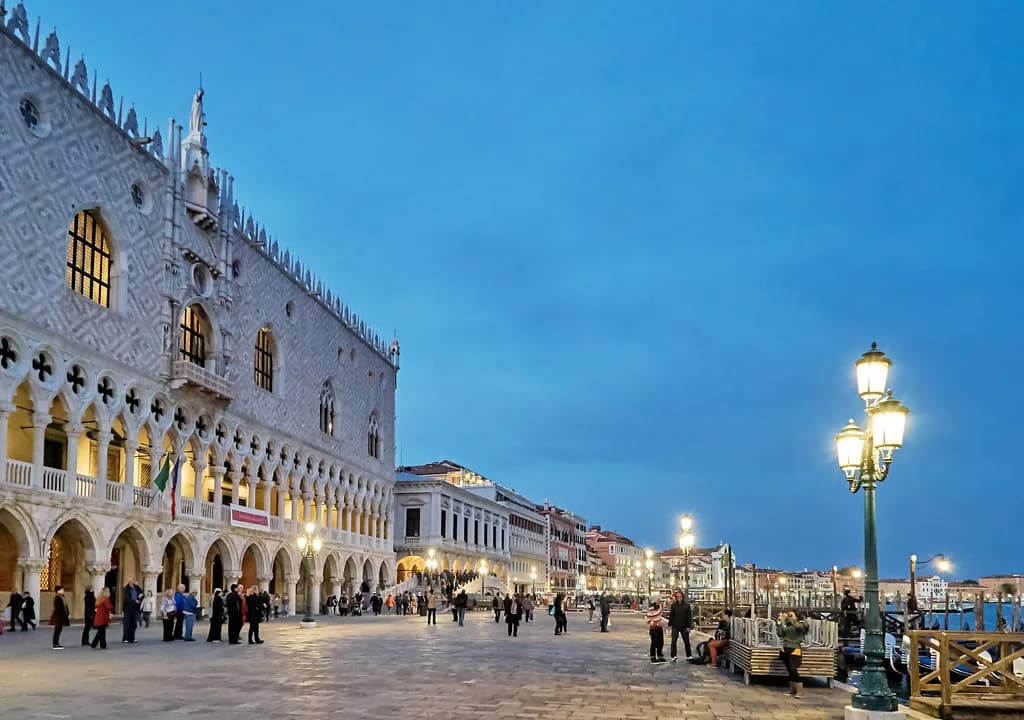
February is the month for Carnival and for the first hint of spring in the south. Carnival Tuesday falls on 9 February 2027, with Ash Wednesday the next day, and Venice fills with masked revellers in the weeks before; the Venice Carnival runs on its own published calendar, so match your dates to the official programme before booking. Elsewhere, February is still cool and damp in the center and cold in the north, but the light returns noticeably.
Italy in March
March 2027 is split down the middle: winter conditions through the first half, then Holy Week running 21 to 28 March, with Easter Sunday on 28 March. That final week brings Italian families onto the move and fills the obvious sights in Rome and Florence, so book timed museum entries well ahead. Earlier in the month, crowds are still modest and the weather is warming without being busy-season warm.
Where in Italy to go in winter: north, centre, south and the islands
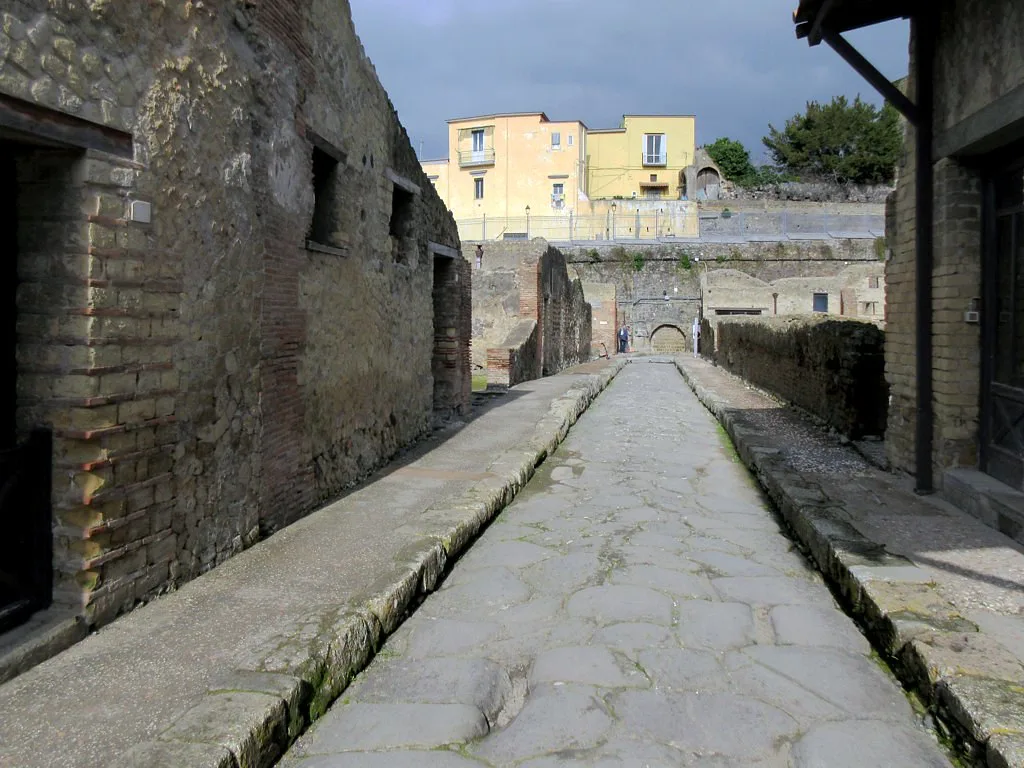
In the north, the cities justify the cold. Turin pairs its arcaded streets with the Museo Egizio, one of the great Egyptian collections, and a polite winter stroll along the river; a Turin in winter plan makes sense for people who want museums and cafés rather than snow. Bologna does the same with food: porticoes keep you dry while you move between trattorias, which is the whole argument for Bologna in winter.
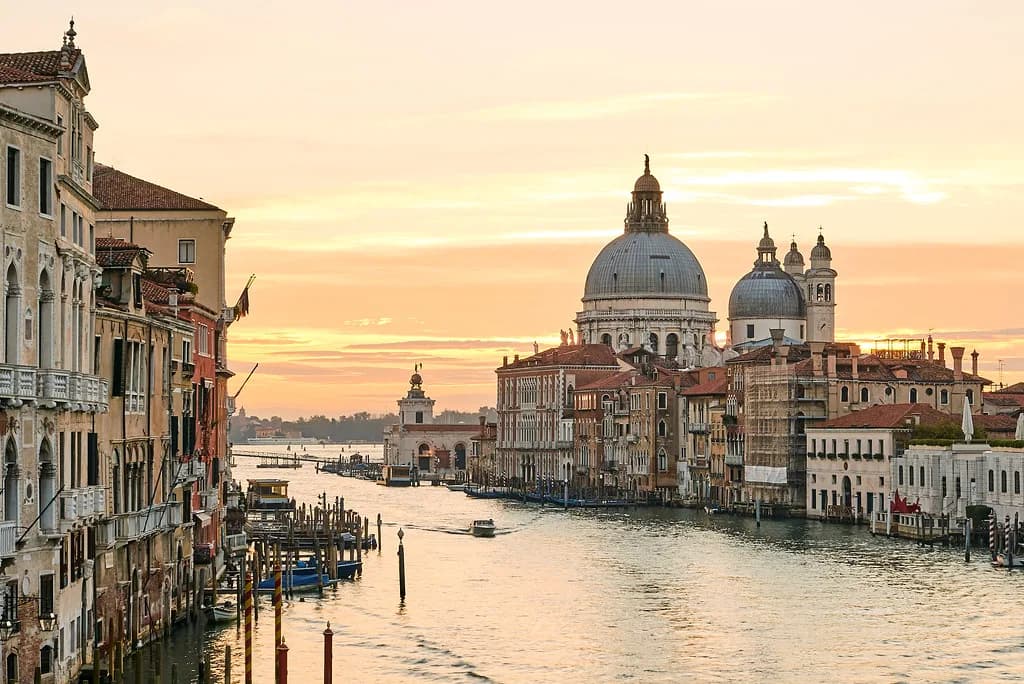
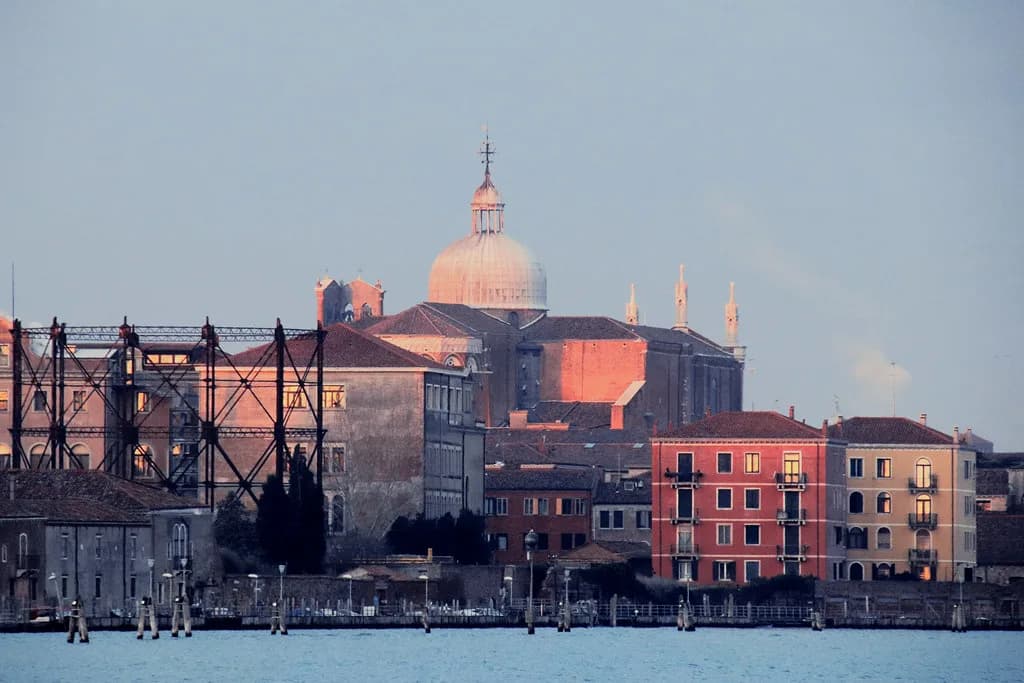
Venice and Verona sit in the same band. Venice in winter is misty, quiet in the mornings and cheaper than in high season, with the vaporetto as your winter transport; Verona in winter trades summer's arena crowds for a walkable center along the Adige River. Genoa, on the Ligurian coast, is a center-north option with a dense Centro storico to explore on rainy days and a milder maritime climate.
In the south and the islands, winter is the reward. Sicily in winter means mild days for the Greek temples at Agrigento and the hill towns, plus Etna's snow-dusted slopes above; Palermo and Taormina work as bases for a relaxed week. For a closer look at the island's east-coast base, see our Taormina winter guide. Sardinia and Puglia deliver quiet coastal walks and cool, bright afternoons rather than beach weather.
The Amalfi Coast is the exception worth flagging: it is beautiful and mostly empty in winter, but boats and seasonal businesses run thin, so this is a trip for walkers and slow travelers rather than anyone wanting boat-hopping between villages. Sorrento, the gateway town at the coast's near end, has the same off-season quiet, which our Sorrento winter guide sets out in full.
Christmas and New Year's Eve: the short holiday window
The holiday window is compressed but intense. Christmas Day 2026 falls on a Friday and New Year's Day 2027 is also a Friday, so Christmas and New Year become a two-week island of closures and celebration. Museums and major sights often keep holiday-day hours on 25 December and 1 January, and restaurants sell out for Christmas Eve and New Year's Eve dinners weeks ahead; book both before you plan anything else.
Rome is at its most theatrical in this window, with Piazza Navona hosting its traditional market and pipe-playing shepherds, and the Vatican's Christmas tree and crib drawing crowds in St Peter's Square. Outside the cities, alpine markets in South Tyrol stay open until just before Christmas. Crowds in Rome spike around the holiday itself, so aim for early January if you want the decorations without the crush.
What is open in winter: museums, ferries and mountain transport
The big city museums run through winter but with their own quirks. The Vatican Museums close on most Sundays and are open and free on the last Sunday of each month, which draws heavy crowds, so book a weekday morning instead. The Uffizi and the Accademia in Florence have long queues all year, and afternoon slots are the calmer choice.
Mountain transport and cable cars follow winter operating patterns for the ski season, but alpine lifts are weather-dependent, so check the lift company's daily status the morning you plan to ride up; a clouded-in summit is a wasted ticket. Ferry services to the islands and along the coast thin out in winter, so route your coastal days around whatever timetable is running instead of counting on a summer schedule.
Things to do in winter: cities, museums, food and thermal baths
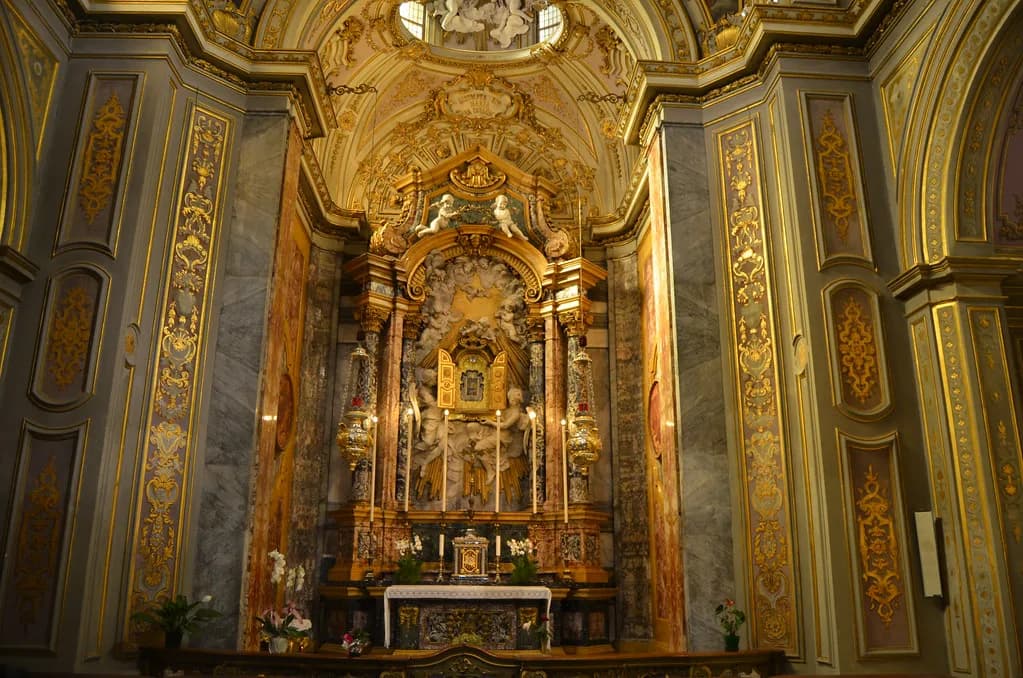
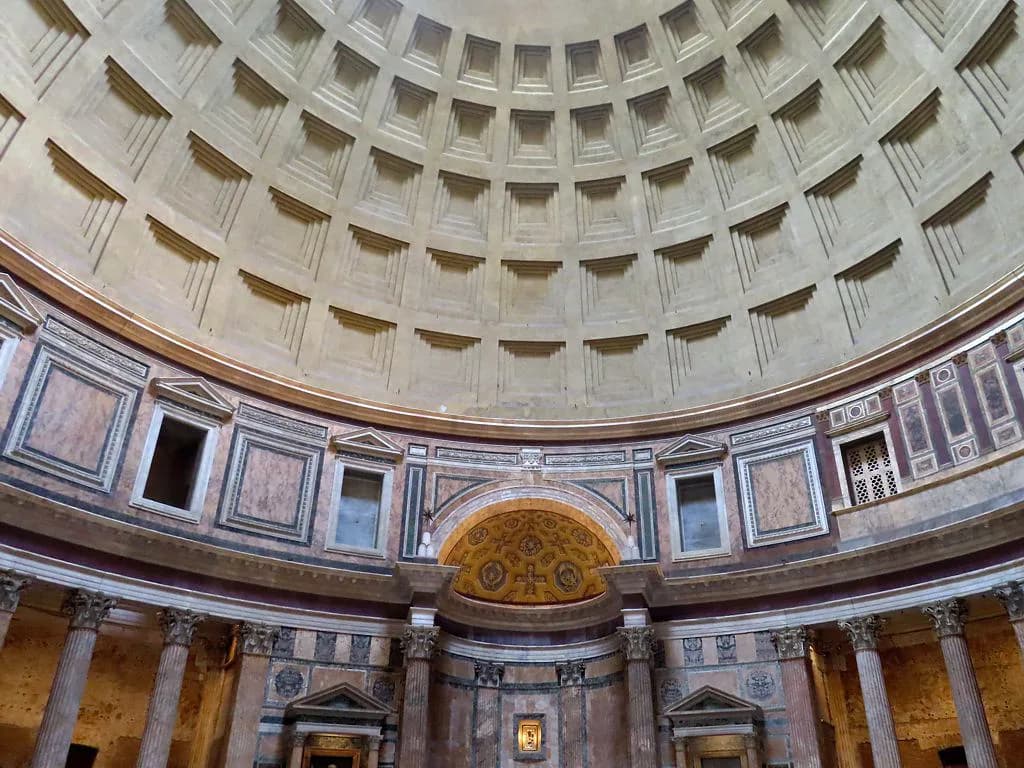
Winter rewards indoor ambition. The Colosseum, the Roman Forum and the Pantheon can be seen in a single unhurried day without summer heat; in Florence, the Uffizi and the Accademia are winter venues now, not just summer ones. The Vatican's Sistine Chapel and St Peter's Basilica feel calmer outside the high season.
Food is the season's other event. Winter is truffle and slow-braised ragù time, with Tuscan ribollita and Bistecca alla Fiorentina best in the cold months, Roman artichokes in season, and truffles shaved over pasta in Umbria. Wine tasting in Tuscany is especially pleasant when the tasting room has a fire on and Chianti Classico and Brunello are poured alongside local cheese.
Thermal baths round out the indoors-outdoors appeal. Saturnia's cascading pools and Bagni San Filippo in Tuscany, plus thermal sites in Lombardy and Sicily, give you somewhere warm to sit when the weather turns. Book the more popular ones for early morning or late afternoon, when day-trippers thin out.
For city time, the Colosseum, the Vatican and the Uffizi are obvious; the less-obvious winter pleasure is simply a long lunch and a second museum in the same afternoon. The short days make that rhythm work better than ambitious sightseeing schedules.
Snow and the mountains, in brief
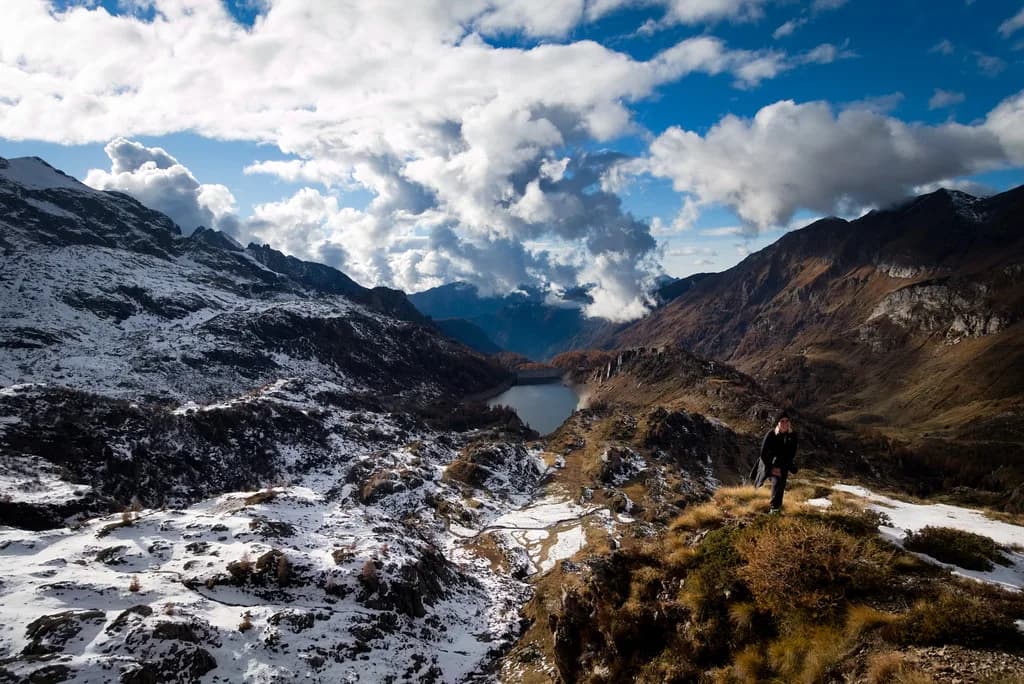
Snow is a feature of the Alps and the Dolomites, not of Italy as a whole. In ski towns such as Livigno and Bormio it often snows from late November to the end of March, and Cortina d'Ampezzo has around 120 km of skiable terrain; Courmayeur and the Aosta Valley sit below Mont Blanc. If snow is the point of the trip, those are the places to aim for, but they are a mountain holiday, not a city break.
For everyone else, snow matters as scenery: the Dolomites dusted above Bolzano and Trento, Etna white above Taormina, and the Alps visible from Turin on clear days. Treat the mountains as a day out from a city base rather than a separate trip.
Day trips that work in winter
The reliable winter day trips are short and indoors-friendly. Pisa from Florence is a half-day train ride with the Leaning Tower, Duomo and Baptistry clustered on one piazza; Pompeii from Naples works when you dress for wind and take the train early; and Bologna to Florence is easy by rail for a food-focused day. Keep the train as your backbone: it moves you between city centers, avoiding traffic and winter road conditions.
Getting around Italy in winter
Trains are the winter workhorse between Rome, Florence, Bologna, Venice and Pisa, keeping you dry and warm between station and hotel. Public transport in cities is reliable but crowded at rush hour, and winter luggage means hauling bags up stairs on the metro or a vaporetto, so pack lighter than you would in summer. The main risk in winter is the day you plan around a single timed long-distance connection that a weather delay can undo.
Crowds, prices and short days: the trade-offs
The honest verdict: winter in Italy trades light and certainty for space and lower rates. Cities are uncrowded outside the Christmas and New Year window and the Carnevale weekends, museums are quieter, and hotel rates fall well below summer levels in most places. Against that, the north can be damp and dim, the days are short, and some coastal businesses scale back heavily.
The other cost is planning overhead. Winter timetables, reduced ferry services and holiday closures mean you need to check what is running before you build a day around it. Do that once for the whole trip and it is manageable; skip it and you will hit a closed restaurant or a suspended boat route.
Who a winter trip suits, and who should pick another month
Winter suits museum-goers, food travelers and anyone who values quiet over warmth. It suits couples who want Venice mist and Rome's lights and can live with a short day, and it suits travelers heading to Sicily or Puglia who want mild days and open ruins. It also suits a city-hopping rail trip on a lower budget.
Choose another month if you want beach weather, boat trips along the coast or long outdoor days in the north, or if the Amalfi Coast's summer rhythm is the point of the trip. April to June and September to early October give you warmth and more light; winter gives you Italy at a calmer pace, but only for the right itinerary.
Plan Your Winter Italy Trip
Start with the band. Snow and cold cities in the north, damp museum days in the center, or mild temples and coastline in the south. December is for lights, January for quiet, February for Carnival and March for the first warm afternoons.
Then lock the dates around the calendar: Christmas Day, New Year's Day, Epiphany on 6 January, Carnival Tuesday on 9 February and Holy Week from 21 to 28 March 2027. Book the long-distance trains and the big museum slots early, and leave the rest of the schedule loose enough for weather.
Explore more Italy winter guides
Frequently Asked Questions
How cold does Italy get in winter?
It depends on the region. Northern Italy, including Milan and the Dolomites, typically averages -1°C to 8°C (30°F to 46°F), central Italy around 4°C to 13°C (39°F to 55°F), and the south and islands about 8°C to 17°C (46°F to 63°F). These are long-term averages, so expect day-to-day swings.
Is Italy worth visiting in winter?
Yes, for the right itinerary. Cities are quieter, museums and churches are easier to see, and food is at its best in the cold months. The trade-offs are short days, rain in the center and north, and reduced coastal services.
Where is the warmest place in Italy in winter?
Sicily and southern Puglia are generally the mildest, with average highs around 17°C (63°F) in Sicily and cool but bright days along the coast. Coastal walks and the Greek temples at Agrigento are realistic winter activities there.
Does it snow in Italy in winter?
Snow is reliable in the Alps and the Dolomites, where ski towns such as Livigno and Bormio often see snow from late November to end of March. It can fall in northern cities and at higher altitude, but the center and south mostly get rain instead.
What is there to do in Italy in winter?
Museums, churches, food, thermal baths and winter city life. Highlights include the Colosseum and Vatican Museums in Rome, the Uffizi and Accademia in Florence, truffle and ribollita season in Tuscany and Umbria, and outdoor hot springs such as Saturnia and Bagni San Filippo.
Is winter a good time to visit Rome and Florence?
Both are more comfortable and less crowded in winter. Rome is mild enough for all-day walks, and Florence's museum queues are still long, but pre-booking a mid-afternoon Uffizi or Accademia slot solves most of that. Expect rain and short daylight.
When is the worst time to go to Italy?
There is no bad time, but late December and early January, the Carnevale weekends in February and Holy Week in late March are the peak winter windows and bring crowds and higher prices. If you want quiet, aim for mid-January or early March.
Sources
Winter travel notes
Optional updates when we add or revise winter guides.
You might also like
Continue reading
More guides you'll find useful