Turin in Winter: Weather, What's Open and Things to Do
Turin in winter brings cold, damp days, short daylight and thin crowds. Here is the typical weather, what stays open and what suits a November to March trip.
On this page
Turin sits at the foot of the Alps on the Piedmont plain, and winter here is a northern Italian winter: cold, often overcast, sometimes foggy, and far quieter than the summer months. The city is not a winter-sun destination, but it suits travelers who want grand museums, baroque squares, serious food and wine, and few queues.
The season runs long. November and March are milder shoulder weeks with more rain, while December, January and February are the deep winter months when days are shortest and the cold settles in. Choosing a month matters more than choosing the season.
What Turin Is Like in Winter and Who It Suits
Turin's climate is moderately continental, so winters are cold and damp with plenty of cloud, and snow falls at least once a year but rarely settles for long in the center. The Alps ring the city and show white on clear days, which gives even a grey afternoon a dramatic backdrop.
This is a city for indoor travelers. You can spend a wet morning in a world-class museum, a long lunch over Piedmontese food, and an evening at the opera without ever needing good weather. Travelers chasing blue skies and beach weather should look elsewhere in winter.
Weather in December
December is the start of deep winter, with typical daytime highs around 8°C (46°F) and lows near -2°C (28°F). Expect grey skies, damp air and the occasional dusting of snow rather than a reliably white Christmas.
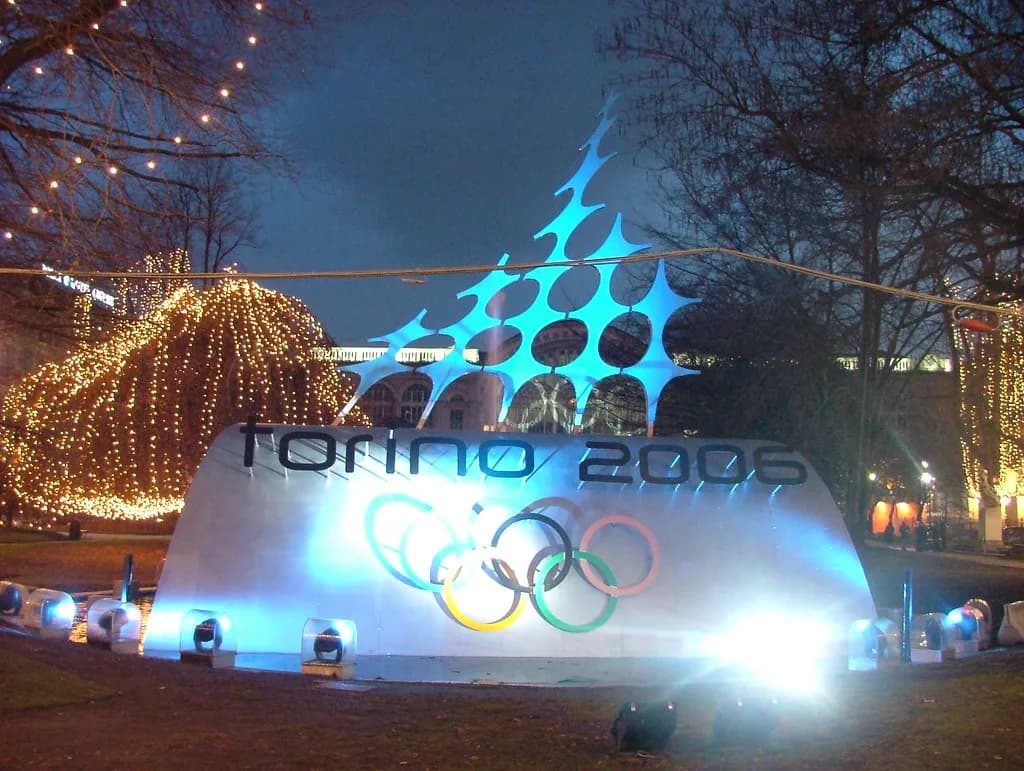
Daylight is at its shortest around the solstice, so plan indoor sights for the afternoon and save any walk along the river or through the parks for the middle of the day. Turin in December also brings the festive season, which the city marks with light installations and holiday events.
Weather in January
January is the coldest and darkest month, with typical highs near 6-7°C (43-45°F) and lows around -2 to -3°C (27-28°F). Humidity is high, cloud cover is common, and fog can sit over the plain for days.
Days are short in January, with roughly nine hours of daylight and sunset in the late afternoon. Structure your day around a museum in the morning, a long lunch, and an early evening aperitivo rather than trying to cover sights after dark.
Weather in February
February stays cold, with typical highs near 9°C (48°F) and lows around -1°C (30°F), but the days lengthen noticeably and the light starts to feel less oppressive. Snow is possible but rarely deep in the city center.
This is a good month for museum-heavy days and for combining the city with a day in the nearby hills or Alps, as long as you accept that the weather can swing. February is also when Carnival falls, though the city's own celebrations are modest compared with Venice or Viareggio.
Weather in November and March
November and March are the shoulder weeks: milder than deep winter but wetter. November typically sees highs near 11°C (52°F) and lows around 2°C (36°F), with rain more likely than snow and the first real chill arriving late in the month.
March is similar or slightly milder, with highs around 13°C (55°F) and lows near 3°C (37°F). Both months reward flexible plans: keep one indoor anchor per day and save outdoor sights for the clearest forecast window.
Snow, Fog and the Föhn Wind
Snow in Turin is occasional rather than reliable, with perhaps a couple of snowy days a year in the center and more in the surrounding villages and hills. When it comes, it transforms the parks and the view toward the Alps, but it rarely lasts long on the streets.
Two weather patterns break the grey monotony. The föhn wind from the Alps can push temperatures up sharply for a day, while occasional cold air from Eastern Europe can bring much harsher snaps. Treat both as exceptions and check a daily forecast rather than packing for extremes.
Daylight and How to Plan a Short Day
The real constraint in a Turin winter is not the cold but the short day. In January, sunrise falls around 8am and sunset around 5:15pm, leaving roughly nine hours of usable daylight.
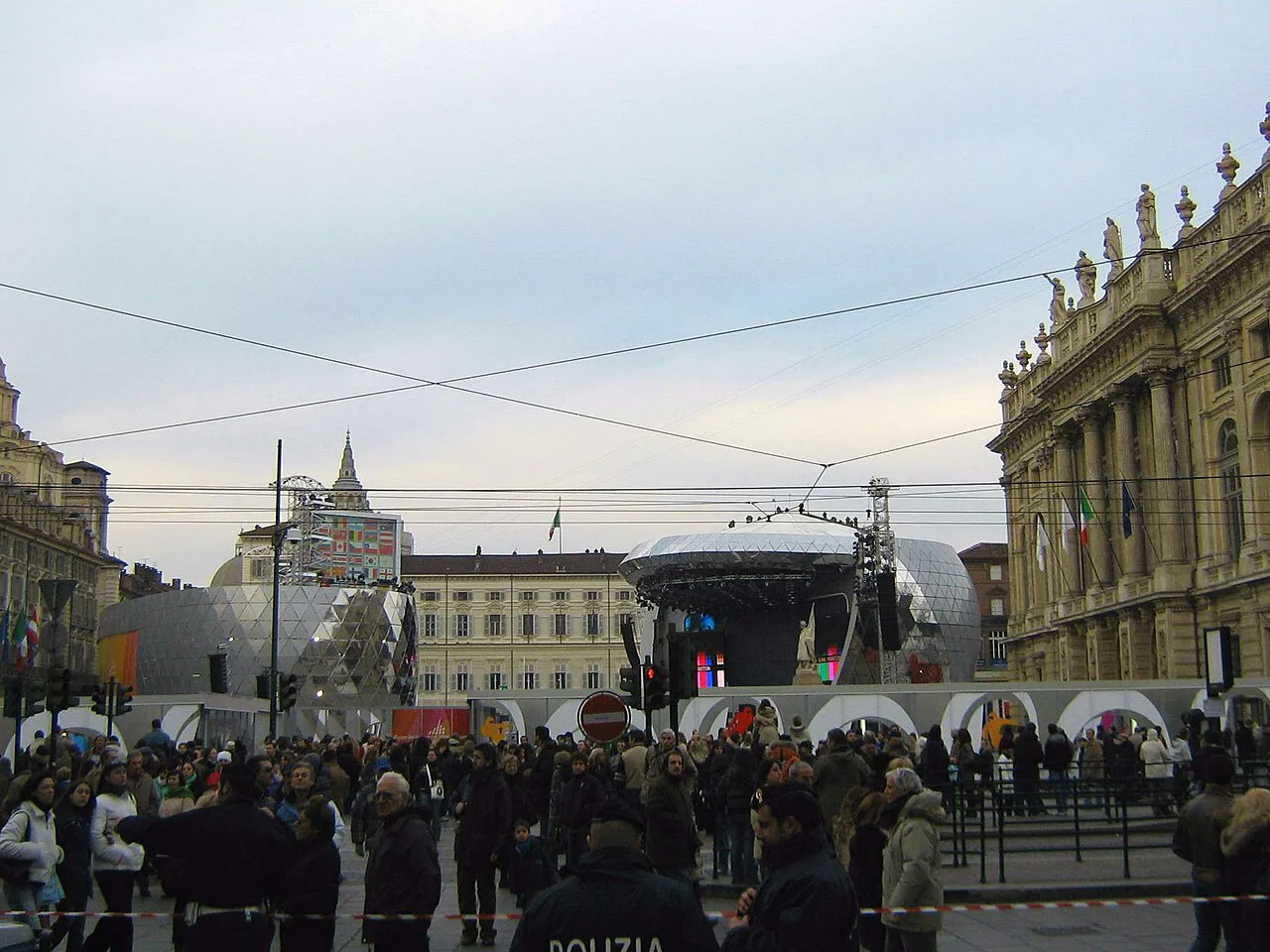
Plan around that: put outdoor sights such as Piazza Castello, Piazza San Carlo and Parco del Valentino in the middle of the day, and reserve the darker afternoons and evenings for museums, cafés and performances. A late lunch is a genuinely good use of the short daylight hours.
What Closes or Slows Down in Winter
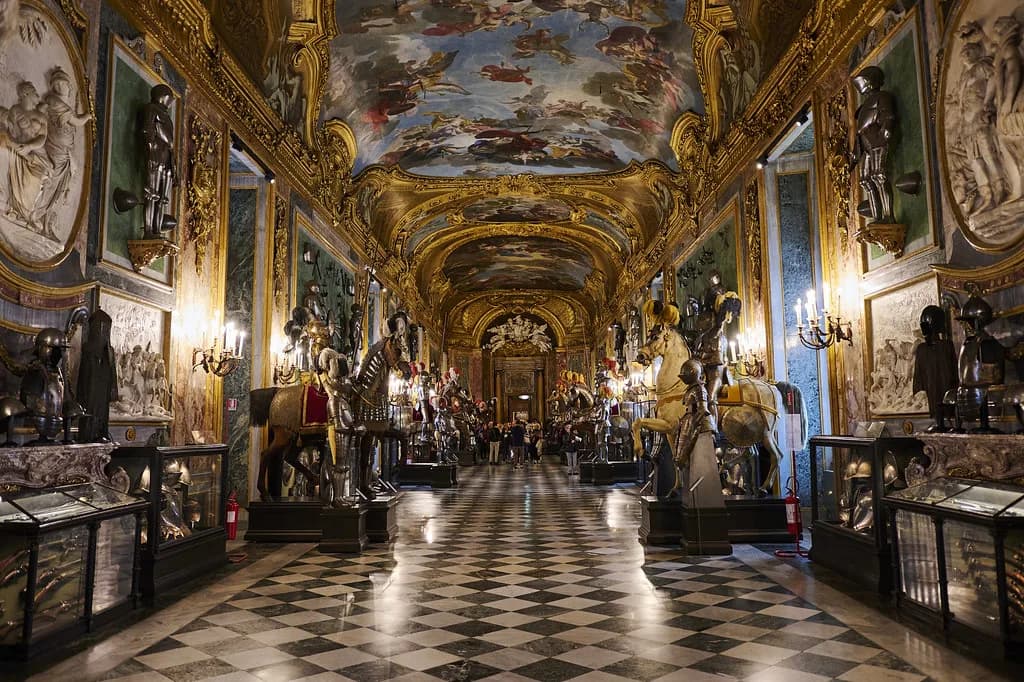
Turin's major sights keep working through the winter, though some gardens and outdoor attractions reduce hours or close seasonally. The Royal Palace of Turin and the Savoy residences are the kind of places where winter schedules differ from summer, so look up the day's timetable before building a day around them.
Restaurants and cafés generally stay open, and the city's historic cafés are at their most appealing in cold weather. Some rural day-trip destinations in the Langhe and the hills slow down, so confirm opening days if you plan to travel outside the city.
What Stays Open Year-Round
The Museo Egizio, the Museo Nazionale dell'Automobile, the Mole Antonelliana with its cinema museum, and the Teatro Regio opera house all operate through the winter, which is why Turin works well as a cold-weather city break. Book Teatro Regio performances ahead, since the season draws local audiences.
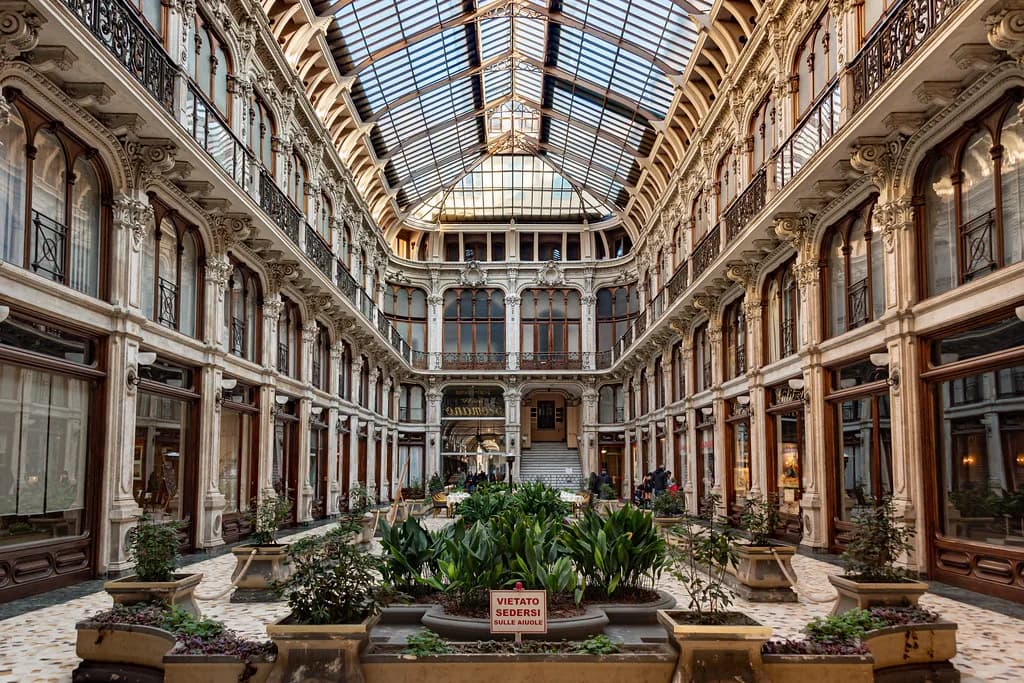
The arcaded streets of the center, the covered markets and the historic cafés give you a way to move around the city without spending hours in the rain. Turin's porticoes are one of its quiet winter advantages.
Things to Do on a Cold, Wet Day
Start with the Museo Egizio, whose collection is among the most important outside Egypt, and follow it with a long Piedmontese lunch. The Museo Nazionale dell'Automobile is another strong wet-day anchor, tracing the history of Italian car design across several floors.
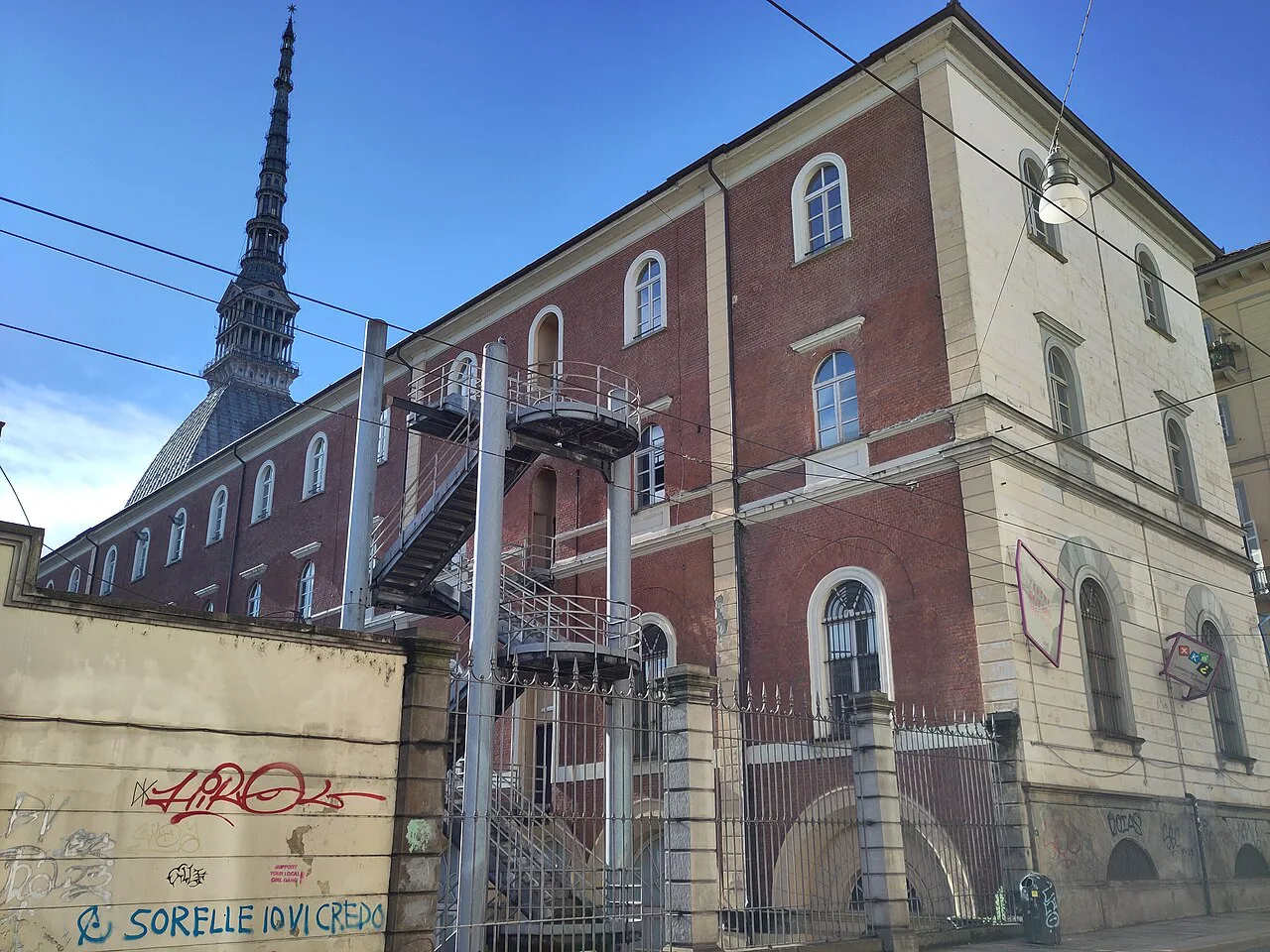
For something different, ride up the Mole Antonelliana for the cinema museum and, on a clear break in the weather, the views over the city and toward the Alps. Evenings suit the Teatro Regio or a slow dinner with a glass of Barolo or Barbaresco.
Things to Do When the Sun Comes Out
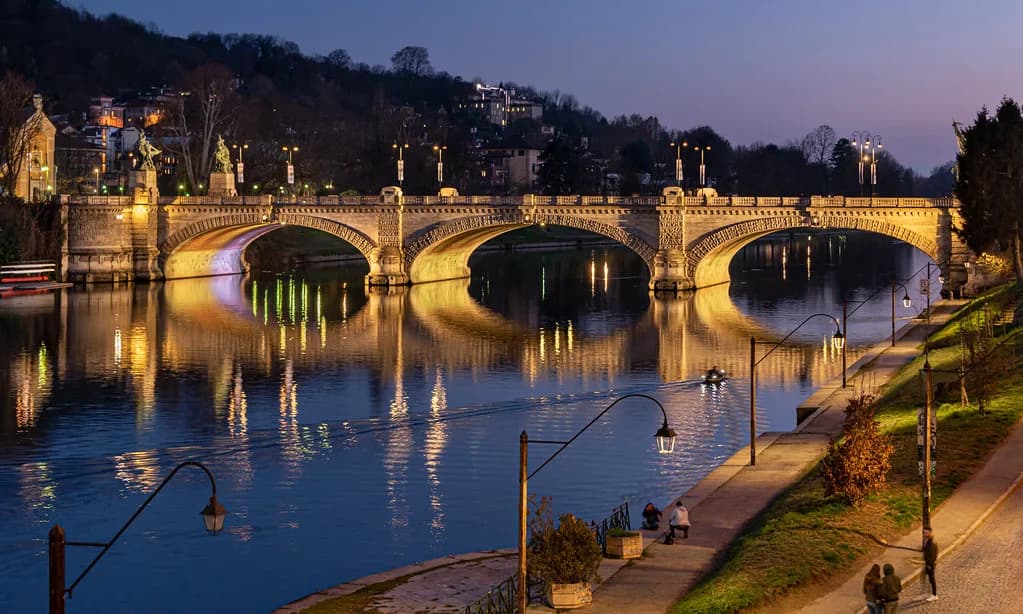
Clear winter days in Turin are the best of the season: sharp light, snow on the Alps, and far fewer people on the streets. Use them for Piazza Castello, Piazza San Carlo, the Royal Palace, and a walk along the Po River or through Parco del Valentino.
The hills around Turin and the Alpine valleys make a realistic day trip when the forecast is good, whether for a walk or a first taste of the mountains. Keep it flexible and treat the Alps as scenery and a bonus rather than the purpose of the trip.
Christmas, New Year and Epiphany in Turin
Christmas Day 2026 falls on a Friday, and New Year's Day 2027 also falls on a Friday. Expect festive lights in the center through December and quiet streets on the holidays themselves, with many restaurants closed or running special menus.
Epiphany on Wednesday 6 January 2027 is a public holiday in Italy, so plan around reduced opening hours that week. The Christmas season winds down after Epiphany and the city returns to its normal winter rhythm.
Winter Food and Drink in Turin
Turin's winter eating is one of its best arguments for visiting now. Look for agnolotti, tajarin, brasato and bollito misto, plus the city's long aperitivo tradition, which works just as well in a warm café in January as on a summer terrace.
Piedmontese wine is the other draw: Barolo, Barbaresco and Nebbiolo suit cold evenings, and the city's enoteche and historic cafés make it easy to taste without traveling to the vineyards. Book popular dinner spots for weekends, when locals fill them.
Day Trips That Work in Winter
Turin's position makes several winter day trips realistic. The Langhe wine villages are quieter and more atmospheric in the off-season, though some restaurants and wineries reduce hours, and the Alpine valleys offer snow and mountain scenery within reach of the city.
For a city alternative, Milan is roughly an hour away by train, which makes it an easy wet-day escape if you want a change of museums and shopping. Check train times and any winter service changes before committing to a day out.
Crowds, Prices and the Trade-Offs
The trade-off in Turin in winter is straightforward: you get small crowds, easier museum access and lower pressure on restaurants, but you pay for it with short days, grey skies and a real chance of rain or fog. This is not a season for long walks or day after day outdoors.
Prices in the city are generally lower in winter than in summer, though holiday weeks around Christmas and New Year are busier and more expensive. Museum and theater ticket desks post their own rates and hours, so rely on those rather than on seasonal assumptions.
Who Should Pick Another Season
Choose spring or autumn instead if you want long walks along the Po, day trips to the hills without weather risk, or a city that feels lively outdoors late into the evening. April to June and September to October are Turin's most comfortable months.
Winter suits museum lovers, food and wine travelers, opera-goers and anyone who prefers a quiet city to a crowded one. Travelers who need sunshine and warmth should look at southern Italy or the coast; for comparison, coastal towns such as Amalfi in winter are mild but largely seasonal.
Plan Your Winter Trip to Turin
Turin in winter rewards planning around daylight and weather rather than fighting them. Pick your month deliberately: December and January for atmosphere and museums, February for longer days, November and March for milder temperatures and fewer crowds.
Build each day around one indoor anchor and one outdoor stretch, keep an eye on the daily forecast, and check current hours with the museums and theaters you want to visit. Then let the city's cafés, food and grand squares do the rest.
Explore more Turin winter guides
Frequently Asked Questions
Is Turin cold in winter?
Yes. Turin has a moderately continental climate with cold, damp winters, and January is typically the coldest and darkest month. Expect many overcast days, fog on the plain and occasional snow that rarely settles for long in the center. The Alps behind the city often hold snow on clear days, which makes even a grey afternoon look dramatic.
How many hours of daylight does Turin get in winter?
In January, sunrise comes around 8am and sunset around 5:15pm, giving roughly nine hours of usable daylight. December days are shorter still, close to the solstice. Plan outdoor sights for the middle of the day and keep museums, long lunches and performances for the darker afternoons and evenings.
What is there to do in Turin in winter?
The city's strength in winter is its indoor life. The Museo Egizio, the Museo Nazionale dell'Automobile, the Mole Antonelliana cinema museum and the Teatro Regio all operate through the season, and the historic cafés and arcaded streets make moving around in bad weather easy. On clear days, use the light for Piazza Castello, Piazza San Carlo and a walk along the Po.
Is Turin worth visiting in January?
January suits travelers who want a quiet city, easy museum access and serious food and wine rather than sunshine. The trade-off is real: short days, frequent cloud and a genuine chance of fog or rain. If you need long outdoor days, spring or autumn is the better choice; if you want atmosphere and thin crowds, January delivers.
Sources
Winter travel notes
Optional updates when we add or revise winter guides.
You might also like
Continue reading
More guides you'll find useful