Does It Snow in Turin? What to Expect in Winter
Turin sits on the Po plain below the Alps, so city snow is occasional while the mountains get reliable cover. See how winter weather works here.
On this page
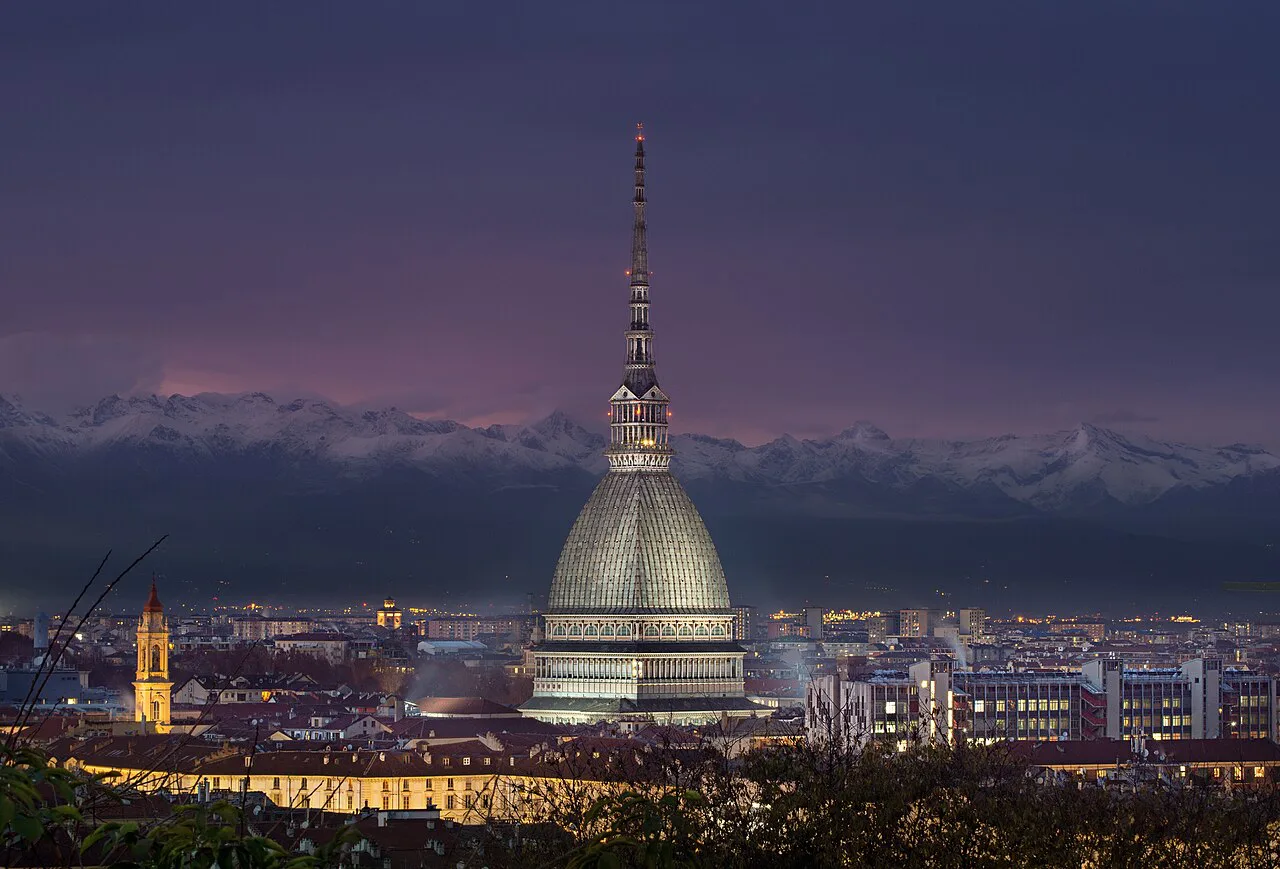
Turin spends winter under a lid of cold, still air on the Po plain, with the Alps standing white along the horizon to the west and north. That view tells you most of what you need to know: the snow is usually up there rather than on the piazzas. A winter trip here suits travelers who want grand museums, covered arcades, cafés and mountain day trips rather than a guaranteed snowy street scene.
If your picture of Turin in winter involves sledding through the center, adjust the plan toward a city-and-mountains combination. December, January and February bring cold days, frequent grey skies and a decent chance of rain, and the ski areas of the Val Susa and Val Chisone are close enough to reach from the city on a day out.
Does It Snow in Turin? The Short Answer
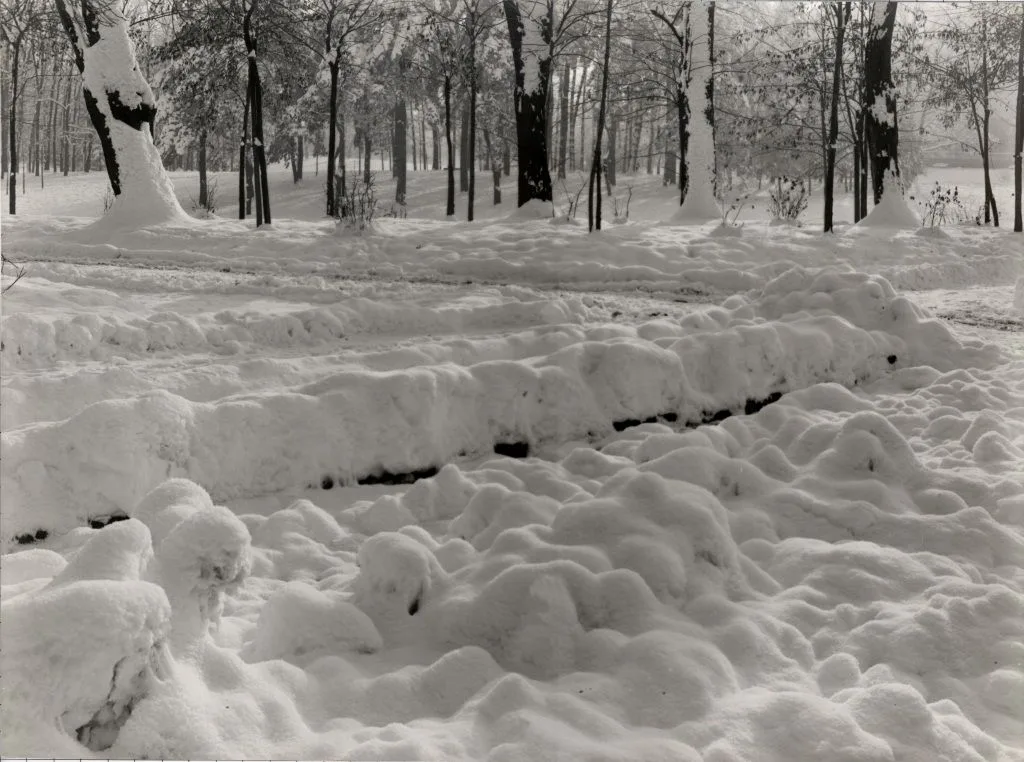
Yes, snow can fall in Turin, but it is an occasional event rather than a fixture of the season. The city sits on flat ground in the Po valley, where winter precipitation often arrives as rain or drizzle and temperatures hover near the freezing mark instead of staying well below it. Residents treat a snowy morning as a novelty worth photographing before the slush takes over.
Settling snow is rarer still. Even when flakes fall over the center, pavement and roads in a busy city warm quickly, and modest accumulations tend to disappear within a day. The practical answer for planning is to expect a cold, often damp city and treat visible snow as a bonus rather than a reason to book.
Turin's Winter Weather Month by Month
The season runs cold from December through February, with average highs usually in single digits Celsius and lows around or just below freezing; US readers can expect daytime temperatures mostly in the 40s Fahrenheit and nights dipping toward the low 30s. January is typically the coldest month, and fog can settle over the plain for days at a time. Treat these as long-term typical conditions rather than a forecast for your dates, and look at the Italian national weather service, Meteo Aeronautica Militare, for the figures closest to the month you plan.
Rain is the more reliable form of precipitation in the city, with a modest number of wet days in each winter month, and sunshine is limited, so plan indoor sights with the assumption that some days will be grey. Daylight is short: expect darkness by late afternoon through December and January, which pushes sightseeing earlier in the day. The Alps above the plain tell a very different story, and a national climate source is the place to compare city figures with mountain ones.
Why the City Sees Less Snow Than the Alps Above It
Elevation does the heavy lifting in Piedmont. Turin lies at roughly 240 meters, while the ski resorts of the Val Susa and Val Chisone sit many hundreds of meters higher, cold enough to hold snow through the winter. Storms arriving from the plains often drop rain in the city and snow on the ridges in the same hours, which is why the mountains look white while the streets stay wet.
The geography also shapes where to base yourself. If snow is the point of the trip, staying in the mountains or planning several day trips westward makes more sense than hoping for it in the center. If the city is the point, the Alps become a backdrop and an easy excursion rather than the main event.
Snow on the Ground Versus Snow in the Air
Falling snow and lying snow are different questions, and the distinction matters for anyone deciding what to pack or what to expect on the ground. Flakes in the air over Turin are not unusual in a cold snap, but a continuous white cover across the historic center is rare because temperatures often rise above freezing during the day and traffic turns thin layers to slush quickly.
For the mountains, the opposite holds: organized ski areas rely on altitude and grooming to keep runs usable, so a day trip can put you on snow even when the city is merely cold and grey. It helps to separate the two expectations in your itinerary, with flexible city days and a mountain day saved for a clear forecast.
The Turin Hills and Nearby Valleys in Winter
The hill of Superga east of the center offers a winter walk and a viewpoint over the city and the Alpine arc, and the basilica is a landmark in its own right. Snow can dust these hills when the plain stays clear, though paths can be slippery and the funicular and bus connections are worth timing before you set out. Further out, the valleys toward the Val Susa and Val Chisone are where the landscape turns properly wintry.
For an easy mountain day without ski gear, the villages along the Val Susa make pleasant stops, and snowshoe routes are offered by local operators in the Alta Val Susa and Chisone areas. Organized snowshoeing is a good middle path for travelers who want snow underfoot without committing to downhill skiing. The Turin tourism board lists snowshoeing, dog sledding and ice rinks among its winter mountain activities.
Skiing and Snow Days in the Turin Alps
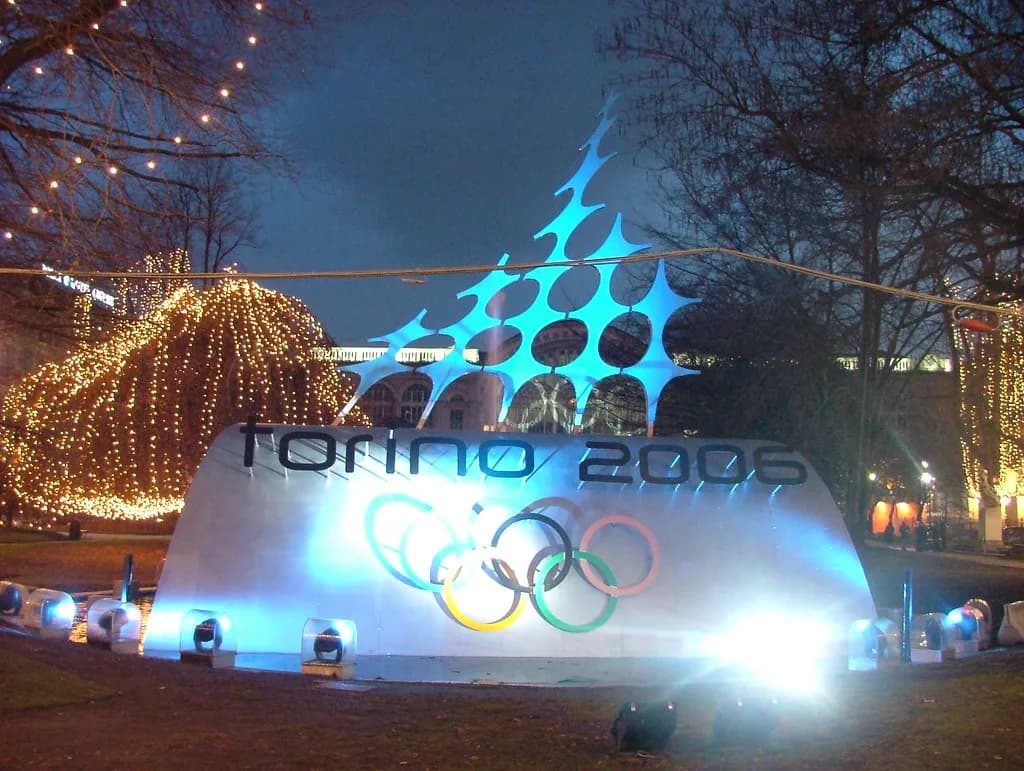
The Olympic mountains west of Turin hold one of the larger ski domains in the Alps, with Vialattea and Bardonecchia among the best-known areas and several smaller resorts filling out the map. The same slopes hosted mountain events during the Turin 2006 Winter Olympics, and the area includes downhill and cross-country runs, snow parks and terrain for freeriding. Beginners and families are served by the smaller, more contained resorts, as the regional tourism board sets out.
Treat resort names as a shortlist, not a ranking: the right choice depends on your level, your transport and how much time you have. Lift opening dates, season passes and snow reports change seasonally and should come from the lift companies or the tourist offices in Sestriere, Bardonecchia or Sauze d'Oulx rather than from a general plan. For a wider look at how Italian snowfall varies by region and altitude, the guide to whether it snows in Italy is a useful companion.
Rain, Fog and Short Days: The Other Side of Winter
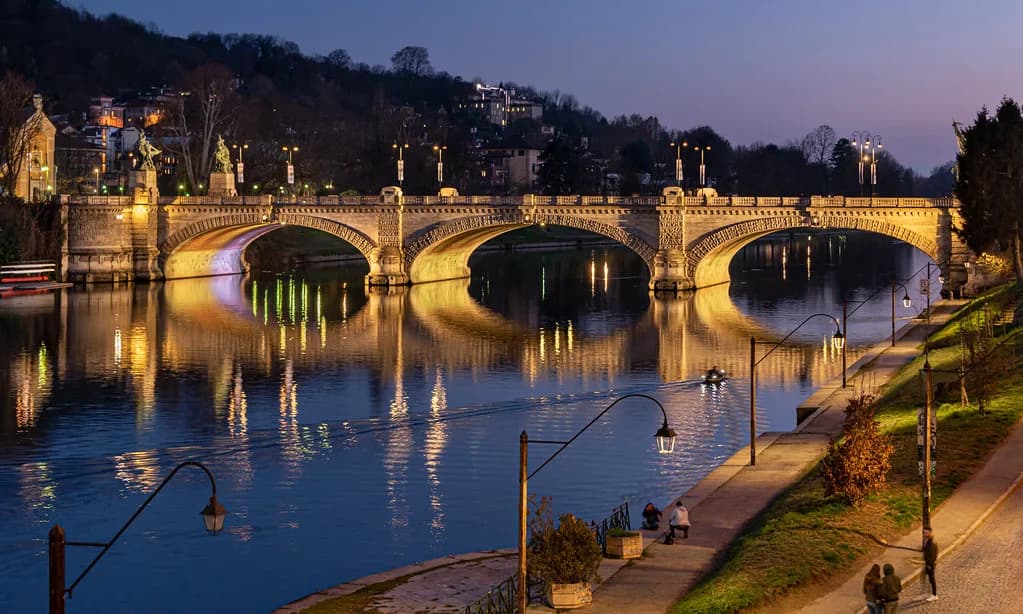
The realistic default for a Turin winter day is overcast and chilly, sometimes foggy, with a low sun that sets early. Fog is part of the city's winter character, and it can be atmospheric along the Po, though it also flattens the Alpine views that make clear days special. Plan the big viewpoints for clear forecasts and keep wet-day options ready.
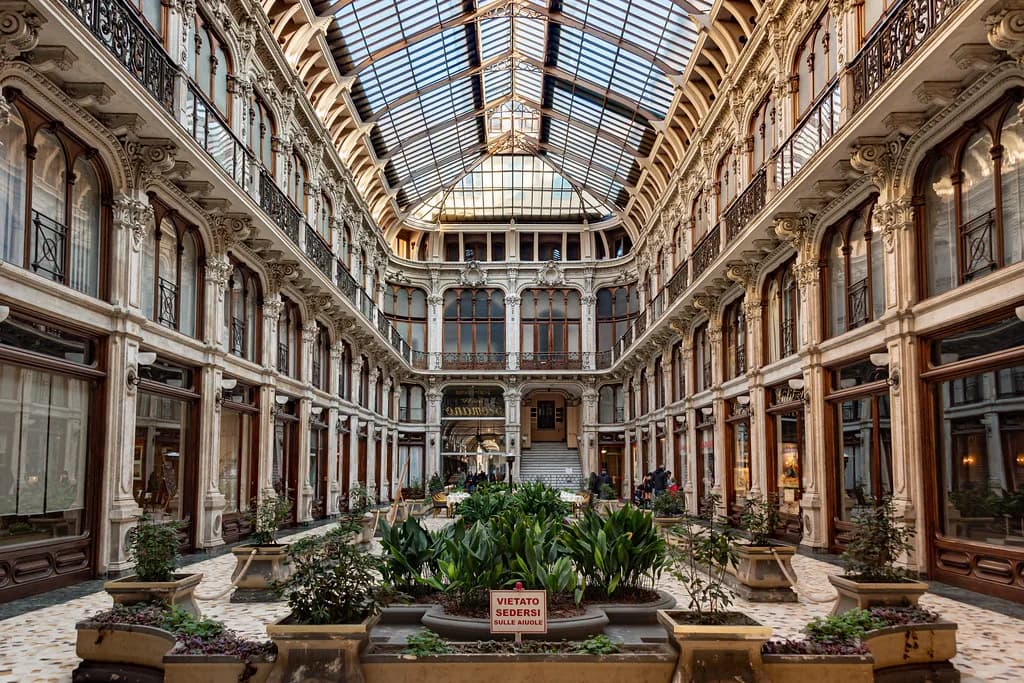
This is a city built for cold weather in other ways: long arcades shelter walkers from rain, cafés and chocolate shops offer warm stops, and the museum collections can absorb a whole day. The trade-off is real, though, and anyone hoping for blue skies and long daylight hours will find March or later far more rewarding than the depths of January.
Christmas and New Year in the City
Christmas in Turin brings lights and decorations through the center, with Christmas Day 2026 falling on a Friday and New Year's Day 2027 on the following Friday, so both long weekends land at the end of the year. Expect holiday closures at some restaurants and shops around the two dates and a quieter city on the days themselves. Christmas markets set up in the center are a modest part of the season rather than the main attraction.
Epiphany on 6 January 2027, a Wednesday, closes the holiday period and is a traditional day for exchanging gifts in Italy, so the first week of January can still feel festive. After that the city settles into its normal winter rhythm, with shorter queues at major sights and cheaper travel than the holiday weeks. If you want both atmosphere and breathing room, early January is a sensible compromise.
What to Do When It Is Cold or Wet
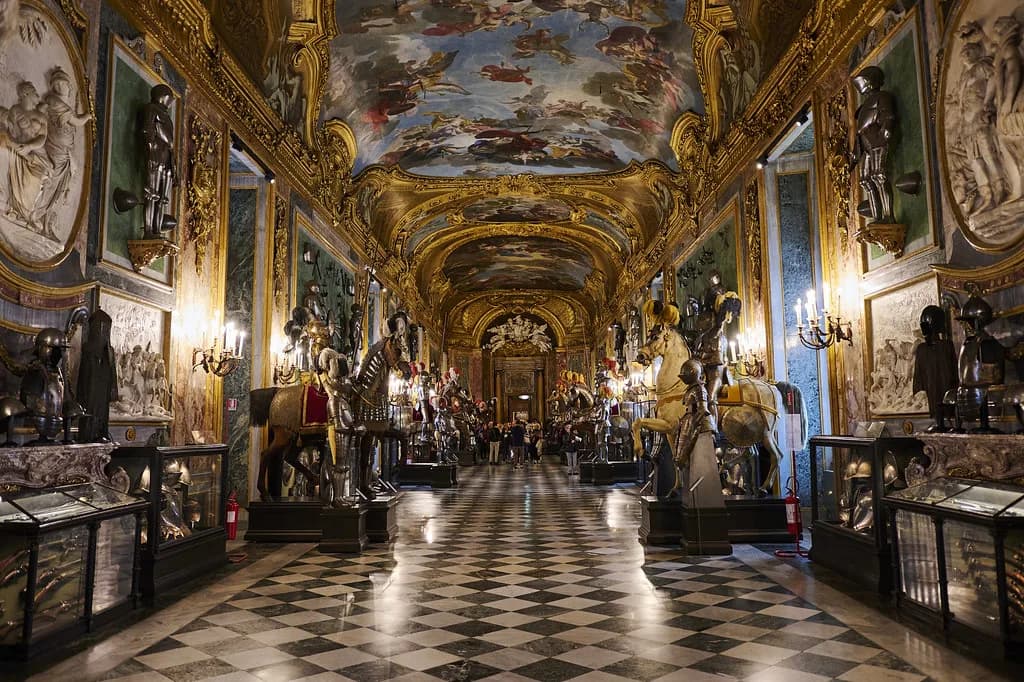
Turin's museum district is the obvious answer to bad weather. The Museo Egizio holds one of the world's great Egyptian collections, the Palazzo Reale shows the city's royal past, and the cinema museum in the Mole Antonelliana combines a landmark with a view. Winter is also a good time for the city's food culture, from aperitivo to the chocolate and coffee traditions of Piedmont.
Elsewhere in Italy, cities on the same latitude offer useful comparisons: snow in Bologna, for example, follows a similar plain-versus-hills pattern and helps calibrate expectations for northern Italian winters. If you are weighing the two cities, it is worth asking does it snow in Bologna and checking the month-by-month picture before you commit. In Turin itself, the indoor sights, covered arcades and café culture mean a wet day rarely goes to waste.
For a fuller picture of the season beyond snow, including events and museum days, the guide to winter in Turin sets out how the months differ. It is worth reading before you fix dates, since the difference between a festive late December and a quiet February shapes the trip more than the weather does.
Who Turin in Winter Suits and Who Should Pick Another Month
A winter trip to Turin suits travelers who like cities in cold weather: museum-goers, food and wine travelers, and anyone wanting an urban base with real mountains an hour or two away. It also suits skiers who want to combine a few days of culture with days on the slopes. Couples and families who plan around indoor sights and a mountain excursion will find the season rewarding.
It suits less well anyone who equates a winter holiday with guaranteed snow in the streets, long daylight hours or reliably sunny days. If snow is central to your plan, the Alps are the answer rather than the city; if sunshine is, aim for spring. Midwinter here is best treated as a cold-weather city break with a mountain option attached.
Plan Your Winter Trip to Turin
Decide first what role snow should play. For city sightseeing, December and January deliver cold and atmosphere with short days; for snow, plan days in the Val Susa and Val Chisone and keep the city as a base. Either way, build flexibility into the schedule so a clear mountain day can displace a museum day at short notice.
Book the museums you care about ahead of time and leave one day unplanned for a weather-dependent excursion westward. With realistic expectations about snow on the streets, winter in Turin becomes a strong, inexpensive city break with the Alps as its most reliable winter asset.
Explore more Turin winter guides
Frequently Asked Questions
Does it snow in Turin, Italy?
Snow can fall in Turin in winter, but it is occasional rather than dependable. The city sits on the Po plain, where winter precipitation more often arrives as rain or drizzle and temperatures sit near freezing rather than well below it. When snow does fall, it usually melts within a day.
Is there snow on the ground in Turin at Christmas?
A white Christmas in the city is unlikely. Settling snow in the center is rare because temperatures often climb above freezing and traffic turns small accumulations to slush. The Alps west of the city are far more likely to be snow-covered at that time.
How cold is Turin in winter?
Expect cold winter days with average highs in the single digits Celsius and lows around or just below freezing, with January usually the coldest month. Fog can persist over the plain, and the typical conditions are best compared against figures from Italy's national weather service for your exact dates.
Can you ski near Turin?
Yes. The Val Susa and Val Chisone, west of Turin, hold major ski areas including Vialattea and Bardonecchia plus smaller resorts, with downhill, cross-country and freeride terrain. Lift opening dates and snow conditions come from the lift companies and local tourist offices.
Is Turin worth visiting in winter?
Yes, for travelers who enjoy cold-weather city breaks. You get major museums, long covered arcades, strong food culture and a mountain day within reach, with fewer crowds outside the Christmas weeks. You give up long daylight hours and any guarantee of snow in the streets.
When is the best time to see snow in Turin?
For snow underfoot, the mountain resorts are the reliable choice and the months of January and February are the core of the winter season. In the city itself, any snowfall is unpredictable and brief, so plan a city trip for atmosphere and a mountain trip for snow rather than hoping to combine both.
Sources
Winter travel notes
Optional updates when we add or revise winter guides.
You might also like
Continue reading
More guides you'll find useful