Turin in January: What to See and Do in Winter
Turin in January brings cold, foggy days, short daylight and quiet museums. Here is the typical weather, what stays open and what suits a winter trip.
On this page
January is Turin in deep winter, when the Po plain fills with fog, the arcades of the center become the main walking route, and the city belongs to residents rather than visitors. The days are short and often gray, but the museums are calm and the cafés are warm. It is a month for travelers who want Egyptian antiquities, cinema and chocolate more than Alpine views or long hours outside.
Weather in January
Typical January conditions in Turin are cold rather than bitter, with average highs reported between 3°C and 10°C (37.5°F to 50°F) and average lows between 0°C and 2°C (32°F to 35.5°F). Some days come clear and sunny, though the plain around the Po frequently holds fog that keeps temperatures flat and the sky white. Treat these figures as long-term averages, not a forecast, and watch local conditions in the days before you travel.
Fog is the defining feature of a Turin January, and it shapes how the city looks more than any single temperature does. The Mole Antonelliana can vanish into haze by mid-afternoon, and views from the hills above the city are unreliable when the plain is socked in. Cold snaps do occur, and winters have brought sharp sub-zero nights to the city, so a warm coat earns its place even on a short trip.
This is a winter city break built around interiors, so treat the weather as a planning constraint rather than a reason to stay away. You get more out of January if you accept that one outdoor ambition per day is realistic and that an afternoon in a museum is the better use of a foggy one.
Daylight and How It Shapes the Day
January sits at the darkest end of the northern Italian year, with sunset arriving in the late afternoon and sunrise late enough that mornings begin slowly. Daylight lengthens noticeably over the month, but the useful outdoor window still starts after breakfast and closes early. Plan indoor mornings at heavy sights and save the brighter middle of the day for piazzas, arcades and viewpoints.
The short day changes how you sequence a visit: two major museums in one day rarely works when the light fades by mid-afternoon and you want an hour outside. Give the biggest collection your morning, take a long café lunch, and walk the center under the arcades in the remaining daylight. By evening, candlelit cafés and the cinema museum make more sense than chasing panoramas in the dark.
What Stays Open and What Changes
Turin's headline museums run through January and are quieter than at any other time of year, which is the month's real advantage. The Museo Egizio is the anchor sight of the city and worth booking before you arrive, because the Egyptian Museum has moved to timed entry slots reserved online, including for card holders, which cuts outdoor queuing on cold mornings. The Mole Antonelliana and its National Cinema Museum pair well with it.
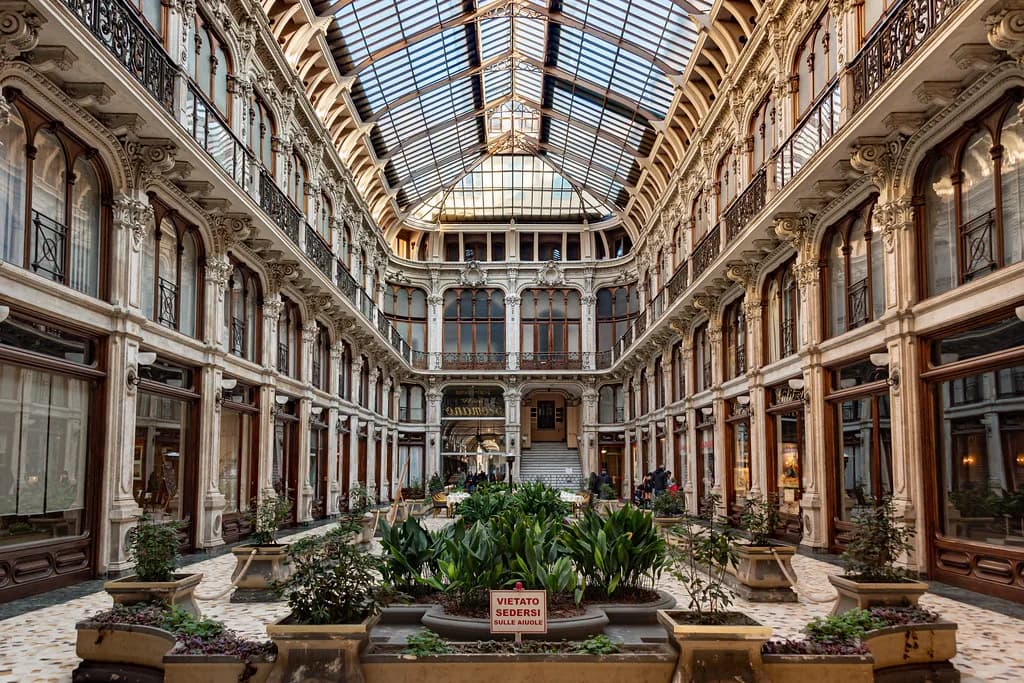
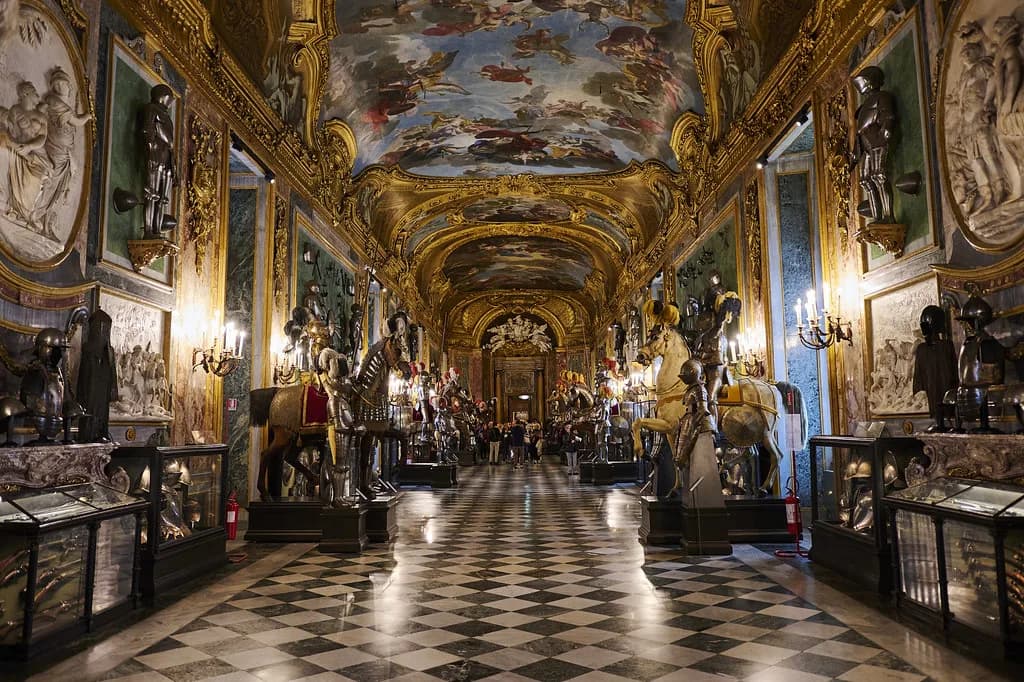
The center of Turin is unusually well suited to cold weather because of its arcades: Via Po and the streets around Piazza Castello let you cross much of the historic core under cover. That matters in January, when rain or fog can make open squares unpleasant but leaves covered walkways comfortable. Architecturally, the 17th-century Palazzo Reale and the baroque halls further out at Venaria reward the indoor hours you will spend anyway.
Outside the museums, winter trims the city's outdoor life: park cafés and riverside gardens at Valentino and along the Po lose their appeal, and the long walks that make Turin pleasant in spring become brisk between-museum strolls. Build the day around interiors and treat the arcaded streets as your corridors rather than as the destination.
Things to Do in January
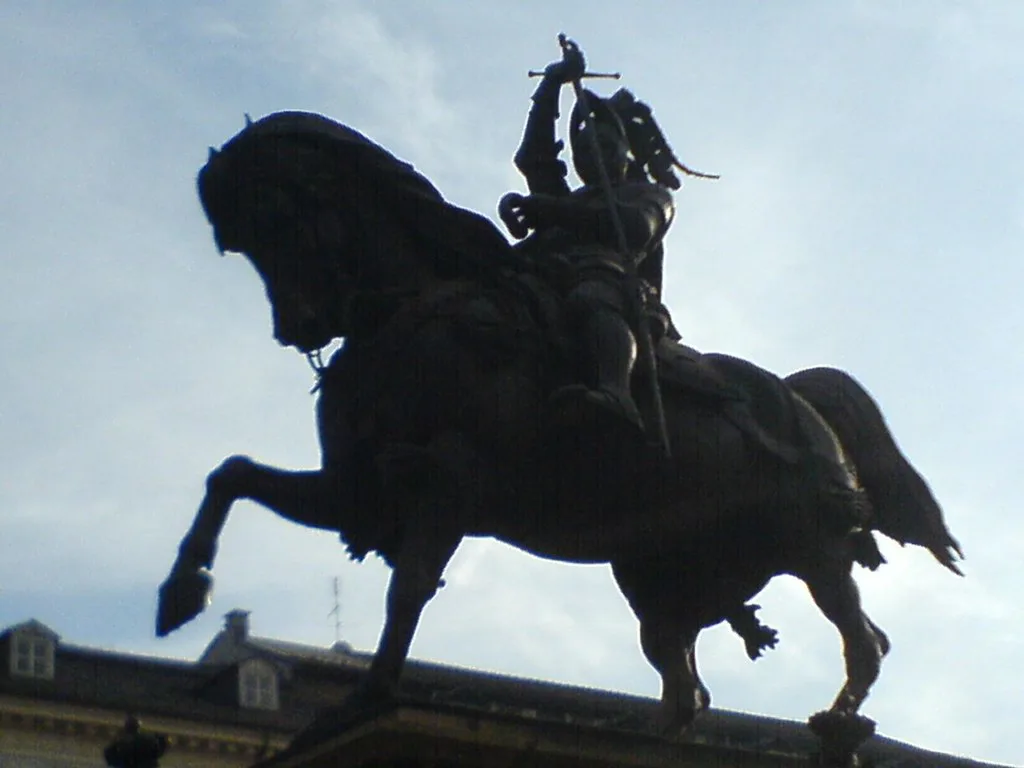
Start with the Museo Egizio, whose collection of Egyptian antiquities is the reason many travelers come to Turin at all, and ask at the desk about the family route if you are traveling with children. Add the Mole Antonelliana for the glass lift up into the dome and the National Cinema Museum beneath it, which fills a cold afternoon with interactive exhibits. Then walk the ten minutes to Piazza Castello under the arcades, which is where the city's baroque set pieces sit.
Turin's café culture is at its best in January: Baratti & Milano and the historic rooms around Piazza Castello serve thick hot chocolate and the local bicerin, a layered drink of coffee, chocolate and cream. Gianduja, the hazelnut chocolate invented in Turin, turns up in pralines and pastries across the city, and Choco-Story Turin covers the history for anyone traveling with children. For a cold-weather indoor stop with a family, this is a strong half-day.
Families will find that the city's museums and chocolate workshops cover a winter day without long outdoor stretches. Beyond the Egyptian and cinema collections, puppet shows in the historic center and craft workshops at the Borgo Medievale in Parco del Valentino give children indoor activity between sights, though outdoor play in the parks waits for warmer months.
If you are weighing Turin against other Italian cities in the same month, the honest answer is that Turin wins on museum depth and loses on light and outdoor life. A January trip here rewards travelers who like cold cities, arcades and serious collections. Anyone who wants long daylight and open-air sightseeing should look south, and Sicily in January is a different proposition entirely.
January also brings a city in ordinary working mode: locals fill the cafés at lunch, the trams are busy, and the pace is closer to daily Piedmontese life than to holiday season. If you have been in Turin in November or December and found it busy, January shows the same city with the crowds removed.
Epiphany and the End of the Holidays
The Christmas season runs to Epiphany on 6 January 2027, a Wednesday, when Italy marks the end of the holidays and the city settles into its quietest weeks. Expect the last of the festive atmosphere around that date, then a noticeable emptying of the center from the following days, which is good news for museum visits and café tables. From mid-January onward, January in Turin is genuinely low season.
Turin's festive lights and Christmas markets belong to December and early January rather than to the whole month, so anyone set on seeing them should plan the first days of January around Epiphany. After that, the light festival and market season are over and the city's winter identity shifts to museums, food and the arcades.
Chocolate and Winter Food Culture
Piedmontese cooking is built for cold weather: agnolotti, tajarin with butter and truffle, braised meats and boiled meats with green sauce, all served in trattorias where lunch stretches. The café tradition is the other half of the story, with a bicerin at a marble table being the essential Turin winter ritual. Look for the historic cafés near Piazza Castello and along Via Po rather than chains.
Chocolate is a year-round Turin obsession, but winter is when gianduja and thick hot chocolate make most sense. February's chocolate festival is a different month's event, so don't plan a January trip around it; check the organizer's own calendar for anything chocolate-related in your exact dates.
Day Trips That Work in Winter
The Palace of Venaria, a baroque royal residence on the edge of the city, is the most reliable January day trip because almost everything worth seeing is indoors. Its halls and galleries are vast, and a guided visit keeps you warm and moving through the complex. Getting there is straightforward by local transport from the center, though the walk from the stop is exposed in bad weather.
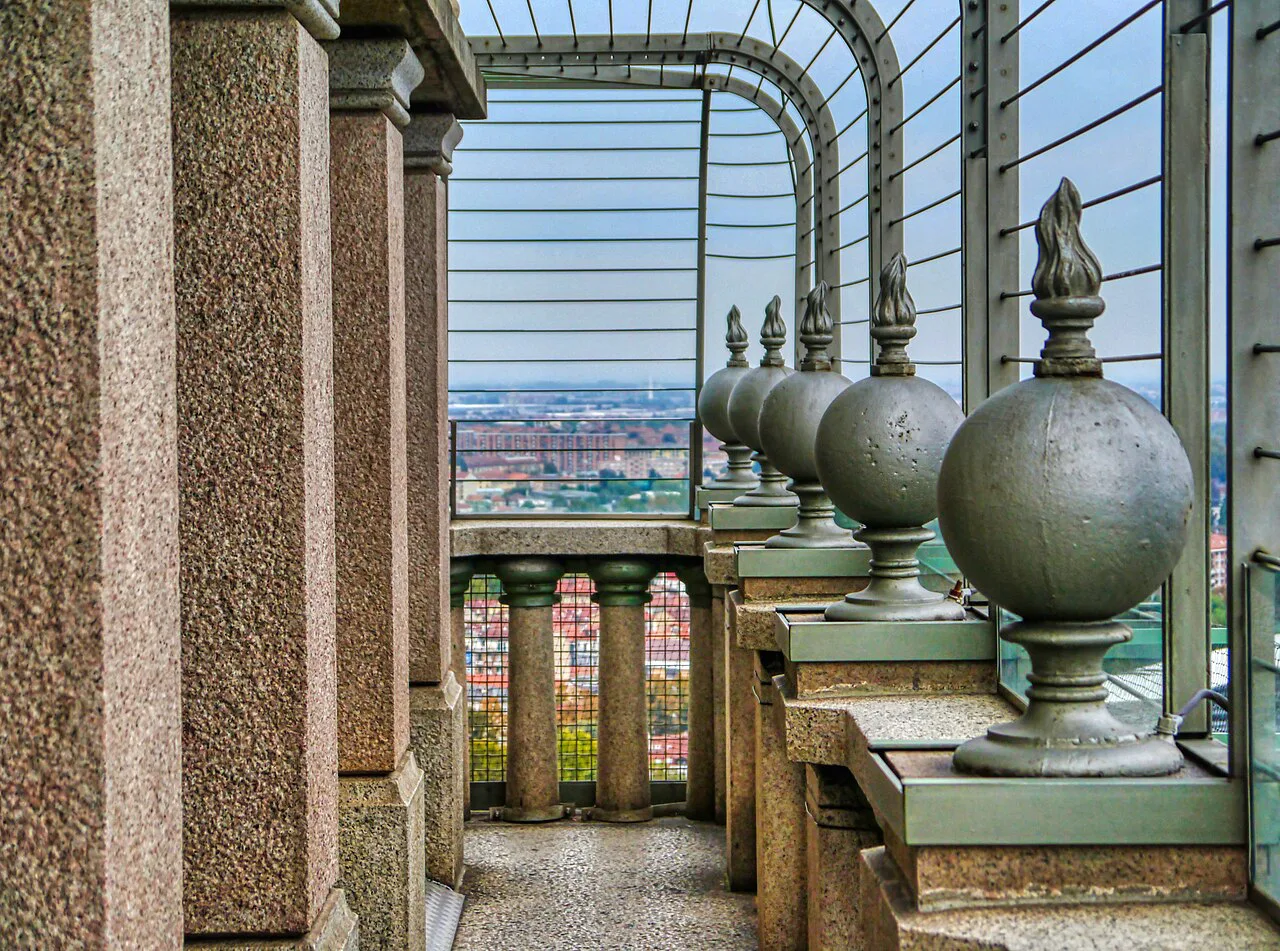
The Sassi–Superga rack tram climbs from the city to the Basilica of Superga, and on a clear January day the view over the Po plain and the Alps behind is the payoff. On foggy days the summit can be gray and the panorama gone, so pick your morning using the weather rather than a fixed schedule. Mountain roads beyond the city can be slow in winter conditions, which makes the tram and the palace safer bets than a hill drive.
Travelers considering a wider Italian itinerary should treat January in the north and south differently: Piedmont is a museum-and-food month while coastal and southern regions trade Alpine drama for milder air. If you are comparing options for the same trip, Italy in January covers how the month behaves across the country.
Crowds, Prices and the Trade-offs
Outside the Epiphany week, January is the quietest month in Turin's museums and the easiest time to see the Egyptian collection without jostling. Hotel rates in the city typically drop after the holidays, and restaurants have space, which makes January a good-value month for a city break built on culture. That quiet is the trade-off for weather that keeps you indoors.
The costs of a January visit are real too: short daylight, fog that hides the Alpine backdrop, rain on some days, and outdoor sights at their least inviting. Anyone whose idea of Turin includes long riverside walks or hill views should look at March, when days lengthen and the plain clears more often.
Who January in Turin Suits
January suits travelers who want serious museums, café culture and a cold northern Italian city without crowds, and who are happy to spend afternoons indoors with hot chocolate. It is a strong month for couples, solo travelers and families with children old enough for galleries. Anyone seeking Alpine views, long walks or reliable sunshine should choose another month.
Comparing Turin with Milan in winter, the difference is one of texture rather than quality: Turin offers deeper museum collections, more consistent arcades and a quieter, more local feel, while Milan is larger and busier. If your priority is a calm, walkable city where you can see world-class Egyptian and cinema collections, January in Turin is the better fit. Those wanting fashion, big-city energy or reliable sunshine should choose elsewhere.
Getting Around
Turin is a walking city, and in January the arcades make the center genuinely usable: Via Po, Piazza Castello and the streets around them form a connected route between sights. Trams and the metro work as warm refuges on cold or wet days, and the city's compact layout means most central hotels put museums within twenty minutes on foot. A local transport pass pays off if you plan the Superga tram or Venaria.
For day trips, regional trains and local buses cover Venaria and the Superga rack tram without a car, which is the better choice in fog and winter road conditions. The Superga tram is a destination in itself, with the climb through the hills as much of the experience as the basilica at the top. Check the winter timetable for both, since winter schedules can differ from summer.
Plan Your Visit
January is the month to see Turin's museums at their calmest and its café culture at its warmest, accepting fog and short days as part of the deal. Book the Egyptian Museum's timed slot in advance, plan one indoor anchor each morning, and save the arcades and cafés for the daylight you have. Travelers who want sunshine and long outdoor days should plan for spring instead.
Frequently Asked Questions
Is Turin cold in January?
Yes. Typical January conditions bring average highs between 3°C and 10°C (37.5°F to 50°F) and lows between 0°C and 2°C (32°F to 35.5°F), with fog on the Po plain and occasional sharper cold snaps. Plan for a heavy coat and expect gray days rather than constant snow.
Is Turin worth visiting in January?
It is worth it for museum-focused travelers: the Egyptian Museum, the National Cinema Museum and Turin's café culture are at their quietest, and hotel rates typically fall after the Epiphany week. Travelers who want long daylight, Alpine views or outdoor walks should choose spring.
What are the must-sees in Turin in winter?
The Museo Egizio, the Mole Antonelliana with the National Cinema Museum beneath it, Piazza Castello and the arcaded streets of the center, and the Palace of Venaria as a day trip. Historic cafés serving bicerin and thick hot chocolate round out a cold day.
Does it snow in Turin in January?
Snow is possible but not the defining feature of a Turin January; fog and cold rain are more common on the plain. Check the forecast close to your dates if snow matters to your plans, particularly if you plan to go up to Superga.
Are museums open in Turin in January?
Turin's major museums operate through January, and the Egyptian Museum uses timed-entry booking that you should reserve online before arriving. The city's smaller sites and outdoor attractions may run reduced winter schedules, so confirm hours with the venue you plan to visit.
Is Turin nicer than Milan in winter?
It depends what you want: Turin offers deeper museum collections, more consistent arcades and a quieter, more local feel, while Milan is larger and busier. For a calm winter city break centered on art and food, Turin is the stronger fit.
Sources
Winter travel notes
Optional updates when we add or revise winter guides.
You might also like
Continue reading
More guides you'll find useful