Italy in January: Winter Weather, Crowds and Where to Go
Italy in January is cold and foggy in the north, cool in Rome and Florence, and mild in Sicily. Expect short days, thin crowds and lower prices.
On this page
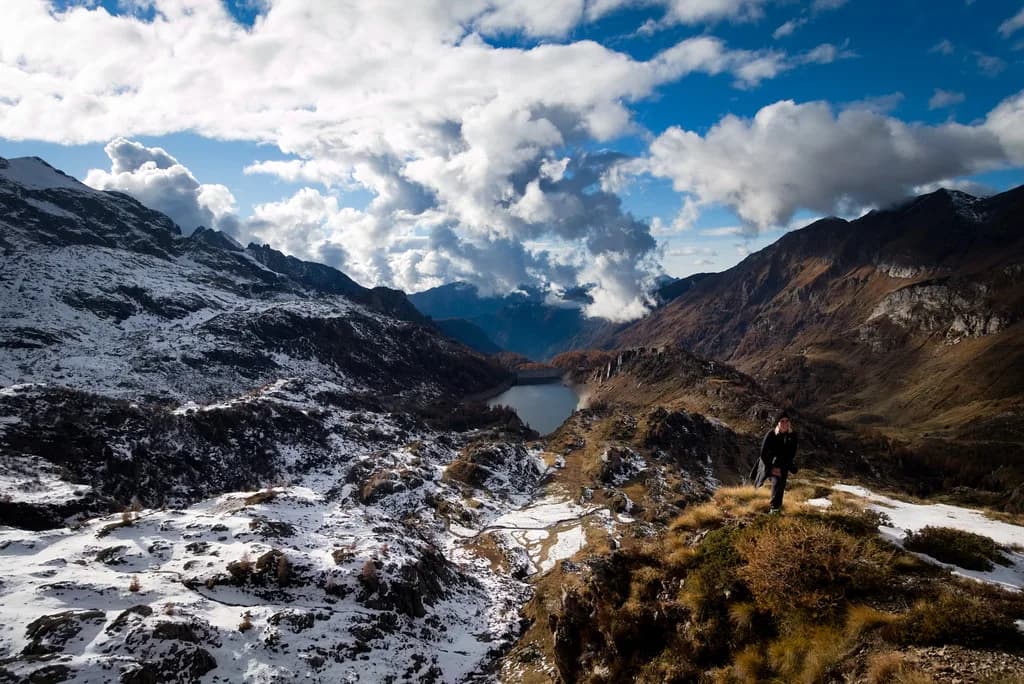
Italy in January is not one climate but four. The north sits under fog and frost, Rome and Florence get cool, often bright days, and the south and Sicily stay mild enough for long lunches outside. Plan your route around the zone that matches the trip you want, not around a single national average.
The month suits travelers who would rather see the Uffizi, the Colosseum or Pompeii without July heat and queues, and who are happy to trade long evenings for early museum mornings. It is a poor fit for beach holidays, and anyone chasing winter snow should head to the mountains rather than the cities. Read this alongside the broader Italy in winter planning so your January dates sit inside a coherent itinerary.
Weather in January
Typical January conditions run from roughly 5°C to -5°C (41°F to 23°F) in northern Italy, about 4–13°C (39–55°F) through the center, and 10–16°C (50–61°F) in the south and Sicily, with mountain areas colder still. Rome averages around 8°C (46°F) and collects roughly 102 mm of rain across the month, so build in a wet-weather option.
Treat these as long-term averages rather than a forecast, and pack for fluctuation: a northern city may feel close to freezing at night and mild by early afternoon. In much of Italy the sun sets between about 4:45pm and 5:15pm in January, which compresses the outdoor part of the day. Book open-air ruins and long walks for late morning through early afternoon, and keep galleries or a long lunch for the darker hours.
Rome in January
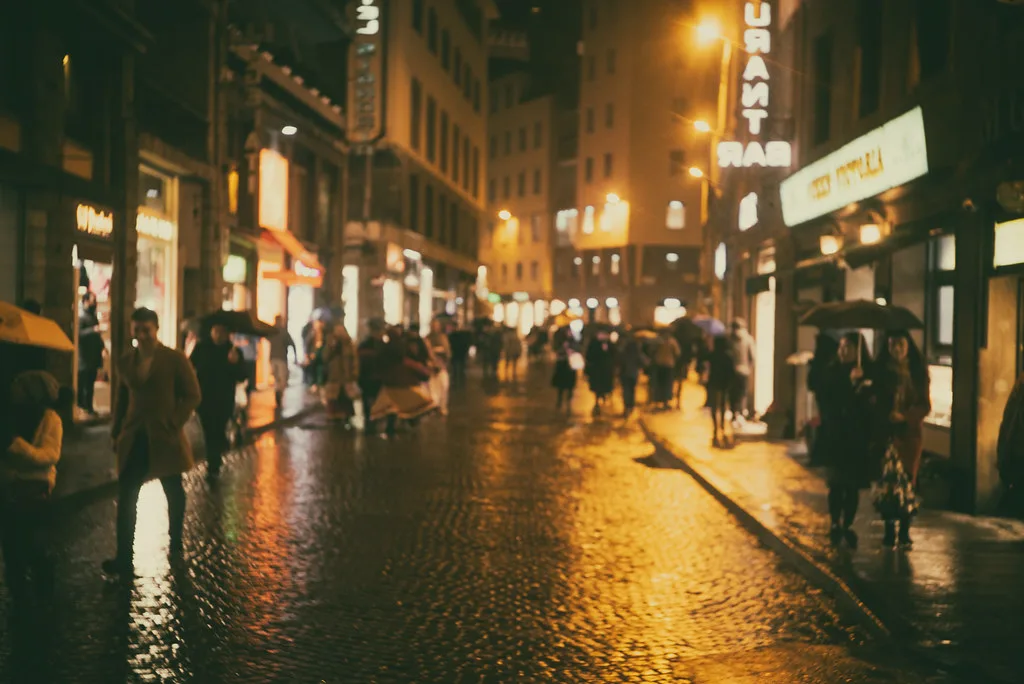
Rome is cool and occasionally wet in January but rarely harsh, and bright, crisp days make the Forum and Palatine Hill far more comfortable than in summer. The Colosseum and Vatican Museums see noticeably thinner lines than in spring, though the Vatican still draws enough visitors that a timed entry is worth arranging before you travel. Evenings turn cold, so plan a warm coat for dinners and evening walks between piazzas.
Use the short daylight to your advantage: start at an outdoor site while the light holds, then move indoors. The Capitoline Museums, Castel Sant'Angelo and the Baths of Caracalla reward a slower afternoon, and Rome's opera house and the Stadio Olimpico football fixtures give January evenings an indoor or floodlit alternative.
Florence in January
Florence typically sees highs near 10°C (50°F) and lows around 2°C (36°F) in January, with rain that tends to pass rather than settle in for days. That makes it the strongest city in Italy for an art-focused trip: the Uffizi and Accademia are calmer than in peak season and reservations are easier to secure. Walk between the Duomo, Piazza della Signoria and Santa Croce in the middle of the day, when the air is mildest.
Florence also fills with fashion buyers and press during the Pitti Uomo menswear trade fair, which the city hosts in early-to-mid January; expect busier restaurants and hotels around those dates. Outside that window the center feels unhurried. If your dates slip, Italy in December offers a colder, more festive version of the same museum-first itinerary.
Venice in January
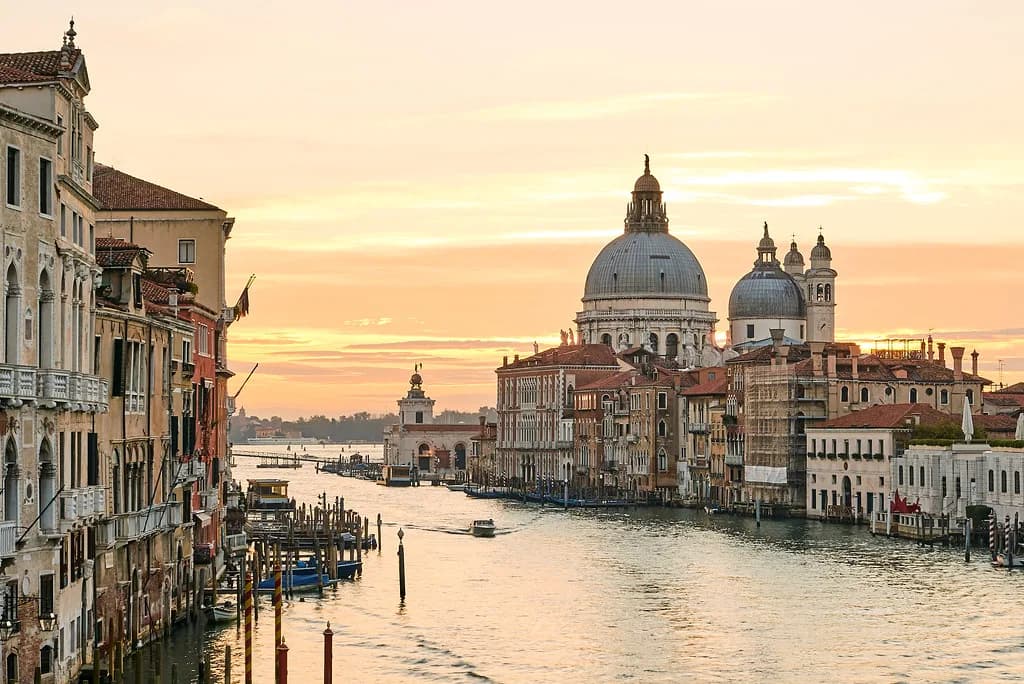
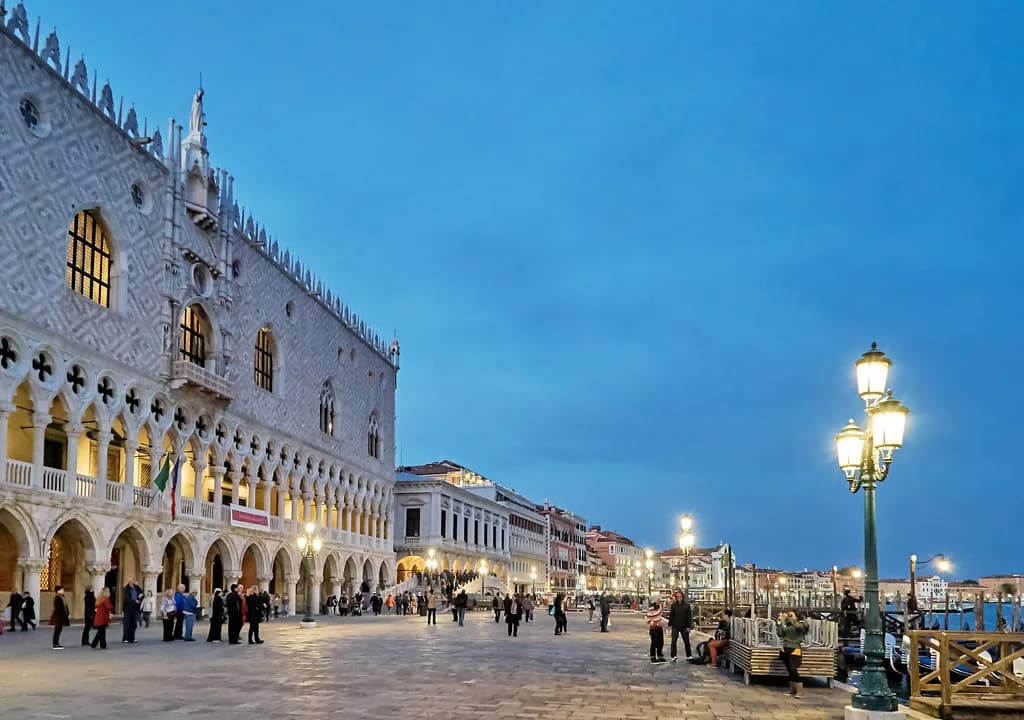
Venice is cold and atmospheric, with highs near 7°C (45°F) and lows around 1°C (34°F), and winter fog that settles over the canals and makes the quieter calli feel cinematic. Crowds fall sharply after the New Year holiday, which makes St Mark's Basilica and the Doge's Palace easier to visit without long waits. Outdoor café life slows to a stop, so plan on indoor lunches and early suppers rather than lingering on terraces.
This is also the month to accept Venice on its own terms: misty photography, empty campi and short walks between warm interiors. Come prepared for damp cold rather than snow, which is not a reliable feature of the city. If you want carnival energy instead of stillness, Italy in February describes how the mood and crowds shift later in the season.
Naples, Pompeii and the Amalfi Coast in January
Naples and the south are the mildest mainland option, with January highs around 14°C (57°F) and lows near 6°C (43°F). That is ideal weather for Pompeii, where the exposed ruins become tiring in summer heat but remain walkable for hours in winter, and visitor numbers drop enough to make the site feel spacious. Base yourself in Naples and day-trip out rather than trying to stay on the coast.
The Amalfi Coast in January is quiet rather than closed to visitors, but many coastal hotels shut for the low season, so overnighting is difficult and Naples makes the practical base. The reward is near-empty villages and the Sentiero degli Dei, a roughly six-kilometer ridge walk between Agerola and Positano that is punishing in summer and superb in winter. Check the weather and path conditions with the local tourist office before setting out, since rain can make the trail slippery.
Sicily and the South in January
Sicily is the warmest part of Italy in January, mild enough for outdoor sightseeing and long walks but still too cold for swimming. Palermo combines bustling markets with Norman architecture, and Agrigento's Valley of the Temples is far more pleasant to explore without summer heat. Snow caps Etna's summit while the coast stays green, a contrast worth planning a day around.
Geothermal hot springs fed by the volcanic subsoil give Sicily a winter activity no other Italian region matches, with warm water that makes up for the unswimmable sea. One well-known option is Santa Venera Pozzo near Etna, where you can soak while the mountain above is capped in snow. Winter is also ski season on Etna's upper slopes, and rental facilities operate for those who prefer the summit to the shore.
What January Changes
Italy's saldi, the nationwide winter sales, begin in early January and run for several weeks, which makes Milan, Rome and Florence good for shopping as well as sightseeing. At the same time, some smaller hotels and family-run lodgings in lesser-visited towns close for the low season, while Rome and the major art cities stay fully open. Mountain resorts are the exception to the low-season logic: they are in peak season and should be booked well ahead.
Museums in Italy operate almost every day of the year, so a January trip is unlikely to be limited by gallery closures. The bigger variable is daylight and weather, not opening days. If you are building a snow-focused trip, does it snow in Italy separates reliable mountain snow from the occasional dusting in northern cities.
What Is On in January
New Year's Day falls on Friday 1 January 2027, a public holiday when many shops, restaurants and sights keep reduced hours or stay shut; expect a quiet, slow-starting day and plan an indoor activity that does not depend on retail. Confirm what is open with any specific venue before relying on it. If you are travelling for the New Year itself, New Year's Eve in Italy covers how the country marks the night before.
Epiphany, on Wednesday 6 January 2027, closes the Italian Christmas season and is celebrated nationwide as La Befana, when children receive sweets or sugar charcoal in their stockings. In Rome, Piazza Navona hosts festive markets and street performances, while towns across the country hold processions and community events. Use the day for a piazza wander rather than a major museum, which may run holiday hours.
Things to Do
January rewards a museum-heavy plan: the Uffizi and Accademia in Florence, the Vatican Museums in Rome, and the Doge's Palace in Venice all work well in cold weather. Pair indoor mornings with a midday walk to an outdoor site so you make the most of the limited light. Food tours, winter cooking classes and long lunches fill the late afternoon when the temperature drops.
Beyond the big cities, thermal baths and hot springs make a memorable winter afternoon, and Sicily's volcanic springs are the standout. The Amalfi Coast's ridge trails and the quieter coastal villages suit walkers who want solitude rather than sunshine. For a broader menu of cold-weather activities, things to do in Italy in winter gathers the options by region.
Day Trips That Work in Winter
Pompeii from Naples is the most rewarding January day trip because the exposed site is far more comfortable without summer heat and the crowds thin out. Pisa from Florence works equally well: the journey is short and the Piazza dei Miracoli is easy to see in a morning. Both reward an early start so you are back before dark.
From Catania, Etna's lower slopes are reachable in a day, with snow at altitude and mild conditions on the coast in the same trip. On the Amalfi Coast, villages such as Positano and Amalfi are reachable by road from Naples, though some seasonal hotels and restaurants will be shut. Check transport schedules before you travel, since winter timetables are thinner than summer ones.
Crowds, Prices and Who January Suits
January is low season in the cities once the New Year holiday passes, which means shorter queues at major sights, easier restaurant bookings and better availability in hotels. Prices for flights and accommodation are generally lower than in spring and summer, though exact rates vary by city and date. The mountain resorts are the opposite case and charge peak-season prices, so anyone combining cities and skiing should plan the two halves separately.
This month suits travelers who prioritize art, food and archaeology and who do not mind cold evenings and early sunsets. It does not suit beach-focused trips, anyone hoping for long outdoor evenings, or skiers who need guaranteed natural snow rather than snowmaking. If mild weather is the priority, head south to Sicily or Naples rather than trying to warm up the north.
Getting Around
Trains are the most reliable way to move between Italian cities in winter, and the high-speed lines link Rome, Florence, Naples and Venice efficiently. For mountain areas such as the Dolomites and Valle d'Aosta, trains plus local transfers work better than driving on winter roads. Book the long legs ahead and keep the itinerary loose enough to absorb a weather delay.
Time outdoor ruins and walks for the middle of the day, when temperatures peak and daylight is strongest, and put indoor sights in the late afternoon. Carry a compact umbrella and waterproof footwear for central Italy's winter showers. Winter is also a good time to visit the hot springs around Bagni San Filippo in Tuscany, where warm water and steam stand out against the cold.
Plan Your Visit
Italy in January offers a quiet, museum-rich version of the country, with cities in low season and short, cold days that reward early starts. Choose your region deliberately: the north for atmosphere and galleries, the center for Rome and Florence, the south and Sicily for the mildest weather.
Book city hotels and museum entries ahead, leave the mountain resorts for a separate trip, and build each day around midday outdoor time and indoor afternoons. If your dates shift later, Italy in February covers how carnival season changes the mood and crowds.
Frequently Asked Questions
Is January a good month to go to Italy?
Yes, if you want galleries, ruins and food without summer heat and queues. January is low season in the cities, with shorter lines at major sights and better hotel availability. The trade-offs are short daylight, cold evenings and wet weather in central Italy.
Where is the warmest part of Italy in January?
Sicily and the far south are the mildest, with daytime highs typically in the low to mid teens Celsius. It is warm enough for outdoor sightseeing and long walks but not for swimming. Naples and Pompeii are also milder than the north.
Is January too cold to visit Italy?
No, provided you plan around the cold. Northern cities are chilly and sometimes foggy, but Rome and Florence are manageable for walking, and the south stays mild. Build each day around midday outdoor time and indoor afternoons.
How much rain does Rome get in January?
Rome averages around 102 mm of rain across January, spread over the month rather than concentrated in a few days. Showers tend to pass, so a compact umbrella and waterproof shoes cover most situations. Treat figures as long-term averages, not a forecast.
What is open in Italy on 1 January?
New Year's Day is a public holiday, so many shops and some sights run reduced hours or close. Major museums may keep holiday schedules, so check the venue you plan to visit. Expect a quiet, slow-starting day in most cities.
What happens on Epiphany in Italy?
Epiphany on 6 January closes the Italian Christmas season and is celebrated as La Befana, when children receive sweets or sugar charcoal. Rome's Piazza Navona hosts festive markets and performances, and towns nationwide hold processions. Expect a festive but busy day in city centers.
Is the Amalfi Coast worth visiting in January?
Yes, if you want empty villages and quiet trails rather than beach weather. Many coastal hotels shut for the low season, so Naples makes a more practical base. The Sentiero degli Dei is far more comfortable to hike in winter than in summer heat.
Can you ski on Mount Etna in January?
Etna's upper slopes often hold snow in January and support skiing, with rental facilities operating in season. The summit can be snowy while the coast stays mild, so conditions vary sharply with altitude. Check snow and lift status before travelling up.
Sources
Winter travel notes
Optional updates when we add or revise winter guides.
You might also like
Continue reading
More guides you'll find useful