Italy in December: Weather, Crowds and What's Open
Italy in December brings cold northern cities, mild Rome and Naples, short days and quieter sights. See typical weather, holiday closures and who it suits.
On this page
December in Italy is a month of two climates and two moods. Milan and Venice sit under grey, damp skies with sunset before late afternoon, while Rome and Naples offer crisp, bright days that make ruins and piazzas comfortable to walk. It suits travelers who want museums, churches and city food without summer queues, and who can accept short days and a holiday-week crush.
The month also has a clear rhythm. Early and mid-December are genuinely quiet, then demand climbs sharply from around 23 December to 2 January as Italians travel home and holiday visitors arrive. Choosing which side of that line you land on matters more than any single sight on your list.
December Weather in Italy
Italy has no single December temperature. Northern cities such as Milan and Venice typically see daytime highs in the mid-40s to low 50s Fahrenheit, roughly 7 to 10°C, while Rome averages around 57°F (14°C) and Naples reaches about 60°F (16°C). Pack for the region you are actually visiting, not for the country as a whole.
Florence sits in the middle, with typical highs near 50°F (10°C) and cold, occasionally damp days that push you toward indoor art. Rome's December is cool but manageable, with rain possible across the month and longer clear stretches earlier in December. Evenings feel distinctly wintry once the sun drops, especially in open piazzas.
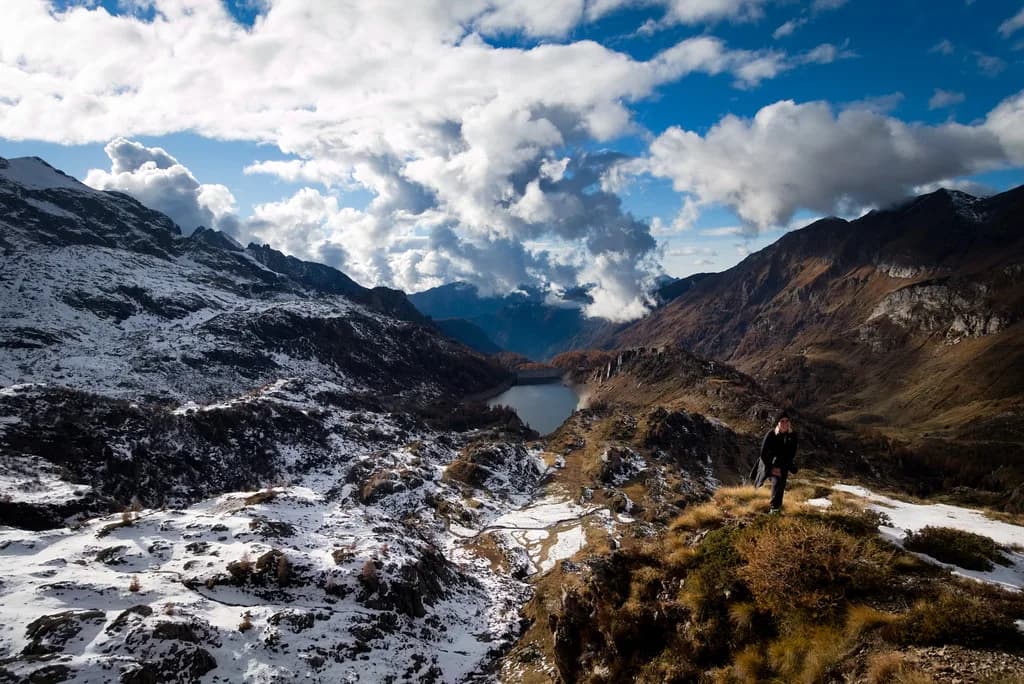
For a broader picture of how conditions shift from the Alps to the islands across the whole season, the Italy in winter overview is the place to start. Snow is common in the Alps and mountain areas, less frequent in northern cities and rare in Rome and the south.
Daylight and Rain
Short days, not cold, are the real planning constraint. In northern Italy sunset can arrive before 4:45pm in December, and museums and shops often close by 5 or 6pm, so outdoor sightseeing belongs in the morning and early afternoon. Evenings are better spent under illuminated streets, in a concert in a historic church, or over a long dinner.
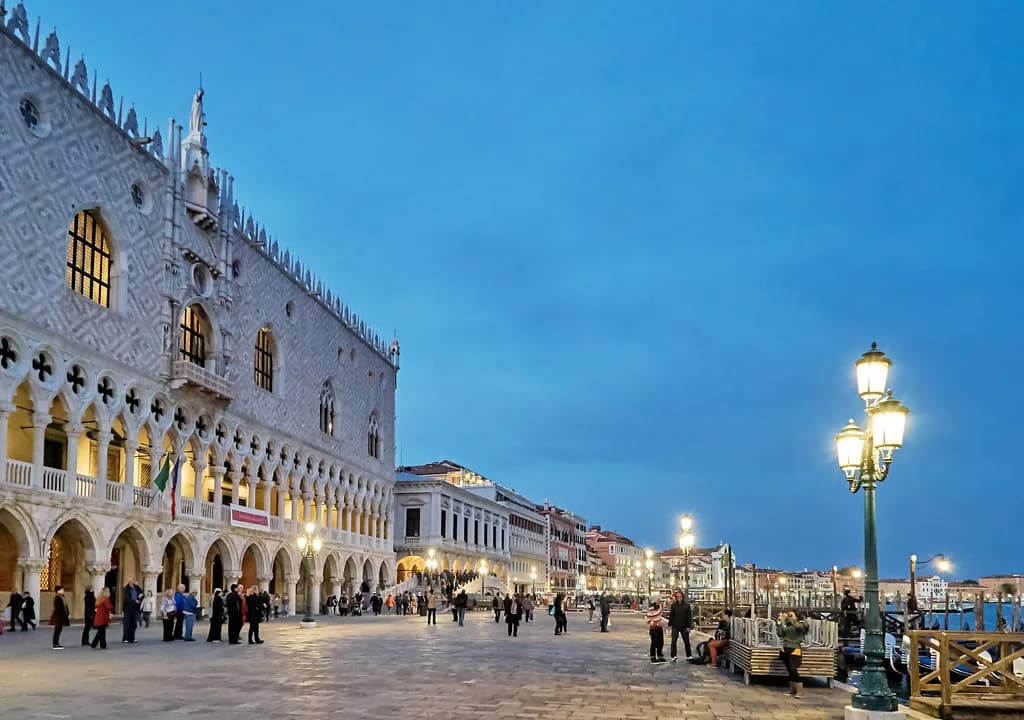
Rain in December is rarely dramatic but often persistent, and wet cobblestones turn slippery, which makes supportive, water-resistant shoes the one piece of kit worth prioritizing. Venice adds its own wrinkle: seasonal high water, known as acqua alta, can briefly flood the lowest areas such as Piazza San Marco around midday. The city installs raised walkways and most sights and restaurants stay open through it.
Northern Cities in December
Bolzano is the most distinctive northern stop, an Alpine city with Austrian-inflected food and architecture and the Dolomites on its doorstep. It works well as a base for cold-weather day trips into the mountains, and it rewards travelers who want a snowy rather than merely chilly December.
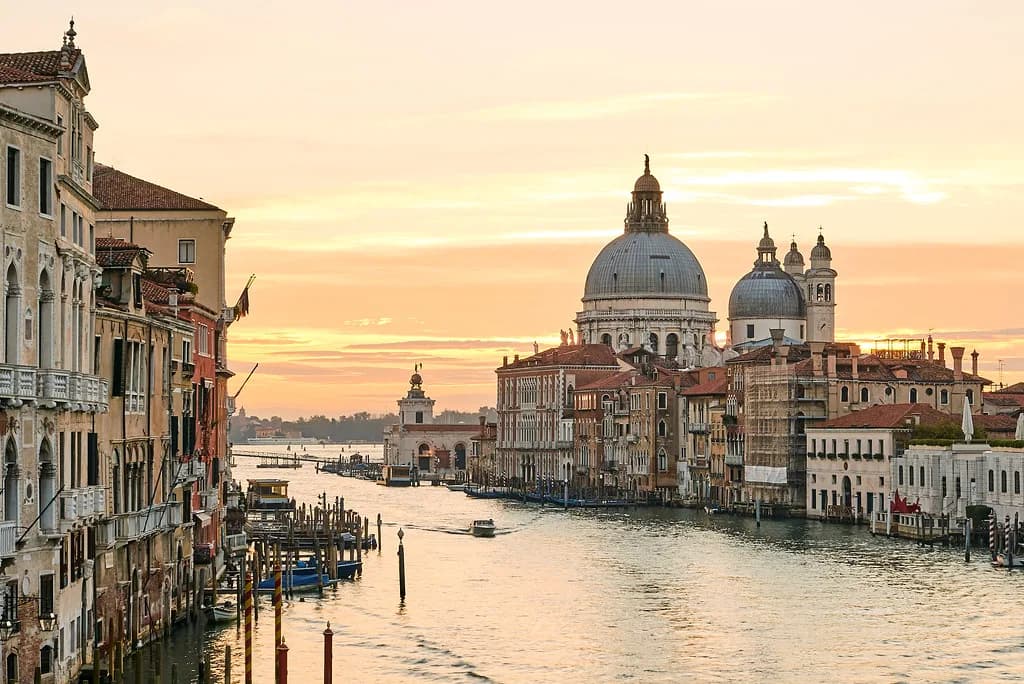
Venice in December is quieter outside the holidays, with fog, twinkling lights and a canal-side atmosphere that summer crowds erase. Verona is compact enough to walk end to end but big enough for good eating and shopping, and Milan pairs colder days with strong indoor culture and an opera season in full swing. Expect highs near 7 to 10°C in Milan, with Piazza Duomo decorated for the season.
Central and Southern Italy
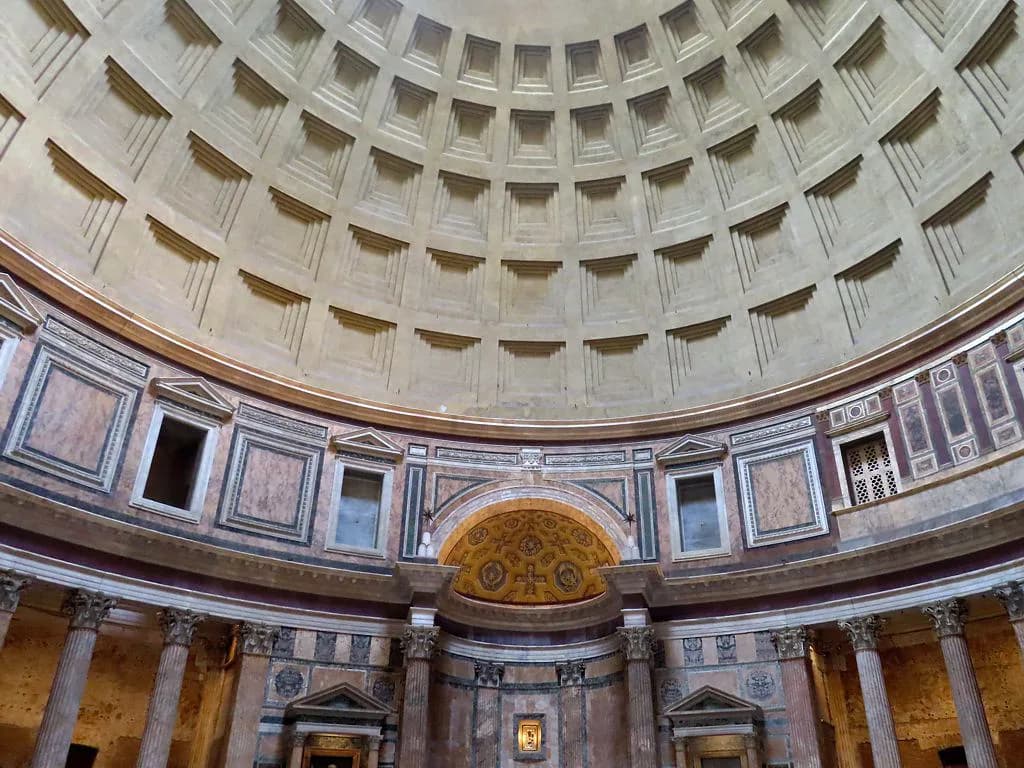
Rome is the easiest December city for outdoor sightseeing, with mild temperatures that make the Colosseum, Roman Forum and Pantheon comfortable without summer heat. Vatican City becomes a seasonal focal point around St. Peter's Square, and illuminated streets give evening walks through neighborhoods like Trastevere real atmosphere.
Florence trades warmth for depth: the Uffizi and Accademia are exactly the kind of warm, slow indoor visits that suit a cold, damp day. Naples is arguably at its best, with cooler weather making its dense historic center walkable and Via San Gregorio Armeno's artisan nativity workshops at peak activity.
Further south, conditions soften again, and the Sicily in December guide covers island temperatures, quieter sites and what stays open. Swimming is not on the table anywhere in December, though southern outdoor sightseeing remains genuinely comfortable.
What December Changes
Cities stay alive because people live in them year-round, so you are not arriving into a shut-down country. The bigger risk is the opposite: smaller towns can empty out almost entirely between 24 and 26 December, with restaurants closed and streets quiet, which is why a large city makes a safer base for that week.
On 25 December many businesses, museums and restaurants close, and 26 December, St. Stephen's Day, is another public holiday when many attractions stay shut. The Uffizi, for example, has closed on both Christmas Day and New Year's Day, while St. Mark's Basilica in Venice has remained open for Mass. Treat those two days as walking, church-visiting and long-lunch days rather than museum days.
In Venice, seasonal high water affects only the lowest areas for a few hours at a time, and the city's raised walkways keep most routes usable. If you are weighing whether the cold months are worth it at all, the case for winter rests on empty streets and low-season rates rather than on guaranteed sunshine.
Christmas Season Dates and Holidays
Italy's holiday season runs from the Feast of the Immaculate Conception on 8 December, a national public holiday, through Epiphany on 6 January. Christmas Eve usually sees shops close early and restaurants fill with families, while Christmas Day itself is the quietest date on the calendar. In 2026 Christmas Day falls on a Friday and New Year's Day 2027 also falls on a Friday.
Epiphany, marked on Wednesday 6 January 2027, closes the season and is celebrated in Italy as La Befana. If you are weighing a later trip instead, the Italy in February guide covers Carnival timing and another distinct phase of the winter.
What Is On
Venice stages a gondola race on the Grand Canal each December, usually the Sunday before Christmas, where participants dress as Santa and row in costume. Naples fills with presepi, the elaborate nativity scenes sold and made along Via San Gregorio Armeno, and Rome and Milan host public concerts, fireworks and countdowns in central squares on New Year's Eve.
Milan's La Scala opera season runs through December and draws international audiences, which makes it worth booking well ahead. Holiday markets appear in cities such as Milan, Florence and Bologna, but they are a seasoning rather than the main dish of a December trip.
Things to Do
Build days around warmth and depth: the Uffizi and Accademia in Florence, the Medici Chapel when you need to thaw out, the Vatican Museums in Rome, and the cathedral complexes that anchor most historic centers. Churches are especially evocative in December, with nativity scenes, candlelight and choral services adding atmosphere even for non-religious visitors.
For something restorative, Bagni San Filippo in Tuscany is a natural hot spring that is far less crowded in December than in summer. It sits near the Lazio and Umbria borders, with Siena the closest city, and reaching it comfortably generally means renting a car.
Food carries the month: panettone and mulled wine in cafes, thick hot chocolate in Venice, and seasonal market produce such as citrus, wild mushrooms, fennel and chestnuts. Shopping doubles as indoor time, whether you are browsing Florence's boutiques or Bologna's porticoes.
Day Trips That Work in December
Verona makes an easy day trip from Venice, compact enough to cover on foot and lively enough for a full afternoon of eating and shopping. From Naples, Pompeii is actually more pleasant in December than in summer, since cooler temperatures make the site's large open areas easier to walk.
From Bolzano you can reach Dolomites foothill towns and their markets without committing to a ski trip, which suits travelers who want mountain scenery rather than pistes. If snow is the specific goal, the guide to whether it snows in Italy sets out which regions and months realistically deliver it.
For southern coastal day trips, expect a slower version of the summer itinerary: boats and beach businesses wind down, but the towns themselves remain visitable. If the Amalfi Coast is on your list, plan around reduced winter ferry and bus schedules instead of a summer timetable, and check current timetables before you travel.
Crowds, Prices and the Christmas-Week Spike
Early and mid-December is genuinely low season at major attractions, with lighter crowds and easier walk-up access. Demand then rises sharply around 23 December through 2 January, when festive events in Rome, Florence and Bologna draw both locals and visitors and hotels fill quickly at rates above the rest of winter.
Flights follow the same pattern, generally cheaper than summer but spiking for departures around 20 to 24 December and returns near 1 and 2 January. Booking early and flying midweek helps more than hunting for a clever routing.
Getting Around
Trains are the sensible spine of a December trip: warm, fast between major cities and far less exposed to winter weather than short flights. They also get noticeably busier around 23 to 24 December and 1 to 2 January, with luggage racks overflowing even on reserved services, so an early departure and compact bags make a real difference.
Book direct with Trenitalia or Italo for the clearest fares, and reserve holiday-era seats as soon as your dates are fixed. Using one or two big cities as bases cuts the number of transfers and keeps you near open restaurants on the quietest days.
Who December in Italy Suits
December rewards travelers who want Italy's cities without summer crowds and are happy to trade long daylight hours for museums, churches, thermal springs and long lunches. It suits couples, solo travelers and anyone who values atmosphere and low-season rates over beach weather.
It suits you less if you need reliable sunshine, want coastal boat trips, or are visiting specifically for beaches. If your priority is a mild, walkable south with ruins and food, December works well; if you want warmth and longer days, wait until spring.
Explore more Italy winter guides
Frequently Asked Questions
Is it worth going to Italy in December?
Yes, if you want cultural sightseeing and holiday atmosphere rather than beach weather. Early and mid-December are quiet, with lighter crowds at major sights, and cities stay lively because people live in them year-round. The trade-offs are cold, damp days in the north, short daylight and a sharp demand spike from about 23 December to 2 January.
How cold is Italy in December?
It depends heavily on where you go. Northern cities such as Milan and Venice typically see daytime highs around 7 to 10°C, Florence around 10°C, Rome about 14°C and Naples about 16°C. Treat these as long-term typical conditions, not a forecast, and expect colder mornings and evenings everywhere.
Does it snow in Italy in December?
Snow is common in the Alps and mountainous areas, less frequent in northern cities and rare in Rome and southern Italy. If snow is the point of your trip, head for the mountains rather than the plains, and check regional guidance before committing.
Is Italy crowded in December?
Most of the month is low season, with noticeably lighter crowds at major attractions in early and mid-December. The exception is the Christmas week and New Year period, when cities fill with festive events, hotels book up and trains get busy. Choose your dates around that divide.
Can you swim in Italy in December?
No. Sea temperatures are cold and beach services wind down across the country, including in the south. December travel in Italy is about cities, museums, churches, hot springs and food rather than swimming or coastal boat trips.
What is open in Italy over Christmas?
Most larger cities stay active, but on 25 December many businesses, museums and restaurants close, and 26 December, St. Stephen's Day, is another public holiday when many attractions remain shut. Big cities are the safer base for those days, and reserving restaurants ahead matters. Verify specific venue hours with the museum or operator directly.
Sources
Winter travel notes
Optional updates when we add or revise winter guides.
You might also like
Continue reading
More guides you'll find useful