Italy in November: Weather, Crowds and Where to Go
Plan a November trip to Italy with typical regional temperatures, rain and daylight, seasonal closures, and the cities and sights that still work well.
On this page
November is Italy's quiet month, and that is exactly why it works. The summer queues are gone, hotel demand drops, and cities such as Rome, Florence and Milan feel like places where people actually live rather than stage sets. What you give up is reliable sunshine, and in the north you also give up long afternoons.
The country is not one climate in November. The north turns cool, damp and dim by mid-afternoon, the centre stays mild enough for hours of walking, and the south can still deliver pleasant outdoor days. That split should decide your route more than any single temperature figure.
Weather in November
Typical November conditions in Rome run from about 7°C to 17°C (45°F to 63°F), with rain on roughly nine days of the month. Milan and Venice sit noticeably cooler at about 6°C to 12°C (43°F to 54°F), with around six wet days; treat all of these as long-term averages rather than a forecast for your week.
Further south, Naples, the Amalfi Coast, Sicily and Sardinia typically hold roughly 10°C to 19°C (50°F to 66°F), with seven to nine days showing some rain. Other regional summaries put November highs nearer 17°C (63°F) in Rome and 15°C (59°F) in Florence, with the far south mildest, so expect the south to be a few degrees warmer and sunnier overall.
Daylight is the constraint nobody plans for. Expect around nine to ten hours of daylight in November, and in the north expect sunset before 5 pm, which pushes outdoor sightseeing and viewpoints into the morning and early afternoon.
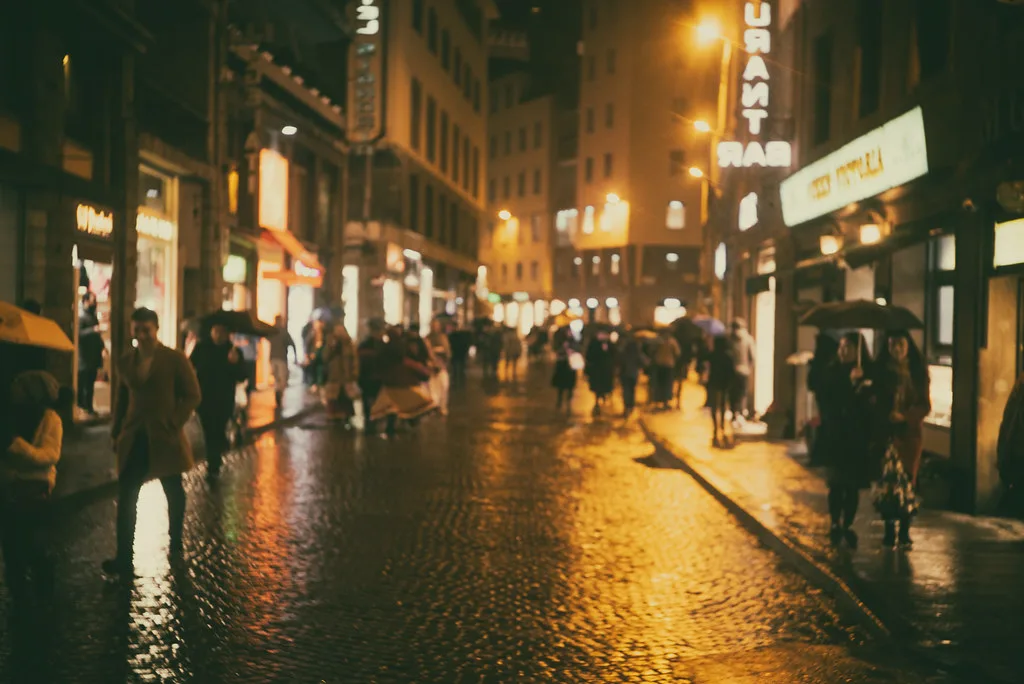
Rain arrives as showers rather than all-day downpours in most places, so a flexible plan matters more than an umbrella. Keep one indoor anchor per day and swap outdoor blocks around when the forecast shifts, because the first week and the last week of November often feel like different seasons.
North Versus South in November
Early November still carries some late-season warmth and a little residual travel traffic, especially in the south where school breaks spill into the first days of the month. By the second week visitor numbers fall away sharply, and by the end of the month northern lakes and coastal villages are genuinely empty.
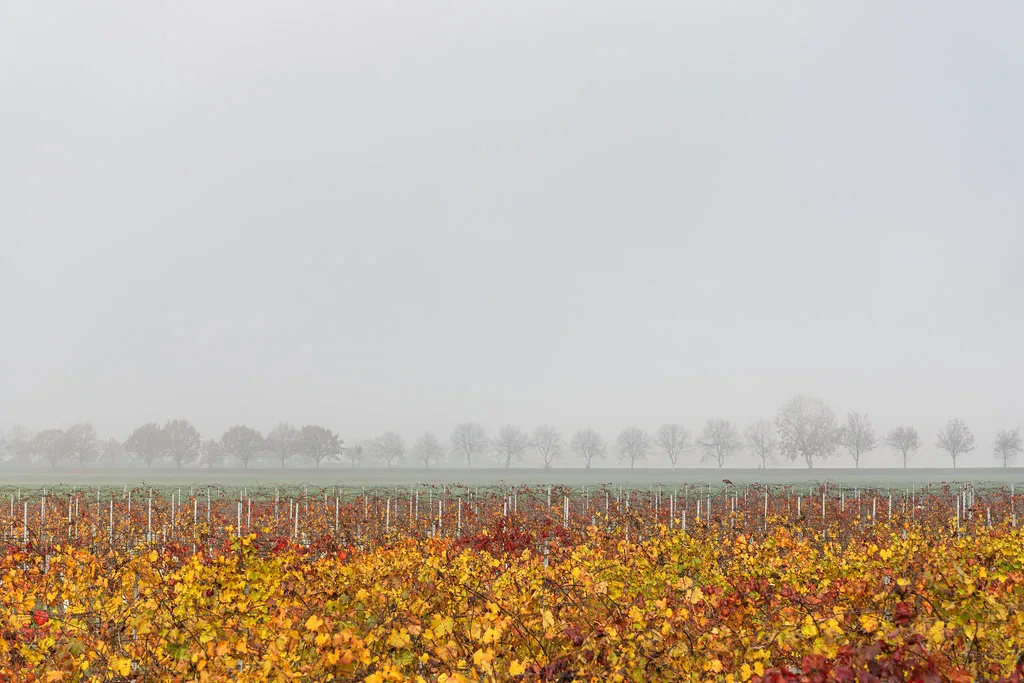
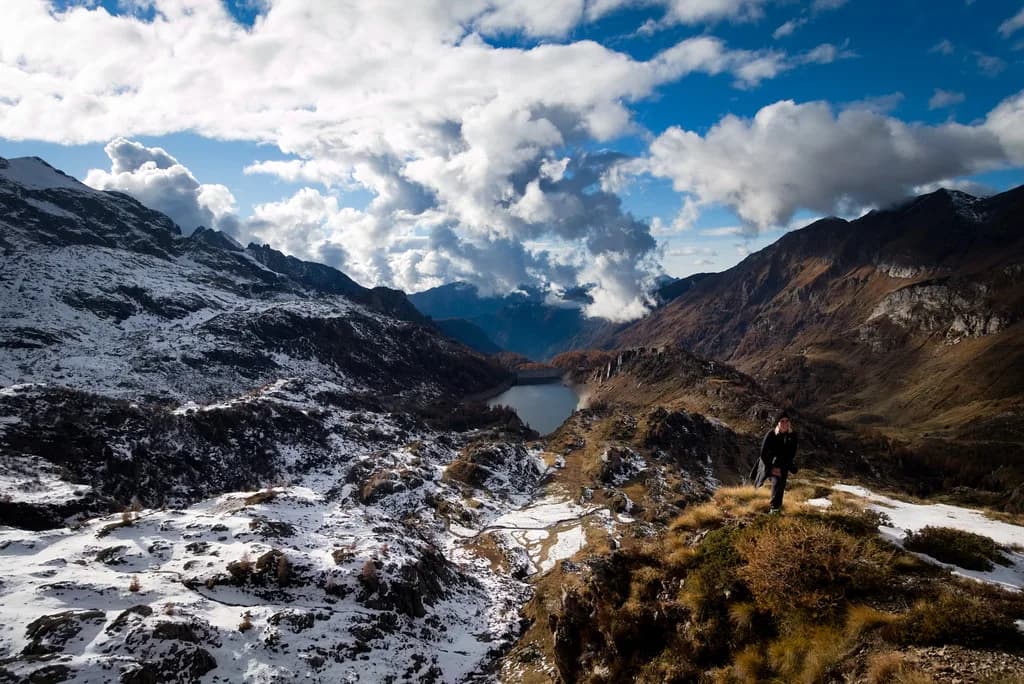
A northern lakes trip and a southern city trip are two different holidays in November. The lakes give you fog, bare trees and silent waterfronts; Naples or Palermo give you walkable ruins, open markets and lunch outdoors. Choose the first for atmosphere and photography, the second for comfort.
Mount Etna dominates eastern Sicily and remains the island's big outdoor draw, though winter conditions on the mountain are their own subject. Use a regional guide to judge whether the upper slopes fit your dates, and keep a coastal or city day as backup.
What Closes and What Stays Open
Small tourist towns, especially along the coast and around the lakes, wind down for the season: boat tours stop, some restaurants and shops shut, and many seasonal hotels close from November through March. Larger cities keep museums, restaurants and transport running year-round, which is why first-time November visitors should base themselves in Rome, Florence, Venice, Milan, Naples, Verona or Bologna.
Lake Como shows the split within a single destination. Como town stays lively because people live there, while Bellagio can be almost entirely shut by late November, with hotels shuttered and most shops closed. If you want lake views without a ghost town, sleep in Como and take the ferry to Cernobbio for a lakefront walk; services thin out but the lake itself stays open.
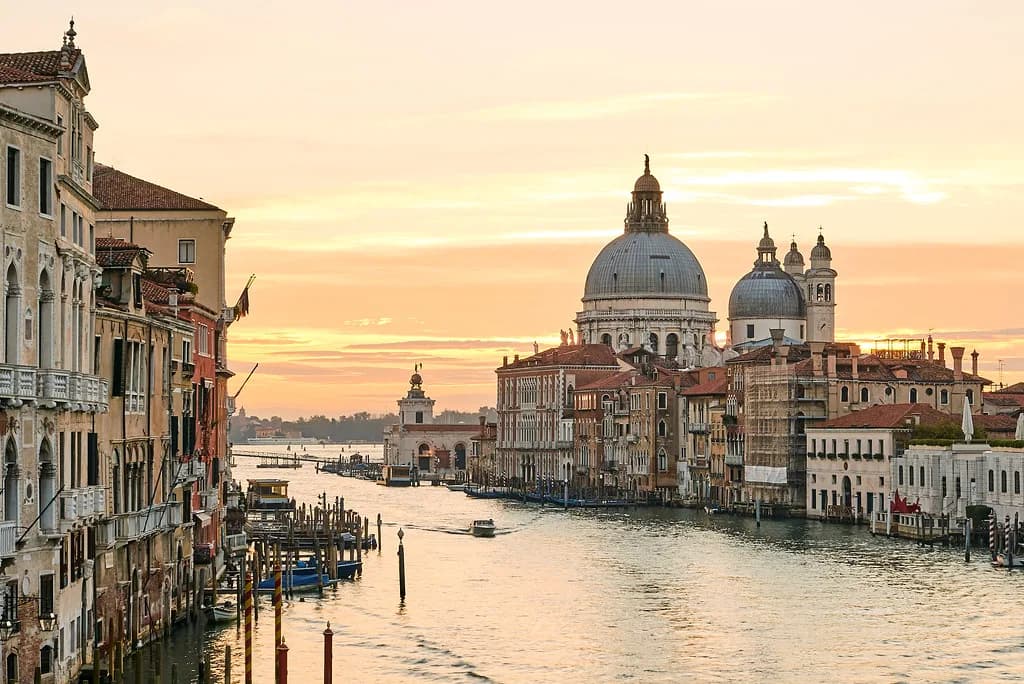
Venice adds a seasonal wrinkle: acqua alta, the high water that occasionally floods the lowest parts of the city, is most likely in autumn and winter around new and full moons. Plan low-lying routes for the middle of the day and check tide timing before committing to a morning walk.
How Busy It Is
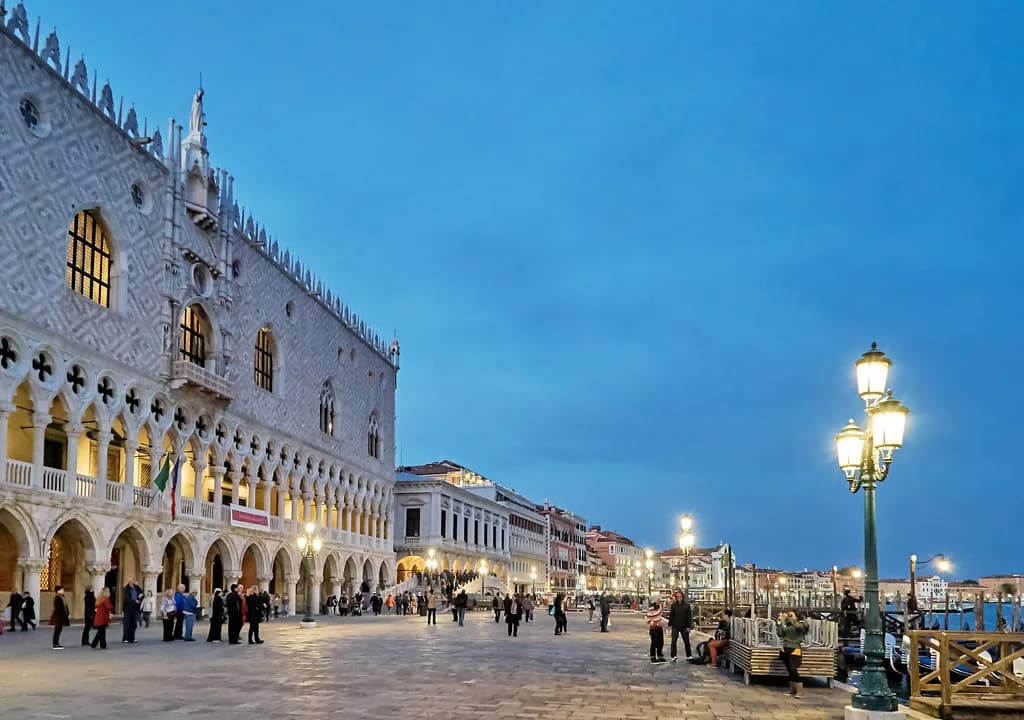
Crowds fall fast after the first week of November, but the headline sights never empty completely. Tour groups still reach the Colosseum, the Vatican Museums and the Doge's Palace during the day, so the reliable quiet window is the first hour after opening, when November mornings can leave you almost alone at major monuments.
The Last Supper in Milan is the exception that proves the rule: it needs booking well ahead even in low season, while Milan's Duomo terraces can sometimes be visited with no queue at all in late November. Business cities stay lively with locals in the evenings, so restaurants in Rome and Milan still fill at lunch and dinner even when the streets look calm.
Things to Do in November
Build days around indoor sights where the weather is an advantage. The Uffizi in Florence, the Vatican Museums and Sistine Chapel in Rome, the Doge's Palace in Venice and Bologna's covered porticoes all reward a gray day, and the porticoes in particular let you cross the historic centre dry.
November is also the start of the cultural season, with opera and concert performances returning to Italy's main cities. Pair an evening performance with a long lunch, a food tour or a cooking class, which suit short daylight far better than long countryside drives.
If you want more ideas for the colder months, from thermal baths to city museums, the wider winter coverage collects them by region and season.
November Food: Truffles, Porcini and Sagre
This is white truffle season, and it is the month's strongest reason to eat well. Alba in Piedmont is the most famous source, San Miniato in Tuscany holds a white truffle fair, and restaurants across the north shave truffle over pasta, risotto and even pizza. Porcini, chestnuts and new olive oil appear on menus alongside them, and small-town sagre celebrate each in turn.
A truffle hunt from Milan or a market visit in Alba makes a good day trip, but hunts depend on weather and ground conditions, so ask the hunt organiser about timing when you book instead of counting on a fixed schedule. In the cities, autumn menus in Rome and Bologna are the low-effort version of the same pleasure.
All Saints' Day on 1 November
All Saints' Day on 1 November is the one national holiday of the month, and it has limited practical impact on tourists. Shops, banks and post offices may shorten hours, but restaurants, souvenir shops and most attractions stay open, so a city break starting on 1 November generally works.
The real exception is museums with their own holiday rules, such as the Vatican Museums, which close on 1 November. All Souls' Day on 2 November is not a public holiday, but many families visit cemeteries around then, which changes the mood in smaller towns more than in big cities.
Late-November Christmas Markets and Lights
From the last week of November, Christmas lights go up and the first markets open, giving you a preview without the December crush. Como's market starts on the last weekend of November, Verona's Christkindlmarkt opens in late November and fills Piazza dei Signori, and Milan switches on its decorations around the same time.
If markets are your main reason for travelling, come back later in the season or cross into December, when the programme is fuller and the atmosphere sharper.
Day Trips That Work in November
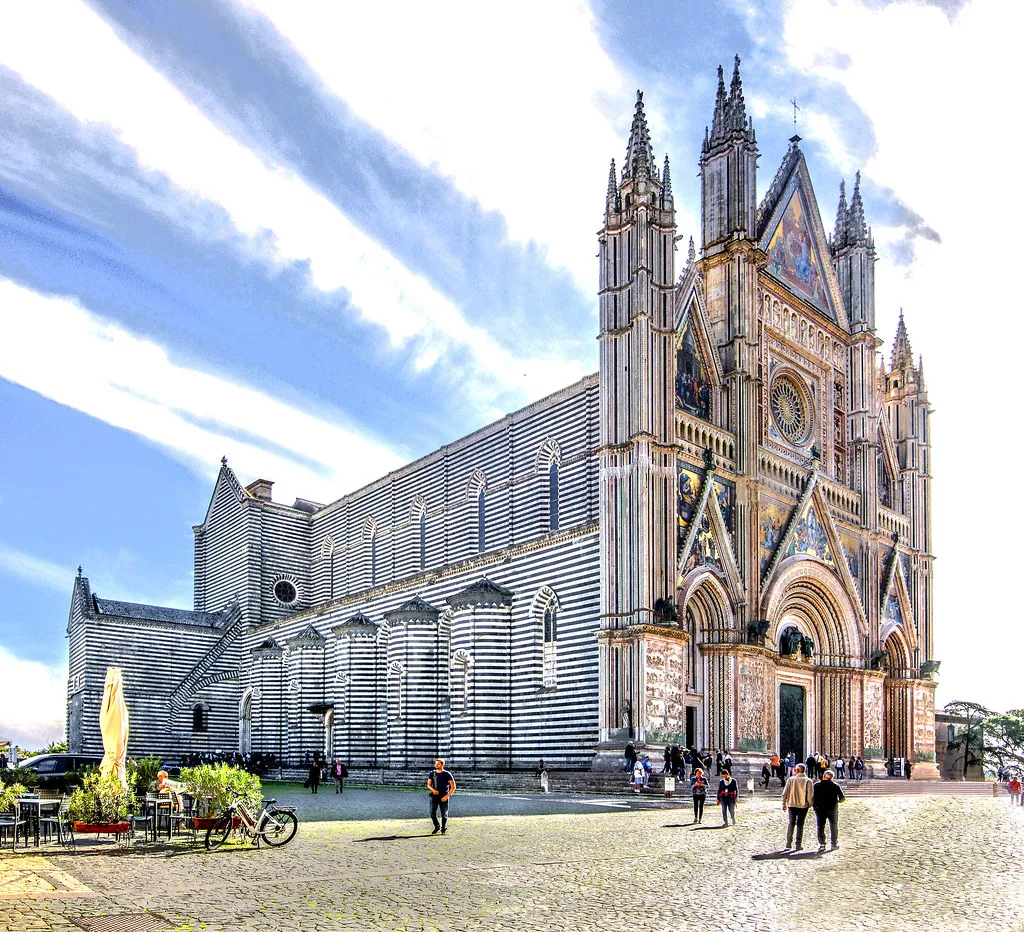
Pompeii is better in November than in July: the open-air ruins are large, shadeless and hot in summer, and mild southern temperatures make a half-day there comfortable. Pair it with Naples for pizza and the archaeological museum, and treat the coastal drive as scenery rather than a beach day.
From Milan, Bergamo's walled Città Alta is under an hour away and works in drizzle, with medieval streets, the Colleoni Chapel and hearty local pasta to retreat into. From Venice, Burano stays reachable by boat and is quieter than the historic centre, though some lagoon services run less often outside summer.
Cinque Terre and Portovenere can still be lovely in early November, when boat tours sometimes continue past their nominal end if the weather holds, but by late in the month services thin and villages feel sleepy. If the coast is the point of the trip, the Amalfi Coast and Sicily hold up better than the Ligurian and lake resorts.
The Trade-Offs
November buys you space, lower demand and better light for photography in exchange for rain, early darkness and closures. It suits museum-goers, city walkers, food travellers and anyone who prefers Rome or Venice without crowds; it does not suit beach seekers, lake-resort loyalists or travellers who need every boat and cable car running.
Anyone planning to swim should look elsewhere in the calendar: sea temperatures drop and most beach resorts cut services, so coastal time becomes walking and eating rather than bathing. If warmth is the priority, head south to Sicily; if empty museums are, stay in the big northern cities.
Getting Around in November
Trains link the big cities efficiently, and the Milan–Verona–Venice and Rome–Florence–Bologna corridors are the simplest way to combine several bases without a car. Outside the cities, winter timetables thin out ferry and bus connections, so check the operator's seasonal schedule before planning a day around a single boat.
Driving gives you flexibility for hill towns and truffle country, but short daylight means finishing rural drives before dusk. Base in a city with year-round transport and take day trips rather than stringing together small towns that may be half-closed. For snow conditions in the Alps and Apennines, a regional snow guide is the better reference than a city forecast.
Who November in Italy Suits
Pick November if you want Rome, Florence, Venice or Naples without summer queues, if white truffles and long lunches appeal, and if you can treat rain as a reason to duck into a church or a museum. Base yourself in big cities, keep plans loose, and save the lakes and small coastal towns for a warmer month.
If your trip is really about beaches, lake swimming or guaranteed sunshine, wait for spring or early summer. If it is about food, art and walking, November gives you Italy at its most local, with the trade-off plainly visible in the forecast each morning.
Explore more Italy winter guides
Frequently Asked Questions
Is November a good time to visit Italy?
For cities and culture, yes. Crowds drop sharply after the first week, major sights are easier to visit early in the morning, and restaurants and museums in Rome, Florence, Venice, Milan, Naples and Bologna stay open. The trade-offs are rain, early darkness and seasonal closures in small coastal and lakeside towns, so plan around indoor anchors and keep outdoor plans flexible.
How cold is Italy in November?
Typical November conditions range from roughly 6°C to 12°C (43°F to 54°F) in Milan and Venice, through about 7°C to 17°C (45°F to 63°F) in Rome, to around 10°C to 19°C (50°F to 66°F) in Naples, Sicily and Sardinia. Treat these as long-term averages; individual weeks can be warmer, colder or wetter.
Is Italy very rainy in November?
November is one of the wetter months, with roughly six wet days in Milan and Venice, around nine in Rome, and seven to nine across the south. Rain usually comes as showers between clearer spells rather than non-stop downpours, so a flexible itinerary with one indoor option per day handles it well.
What part of Italy is warmest in November?
Sicily and the far south are generally mildest, with daytime highs often in the high teens or near 20°C (68°F) in Palermo and Catania. Naples and the Amalfi Coast follow close behind, while the northern lakes and Alpine foothills are the coolest and dampest.
Can you swim in Italy in November?
Sea temperatures drop significantly and most beach resorts reduce services, so swimming is not the reason to come. Coastal time in November works better as walking, scenic drives and seafood lunches; if warm water matters, choose a summer or early-autumn trip instead.
Where is the best place to go in Italy in November?
Rome, Florence, Venice, Milan, Naples and Bologna are the safest bets for open museums, restaurants and transport. For milder weather, add Palermo, Catania or Pompeii. Lake villages such as Bellagio and small Ligurian resorts go quiet, so base in Como or a city rather than a seasonal village.
How many days do you need in Italy in November?
Four to five days covers one city well with a day trip, while a week lets you combine two bases by train, such as Rome and Florence or Milan and Verona. Short daylight means fewer stops per day than in summer, so two cities in a week is usually more satisfying than three.
What is open in Italy in November?
Big-city museums, restaurants, hotels and public transport run year-round, and Christmas lights and the first markets appear in the last week of the month in places such as Como, Verona and Milan. Small coastal and lakeside towns close many hotels, shops and boat services for the season, so check the specific town before planning around it.
Sources
Winter travel notes
Optional updates when we add or revise winter guides.
You might also like
Continue reading
More guides you'll find useful