Things to Do in Italy in Winter: What to Choose
Plan winter in Italy around what works: quiet city museums, thermal baths, ice festivals in South Tyrol and storm-watching on the southern coast.
On this page
Italy between November and March is a country of two halves. North of the Apennines you get cold, damp city days and snow in the Alps and upper Apennines, while Rome, the south and Sicily stay mild enough for long walks and outdoor sightseeing. The trade-off is short daylight and a coastal economy that largely shuts down, so the trip works best for travelers who want museums, food and hot springs rather than swimming.
This is also the quietest stretch of the Italian year outside the Christmas week and Carnival. Landmark sights that require timed tickets in summer can often be visited at short notice, restaurants cook heavier seasonal food, and hotel availability improves almost everywhere except mountain resorts during holidays. The question is less whether Italy is worth visiting in winter than which part of it matches the weather you are willing to accept.
Who a Winter Trip to Italy Suits
Winter suits travelers who prefer cities to coastlines: Rome, Florence, Venice and Milan all function normally, with their museums, churches and restaurants open and their queues shorter. It also suits anyone chasing food and wine, since the cold months are when truffles, braises and long lunches make most sense. Travelers who need warmth and sea swimming should look at late spring or early autumn instead, because Italian seaside towns are geared to summer.
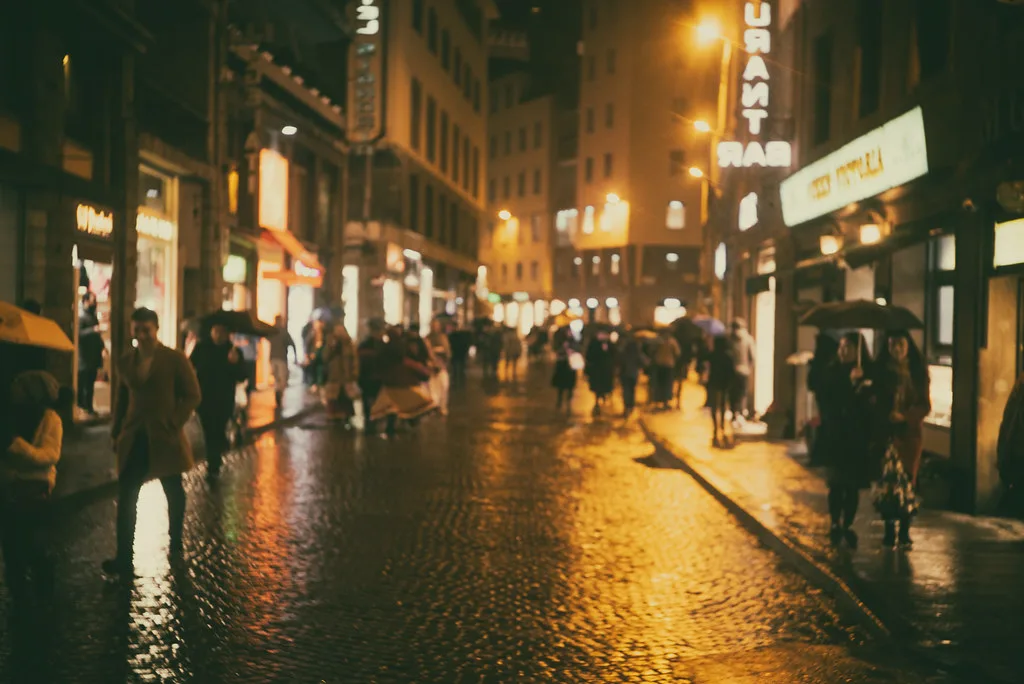
Families and couples often find the run-up to Christmas the easiest introduction, since cities dress their squares and streets with lights and the atmosphere carries the trip even in grey weather. If you want a specific seasonal flavor, late December and the Carnival period in February are the two liveliest windows. November and late January are the calmest and cheapest-feeling, but also the dampest in the north.
Weather in Italy in Winter
Treat winter weather as typical conditions rather than a forecast: the Alps and Dolomites are cold and snowy, the Po Valley and northern cities are cold, foggy and often wet, and central Italy sits in between with crisp spells alternating with rain. Rome and the south are milder, with daytime temperatures that usually allow walking without heavy layers, while Sicily is milder still. Published climate averages from the national weather service are the reliable way to compare specific cities before booking.
Daylight is the constraint most visitors underestimate. In December, sunset arrives in the late afternoon across the country, which pushes outdoor sightseeing into a short window and makes indoor attractions the sensible morning choice. By March the days have lengthened noticeably and the clock change at the end of the month adds an evening hour.
Snow is a regional story rather than a national one. The Alps and the higher Apennines hold snow reliably, cities like Turin, Milan and Bologna rarely see it settle, and Rome gets it only in exceptional years. If snow is the point of the trip, choose the mountains and check snow reports from the lift operators rather than relying on town-level forecasts.
Cities in Winter: Rome, Florence, Venice and Milan
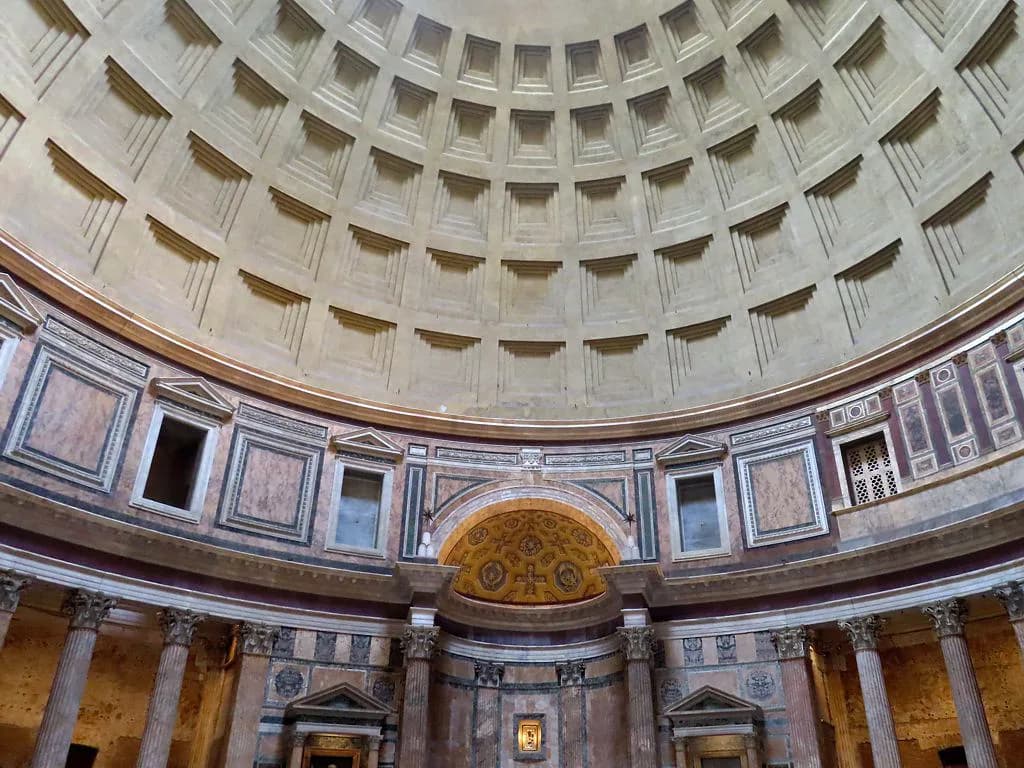
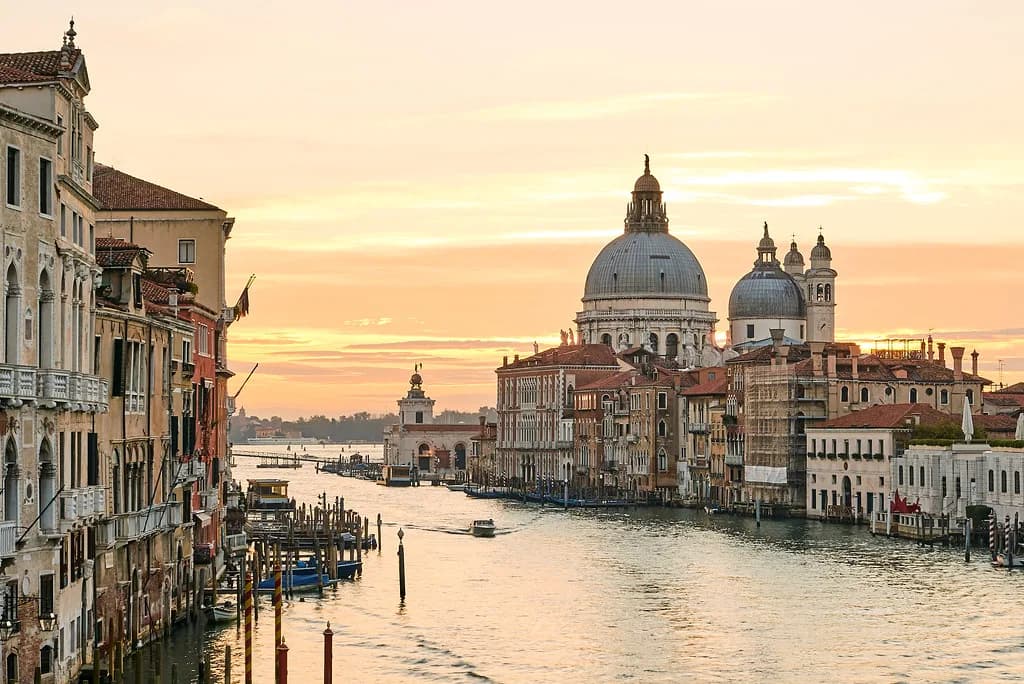
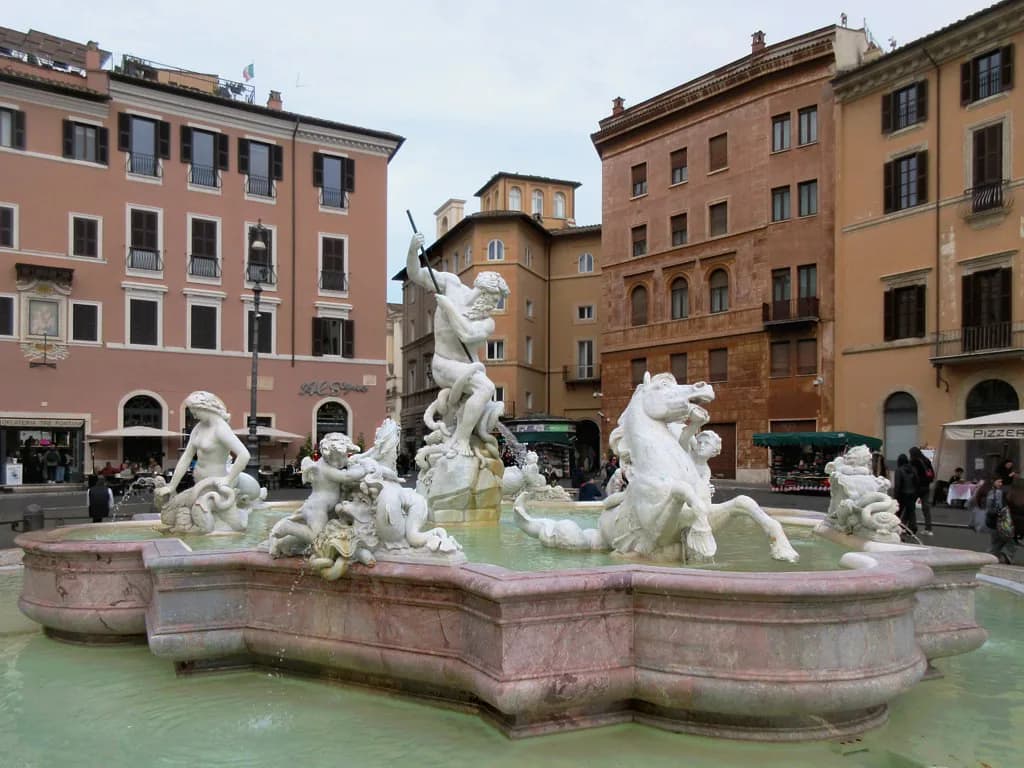
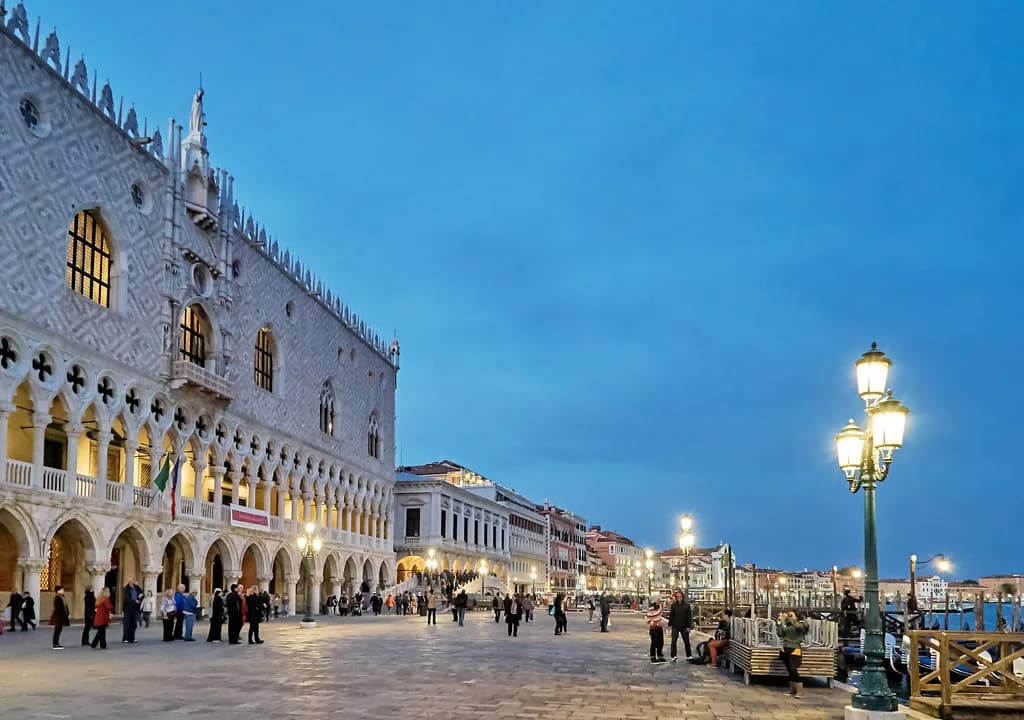
Rome is the strongest winter city break in the country: the Colosseum, the Vatican Museums and the centro storico all work in cold weather, and the mild climate means you can still eat outside on sunny afternoons. Florence follows the same logic, with the Uffizi and the Accademia absorbing rainy days and the Oltrarno streets quiet enough to wander. Venice is at its most atmospheric in mist and low light, though winter also brings acqua alta, so plan around the tide forecasts.
Milan earns its place in winter for indoor culture and food rather than scenery: the Duomo, the Pinacoteca di Brera and the city's aperitivo culture fill short days, and the Alps are close enough for a day in the mountains. Book major museums online anyway, because winter shortens opening hours even where it does not close anything.
Winter-Only Events Worth Planning Around
The South Tyrol turns into an outdoor sculpture gallery each January, when San Candido and San Vigilio di Marebbe host an international festival of ice sculptures. The national tourism board describes the towns as open-air exhibition spaces for the duration, which makes a January trip to the Dolomites worthwhile even for travelers who never put on skis.
In the south, the Sassi di Matera stage a living nativity scene that runs from 5 December 2026 to 3 January 2027, using the cave dwellings as a backdrop. It is one of the few Italian winter events where the setting itself justifies the journey, and it pairs naturally with a few days in Puglia or Basilicata. Oratino in Molise holds its own light display, the Faglia, on 24 December 2026.
Markets and Christmas in Italy
Christmas markets are a northern specialty, and the best-known run in Bolzano and Bressanone in South Tyrol, both from 27 November 2026 to 6 January 2027. Expect wooden stalls, mulled wine and local speck and rye bread rather than a nationwide tradition; southern cities mark the season with lights and presepi instead. If markets are your main motivation, base yourself in Trentino-Alto Adige rather than trying to reach them from Rome.
Thermal Baths and Spas
Italy's thermal tradition gives winter travelers an indoor activity that is genuinely better in the cold. Tuscany's hot springs, the Veneto's Euganean spas and the volcanic baths around Ischia and the Campania coast all operate through the winter, and a half-day soak fits neatly into a short daylight window. Facilities differ widely in whether they are developed resorts or free outdoor pools, so choose according to whether you want towels and changing rooms.
Book spa entries in advance around weekends and the Christmas holidays, when Italians themselves fill the pools. Many establishments sell timed slots and separate indoor and outdoor circuits, so decide what you want before you arrive rather than at the counter.
Mountains in Winter Beyond Skiing
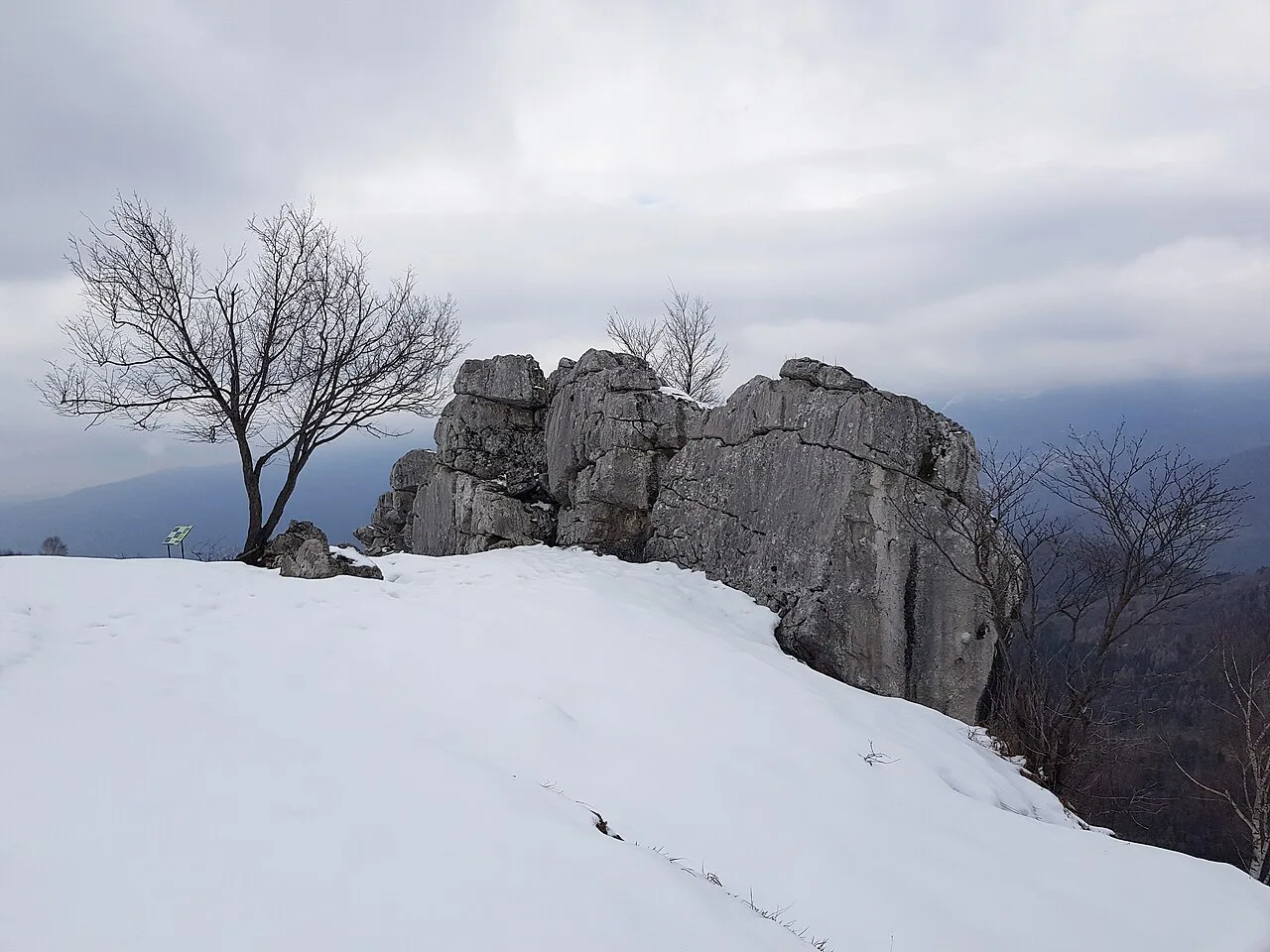
The Dolomites in winter are not only for skiers. The Dolomiti Superski area links twelve ski zones with a single pass, but non-skiers can use lifts for viewpoints, walk groomed valley paths and eat in mountain huts. Towns such as Cortina d'Ampezzo, Alta Badia and Val Gardena function as full winter resorts with shops, museums and restaurants.
The Apennines offer a cheaper, quieter version of the same idea. Corno alle Scale in Emilia Romagna, the highest mountain of the northern Apennines, runs snowshoe sessions and winter walks as well as downhill slopes, and Forni di Sopra in the Friulian Dolomites combines skiing with snowshoeing, ice climbing and an ice rink. These are good choices if you want snow without resort-town prices.
The Coast and the South
Winter on the Italian coast is for watching the sea, not entering it. The national tourism board singles out the stormy water off the Faraglioni di Sant'Andrea in Puglia as a winter sight in its own right, and the same rough-sea drama plays out along the Ligurian and Tyrrhenian coasts. Expect many beach clubs and seasonal restaurants to be shut, so base yourself in a working town rather than a summer resort.
Sicily is the warmest realistic option for a winter trip, with Palermo's markets, Taormina's Greek theatre and hiking on Etna all viable in the cooler months. It is a different trip from a summer beach holiday: you will want a coat for evenings and you should check the status of mountain roads before driving up.
Food and Wine in the Quiet Season
Winter is when Italian cooking is at its most comforting and most regional. Piedmont serves truffles and braised meat, Tuscany and Umbria lean on hearty pasta and olive oil, and the south keeps its seafood but moves it indoors. Long Sunday lunches are a genuine activity in themselves, and booking is wise because winter opening days are fewer than in summer.
Wine country works in winter too, though many small estates receive visitors by appointment only outside the harvest. Choose a town with a year-round life, such as Alba, Montepulciano or Bolgheri, and build the day around one cellar visit and one long meal rather than a string of tastings.
Day Trips That Still Run in Winter
Train-based day trips are the most reliable winter option: Orvieto and Assisi from Rome or Florence, Verona and Padua from Venice, and Bologna's own surroundings, including Corno alle Scale, from Bologna. Rail timetables hold up in bad weather far better than mountain roads, and station cafés make waiting tolerable.
Ferries and hydrofoils thin out in winter, particularly to the smaller islands, so treat any island day trip as a full day with a fixed return crossing. Amalfi Coast bus services also run reduced winter schedules, which makes a car or a guided transfer more practical than in summer.
Getting Around
Italy's high-speed rail network is the backbone of a winter itinerary and runs year-round, linking Turin, Milan, Bologna, Florence, Rome and Naples. Regional trains reach smaller towns but run less often on Sundays and public holidays. Buy tickets in advance for the Christmas and New Year weeks, when Italians travel to see family.
Local transport changes with the season. Alpine cable cars and lifts close for maintenance in shoulder weeks, coastal bus routes cut frequency after the summer, and some island connections stop entirely. Check the lift company or ferry operator's own timetable for a specific date, as schedules can change.
Holidays and Dates to Plan Around
The fixed points in the Italian winter calendar are Christmas Day on 25 December, Epiphany on 6 January, and Carnival in February. In 2026–27, Christmas Day falls on a Friday and New Year's Day on a Friday, with Epiphany on Wednesday 6 January 2027, so the holiday travel crush is concentrated in those two long weekends. Expect museums to keep Sunday-style hours on public holidays.
Carnival Tuesday falls on 9 February 2027, with Ash Wednesday on 10 February. Venice's Carnevale is the most famous Italian celebration and books out accommodation weeks ahead, but many smaller towns hold their own processions with far smaller crowds.
Crowds, Prices and Short Days
Winter is cheaper and calmer than summer almost everywhere except ski resorts and the Christmas week, when Italian families travel and alpine hotels fill. Cities see low midweek demand in January and February, which is when you will find the most relaxed experience at major sights. Mountain towns are the opposite: quiet in early December, busy over the holidays and on February weekends.
The real cost of a winter trip is daylight and weather flexibility. Build in one indoor option per day, keep an evening museum or concert as a fallback, and resist packing a schedule that depends on clear skies. Travelers who accept a mixed forecast get a far better trip than those who plan around a single viewpoint.
Who Should Pick Another Month
If your idea of Italy involves swimming, beach clubs, boat trips to small islands or eating dinner outside every night, choose May, June or September instead. Coastal towns in winter are quiet to the point of closure, and the sea is cold enough that only the hardy go in.
If you want reliable sunshine and T-shirt weather, southern Spain or the Canary Islands are better winter bets than anywhere in Italy. Italy rewards a winter visit when you want culture, food and mountains with far fewer people around.
Plan Your Winter in Italy
Build a winter trip around one region rather than the whole country: a northern city with alpine access, a central city with thermal baths and hill towns, or the south with Matera and the coast. That way short days become an asset rather than a problem, and transport time does not eat the light.
Fix your dates around the events that matter to you, whether that is the ice sculptures in January, the Matera nativity in December or Carnival in February, then let the weather decide the rest of the plan day by day.
Explore more Italy winter guides
Frequently Asked Questions
Is Italy worth visiting in winter?
Yes, if you want cities, food, thermal baths and mountains without summer crowds. Rome, Florence, Venice and Milan all function normally, and ski areas and alpine towns are in full swing. It is not the right season for beach holidays or island-hopping, because coastal facilities and ferries run reduced schedules.
Which part of Italy is best in winter?
It depends what you want from the season. Rome and Florence offer the best balance of mild weather and indoor culture, the Dolomites and South Tyrol deliver snow and winter events, and Sicily and the south stay mildest for outdoor sightseeing. The far north is cold and foggy but rewarding for food and city life.
What is there to do in Italy in winter besides skiing?
Museums and churches in the major cities, thermal baths in Tuscany, Veneto and Campania, food and wine touring, winter walks in the Apennines and Alps, and seasonal events such as the ice sculpture festival in San Candido and San Vigilio di Marebbe and the living nativity in Matera's Sassi. Storm-watching on the southern coast is another option.
What is the weather like in Italy in winter?
Northern cities are cold and often damp, the Alps and Apennines are snowy, and Rome and the south are milder with more usable daylight for walking. Daylight is short in December and lengthens through March, when clocks change at the end of the month. Check national weather service climate averages for your specific cities.
Where is the warmest place in Italy in winter?
Sicily and the far south are the mildest, with Palermo and the Sicilian coast generally warmer than the mainland. Coastal Campania and Puglia are also comparatively mild, though wind and rain still occur. For guaranteed sunshine and swimming, look outside Italy entirely.
Are restaurants and shops open in Italy in winter?
Cities and year-round towns keep normal opening hours, with some restaurants taking their annual break in a quiet week rather than closing for the season. Seaside resorts and small islands are the exception, where many businesses shut after the summer. Mountain resorts open fully for the ski season.
Sources
Winter travel notes
Optional updates when we add or revise winter guides.
You might also like
Continue reading
More guides you'll find useful