New Year's Eve in Italy: Where to Be at Midnight
New Year's Eve in Italy brings cenone dinners, lentils at midnight and public concerts in the piazzas. Here is how cities mark 31 December into 1 January.
On this page
New Year's Eve in Italy is a night built around a long dinner, then a move into the street. Families and friends sit down late for a cenone, the big meal that closes the year, and head out afterwards to a main square where a free concert or a fireworks display is waiting. Cities differ in scale but not in rhythm, and that rhythm is what shapes how you plan the evening.
The last night of December suits travelers who like cold air, crowds and a reason to stay up late, and who do not mind eating late and walking home afterwards. It is a harder fit for early risers, for anyone who wants a quiet table at nine, or for a family with small children who need an early night. The days around it are short, so the whole celebration happens in darkness.
This guide covers the recurring public programme and the traditions behind it, city by city. If you want the wider context for the season, start with the Italy in winter overview before committing to dates.
How the Evening Runs
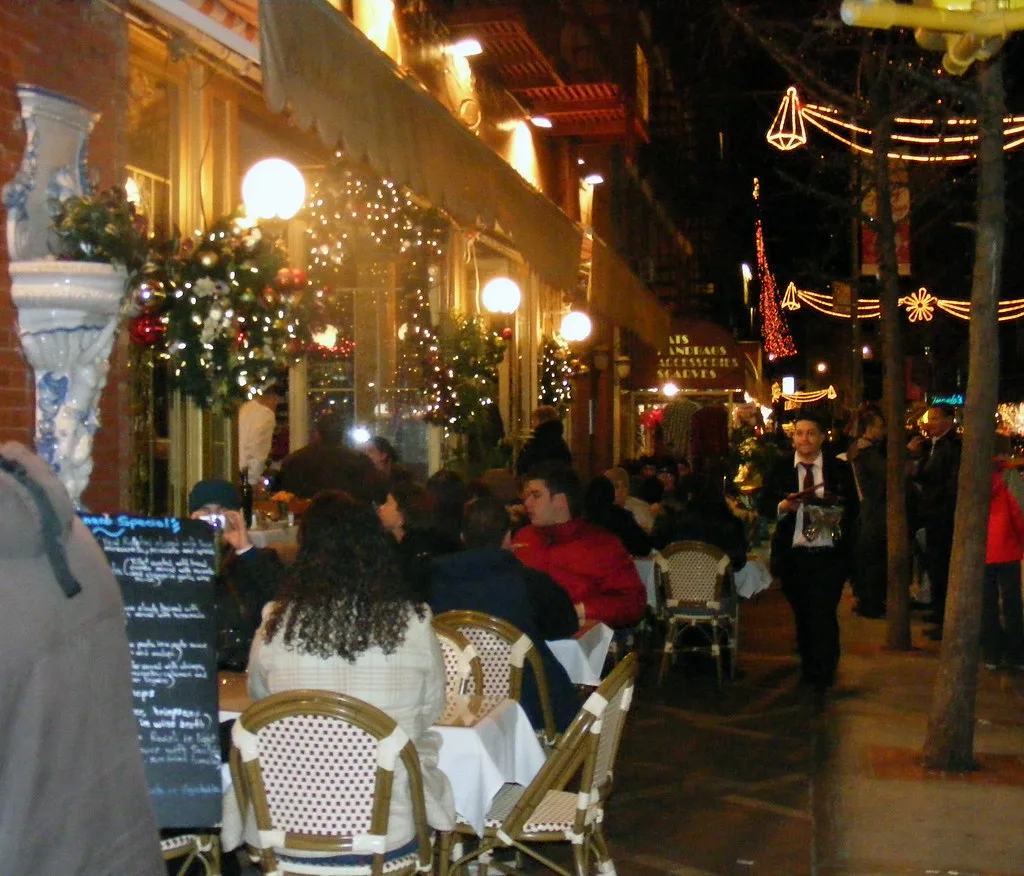
The night starts at the table, not in the square. A cenone is the standard format, an extended dinner with multiple courses that most restaurants serve as a fixed menu on 31 December, which is why eating out costs more than on an ordinary night. Book well ahead, because the good tables go first and demand pushes prices up as December runs out.
After dinner, the city takes over. Towns and cities stage organized outdoor concerts in their main squares, usually with an official fireworks show in the same place, so you rarely have to choose between music and pyrotechnics. The result is that the centre is where the evening ends, wherever you ate.
Plan the walk between dinner and the square before you go. Centro storico addresses put you within reach of the main gathering points; a restaurant on the edge of town means a long, cold walk or a hunt for a taxi at the worst possible hour. Eating earlier in the evening also lets you reach the square before it fills.
Weather on 31 December
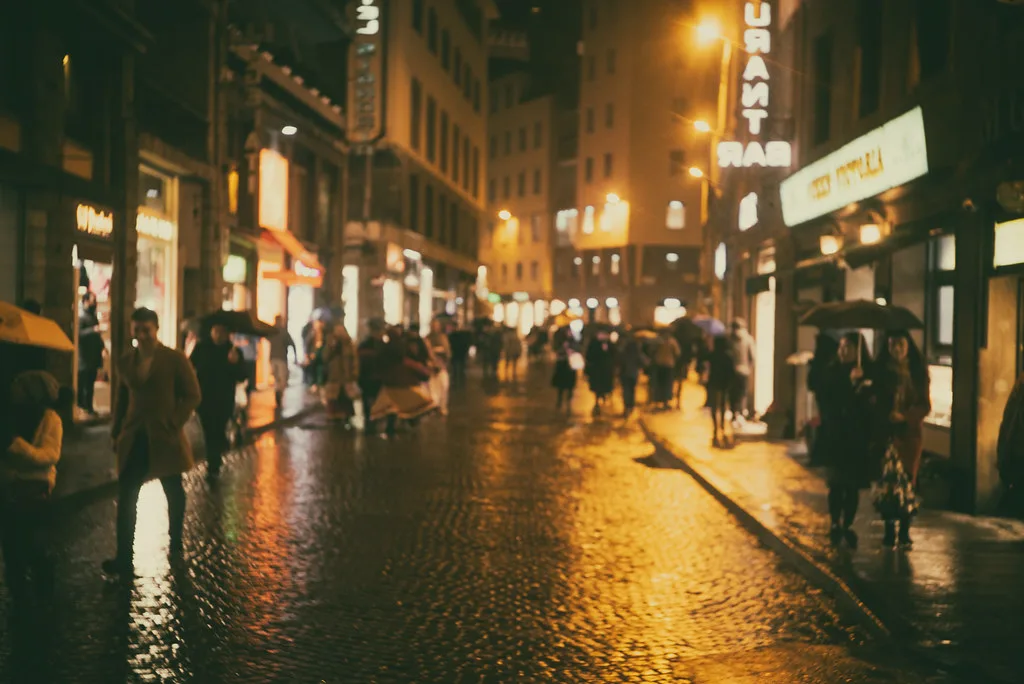
Late December in Italy is cold rather than severe, and it is dark by the time dinner begins, which is why the entire celebration happens at night. Rain and wind are the practical concerns in Rome around New Year, so a waterproof outer layer matters more than heavy insulation for a night spent standing outdoors.
In the north, Milan and Turin are noticeably colder than Rome, and staying warm outdoors for hours is a real challenge, so much of the evening moves indoors to restaurants, clubs and concert halls. On the coast and in the south, including Naples, conditions are milder but the sea air can be raw after midnight. Wherever you are, expect a short afternoon and a long night.
The Traditions Behind the Night
Cotechino and lentils are the dish of the night. The sausage is sliced into the lentils, and the small round legumes are eaten because they resemble coins and are meant to bring money in the coming year, so expect to see them on almost every menu. It is the one plate that ties the whole country together.
At midnight, glasses of prosecco come out and the countdown ends with a kiss, or a double cheek kiss among friends. Wearing red underwear on New Year's Eve is another widely followed custom, sold in shops across the country in the days beforehand. Treat these as the shared rituals of the evening rather than regional quirks.
In the south, particularly around Naples, the old year is physically discarded: locals throw unwanted objects, sometimes furniture, out of windows at midnight to make room for a fresh start. If you are walking through a southern city centre at that hour, keep to open ground and away from residential facades. Fireworks in Naples and along the coast are among the most intense in the country.
Rome: The Public Programme
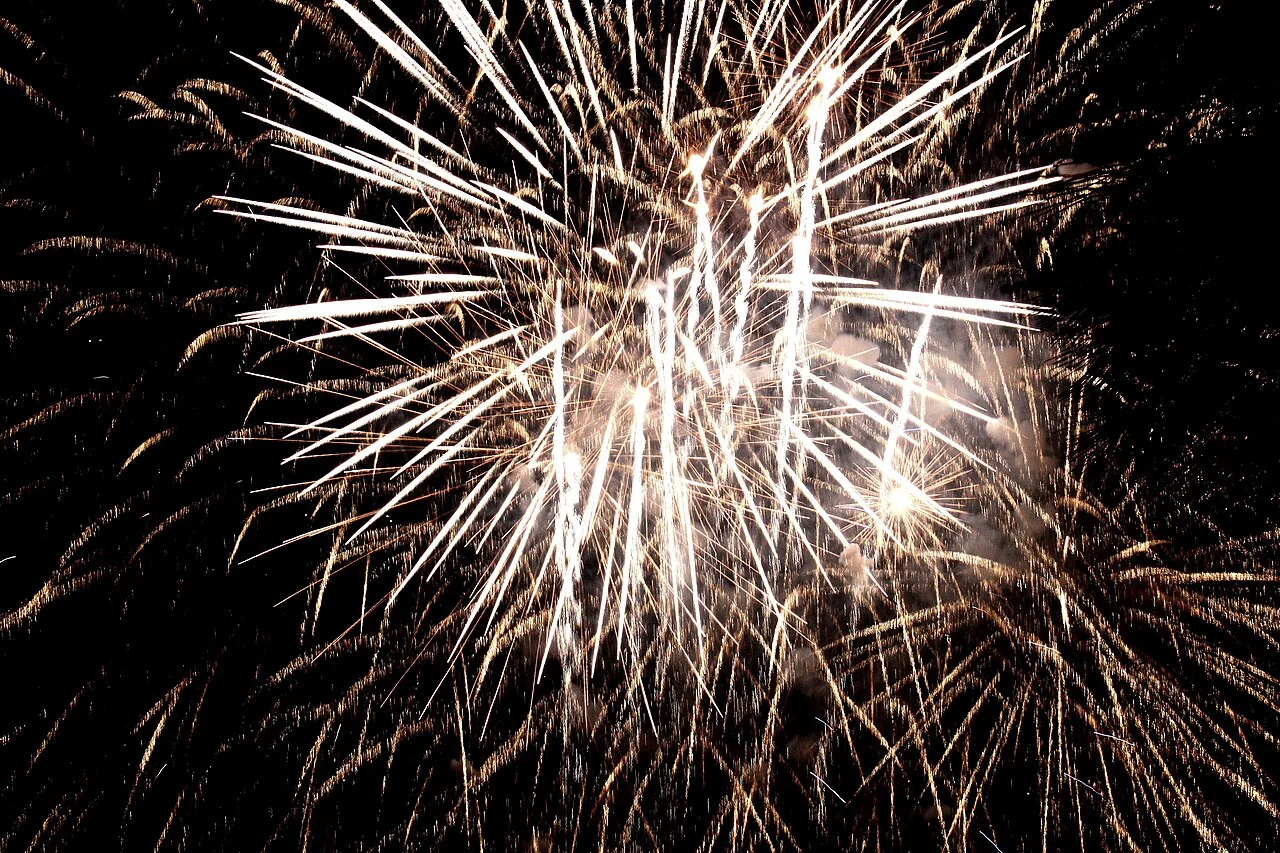
Rome runs the largest free programme in the country. La Festa di Roma covers New Year's Eve and New Year's Day with a long schedule of free concerts and cultural events, opening at the Circus Maximus at 9:30pm on 31 December, followed by fireworks sponsored by Acea once midnight arrives. Arrive well before the headline slot if you want to see the stage rather than the backs of other people.
The other big gathering is along Via dei Fori Imperiali, the avenue between the Colosseum and Piazza Venezia, where a free concert puts the illuminated Colosseum behind the fireworks. Piazza del Popolo fills early and is effectively impassable by 11pm, so treat it as a place to arrive at, not to pass through. For a quieter celebration, Trastevere works better, with a traditional dinner of lentils, cotechino and zampone in a neighbourhood atmosphere.
To see the fireworks rather than stand beneath them, climb. The terrace of the Gianicolo, the top of the Pincian Hill and Monte Mario all give a panoramic view over the city at midnight. All three involve an uphill walk in the dark, so take a torch and leave time to get down again with the crowd.
Rome: Quieter Options and the Religious Side
Not everyone wants a piazza. The Papal Vespers and Te Deum at St. Peter's Basilica mark the close of the year with evening prayers of thanksgiving, a solemn ceremony in a very different register from the concerts. It is a free, contemplative way to spend the final hours of December, and it ends well before the fireworks.
Dinner cruises on the Tiber sell out quickly but offer a different angle on the night, gliding past illuminated landmarks such as Castel Sant'Angelo and St. Peter's Basilica, with many boats adding live music and dinner before guests gather on deck for the fireworks. Ticketed galas in historic palazzi are the other indoor option, with dinner, open bar and a DJ set at a price to match.
Rome also has a running event on the day itself, the We Run Rome 10-kilometre race, which starts and finishes near the Baths of Caracalla in the afternoon. Registration is required in advance, so it works as a plan only if you organise it before you travel.
Milan, Turin and the Northern Cities
In Milan and Turin the cold is the organising principle of the night. Public celebrations still happen, but the sensible plan is a long dinner indoors followed by a shorter spell in the square for the countdown and fireworks, then a retreat to a bar or club. Book the restaurant as early as you book the train, because northern Italians eat out on 31 December in numbers.
If you are weighing a northern city against Rome, remember that the smaller the city, the more the evening depends on your own dinner reservation rather than on a published concert programme. Verona is a good example of a compact, dinner-led night in a walkable centre.
Naples and the South
Naples takes New Year's Eve seriously, and the fireworks over the bay are the main event, with displays running along the coast as well as in the city. The midnight tradition of throwing old things from windows is strongest here and in the south generally, so the streets are not the place for a leisurely stroll at exactly twelve. Eat late, then watch from a open position with a clear view of the sky.
Southern weather is milder than the north but not warm, and the sea air makes the waterfront feel colder than the thermometer suggests. If you are extending the trip beyond the holiday, the coast is at its quietest in the first weeks of the year, which suits walkers and not swimmers. January is the month to plan around if you want the south without the holiday crowds.
Venice, Florence and Bologna
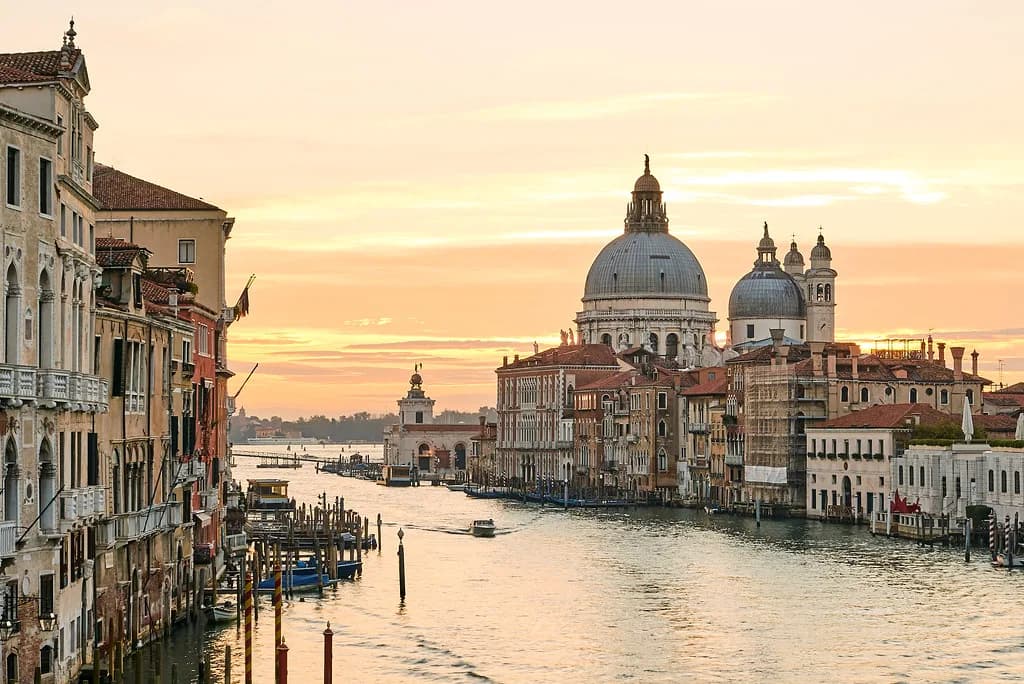
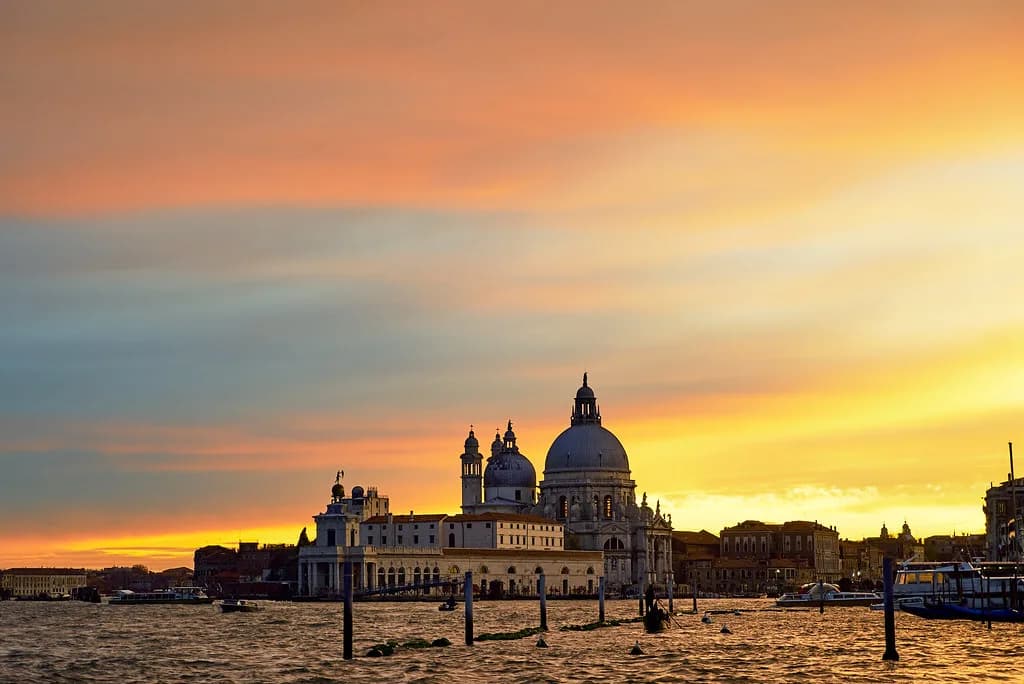
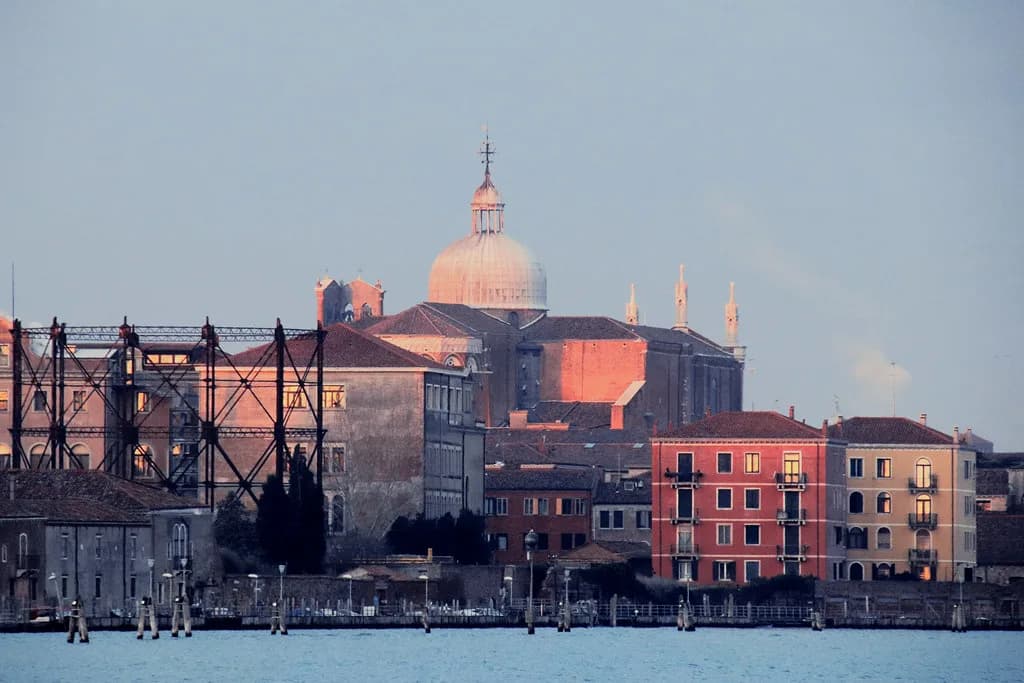
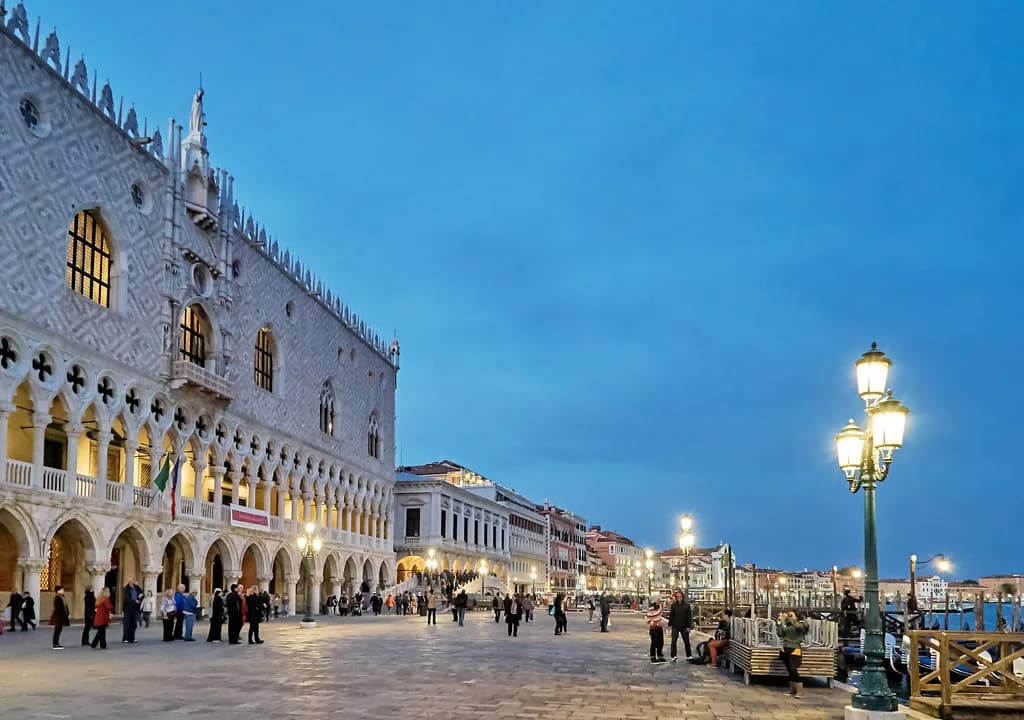
Venice, Florence and Bologna all mark the night with smaller piazzas, fireworks and dinner-driven evenings rather than stadium-scale concerts. The advantage is that you can walk between dinner, square and hotel in twenty minutes; the disadvantage is that restaurant capacity is limited, so a table booked in November is worth more than any tip you will read online. Bologna in particular has a well-established public programme in its main square.
Short days shape these trips as much as the night itself. Daylight in late December is gone by late afternoon, so sightseeing has to happen in the morning, leaving the afternoon for a rest before a long evening. Build the day backwards from midnight rather than forwards from breakfast.
If the holiday itself is only part of the trip, the days either side matter. Christmas markets in the northern cities usually wind down around the Epiphany on 6 January 2027, a Wednesday, which gives you a reason to stay into the first week of the new year.
New Year's Day in Italy
The first of January has its own programme. In Rome, a free New Year Parade at Piazza del Popolo brings together visiting American high school marching bands and Italian folk groups, which makes it a family-friendly start to the year. It is the rare event of the season that asks nothing of you but showing up.
The Pope's Mass on 1 January is free to attend, but tickets must be collected in advance, either the day before between 3pm and 7pm or on the morning of the audience between 7am and 8:30am. Museums generally keep holiday hours, and the Capitoline Museums, the Markets of Trajan, the Ara Pacis, the Museo di Roma in Piazza Navona, the Museo di Roma in Trastevere, the Museo Napoleonico and the Museum of Ancient Sculpture Giovanni Barracco are open on the day. Confirm arrangements with the individual museum before relying on them.
Getting Around on the Night
Public transport is extended but not unlimited. On 31 December Rome's metro runs until 2:30am on all three lines, while most bus and tram lines stop around 9pm, with selected routes extended to the same 2:30am finish. On 1 January services restart at 8am on the holiday timetable, so plan the morning around that gap.
Taxis are the weak point. Hailing one on New Year's Eve is close to impossible, so book in advance or accept that you will be walking. Ride-hailing apps exist but cost considerably more, and the crowd leaving the fireworks all wants the same thing at the same moment, so linger for twenty minutes rather than join the rush to the stations.
Who It Suits
New Year's Eve in Italy rewards travelers who enjoy a long dinner, cold air and a crowd, and who are happy to walk home at two in the morning. It suits couples and groups of friends who book early and treat the night as the centrepiece of a short winter break. It suits less well anyone who wants an early night, a quiet restaurant or a relaxed drive.
If the crowds and premium prices of 31 December are not what you want, come in the first half of January instead. Hotel rates fall after the holiday, museums empty out, and the winter light on the piazzas is the same. February brings Carnival, with Carnevale di Venezia the obvious draw, but that is a different trip with its own planning.
For a broader look at what the season offers beyond the holiday itself, from thermal baths to snow-covered landscapes, browse the things to do in Italy in winter collection before you fix dates.
Plan Your Visit
Decide first whether the night or the days around it matter more. A trip built on 31 December needs an early restaurant reservation, a plan for the square and a route home that does not depend on finding a taxi. A trip that merely overlaps the holiday can be planned around quieter days and cheaper rooms.
Then pick the city for the evening you actually want: a large free concert in Rome, a dinner-led night in a northern city, or fireworks over the bay in Naples. Whichever you choose, book the table before the train, and leave New Year's Day free for a parade, a Mass or a slow morning.
Explore more Italy winter guides
Frequently Asked Questions
How does Italy celebrate New Year's Eve?
Most people start with a long dinner at home or in a restaurant, then move into the streets for an outdoor concert in the main square and a fireworks display after midnight. Cities and towns stage the public part, usually in the same central location, so the evening ends where the crowd is. In the south, fireworks are especially intense.
What do Italians eat on New Year's Eve?
The traditional plate is cotechino, a spiced pork sausage, served with lentils. The lentils are eaten for good luck because their round shape resembles coins, and the dish appears on restaurant menus and family tables across the country. Meals are long and multi-course, and restaurants typically serve a set holiday menu.
Where can I watch fireworks in Rome on New Year's Eve?
The main public fireworks follow the free concert at the Circus Maximus, and another focal point is Via dei Fori Imperiali between the Colosseum and Piazza Venezia. For a view from above, the terrace of the Gianicolo, the top of the Pincian Hill and Monte Mario all look over the centre. All three require an uphill walk in the dark.
Is New Year's Eve a good time to visit Italy?
It is a good time if you want a celebratory night with a long dinner and a public party, and you are willing to book early and pay holiday prices. It is a poor fit if you want quiet streets, early dinners or cheap rooms. The days either side are short and cold, so sightseeing has to happen in the morning.
What is open on New Year's Day in Italy?
Public transport restarts in the morning on a holiday timetable. In Rome, several civic museums open on 1 January, and the city holds a free parade at Piazza del Popolo, while the Pope's Mass requires a ticket collected in advance. Venue arrangements can change, so confirm hours with the museum you plan to visit.
Do I need to book restaurants for New Year's Eve in Italy?
Yes. Most restaurants serve a fixed holiday menu on 31 December, and the best tables are taken weeks in advance, with demand pushing prices up as December closes in. Book the restaurant before you book transport. If you leave it late, expect limited choice and higher prices.
Sources
Winter travel notes
Optional updates when we add or revise winter guides.
You might also like
Continue reading
More guides you'll find useful