Kaunas in February: Winter Weather, Events and Things to Do
Plan a February trip to Kaunas with typical temperatures, snow and short daylight, what stays open in winter, Carnival timing and the museums worth your afternoon.
On this page
February is the deepest part of the Kaunas winter, when the city on the Nemunas and Neris rivers runs on a short-daylight rhythm and most visitors gravitate toward museums, cafés and covered lanes rather than long riverside walks. The upside is a bargain-priced, crowd-free version of a city that already feels unhurried outside its summer peak. If you want a February city break with indoor substance, it works; if you want long daylight and green parks, wait for spring.
Introduction
February is the month to plan around light rather than heat. Days build slowly from the turn of the month, and the low sun makes the Old Town's brick towers and interwar facades read beautifully in the middle of the day. Build your schedule around a late-morning to early-afternoon outdoor window and let museums, restaurants and bars carry the rest of the day.
Weather in February
Treat broad temperature figures for Lithuania in February as typical rather than a forecast: the national meteorological service's climate tables give the long-term averages, and they are the figures to trust over any month-specific claim you read elsewhere. Travelers who know the city note that the coldest stretch often falls at the end of January and the start of February, and that crisp, dry cold is generally more comfortable than a thaw. Check the Lithuanian Hydrometeorological Service for the latest typical ranges, and plan for sub-zero mornings and wind off the rivers.
Snow is possible rather than guaranteed, and February often brings a mix of dry cold spells and wet, melting days. That variability matters more than any single number: a thaw turns the cobbles of the Old Town slick and grey, while a cold snap keeps the city bright and photogenic. Pack for both scenarios and treat ice underfoot on the castle approach and the funicular steps as the main practical hazard.
How Short the Days Feel
Daylight is still limited in February, and the practical consequence is a compressed sightseeing day: aim to be outside between late morning and mid-afternoon, when the sun is highest and the light is best. That leaves the darker hours for indoor stops, and it also means the Aleksotas Funicular viewpoint is at its most atmospheric around midday rather than at sunset, when the city drops quickly into evening. Keep evening plans close to your base so you are not crossing the city in the cold after dark.
What Stays Open in Winter
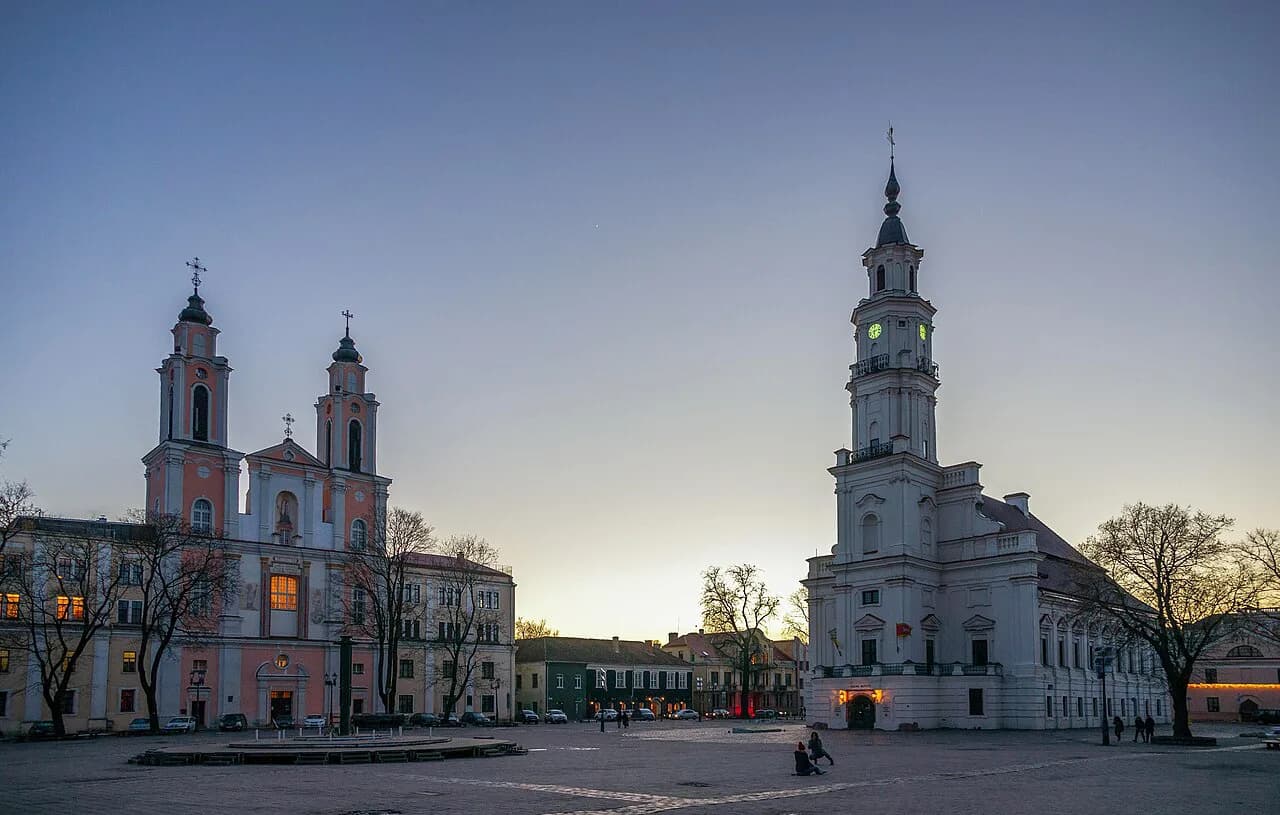
Kaunas keeps its core sights running through February. Michelin's city guide notes that in winter the Town Hall Square hosts Christmas-season festivities including a market and a decorated tree, so check the square even if the holidays have faded. Major museums and galleries stay open year-round, and restaurants and bars on Laisvės alėja serve through the season. Confirm the funicular and any special exhibition times with Visit Kaunas before you rely on them.
Some of the city's strongest draws sit outside the center and need a taxi or Bolt in cold weather: Pažaislis Monastery on the Kaunas Lagoon shore, the Ninth Fort, and Sugihara House to the east. In February these are indoor-and-exterior combinations best done as a single focused outing rather than strung together on foot. Build one of them into your trip and spend the rest of the day in the center.
Things to Do: Old Town, Castle and Viewpoints
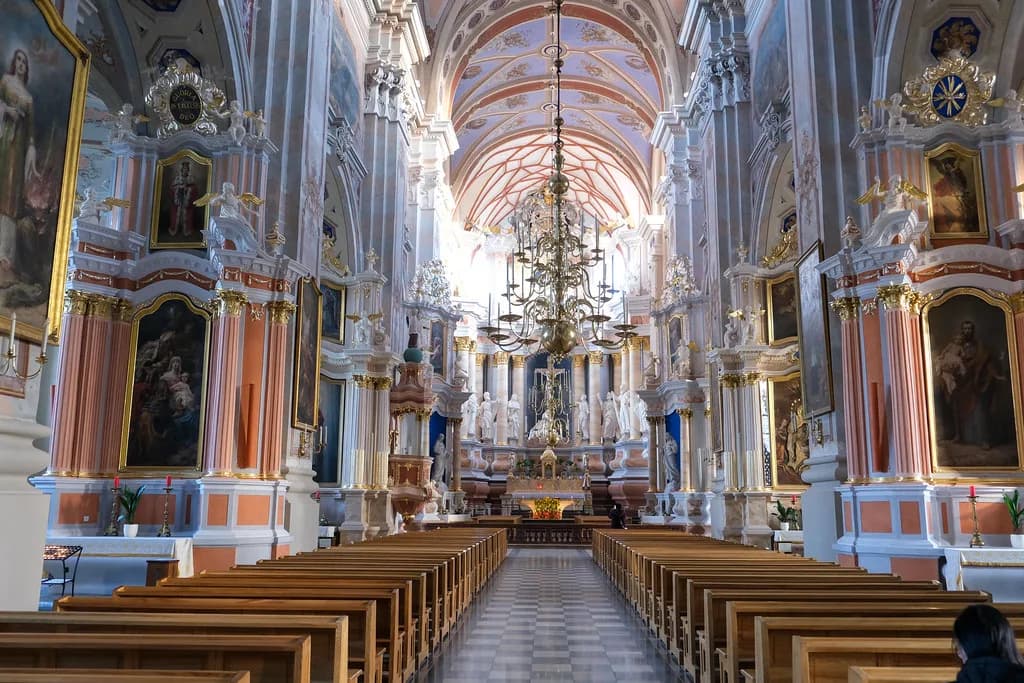
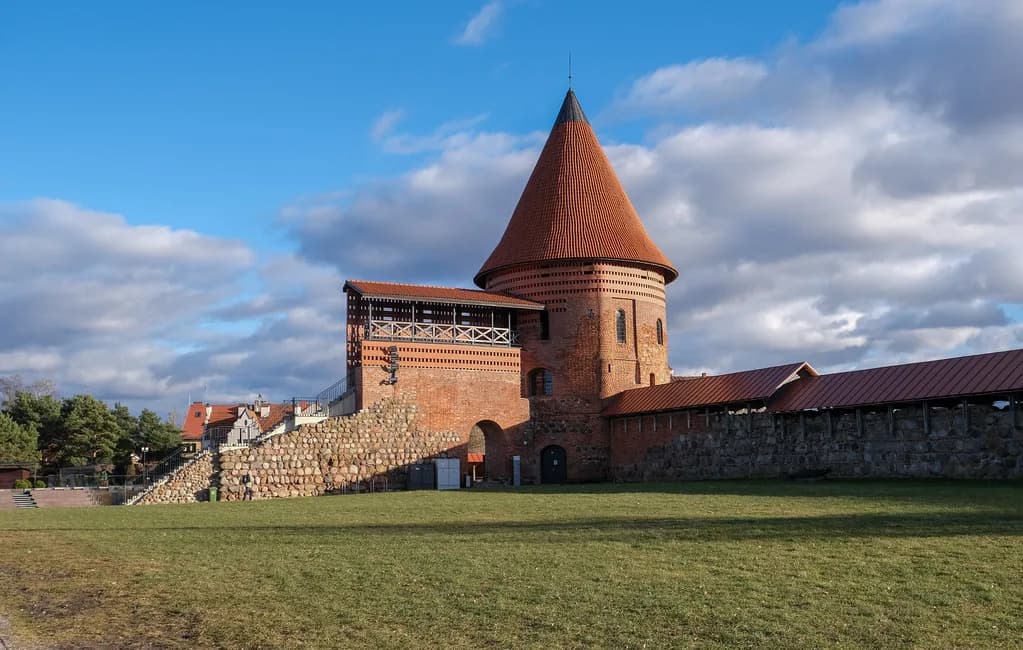
Start with the Old Town, where the Cathedral-Basilica and the red-brick Kaunas Castle anchor a compact grid of cobbled streets, cafés and small galleries. In winter the lanes are quiet enough to linger, and the castle's surviving tower is the city's signature image. Pair the walk with Town Hall Square and a warm stop rather than trying to cover the whole district in one go.
The Aleksotas Funicular, running since 1935, lifts you to Aleksotas Hill for a panoramic view over the Old Town and rivers, and it is the best short outing in the city when the weather is clear. Do it in the middle of the day when the light is strongest, then descend and warm up in the streets below. It is a twenty-minute experience, which makes it easy to fit between indoor stops.
Museums and Galleries for Cold Afternoons
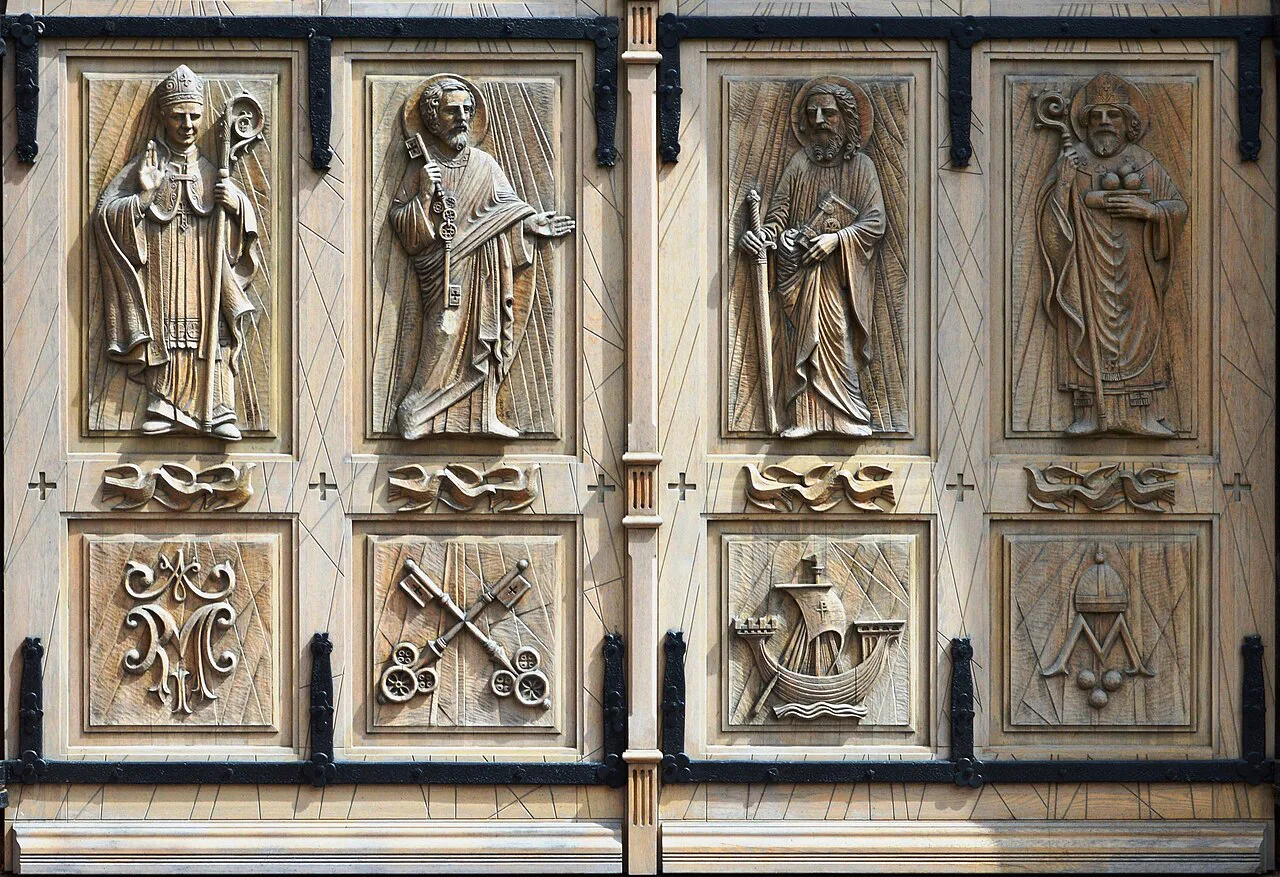
The M. K. Čiurlionis National Art Museum is the essential indoor stop, dedicated to the Lithuanian painter and composer whose symbolist work rewards a slow visit. The Kaunas Picture Gallery and the Art Deco Museum fill out a strong art-and-design circuit, the latter covering the city's interwar boom in modernism. All three are ideal February afternoons: warm, quiet and deep enough to absorb two hours each.
The city's interwar modernist architecture and street art are better outdoors, but they can be tackled in short bursts. Pick up the Wallographer's Notes map to navigate the murals, and look for the Wise Old Man near the castle. Splitting architecture walks into 30-minute segments between cafés keeps you comfortable in the cold.
Food and Drink on Laisvės alėja
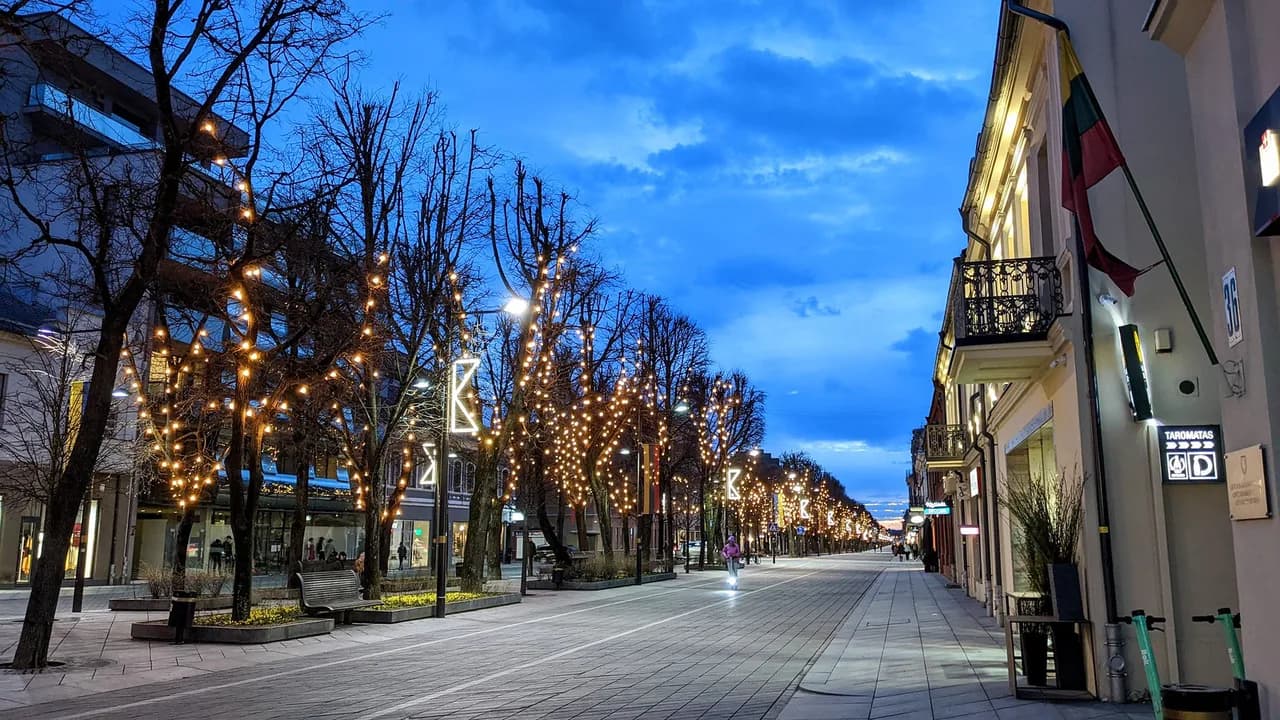
Laisvės alėja, the long pedestrian avenue through the center, is where the city eats and drinks: fine dining, casual restaurants and a cluster of craft beer bars including Genys Taproom, Laukas, Nuogas and Vingių Dubingių. In February these rooms are warm, busy and inexpensive relative to summer, and they are the natural end point to a short outdoor day. Book ahead only for the better restaurants on weekend evenings.
Carnival and the February Calendar
Carnival is the movable feast of the pre-Lenten season, and it can occasionally land in February, so a winter trip may overlap with it. Kaunas also keeps its Christmas-season square festivities into the winter, per Michelin's guide. Check the current Carnival program, parade or concert dates with Visit Kaunas, the city's tourism office, before you book.
Day Trips That Work in Winter
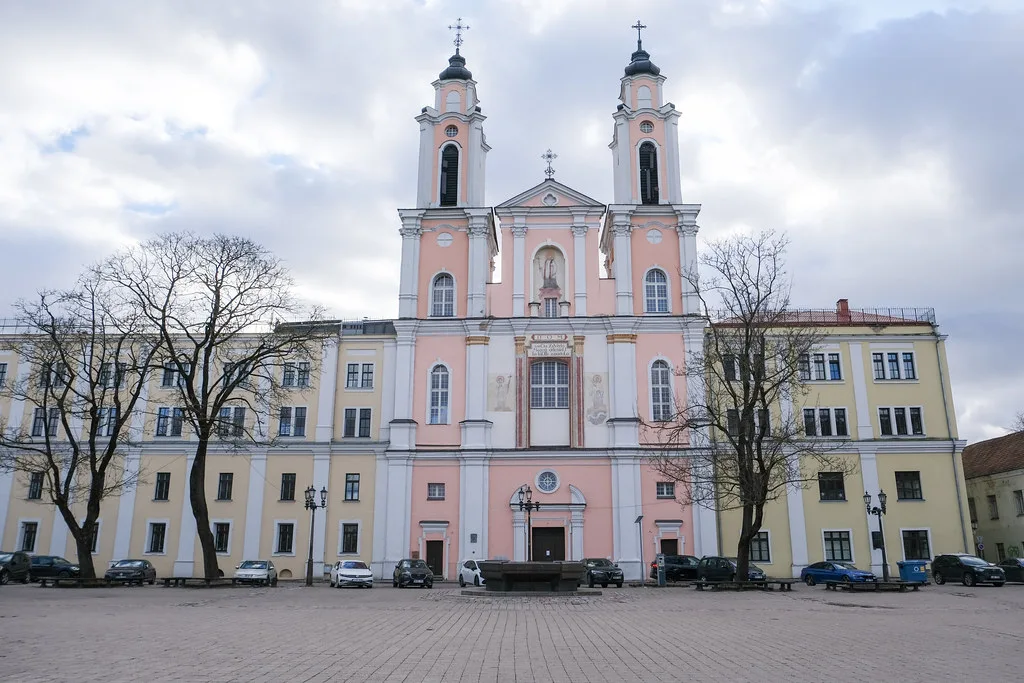
Vilnius is the obvious day trip, reachable by train or bus and worth a full day for its own Old Town and museums. Pažaislis Monastery, six miles east of the center, is a half-day outing with a 17th-century church on the lagoon shore, best visited for the architecture rather than the water. Both work in February as long as you keep your outdoor time short and your indoor stops warm. If you are widening the comparison beyond the Baltics, our Germany winter guide covers the same short-daylight, museum-heavy city break elsewhere.
If you are weighing Kaunas against a December or January visit, note that February is colder and quieter than December, when the Christmas season still animates the square and Old Town. A December trip buys you more festive atmosphere; a February trip buys you lower prices and emptier museums.
Crowds, Prices and the Trade-Offs
February is one of the cheapest and least crowded months to see Kaunas. The trade-offs are real: short daylight, a real chance of wet or icy days, and a city that feels quiet rather than lively in the evenings. If you want long outdoor afternoons and a buzzing street scene, plan for late spring or summer instead.
Who Should Come in February
February suits museum-and-café travelers, budget-conscious city-breakers, and anyone who prefers a quiet, atmospheric Old Town to a crowded one. It is a poor fit for first-time visitors who want long outdoor days, river walks and green parks, or for anyone hoping for a guaranteed white landscape. Come in February for the architecture, the art museums and the food, not for the weather.
Plan Your February Trip
Book a compact itinerary in the center with one focused outing to Pažaislis or the Ninth Fort, and keep a flexible indoor plan for the wettest day. Check the funicular and museum times with Visit Kaunas before you go, and expect cold, short days rather than a forecast you can trust months ahead. The result is a cheap, quiet and genuinely rewarding winter city break.
Frequently Asked Questions
What is the weather like in Kaunas in February?
February is typically the coldest and shortest-day month in Kaunas, with sub-zero mornings, a real chance of snow or a thaw, and limited daylight. Treat any temperature figure as a long-term average rather than a forecast, and consult the Lithuanian weather service for current climate tables.
Does it snow in Kaunas in February?
Snow is possible in February but not guaranteed. The month often mixes dry cold spells with wet, melting days, and a thaw can leave Old Town cobbles slick. Plan for both cold and wet conditions.
Is Kaunas worth visiting in February?
Yes, if you want a quiet, inexpensive city break built around museums, architecture and food. It is less appealing if you want long outdoor days or guaranteed winter scenery.
When is Carnival in Lithuania in 2027?
Carnival Tuesday falls on 9 February 2027, with Ash Wednesday on 10 February 2027. Confirm local Kaunas Carnival programming with Visit Kaunas, since specific events and lineups are announced closer to the date.
What is open in Kaunas in February?
Major museums and galleries, restaurants and bars on Laisvės alėja, and the Aleksotas Funicular generally operate through the winter. The Town Hall Square hosts Christmas-season festivities including a market and a decorated tree, per Michelin's city guide. Confirm funicular and exhibition times with Visit Kaunas.
How many hours of daylight does Kaunas get in February?
Daylight is still limited in February, building slowly through the month. Plan outdoor sightseeing for late morning to mid-afternoon, when the light is best, and keep the darker hours for indoor stops.
What is there to do in Kaunas in winter?
Focus on the Old Town, Kaunas Castle and the Cathedral-Basilica, the Aleksotas Funicular viewpoint, and the M. K. Čiurlionis National Art Museum, Picture Gallery and Art Deco Museum. For a half-day outing, visit Pažaislis Monastery, the Ninth Fort or Sugihara House by taxi.
Sources
Winter travel notes
Optional updates when we add or revise winter guides.
You might also like
Continue reading
More guides you'll find useful