Germany in Winter: Where to Go, Weather and What's Open
Germany in winter brings short days, snowy half-timbered towns and warm big-city museums. See typical temperatures, what changes in January and where to go.
On this page
Germany between November and March is a country of short daylight, low grey skies and long, cold evenings, broken up by bright snowy spells in the uplands and a festive December that behaves nothing like the months after it. A winter trip here suits travelers who want architecture, museums and food more than beach weather, and who accept that a good day ends around 4:30pm. If you need guaranteed sunshine and long outdoor afternoons, choose another season.
The useful decision is not whether to visit but when. December is busy and atmospheric, January is the quietest and cheapest stretch, and February sits between the two with the deepest snow in the uplands. Once you fix the month, the towns and indoor sights fall into place, and a week by train covers three or four of them comfortably.
Weather in December, January and February
German winters run cold but rarely extreme, with average highs typically between about 2°C and 5°C (36–41°F) and lows close to or slightly below freezing in the lowlands; January is usually the coldest month. The uplands of Saxony, the Harz and Bavaria run several degrees colder and hold snow far longer than the river valleys. Treat all of these as long-term typical conditions rather than a forecast for your dates.
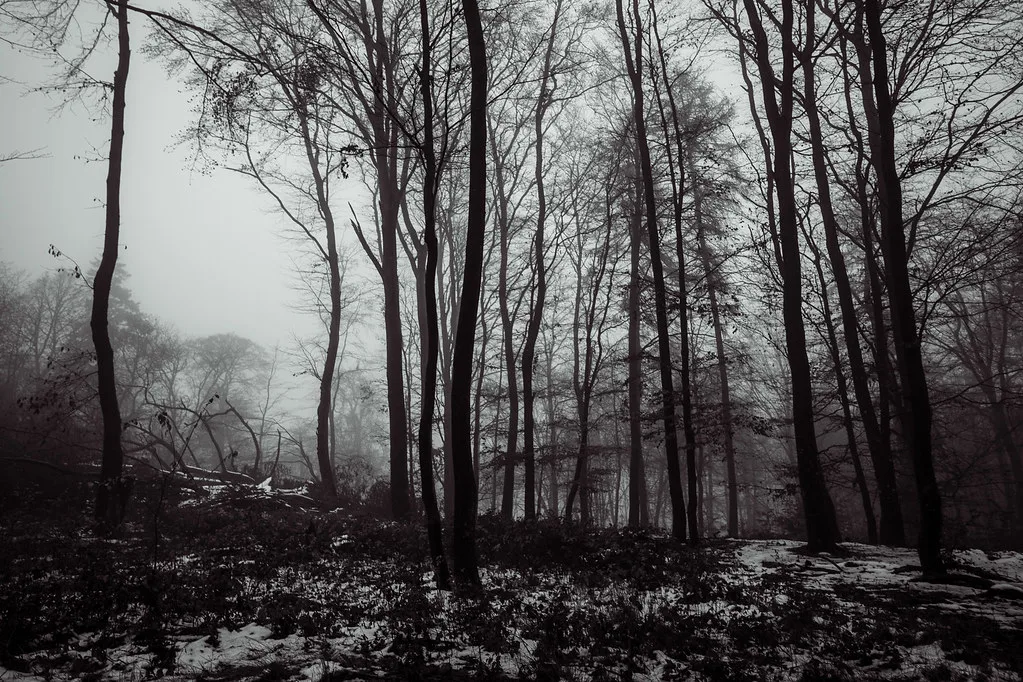
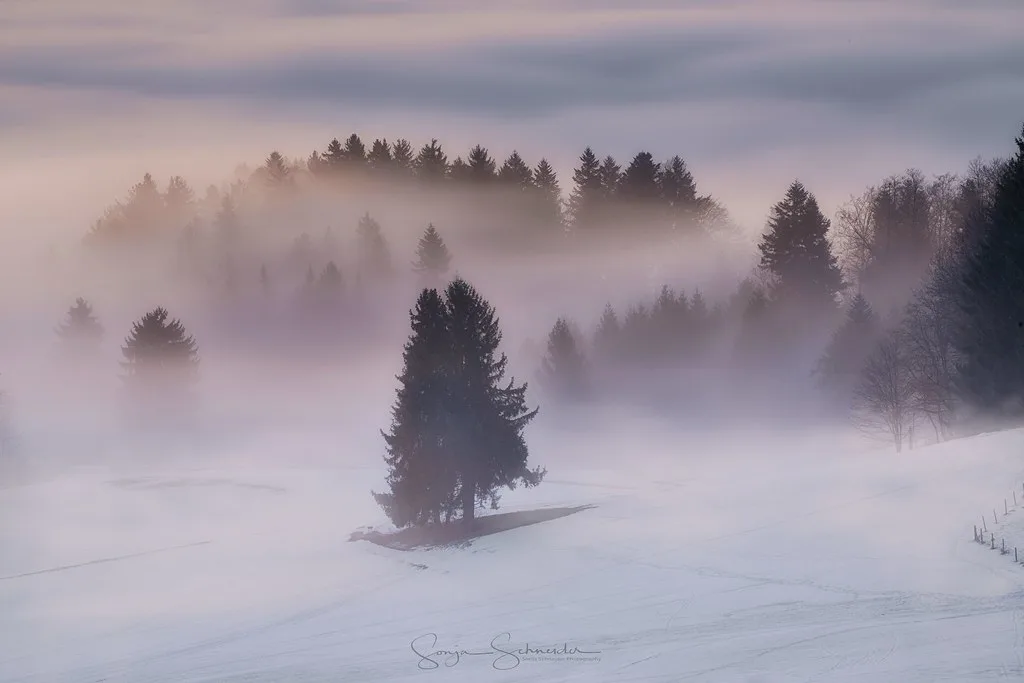
Daylight is the factor that reshapes a winter schedule. In late December, much of Germany sees roughly eight hours between sunrise and sunset, so outdoor sightseeing has to start early, while by late February you gain enough light for a second walk after lunch. Mornings are often misty, which suits Old Towns and castle silhouettes; clear afternoons are the ones to spend on a viewpoint.
Rain falls on a fair share of days through the season, more often as drizzle than downpour, and coastal areas are windier than inland. Snow is possible anywhere but reliable only in the uplands and the east. Does It Snow in Germany? Snow by Region and Month in Winter sets out those regional differences and the months when each area is most likely to be white.
Where winter bites hardest and where it is mildest
The mildest winter weather sits in the west and southwest, along the Rhine and in parts of Baden-Württemberg, where the valleys stay a few degrees warmer and snow is short-lived. The Baltic coast is not especially cold in absolute terms but is exposed, so a walk along the waterfront in Stralsund feels much colder than the thermometer suggests. If you are weighing a westward shift, our Luxembourg winter guide covers how the same mild, damp pattern plays out just across the border; for the Baltic side of that same comparison, our Gdańsk winter guide shows how the neighbouring coast handles the season. Inland Bavaria and the eastern uplands are where winter is most convincing.
The Harz around Wernigerode and the Ore Mountains around Seiffen are the places that turn genuinely snowy, and both are marketed for winter sports and hiking on the slopes rather than for city sightseeing. If snow is your reason for coming, base yourself near the hills rather than in a flat lowland city. If you want to walk comfortably every day, stay in the river valleys.
The Christmas weeks versus January and February
December is a different animal from the rest of the season: towns fill up, accommodation is booked out in advance and the atmosphere does most of the work. Christmas markets are the obvious draw, but they are only one part of a short window that rewards planning. The guide to Germany in December lays out how the month behaves and which towns are worth the crowds.
From early January the picture flips. Crowds drop sharply, hotels get easier to book and the country becomes a quieter, cheaper proposition for anyone who wants museums without queues. The trade-off is early darkness, occasional closures in the quietest weeks and a landscape without festive light. That gap is the reason many repeat visitors prefer the second half of the season to the first.
February adds length to the days and, in the south and east, real snow, which is why it works well for a combined city-and-country trip. Carnival falls at the very start of Lent, with Carnival Tuesday on 9 February 2027 and Ash Wednesday on 10 February, which affects the Rhineland and parts of the south. The overview of Germany in February covers how the month differs from the festive weeks.
Cities that hold up in winter
Bamberg in Bavaria is the strongest winter city in the country for many travelers: a UNESCO-listed Old Town, the Imperial Cathedral and the Little Venice riverside, all within a short walk, plus breweries to retreat into when the cold wins. Snow turns the Baroque and Gothic streets into the postcard version of the city, and the compact center means you can see it all on foot in a day.
Meissen, about 25 kilometers (15 miles) from Dresden on the Elbe, gives you the silhouette moment: the old town, Albrechtsburg Castle and the cathedral on Schlossberg Hill, with cafes and restaurants to warm up in afterwards. Stralsund on the Baltic is a UNESCO World Heritage site for its brick Gothic architecture, and its gabled houses, churches and town hall are walkable even on a raw day. Lüneburg, near Hamburg, brings ornate merchants' houses, winding alleys and a salt-trade history in a compact Hanseatic center.
Wernigerode in Saxony-Anhalt earns its nickname as the colorful town on the Harz, and its half-timbered houses look their best with a dusting of snow. Hattingen in the Ruhr has some 150 half-timbered houses leading to St. George's Church, with the Ruhr Valley and medieval castles nearby for a shorter walk. Freudenberg, an hour's drive from Cologne, is a quick stop for its old town of 17th-century timber houses seen from the spa park.
Museums, palaces and warm indoor sights
Pair every outdoor sight with an indoor one and a rainy week still works. In Bamberg the Imperial Cathedral and the New Residence palace absorb an afternoon; at Ludwigsburg near Stuttgart, the former royal residence is one of the largest preserved Baroque buildings in Europe, and visitors can tour the royal residence year-round, which makes the interior a genuinely warm hour after the gardens. In Meissen, Albrechtsburg Castle and the cathedral sit side by side above the river, so one climb covers both.
City museums in the larger centers do the same job, and January is when they are calmest. The pattern that works is a morning outdoors while light is scarce, lunch somewhere warm, then an interior or a gallery for the dark afternoon. That rhythm also solves the practical problem of a day that ends early.
Half-timbered towns and snowy walks
The half-timbered towns reward a slower pace than a city break allows: a short walk, a church, a viewpoint and a long lunch. Hattingen and Freudenberg are compact enough for an afternoon, while Wernigerode works better as an overnight stop with a walk into the Harz foothills. In deep snow, boots and grip matter more than itinerary.
Near Lüneburg, the heath gives a flat, quiet winter walk when the weather is clear, and the town itself provides the indoor backup. In the Harz, the slopes draw skiers, tobogganers and hikers, and you can join the walking side of that without committing to a resort.
Seiffen and the Ore Mountains after Christmas
Seiffen in Saxony is where nutcrackers and carved Christmas pyramids are made, and it stays worth the trip once the holidays are over. The village and its workshops explain why the region's woodcraft became a national symbol, and the surrounding Ore Mountains offer skiing and hiking through the rest of the winter. Visiting in January or February means seeing the craft without the December crush.
What closes or shortens hours in winter
Outside the Christmas period, some open-air sites and smaller private museums cut their days or shut for the quietest weeks, while major state museums and palaces generally keep regular hours. River and coastal excursion boats often switch to a reduced winter timetable or stop running altogether, so treat a boat trip as something to book around a published schedule rather than a given.
Confirm opening days with the individual venue before you build a day around it, especially in the first half of January, when some places take their annual break. Build a second option into each day so a closure or a wet afternoon does not cost you the whole plan.
Christmas Eve, Christmas Day and New Year
The holiday core runs tight. Christmas Eve on 24 December is when many businesses close early and families stay in, Christmas Day 2026 falls on Friday 25 December, and 26 December is a public holiday, so restaurants and shops are limited on all three days. New Year's Day 2027 is a Friday, with Epiphany on Wednesday 6 January 2027 in parts of the south. New Year's Eve in Germany explains how the turn of the year works in the cities.
In the days around the holidays, plan food and transport in advance and treat a hotel restaurant or a booked table as the reliable option. Outside these few days the country runs normally, and January is one of the calmest months to move around by train.
Day trips that work in winter
Stralsund is the base for Rügen, Germany's largest island, where the national park and the beaches make a full day out even in cold weather; wrap up against the wind and go for the landscape rather than the water. Meissen and Dresden pair naturally for an Elbe day, and Bamberg sits within easy reach of Nuremberg and Bayreuth by rail. In the southwest, Ludwigsburg is a short hop from Stuttgart, which makes it a sensible half-day.
Trade-offs: crowds, prices, rain and dark afternoons
December is peak season, with the tightest accommodation and the busiest streets around the markets; January is the opposite, with easier bookings and quieter museums. February is somewhere in between. The constant is light: short days and frequent grey skies mean fewer daylight hours outdoors, and afternoon plans should be indoors by default.
For many travelers that trade is worth it, because the winter version of the country is more atmospheric and less rushed. For anyone traveling with small children or wanting long outdoor days, spring or early autumn will be easier. A winter trip suits couples, museum-goers, walkers and anyone who likes a fire and a dark afternoon.
Getting around by train in winter
The rail network is the best tool for a winter trip: city centers are reachable from main stations, and ICE services connect the big hubs quickly. Snow rarely stops long-distance trains, but it can slow regional services in the uplands, so allow extra time on travel days in the Harz or the Ore Mountains. Tickets bought ahead of time are usually cheaper, and flex fares at short notice cost more.
Who Should Go in Which Month
Choose early December if you want the festive version of Germany and can accept crowds and booked-out hotels. Choose January if you want the calmest, cheapest version with empty museums and no need to reserve far ahead. Choose February if you want snow in the uplands and a little more daylight.
Build your trip around two bases rather than five: a river city for architecture and museums, and an upland or half-timbered town for the winter landscape. That structure handles rain, short days and closures with the least wasted time.
Explore more Germany winter guides
Frequently Asked Questions
How cold is Germany in winter?
Lowland Germany typically sees average highs of about 2°C to 5°C (36–41°F) and lows around or just below freezing, with January the coldest month. The uplands of Saxony, the Harz and Bavaria run colder and hold snow longer, while the Rhine valley and the southwest are mildest. Treat these as long-term typical conditions rather than a forecast.
What are the best German cities to visit in January?
Bamberg, Meissen, Lüneburg and Stralsund all work well in January, because their compact Old Towns are walkable and their indoor sights, from the Imperial Cathedral to Albrechtsburg Castle, give you somewhere warm to go when the weather turns. January is also the calmest month for crowds and for finding a room at short notice.
What is there to do in Germany in winter besides Christmas markets?
Museums, palaces and castle interiors carry the season, and so do half-timbered town walks, snowy hikes in the Harz and the Ore Mountains, and the workshops at Seiffen that make nutcrackers and carved pyramids. Longer day trips such as Rügen from Stralsund also work if you dress for wind.
Is Germany worth visiting in January and February?
Yes, if you value quiet streets, easy museum visits and softer room rates over festive atmosphere and long daylight. January is the calmest stretch, while February brings longer days and the best chance of real snow in the south and east. Travelers who need long outdoor afternoons will prefer spring.
How much daylight is there in Germany in December?
Late December brings roughly eight hours between sunrise and sunset across most of the country, with the exact times varying by location. That means starting outdoor sightseeing in the morning and planning interiors or a long lunch for the mid-afternoon onwards. Daylight lengthens noticeably through February.
What changes in Germany after Christmas?
Some open-air sites, excursion boats and smaller private museums reduce days or close from early January, while major state museums and palaces generally keep regular hours. Rail services continue, though regional trains in the uplands can slow in snow. Build a second option into each day so a closure does not undo your schedule.
Sources
Winter travel notes
Optional updates when we add or revise winter guides.
You might also like

Continue reading
More guides you'll find useful