Greece in Winter: Where to Go, Weather and What's Open
Greece in winter means mild islands, snowy mountain villages and quiet ancient sites. See typical conditions, what stays open and who should go when.
On this page
Greece in winter is not one destination but four running at once. Athens and the southern islands stay mild enough for long walks and outdoor cafés, the northern mainland turns properly cold, the mountain villages of Epirus and Arcadia get real snow, and the Cyclades go quiet once the summer boats thin out. Deciding which of those you want is the whole planning decision.
The trade-off is consistent: you lose heat, long daylight and much of the island ferry network, and you gain uncrowded archaeological sites, cheaper rooms and a country that feels lived-in rather than staged. Winter suits walkers, museum-goers, food travelers and anyone who has already seen the Acropolis in August. It does not suit travelers whose idea of Greece is a beach chair and a 9 pm sunset.
Weather in Winter: Mild Coast, Cold North, Snowy Mountains
Treat the season as typical rather than predictable. Coastal Greece from Athens southward usually means cool, damp mornings and brighter afternoons, with rain arriving in spells rather than all day; the northern mainland around Thessaloniki runs several degrees colder and holds more cloud. Daylight is the constraint most visitors underestimate: in late December Athens gets roughly nine and a half hours between sunrise and sunset, so plan sights for the morning and leave afternoons for museums, cafés and indoor markets.
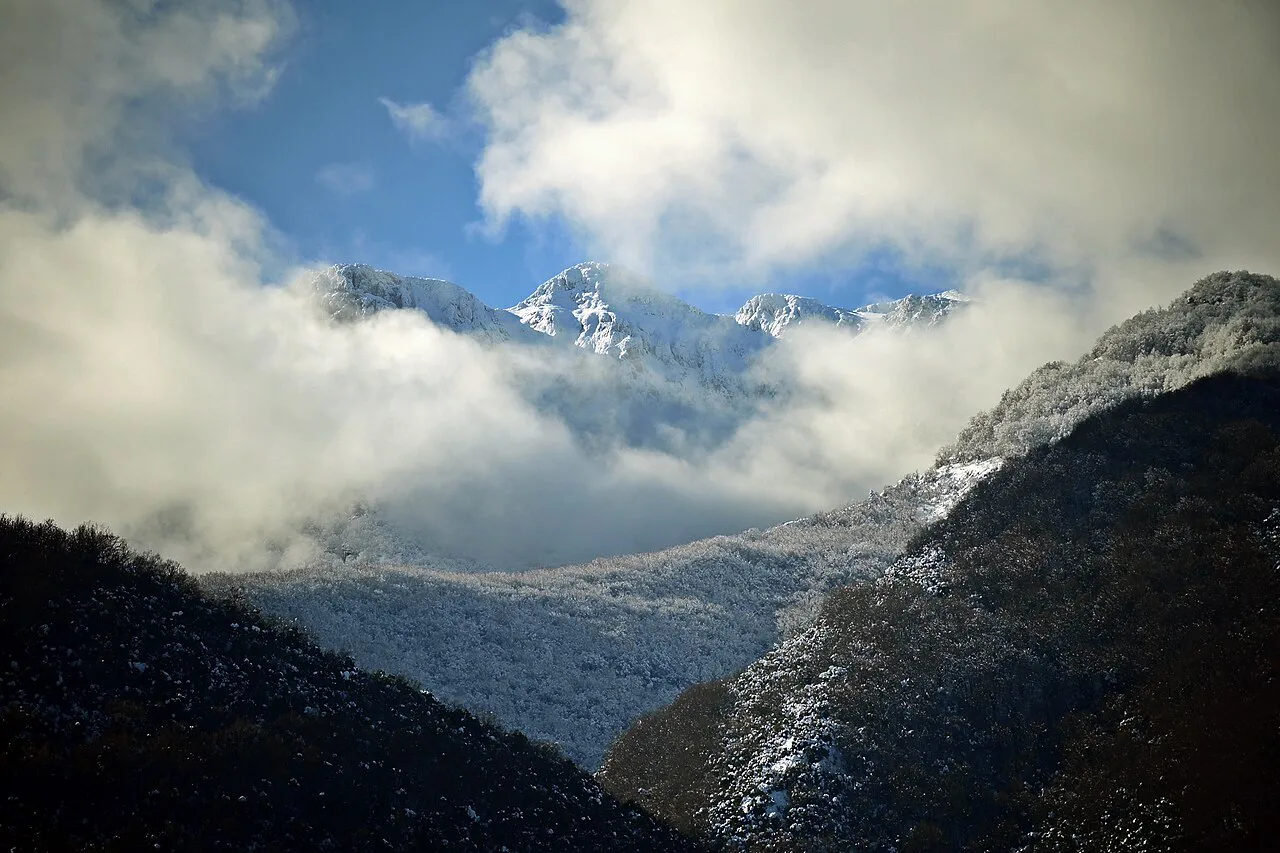
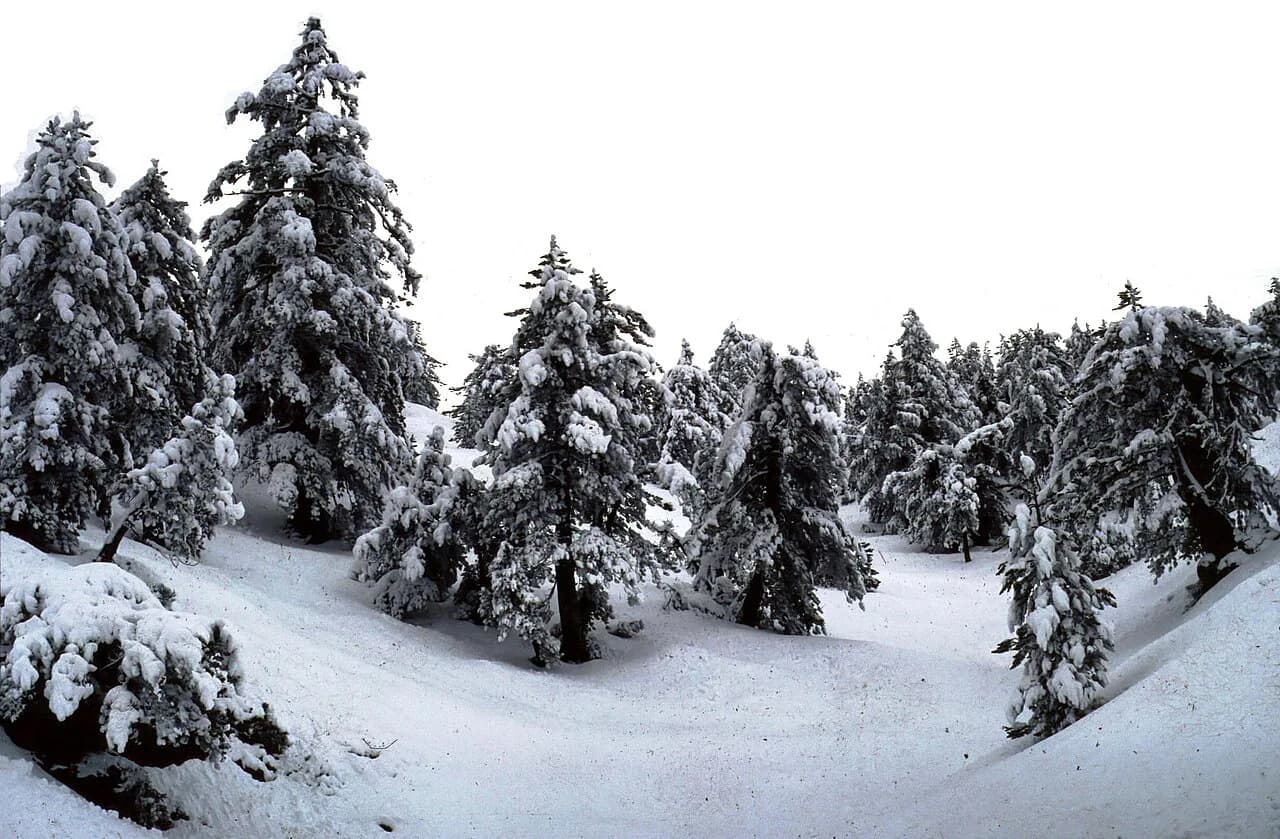
The mountains are a separate climate. Zagori in Epirus, the Mainalo villages of Arcadia and the Pelion Peninsula all sit high enough to hold snow, and a winter day there is fireside territory: stone guesthouses, heavy pies, short walks between villages rather than long traverses. If snow is the reason for your trip, base yourself in a mountain village and treat the coast as a bonus, not the other way around.
Rain falls across the whole country in winter, but it rarely ruins a day. Build one indoor anchor into each day, whether that is a museum, a covered market or a long lunch, and you can absorb a wet morning without rewriting the plan. The wettest, greyest weeks tend to fall in the depths of the season, which is exactly when city breaks beat island hopping.
Where Is Warmest in Winter?
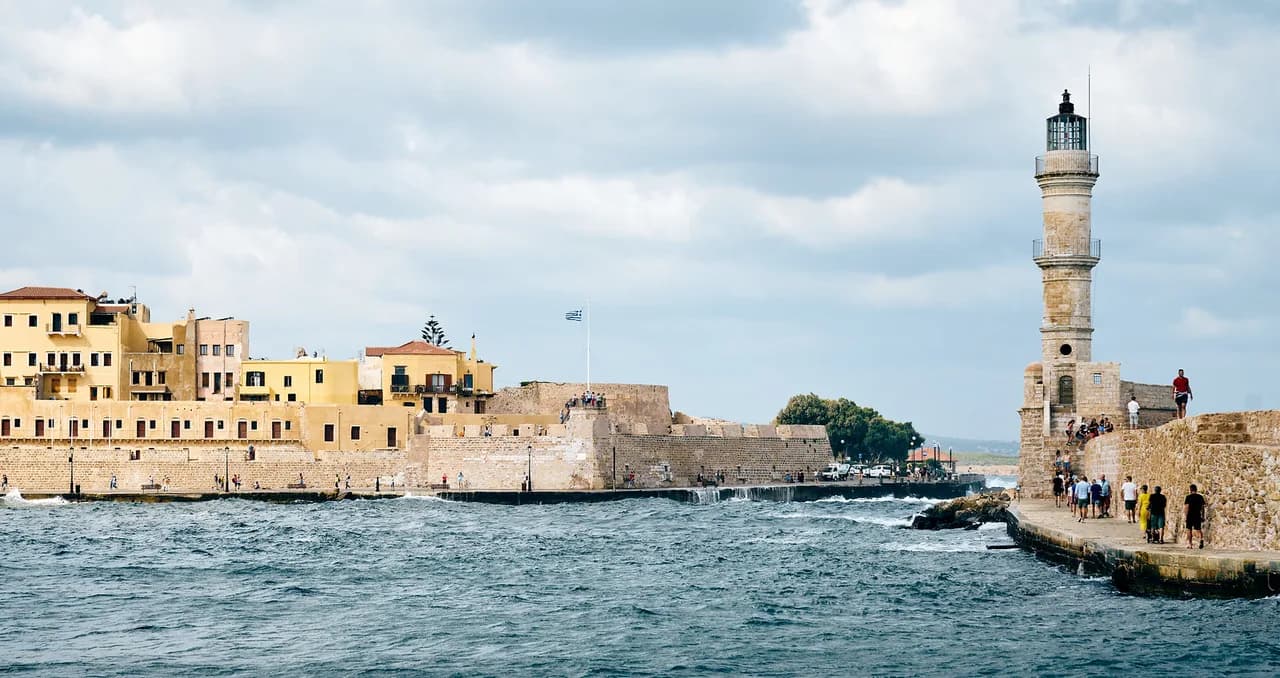
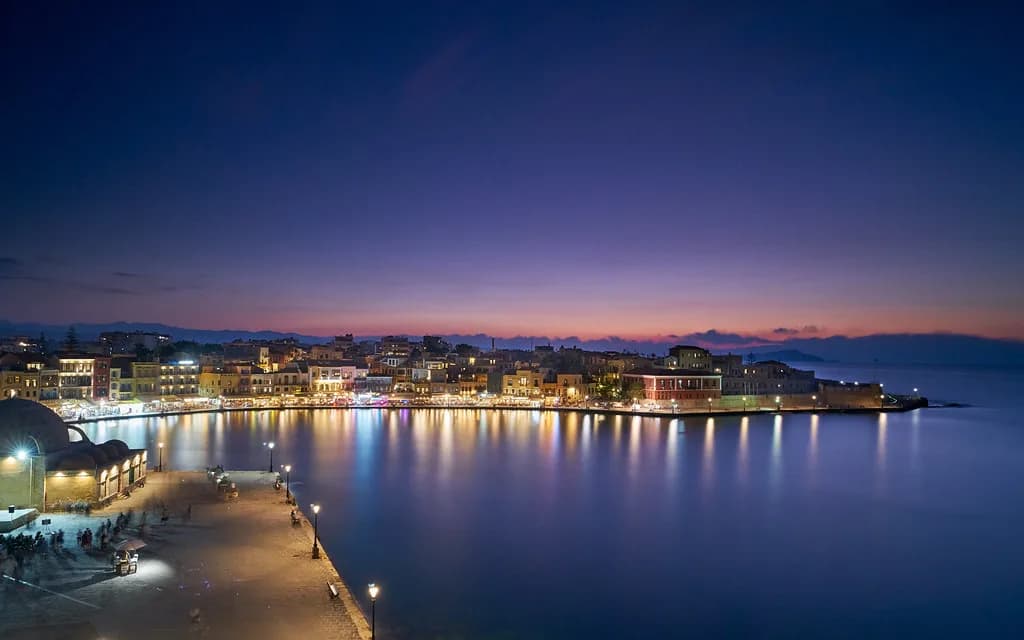
Crete and the southern Aegean hold the mildest conditions, with coastal towns like Agios Nikolaos and Chania staying warm enough for sweater weather rather than coats on many days. The trade-off is rain and wind rather than cold, and a sea that is far too cold for most swimmers. This is walking and eating weather, not swimming weather.
The Saronic Islands just off Athens are the easiest mild-weather escape from the capital, reachable by ferry in about an hour and busy enough in winter to keep a core of tavernas and cafés open for residents. If you want island atmosphere without committing to a full island-hopping itinerary, this is where to test it.
Rhodes and the Dodecanese sit furthest south and east, with the walled old town of Rhodes functioning as a real city through the winter rather than a seasonal resort. Expect some restaurants and seasonal businesses to be shut for the season and the sightseeing to be blissfully quiet; the medieval streets, the archaeology and the food are the reason to come.
What Is Open and What Is Not
Cities run year-round. Athens, Thessaloniki and Patras keep their museums, archaeological sites, restaurants and nightlife going through the winter, and the big sites are at their most comfortable without summer heat or cruise crowds. Delphi, Olympia and Meteora keep receiving visitors even in the colder months, and Meteora's monasteries look their most dramatic in mist.
The islands are the variable. Ferry schedules thin out from November, some seasonal routes stop altogether and inter-island connections that take an hour in July can require a day of planning in January; check operator timetables for your exact dates before you lock in a multi-island route. Santorini and Naxos still work in winter, but the honest version of the experience is half-closed villages, one or two open tavernas and near-empty calderas.
Corfu follows the same pattern as the Cyclades, with the UNESCO-listed old town more or less intact and the coastal resorts dormant. Where island travel is the core of your trip, keep it to one island with a real town and accept that the appeal is atmosphere, not options.
Things to Do in Winter
Winter is the season for the country's indoor assets: the national museums, the Byzantine churches, the cave systems and the food. Thessaloniki in particular earns its reputation as Greece's eating city when the weather turns, with long taverna lunches, custard-filled bougatsa in the morning and a café culture that genuinely runs all year.
Outdoors, the pickings are good if you dress for them. Hiking trails around Pelion and Zagori, the Lousios gorge above Dimitsana, coastal walks on Crete and the archaeological sites themselves are all more pleasant in cool air than in July heat. The Lousios area also supports rafting, and the mountain resorts of Mainalo and Parnassos draw Greeks from Athens on winter weekends.
Greece's thermal springs are a genuinely underused winter option, scattered across the mainland and islands and busy mainly with Greeks. Combine a soak with a mountain village stay and you have the shape of a good week without touching a ferry. For anything run by a specific spa or municipality, ask about current hours when you book.
Athens and Thessaloniki in Winter
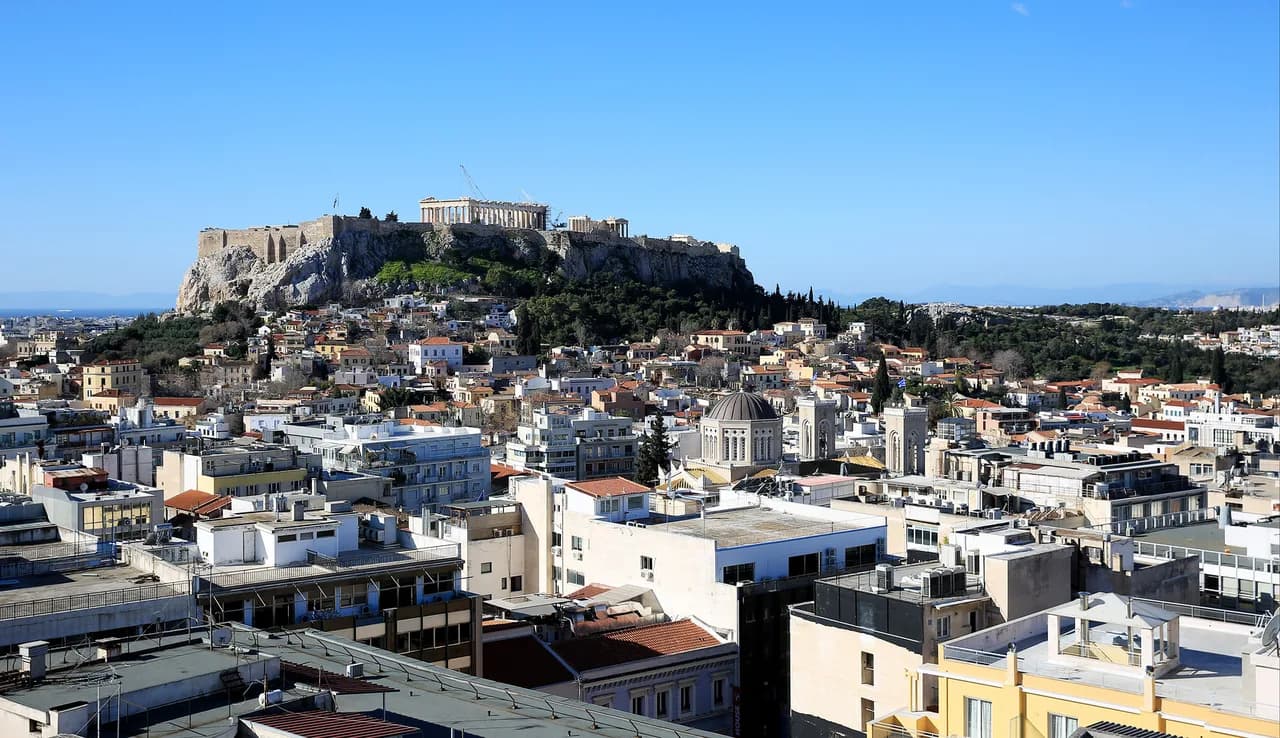
Athens is at its best between November and March for sightseeing: the Acropolis, Plaka and the ancient sites empty out, museum queues shorten and prices soften outside the holiday weeks. The city is cold in the evenings and wet in spells, but it is a proper European capital in winter, with theatres, ouzeri and a compact center you can walk around Syntagma Square and Monastiraki.
Thessaloniki rewards a long weekend with the same logic. Aristotelous Square, the Roman and Byzantine remains, the Ano Poli lanes and the food scene are all best in cool weather, and Central Macedonia as a whole makes an easy base for day trips to Vergina, Pella or Mount Olympus' foothills.
Islands in Winter: The Cyclades Without the Crowds
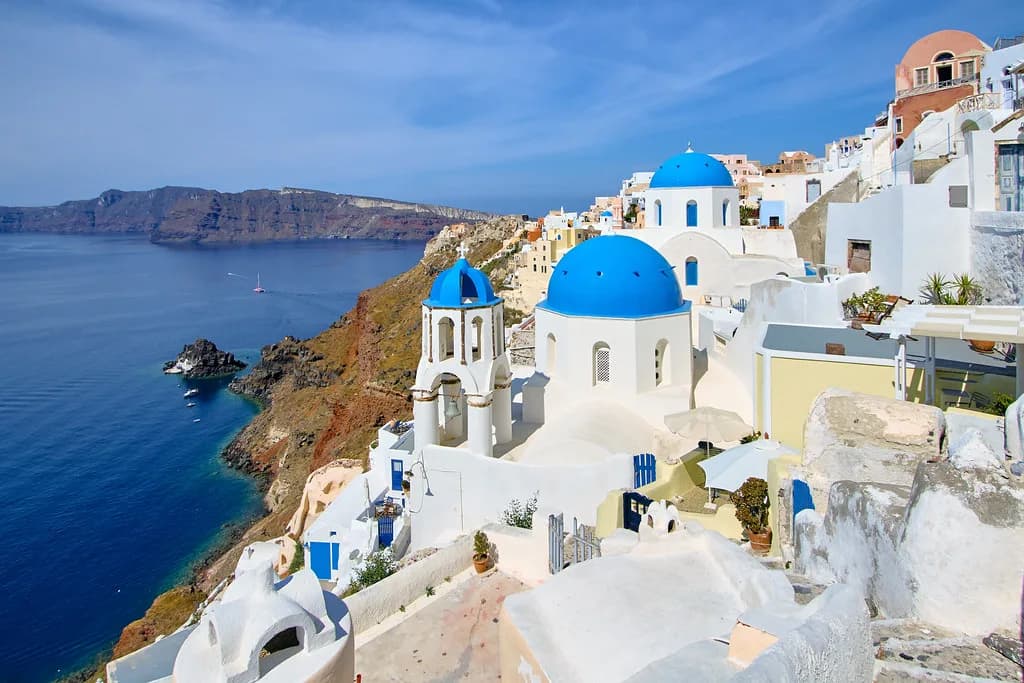
Santorini in December is a different island: the caldera villages are largely shuttered, the sunset crowds are gone and the appeal shifts to walking the rim path in winter light and eating in the few places the residents keep open. Naxos and the other Cyclades work similarly, with the hill villages and the cheese, wine and pork of island winter cooking more interesting than the beaches.
Book island stays with flexibility. Weather can interrupt sailings, and a missed connection on a two-island itinerary is more disruptive in winter than summer. A single island with a real town, a car for inland villages and a return ferry you can move is the robust plan.
Mainland Day Trips: Delphi, Meteora, Nafplio
Delphi and Meteora both work well in the cold months, with thinner crowds and dramatic weather on the mountain roads. Meteora's monasteries sit on rock pillars above the Thessalian plain and mist only adds to them, though you should confirm opening days for individual monasteries, since each keeps its own calendar.
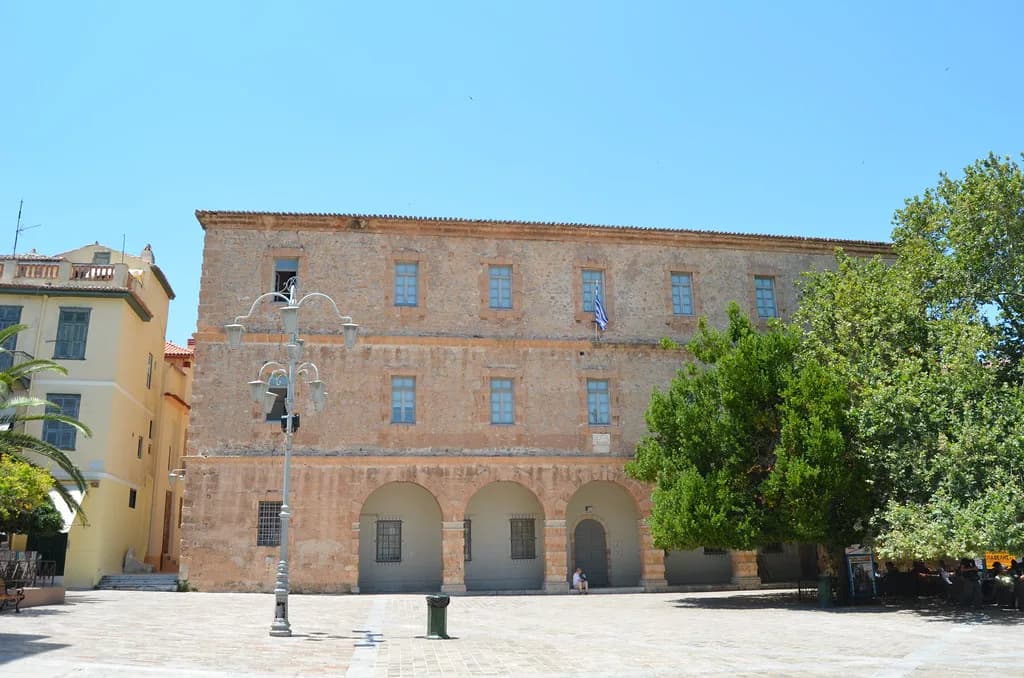
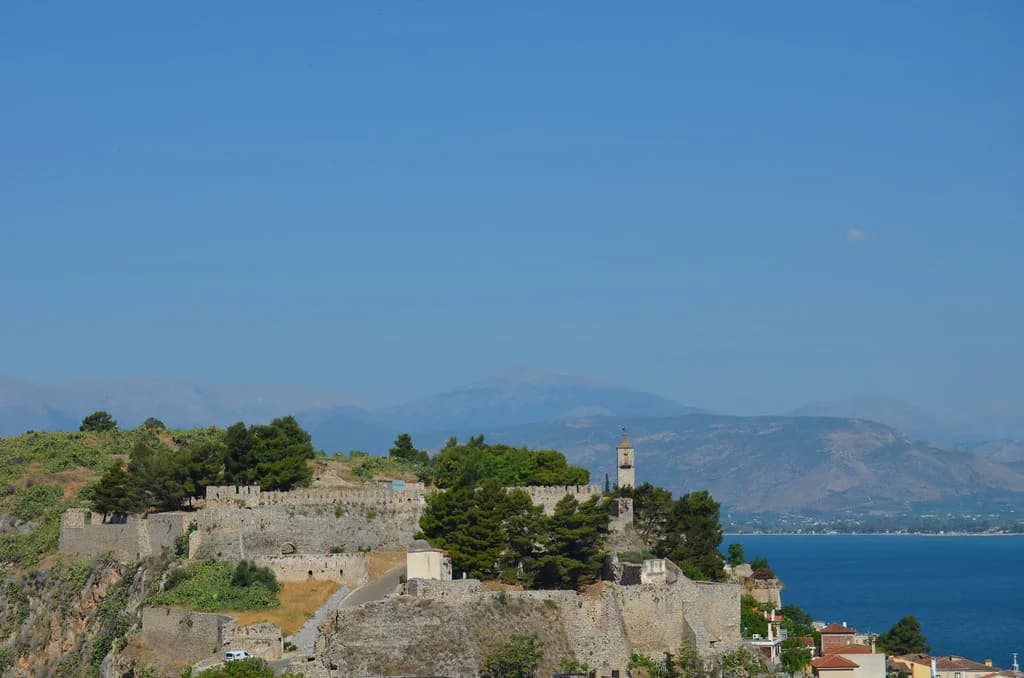
Nafplio is the most rewarding off-season town in the Peloponnese: the old town, the Palamidi fortress above it and the Bourtzi islet offshore make a compact, atmospheric base, and Monemvasia and the Arcadian mountain villages are day trips away. Mountain roads in Arcadia can need chains or winter tyres after snow, so pick your base with the drive in mind.
Christmas and New Year in Greece
Christmas in Greece is understated and family-focused rather than a market spectacle. Streets fill with lights, bakeries turn out melomakarona and kourabiedes, and villages revive older customs such as the Ragoutsaria in Kastoria and the Momogeroi in Macedonia and Thrace. Athens and Thessaloniki are the liveliest places to spend the holiday, with restaurants open around the season and museums running their normal winter hours.
Christmas Day 2026 falls on a Friday and New Year's Day 2027 on a Friday, so the holiday weeks run into the first weekend of January. New Year brings the vasilopita, the cake with a hidden coin, and the Greek custom of Agios Vasilis rather than a Santa figure. Epiphany on Wednesday 6 January 2027 is the quieter but more distinctive occasion, with the blessing of the waters and swimmers diving for the cross in harbors around the country.
Carnival Season and Clean Monday
Apokria, the Greek carnival season, builds through January and peaks in February. Carnival Tuesday falls on 9 February 2027, with Ash Wednesday and the start of Lent the following day, and the biggest parades are in Patras and Xanthi; local municipalities publish the program each year, so plan around that rather than an assumed date. Elsewhere, towns stage their own versions, from the Vlach wedding re-enactment in Thebes to the flour-throwing of Galaxidi.
Clean Monday follows, and with it the flying of kites, the start of Lent and a menu of shellfish, taramasalata and lagana bread. It is one of the most photogenic days of the Greek year and a good reason to be in Athens or Thessaloniki rather than on a beach.
Costs and Crowds
Winter is genuinely low season outside the Christmas, New Year and carnival weeks, and the practical effect is choice rather than bargains: better rooms, easier tables and more time with the people running the places you visit. Flight and ferry capacity is the catch, since fewer sailings and thinner schedules mean less flexibility, and hotels in seasonal resorts may be closed outright.
Short daylight shapes the budget more than money does. Daylight saving resumes on 28 March 2027, which is when the evenings stretch out again; before that, plan travel between towns for the middle of the day, keep the driving short and treat sunset as the end of the sightseeing day, not the middle of it.
Christmas Markets in Brief
Greece does not do Christmas markets at German scale. The nearest equivalent is the festive programming around Syntagma Square in Athens, with lights, decorations and a temporary village of stalls that appears each December, plus similar setups in Thessaloniki and Patras. Treat them as an add-on to a city break rather than a destination in themselves.
Who Should Go and Who Should Wait
Winter in Greece suits travelers who want cities, food, archaeology and mountains — anyone who would rather see the Acropolis with fifty people than fifty thousand. It especially suits long-weekend city breakers from northern Europe and the US east coast who can use Athens as a hub, and walkers who do not mind a rain jacket. If you are weighing a city break elsewhere in the Balkans, see our guide to Tirana in winter for contrast.
It does not suit travelers looking for a beach holiday, reliable island hopping or guaranteed sunshine. Sea temperatures stay cold enough that swimming belongs to the very hardy, and an itinerary built around multiple islands risks losing days to weather. If sun and sea are the point, book from May onwards; if you are drawn by mountains and snow rather than ruins, base yourself inland and skip the coast. Those weighing a milder, gentler alternative could compare this with winter in Larnaca, where the season is shorter and the sea edges closer to swimmable.
Plan Your Winter Trip
Pick one winter reality and commit to it: a city break with museums and food, a mountain village week with snow and stone guesthouses, or a single island where atmosphere matters more than choice. The structure that fails is the summer plan copied into January, with four islands and a beach in mind.
Write the trip backwards from daylight and transport. Anchor each day with one indoor option, book flexible ferries, and treat the Christmas and carnival weeks as the point where you should reserve the well-known places rather than the point where you should look for deals. Greece in winter rewards the traveler who travels slowly.
Explore more Greece winter guides
Frequently Asked Questions
Can you swim in Greece in December?
It is possible in the sea around Crete and the southern Aegean, but the water is cold and swimming is a short dip rather than a beach day. Pools at seasonal hotels are often out of use and many coastal facilities are closed. If swimming matters to you, plan for May onwards.
Is Greece warm in winter?
Mild rather than warm. Athens, Crete and the southern islands usually allow a jacket rather than a coat on sunny afternoons, while the northern mainland and mountain villages are genuinely cold and can hold snow. Rain falls across the country, with individual wet days rather than a whole season of grey.
Where does it snow in Greece?
Snow falls most reliably in the mountains: Zagori and the Pindus range in Epirus, the Mainalo villages of Arcadia including Dimitsana and Vytina, and the Pelion Peninsula. Arachova and Metsovo, both mountain towns, also see snow through the season. Athens and the islands rarely see it.
What stays open in Greece in winter?
Cities run year-round, and major archaeological sites and museums including those in Athens and Thessaloniki keep their normal winter operation. Delphi, Olympia and Meteora continue to receive visitors. Ferries to the islands thin out and many seasonal hotels and tavernas close, so a single island with a real town is the safer choice.
Is Greece worth visiting in winter?
Yes, for cities, archaeology, food and mountains. Ancient sites empty out, museum visits are calm and hotels have availability outside holiday weeks. It is not the country to choose for a beach holiday or for flexible multi-island hopping.
What is Christmas like in Greece?
Understated and family-focused. Greek cities get lights and decorations rather than giant markets, bakeries sell melomakarona and kourabiedes, and on New Year the vasilopita cake is cut with a coin hidden inside. Epiphany on 6 January brings the blessing of the waters in harbors around the country.
When is Greek carnival in 2027?
Carnival Tuesday falls on 9 February 2027, with Ash Wednesday on 10 February. Patras and Xanthi host the largest parades, and the municipal programs give the exact dates and events for the season.
How many hours of daylight does Greece get in winter?
Athens gets roughly nine and a half hours between sunrise and sunset in late December, around an hour more than northern Europe. Daylight saving resumes on 28 March 2027, and the evenings lengthen noticeably from late February onwards.
Sources
Winter travel notes
Optional updates when we add or revise winter guides.
You might also like
Continue reading
More guides you'll find useful