Larnaca in Winter: What November to March Is Really Like
Larnaca in winter brings mild, changeable days, a quiet seafront and flamingos on the salt lake. See what November to March is really like before you book.
On this page
Larnaca in winter is a town going about its business rather than a resort in hibernation. Daytime temperatures sit in the mid-teens to around 20°C (roughly 59–68°F), evenings turn chilly, and the seafront fills with walkers instead of swimmers. That makes it a good fit for travelers who want mild air, low crowds and a real Cypriot town, and a poor fit for anyone hoping to spend the trip on a sun lounger.
Larnaca in winter at a glance
The season here is mild and changeable rather than cold and bleak. Winter days in Larnaca typically reach between about 15°C and 20°C (59–68°F), with noticeably cooler evenings and nights, so a winter visit means light layers by day and a warm jacket after sunset. Rain arrives in spells rather than as a constant drizzle, and wind off the sea can make the promenade feel sharper than the thermometer suggests.
Crowds are low and the pace is local. Unlike the island's purpose-built beach resorts, which empty out once the summer season ends, Larnaca keeps its shops, schools, cafes and daily life running through the winter months. You get space on the promenade, easier tables at tavernas and a version of Cyprus that residents actually live in.
Weather in December and January
Midwinter is the coolest and wettest stretch, and the one where short days matter most. Expect typical daytime highs in the mid-teens Celsius (around 57–61°F), nights that drop into single figures Celsius (roughly 45–50°F), and rain arriving in passing fronts rather than settling in for days. Wind along the coast adds a raw edge on grey afternoons, so plan outdoor time for the middle of the day.
Daylight is short but workable: sunrise comes late and sunset arrives before dinner, so a December day rewards an early start. Build the plan around one outdoor anchor and one indoor one, and keep the seafront walk for the brightest hours. For a closer look at conditions and what the month feels like on the ground, see the guide to Larnaca in December.
Weather in November, February and March
The shoulder months behave quite differently from the December–January core. November often holds on to warm, sunny afternoons before the first proper rain, while February stays cool and unsettled and March begins to lengthen the days and dry out. That spread matters when you are choosing dates: earlier in the season favors outdoor wandering, later favors longer walks and day trips. If you are weighing Cyprus against the Greek islands for a mild-weather escape, our Greece winter guide covers the same shoulder-season decision, and our Crete winter guide makes the same comparison for Greece's largest island.
If you want the mildest version of winter, aim for early November; if you want more daylight and a better chance of dry afternoons, aim for March. For month-specific detail on temperatures, rain and daylight, the guide to Larnaca in November sets out what to expect, and so does the guide to Larnaca in March.
The sea in winter
The Mediterranean around Larnaca cools substantially by midwinter, and the town treats the sea as scenery rather than a swimming pool from roughly November to March. The seafront is for walking, coffee and watching the light change, not for long immersion. If a swim matters to your trip, book for late spring or autumn instead and treat winter as a walking-and-food season.
What stays open and what winds down
Larnaca functions year-round, but the island's summer-first businesses do not. Water sports operators, seasonal beach bars and excursion boats scale back or pause outside the warm months, and some seafront places cut hours. The town center, its shops, bakeries and tavernas keep going, so a winter day here has plenty of life in it.
The lesson for planning is to anchor your days in things that do not depend on the summer season: the promenade, the salt lake, the town's historic core and the surrounding countryside. Any boat operator or water sports outfit you had in mind should be asked directly about winter schedules, since these are set individually rather than island-wide. For a month-by-month breakdown, the guide to Larnaca in January covers what remains open in the quietest weeks.
Finikoudes Promenade in winter
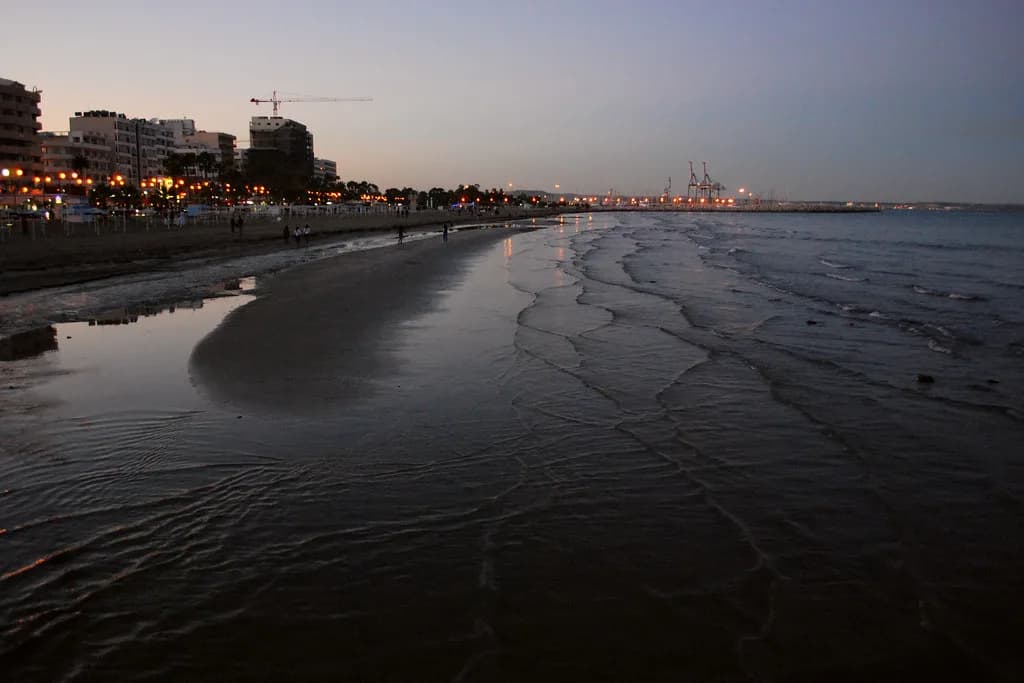
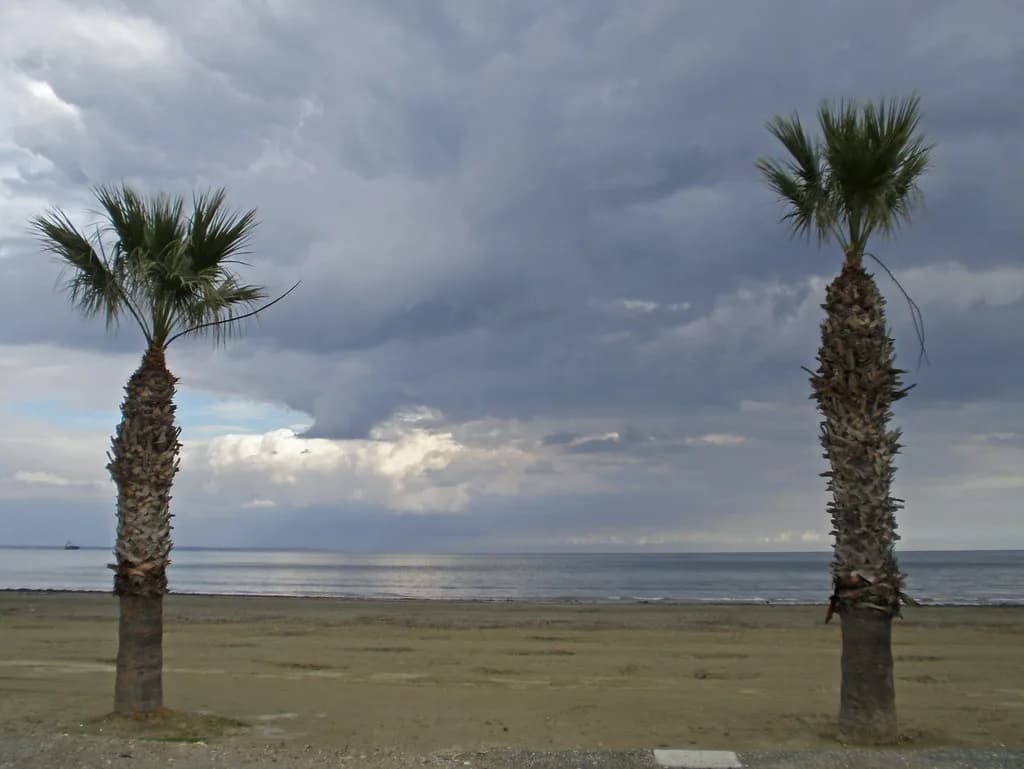
Finikoudes is the town's front room, a palm-lined promenade with cafes, playgrounds and a small funfair, and in winter it is pleasantly uncrowded. Stroll it in the morning light, stop for a coffee facing the water and let children burn energy on the play equipment. Occasional fairs and street events still turn up along the seafront during the cooler months.
The promenade also works as a base for a wider winter walk: continue toward the marina for the boats and the town beach, or head the other way for the longer coastal path. Wind is the variable to plan around, since an exposed stretch can feel bracing on a grey day. A February visit pairs the walk with the town's quieter winter rhythm, which the guide to Larnaca in February describes in more detail.
Larnaca Salt Lake and the flamingos
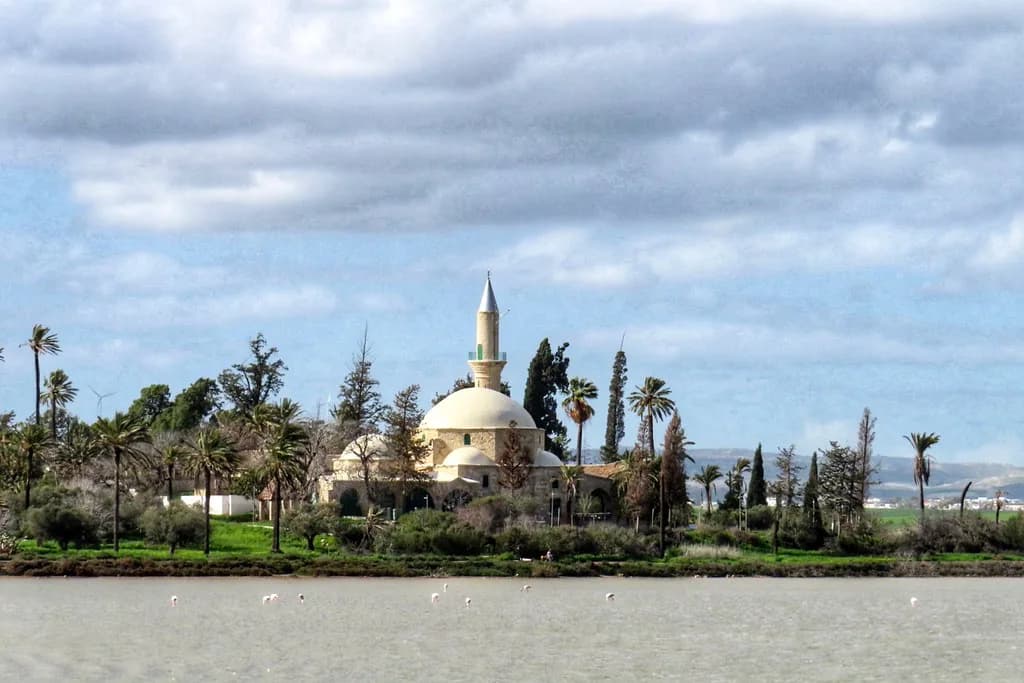
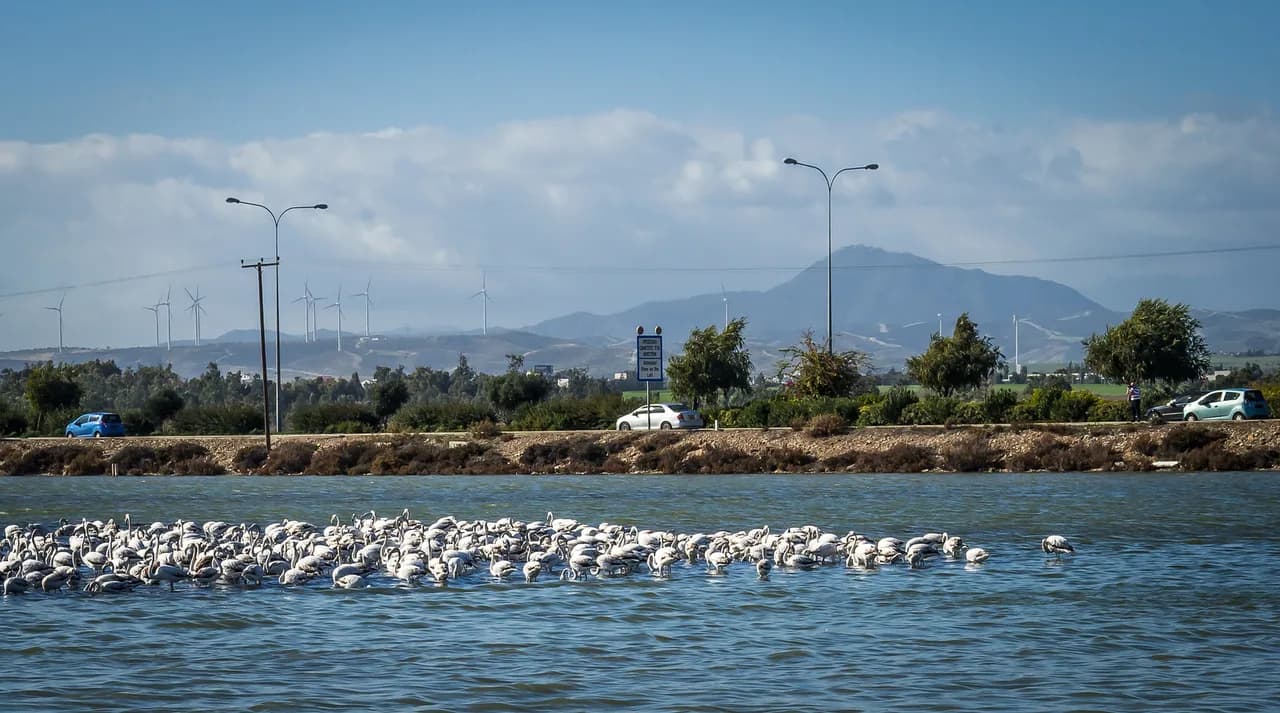
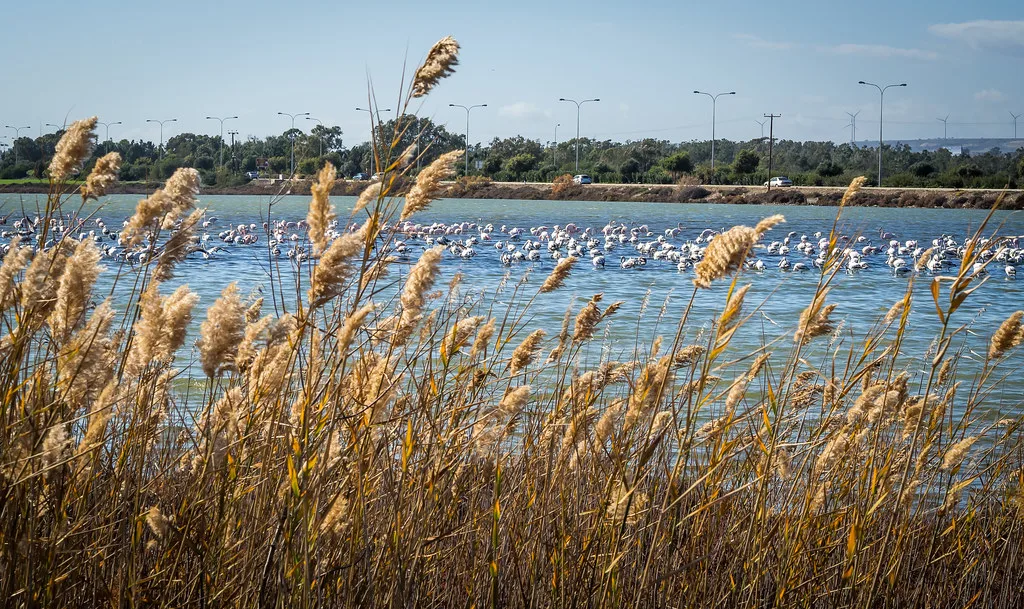
The salt lake is the defining winter sight in Larnaca. Flamingos gather on the water in the cooler months, and the surrounding trails make for easy birdwatching, photography and flat walking. Bring binoculars and sturdy shoes, keep a respectful distance from the birds and stay on the marked paths rather than approaching the water's edge.
Timing is everything: the birds are a winter presence, so plan a visit between late autumn and early spring and go in the calmer light of morning or late afternoon. The lake sits close to the airport road, which makes it an easy stop on arrival or departure day. Combine it with the aqueduct for a half-day loop that stays rewarding even under cloud.
Kamares Aqueduct and Larnaca Municipal Park
The Kamares Aqueduct, an 18th-century arcade on the edge of town, is a fine cool-weather walk: the arches read well against a grey sky and the surrounding grass suits a picnic if the wind stays down. Larnaca Municipal Park in the center gives you playgrounds, a cafe, seating and a theatre that hosts children's performances and concerts. Both are low-cost, low-commitment stops that fill a spare morning.
Indoor and wet-day options
When rain settles in, Larnaca has enough under cover to keep a day full. Metropolis Mall concentrates shops, cafes and a small play area for children, while Jumbo Hypermarket is the place for inexpensive household goods and toys. For a slower afternoon, look for local craft shops and the town's markets rather than planning around any single venue.
The town also lends itself to short courses and classes in winter, from language lessons to art and pottery sessions, which suits travelers staying a few weeks rather than a few nights. For families, indoor heated pools and club sports keep children active when the sea is out of reach. Treat these as flexible additions and ask the provider about schedules before you commit.
Food in winter
Winter is the season for the taverna table rather than the beach bar. Cypriot meze spreads, grilled meats, slow-cooked pulses and oven dishes suit cool evenings, and the town's year-round restaurants keep serving when the seafront goes quiet. Lunch is often the better-value, better-lit meal in winter, when daylight is short and evenings are chilly.
Day trips that work in winter
Nicosia, the divided capital, is the strongest winter day trip from Larnaca: an inland city with museums, a walled old town and a cafe culture that does not depend on sunshine. Limassol to the west offers a larger city waterfront and a compact historic center, while the Troodos foothills give you mountain villages and cooler air. All three are realistic by car, and Nicosia and Limassol also work by intercity bus.
Cyprus drives on the left, so if you hire a car, budget time to adjust before tackling mountain roads. Buses are the cheaper option for the cities but less flexible for Troodos, where a car makes the difference between a look and a walk. Winter is also a far better time than high summer to walk in the foothills.
Christmas and New Year in Larnaca
Christmas Day 2026 falls on a Friday and New Year's Day 2027 on a Friday, with Epiphany on Wednesday 6 January 2027. Larnaca marks the holidays as a Cypriot town rather than a tourist spectacle: decorated streets, family meals and church services. Expect a modest, local celebration rather than a large-scale market, and ask individual venues about holiday opening hours. If a market is part of your plan, treat it as a short stop rather than the centerpiece of the trip.
Who Larnaca in winter suits
Winter suits travelers who value mild air, empty promenades, birds on the salt lake and a working town over a resort strip. It is a good choice for walkers, birders, food-led travelers and anyone using Larnaca as a base for Nicosia and the Troodos foothills. It is a poor choice for anyone set on swimming, boat trips or guaranteed sunshine.
If warm sea and long beach days are the point of the trip, come in late spring or autumn instead. If you want the mildest winter window with the best balance of daylight and dry weather, target November or March and treat December and January as the cool, wet core.
Getting around in winter
Larnaca has a workable bus network for a town its size, and it is the economical way to move between the center, the salt lake and the airport road. For a wider tour of the island, a hire car gives you the freedom that winter timetables take away, particularly on quieter routes and at weekends. Remember that Cyprus drives on the left.
English is widely spoken in Larnaca, which makes logistics simple even in the quiet season. Winter is also a good time to explore on foot: the center, the promenade and the lake are close enough to link without a car. A local SIM card helps with maps and bus times.
Plan Your Winter Trip to Larnaca
Larnaca in winter is a mild, uncrowded and quietly rewarding base for Cyprus, as long as you go for the walking, birdwatching, food and day trips rather than the beach. Pick November or March for the best balance of light and weather, and treat December and January as the cool, wet core. Book with realistic expectations and the town delivers a side of Cyprus that summer visitors never see.
Explore more Larnaca winter guides
Frequently Asked Questions
What is Larnaca like in winter?
It is a working Cypriot town with mild days, cool evenings, rain in spells and very low crowds. The seafront is for walking rather than swimming, and the salt lake draws flamingos in the cooler months. Expect a local rhythm rather than a resort one.
What is the weather like in Larnaca in December?
December is the coolest, wettest stretch of the season. Daytime temperatures typically sit in the mid-teens Celsius, nights drop into single figures, and daylight is short, so plan outdoor time for the middle of the day.
Is Larnaca warm enough to swim in winter?
No, the sea cools substantially by midwinter and the town treats it as scenery from roughly November to March. If swimming is the point of your trip, choose late spring or autumn instead.
When can you see flamingos at Larnaca Salt Lake?
They gather on the lake during the cooler months, so plan a visit between late autumn and early spring. Go in the calmer light of morning or late afternoon and keep a respectful distance from the birds.
Is Larnaca quiet in winter?
Yes, compared with summer. The promenade is uncrowded, tavernas have space, and the town keeps its year-round life going. Some water sports and seasonal beach businesses scale back outside the warm months.
What is there to do in Larnaca in winter?
Walk Finikoudes and the salt lake, visit the Kamares Aqueduct and Municipal Park, eat at tavernas, use museums and malls on wet days, and take day trips to Nicosia, Limassol or the Troodos foothills.
What are the best months for a winter trip to Larnaca?
November offers the mildest conditions, while March brings longer days and a better chance of dry afternoons. December and January are the cool, wet core, and February stays cool and unsettled.
Sources
Winter travel notes
Optional updates when we add or revise winter guides.
You might also like
Continue reading
More guides you'll find useful