Larnaca in March: Weather, Things to Do and What's Open
Larnaca in March brings mild days, a cool sea and fewer crowds. See what the weather, sights and season are like before you book a spring trip.
On this page
Larnaca in March is a transitional month, and that is exactly what makes it interesting. The coolest stretch of the Cypriot winter is over, daytime temperatures sit comfortably above the January and February lows, and the seafront is still a long way from its summer version. It suits travelers who want mild walking weather, uncrowded streets and a low-key base on the island's south coast rather than a beach holiday in the traditional sense.
The trade-off is that the sea has not caught up with the air. You can sit comfortably on the waterfront in the afternoon and still find the water bracing if you go in. March rewards people who plan around towns, archaeology, food and coastal walks, and who treat swimming as a bonus rather than the point of the trip.
What Larnaca Is Like in March
Larnaca is the practical, lived-in face of Cyprus: a working waterfront town built around a compact historic core, a long promenade, and an airport that makes it the island's default arrival point. In March the town operates at its normal winter rhythm rather than its summer one, which means you get the same sights with far less competition for space. That makes it a strong choice for a first trip to Cyprus or a short break built around walking and eating.
By late March the season has shifted noticeably. Cypriot spring traditions, the first genuinely warm afternoons and the return of longer evenings combine to make the second half of the month feel different from the first. If your dates are flexible, the last ten days give you more of what people imagine when they picture Cyprus in spring.
Weather in March: Typical Highs, Lows and Daylight
Treat any March figure as a long-term average rather than a forecast. Across Larnaca's year, the cool season runs from early December to late March, when average daily highs stay below about 19°C (67°F), and March sits at the tail end of that window with noticeably warmer days than January or February. Check a monthly climate table for the specific high, low and rain figures before you fix dates, because the averages for early and late March differ.
Practically, plan for layered clothing and a rain jacket rather than heavy winter gear. March days in Larnaca are usually mild enough for a light jacket and long walks, but evenings cool down quickly and wet spells are possible. Sunshine is generous by northern European standards, which is a large part of the month's appeal for anyone escaping a gray late winter.
Daylight is the other big March story. Clocks in Europe go forward on 28 March 2027, so the final days of the month gain a long, bright evening that early March simply does not have. If you want dinners outside and a walk along the water after sunset, aim for that last week.
Sea Temperature and Whether Anyone Swims
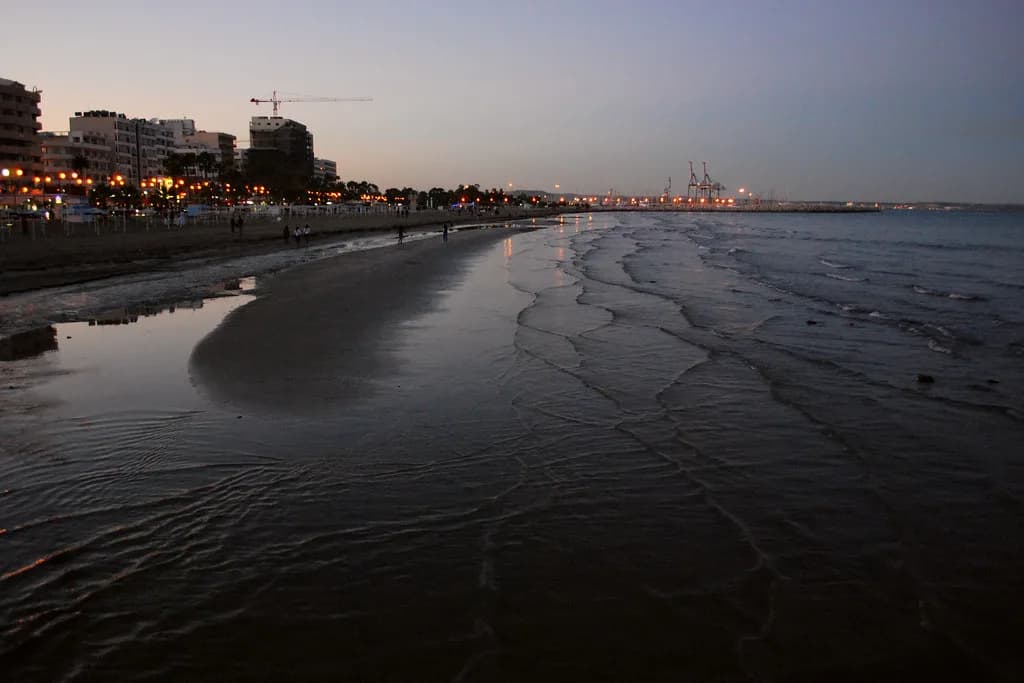
The Mediterranean off Larnaca is at its coldest in late winter and early spring, lagging the air temperature by weeks. Even when the town is pleasant in the afternoon, the water remains cool enough that most visitors wade rather than swim. If swimming matters to you, March is a month to treat as a bonus rather than a plan, and April or May is the better bet.
That cool water does shape what is open along the coast, and the wider guide to Larnaca in winter explains how the waterfront behaves outside the summer season. Use it to understand which stretches of the seafront stay active year-round and which only come to life later.
For anyone set on a swim anyway, the calmer, shallow shelf at Mackenzie Beach is usually the more forgiving choice early in the season. It is a short hop from the center and gives you a long, open shoreline to walk even if you never get past your knees.
What the Season Changes: Beaches, Waterfront and Sights
The honest picture is that Larnaca does not shut down in March the way some Mediterranean resorts do. The town is a year-round place, so shops, churches, museums and the promenade keep functioning for residents and visitors alike. What changes is volume: fewer people, easier tables, and a waterfront that feels local rather than packed. If you are weighing this against the Greek islands, our Greece winter guide shows how much more seasonal those destinations become once the ferries thin out.
Beach clubs, seasonal kiosks and summer-oriented concessions are the parts that come and go, so if a specific venue is central to your plan, look it up directly before you travel. The same applies to any boat trips or water excursions you have in mind, which may only restart later in spring. For a sense of how the town changes from December onward, see the Larnaca in December guide.
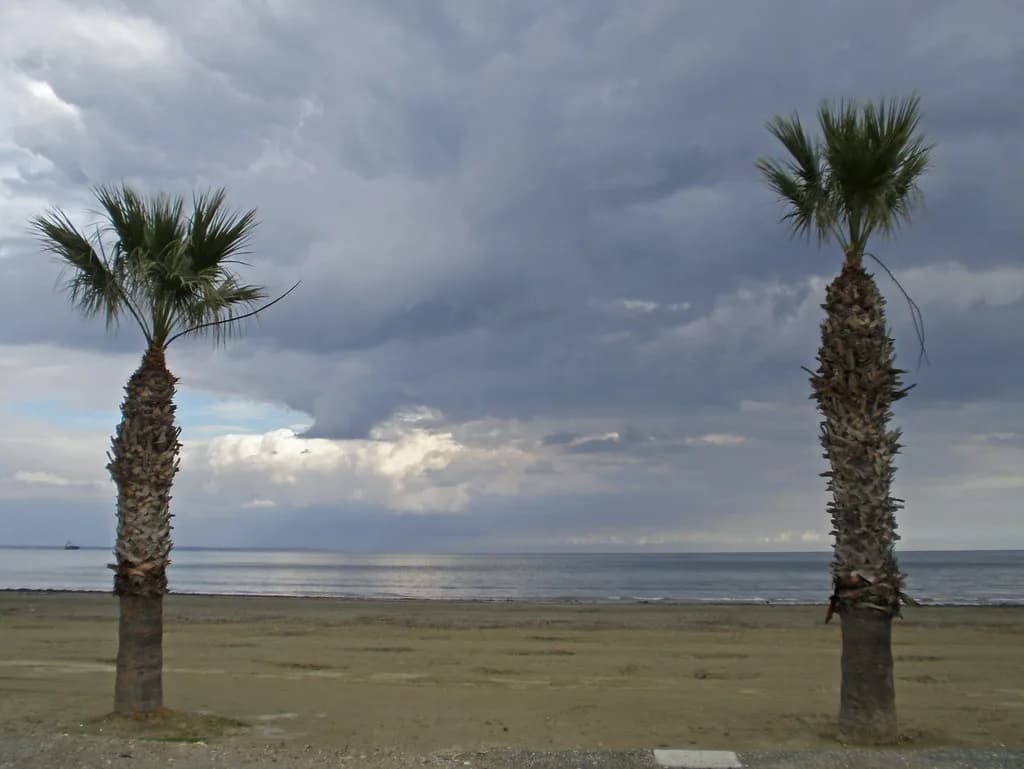
Walking the length of Finikoudes Promenade remains the defining Larnaca experience in any month. In March you get the palm-lined curve, the cafés and the sea view without the summer crush, which makes it one of the most pleasant times of year to do the walk at an unhurried pace.
Things to Do in March: Churches, Museums and the Salt Lake
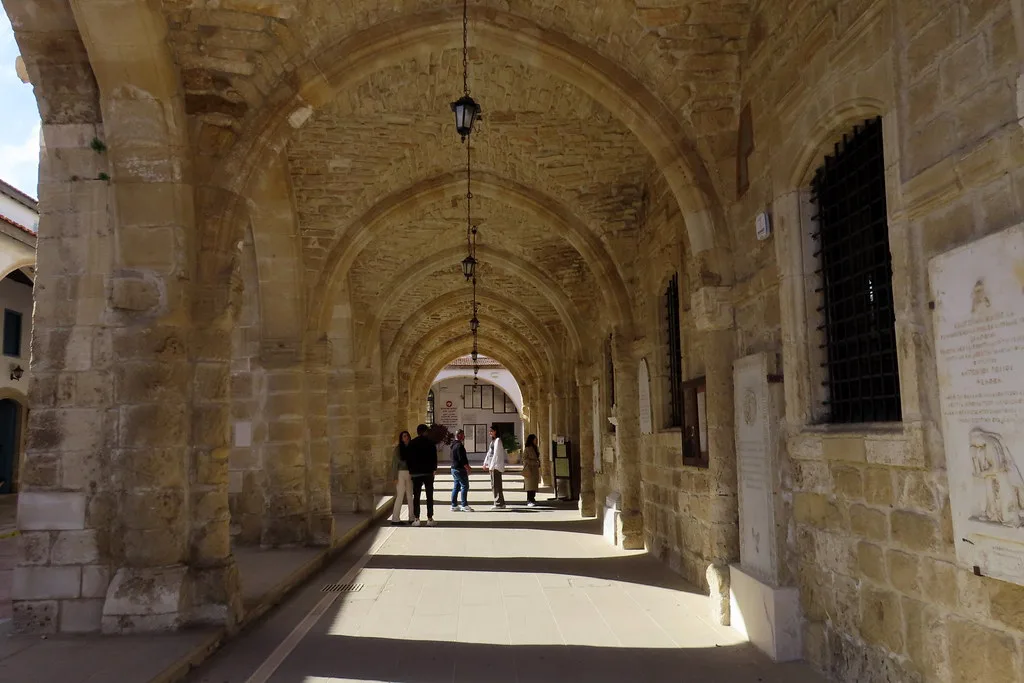
Agios Lazaros, the ninth-century church said to stand over the tomb of Lazarus, is the town's most important monument and an easy anchor for a morning in the center. Nearby, the Kyriazis Medical Museum offers a small, quirky slice of Cypriot social history that works well on a showery afternoon. Both appear among the most-reviewed attractions in Larnaca, a reasonable signal that they are the core sights worth prioritizing.
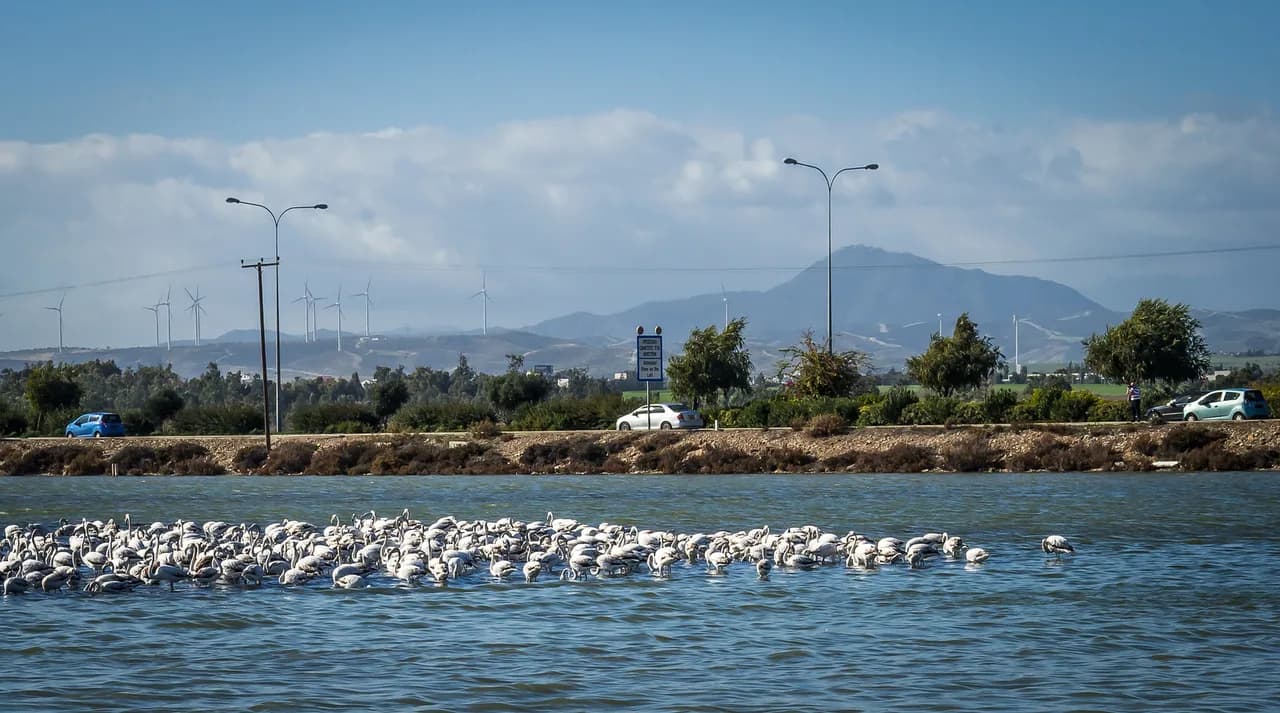
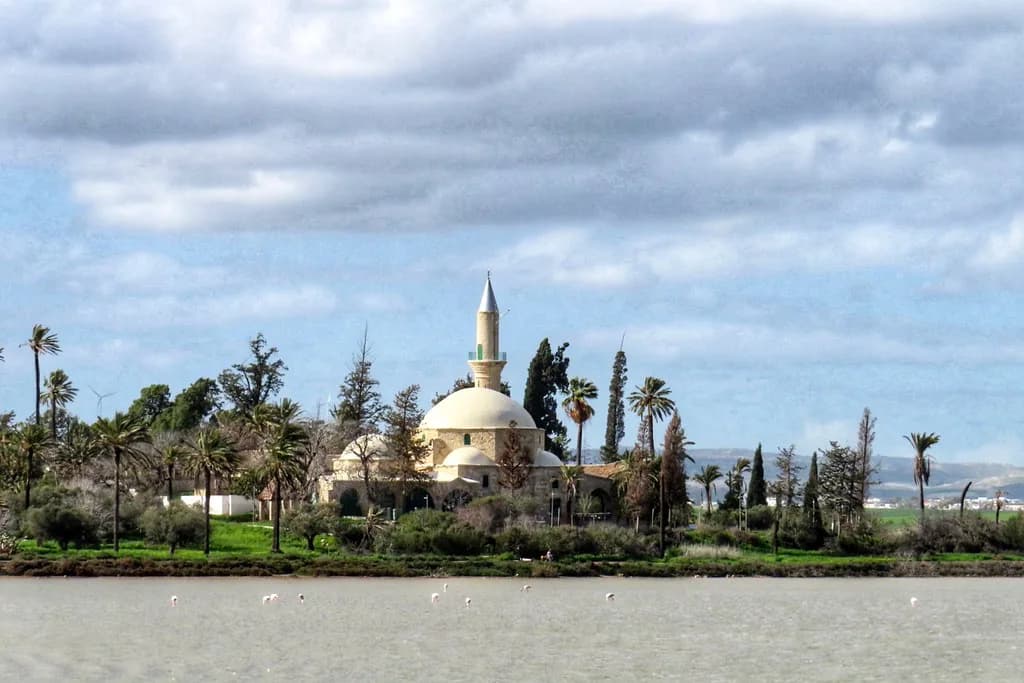
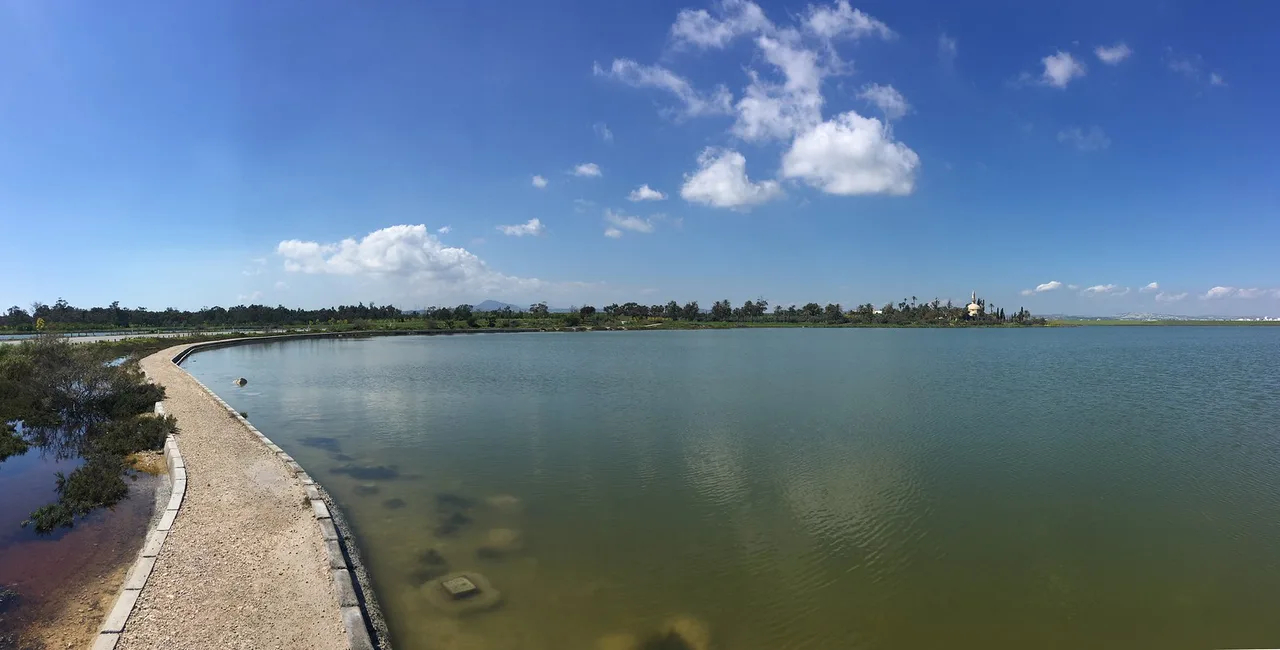
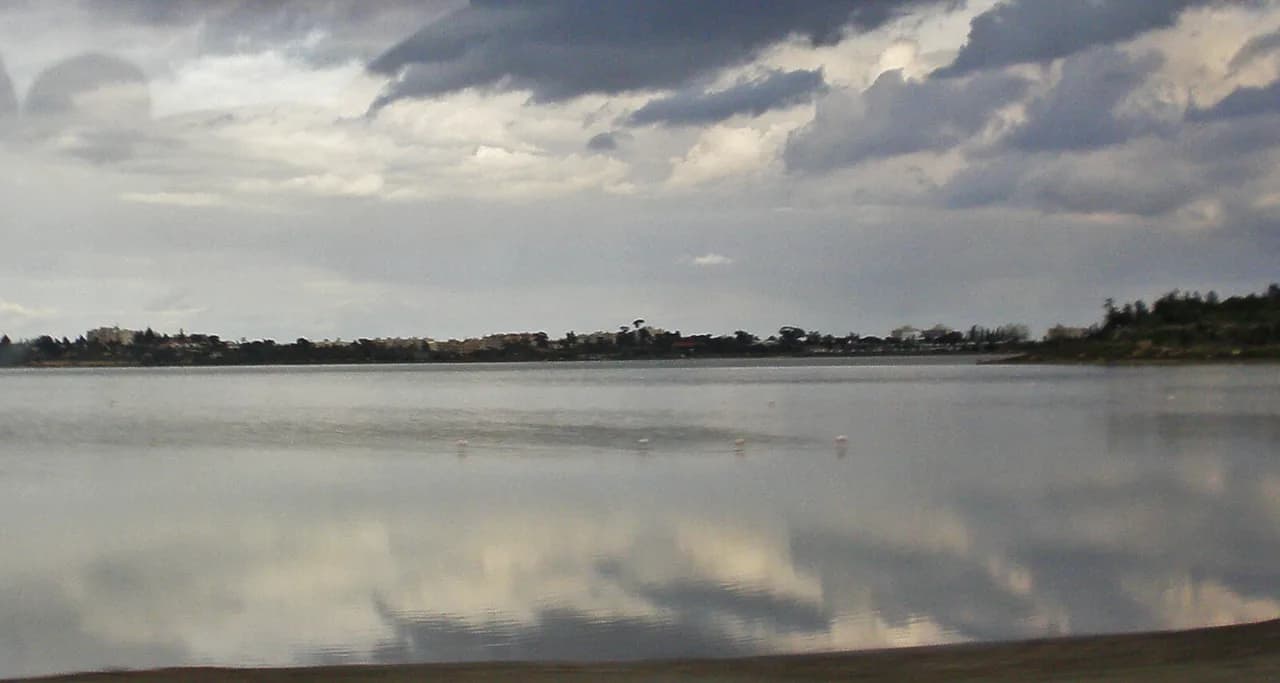
The Larnaca Salt Lake, just outside the center, is one of the most atmospheric places in Cyprus in early spring. Water levels and birdlife vary through the season, so the lake looks different in early March than at the end of the month, and a walk along its edge rewards anyone with an interest in landscape and wildlife. Pair it with a visit to Hala Sultan Tekke, the mosque on the lake's shore, which is one of the island's most serene monuments.
Kition, the ancient city beneath modern Larnaca, is scattered across several small excavated sites in town rather than concentrated in one block. Combine the visible remains with the town's archaeological museum for context, and treat it as a gentle half-day rather than a headline sight. Rainy afternoons are a good moment for the indoor collections.
Food is a dependable March pleasure here. Cypriot meze, grilled halloumi, olives and long lunches suit the mild weather, and a cool, uncrowded evening is a good excuse to linger. If the weather turns, an afternoon in a bakery-and-café culture is a perfectly reasonable way to spend it.
Holidays and Events in March
Green Monday, the start of Lent in the Orthodox calendar, is the big Cypriot spring marker and falls in late winter or early spring depending on the year. In 2027 it comes after Carnival and Ash Wednesday, so it lands in the first half of March. It is a day of outdoor picnics and meat-free food, and a good one to be in a Cypriot town rather than on a long transfer.
Greek Independence Day on 25 March is a public holiday in Cyprus and brings parades and school celebrations to towns across the island, Larnaca included. Expect some offices, banks and shops to run reduced hours and the center to be busier than on a normal weekday. The local municipality's notices closer to the date tell you about official events.
The clock change on 28 March 2027 is worth building into your plan rather than being surprised by. You lose an hour of sleep on the Sunday morning, but you gain a much later sunset for the rest of your trip, which is exactly what makes the last days of March feel like spring.
Day Trips That Work in March
March is good day-trip weather: cool enough to walk, warm enough to be outside, and quiet enough that small sites are not overrun. Within Larnaca itself, the salt lake and Hala Sultan Tekke can fill a slow half-day at an easy pace. For something more active, the villages of the Larnaca district inland reward a drive, with traditional tavernas and hillside views that are at their greenest in spring.
If you are comparing months for a longer Cyprus stay, the December and June versions of this guide frame the two ends of the spectrum. March is warmer than December and quieter than June, which is exactly the middle ground most people are looking for.
Crowds, Prices and the Honest Trade-Offs
March is still shoulder season in Larnaca, so accommodation rates and restaurant prices are generally lower than in high summer, and you rarely need to book far ahead for a table or a room. That calm is the month's main practical advantage. The counterweight is that some summer-dependent businesses operate limited hours or open later in spring.
The other trade-off is weather variance. A March week can be sunny and mild, or it can bring rain and wind, and the two feel very different in a coastal town. Build your plan around flexible days, keep an indoor option or two, and treat the beach as an optional extra. Anyone who needs guaranteed heat and swimming should look at June instead.
For travelers who prefer the town in its quietest state, January is even calmer but colder. For those who want the warmth to be more reliable, February is a step closer to spring. The choice between them is really a choice about how much comfort you want to trade for quiet.
Who March Suits and Who Should Choose Another Month
March suits walkers, history-minded travelers, food lovers and anyone who wants a mild Mediterranean break without summer crowds. It is also a good month for a first visit to Cyprus, because the island's core sights are accessible and the weather is forgiving. Couples and solo travelers who value calm over nightlife will find the town particularly comfortable.
March does not suit people whose main goal is swimming, sunbathing or a lively beach scene. If that is the plan, wait for May or June, when the sea has warmed and the seafront is fully open. Families with very young children may also prefer later spring, when the evenings are warmer and rain is less likely.
For a broader look at the town across the whole season, the Larnaca in winter guide ties the months together and shows where March fits in the arc from November to the spring. Reading it alongside this page makes it easier to pick precise dates.
Plan Your March Trip to Larnaca
Larnaca in March is a month of mild air, cool water and uncrowded streets, with the last week of the month offering the best light and the longest evenings. Plan your trip around churches, museums, the salt lake and long lunches, and treat swimming as a bonus. Travelers who want a quiet, comfortable Mediterranean break will find March hard to beat.
Look up the climate averages for the dates you have in mind, check current opening days on the venue's own site for any seasonal sight you care about, and keep one indoor option in reserve for a wet day. That simple preparation is enough to make a March trip to Larnaca work.
Frequently Asked Questions
What is the weather like in Larnaca in March?
March is typically mild and transitional, with daytime temperatures comfortably above the winter lows and cooler evenings. Rain is possible but usually falls in short spells. Treat all figures as long-term averages rather than a forecast, and look up a monthly climate table before fixing dates.
Is it warm enough to swim in Larnaca in March?
The sea is at its coolest in late winter and early spring and lags behind the air temperature. Most visitors wade or sit on the sand rather than swim. If swimming is a priority, plan for May or later.
What is there to do in Larnaca in March?
Agios Lazaros, the Kyriazis Medical Museum, the Larnaca Salt Lake and the waterfront promenade all work well in March weather. The town's archaeological sites and food culture fill a short break comfortably.
Are beaches and waterfront venues open in Larnaca in March?
The town itself operates year-round, so the promenade and central restaurants stay open. Seasonal beach clubs and water excursions may not be running yet, so look up any specific venue directly before you travel.
How much daylight does Larnaca get in March?
Daylight increases steadily through the month. European clocks go forward on 28 March 2027, so the last days of March bring noticeably later sunsets and longer evenings.
Is March a good time to visit Larnaca?
Yes, if you want mild walking weather, uncrowded streets and lower shoulder-season pressure. It is less suitable if guaranteed heat, swimming or a lively beach scene are essential to your trip.
Sources
Winter travel notes
Optional updates when we add or revise winter guides.
You might also like
Continue reading
More guides you'll find useful