Larnaca in February: Winter Weather, Sights and Short Days
Larnaca in February means mild days, cool evenings and plenty of room at the sights. See what the weather and daylight are like and how to plan the trip.
On this page
February in Larnaca is a sightseeing month with a coastal accent. You get mild, often sunny daytime air, a small number of wet days, and a city where the seafront cafés and the church courtyards are largely free of summer queues.
What you do not get is a beach holiday. The Mediterranean stays cold, the days are short enough to constrain a full itinerary, and some seasonal businesses along the coast operate on reduced winter footing. Plan around mornings and early afternoons rather than long evenings outdoors.
It suits travelers who want affordable, low-key Cyprus with room to walk, eat and look around, and who will build the trip around a city rather than a sun lounger. If you picture swimming and late outdoor dinners, February is the wrong month and you should look at May or later. If you are comparing Mediterranean options, our Greece winter guide covers the same mild, sightseeing-led approach elsewhere in the region.
What Larnaca is like in February
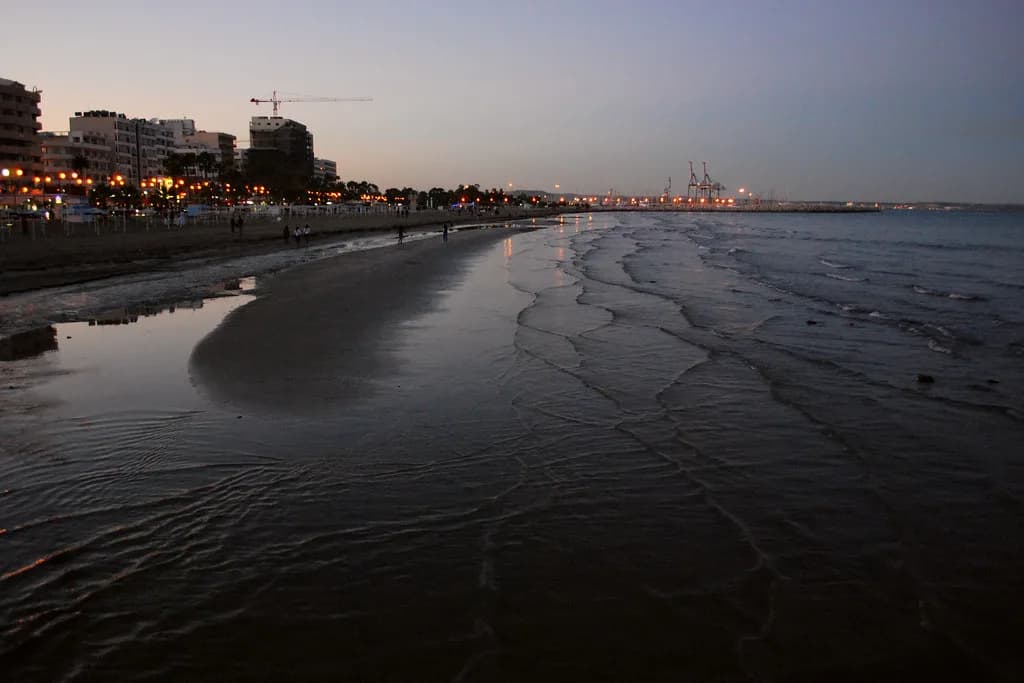
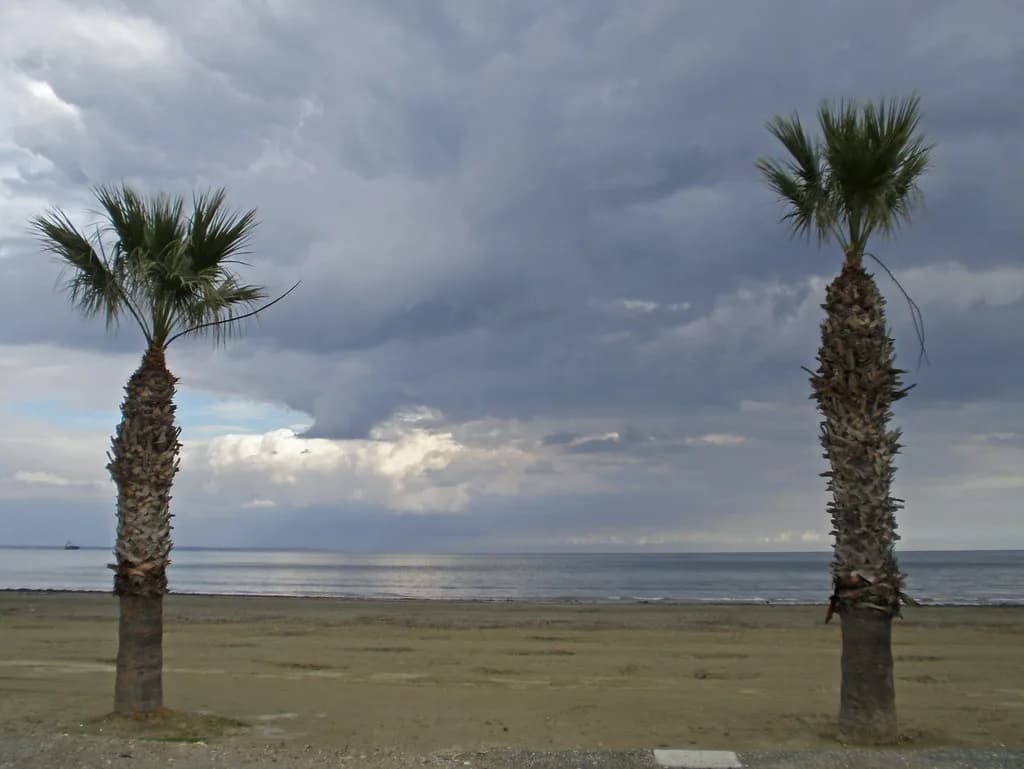
February sits at the cold end of Larnaca's winter, and the city's winter rhythm is unmistakable. The Finikoudes seafront palms still line the bay, but the promenade is a walking and coffee space rather than a beach scene, and the lanes behind it feel local. The upside is space: you can stand in front of a Byzantine church or climb through a fort without jostling.
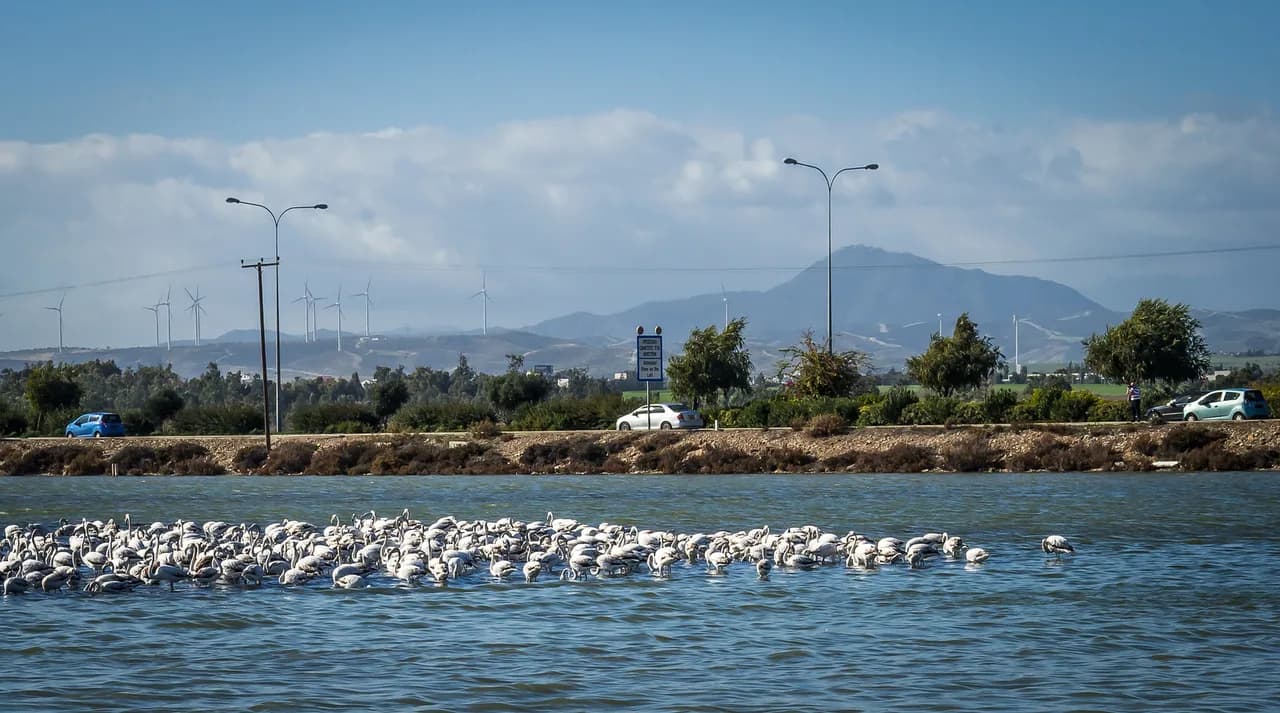
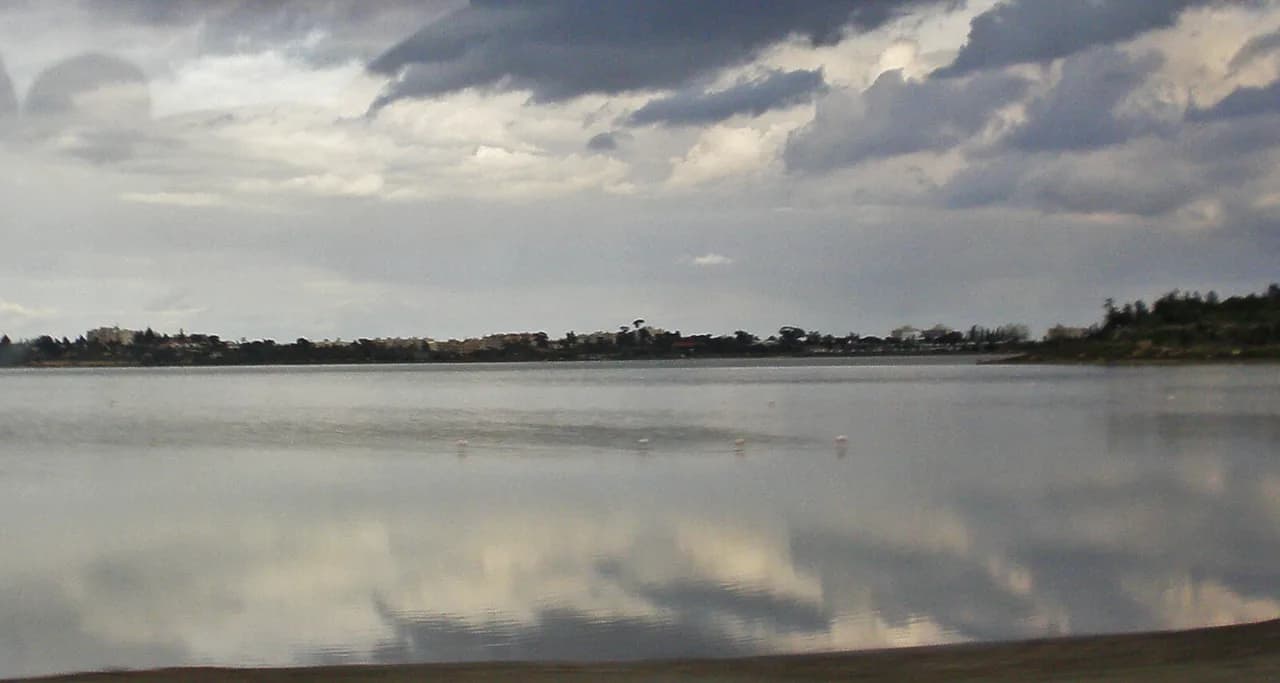
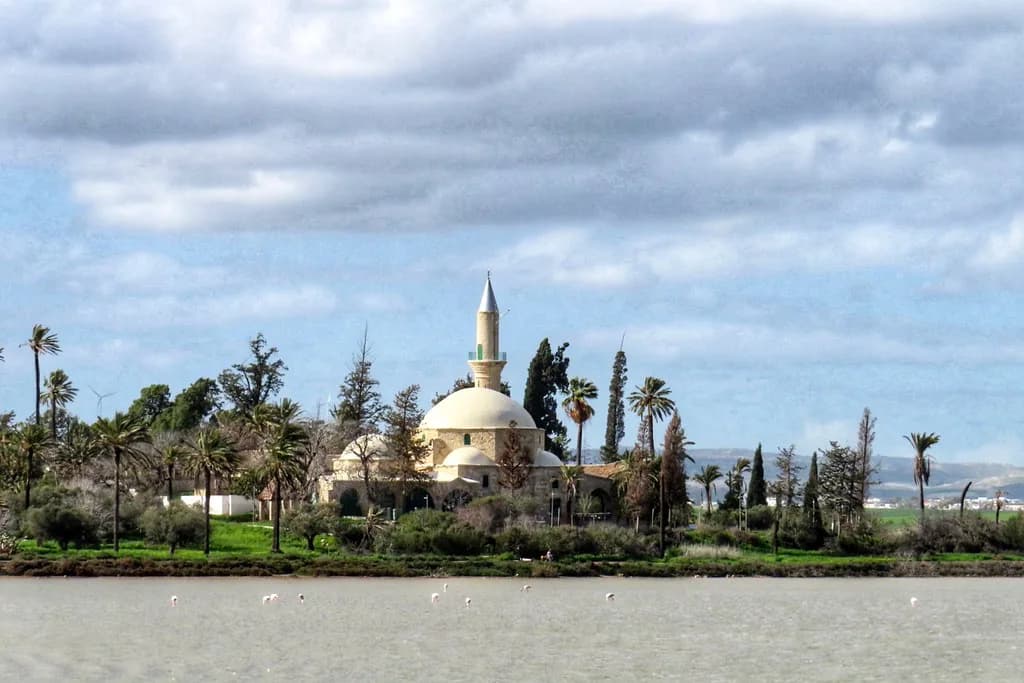
The city is compact enough that a short day covers a lot: the seafront, the Church of Saint Lazarus, the fort, and the salt lake area on the edge of town. Winter is when that circuit feels calm rather than rushed. Travelers coming from a northern European winter usually find the light and the outdoor sitting-out weather a relief.
Treat February as a month for towns and interiors: churches, museums, workshops, wineries and long lunches. The coast is the setting, not the activity. That reframing is the single most useful decision you can make before booking anything.
Weather in February: daytime highs, cool nights and rain days
Long-term February conditions in Larnaca mean daytime air that is mild by northern European standards and evenings that are genuinely cold once the sun drops. Pack for two different days: a light layer for midday walking and a warm layer for after dark.
Because the seasonal averages are what you should plan against, not a forecast, treat the trip as a mild winter break and expect variation. Before you travel, compare a short-range national forecast to see what the specific week looks like, and keep one indoor option per day in reserve for a wet or windy spell.
Rain in February usually arrives in short, passing episodes rather than all-day washouts, which is why a flexible plan matters more than a rigid one. Put outdoor sights near the front of a dry morning and move museums and church visits to the afternoon.
Hours of daylight and when the evening closes in
February daylight in Larnaca is still short but lengthening noticeably from the first week to the last. Plan sightseeing between mid-morning and mid-afternoon, when the light is at its best and buildings are most likely to be accessible.
The practical effect is that you should not leave a major sight until late afternoon. After roughly 5 pm the light goes quickly, temperatures fall, and the appeal shifts indoors to tavernas and cafés. Note that European clocks go forward on 28 March 2027, after your February trip, so you will be on winter time throughout.
Village day trips deserve particular care. Travelers who have done the inland loop in February describe the villages going dark not long after 4 pm, so a Lefkara or Kato Drys excursion works much better as a morning start than a late one.
Is the sea warm enough to swim in February?
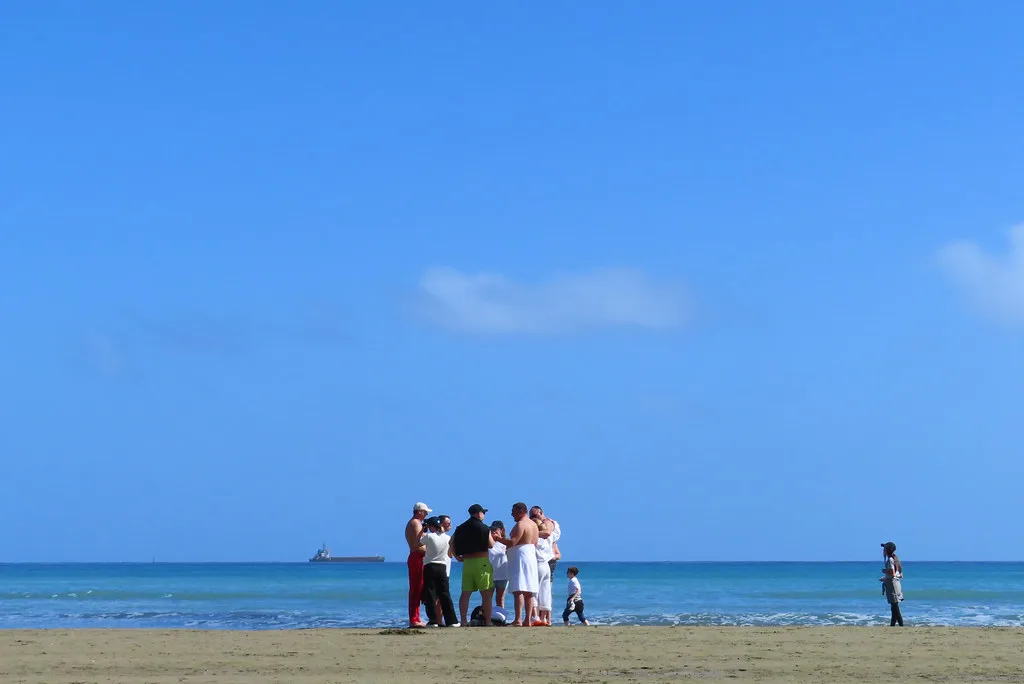
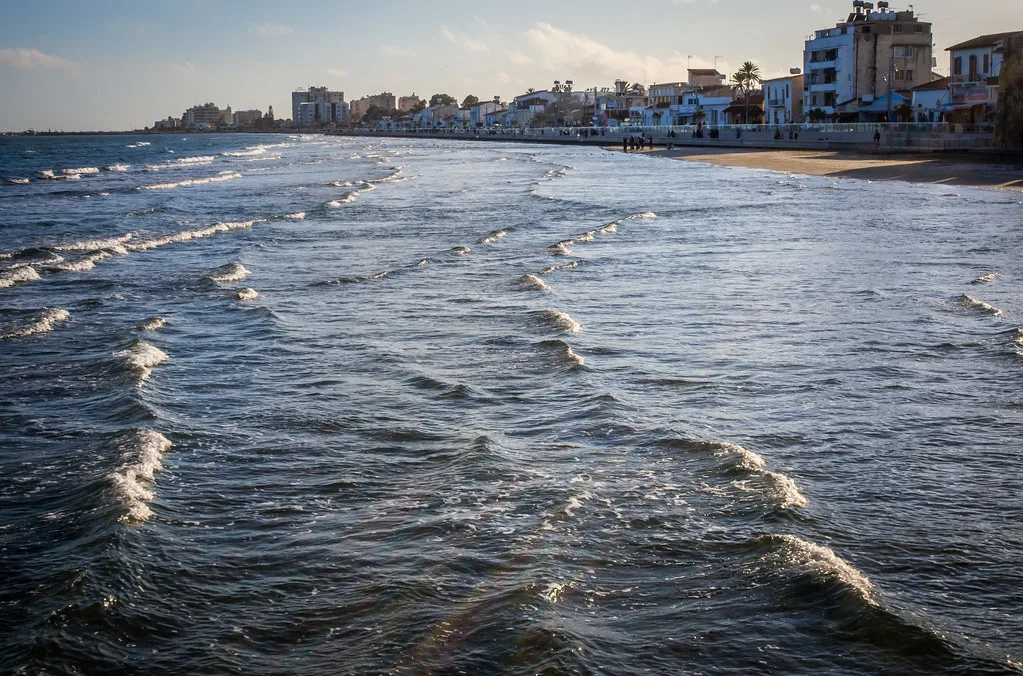
No, not in any comfortable sense. The eastern Mediterranean reaches its coldest in late winter, and the water off Larnaca in February sits well below the summer swimming range. Wading at the edge on a bright afternoon is one thing; a proper swim is for hardy locals.
That changes the shape of a coastal stay. The Finikoudes seafront is best used for walks, coffee and people-watching, and the beach businesses along the bay run to a winter rhythm rather than a summer one.
If the water matters to you, come back in the warmer months; if the sea view and the air matter, February delivers them without the crowd. Snorkeling and boat trips around the Zenobia wreck are advertised year-round, but winter sea conditions can affect whether trips run, so ask the dive and boat operators in Larnaca harbour when you arrive.
What is open in winter: sights, churches and the seafront
Larnaca's core sights are city monuments, not seasonal attractions, and they remain the backbone of a February visit. The Church of Saint Lazarus, the fort, and the older streets around them keep the city worth a full day on foot even when summer businesses slow down. Seasonal operations are where winter bites: some beachfront venues and boat excursions cut back, so build your days around the permanent sights first.
Buses and local transport run on winter timetables outside the high season, and some services thin out in the evening. If a day trip depends on a particular departure, look up the timetable the day before rather than relying on the summer pattern.
For a wider picture of which attractions and coastal operations scale back between December and early March, the Larnaca in January guide covers the same winter conditions one month earlier, and Larnaca in December shows the start of the quiet season.
Things to do in Larnaca in February
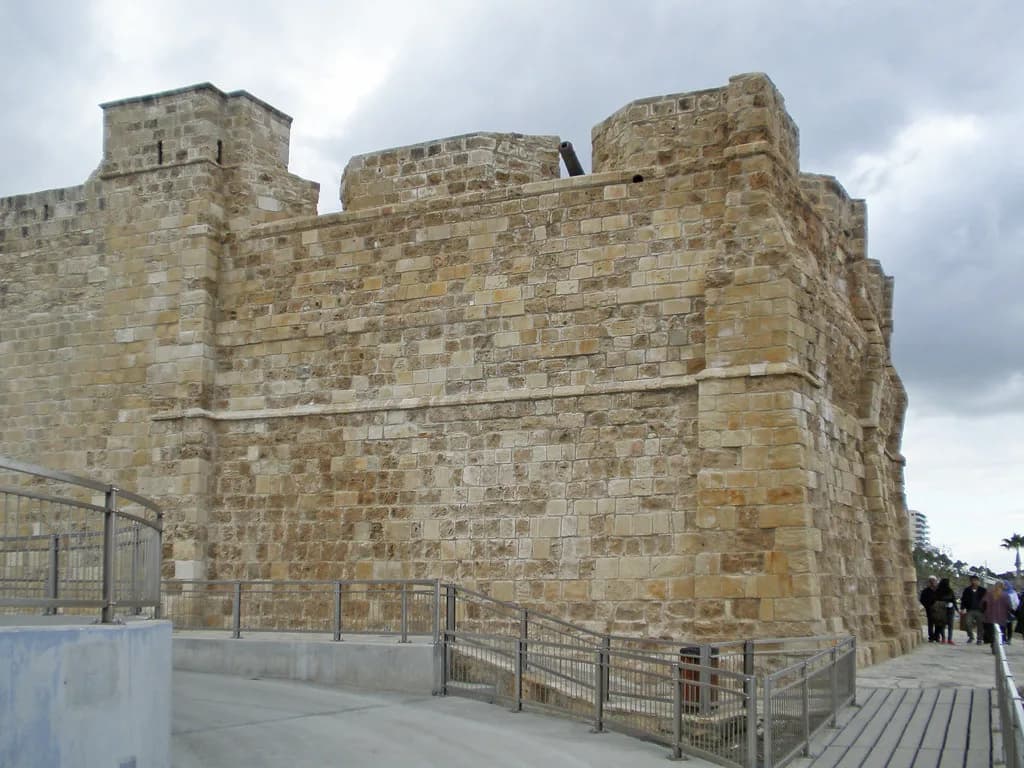
Start with the old city on foot. The Church of Saint Lazarus is a Byzantine landmark said to hold the tomb of Lazarus, and the nearby fort, a fourteenth-century structure now used as a museum, gives you the city's history in two compact stops within a few minutes of each other.
Add the seafront for the light and the Kamares Aqueduct on the edge of town for a short walk; both are outdoor and both work best in the middle of the day. Pair them with a long lunch of Cypriot mezze, which is what locals do in the cooler months.
Half- and full-day excursions from the city run in winter and typically combine historical stops with a winery visit, with a 9 am departure working well against the short daylight. Booking is straightforward through local operators, and a guided version takes the transport problem off your hands.
If you are weighing February against the months on either side, Larnaca in March brings noticeably longer days and warmer air, while Larnaca in November is still mild enough for the seafront to feel like a promenade rather than a wind tunnel.
Day trips that work in winter: Lefkara, Kiti and the wine villages
Inland is the best use of a February day. Pano Lefkara is known for its lacework and silver handicrafts, with narrow streets that reward an unhurried walk, and a traditional Cypriot lunch fits the pace.
Kiti, just outside the city, holds the Byzantine Angeloktisti Church, and the hillside village of Kato Drys has wineries such as Ktima Christoudia where you can tour the cellar and taste. Combine two of the three rather than all of them if you are driving yourself.
Organized versions of this loop start early and handle the driving, which is the sensible choice if you want Lefkara, Kiti and a winery in one day. However you go, plan to be back before dark, because the villages empty out and go dim soon after mid-afternoon.
The Troodos Mountains are within reach for a longer day out, but mountain weather in February is colder and can be wintry, so check the mountain forecast before committing and keep a city-based plan as the fallback.
February events and holidays on the calendar
The fixed points in February are Carnival season, which builds to Carnival Tuesday on 9 February 2027, the day before Ash Wednesday on 10 February 2027. In Cyprus this is a widely observed period with parades and costume events, particularly in Limassol, which is an easy drive from Larnaca if you want the bigger celebrations.
Check the municipal calendar for exact Larnaca parade times and routes, since local programming is confirmed closer to the date. Because Carnival moves with Easter, the dates shift every year: in 2027 the final day falls in mid-February.
If you are traveling around the holiday period, keep in mind that shops and some venues may keep reduced or altered hours on the public holiday days.
Crowds, prices and the trade-offs of a February trip
February is low season, and that shows in both crowds and pricing. Package holidays and flight-and-hotel combinations for Larnaca are promoted well ahead of the month and typically land far below summer rates, so you can often trade a smaller budget for a longer stay. Exact fares depend on your departure city and booking date, so compare before committing.
The trade-offs are real: cold evenings, an unswimmable sea, a shortened sightseeing window and reduced evening options compared with the height of summer. Some coastal hotels and restaurants also run on limited service. The compensation is a city you can walk freely and a bill that is much lower.
Be realistic about the coast outside the center. Mackenzie Beach and its surroundings are far quieter than in summer, and some seasonal venues there close or shorten their hours; the area is still pleasant for a walk in the afternoon sun.
Who February in Larnaca suits, and who should wait
February suits walkers, history lovers, food-focused travelers and anyone who wants Cyprus without queues at a modest budget. It also suits people escaping a harsher northern winter who just want mild air and daylight.
It does not suit travelers whose idea of Cyprus is swimming, boat days and late evenings on a beach. For that, book the warmer months; if you are flexible on dates, March is a sensible shoulder-season compromise.
Anyone with mobility concerns should choose the city-center hotels and promenade walks; the old town is flat, though village streets are often stepped and uneven.
Plan Your Winter Visit
February is a month where you accept a shorter, cooler day and get a quieter, cheaper Larnaca in exchange. Plan the days around the city and inland villages, front-load the outdoor stops, and keep the evenings for restaurants.
Book flights and any excursion with a cancellation option, then check opening hours and any boat or tour departure before you commit a day to it. The winter trip that works is the flexible one.
Frequently Asked Questions
Is February a good time to visit Larnaca?
Yes, for a sightseeing and walking trip. The days are mild, the city is quiet, and prices are at their low-season level. It is not a good month for swimming or beach days.
How warm is Larnaca in February?
Expect mild daytime air and notably cold evenings once the sun goes down, so bring one warm layer for after dark. Plan against long-term averages, not a specific forecast.
How much daylight does Larnaca get in February?
Days are short but lengthening through the month, so plan outdoor sightseeing between mid-morning and mid-afternoon. In the villages it gets dark soon after 4 pm, which is why day trips should start early.
Can you swim in Larnaca in February?
No, not comfortably. The Mediterranean is at its coldest in late winter; use the seafront for walks and coffee, and save swimming for the warmer months.
Does it rain a lot in Larnaca in February?
Rain tends to arrive in short episodes rather than all-day downpours, so a flexible plan beats a fixed one. Keep one indoor option per day.
When is Carnival in Larnaca in 2027?
Carnival Tuesday falls on 9 February 2027, with Ash Wednesday on 10 February, and Limassol is the main destination for the bigger celebrations. Check the municipal calendar for local parade times and routes.
Sources
Winter travel notes
Optional updates when we add or revise winter guides.
You might also like
Continue reading
More guides you'll find useful