Larnaca in January: Mild Winter Weather & Quiet Beaches
Larnaca in January brings mild coastal weather, short sunny days and a sleepy resort feel. See typical temperatures, what stays open and who this month suits.
On this page
January is the month when Larnaca stops being a beach resort and goes back to being a small Cypriot port city. Air temperatures stay mild enough for long walks along the seafront, but the sea is cold, the days are short and the seasonal waterfront economy is mostly asleep. If you want sunshine in small doses, empty promenades and genuinely low-season prices, this is your window.
The month suits couples, walkers and culture travelers who would rather spend a morning in a ninth-century church than queue for a sunbed. It does not suit anyone expecting to swim comfortably or to find every beach bar and waterfront restaurant in full swing. The honest picture is a pleasant, slightly sleepy city with a strong historic core and excellent birdlife on its doorstep.
Why Visit Larnaca in January
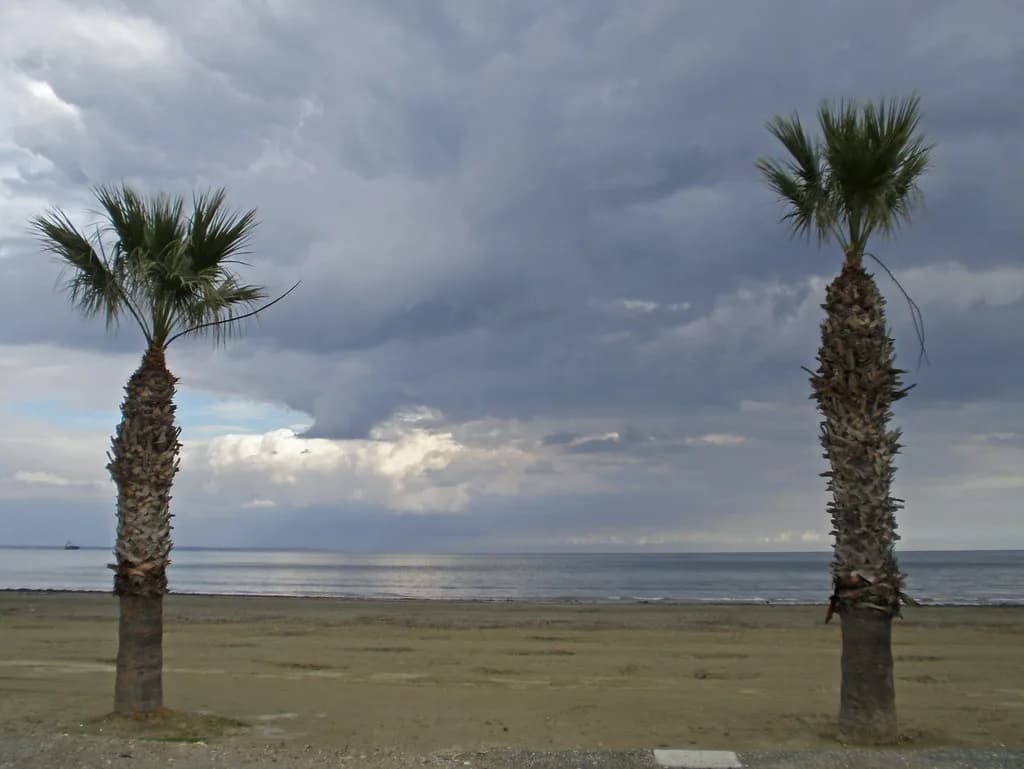
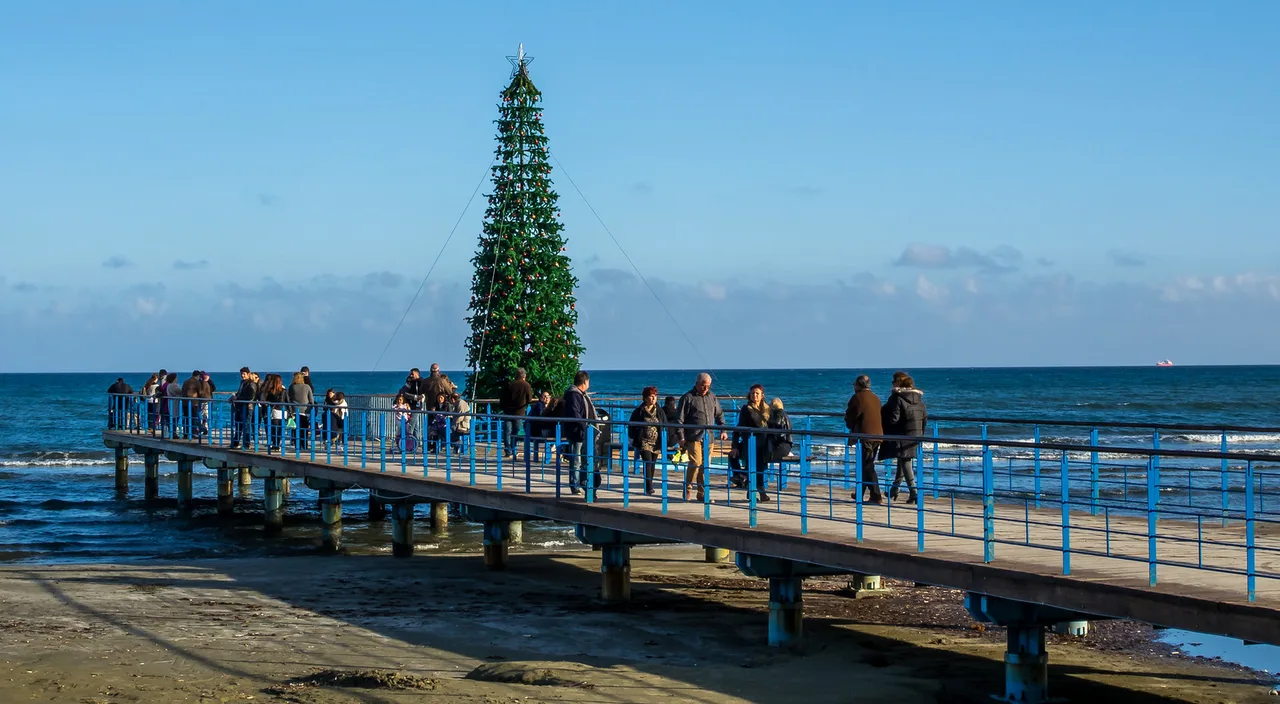
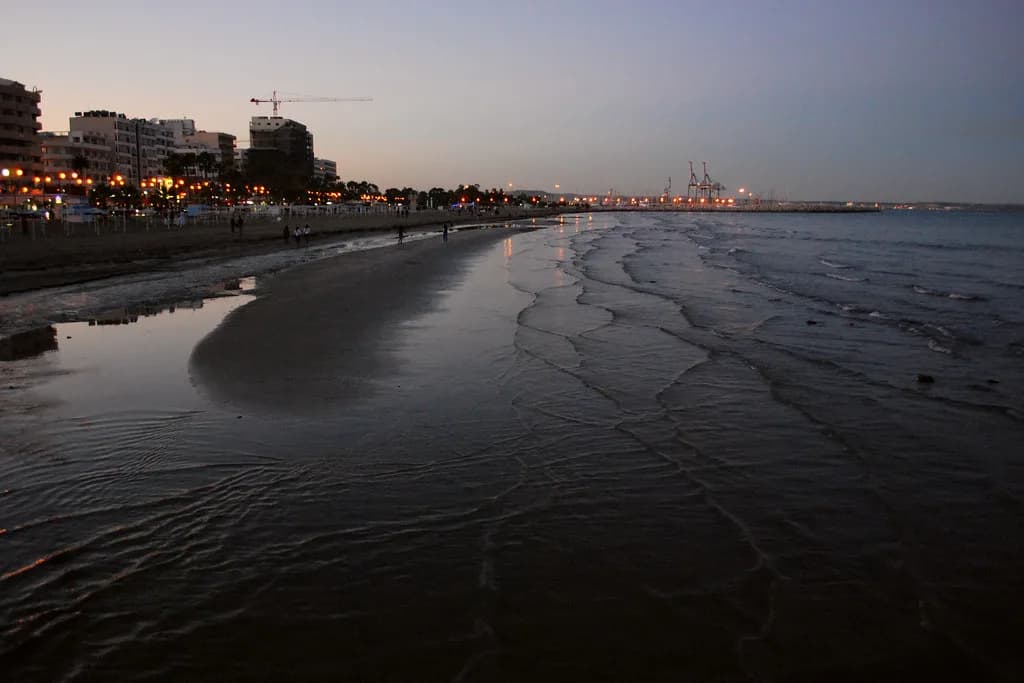
Larnaca in January is a working city rather than a resort, and that is exactly its appeal. The Finikoudes seafront keeps its palm-lined promenade, cafes and playgrounds, but the crowds that fill it in summer have gone, so a morning stroll feels like a local routine. Winter in Larnaca also brings prices down across accommodation and dining, though you should not expect every seasonal venue to be operating.
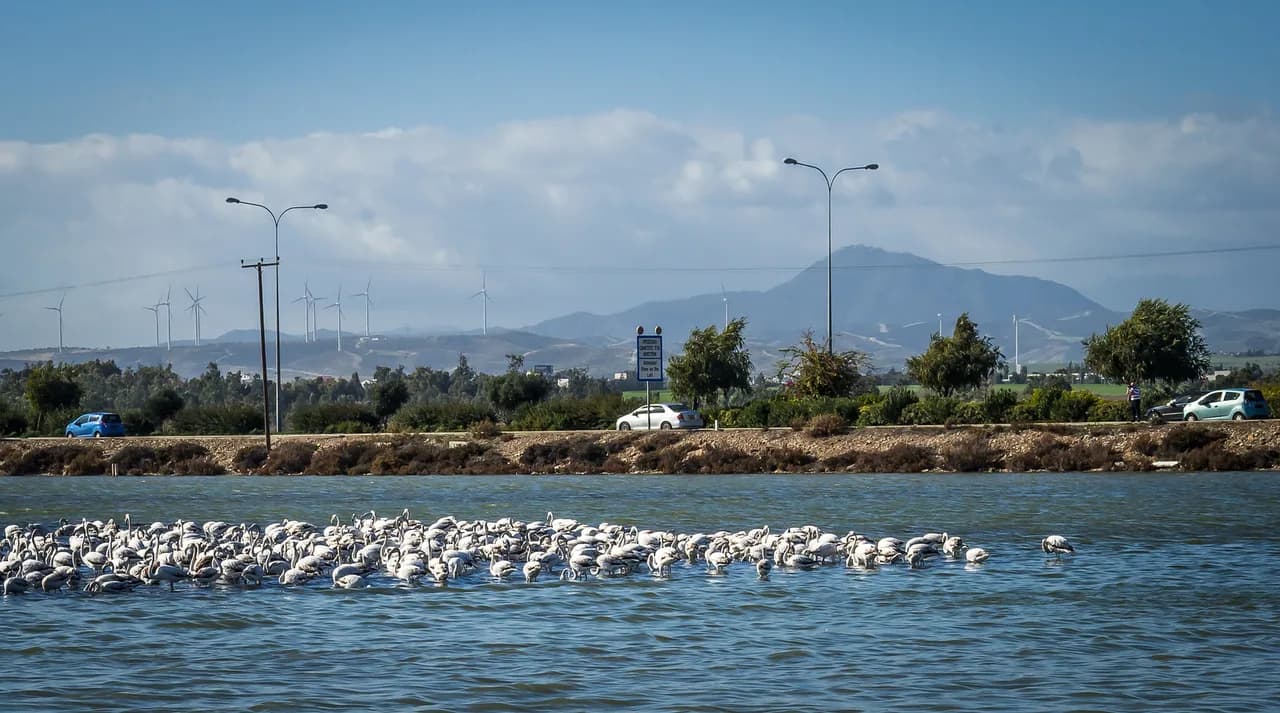
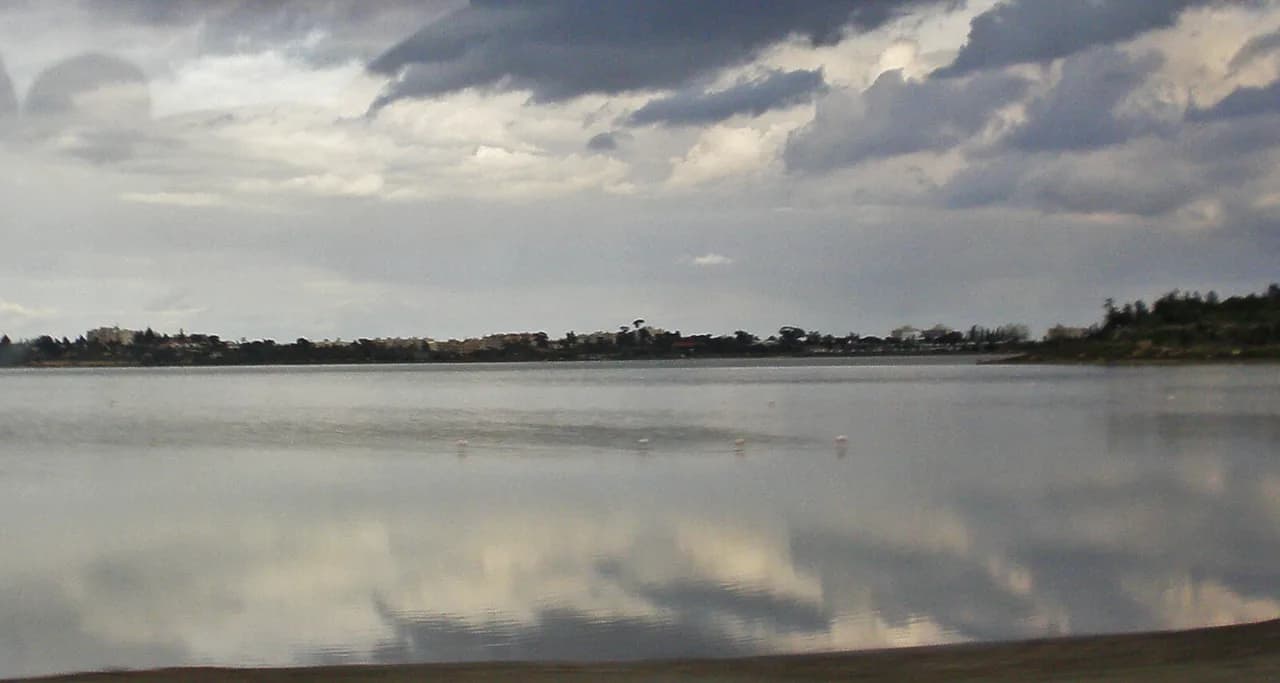
What January adds is a specific, non-summer reason to come: the salt lakes west of the city fill with water and attract flamingos and other water birds. Watching them from the marked paths and hides is a genuinely January activity, not a summer leftover. Combine that with the compact historic core and you have a city that rewards a few unhurried days.
Weather in January
January is the coolest month in Larnaca, but 'coolest' is relative. Typical long-term averages put January highs around 16°C (60°F) and lows around 12°C (53°F), with the warmer afternoons comfortable in a light jacket and the evenings noticeably chilly after dark. Treat these as typical conditions rather than a forecast and check a local forecast close to your dates.
Cyprus gets most of its rain in the winter months, so a January trip should assume some wet days rather than continuous sunshine. Showers are usually short, which makes it practical to plan a museum morning and a coastal walk for the same day. Daylight is the bigger constraint: mid-winter days are short, so front-load outdoor plans and keep indoor options for the late afternoon.
Sea Temperature and Swimming in January
Mild air does not mean warm water. The Mediterranean off Larnaca cools markedly through the winter, and by January it is cold enough that most visitors will not want more than a brief paddle. The seafront remains excellent for walking, running and watching the light change, and the promenade is pleasant even when the water is not.
If swimming matters to you, January is the wrong month and you should look at late spring or autumn instead. If it does not, the cold sea is a fair trade for empty beaches, quiet seafront cafes and easy tables at dinner. Water-sports operators and boat trips often work to reduced winter schedules, so treat any specific outing as something to arrange on the ground rather than assume.
What Is Open in Winter
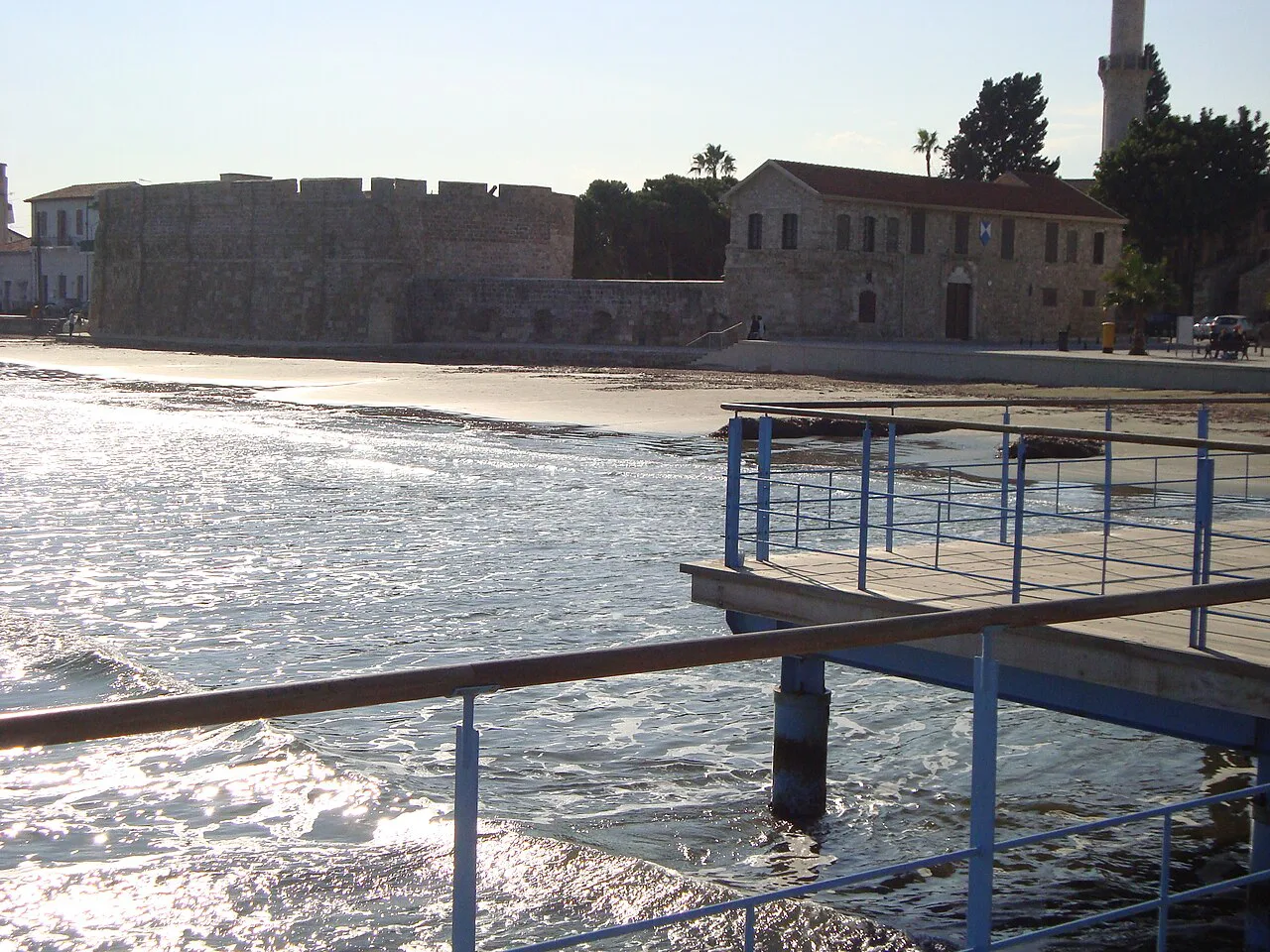
Larnaca's year-round draw is its historic core, which does not depend on the beach season: the Church of Saint Lazarus, Larnaca Fort with its small medieval museum, the Kition archaeological site and the Pierides Museum all give a January day structure. The surrounding streets of the old town stay lively because locals use them, so you are not walking through a ghost town.
The seasonal layer is what changes. Beach bars, sunbed concessions and some waterfront dining operate to summer rhythms and scale back or pause outside the season, while the promenade itself, the marina area and the city's everyday cafes and tavernas keep going. Plan around the working city and treat any open beach bar as a bonus.
New Year's Day and Epiphany
Two public holidays shape early January. New Year's Day 2027 falls on a Friday, and Epiphany on 6 January 2027 falls on a Wednesday, which splits the first week into short working blocks. Expect banks, offices and some shops to keep holiday hours on those days, and plan museum visits and errands around them rather than on them.
Epiphany is a religious feast widely observed in Cyprus, and in a city with a strong Orthodox tradition you may find services and waterfront ceremonies around the date. Rather than guess at timetables, look at what the municipality and the parish publish locally in the days before. The rest of January is ordinary working time, which is when the city feels most itself.
If you are weighing January against the run-up to Christmas, note that December has its own rhythm of festive evenings and holiday closures. The run of days between New Year and Epiphany is quieter than either. A December trip and a January one feel different enough to justify choosing deliberately.
Historic and Religious Sights for a Winter Day
Start at the Church of Saint Lazarus, a restored ninth-century Byzantine church in the town center with a celebrated gold-plated iconostasis, and give it real time rather than a photo stop. From there the fort and its medieval museum are a short walk, and the two together make a compact, rain-proof morning in the old town.
The Archaeological Site of Kition, with its temples, tombs and remnants of the ancient city, rewards a dry afternoon and sturdy shoes, since it is largely an outdoor site. The privately run Pierides Museum is a good counterweight on a wet day, with regional pottery, glassware and maps in a small, digestible collection. Between them you can build two full days without repeating yourself.
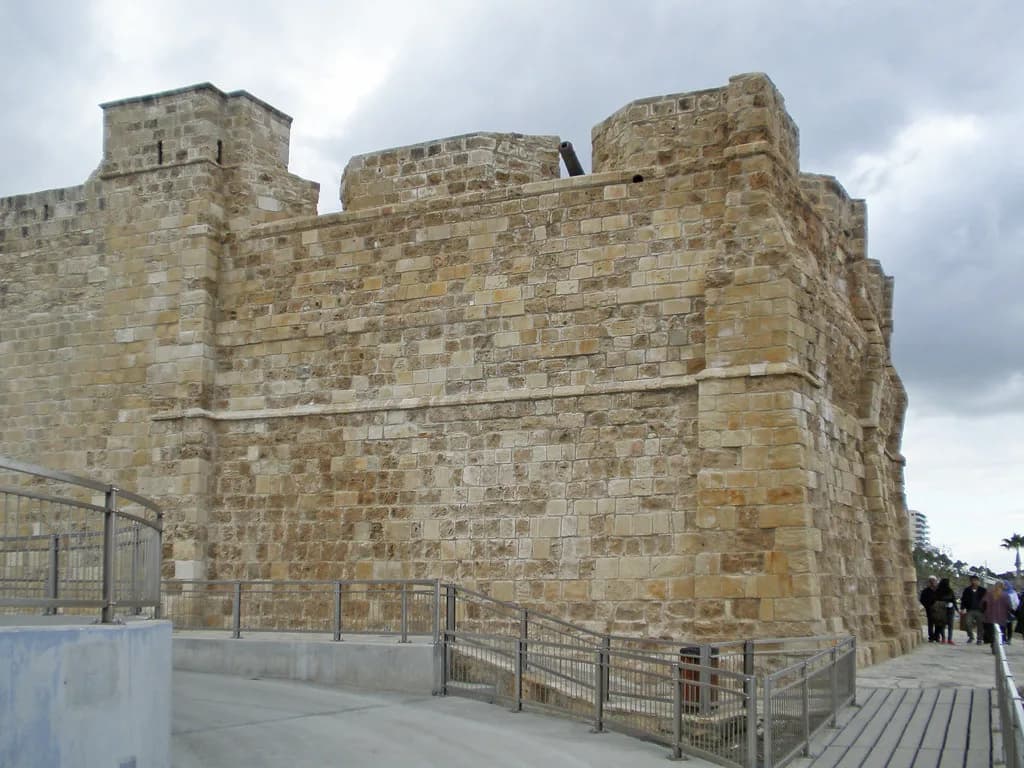
Larnaca Fort, often called Larnaca Castle, is a twelfth-century structure that has served as fort and prison and now holds a modest museum with sea views from the walls. It is the kind of small, atmospheric sight that suits a short winter visit rather than a long one. Check locally for current opening hours on the day you go.
Winter Birdlife at the Salt Lake
Larnaca Salt Lake and the neighbouring Oroklini Lake are the city's best January argument. The salt flats hold water in winter, and flamingos and other migratory water birds gather from around October through the winter months, drawing birdwatchers to the fenced paths and viewing hides. Bring binoculars; the birds keep their distance.
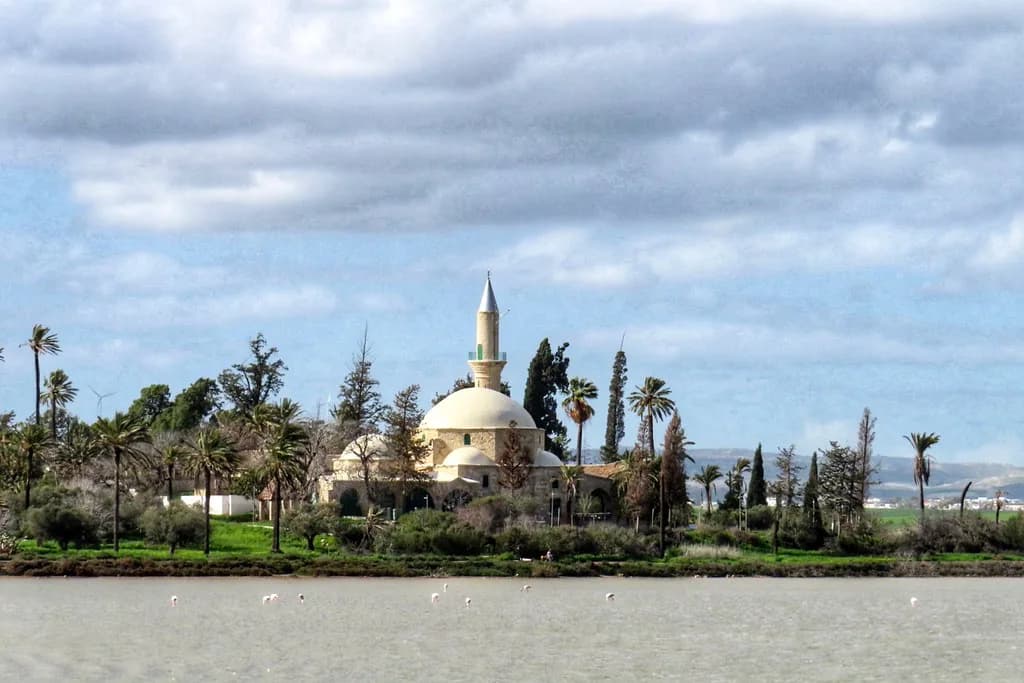
Hala Sultan Tekke, the lakefront mosque and pilgrimage site on the west bank, sits right beside the salt lake and can be visited in the same outing. Its gardens and setting make a calm counterpoint to the old town. Combine the two early in the day when the light is good and the paths are quiet.
Food and Indoor Time
Cypriot tavernas are a January pleasure: warming meze, grilled halloumi, slow-cooked dishes and fresh seafood served without a summer queue. The city's everyday restaurants keep working through winter because locals eat there, so January is a good month for a long lunch. Outdoor tables appear whenever the sun does, and locals take full advantage.
For rainy afternoons, the Larnaca Municipal Art Gallery and the Pierides Museum give you indoor hours that are genuinely worth the time, and the old-town lanes reward slow wandering between showers. The pattern that works is outdoor mornings, indoor afternoons, and a long dinner once the light has gone. That rhythm suits the short January day rather than fighting it.
Day Trips
Pano Lefkara, the lace village in the hills inland from Larnaca, makes a sensible half-day December or January trip, with its narrow streets and silver and lace workshops a short drive away. Kiti's Angeloktisti Church, with its Byzantine mosaic, is closer still and fits neatly into a coastal morning. Grouping Lefkara and Kiti means one loop rather than two long drives in short daylight.
Wine country around Kato Drys and the lower Troodos villages is a longer day and better suited to a clear forecast, since mountain roads and winter weather can slow you down. In January the hills are quiet and some village businesses work reduced hours, so a winery visit is worth arranging in advance rather than chancing. Keep an eye on the daylight and start early.
Getting Around
Larnaca has a bus network that covers the city, the airport and nearby villages, and it is the economical option if you are staying put. For Lefkara, Kiti, Kato Drys and the Troodos foothills, a hire car is far more practical, and driving in Cyprus is on the left. Winter roads outside the city are quieter, which makes the driving easier than in summer.
Within the city, most of the historic core and the Finikoudes seafront is walkable, and the salt lake and Hala Sultan Tekke are a short drive or a longer walk from the center. Build your day around one outdoor block and one indoor block, and keep the car for the day trips rather than city errands. That saves time and keeps the short daylight for the things you came to see.
Short Days and Rain
January daylight is short enough that a late start costs you a whole activity. Plan the outdoor item first, whether that is the salt lake, Kition or a walk along the Finikoudes promenade, and keep the museums, galleries and long lunches for the afternoon and any showers. This is the single most useful adjustment for a winter trip here.
Rain in Larnaca tends to arrive in short bursts rather than all-day drizzle, so a flexible plan beats a rigid one. Keep a short indoor list ready: the fort museum, the Pierides Museum, a gallery, a taverna. If the forecast turns settled, swap a city morning for a day trip instead.
Trade-offs and Who January Suits
January gives you the lowest prices and the thinnest crowds of the Larnaca year, along with mild air and superb birdlife. You pay for it with a cold sea, short days, rain risk and a seasonal waterfront that is partly closed. It is the clearest low-season bargain on the island coast, but only if you want what it actually offers.
Couples, walkers, birdwatchers, photographers and culture travelers who prefer empty streets will find January rewarding, especially combined with the historic core. Sun-seekers, families needing beach days and anyone who wants a lively resort atmosphere should choose late spring or early autumn instead. If you want a middle path, February warms a little and keeps the quiet.
Plan Your Visit
January in Larnaca works best as a short, unhurried city break built around the historic core, the salt lakes and a couple of well-chosen day trips. Book accommodation early for the New Year and Epiphany week, when the 2027 calendar splits the holidays, and keep the rest of the plan loose enough to move with the weather.
The single decision that matters is whether you are going for the sea or the city. If it is the city, book January and enjoy the price and the quiet; if it is the sea, pick a warmer month. Either way, the low-season version of Larnaca is honest, atmospheric and far more interesting than a shuttered resort. For the same trade-off at other destinations, weigh it against Crete in winter and Greece in winter before you commit.
Frequently Asked Questions
What is the weather like in Larnaca in January?
January is the coolest month, with typical long-term averages of around 16°C (60°F) by day and 12°C (53°F) at night. Expect some wet days and short daylight, and treat the figures as typical conditions rather than a forecast. The air is mild enough for walking, but evenings are chilly.
Can you swim in Larnaca in January?
The sea cools markedly through the winter, and by January it is cold enough that most visitors will not want more than a brief paddle. The seafront is better suited to walking than swimming. If warm water is essential, choose a late spring or autumn trip instead.
Is January a quiet month in Larnaca?
Yes. January is the low season on the coast, with thin crowds, lower prices and a seasonal waterfront that partly slows down. The historic core, the promenade and local restaurants keep working because residents use them, so the city feels quiet rather than empty.
What is there to do in Larnaca in winter?
The Church of Saint Lazarus, Larnaca Fort and its medieval museum, the Kition archaeological site and the Pierides Museum give you a strong historic core. The salt lakes draw flamingos and other water birds in winter, and Kiti, Pano Lefkara and wine country make good day trips. Tavernas and long lunches fill the rainy afternoons.
Is January a good time to visit Cyprus?
For a city break built on history, birdlife and food, yes. For a beach holiday, no. January suits travelers who value quiet, low prices and mild air over swimming and resort nightlife, and it pairs well with a few days in another Cypriot city.
How short are the days in Larnaca in January?
Mid-winter days are short, so plan the outdoor item first and keep museums, galleries and long lunches for the afternoon. A late start can cost you a whole activity. The upside is that long evenings suit tavernas and indoor time.
Sources
Winter travel notes
Optional updates when we add or revise winter guides.
You might also like
Continue reading
More guides you'll find useful