Crete in Winter: What November to March Is Really Like
Crete in winter means empty sights, green mountains and mild, wet weather. Here is what November to March is like, what stays open and who it suits.
On this page
Crete in winter trades beach weather for space. The island's famous sites empty out, the mountains turn green and often white, and towns such as Chania and Rethymnon carry on as working places rather than holiday resorts. It suits travelers who want ruins, food and walking without summer heat or queues.
The season is not uniform: November still feels like a tail end of autumn, January and February are the wettest and coolest months, and March brings flowers and longer days. The real cost of a winter trip is short daylight and the chance of a wet, windy spell, not freezing cold.
Crete in Winter: Mild, Green and Quiet
Crete's winter climate sits closer to southern Spain and Cyprus than to mainland Greece, which is why the island stays visitable when northern Europe is grey. Outside November the sea is generally too cold for comfortable swimming, so plan around landscape, archaeology and food rather than beach days.
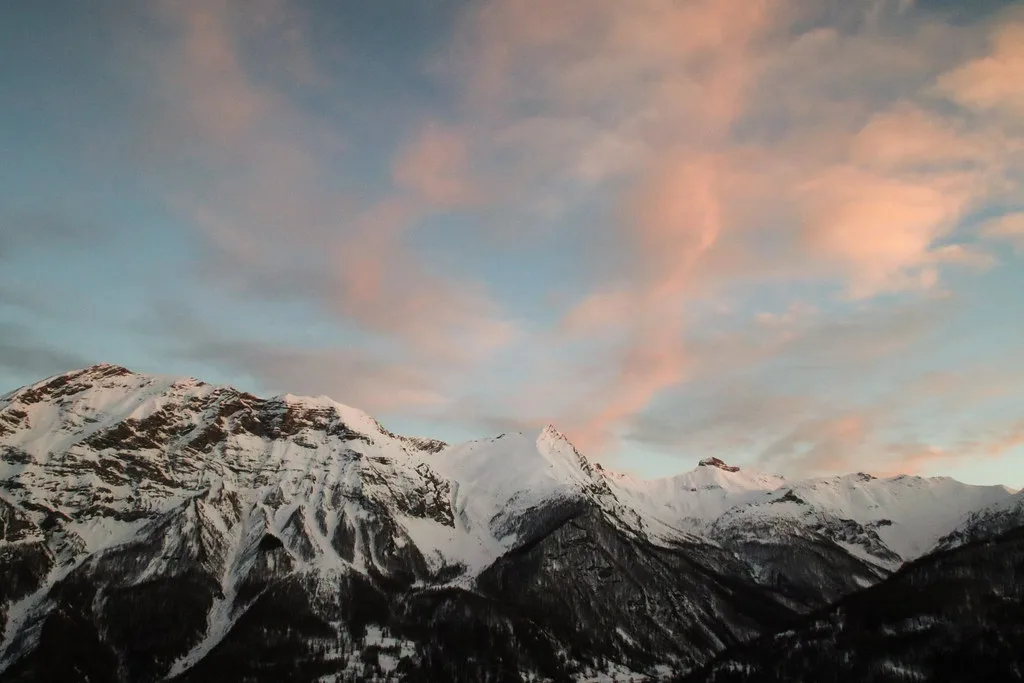
The compensations are substantial: no crowds at the headline sites, green hillsides, snow on the White Mountains from roughly December and spring flowers appearing from January. You can, on the right day, walk on mountain snow in the morning and stand on a beach in the afternoon.
Weather varies sharply between the coast and the mountains, and between the west and the drier southeast around Sitia and Ierapetra. A wet week in Chania can coincide with sun in Lasithi, so build some flexibility into where you base yourself.
Weather in November
November is the softest entry into winter. Daytime temperatures are still pleasant and warm sun is common, but evenings turn cool and rain becomes more frequent than in October. It is the last month when a short swim is plausible for hardy swimmers.
Treat November as late autumn rather than deep winter: the olive harvest is under way, the light is low and golden, and popular sites such as Knossos are already far quieter than in summer. Pack for cool evenings even when the afternoon feels mild.
Weather in December
December brings the mountain snow line down and makes rain more likely, though clear, warm spells still occur between weather systems. Coastal days can be genuinely pleasant in the sun, while nights are cold enough that heating matters in any room you book.
Daylight is at its shortest around the turn of the year, so plan sightseeing for the morning and keep afternoons for towns, museums and long lunches. December also marks the point where purely seasonal resort strips go quiet, which changes where it makes sense to stay.
Weather in January
January is one of the coolest, wettest months, and January and February tend to be harsher than December, though they still include stretches of extraordinarily clear and warm weather. Expect a mix: mild sunny afternoons alternating with wet, windy spells that can last several days.
This is the month to favor towns over remote coast. Chania's Old Venetian Harbour, Heraklion's museums and Rethymnon's old town all work in rain, and indoor dining and café culture carry the trip when the weather turns.
Weather in February
February continues the wet, cool pattern but the first almond blossom and early flowers begin to show, and the mountains usually hold their snow. Carnival season falls in this month in 2027, with Carnival Tuesday on 9 February and Ash Wednesday on 10 February.
Rain is the main planning constraint. Rather than committing to a fixed daily itinerary, keep one wet-weather option per day — a museum, a long taverna lunch or a drive to a drier corner of the island.
Weather in March
March is the transition month: longer days, more flowers, warmer afternoons and a rising chance of genuinely spring-like weather, though rain and mountain snow are still possible. It is one of the best-value compromises between winter quiet and usable weather.
Clocks go forward on 28 March 2027, so late March suddenly gains light evenings. Easter Sunday falls on 28 March 2027, which puts Holy Week across 21–28 March and makes that week busier and more expensive than the weeks before it.
Snow in the Mountains and Swimming in the Sea
The White Mountains above Chania and the massifs around the Omalos plateau hold snow through much of the winter, while the coast below can be sunny and mild on the same day. That contrast is the island's signature winter experience, and it is why a car pays off.
Sea temperatures drop through the winter, so swimming is for the hardy and mostly confined to sunny November days. The plus side is deserted beaches: Elafonisi, Balos and the south-coast coves are empty and atmospheric, even if you only walk them.
What Closes and What Stays Open in Winter
The practical split is between working towns and resort villages. Purely seasonal resorts largely shut down from December, leaving a desolate atmosphere even where rooms are available; towns with year-round life — Chania, Rethymnon, Heraklion, Agios Nikolaos and Sitia — keep shops, restaurants and services running.
On the south coast, Paleochora and Myrtos retain some winter life. Museums generally stay open, sometimes on shorter hours, while organized bus tours and excursions largely stop running and transport to more remote places thins out.
Check heating when booking, since winter nights are cold and an air-conditioning unit is weaker than proper central heating. Restaurants in smaller coastal villages often run limited winter hours, so base yourself where locals actually live.
Getting to Crete in Winter
Winter access usually means flying into Athens or Thessaloniki and connecting on a domestic flight to Heraklion or Chania, or taking the ferry from Piraeus. Off-season fares can be low outside the Christmas–New Year period, which is high season for airlines.
Book the domestic connection with slack, because winter weather can delay both flights and ferries. If your dates center on Christmas or New Year, reserve flights early: Christmas Day 2026 is a Friday and New Year's Day 2027 is a Friday, both peak travel days.
Getting Around Without Summer Schedules
Public buses thin out in winter and some routes to remote beaches and gorges stop entirely, so a rental car is the season's key practical decision. Off-season rental rates are lower than in summer, and a car lets you chase the sun or escape rain.
Mountain roads can carry snow or ice in January and February, and the Omalos approach is a serious drive in bad weather. Ask locally about conditions before setting out and keep a lower-altitude plan for wet days.
If you would rather not drive, pick a base on a bus line between major towns — the Chania–Rethymnon–Heraklion corridor is the most robust in winter — and take day trips from there.
Things to Do in Winter
Winter suits the island's indoor and slow pursuits: archaeological museums, Byzantine and Venetian churches, monastery visits, long taverna lunches and wine tasting. Urban walks in Chania and Rethymnon are pleasant in cool weather, and the crowds that clog them in summer are absent.
On clear days, coastal walks and low-level gorge walks such as the lower sections near the south coast work well. Save high-mountain routes for settled weather and go with local advice.
Knossos, Phaistos and the Ancient Sites
The big archaeological sites are the strongest argument for winter. Knossos, Phaistos, Gortyn and Malia can be visited without summer heat or queueing, and you can take your time in the fresco rooms and storerooms.
Opening hours can shorten outside the main season, and not every on-site café or shop operates, so arrive with water and food and go earlier in the day.
Rethymnon and Chania in the Off-Season
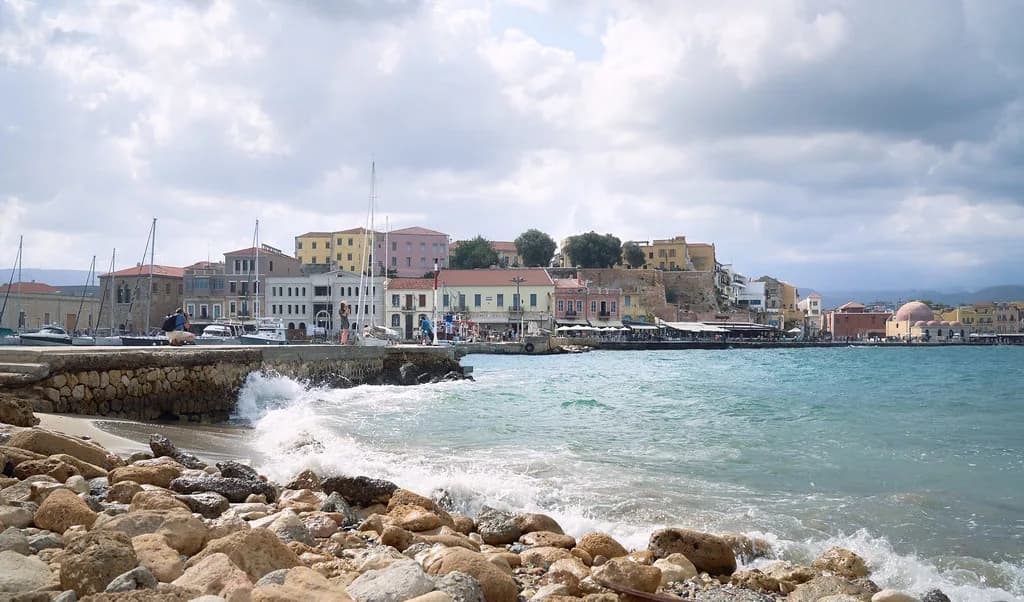
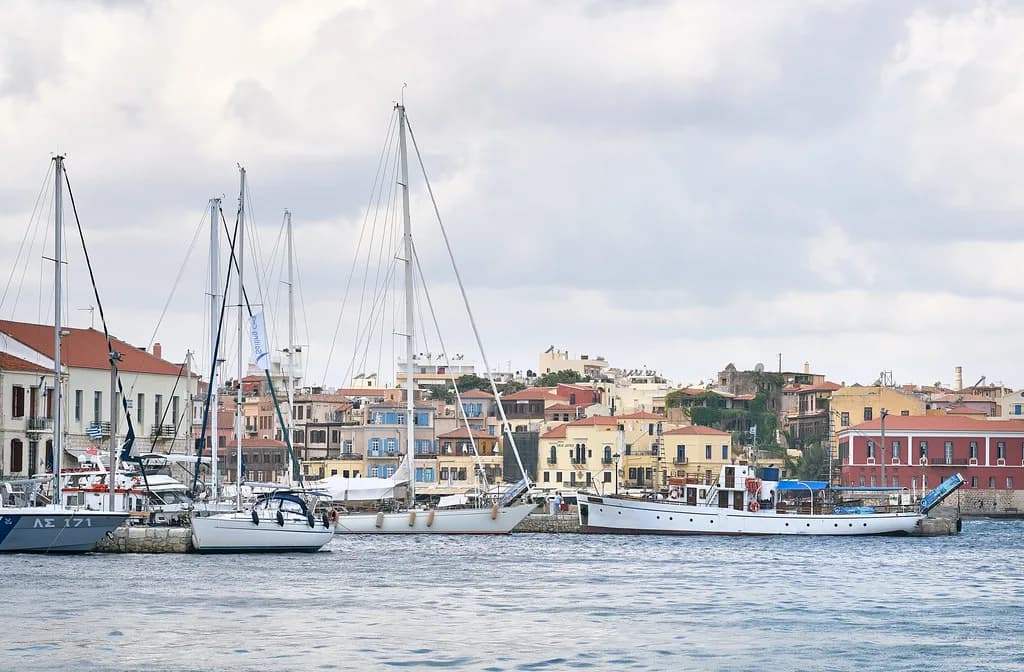
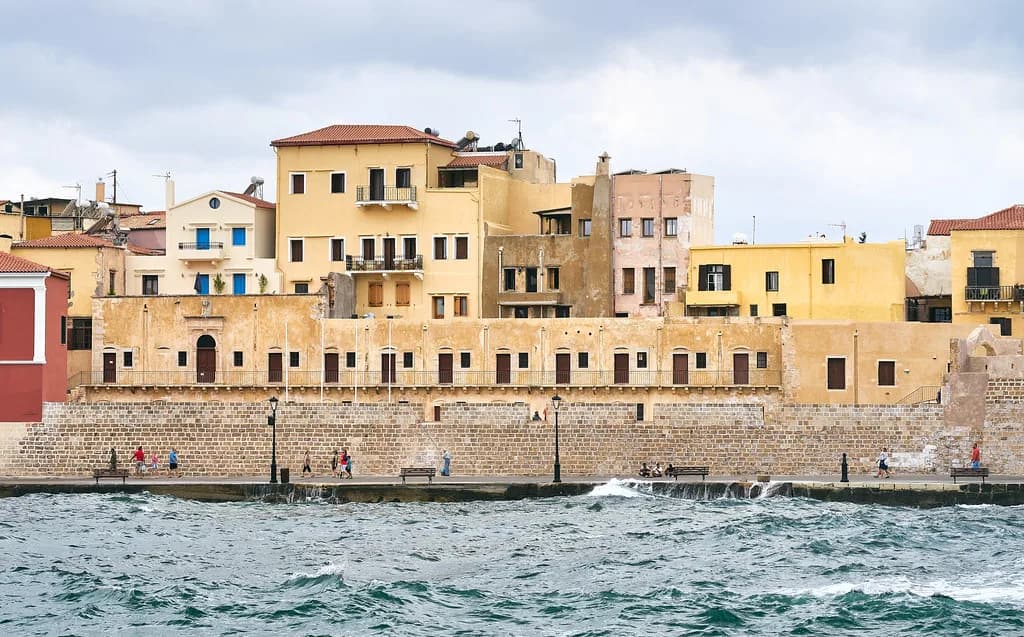
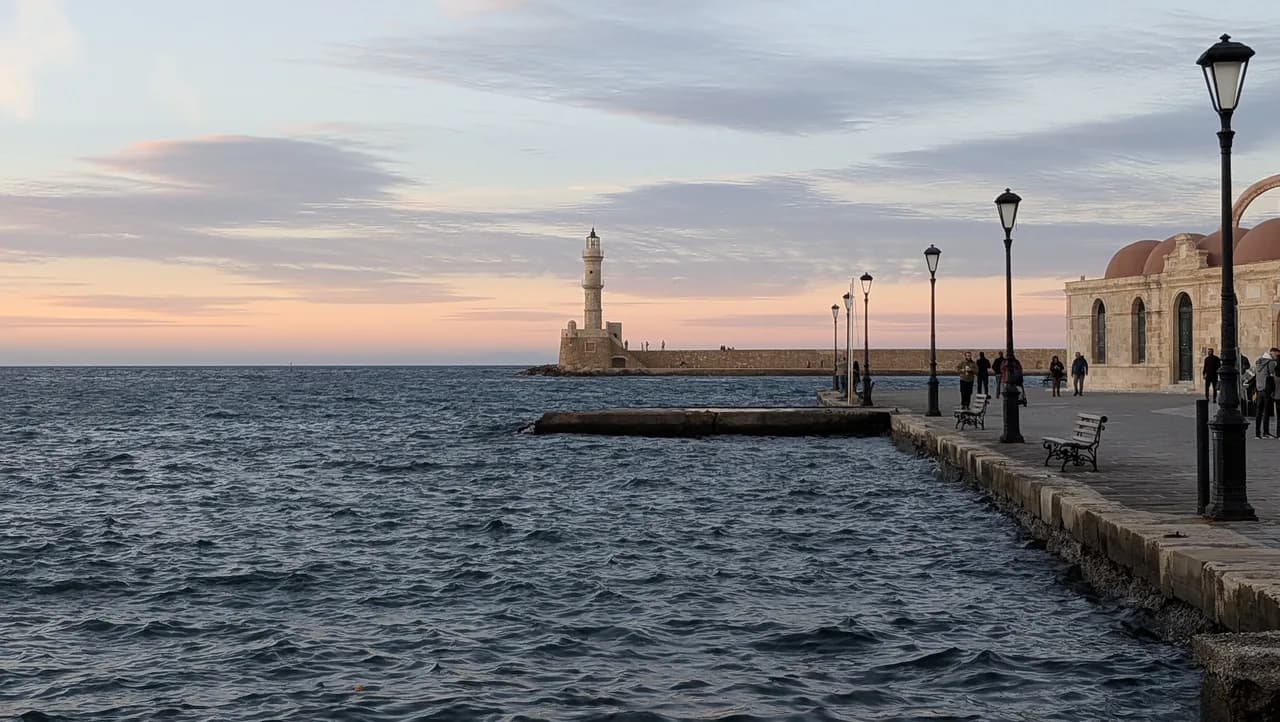
Both towns are real cities in winter, with schools, markets and year-round restaurants rather than shuttered tourist strips. Chania's Venetian harbour, mosque and narrow lanes are at their most photogenic in low winter light, and Rethymnon's old town is similarly rewarding.
Expect some hotels and seasonal restaurants to close, especially along the beachfront, and check that your chosen place is genuinely open rather than nominally so. Staying in the old towns keeps you within walking distance of what does run.
Samaria Gorge and Winter Hiking
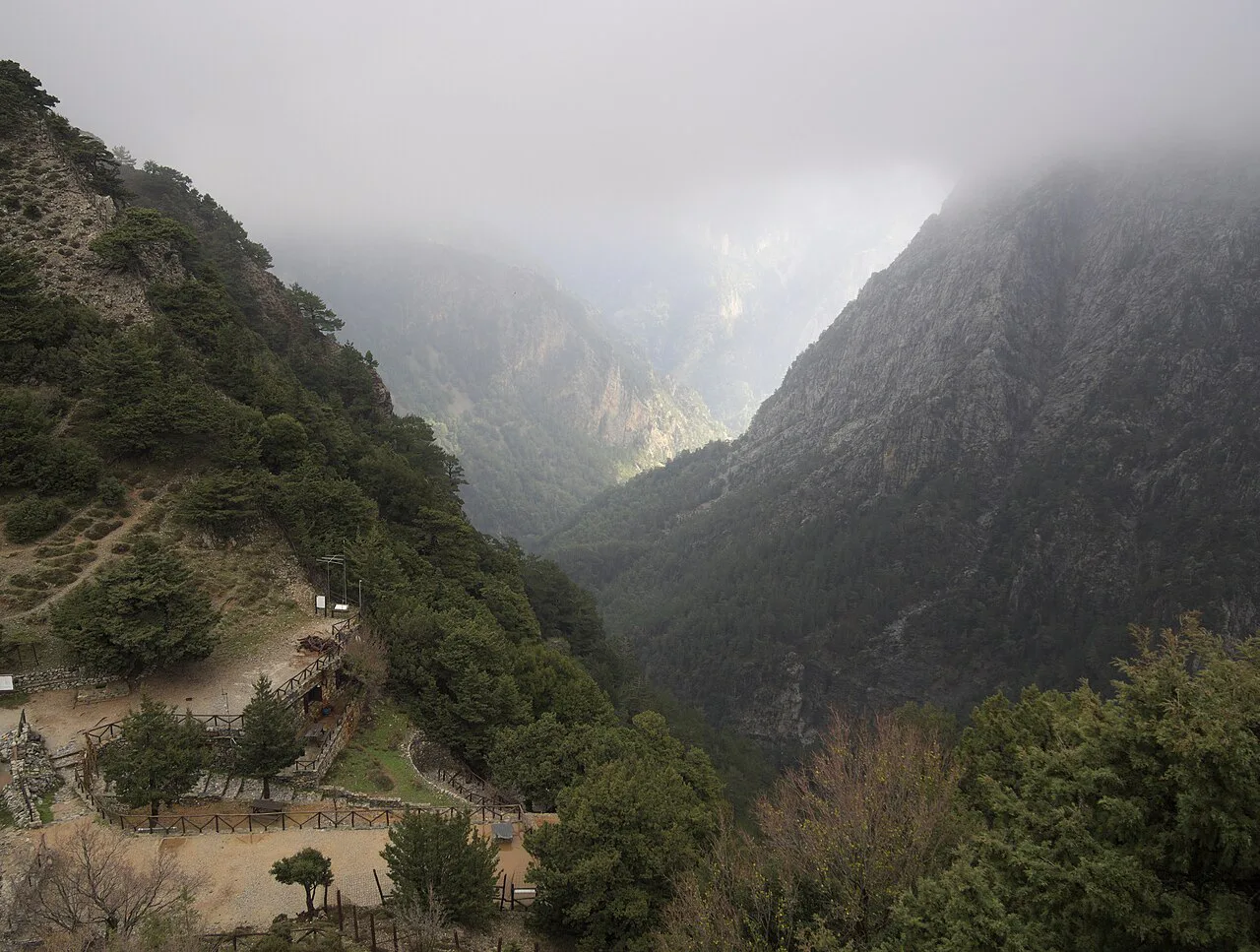
Samaria Gorge is a summer walk: the through-hike depends on seasonal operation and mountain access that winter conditions disrupt. Rather than plan around it, treat Samaria as out of scope and choose lower coastal and foothill walks that work in cool weather.
For real winter walking, the lower gorges of the south and the E4 long-distance route offer quiet, green scenery with far less commitment than the high mountains. Always check locally before setting off, since rain can make streambeds dangerous.
Food, Wine and Olive Harvest Season
Winter is eating season on Crete. The olive harvest runs through late autumn and early winter, tavernas turn to hearty braises, wild greens, snails and seasonal pies, and raki flows freely after meals.
Villages in the foothills, such as those around Kalyves and the Apokoronas, are livelier than the beach resorts and give access to the food culture that draws people back. This is the season to eat rather than swim.
Christmas and New Year on Crete
Christmas on Crete is a family, church-centered affair rather than a market spectacle, and it is a good moment to be in a working town. Expect some seasonal closures in resort areas and a genuinely festive atmosphere in Chania and Rethymnon.
Christmas Day 2026 falls on a Friday and New Year's Day 2027 on a Friday, so both weekends will be busier and costlier for flights and rooms. Epiphany on Wednesday 6 January 2027 is a major Greek celebration with blessing-of-the-waters ceremonies in port towns.
Who Winter in Crete Suits, and Who Should Pick Another Month
Winter suits travelers who value ruins, food, walking and solitude over swimming, who can absorb a few wet days, and who are happy to drive. It is excellent for returning visitors who have already seen the island in summer and want a different version of it.
Choose another month if you want reliable beach days, a lively resort scene, or guaranteed sunshine. Late May to October delivers that, while April and early November are the shoulder-season compromises. If you want a milder version of winter, look at Corfu in winter or Rhodes in winter, which have different characters and weather, or weigh our Larnaca winter guide for a still milder eastern Mediterranean alternative.
Plan Your Winter Trip to Crete
Base yourself in Chania, Rethymnon, Heraklion or Agios Nikolaos, rent a car and treat the weather as the day's main variable. That combination gives you ruins, food and mountain scenery with few crowds and low off-season costs.
Book flights via Athens early if your dates touch Christmas or New Year, and keep a wet-weather alternative for every outdoor plan. March is the easiest month for first-timers; November is the warmest; January and February reward travelers who prioritize towns and culture.
Explore more Crete winter guides
Frequently Asked Questions
Is it worth going to Crete in winter?
Yes, if you want empty archaeological sites, green mountains, good food and low prices rather than beach weather. The trade-off is rain and short daylight, especially in January and February, so plan indoor options and stay in working towns rather than resort strips.
How cold is it in Crete in winter?
Coastal days are often mild and sunny, while nights are cold enough that heating matters. Mountain areas hold snow through the winter. January and February are the coolest and wettest months, though they still include clear, warm spells.
How warm is Crete at Christmas?
Christmas is cool rather than cold on the coast, with sunny afternoons possible and chilly evenings. Snow is on the mountains, not usually at the coast. Pack layers and expect some rain.
How do you get to Crete in winter?
Most travelers fly into Athens or Thessaloniki and connect on a domestic flight to Heraklion or Chania, or take the ferry from Piraeus. Winter flights and ferries are limited, so allow slack for weather delays.
What is open in Crete in winter?
Working towns keep shops, restaurants and services running, and museums usually stay open with possibly shorter hours. Purely seasonal resorts largely close from December, and organized bus tours mostly stop.
Can you hike Samaria Gorge in winter?
Samaria is a summer walk, and winter conditions disrupt the mountain access it depends on. Choose lower coastal and foothill walks instead, and check local advice before setting out.
Sources
Winter travel notes
Optional updates when we add or revise winter guides.
You might also like
Continue reading
More guides you'll find useful