Rhodes in Winter: What the Season Is Really Like
Rhodes in winter is mild and quiet, with daytime temperatures of about 12–18°C, many resorts closed and an empty Old Town. Here is what the season is really like.
On this page
Rhodes in winter is not a beach destination with the crowds removed; it is an island that shifts into its everyday rhythm, with locals in cafés, fishermen working the harbor and pine slopes green after rain. Daytime temperatures typically sit between 12°C and 18°C (54–64°F), with nights between 8°C and 12°C (46–54°F), so this is walking and sightseeing weather rather than swimming weather for most visitors.
The season suits slow travel, hiking, photography and cheap quiet, and it disappoints anyone hoping for sunbathing or a full resort scene. Coastal resorts around Faliraki, Kolymbia and Kiotari thin out severely, while Rhodes Town keeps its population, museums and restaurants through the dark months.
Rhodes in Winter: A Quiet, Green Island
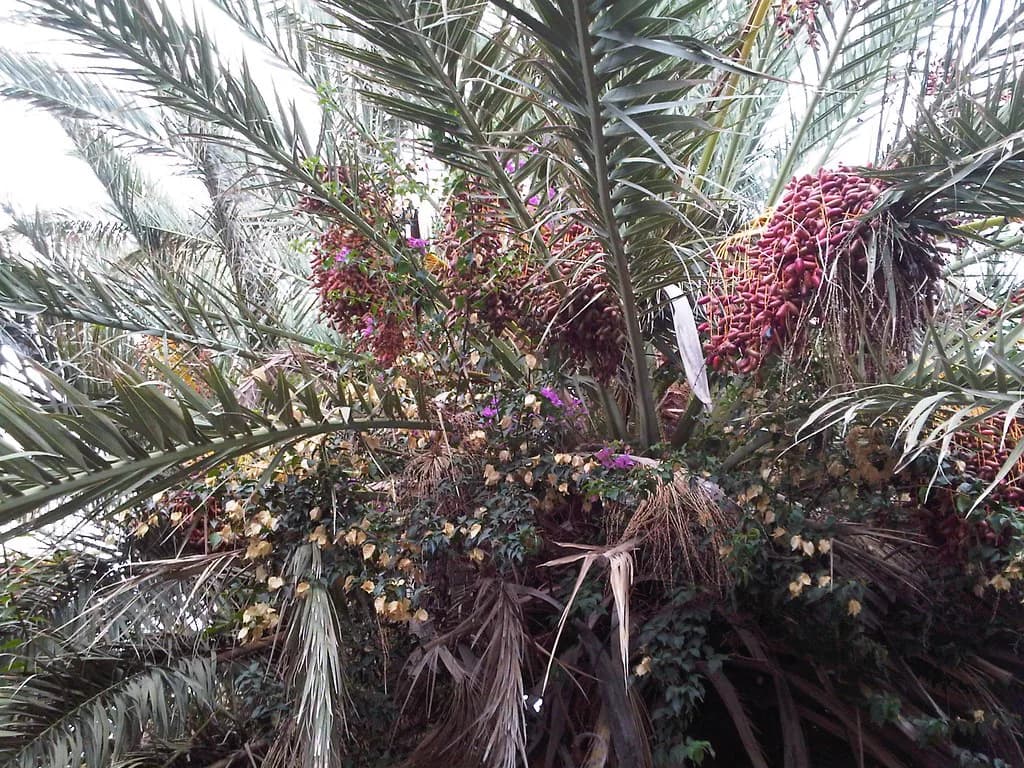
Winter changes the look of Rhodes more than the temperature does. Hills around Profitis Ilias and the valleys near Seven Springs turn green after autumn rain, the west coast takes on big waves and dramatic skies, and the medieval lanes of the Old Town empty out almost completely.
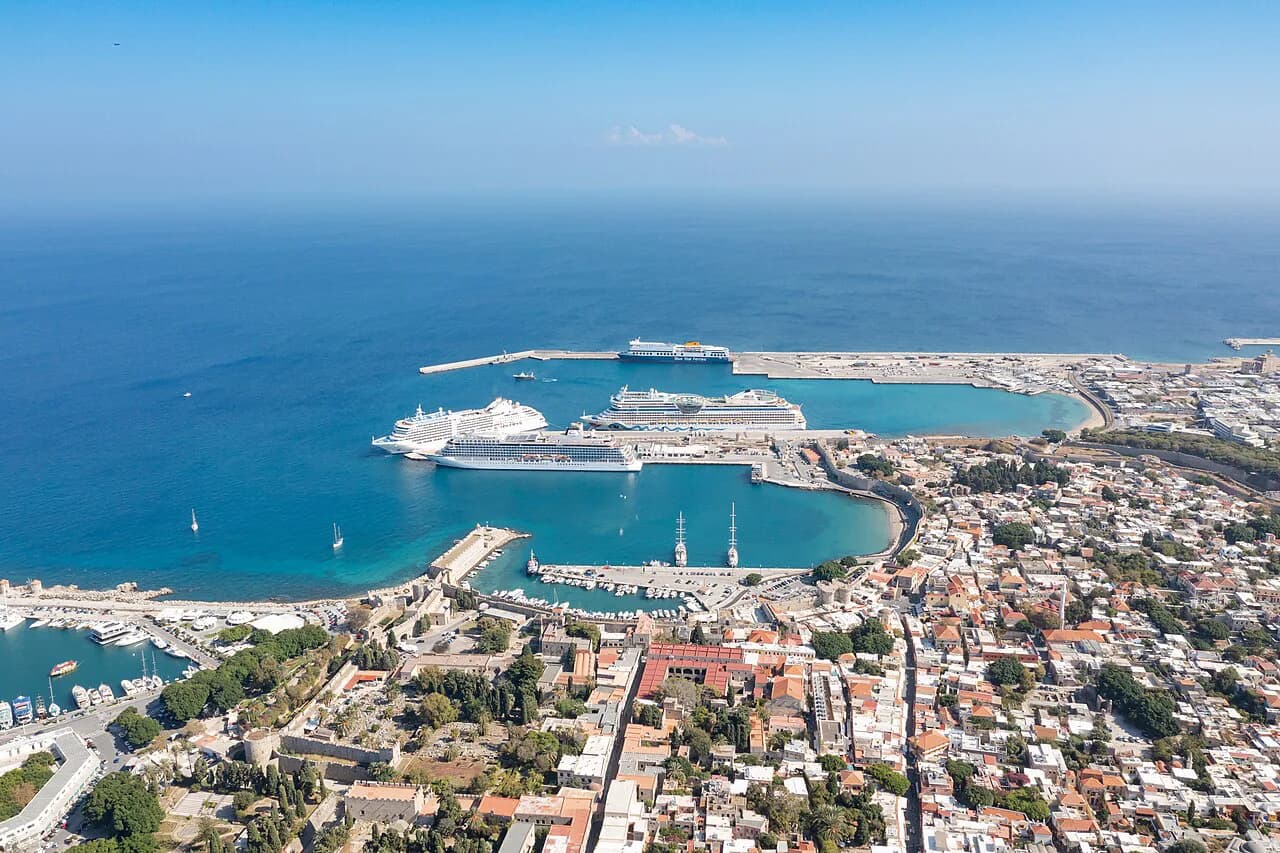
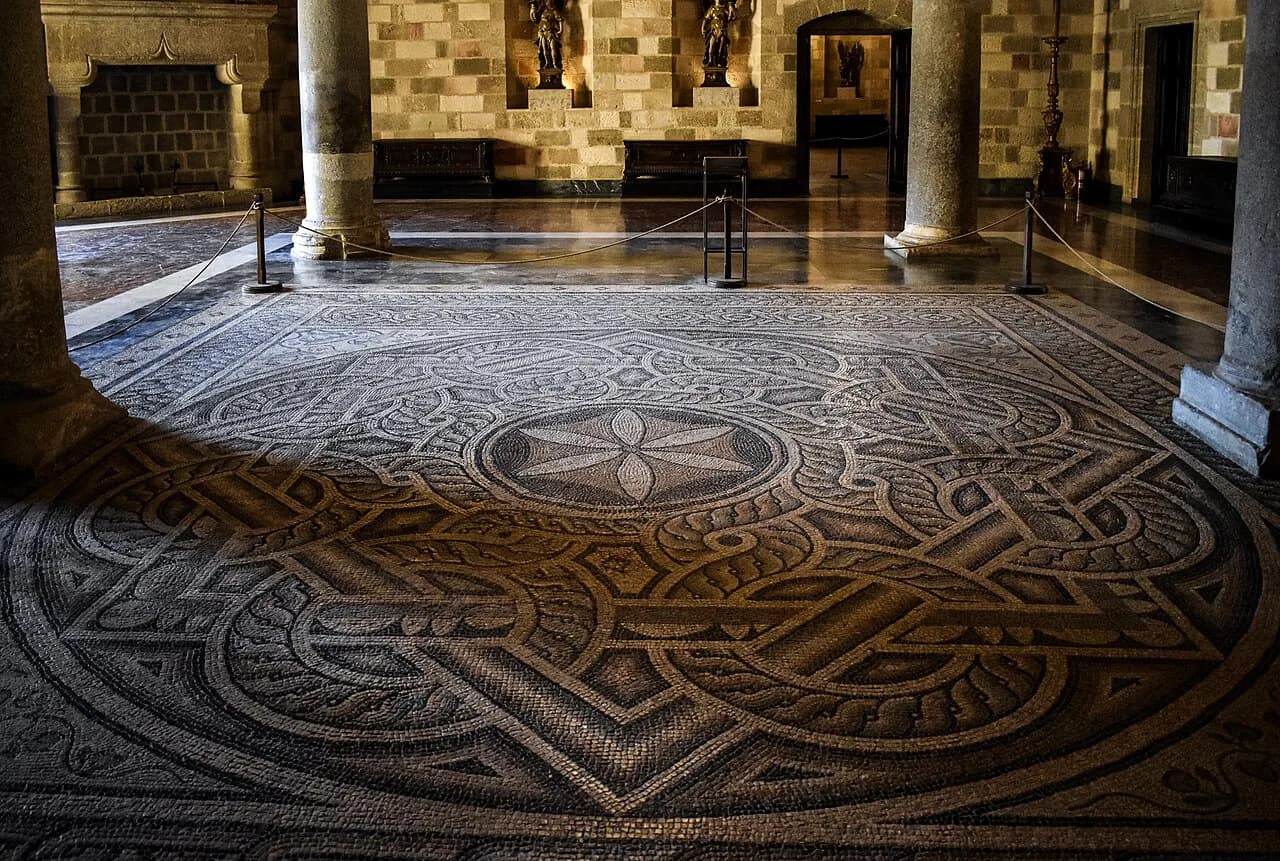
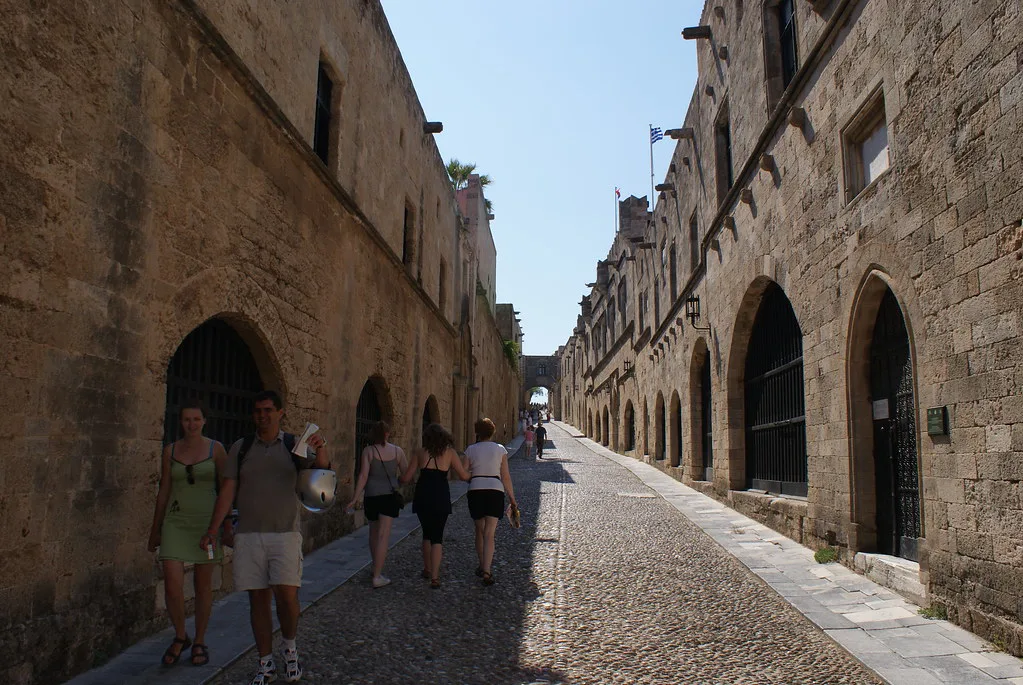
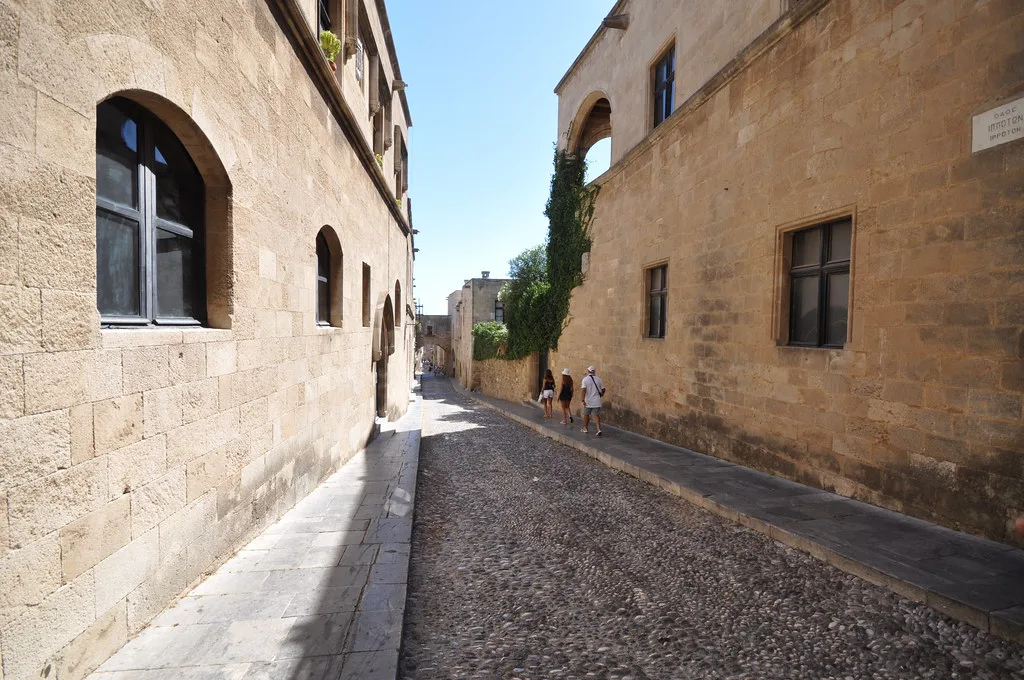
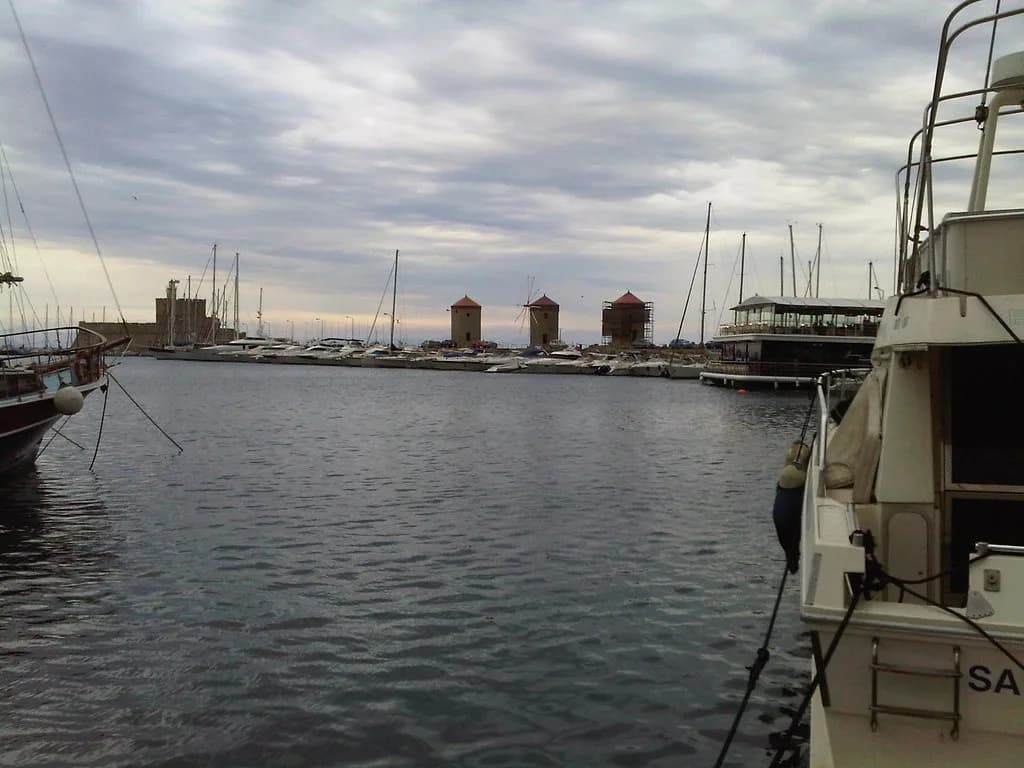
That quiet is the main draw. The Palace of the Grand Master and the Street of the Knights remain the centerpieces of the walled city, and without summer queues you can walk the moat, cross one of the gates and take your time. Down at Mandraki Harbour, the bronze deer, the Fortress of St. Nicholas and the windmills stay in place all year, with dockfront cafés serving coffee to a mostly local crowd.
Weather in Rhodes in Winter
Typical winter days on Rhodes are mild and changeable rather than cold and grey. December averages around 15°C (59°F), February around 14°C (57°F), and local reporting puts most winter days in the 12–18°C band with nights of 8–12°C, so a light jacket covers most afternoons and a warmer layer handles the evenings.
The December-to-February stretch is the wettest part of the year on the island, though rain usually arrives as short showers between bright spells rather than all-day drizzle. January is generally the coldest and wettest month, while March already feels like early spring, with warmer afternoons and the first flowers on the hillsides.
Rain, Wind and Daylight
Two weather patterns shape a winter day on Rhodes. Fast southern winds occasionally push the sea onto the shore, and the rain that follows is usually chased by a cool, steady northern breeze, which is why the west coast can look wild while the east coast stays calm.
Daylight is short, so plan outdoor sightseeing for the middle of the day and keep museums, long lunches and scenic drives for the edges. Clocks go forward on 28 March 2027, which lands at the very end of the winter season and stretches the evenings just as spring arrives.
December in Rhodes
December brings a festive but low-key atmosphere, mild afternoons and the beginning of the rainy season. Rhodes Town puts up Christmas lights and holds small seasonal events, and the island's calendar peaks around Christmas Day and New Year's Day, when festive gatherings and local celebrations fill the calendar.
This is the month when charter flights end and large resort hotels close, so the island narrows to Rhodes Town and a handful of places that stay open through the holidays. Independent travellers can still find rooms, but book the holiday week early if you want to be there for it, since the choice of open accommodation is far smaller than in summer.
January in Rhodes
January is the quietest and wettest month, with the coldest nights of the year and many businesses shut until spring. It is also the best month for having archaeological sites almost to yourself and for long, unhurried walks through the medieval streets.
Epiphany on 6 January is observed across Greece with blessing-of-the-waters ceremonies in harbor towns, so expect small local gatherings rather than tourist events. Cafés tend to stay open even when restaurants close, which makes January more comfortable than it sounds for a short cultural break.
February in Rhodes
February is the month of dramatic skies and heavy surf on the west coast, with strong winds around Kritinia and Monolithos making the viewpoints memorable and the cliff edges worth keeping a distance from. Carnival falls late in the month, and local parades and village celebrations mark it.
Walking and photography are at their best now: the light is crisp, the hills are lush and the east-coast bays stay calm even when the Aegean side is rough. Plan drives and hikes for the brighter hours and keep a town day in reserve for the wettest weather.
March in Rhodes
March is the hinge month, when daytime temperatures climb toward the high teens and the countryside starts to bloom. It still rains, but the showers are shorter and the sea begins to look inviting, though it remains cold for all but hardened swimmers.
Easter Sunday falls in late March or early April, so Holy Week runs through the very end of March or into the following month and Orthodox observances across Greece begin to fill the calendar as the season turns. Prices and crowds rise with the spring festivals, so early March feels more like winter than late March does.
What Closes for the Season
By mid-November, charter flights stop and large hotels shut, and many coastal resorts stay dormant until May. Expect most tourist shops, many resort-area restaurants and a large share of Lindos accommodation to close, which leaves some coastal villages feeling deserted rather than peaceful.
The practical consequence is that your base matters more in winter than in summer. Rhodes Town stays active because it has a year-round population, Ixia and Ialyssos work well for seaside walks close to town, and Lindos is beautiful but very quiet with only selected places open.
What Stays Open in Winter
Rhodes Town functions normally through the winter. Museums including the Palace of the Grand Master and the Archaeological Museum, cafés, bakeries, supermarkets, pharmacies and many restaurants keep going, and cultural sites and walking routes remain accessible.
The Museum of Modern Greek Art adds another indoor option in town, and the archaeological museum in the old Knights' Hospital covers the island's ancient history in a compact visit. For a cold or wet morning, these two plus a long lunch make a solid day without leaving the walls.
Rhodes Old Town in Winter
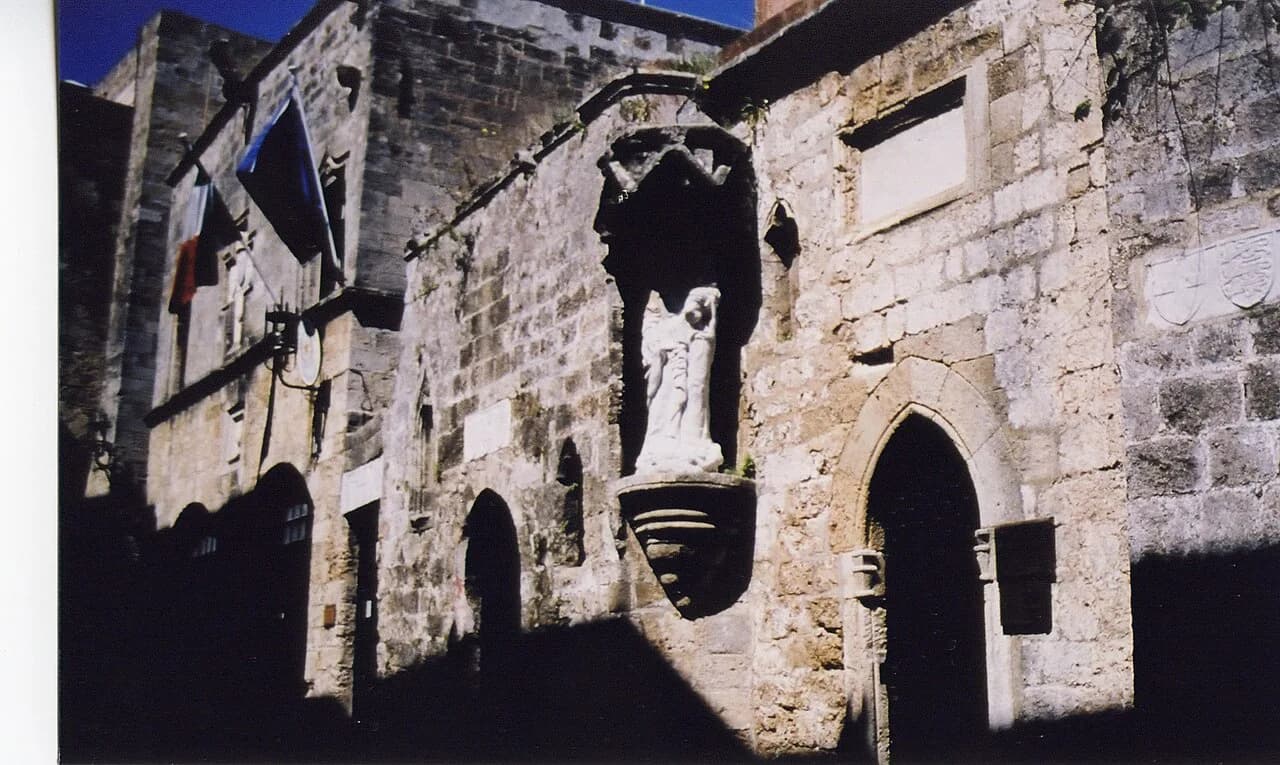
The walled city is at its most atmospheric in winter, with empty lanes, soft low light and photography that is impossible in August. Step through one of the nine gates early and the Street of the Knights is yours.
Small local cafés stay open in the medieval lanes even as souvenir shops close, so you can warm up between sights rather than retreating to a hotel. Koskinou, a short drive from town, is worth adding for its painted doors, which look especially vivid in winter light.
Museums and Monuments Worth a Cold Morning
Start with the Palace of the Grand Master and the Street of the Knights, then cross to Mandraki Harbour for the Fortress of St. Nicholas and the windmills. The Acropolis of Lindos, 55 kilometers south, is a steeper climb that rewards a clear morning with views over the whitewashed village and the sea.
On the hill above Ialyssos, the ruins of ancient Filerimos and its viewpoints suit a short afternoon outing, and the drive itself is part of the appeal when traffic is light. Keep monument visits to the brighter hours, since winter afternoons close in early.
Hiking and Village Days
Cool temperatures make winter the best hiking season on Rhodes. Forest paths around Profitis Ilias, the trails near Seven Springs and the countryside around Embonas and the foothills of Attavyros are comfortable for hours of walking, and the tavernas at the end of them serve slow-cooked goat, stews and meze.
Inland villages such as Archangelos, Apollona, Salakos and Embonas each have their own dishes and a working local life that continues through winter, which makes a village lunch a genuine reason to rent a car. Sundays are noticeably quiet in the villages, so aim for other days if you want company.
Food in Winter
Winter food on Rhodes is heavy, slow and local: goat and lamb cooked in a tsoukka, legumes, hand-made matsi pasta and soups, often in village tavernas rather than harbor-front restaurants. The island's seafood tradition came with settlers from Symi, Kalymnos and Kastellorizo, and fishermen's soups with matsi are the most Rhodian thing on the table.
In Rhodes Town, traditional kitchens around the old town serve local recipes with regional ingredients through the winter, and village tavernas in Ialyssos and Apollona keep regular local hours. Ask what is cooking that day rather than ordering from a summer menu.
Beaches and the Sea in Winter
The sea is cold in winter and swimming is a pursuit for people used to cold water, not for casual dips, though some locals take daily swims at Elli Beach, Zefyros and around Kallithea. Everyone else gets more from long beach walks, storm watching and photography on empty sand.
The east coast is consistently calmer and slightly warmer than the west, so bays near Lindos and Tsambika suit a windy day better than the exposed western shore. Treat winter beaches as scenery and walking routes, and save swimming for the months when the water warms.
Day Trips That Work in Winter
The southern half of the island is well suited to winter drives. Kiotari and Gennadi feel remote and peaceful, while Kritinia and Monolithos offer big views and huge waves on windy days. Add a stop at ancient Kamiros on the west coast, where the terraced ruins are at their most atmospheric under winter light.
Boat trips to Symi and Marmaris are a summer staple, so treat winter sailings as a seasonal question rather than a given and confirm with the operator before building a day around one. On land, a car gives you the freedom to follow the weather, which matters more here in winter than in July.
Getting Around Rhodes in Winter
Public buses keep running on the main routes between Rhodes Town, Ixia, Faliraki and Lindos, but at reduced winter frequency, so a timetable check before each trip is sensible. Taxis are easy to find in Rhodes Town, and driving is simple with very little traffic on the roads.
Renting a car is the single biggest upgrade to a winter trip, because mountain villages, west-coast viewpoints and trailheads are awkward or impossible by bus. Winter rates are lower than in summer, and the light traffic makes even the longer southern drives easy.
Who Should Go and Who Should Wait
Go in winter if you want empty medieval streets, green hills, serious walking, good food and low prices, and if short daylight and rain showers do not bother you. Couples, photographers, hikers and repeat visitors get the most from the season, and Rhodes Town is flat and comfortable for older travelers who prefer cool walking weather.
Wait for May to June or September to October if swimming, boat trips, beach clubs and a full choice of hotels are the point of your trip. Families with small children and anyone wanting resort amenities should also book the shoulder seasons, when the island is fully awake.
Plan Your Winter Trip
Winter on Rhodes is a cultural and walking season, not a beach one, and the trip works best when you base yourself in Rhodes Town and treat the rest of the island as day trips. Build in slack for wet days, keep museum mornings flexible and use your car to chase the brighter side of the island.
If you are comparing Greek islands for the same months, the same trade-offs of quiet versus closed apply elsewhere—see what to expect from Corfu in winter, or how our Larnaca winter guide describes the season in Cyprus—so weigh how much open tourist infrastructure you need before booking. Rhodes rewards travelers who accept the season as it is rather than looking for a summer holiday in January.
Explore more Rhodes winter guides
Frequently Asked Questions
How cold does Rhodes get in winter?
Most winter days fall between 12°C and 18°C (54–64°F), with nights between 8°C and 12°C (46–54°F). January brings the coldest nights and the most rain, while March already feels like early spring. These are typical conditions, not a forecast, so look at a short-range forecast before you travel.
Is Rhodes worth visiting in winter?
Yes, if you want empty Old Town lanes, green hills, good walking, village food and low prices. It is a poor fit for anyone whose main goal is swimming, sunbathing or a lively resort scene, both of which belong to the summer and shoulder months.
What is open in Rhodes in winter?
Rhodes Town stays active year-round: museums including the Palace of the Grand Master and the Archaeological Museum, cafés, bakeries, supermarkets, pharmacies and many restaurants. Many resort areas, tourist shops and much of Lindos accommodation close until spring, so pick your base with that in mind.
Can you swim in Rhodes in winter?
The sea is cold, and winter swimming is for people accustomed to cold water, though some locals swim daily at Elli Beach, Zefyros and near Kallithea. Most winter visitors walk the beaches, photograph the surf and watch the west-coast storms instead.
What is the weather like in Rhodes in January?
January is generally the wettest and coldest month, with the shortest days and occasional strong winds. Rain tends to arrive as passing showers between bright spells, which leaves plenty of usable hours for sightseeing, museums and walking.
Do you need a car in Rhodes in winter?
A car makes a big difference. Winter bus frequencies are reduced on the main routes, and mountain villages, west-coast viewpoints and trailheads are much easier to reach independently. Traffic is light and winter rates are lower than in summer.
Is Rhodes or Crete better in winter?
Both are mild, quiet and better suited to culture and walking than to swimming. Crete is larger, with more year-round towns and longer drives between regions, while Rhodes is compact and easy to cover from one base in Rhodes Town.
What is Rhodes like in March?
March brings the first taste of spring, with warmer afternoons, blooming hillsides and shorter showers, though the sea stays cold. Holy Week runs from 21 to 28 March in 2027, with Easter Sunday on 28 March, and the island gets busier toward the end of the month.
Sources
Winter travel notes
Optional updates when we add or revise winter guides.
You might also like
Continue reading
More guides you'll find useful