Rhodes in February: Weather, What's Open and Who It Suits
Rhodes in February brings typical highs near 15°C and lows near 13°C, low prices and thin crowds, but also rain, short days and seasonal closures.
On this page
Rhodes in February is a shoulder-season island: mild enough for a full day on foot inside the medieval walls, but wet and grey often enough that a beach holiday makes no sense. Seasonal hotels and coastal businesses run at reduced capacity or sit closed, while the Old Town and the harbor keep their everyday life. It suits travelers who want space, low prices and long walks, and it frustrates anyone chasing winter sun and swimming.
Weather in February
Typical February conditions in Rhodes Town and on the island generally sit at an average high near 15°C (59°F) and an average low near 13°C (55°F), according to published February weather figures for Rhodes. The striking part is how narrow that gap is: only a couple of degrees separate day and night, which means overcast, humid and often breezy days rather than crisp, sunny ones. Treat those as long-term averages and plan for rain gear and a warm layer, not a forecast; local forecasts closer to your dates are the place to watch for the actual picture.
Rain is part of the February character, and wet spells can last a day or more. Build each day around one indoor anchor, such as a museum or a long lunch, and keep the outdoor plan flexible so a rainy morning does not wipe out the whole day.
Daylight and Sea Temperature
February days are short, so sightseeing works best from mid-morning to mid-afternoon and indoor time fits the darker hours. That rhythm makes the walled Rhodes Old Town, where streets, gates and squares are close together, more practical than a sprawling driving itinerary.
The Aegean stays cold through February, well below comfortable swimming temperature, so plan on walks and views rather than swims. Coastal walks and harbor strolls still work in a jacket; a beach day does not.
What Is Open in Winter
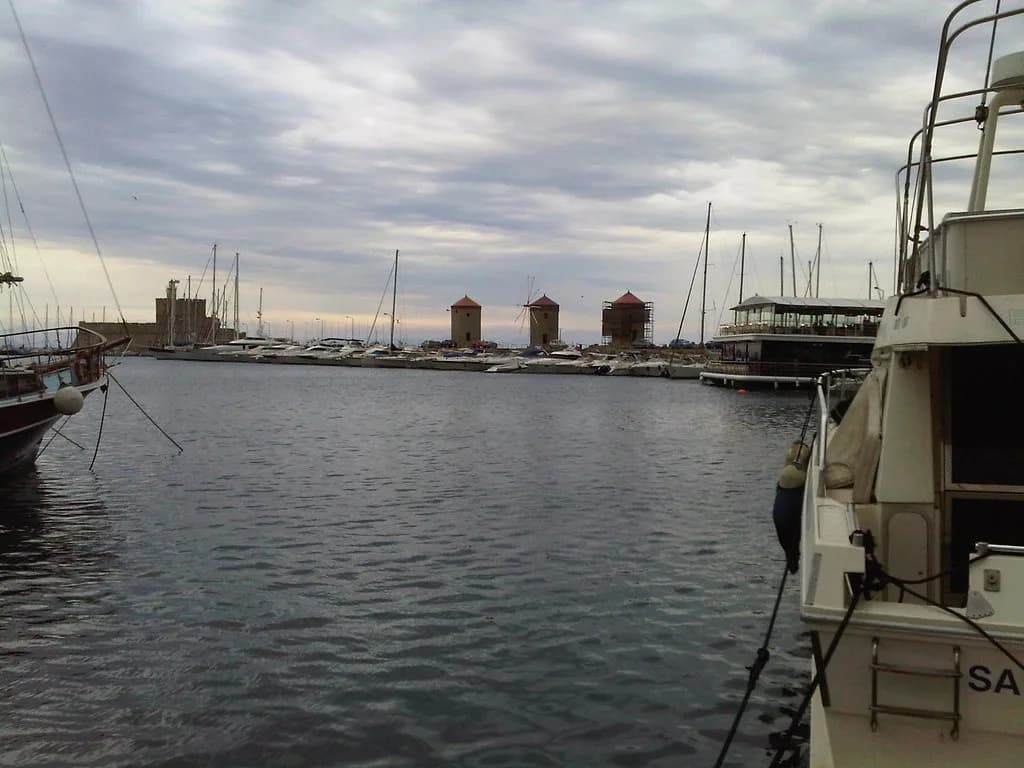
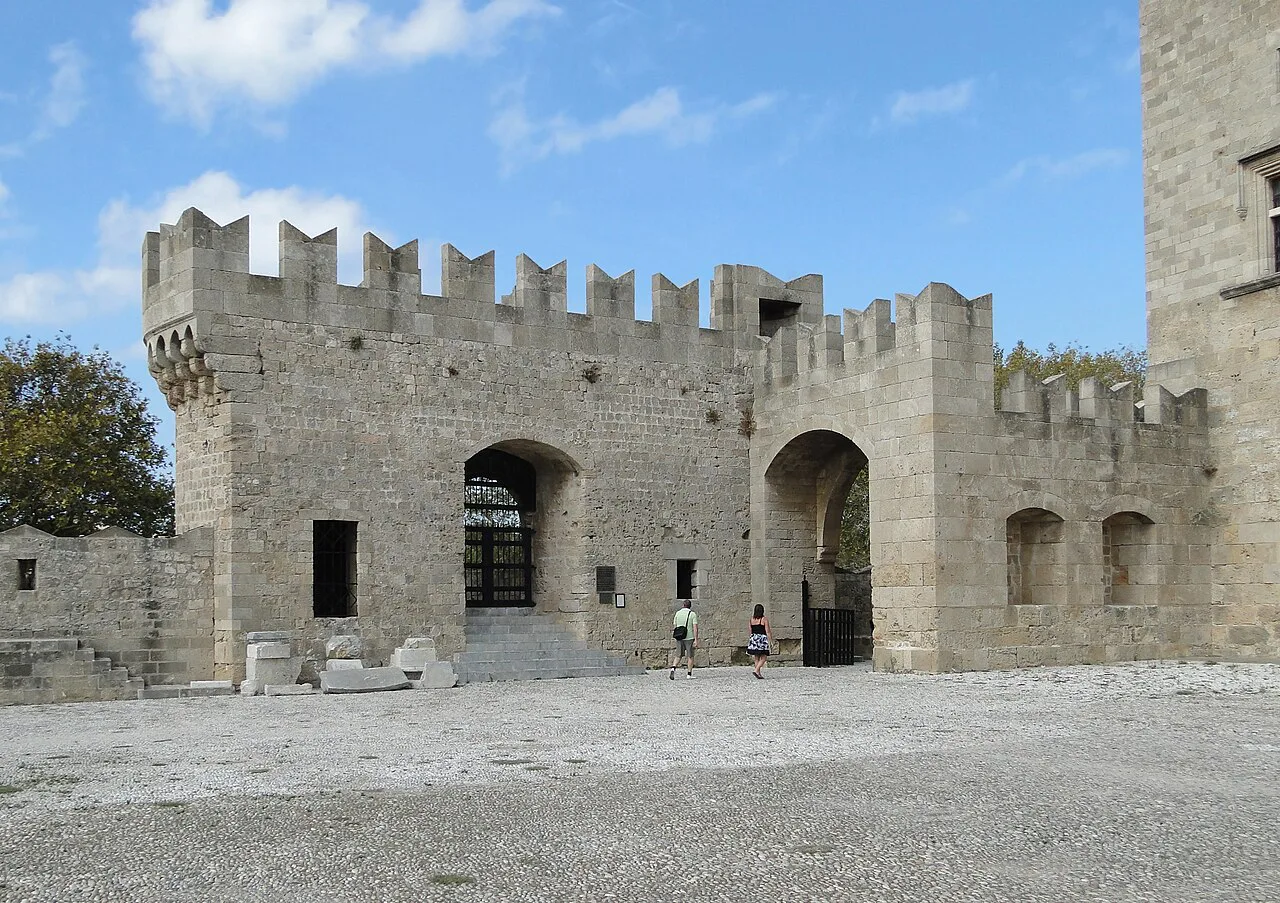
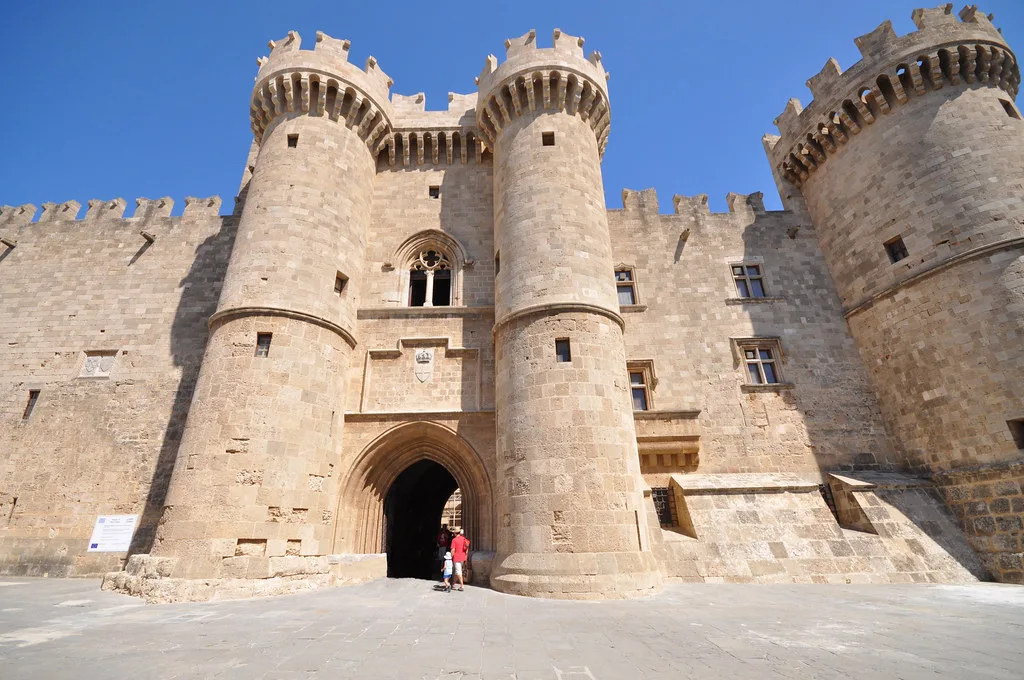
The Old Town, Mandraki Harbour and the Palace of the Grand Master are the reliable anchors of a February visit, and they are exactly what makes a short winter break workable. Expect thinner crowds and shorter queues at the major sights, and a quieter eating scene in the evening. Boat trips, the clifftop acropolis at Lindos and the summer moth season at Butterfly Valley are listed as seasonal rather than February draws, so do not build a plan around them.
Outside the city, coastal resorts and Lindos village slow down sharply, with many seasonal businesses shut and a handful of year-round places serving locals. Butterfly Valley fills with moths in summer, so February finds it as a shaded gorge and walking trail rather than a wildlife spectacle.
Things to Do in February
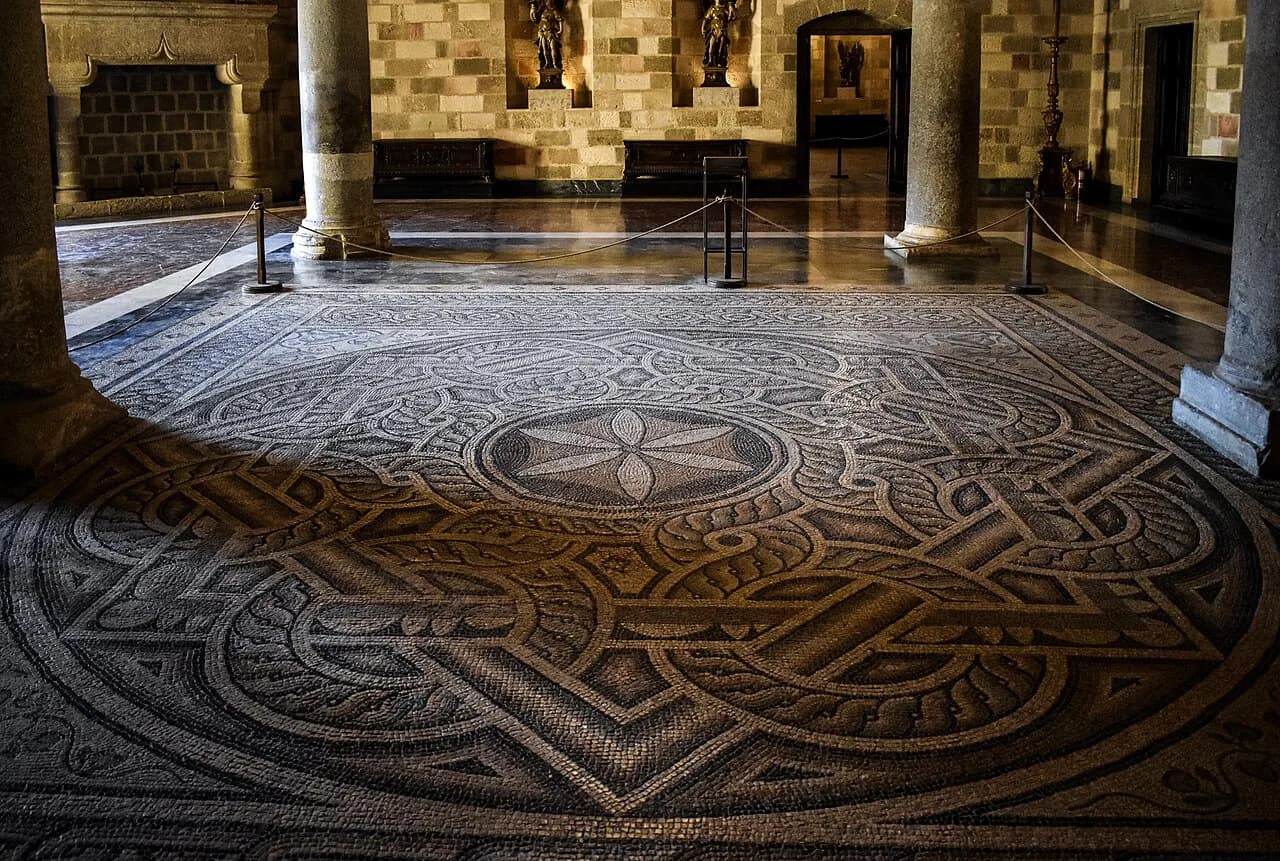
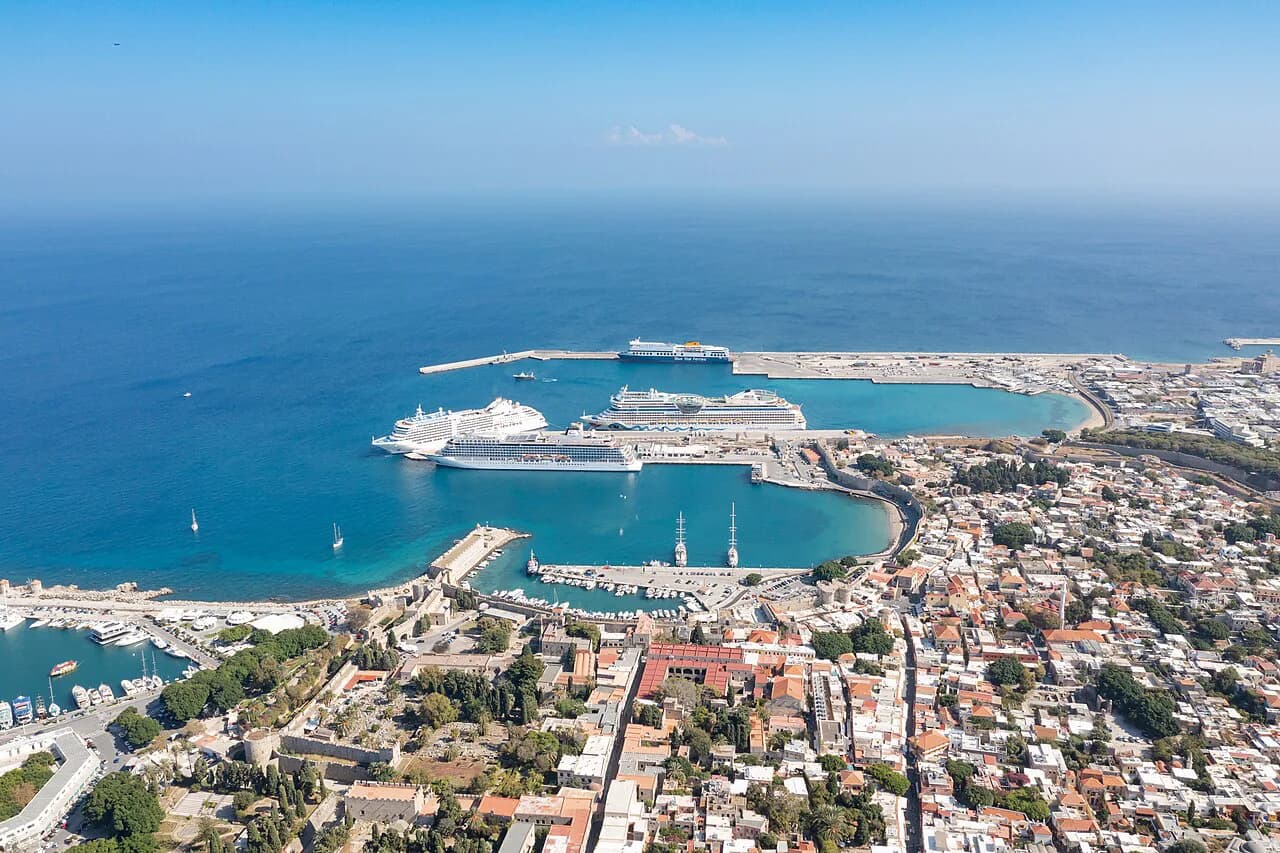
Walking the Old Town walls and lanes is the core February activity: the Knights of St. John built a dense medieval city that rewards slow wandering, and the Palace of the Grand Master adds mosaic floors and medieval collections for a wet afternoon. Mandraki Harbour, where the Colossus of Rhodes is believed to have stood, gives you a breezy waterfront walk and a sense of the island's scale. Pair outdoor mornings with indoor afternoons as rain allows.
Food is a legitimate winter plan in Rhodes: long taverna lunches, local cheeses and honey, and unhurried coffees in the Old Town squares. February is when you can get a table without a booking and talk to the people running the place.
Lindos and Anthony Quinn Bay Out of Season
Lindos Acropolis, a clifftop site above a whitewashed village, is a strong February outing for the ruins and the views, but the village around it is largely dormant and many seasonal cafes are shut. Anthony Quinn Bay, a pebble cove named for the actor who reportedly bought land nearby, is best visited as a viewpoint and short walk rather than a swim stop. Winter hours at seasonal sites can be short or irregular, so treat the acropolis schedule as something to settle before you set out.
Events in February
February in Greece means Carnival season. In 2027, Carnival Tuesday falls on 9 February, with Ash Wednesday on 10 February, and Rhodes marks the period with local celebrations in the towns rather than one central festival. Treat the dates as fixed anchors for planning and settle the specific local program with the municipality of Rhodes closer to the time.
Day Trips in Winter
The classic winter day trip is Rhodes Town to Lindos, and with light traffic it is a manageable drive in each direction; the bigger variable is which seasonal sites and eateries are open when you arrive. A second option is the island's interior, where villages and mountain roads give you a very different Rhodes from the coastal strip. Allow slack in the schedule: winter hours at seasonal sites can be short or irregular.
Crowds and Prices
February is a low-crowd, low-price month: hotels that stay open discount heavily, restaurants are quieter, and you can walk the Old Town without a queue. February is classified as a low-price month with low crowds, and costs run well below the May, June and September peak. The trade-off is real: some businesses shut entirely, evenings are quiet, and you need a bit more planning to find a good dinner.
How much you save depends on which hotels and restaurants choose to stay open, and those rates move with demand, so compare live offers for your dates rather than relying on any published figure. The reliable saving in February is space: the medieval city and the harbor belong to residents and the few visitors who come.
Who It Suits
February in Rhodes works for walkers, photographers and budget travelers who want the medieval city largely to themselves and do not mind rain. It also suits anyone who wants a mild Mediterranean base with reliable indoor culture and no summer heat. Sun-seekers and families wanting beach days should choose May, June or September instead, when the sea and the seasonal businesses are open; Rhodes in March is the nearest step toward that. If you are weighing other Greek islands in the same off-season window, read our guide to Crete in February for a like-for-like comparison of weather and what stays open.
Visiting Rhodes in February with a Dog
February is a low-price month in Rhodes, with low crowds and daily costs around ₹6,000–₹20,500/day per person, which suits travellers who want to bring a dog without competing for space in the places they visit. Temperatures during the month sit around 15°C/8°C, described as mild and rainy, so a dog used to walking in cool, damp conditions will find the weather manageable, while the moderate UV index recorded for Rhodes Town and the wider island in February means heat stress is less of a concern than in the peak months. The same source records average highs of 15°C and lows of 13°C, so the range a dog experiences across the day is narrow rather than dramatic.
Where you can actually take a dog depends on the kind of site. The Rhodes Old Town is a UNESCO-listed medieval walled city, the largest inhabited medieval town in Europe, built by the Knights of St. John in the 14th century, and because it is a whole inhabited town rather than a single ticketed monument, walking its streets is a matter of moving through an urban area. The Palace of the Grand Master, a restored Gothic fortress-palace at the heart of the Old Town and once the headquarters of the Knights Hospitaller, is an indoor attraction with mosaic floors and medieval artefacts, so plan your day around the outdoor city rather than the interior collections. The same pattern applies elsewhere: the Lindos Acropolis is an ancient clifftop site above a whitewashed village, combining Greek, Roman and medieval Crusader ruins, while Anthony Quinn Bay is a pebble cove with clear turquoise water named for the actor who reportedly bought land here while filming "The Guns of Navarone" nearby. In February these outdoor places are quiet, which makes them easier to enjoy at a dog's pace.
Two other February options are naturally outdoor-oriented. Mandraki Harbour is Rhodes's main harbour, where the legendary Colossus of Rhodes, one of the Seven Wonders of the Ancient World, is believed to have once stood; it is a harbour walk rather than a museum visit. Butterfly Valley, a shaded gorge that fills with thousands of Jersey tiger moths every summer alongside waterfalls and forest walking trails, is at its most crowded in summer, whereas February falls in the low-crowd, low-price window the month is known for. Because February is outside peak season, the trails and harbour front are thinner on visitors, and off-peak rates on stays and activities are the best-value strategy for a trip built around walking a dog. The month also sits before May, June and September, which the source names as the best months to visit Rhodes, so a February visit with a dog trades beach weather for quieter ground.
Packing follows the numbers rather than the season's reputation: expect temperatures around 15°C/8°C, with light layers for daytime and something warmer for evenings, and carry rain protection since the month is classed as mild and rainy. For a dog, that means drying off after walks in wet conditions and keeping to the paved and shaded routes that the Old Town, Mandraki Harbour and the valley trails provide. February's moderate UV index and stable 13–15°C band make midday walking realistic, and the low season's thin crowds mean the harbour, the walled city streets and the outdoor archaeological settings can be explored without the summer crush that Butterfly Valley in particular is known for.
Plan Your Visit
Book February in Rhodes for what it is: a quiet, mild, sometimes wet month that hands you the Old Town, the harbor and the palace without crowds, at prices well below peak season. Build each day around one indoor anchor and one outdoor walk, keep the Lindos trip flexible, and settle the opening status of the acropolis and any seasonal restaurants before you drive out. If you want sunshine and swimming, wait for May, June or September.
Explore more Rhodes winter guides
Frequently Asked Questions
Is February a good time to visit Rhodes?
It is a good month for walkers, photographers and budget travelers who value empty streets and low prices over beach weather. It is a poor month for sun-seekers: the sea is cold, rain is common, and many seasonal businesses are shut.
What is the weather like in Rhodes in February?
Typical conditions are mild and often grey, with an average high near 15°C (59°F) and an average low near 13°C (55°F). The narrow gap between day and night means humid, breezy weather rather than crisp sunshine, so plan for rain and a warm layer.
Is Rhodes warm in February?
Mild rather than warm. Daytime temperatures around 15°C (59°F) are comfortable for walking, but the cold Aegean makes swimming unrealistic and evenings feel cooler than the numbers suggest.
What is open in Rhodes in February?
The Old Town, Mandraki Harbour and the Palace of the Grand Master stay open and are the reliable anchors of a winter visit. Coastal resorts and Lindos village slow down sharply, and many seasonal restaurants and businesses shut for the season.
Can you swim in Rhodes in February?
No, not comfortably. The Aegean stays cold through February, so plan on coastal walks and viewpoints rather than swims, and save swimming for late spring or summer.
How many hours of daylight does Rhodes get in February?
February days are short, so plan sightseeing for mid-morning to mid-afternoon and keep indoor options for the darker hours. Daylight lengthens noticeably as the month goes on, making late February more forgiving than early February for outdoor plans.
Sources
Winter travel notes
Optional updates when we add or revise winter guides.
You might also like

Continue reading
More guides you'll find useful