Rhodes in March: Weather, What's Open and What It's Like
Rhodes in March is quiet, mild and changeable, with many tourist businesses still closed. See typical weather, what stays open and who the month suits.
On this page
March catches Rhodes between seasons: the worst of winter is past, the beach season has not begun, and the island runs at a slower pace than at any point from May onward. Days can be bright and mild, then turn grey and wet without much warning, so the month rewards travelers who plan around indoor and sheltered time rather than sand.
It suits people who want the medieval Old Town largely to themselves, who care more about history, food and walking than swimming, and who accept that some restaurants and resort businesses are still shuttered. If your picture of Rhodes involves warm sea and long beach afternoons, this is the wrong month and May or September will serve you far better.
Weather in March
Typical March conditions sit in the mid-teens Celsius by day, with the island slowly warming through the month and cooler, often wet spells still possible. Accounts of the season describe highs of roughly 12–15°C (54–59°F) across the core winter months with March edging toward the mid-teens, but treat any single figure as a long-term average rather than a forecast for your dates.
Rain is a real feature of the month rather than a rare interruption, and skies are variable: a clear, still day can be genuinely pleasant in a jacket, while a wet one pushes you into museums, churches and cafés. Daylight is lengthening noticeably, but sunset still arrives early enough that you should front-load outdoor plans into the morning and early afternoon.
Because March is a transition month, the numbers move quickly from the start of the month to the end, and the coast you choose matters. The east coast around Rhodes Town and Faliraki generally feels calmer and warmer than the wind-exposed west, which is worth remembering when you pick a day for a coastal walk.
How March Compares With February and April
February is the colder, quieter baseline: similar grey skies, a bit less warmth, and the deepest off-season atmosphere of the year. If you want the emptiest version of the island and do not mind the chill, Rhodes in February delivers it, but March adds daylight and the first signs of reopening.
April is the real turning point, with greener hillsides, wildflowers, warmer air and the beaches nearly deserted. The gap between late March and mid-April is bigger than the calendar suggests, so if your dates are flexible and you want pleasant walking weather, shifting a couple of weeks later usually pays off.
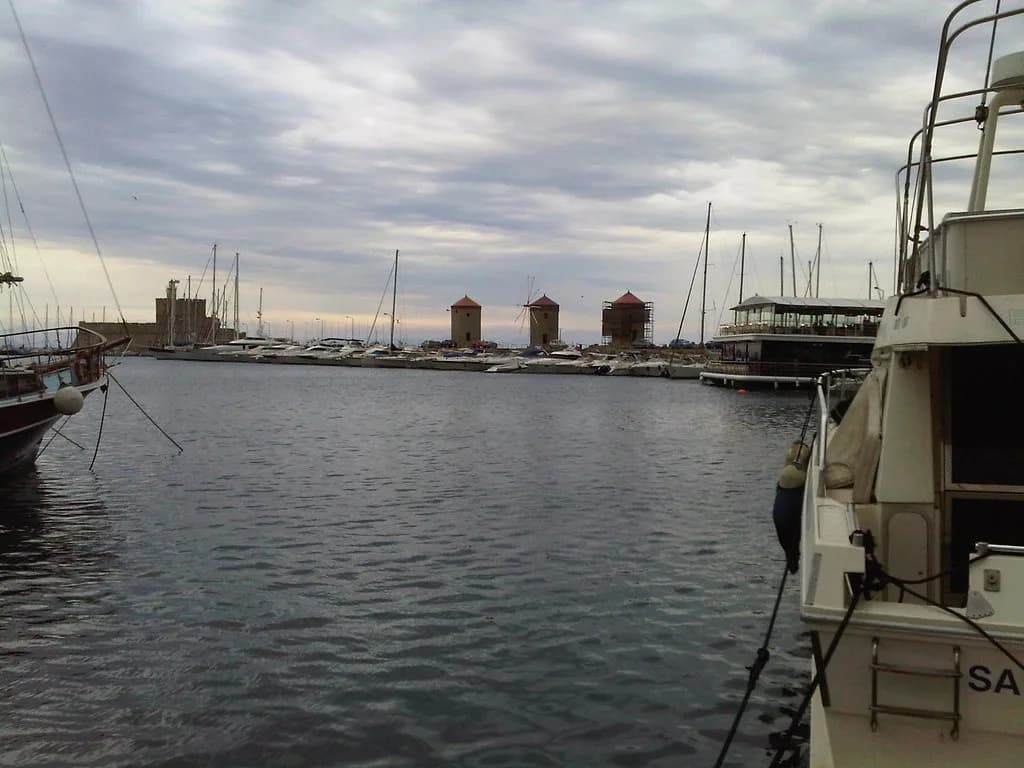
The sea lags well behind the air. It stays cold through March and only becomes genuinely comfortable for most swimmers in early May, so plan on looking at the water rather than spending afternoons in it unless you are a committed cold-water swimmer.
What Is Open in March
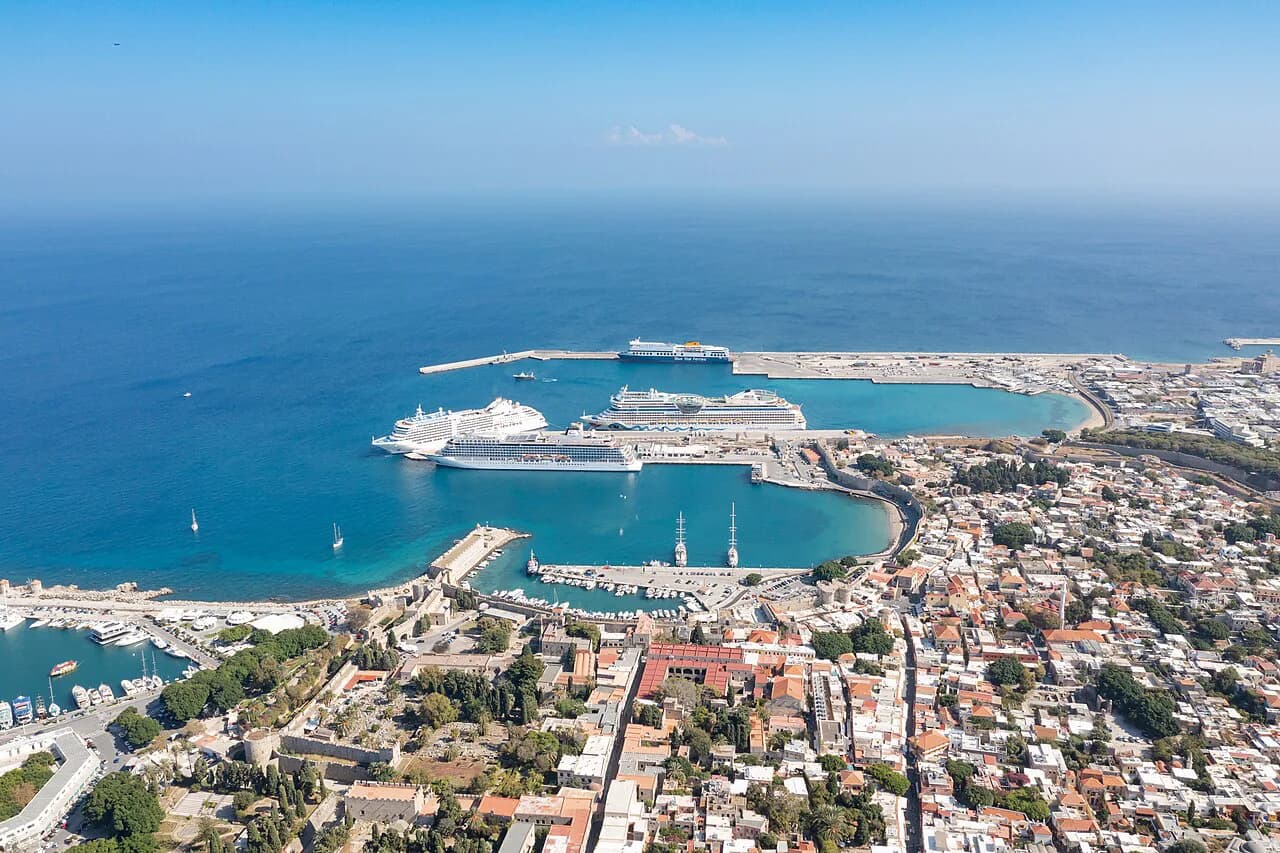
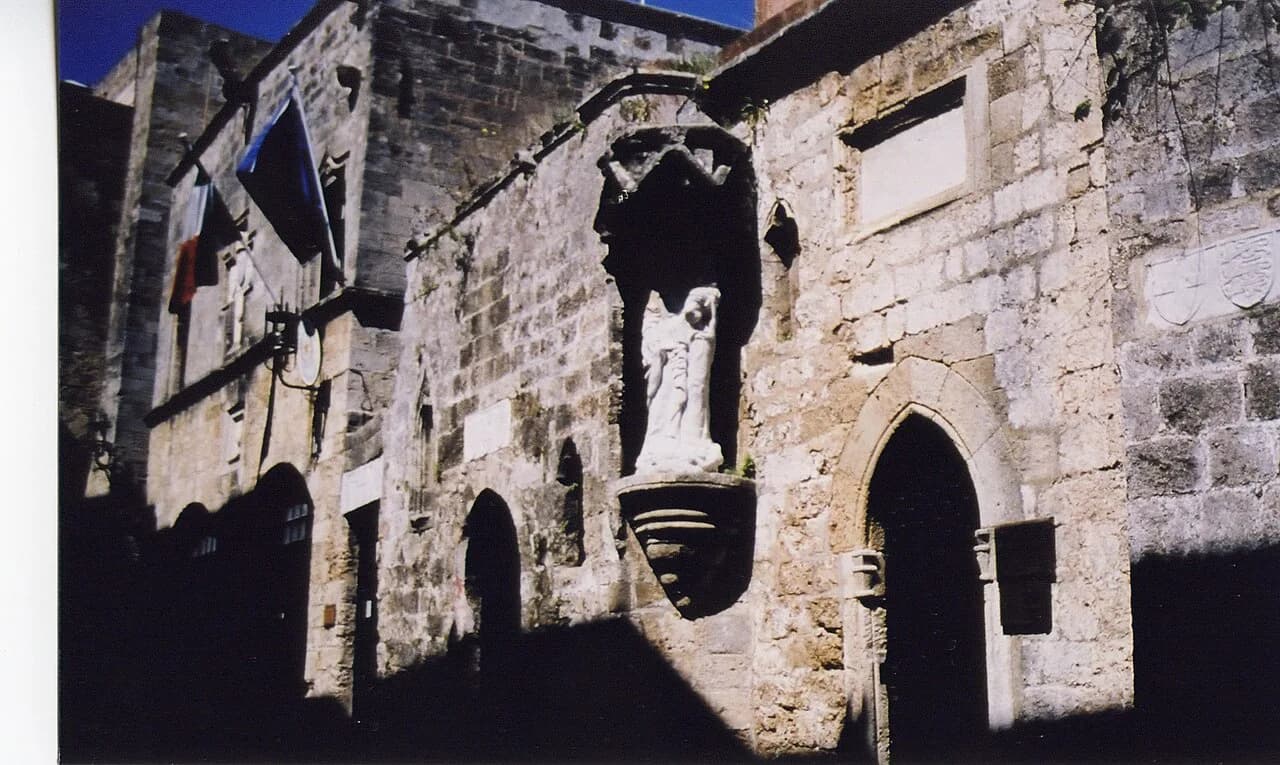
The medieval Old Town stays inhabited and atmospheric through the whole season, and in March it belongs largely to residents rather than tour groups. That is the month's strongest card: you can walk the Street of the Knights and the back lanes without crowds, and the walled city keeps its everyday life going even when the resort strips are quiet.
Expect a patchwork elsewhere. Winter is when many hotels close and a good number of restaurants serving mainly tourist trade stay shut until March, with the resort areas taking on a peaceful, slightly melancholy off-season feel; March brings the first businesses back but not the full summer roster.
Seasonal attractions follow their own logic rather than the calendar you might expect. The Valley of the Butterflies, for example, is a summer experience tied to the insects' July and August season, so do not build a March day around it.
Greek Independence Day and the Late-Winter Calendar
The one fixed date in the month is Greek Independence Day on 25 March, a national holiday marked with parades and school celebrations in towns across the island. It is a genuine local occasion rather than a tourist event, and it can mean reduced activity in some businesses alongside the ceremonies themselves.
Beyond that, March is a thin month for organized festivals, which is part of its appeal if you want quiet. If you are weighing a broader trip around the same dates, Greece in March is a useful comparison, since the mainland and the islands behave quite differently in terms of crowds and closures.

Things to Do in March
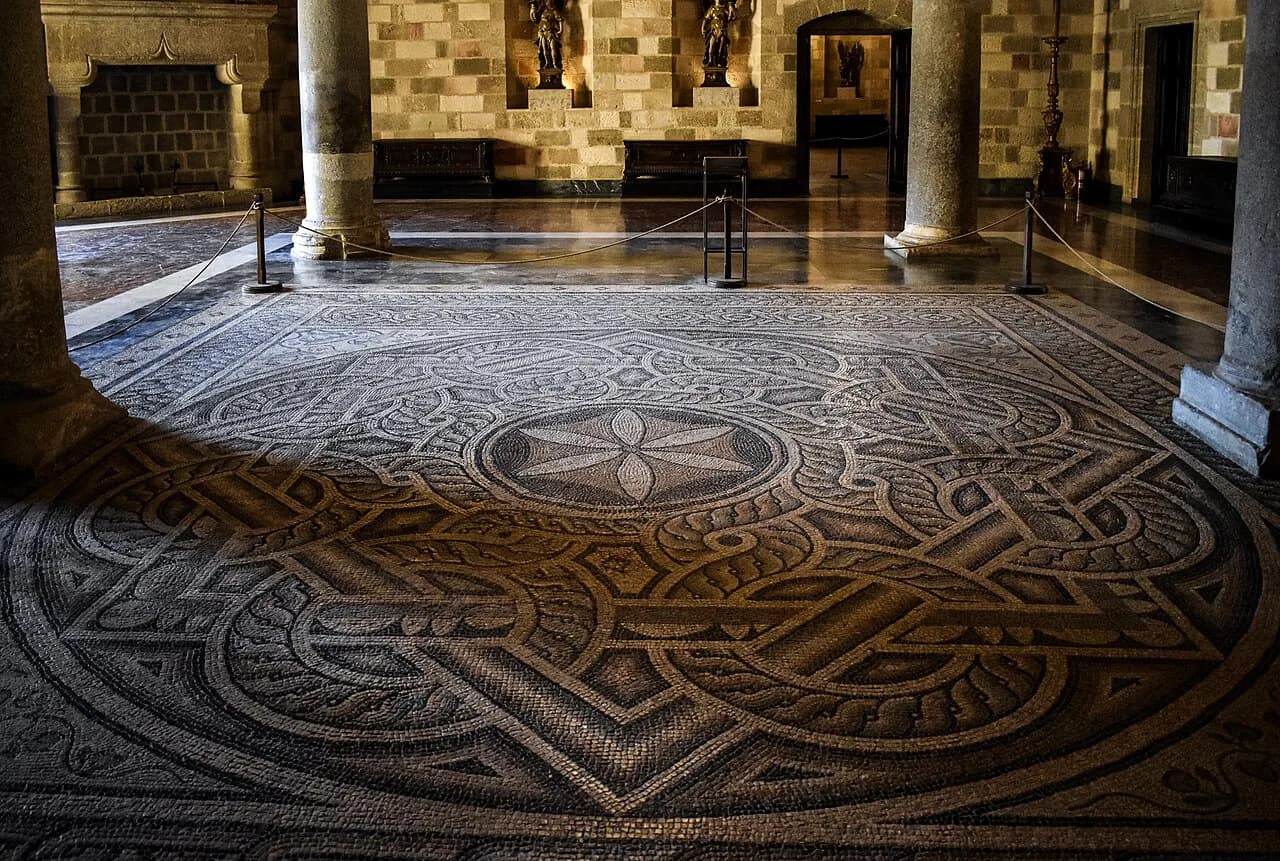
Build your days around the Old Town. The Palace of the Grand Master of the Knights of Rhodes gives you a substantial indoor stop when it rains, and the archaeological museum and the churches and hammams scattered through the lanes fill a wet afternoon easily. Walking the fortifications and the moat works well on a dry, bright morning.
Lindos in low season is a different place: whitewashed lanes without the summer crush, and the acropolis above the village with room to move. Check whether the site and the village's businesses are running before you commit a whole day, since late-winter access can be limited.
Inland and coastal walks are at their best now, before the heat arrives: the green interior, the hills above the west coast, and the quieter stretches around Anthony Quinn Bay reward a pair of boots. Finish with a long lunch of grilled fish, olive oil and greens, which is exactly what the island does well in the off-season.
Day Trips That Work in Winter
Symi is the classic day trip from Rhodes, a beautiful harbor town of pastel houses and steep steps that is far calmer outside summer. Winter boat schedules are reduced and weather-dependent, so treat a crossing as a bonus rather than a fixed plan and confirm the sailing the day before with the boat company running your crossing.
On the island itself, the inland villages and the west-coast roads make easy half-day drives when the weather closes in on the coast, and they give you a view of Rhodes that the summer itinerary skips entirely.
Crowds, Prices and the Trade-Offs
March is close to the quietest the island gets, and accommodation rates reflect that: this is the value end of the Rhodes calendar. The trade-off is closures, short daylight and the real chance of rain washing out a day you had planned outdoors, so build slack into the itinerary and keep an indoor option ready for each day.
It also helps to know what the season as a whole feels like before you book. The wider picture for Rhodes in winter is a quiet, local, low-cost island with limited services, and March is the tail end of that pattern rather than a full switch to spring.
Who Should Visit Rhodes in March
Come in March if you want the Old Town without crowds, low rates, and a mild climate for walking, photography and eating, and if you are happy to rent a car and make your own weather calls each morning. It is also a good fit for travelers who have seen the island in summer and want the local version of it.
Wait until May or September if warm sea, beach days and a full roster of restaurants and boat trips are central to your trip. Couples who want atmosphere without the August crush tend to do best in May, June or September, when the island is lively but not yet overwhelmed.
Getting Around in March
Buses and ferries run to reduced winter timetables, and inter-island crossings are more vulnerable to weather, so check the current timetable with the bus company or ferry line before you rely on a connection. Having a car gives you far more flexibility when a beach plan is rained off and you want to head inland instead.
If your dates stretch into the Christmas and New Year period instead, a different set of considerations applies, and Christmas in Rhodes covers what stays open in the depths of the season.
Plan Your March Trip
March is a month to book for the Old Town, not the beach: expect mild, changeable days, cold sea, quiet lanes and a slow reopening of the island's tourist businesses. Give yourself indoor fallbacks, keep a car option open, and plan around Greek Independence Day on 25 March.
If you want warmth and a full choice of restaurants, push your trip to May or September instead. If you want solitude, low rates and a medieval city to yourself, March delivers.
Explore more Rhodes winter guides
Frequently Asked Questions
Is Rhodes warm enough in March to swim?
No, not for most people. The sea stays cold through March and only becomes comfortable later in spring, so plan on coastal walks and views rather than swimming.
What is the weather like in Rhodes in March?
Typical March conditions are mild but changeable, with daytime temperatures in the mid-teens Celsius and a real chance of rain. Treat the figures as long-term averages rather than a forecast and pack for grey days as well as bright ones.
Is March a good time to visit Rhodes?
It is a good time if you want the medieval Old Town without crowds and low accommodation rates. It is a poor choice if warm sea, beach days and a full choice of restaurants matter to you.
Is Rhodes busy in March?
No. March is close to the quietest month, with many tourist businesses still closed and resort areas largely empty. The Old Town is inhabited and atmospheric but rarely crowded.
What is open in Rhodes in March?
The Old Town stays open and lived-in, along with many restaurants that serve residents. Many hotels close in winter, a good number of tourist-facing restaurants stay shut until around March, and resort areas reopen gradually through spring.
Should I visit Rhodes in March or wait until May?
Wait for May if you want warm sun, a welcoming sea and a full range of restaurants and boat trips. Choose March for solitude, low rates and a quiet medieval city.
Sources
Winter travel notes
Optional updates when we add or revise winter guides.
You might also like

Continue reading
More guides you'll find useful