Rhodes in January: Mild Weather & Quiet Streets
Rhodes in January brings mild, rainy weather, closed resorts and an empty Old Town. See typical temperatures and what stays open on a quiet Greek island trip.
On this page
In January, Rhodes stops performing for visitors and goes back to being a Greek island where people live and work through the winter. Daytime temperatures sit around 14–15°C (57–59°F), rain arrives in spells, daylight is short, and the resort strips at Faliraki and Lindos thin out to near silence. It is a month for the medieval Old Town, inland pine forests and long taverna lunches rather than the beach.
That trade-off is the whole decision. You give up swimming, beach bars and much of the coastal hotel stock, and in return you get the Palace of the Grand Master, the Archaeological Museum and the cobbled lanes of the old town without the summer crush. Travelers who want sun-loungers and evening heat should look at late May or September instead; those who want empty streets and local rhythms will find January quietly rewarding.
Weather in January
Treat January as the cool, damp middle of the Rhodian winter. Seasonal averages put winter highs at roughly 15°C (59°F) in December and 14°C (57°F) in February, so January typically lands in the same narrow band of about 14–15°C (57–59°F) by day, with noticeably cooler nights. December through February is the wettest stretch of the year, though rain tends to come in short, sporadic bursts rather than settled days of drizzle.
These are long-term typical conditions, not a forecast, so pack for changeable weather and check a short-range forecast before you fly. Wind off the Aegean can make a 15°C afternoon feel raw on exposed ground such as the walls of the old town or the acropolis at Lindos, while sheltered lanes and museum interiors feel mild. Rain gear matters more than a heavy coat.
Daylight and the Shape of a January Day
January daylight is short, so the shape of your day matters more than the number of sights you plan. Put outdoor stops — the old town walls, the acropolis at Lindos, the pine trails above Profitis Ilias — in the middle of the day when light and warmth peak, and save museums, churches and long lunches for the early and late edges. A late breakfast followed by a two-hour walk beats an ambitious dawn start.
Rhodes Town keeps working through the winter, which makes it a sensible base for short days: you can step from a museum into a café without losing an hour to driving. Coastal bases are quieter but offer less within walking distance once the seasonal places close, so weigh atmosphere against convenience when you pick where to sleep.
What Closes and What Stays Open
The split is between the resorts and the town. Many seasonal resort hotels and coastal tavernas in Faliraki and Lindos wind down for the winter, and the island's tourist infrastructure runs at a fraction of its summer level. Rhodes Town and its old town keep functioning: shops, cafés and the main cultural sights continue to serve residents and winter visitors alike.
Assume that any specific restaurant, beach club or boutique hotel you have your eye on may be seasonal until its own listing says otherwise. If a particular place matters to your trip, contact it directly before booking flights around it, and keep a second choice in Rhodes Town or another open village. The upside of all this is price and calm: the island in January feels local rather than staged.
Rhodes Old Town in Winter
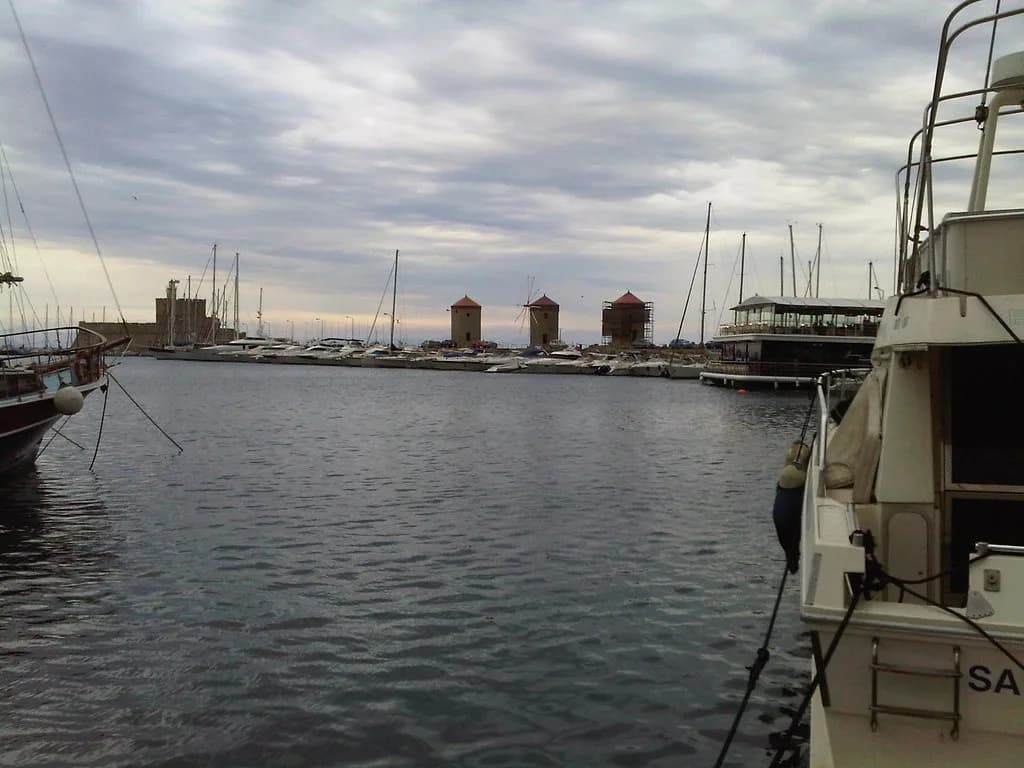
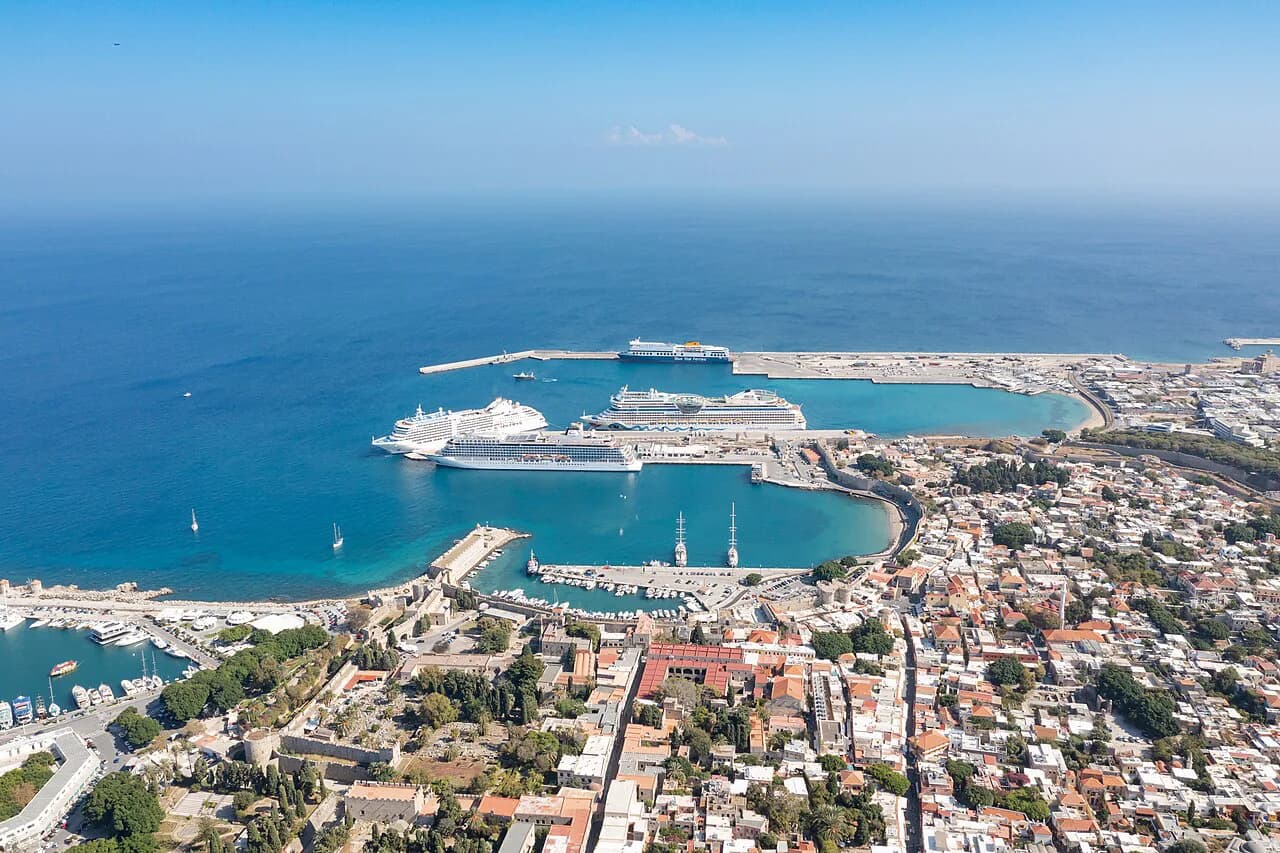
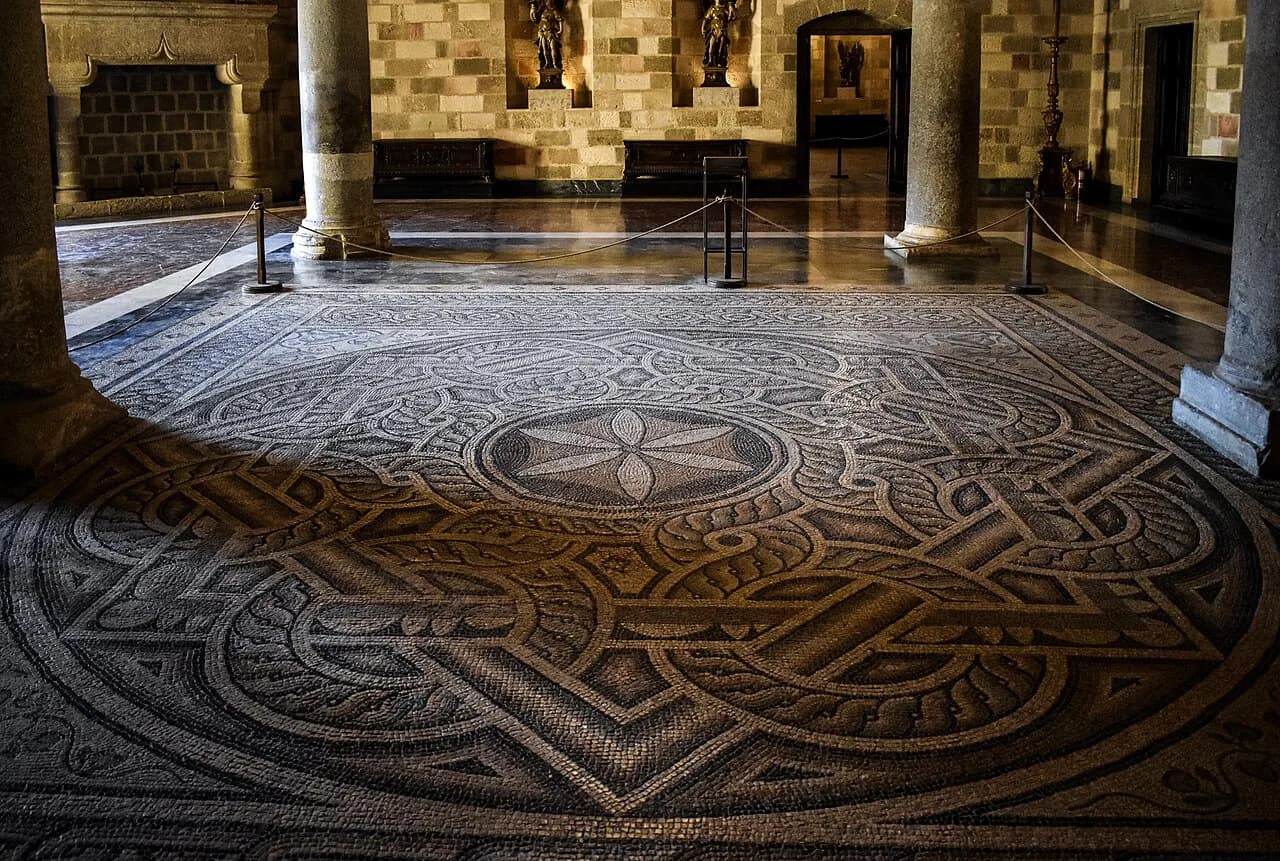
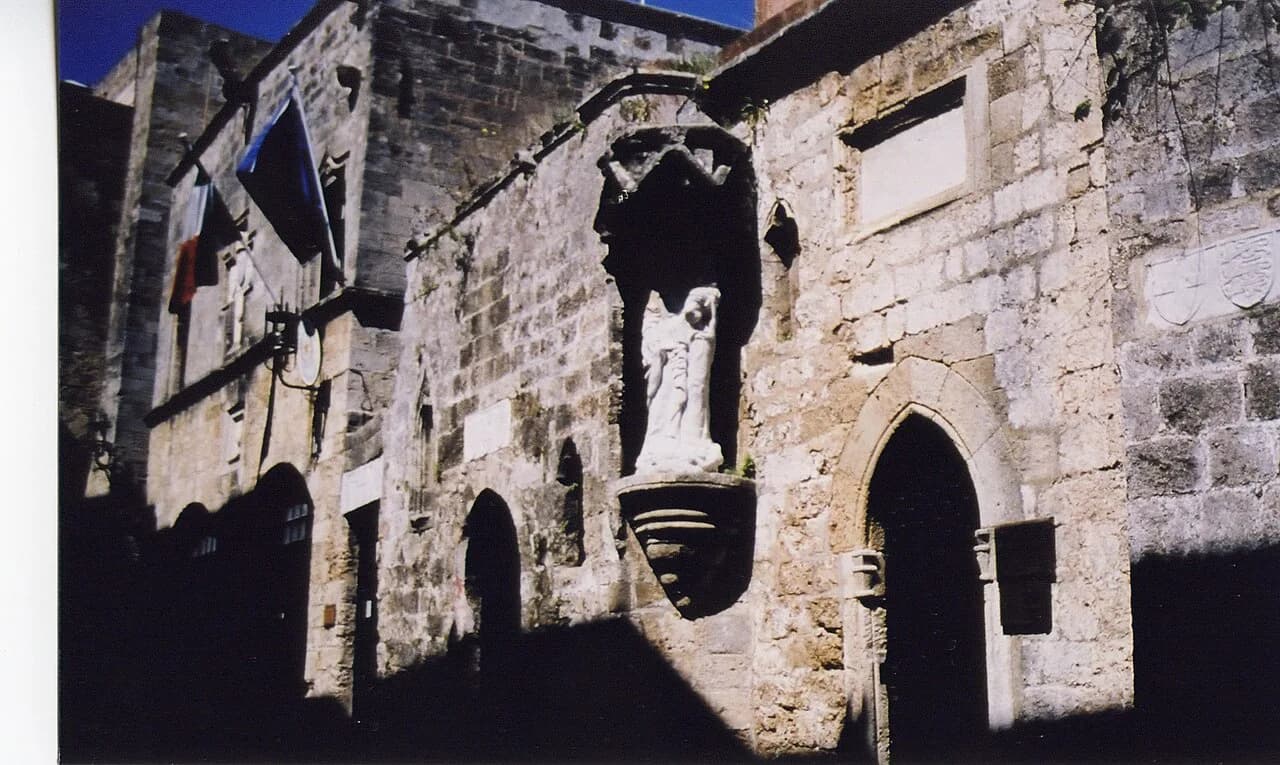
The walled Old Town is the reason to come in January. The Palace of the Grand Master and the Archaeological Museum give you substantial indoor time, and the medieval streets and ramparts are far more atmospheric without the summer crowds shuffling through them. You can linger on a stretch of wall or in a courtyard that would be shoulder-to-shoulder in July.
Plan the Old Town as a series of short outdoor bursts broken by indoor stops, because a wet morning can turn cobbles slick and wind on the battlements cuts through. Mornings are quiet enough that you may have whole lanes to yourself. For a broader picture of the season, the Rhodian winter guide sets out how the quieter months compare.
If your dates slip into February, the pattern holds but the light begins to lengthen toward the end of the month; a February trip guide covers what shifts.
Inland and Green Rhodes
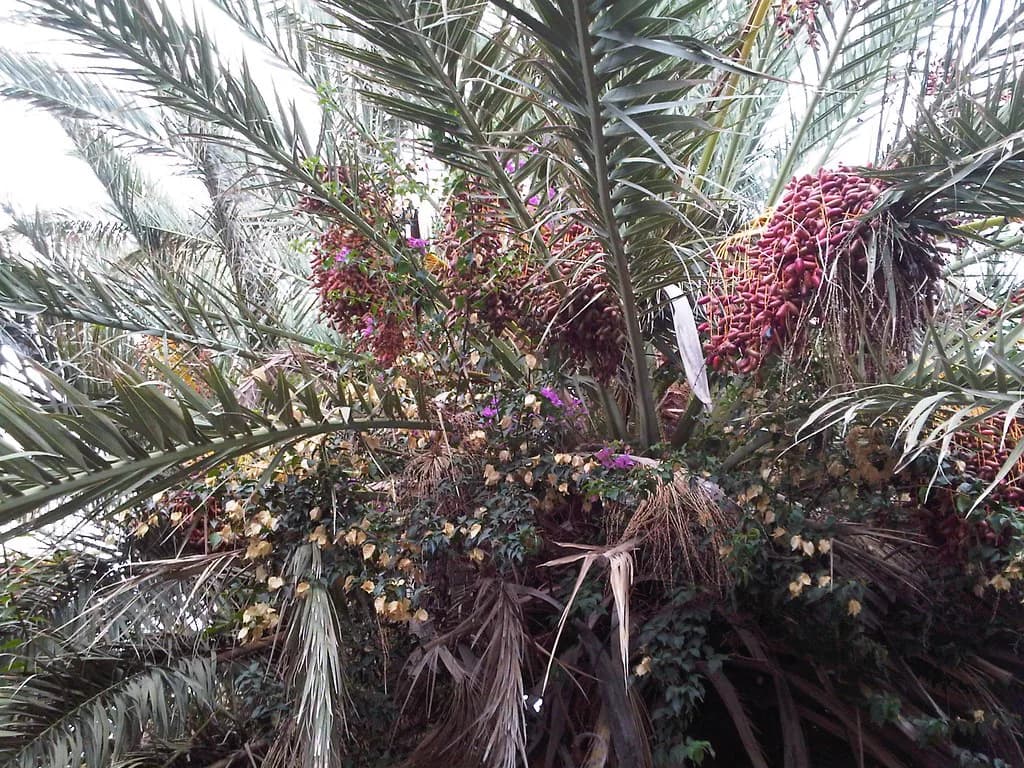
Winter rain turns the interior green, and the inland ridges around Profitis Ilias offer pine forest walking that is punishing in summer heat but pleasant in January. The Valley of the Butterflies is outside its season, so treat it as a landscape walk rather than a wildlife spectacle and set expectations accordingly. Embonas and the wine villages are good wet-weather stops, with tastings and hearty food that suit the month.
Hiking in January needs flexibility: trails can be muddy after rain, and short daylight means turning back earlier than you would in spring. Start from a village with a taverna so a damp walk ends with a hot meal rather than a long drive.
Epiphany on 6 January 2027
Epiphany falls on Wednesday 6 January 2027, and in Greece it closes the Christmas season with blessing-of-the-waters ceremonies at harbors and coastal towns. On Rhodes the day is observed locally rather than staged for visitors, and it is one of the few fixed winter dates worth planning a trip around. New Year's Day 2027 is a Friday, so the first week of January carries a holiday feel before the island settles.
Ceremony timings and locations are set locally each year, so confirm them with the municipality of Rhodes or your accommodation rather than relying on last year's pattern. Expect some businesses to keep holiday hours around the day.
Getting Around
Transport thins out in January. Buses run reduced winter schedules, and inter-island ferry links are far fewer than in summer, so a car is the practical way to reach inland villages, Kamiros, Filerimos and Monolithos on your own timetable. Driving on Rhodes is straightforward outside Rhodes Town, where the old town is pedestrianized and parking takes planning.
Check ferry operators' winter timetables directly if Symi or another island is part of your plan, since sailings can be sparse and weather-dependent. Within Rhodes Town you can walk most of what you came for, which reduces the need for a car on short-daylight days.
Day Trips That Work in January
Lindos and its acropolis make a strong January day trip: the climb is cooler, the village is quiet, and the views over the coast are clearer without summer haze. Kamiros, Filerimos and Monolithos reward the drive inland and along the west coast, and each pairs well with a village lunch. Build the day around midday outdoor time and keep the driving for the short edges of daylight.
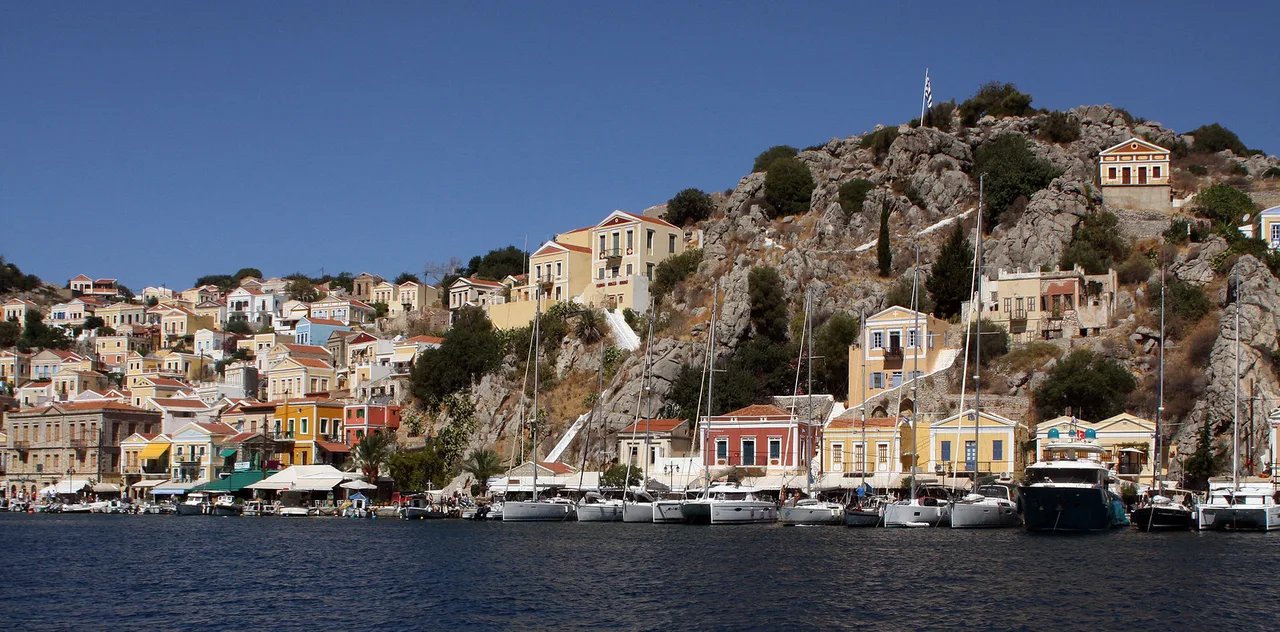
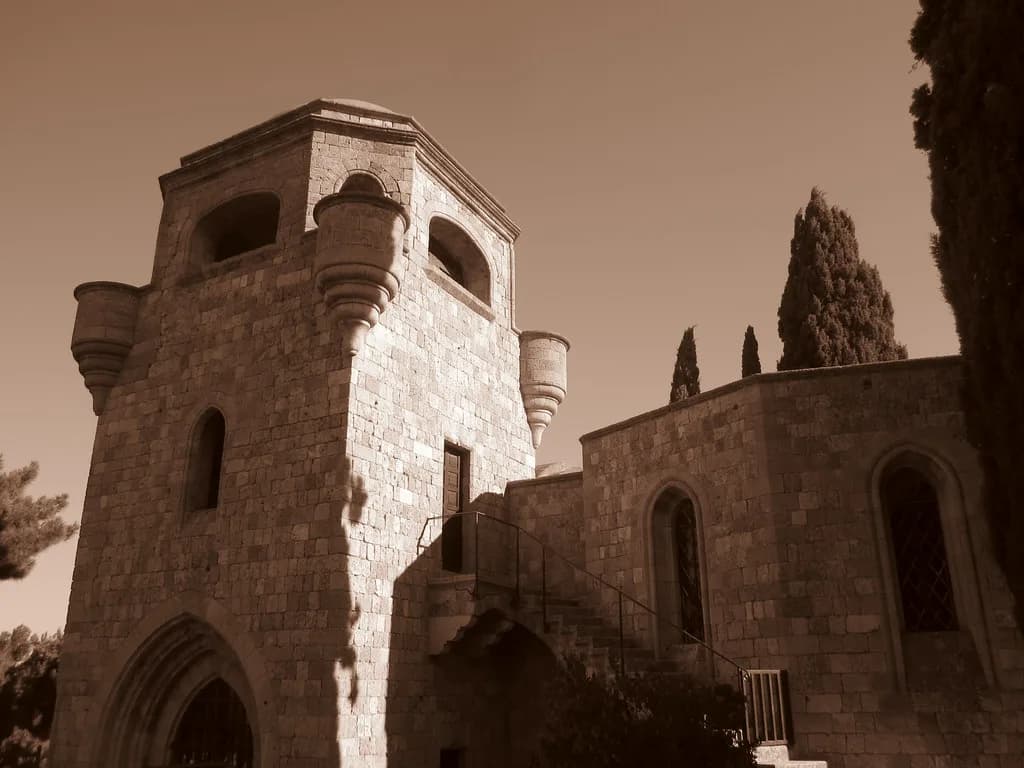
A winter ferry to Symi is worth considering only if the schedule cooperates; treat it as a bonus rather than the backbone of the trip. For a change of island scenery, Crete in January offers a larger, more urban winter base if Rhodes feels too small.
Who January Suits and Who Should Wait
January suits travelers who want museums, medieval streets, hiking and local food without crowds, and who can accept rain and short days as part of the deal. It also suits anyone combining Rhodes with a wider Greek winter trip, since Athens and the mainland run full winter lives. The wider Greece in January guide shows how the season plays out elsewhere.
It does not suit beach seekers, families wanting resort pools and watersports, or anyone who needs long, reliable sunshine. Swimming is out: the sea is cold and the season's beach infrastructure is closed, so plan your holiday around the town and the interior instead.
Plan Your January Trip
Book around the Old Town, plan outdoor sights for the middle of the day, and rent a car if you want the inland villages and archaeological sites on your own schedule. Keep one indoor option per day and let the weather, not a fixed itinerary, decide which you use.
January on Rhodes rewards lowered expectations and a slower pace: fewer places open, but the ones that are open feel like the real island. If you want empty medieval lanes and green hills more than sunshine, this is your month.
Explore more Rhodes winter guides
Frequently Asked Questions
What is the weather like in Rhodes in January?
Typically mild and changeable, with daytime highs around 14–15°C (57–59°F) and cooler nights. December to February is the wettest stretch of the year, though rain usually comes in short spells. Treat these as long-term averages and check a short-range forecast before you travel.
Is January a good time to visit Rhodes?
It is a good time for the Old Town, museums, inland villages and hiking, with few crowds and a local atmosphere. It is a poor time for beaches, swimming and resort life, since much of the coastal tourist infrastructure closes for the season.
Is everything open in Rhodes in January?
No. Many seasonal resort hotels and coastal tavernas in Faliraki and Lindos wind down, while Rhodes Town and the Old Town keep functioning for residents. If a specific hotel or restaurant matters to your trip, contact it directly before booking.
Can you swim in Rhodes in January?
No, not comfortably. The sea is cold and the beach season is over, with beach bars and watersports closed. Plan your days around the town, museums and inland walks rather than the coast.
What is there to do in Rhodes in January?
The Palace of the Grand Master, the Archaeological Museum and the medieval streets of the Old Town are the core. Inland, the pine forests around Profitis Ilias, the wine villages such as Embonas, and archaeological sites like Kamiros, Filerimos and Monolithos fill out a short-day itinerary.
How much daylight does Rhodes get in January?
Days are short, with an early sunset, though the light lengthens gradually toward the end of the month. Plan outdoor sights for the middle of the day and keep museums and long lunches for the edges.
Sources
Winter travel notes
Optional updates when we add or revise winter guides.
You might also like
Continue reading
More guides you'll find useful