Greece in January: Winter Weather, Events and Where to Go
Greece in January means short days, rain in the south and snow in the mountains. See typical temperatures, Epiphany events, what stays open and who it suits.
On this page
January is the month when Greece stops performing for visitors and starts living its ordinary winter. The southern coast and the islands turn mild, wet and quiet, while the northern mountains collect snow and the mainland cities settle into a cold, café-and-museum rhythm. If you want ruins without queues and tavernas full of locals rather than tour groups, this is your window.
The catch is that January is not one destination but two. Choose the south and you get walking weather and open cities; choose the mountains and you get real cold and sometimes closed roads. The right plan is to pick a region first and then build the days around shorter daylight and reduced winter transport. The wider winter picture sits in the Greece in winter guide, which covers the season from November through March.
What Greece is like in January
The country is at its quietest. Summer crowds vanish, coastal villages return to their year-round population, and the archaeological sites and museums you queue for in July become places you can walk at your own pace. Winter rains also green the landscape, so the dry hills of summer are at their most alive.
Temperatures swing widely by region. Southern Greece and the islands usually see winter days around 10–18°C (50–64°F), while the north and the mountains are distinctly colder and regularly hold snow. Treat those ranges as typical conditions rather than a forecast, and plan a flexible day around them.
Rain is the main variable in the south, and January sits inside the wet season. Build in at least one indoor anchor per day — a museum, a market hall, a long lunch — so a wet morning does not leave you stranded in a café watching the clock.
Weather in January: coast, Athens and the mountains
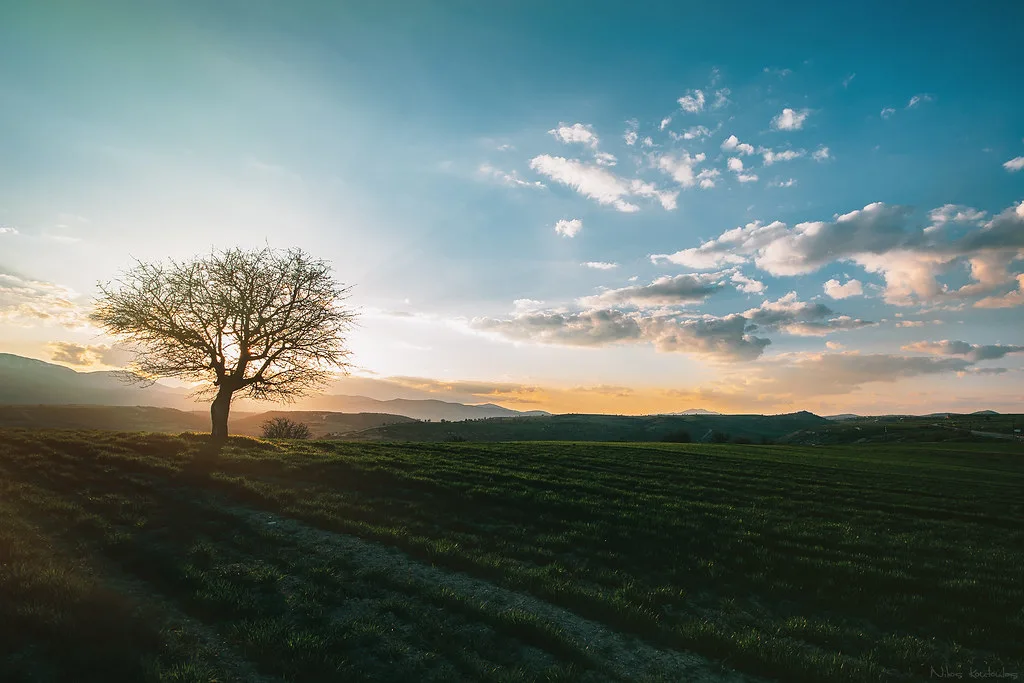
On the southern coast and the Aegean and Ionian islands, winter is mild rather than warm. The insider view is that temperatures rarely drop below 10°C (50°F) on the islands, with frequent sunny breaks between fronts. That makes coastal paths and hill villages walkable, even if the sea is out of the question for most people.
Athens sits in that mild southern band but feels colder than the number suggests once the wind comes off the hills and the stone streets lose the sun. Mornings and evenings need a real coat; midday often rewards you with a sunny bench. Rainy days are the ones to plan around, and the Athens museum day is the natural fallback.
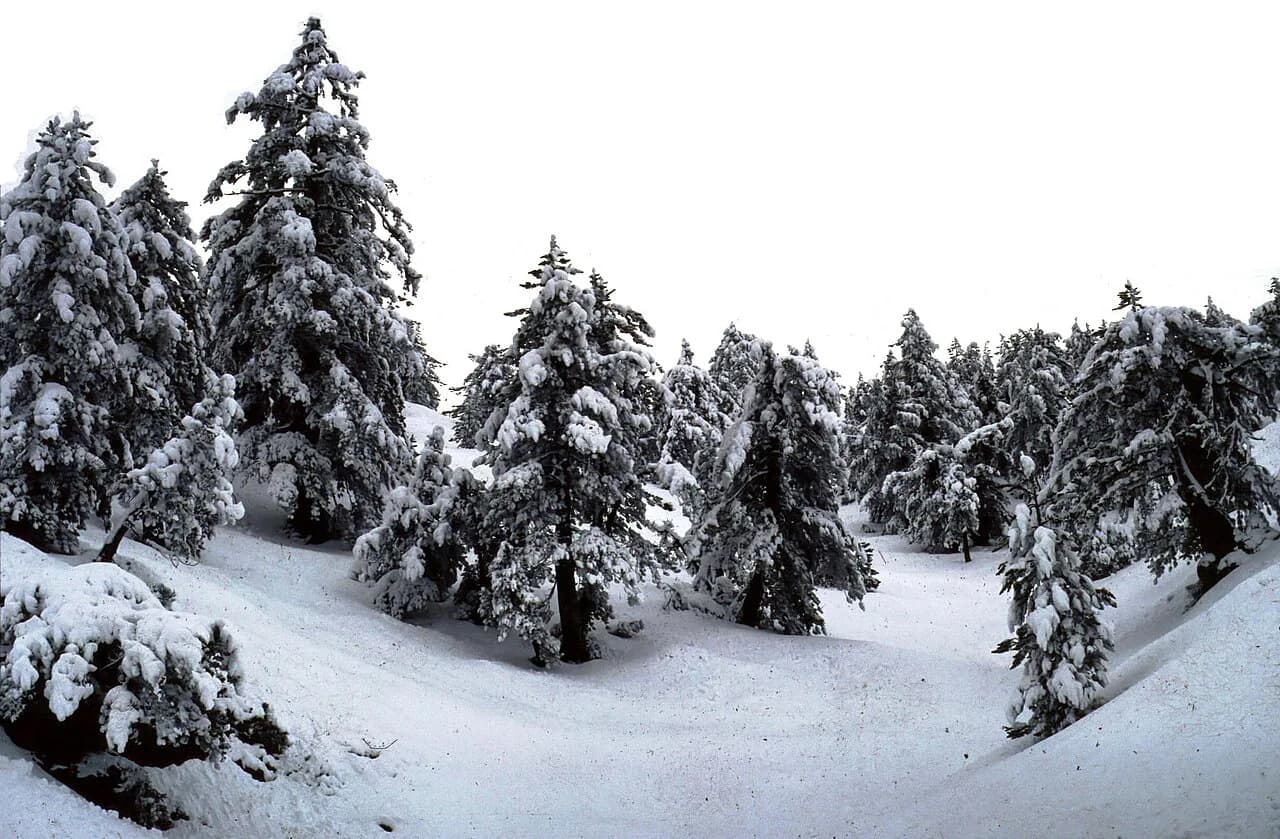
Head north or into the mountains and January becomes a proper winter. The Pindus range, Mount Olympus and the Parnassos area around Arachova get snow and sub-zero nights, and mountain villages like Metsovo and the Zagorochoria villages in Epirus look their best under a dusting. This is the Greece to choose if you want fireplaces, hearty food and crisp air rather than sea views.
Daylight, rain and sea temperatures
January days are short, and that shapes the itinerary more than the thermometer. Expect daylight to be well under the summer average, with sunrise late enough that an early site visit means leaving in the dark and sunset early enough that an afternoon hill walk needs a torch. Plan outdoor sights for the middle of the day and keep museums and markets for the edges.
The sea is cold in January, and swimming belongs to hardy winter swimmers rather than holidaymakers. Coastal walks, harbour cafés and ferry crossings are the realistic sea-adjacent pleasures. If warm water is your reason for going, January is the wrong month and you should look at late spring instead.
Rainfall is uneven: the west and the islands catch more fronts, while the eastern mainland and Athens can string together bright days between storms. A waterproof layer and shoes with grip do more for a January trip than any amount of planning around a forecast.
Epiphany on 6 January: Blessing of the Waters
Epiphany is the month's anchor event, and in 2027 it falls on Wednesday 6 January. Across coastal towns, lakeside villages and river ports, a priest throws a cross into the water and young swimmers dive in to retrieve it, with the finder credited with good luck for the year. It is a town-by-town custom rather than a single ticketed festival, so the best plan is to be in a harbour town on the day and follow the crowd to the waterfront.
The ceremony is short but the day is long: liturgy in the morning, the blessing around midday, then music, food and family gatherings into the afternoon. Arrive early enough to find a spot on the quay, and expect local tavernas to be full. Piraeus, Thessaloniki's waterfront and the larger island ports all stage the blessing, but any working harbour will have its own version.
Two days before Epiphany comes New Year's Day, a Friday in 2027, with midnight fireworks and the Feast of Saint Basil, when Greek families cut the vasilopita. If you are in the country for the first week of January you get both celebrations in one trip.
Athens and Thessaloniki in January
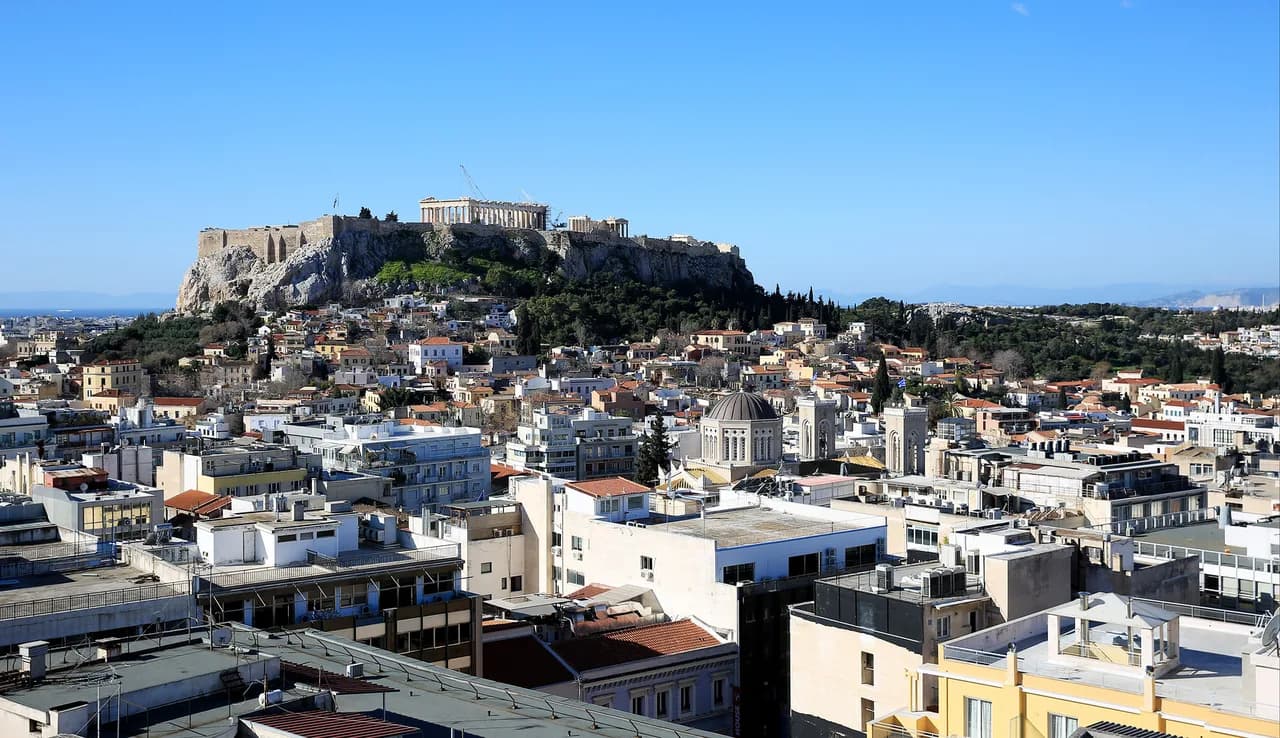
Athens is the easiest winter city in Greece. The Acropolis, the Ancient Agora and the major museums are all open and far more pleasant without summer heat, and you can move between them at your own pace. Be aware that most archaeological sites run shorter winter hours than in summer, so front-load outdoor visits and keep the afternoon for indoor collections.
The city's winter personality is in its neighbourhoods: chestnut roasters and cinnamon in Plaka, festive lights around Syntagma Square in early January, and a café culture that continues at full strength regardless of the weather. If you want the Christmas-market version of Athens rather than the post-holiday quiet, go earlier in the season and see the Christmas in Greece guide for what runs where.
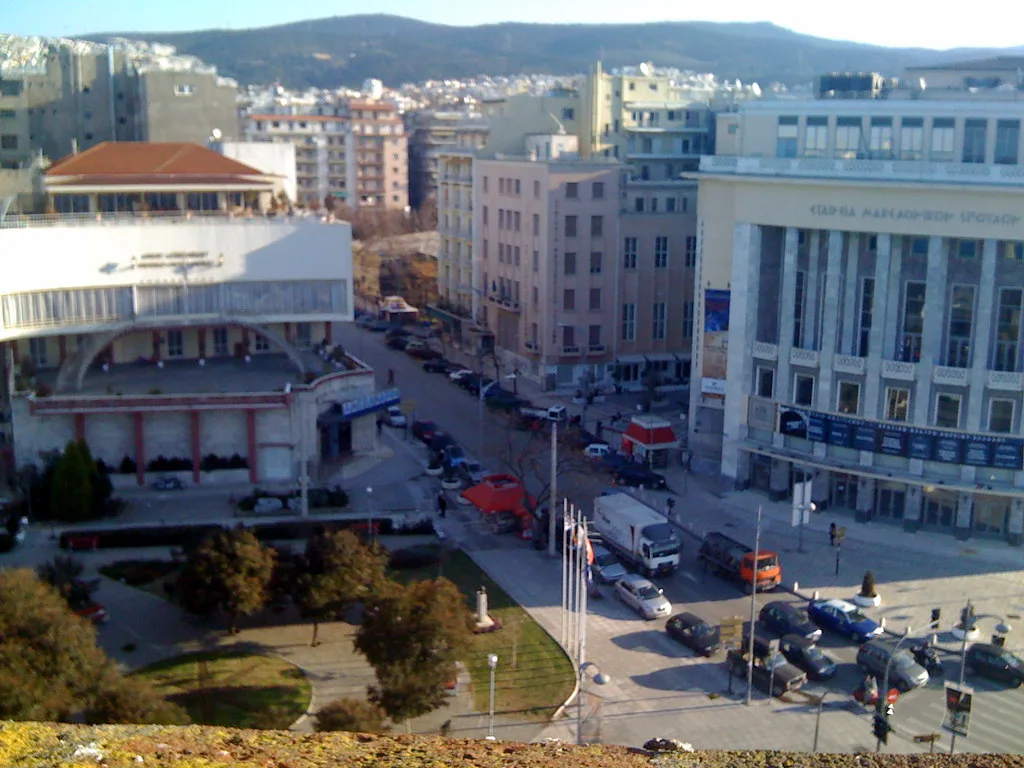
Thessaloniki is arguably the better pure winter city. Its Byzantine heritage — the White Tower, the Rotunda, the Arch of Galerius — is easy to walk in cold weather, and the Modiano Market is a serious food stop for spices, aged cheeses and seasonal produce. Evenings belong to tavernas with live music, and the waterfront fair keeps families occupied through the holidays. For a city break that feels Greek rather than touristic, it beats the islands in January.
The islands: Santorini, Mykonos, Crete and Rhodes
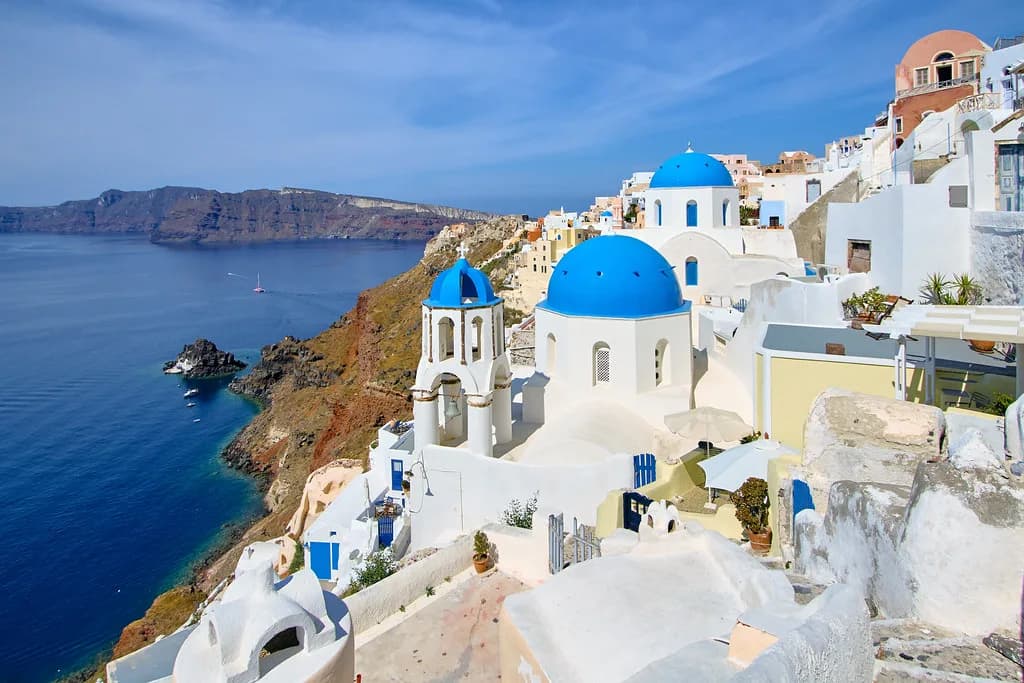
Island winter is a trade-off, not a free lunch. Santorini's caldera villages and Mykonos's lanes are dramatically empty in January, which means cheaper rooms and photographs without crowds, but also shuttered restaurants, limited bus service and a lot of closed doors. If you want the postcard without the people, Santorini works; if you want a lively base, it does not.
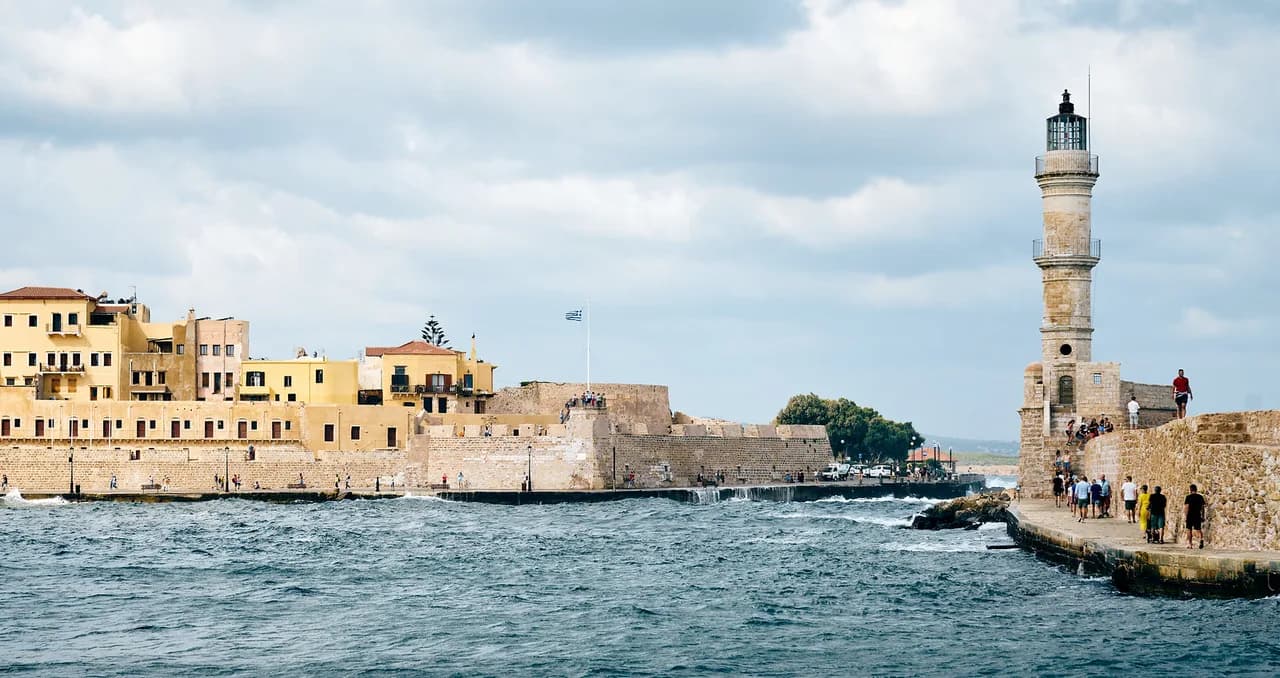
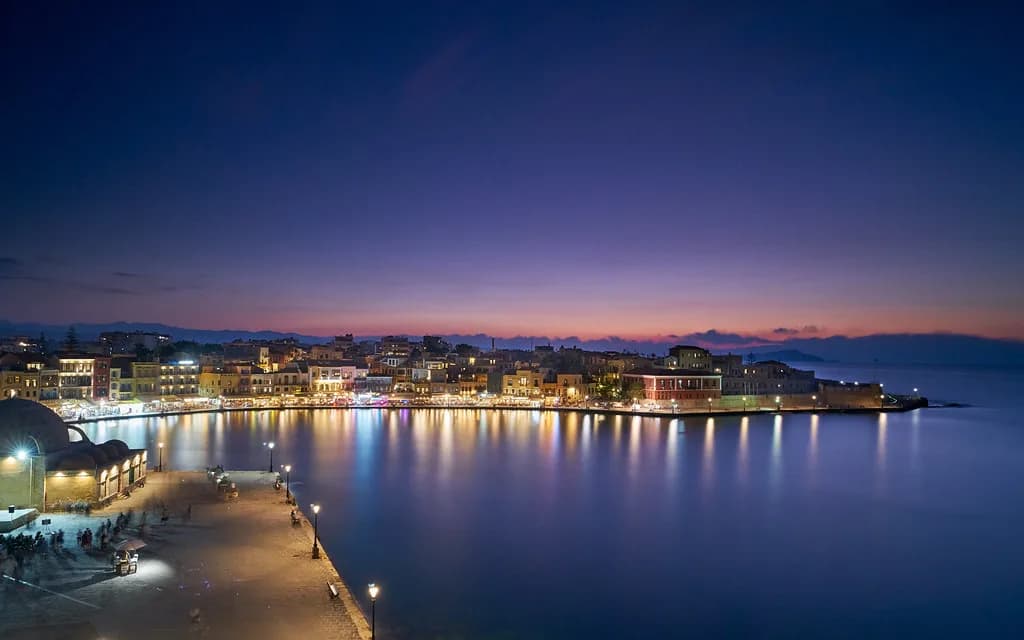
Crete is the strongest island choice in January because it is large enough to function in winter. The mountains, villages and food scene stay open, and the cities keep their everyday life even when resort strips are dark. The same rule applies to Rhodes, where the walled old town is walkable and atmospheric in the off-season. Both reward travellers who want local life rather than beach service.
Corfu is the other realistic island option, with Venetian architecture and a compact old town that works in rain. Expect a very quiet version of the island and plan around the town rather than the coast. Check the Corfu in January guide before committing to a longer stay.
Delphi, Meteora and the Peloponnese
The mainland's winter circuit is where January earns its keep. Delphi is atmospheric in the cold, with the sanctuary, theatre and museum open and almost empty, and Mount Parnassus rising behind it. Arachova, between the two, makes a natural overnight base and pairs Delphi with the mountain scenery rather than treating it as a rushed day trip.
Meteora is the other standout. The monasteries on their rock pillars are dramatic in any season, but snow on the rocks turns the landscape into something else, and the paths between monasteries remain walkable on dry days. Kalambaka at the foot of the cliffs has the tavernas you want afterwards. Check road conditions before driving up from Athens in a cold snap.
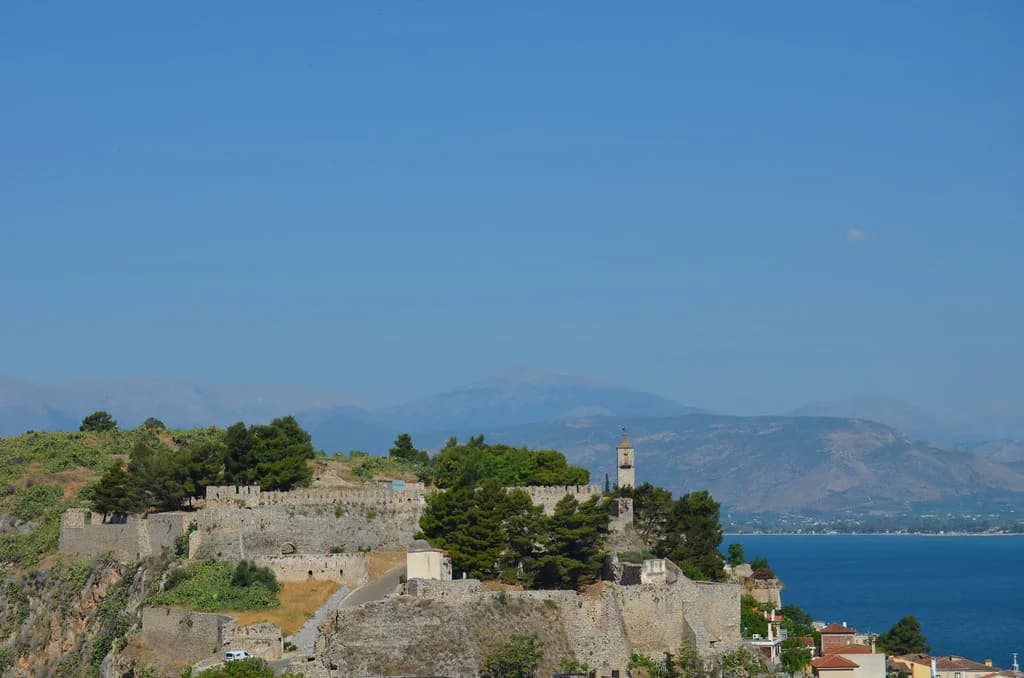
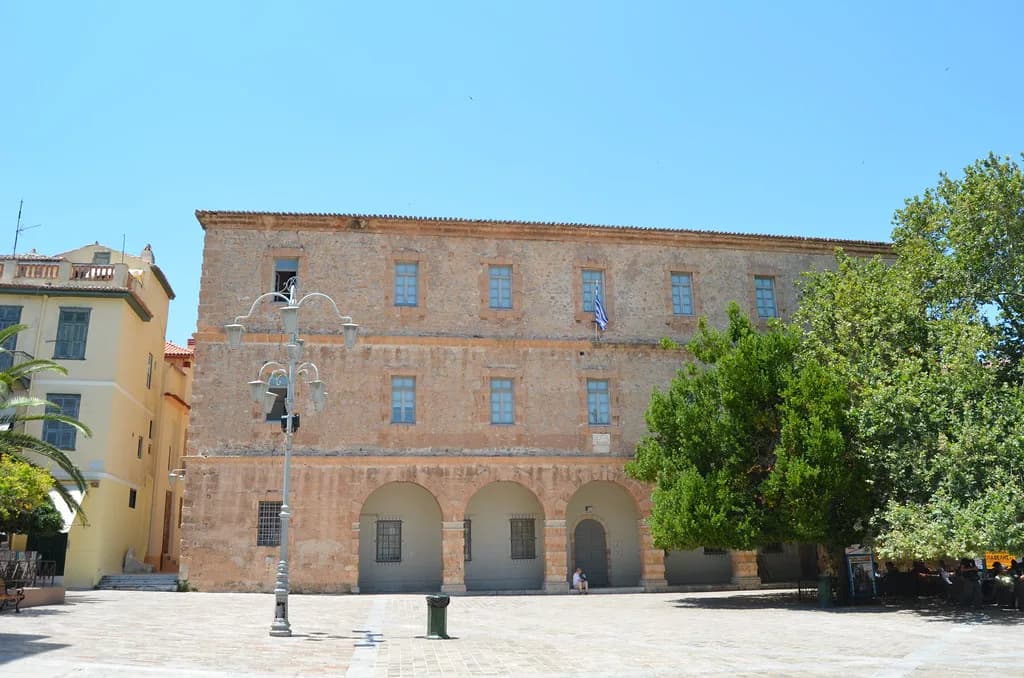
The Peloponnese is the quietest rewarding loop: Mycenae, Epidaurus, Olympia and Mystras without summer crowds, and Nafplio as a handsome base with Venetian streets and good food. It is an easy drive from Athens and a strong choice for a week-long road trip when island ferries are unreliable.
Winter food and what to eat in January
January is the best month for Greek comfort food. Look for fasolada, the bean soup, and stifado, a slow-cooked beef stew with onions, in tavernas that cater to locals rather than tour groups. Melomakarona, the honey-soaked Christmas cookies, are still around in the first days of the month, and rakomelo — raki warmed with honey and spices — is the drink to order on a cold evening.
Use the markets as a food itinerary: Modiano in Thessaloniki and the central markets of Athens are where you see winter produce — greens, citrus, chestnuts, cured fish — at its best. Mountain villages go further, with trahana soup and wild greens on menus in Epirus and Arcadia. Eating well is easy in January; finding a bad meal takes effort.
Getting around in January
Ferries are the big constraint. Island connections thin out sharply in winter, with some routes reduced to a handful of sailings a week, and weather can cancel them at short notice. Build island time around confirmed ferry days rather than a daily service, and keep the mainland as the flexible part of the trip.
On the mainland, driving gives you the most freedom: Delphi, Meteora, the Peloponnese and Epirus are all road trips rather than rail trips. Mountain roads can close in snow, so carry chains if you are heading into the Pindus and check conditions locally before setting out. Athens and Thessaloniki are easy by metro, bus and taxi, and both have good urban transport for wet days.
Archaeological sites and museums are open in January but on winter timetables, usually with earlier closing than in summer. Check the official site for the specific monument before you plan a day around it. The Acropolis Museum and the National Archaeological Museum in Athens are the reliable indoor anchors when the weather turns.
Crowds, prices and who January suits
January is low season almost everywhere, with the exception of the ski areas around Parnassos and the Epirus mountains during holiday weekends. Hotels and flights are at their cheapest, and the main sites are quiet. That combination suits travellers who care more about places than pool bars and are happy to trade guaranteed sunshine for space and lower costs.
It does not suit everyone. If your idea of Greece is swimming, beach clubs and late dinners outside, January will disappoint, and the islands will frustrate you with closures. If you want cities, archaeology, food and mountain scenery, and you can carry a coat and a waterproof, this is one of the best-value months in Europe. Couples and solo travellers do well; families with small children should favour Athens or Thessaloniki over island hopping.
By February the mood shifts toward Carnival season, with Apokries building to Clean Monday on 15 March 2027. If you want the festive version of winter rather than the quiet one, February is the stronger month.
Plan a January trip that fits the season
Pick a region before you pick a hotel. The south — Athens, the Peloponnese, Crete and Rhodes — gives you mild days, open sites and a functioning winter life; the north and the mountains give you snow, fireplaces and a very different Greece. Mixing the two in one week means accepting a lot of driving or a lot of ferry uncertainty.
Anchor the trip on Epiphany if you can travel in the first week of January, and use the rest of the month for the quiet pleasures: empty archaeological sites, long taverna lunches, chestnuts in Plaka and snow on the Meteora rocks. Go in expecting short days and some rain, and January rewards you with the most authentic version of the country you will see all year.
Explore more Greece winter guides
Frequently Asked Questions
What is the weather like in Greece in January?
Southern Greece and the islands typically see mild, changeable days with temperatures usually between 10 and 18°C, plus regular rain. The north and the mountains are much colder, with snow on higher ground. Treat these as long-term averages rather than a forecast, and carry a waterproof layer wherever you go.
Is January a good time to visit Greece?
It is a strong month for cities, archaeology, food and mountain scenery, and the quietest and cheapest time to see the mainland. It is a poor month for beach holidays, swimming and island hopping, because ferries are reduced and many island businesses close for the season.
What happens on Epiphany in Greece?
Epiphany on 6 January is marked with the Blessing of the Waters: a priest throws a cross into the sea, a lake or a river, and swimmers dive in to recover it. Coastal towns and island ports hold their own ceremonies, usually followed by music and food, so the best plan is to be in a harbour town on the day.
Do ferries run to the Greek islands in January?
Yes, but on sharply reduced winter schedules, and some routes run only a few times a week. Weather can also cause cancellations. Plan island stays around confirmed sailing days and keep the mainland as the flexible part of your itinerary.
Is there snow in Greece in January?
Yes. The Pindus range, Mount Olympus, the Parnassos area around Arachova and the mountains of Epirus regularly hold snow in January, and mountain villages can be genuinely cold. The coast and the islands rarely see snow, though cold snaps can occasionally bring it.
Is Santorini worth visiting in January?
If you want the caldera without crowds and lower room rates, yes. If you want restaurants, bars and boat trips, no — much of the island closes for winter and services are limited. Santorini in January suits photographers and walkers, not travellers looking for a lively resort.
Sources
Winter travel notes
Optional updates when we add or revise winter guides.
You might also like
Continue reading
More guides you'll find useful