Does It Snow in Greece? Where, When and What to Expect
Snow in Greece falls mainly in the northern mountains and mainland from December to March, while Athens and the islands rarely see lasting cover.
On this page
Greece in winter is not the uniform sunlit coastline of the summer brochures. Snow is a real and recurring part of the season, but it falls in sharply different ways depending on whether you are above or below roughly 1,000 metres, in the north or the south, on the mainland or on an island. The answer to whether it snows is yes, but the more useful question is where you are going and when.
This guide breaks the answer down by elevation, region and month, so you can decide whether to plan a trip around the possibility of snow or to treat it as a bonus. It also looks at how snow changes transport and what a settled cover actually means for a visit.
How often snow falls in Greece
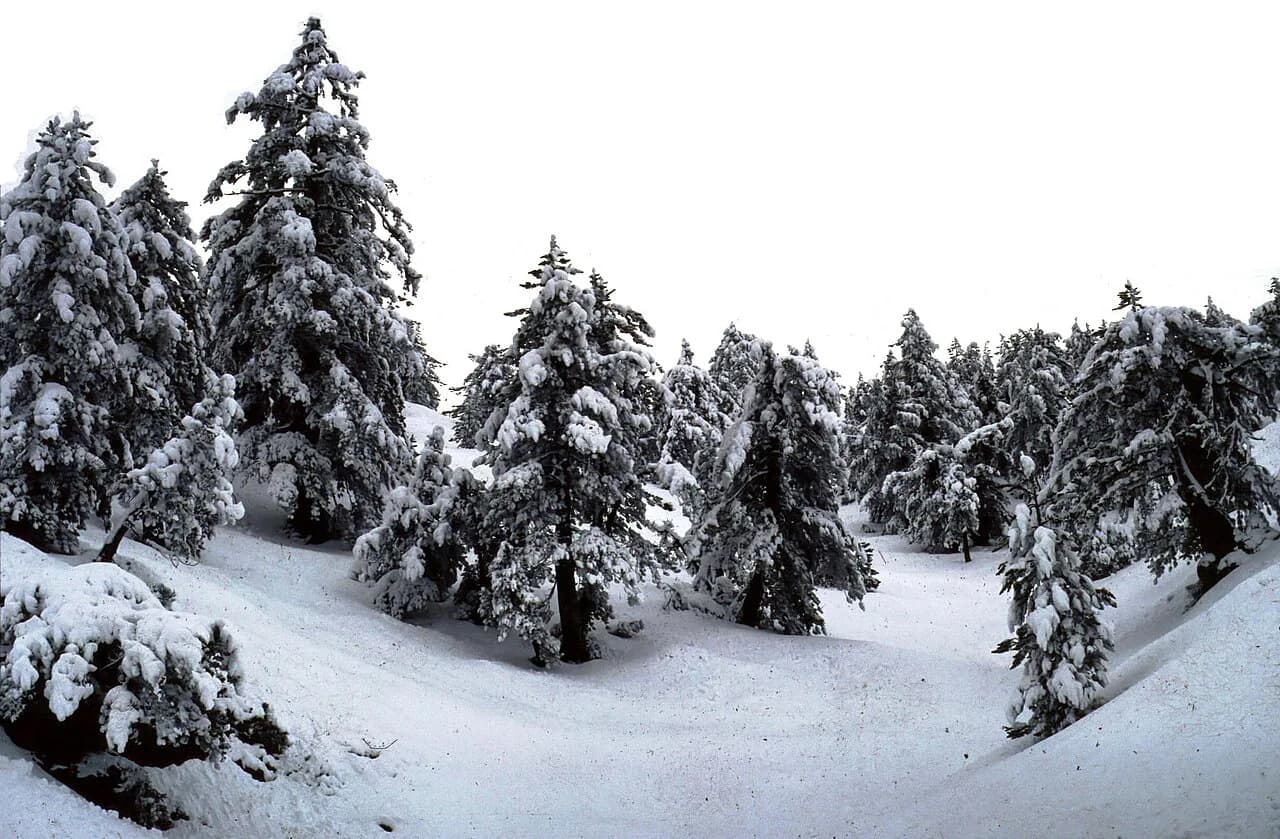
Snowfall in Greece is common in the mountains and increasingly rare as you approach sea level. Above roughly 1,000 metres, snow is a normal part of winter, with the highest peaks holding patches well into spring. Below that line, a snowfall is an event rather than a reliable seasonal fixture. That divide is the single most important thing to understand before you plan around snow.
The pattern is not just about altitude. Northern Greece and the mountain ranges of the mainland see more frequent and more persistent snow than the south and the islands. Even in a region that regularly gets snow, a dusting can melt within hours at lower elevations, while higher villages can stay white for days. If snow is the reason for your trip, choose a base at altitude rather than hoping for a flurry in a coastal town.
Research on the mountains shows that snow cover is declining across the mainland, which means snow reliability varies from one winter to the next. Treat any forecast of snow as weather rather than climate: check conditions shortly before you travel. The average picture tells you what is possible, not what will happen on your dates.
Snow in northern Greece: Florina, Kastoria, Ioannina and the Pindus
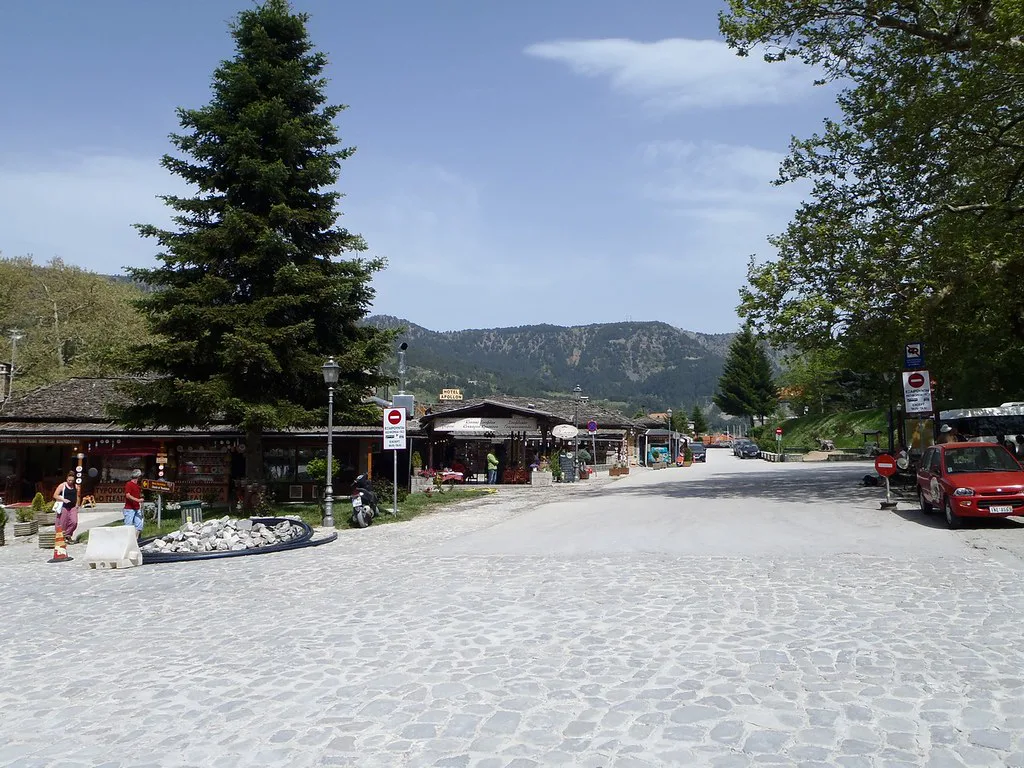
Northern Greece is the most dependable part of the country for snow. Towns such as Florina, Kastoria and Ioannina sit in basins and valleys where cold air collects, and the surrounding mountains of the Pindus range are regularly white from December into March. Metsovo, perched on the eastern slopes of the Pindus, is one of the most atmospheric mountain towns in the country and a good base if you want snow without committing to a resort. The region’s lakes and stone villages also stay open through the season, though some mountain guesthouses scale back outside holiday periods.
Thessaloniki, Greece’s second city, sits on the coast and is much less likely to see settled snow, though cold snaps do happen. Further inland, the mountains of Macedonia and Epirus are the places to head if you want to walk in snow or see traditional villages under a white cover. Note that driving conditions can change quickly on mountain roads, and some passes may be temporarily unsuitable for cars without winter equipment.
Snow in central and southern mainland Greece
Central Greece is dominated by Mount Parnassus, where the village of Arachova is a popular winter base and where snow is a regular feature of the season. The mountain’s skiing area is the best-known in the country, but you do not have to ski to enjoy the snow: the villages, viewpoints and mountain walks offer a very different Greece from the summer islands. Further south, the highlands of Arcadia and the Peloponnese, including Vytina and Dimitsana, also see snow most winters. These areas are close enough to Athens for a short winter break.
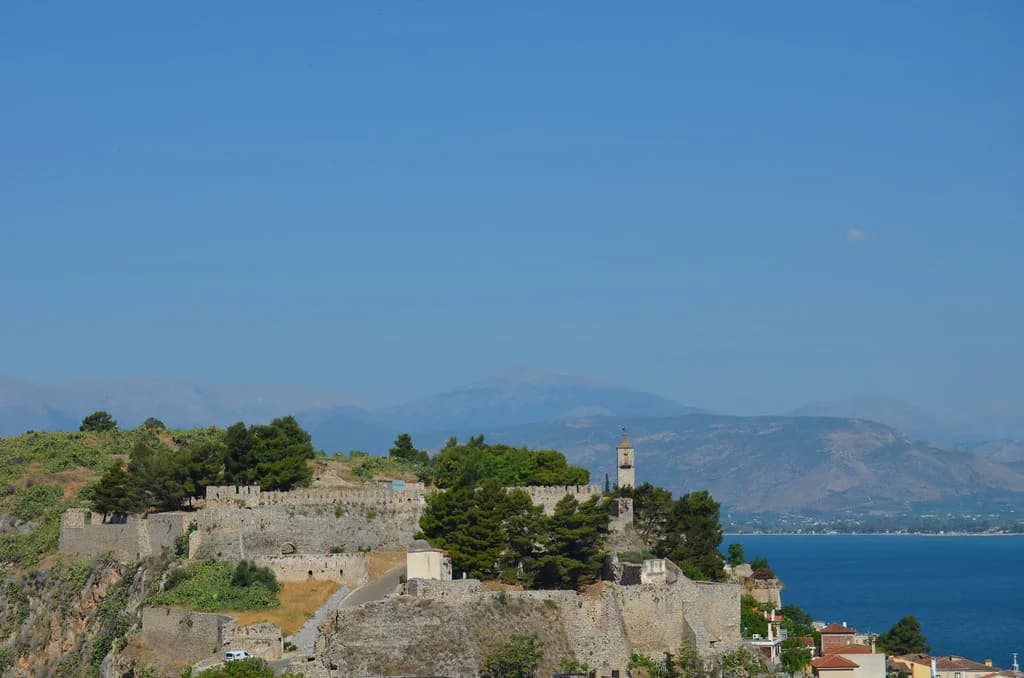
Snow at lower elevations in the Peloponnese is less frequent and usually short-lived. Nafplio, for example, is mild in winter and better known for its orange groves and lively old town than for snow. If you want a reasonable chance of snow but also want museums and city comforts nearby, the combination of Athens and a mountain village like Arachova is a practical compromise.
Does it snow in Athens?
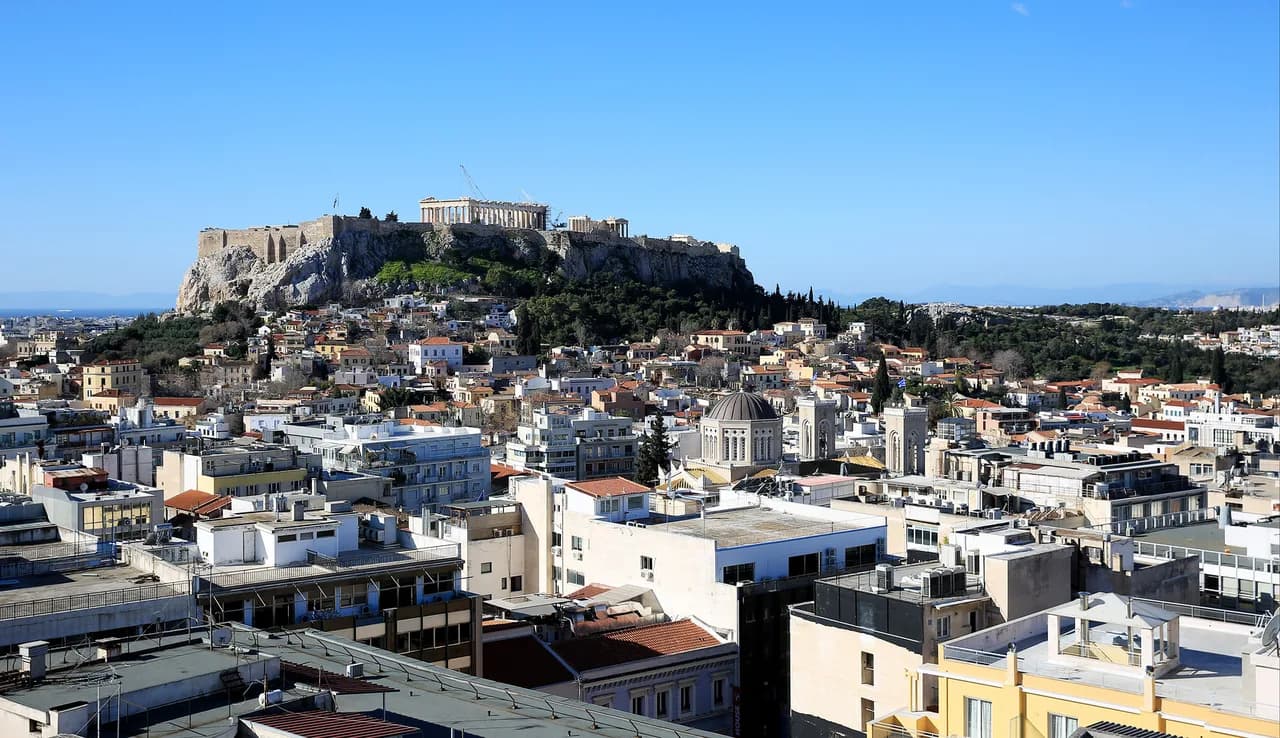
Athens does occasionally see snow, but settled snow on the city streets is rare. The capital’s winter is generally mild, with more rain than snow, and when flakes do fall they usually melt quickly. The city is a far better bet for winter sightseeing than for snow itself: the Acropolis and the ancient sites are quiet, and the Acropolis Museum is a good indoor option on wet days. For typical December conditions, expect mild temperatures and a mix of sun and cloud rather than a winter wonderland.
Locals treat a snowfall as a spectacle, and the city is not equipped for sustained icy conditions. Schedules for museums and archaeological sites can change on short notice in bad weather, so it is worth checking the official site or operator if a cold snap coincides with your visit. The practical advice for a winter trip to Athens is to plan for cool, sometimes rainy weather and to treat any snow as a bonus rather than a fixture.
Snow on the Greek islands
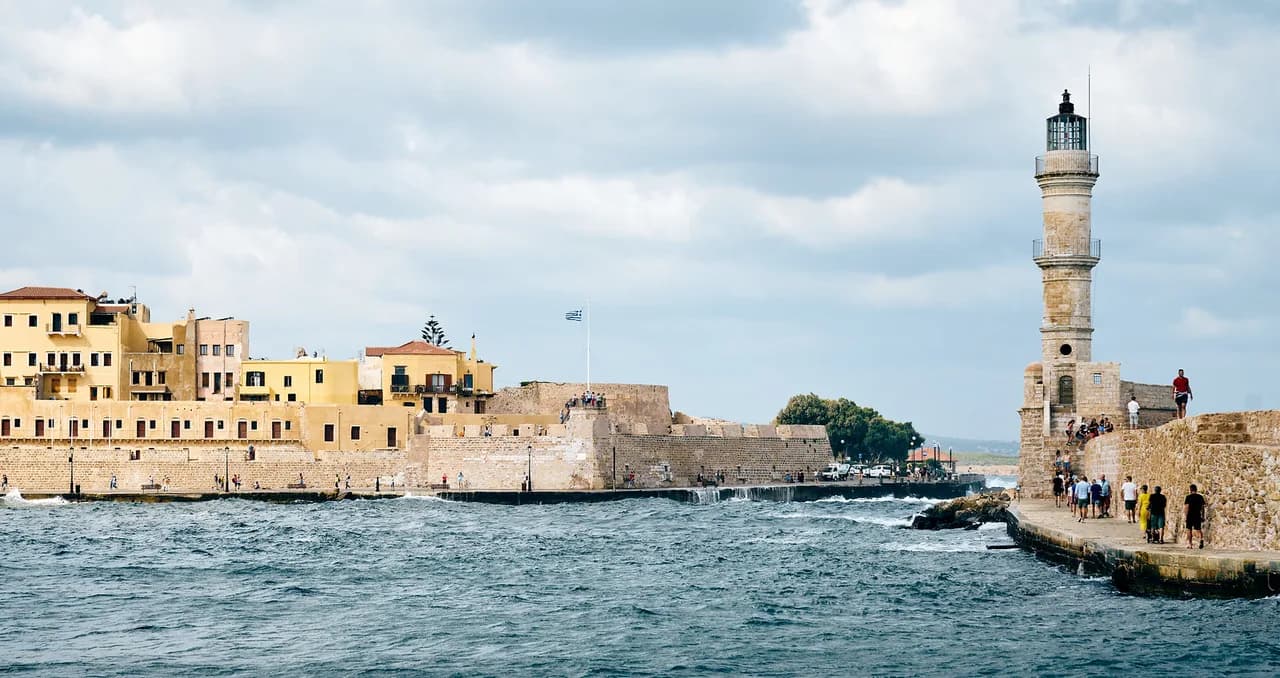
Islands such as Crete, Rhodes and Lesvos have mountainous interiors where snow is entirely possible in winter, even while the coast stays mild. Crete in particular has high peaks that regularly hold snow into spring, and the contrast between a snowy mountain and a sunny beach is part of the island’s winter character. Smaller Cycladic islands rarely see snow at all, and when they do it is a light dusting. If you are heading to an island hoping for snow, aim for the larger, more mountainous islands and expect it in the hills, not at the harbour.
Island winter travel is also about ferry connections. Winter timetables are thinner, and rough weather can delay or cancel sailings, so a multi-island itinerary built around snow is fragile. A safer approach is to base yourself on one island or on the mainland and to keep mountain days flexible. Rhodes Town is a rewarding winter base for its walled old town, but the snow you might see there is in the distant hills, not on the streets.
Snow by month: November to March
November is the transition month. In Athens, average highs sit around 18 °C (64 °F) and lows around 12 °C (54 °F), and rain becomes more frequent. Snow is unlikely below mountain level, but the highest peaks of the Pindus and Parnassus may start to see the first falls. It is also the second rainiest month in the capital, so plan for wet days and shorter excursions.
December brings colder conditions on the mainland and the first proper mountain snow. Athens is normally mild but can feel raw, particularly in the evenings. The Christmas and New Year period brings holiday crowds to the cities and to some mountain villages, and accommodation in popular winter spots fills up around those dates. If you want snow in the city, December is one of the few months when it is conceivable, though still far from guaranteed.
January is the coldest month in Athens and often the most reliable month for snow in the mountains. Northern and central Greece can be under a deep cover at altitude. Daytime temperatures in the city are modest, and rain is common, but sunny spells still occur. If you want a snowy mountain trip without the holiday rush, mid-January is a good compromise.
February is often considered the wettest month in Athens, yet it is also one of the best months for mountain snow. The mountains of the mainland remain white, and the islands’ high ground can see snow while the coast stays cool and damp. This is a good month for a winter village break if you can handle variable weather and short notice for travel plans.
March brings a gradual shift. Daylight lengthens, temperatures rise, and the snow line begins to retreat up the mountains. Lower slopes may become muddy rather than snowy, and the first spring flowers appear. Snow can still fall and settle at higher elevations, but the reliability of finding a winter scene drops as the month progresses. If snow is the priority, earlier in the season is better.
Where to see snow without skiing
You do not need to ski to enjoy Greece’s snow. Mountain villages such as Metsovo and Arachova offer sweeping views, traditional stone architecture and local food that is particularly welcome in cold weather. The villages of Arcadia, including Dimitsana and Vytina, sit among forests and gorges that are at their most dramatic when lightly covered in snow. These are places to walk, eat and take photographs rather than to rush through.
A scenic rail journey on the narrow-gauge line from Milies in Pelion is a good way to see wintry scenery without a difficult drive, and the surrounding villages are well set up for winter visitors. On days when the weather closes in, museums and monasteries provide indoor alternatives. The main practical point is to keep plans flexible, as mountain roads can be affected by ice and snow.
What snow means for travel
Snow affects transport more than it affects sightseeing. Mountain roads can require snow chains or may be temporarily closed, and drivers may need to adjust plans at short notice. Ferry connections in winter are already limited, and rough weather can disrupt them further, so build slack into any island itinerary. If you are relying on public buses to reach mountain villages, check whether the service continues during snow.
A well-chosen base reduces risk: staying in a town with year-round life rather than a seasonal resort gives you more options when the weather changes. Winter is low season in most of Greece, so accommodation is generally easier to find, but mountain hotels in popular areas can fill up around holidays and weekends. Booking the first and last nights in a city and keeping the mountain portion flexible is a sensible approach.
Who should plan a snowy Greek trip
If seeing snow is a priority, base yourself in the northern mountains or central Greece between December and February and plan to stay at altitude rather than in a coastal town. Travelers who want a mix of snow and culture can pair Athens or Thessaloniki with a few days in a mountain village. Those who prefer guaranteed snow may find Greece less dependable than the Alps, but the reward is a quieter, less crowded winter landscape.
If you are flexible, a visit in January or early February offers the best balance of snow chances and winter atmosphere. If you mainly want mild weather and sightseeing, aim for November or March, when cities are quiet and mountain snow is either beginning or retreating. A winter trip to Greece works for both kinds of traveler as long as expectations match the region and the season.
Plan Your Visit
Snow in Greece is a question of altitude and region. The mountains of the north and center are the reliable places to find it, while Athens and the islands offer only occasional flurries. Build your trip around a mountain base if snow matters, and keep your plans flexible for roads and ferries. That way the weather can be part of the adventure rather than a disruption.
Explore more Greece winter guides
Frequently Asked Questions
Does it snow in Athens?
Snow is possible in Athens but settled snow is rare. The city’s winters are generally mild, with more rain than snow. A snowfall is treated as an event and usually melts quickly. If you want to see snow, the mountains outside the city are a safer bet.
Does it snow on the Greek islands?
Larger islands with mountains, such as Crete, can see snow on higher ground. Smaller islands rarely see any snow. Coastal areas usually stay mild. If you are hoping for snow, choose an island with significant elevation and expect it in the hills rather than at the coast.
Which month does it snow in Greece?
Snow is most likely between December and March, with January and February the most reliable months in the mountains. November can bring the first falls on high peaks. March still sees snow at altitude but it becomes less dependable as the season shifts.
Where can I see snow in Greece without skiing?
Mountain villages such as Metsovo, Arachova, Dimitsana and Vytina offer snowy landscapes and traditional accommodation without requiring you to ski. Scenic drives and short walks are rewarding in winter. Check road conditions before setting out, as snow can affect mountain routes.
Sources
Winter travel notes
Optional updates when we add or revise winter guides.
You might also like
Continue reading
More guides you'll find useful