Greece in November: Weather, Crowds and What Is Open
Greece in November brings mild, rainy days, empty ancient sites and low prices. See typical temperatures, island ferry limits and what stays open.
On this page
By November, Greece has shed its summer self: the resorts thin out, the light softens and the ruins turn green after the first rains. Days are mild rather than hot, rain is frequent, and the country's cultural sights are unusually quiet. It suits travelers who want archaeology, cities and food without queues, and it frustrates anyone hoping for reliable beach weather.
The month sits at the front of the Greek off-season, which runs roughly from autumn through spring and brings the year's cheapest airfares and reduced room rates alongside thinner ferry and flight schedules. Think of November as a month for Athens, Thessaloniki, the mainland and one carefully chosen island rather than a diluted version of a summer island-hopping trip. If you want the broader seasonal picture, the Greece in winter guide sets out how the country changes from November through March.
Weather in November
Expect typical daytime highs around 19°C (66°F) in the mildest spots, with many days cooler and wetter than that average suggests. Athens in November averages about 15°C, with highs near 18°C (64°F) and lows near 12°C (54°F); Thessaloniki is cooler, with highs around 15.7°C (60°F) and lows around 9.3°C (49°F). Treat these as long-term norms rather than a forecast, and plan at least a couple of indoor days into any week.
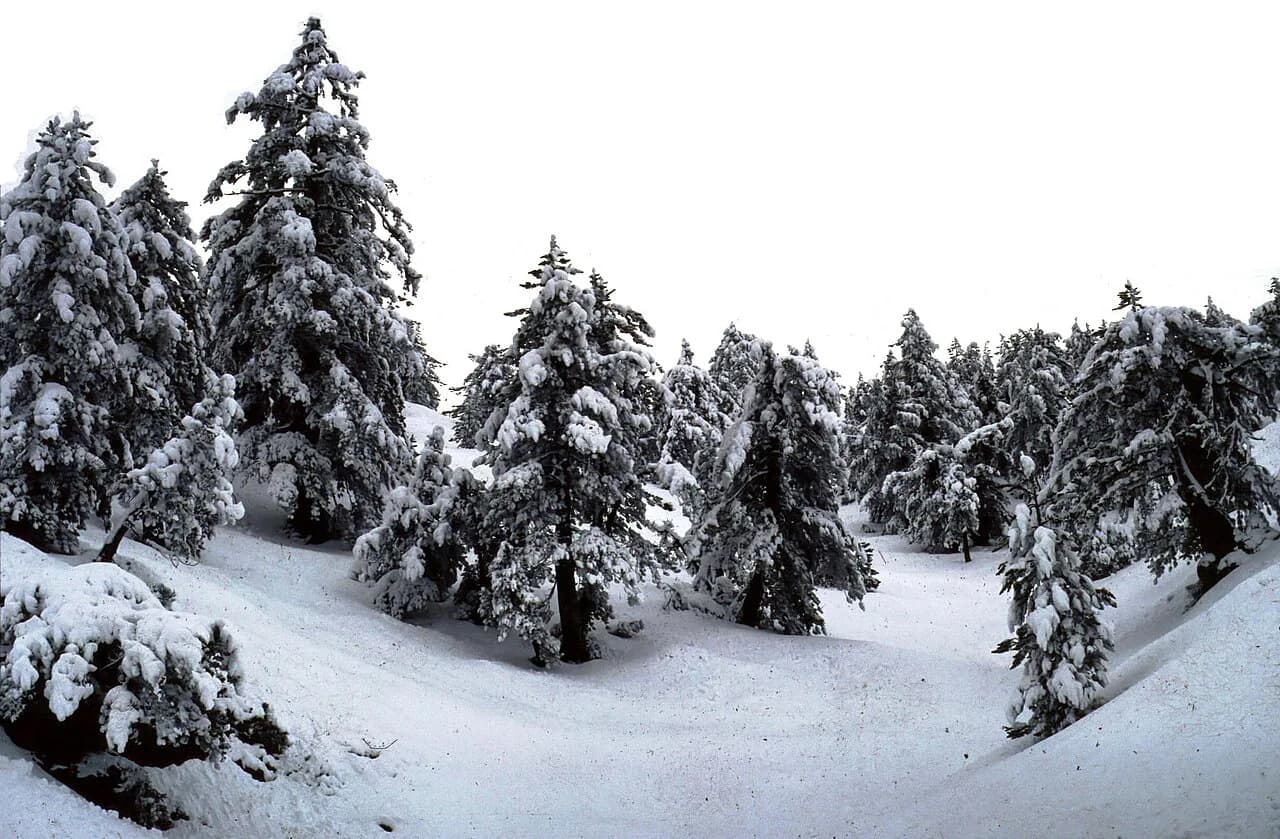
November is one of the capital's rainier months, and the north and the Peloponnese run wetter and cooler than the Cyclades and Dodecanese, which stay a degree or two warmer with more sunny spells. The sea has cooled well past comfortable swimming, so the coast is for walking and views rather than bathing. In the mountains, snow can already dust the higher ground, which makes Meteora and upland Epirus dramatic rather than difficult to reach by road.
Daylight and the Clock Change
Greek clocks go back in late October, so November afternoons close in early and outdoor sights are best tackled in the morning. Build your day around a single archaeological site before lunch and keep museums, tavernas and cafes for the darker hours. Sunrise and sunset shift steadily through the month, so check local times for the exact week you travel.
Crowds and Costs
This is the low season in the clearest sense: you can walk into major museums and ancient sites without the summer scrum, and the archaeological grounds are at their greenest after the rains. Airfares and hotel rates drop sharply compared with summer, which makes November one of the better-value months for a culture-led trip. The trade-off is that some seasonal restaurants and clubs have already shut and transport runs on reduced schedules.
What Is Open and What Winds Down
Greek islands do not close for winter: people live there year-round, and hotels and restaurants stay open on every island. What changes is scale — large resort hotels shut because a few winter guests cannot fill them, and the tavernas that remain tend to be the ones locals use, which often means better food. The quieter the island, the more you should expect a skeleton service and a limited choice of places to eat.
In Athens and Thessaloniki, city life carries on largely unchanged, with cafes, bars, live music and shops busy through the cooler months. That contrast matters when you plan: a city base gives you full restaurants and evening entertainment, while a remote island in November can be so quiet that the silence becomes the main event. Match the base to your appetite for company.
Island Choices in November
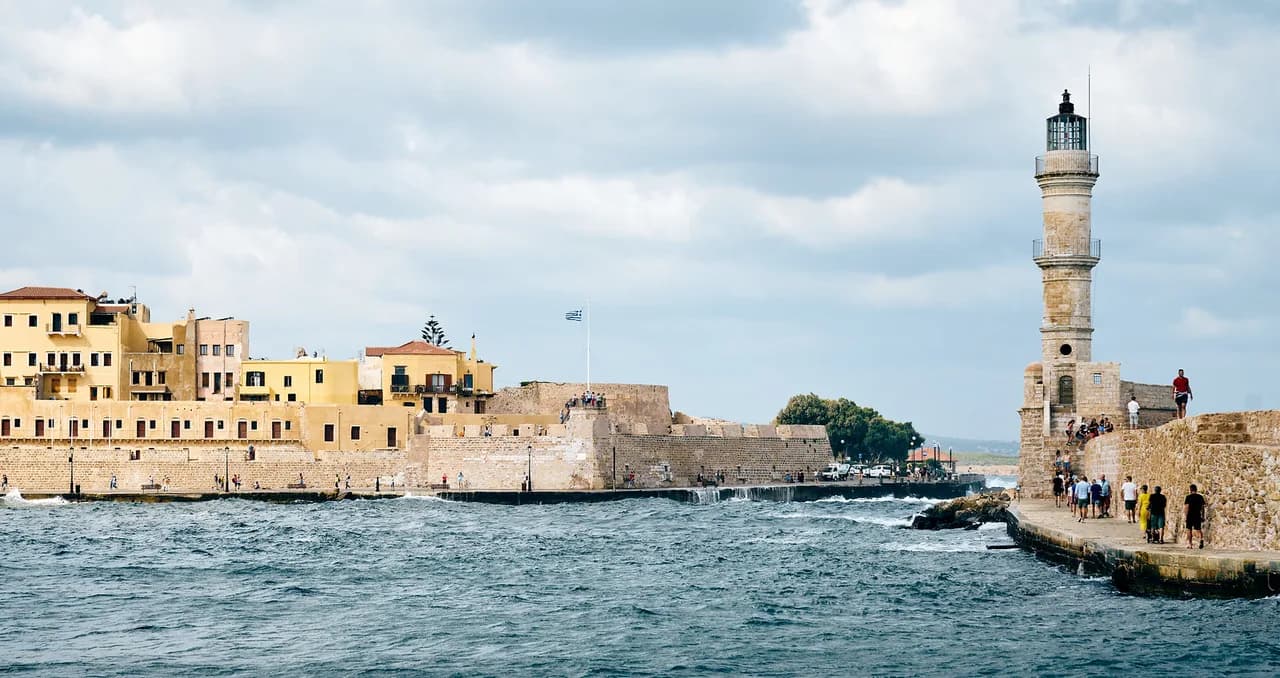
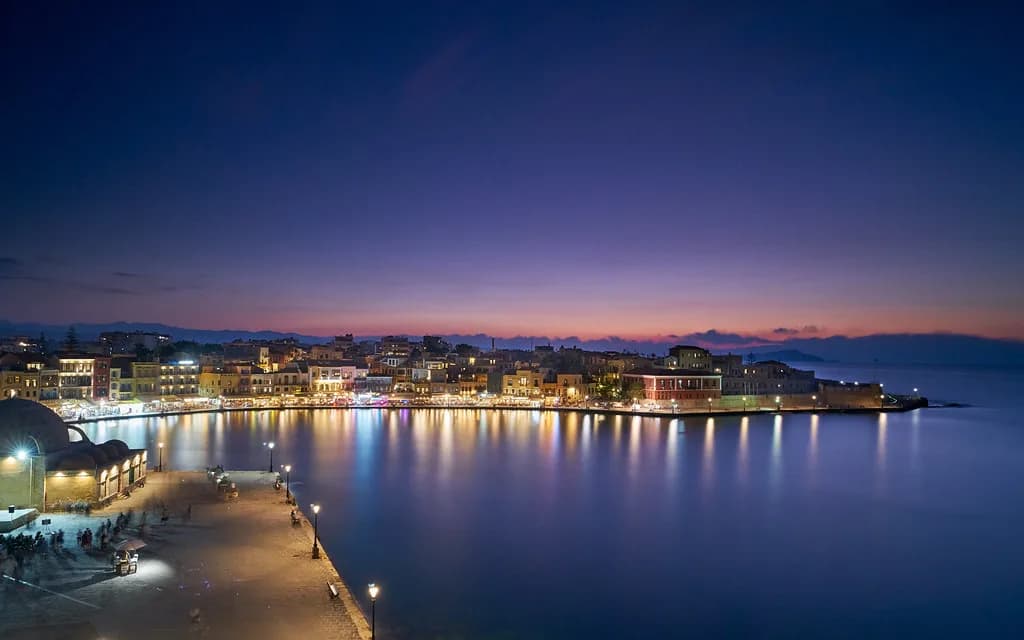
The islands that hold up best are the ones with real winter populations or large towns: Crete, Rhodes, Syros, Lesvos and the Saronic islands of Aegina, Hydra, Poros and Spetses, which sit close to Athens and keep daily connections between each other. Crete rewards a full week of food, archaeology and mountain driving, and a dedicated Crete in November guide is worth reading when planning ferries, since winter timetables thin out.
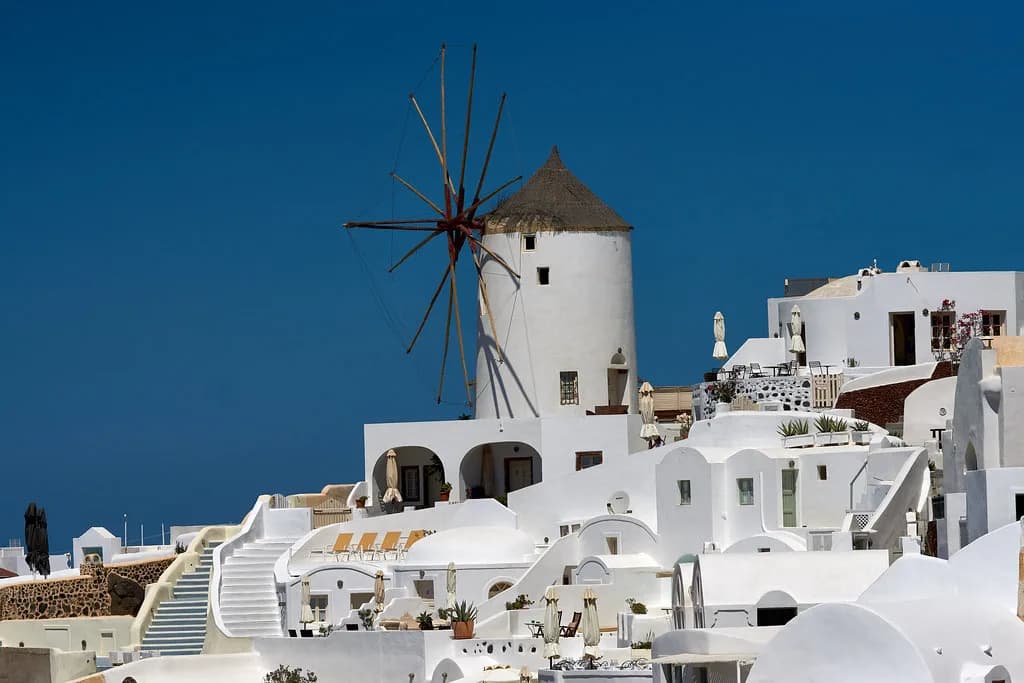
Santorini, Mykonos, Paros, Naxos and Sifnos still receive visitors, but the resort side of them sleeps and inter-island ferries thin out badly. Independent travelers who booked Crete and Santorini for the same week have found only one boat a week between them, not always on the day they needed. The practical rule is to choose one island and stay there rather than attempt a chain.
Athens in November
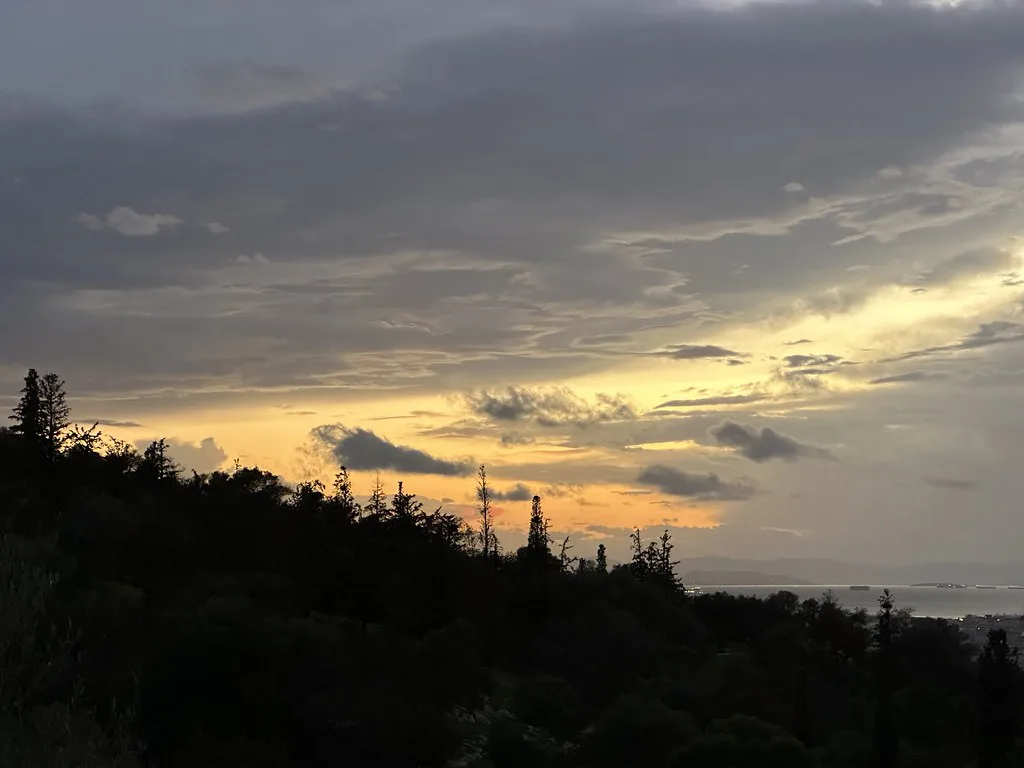
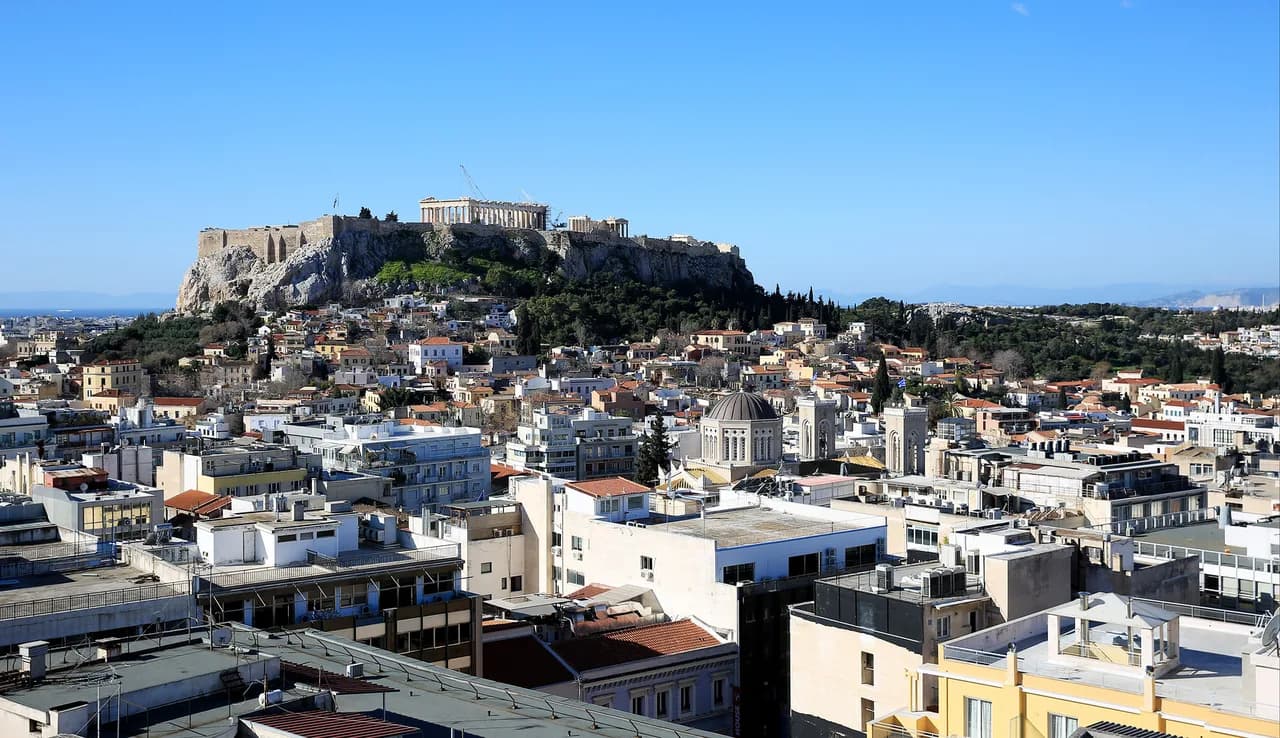
Athens is arguably at its best now: the Acropolis and the Ancient Agora come without lines, the paths through Kerameikos and the Roman Agora turn green, and the city's nightlife and live-music tavernas keep going strong. Use the mornings for outdoor sites and the afternoons for the Acropolis Museum and the National Archaeological Museum, both of which handle a rainy day well.
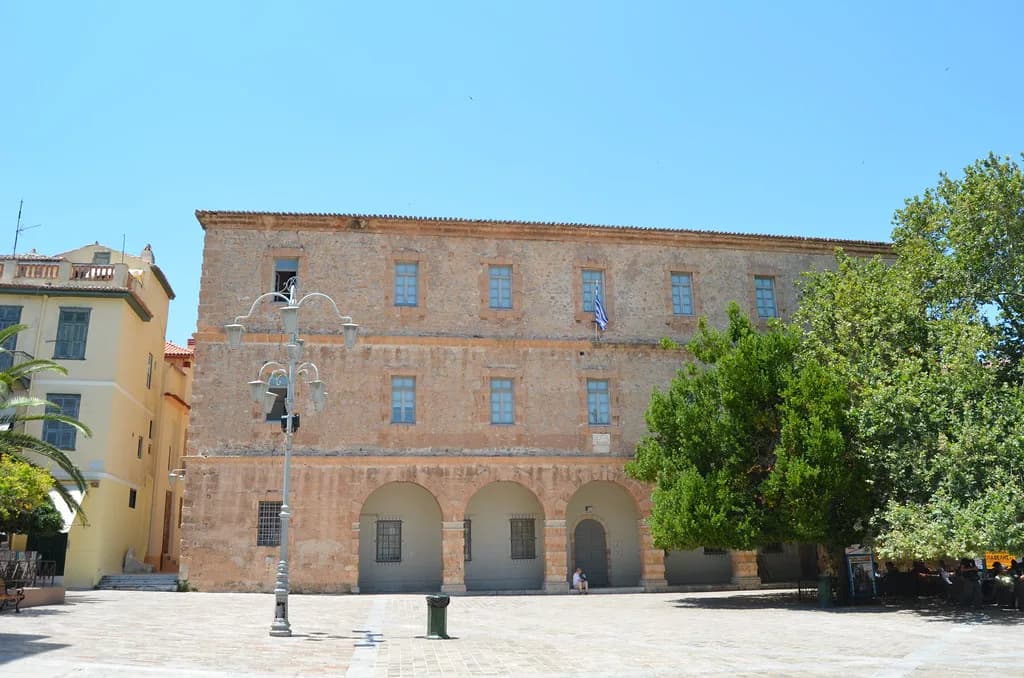
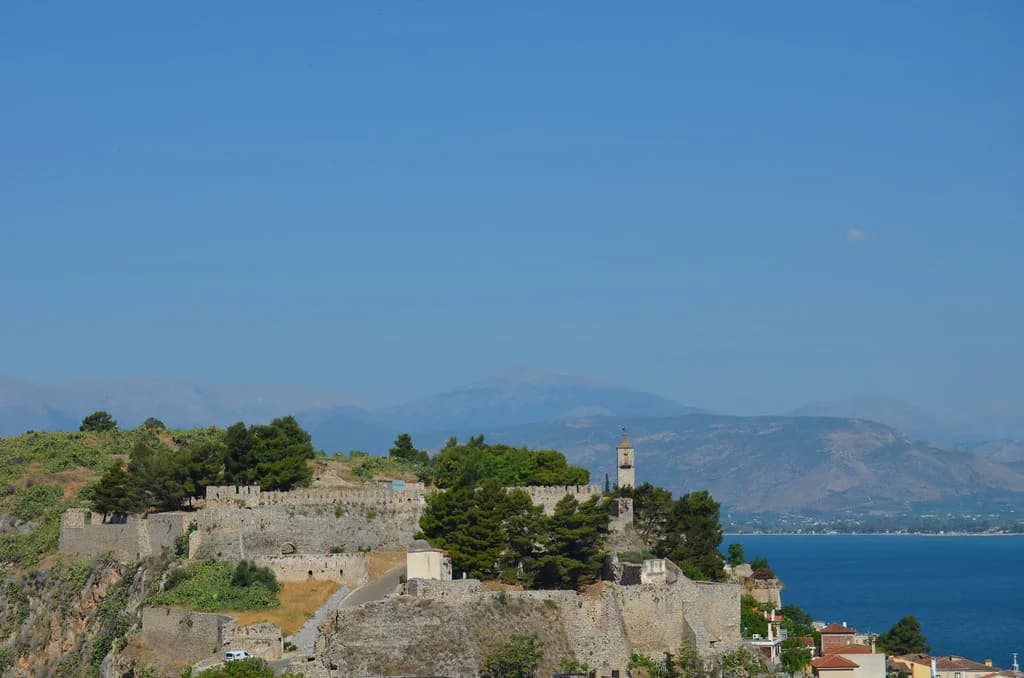
Day trips from the capital work comfortably in November: Delphi, Nafplio and the Argolis, and the Saronic islands via Piraeus are all realistic in a day or an overnight. Nafplio, with its car-free old town and busy restaurants, is a favorite winter escape for Athenians and a good island-like base you can reach by road. If you are weighing whether to come earlier or later in the season, the Greece in December guide shows how the city shifts as the holidays approach.
The Mainland and Meteora
Beyond Athens, the mainland is where November earns its reputation. Meteora's monasteries sit above valleys that may already carry the first snow, Zagori and Tzoumera National Park offer hiking without summer heat, and the Argolis grows oranges through the winter. Renting a car gives you the freedom to chase the drier side of the forecast, though mountain roads demand respect once the weather turns.
Events in November
The Athens Marathon, run along the historic route from Marathon to Athens, takes place on the second Sunday of November and briefly fills the capital with runners and spectators. Thessaloniki hosts contemporary Greek music events during the month, and Patras celebrates its patron saint with a parade and festivities on 25 November for the St. Andreas name day.
Food and Indoor Culture
November is winter-food season: bean soups, meatballs, spicy sausages, stuffed cabbage and hearty taverna plates replace the lighter summer menu. Rain is the natural prompt to move between museums, churches and long lunches, and the smaller crowds mean you can linger over a table without a reservation scramble. In Athens, head for the central market neighborhoods and the old taverna districts for the best of it.
Who November Suits and Who Should Wait
Come in November if you want ancient sites to yourself, green landscapes, low prices and city evenings, and if you are content to pick one island or skip them entirely. Wait for spring if your holiday depends on swimming, sunbathing or relaxed island-hopping, because the sea is cold and ferry links are thin. Late March brings Holy Week and Easter 2027, with warmer days and fuller transport, and the Greece in March guide explains what changes as the season turns.
Getting Around
Flights and ferries run on reduced winter schedules, so build flexibility into the itinerary and avoid tight connections between island groups. On the mainland, a rental car is the most efficient way to link Athens with Delphi, Nafplio, Meteora and the Peloponnese, while the Saronic islands remain reachable by frequent boats from Piraeus. Late booking is usually safe in November, since hotels and ferries are far from full.
Festive Lights Arrive
As November ends, Athens begins stringing up Christmas lights, Syntagma Square fills with families and the shopping streets turn festive. It is a pleasant coda to the month rather than the main reason to come, and the Christmas in Greece guide covers what the holiday itself looks like across the country.
Bringing a Dog to Greece in November
None of the sources for this guide deal with pets, so what follows is limited to what they do say about travelling in Greece in November, which shapes how a dog changes a trip. Novembers bring a mix of mild to warm, sunny days and plenty of rain interspersed throughout, with an average afternoon high of 66°F (19°C), and northern Greece and even the Peloponnese will be quite a bit rainier and cooler. Rain and cold, wet days mean more time indoors, and the sources point to museum-hopping and Athens' cultural activities as the natural answer when the weather turns; in practice that means the dog-friendly parts of the day are the walks, and the indoor hours need planning around a dog that cannot come inside.
Hiking is where a dog fits best. Swap the sandals for hiking boots and head to Zagori or Tzoumera National Park, and note that higher mountain elevations are now too cold for hiking, with snow already falling in places, so upland routes are out for anyone, dog or not. Meteora is spectacular, as the mountains may already be dusted with the first snows of winter, but the cliffside monasteries are not a place to bring an animal. Swimming is off the agenda: the seas are too cold for bathing unless you have a wetsuit.
Getting around constrains a dog more than the weather. Airlines and ferries will be operating on reduced schedules in November, and getting between islands that are not on the same ferry line can be challenging in the winter, with independent travellers who booked hotels in Crete and Santorini from November through March discovering there was only one boat a week between the two islands. A dog turns those thin timetables into a real risk of being stuck, so the mainland, where you can rent a car and let serendipity guide you as you drive around the Greek mainland or the island of Crete, is the more forgiving choice. Where to stay matters too: many restaurants and clubs will already have closed for the winter and most of the big resorts are closed, though there are hotels open on every island and restaurants too, and islands with large cities like Rhodes, Lesvos and Crete do not close for the winter. A quieter November, with prices dropped significantly and few visitors at the major historic sites, is easier on a dog than the summer crush; Santorini, Mykonos, Sifnos, Paros, Naxos, Crete, Rhodes, Syros and Lesvos all get visitors all year round.
Plan Your November Trip
November rewards a specific kind of trip: mild-to-wet days, empty ruins, strong food and low prices, with Athens as the natural hub and one island at most as the extension. Book the culture first, keep a rainy-day museum in reserve and leave the beach expectations at home.
Explore more Greece winter guides
Frequently Asked Questions
Is November a good time to visit Greece?
Yes, if you want culture, cities and low prices rather than beach weather. Days are mild but often wet, ancient sites are quiet and green, and airfares and rooms are at their cheapest. It is a poor month for swimming or ambitious island-hopping.
What is the weather like in Greece in November?
Typically mild and changeable. Athens averages about 15°C, with highs near 18°C and lows near 12°C, while Thessaloniki is cooler at highs around 15.7°C and lows around 9.3°C. Rain is common, the north and Peloponnese are wetter than the Cyclades and Dodecanese, and the sea is too cold for comfortable swimming.
Is Santorini worth visiting in November?
It can be, for the caldera views, villages and archaeology rather than beaches. Many resort hotels and seasonal restaurants close and inter-island ferries thin out, so treat Santorini as a single base and check boat connections before you commit.
Which Greek island is best in November?
Islands with real winter populations or large towns cope best: Crete, Rhodes, Syros, Lesvos and the Saronic islands near Athens. They keep hotels, tavernas and daily connections going, while resort islands go quiet.
Do ferries run in Greece in November?
Yes, but on reduced winter schedules, and links between different island groups can be as sparse as one boat a week. Stick to one island, allow slack in the itinerary and avoid tight onward connections.
Is November the cheapest month to visit Greece?
It is one of the cheapest, with fares and room rates well below summer levels. The broader off-season from autumn to spring brings the lowest prices, and November combines them with quieter sights.
Sources
Winter travel notes
Optional updates when we add or revise winter guides.
You might also like
Continue reading
More guides you'll find useful