Crete in November: Weather, What's Open and Whether to Go
Crete in November brings mild days, cooler nights and rain, with resorts winding down and cities still lively. Here is what to expect on a late-autumn trip.
On this page
By November, Crete has slipped out of summer and into a greener, quieter late autumn. Days stay mild along the coast, the first real rains have usually freshened the hillsides, and the resorts that hum in August begin to wind down for the season.
This is a month for travelers who would rather have Knossos and the old towns to themselves than guarantee a sun lounger. If your idea of a Greek island break is built around daily swimming and beach clubs, October is the safer bet; if you want cool walking weather, open museums and low-season quiet, November delivers.
Weather in November
Typical November conditions are mild rather than warm: the average high sits around 19–20°C (66–68°F), with cooler nights averaging near 12°C (54°F). Think light layers and a jacket for evenings rather than shorts all day, and expect occasional wet, breezy spells that pass through between bright intervals.
Another set of figures puts daytime temperatures in a 15–20°C (59–68°F) band with roughly six hours of sunshine a day, which is a fair description of a mixed late-autumn week. Treat any single number as a long-term average, not a forecast, and build a couple of indoor afternoons into your plan so a rainy day does not derail the trip.
Geography matters here. The north coast — Heraklion, Hersonissos, Malia, Elounda, Agios Nikolaos — catches cooling northerly winds off the Sea of Crete and tends to feel a touch cooler and breezier, while the central hills shelter the south around the Messara plain and Ierapetra. If you want the mildest afternoons, point your day trips south.
Daylight and the Sea
Days shorten noticeably through the month, so plan sightseeing for the morning and leave the late afternoon for museums, a long taverna lunch or the drive back. Archaeological sites and outdoor stops are best reached early, when the light is good and the ground still dry.
The sea holds its summer heat longer than the air does, hovering around 20°C (68°F) in November, which is swimmable for hardy swimmers and bracing for everyone else. Sheltered south-coast coves are the more comfortable option; if a daily swim is non-negotiable, come in October instead.
Rain becomes a real feature of the season as autumn advances, so a waterproof shell and shoes with grip earn their place on a walking day. The upside is a landscape that turns green and, in the countryside, the start of the olive harvest — a genuinely local November sight.
What's Open in November
The big seasonal shift happens in the resort belt around Hersonissos, Malia, Stalida and Elounda, where many summer hotels and beach businesses close once the season ends. Book accommodation in Heraklion, Chania or Rethymnon if you want year-round restaurants and a lively waterfront after dark, and use the wider Crete in winter picture to judge which bases stay active through the colder months.
The cities keep their museums, tavernas and everyday life going, and the major archaeological sights stay on their usual footing rather than shutting for the winter. Hours can shorten at smaller rural sites, so plan the day around a fixed opening time you have confirmed with the venue before driving out of your way.
Ferry and excursion schedules thin out as the season ends, and some boat trips and organized tours simply stop running until spring. Build flexibility into the itinerary rather than anchoring a whole day to one operator, and keep a backup plan that does not depend on the weather.
Things to Do in November
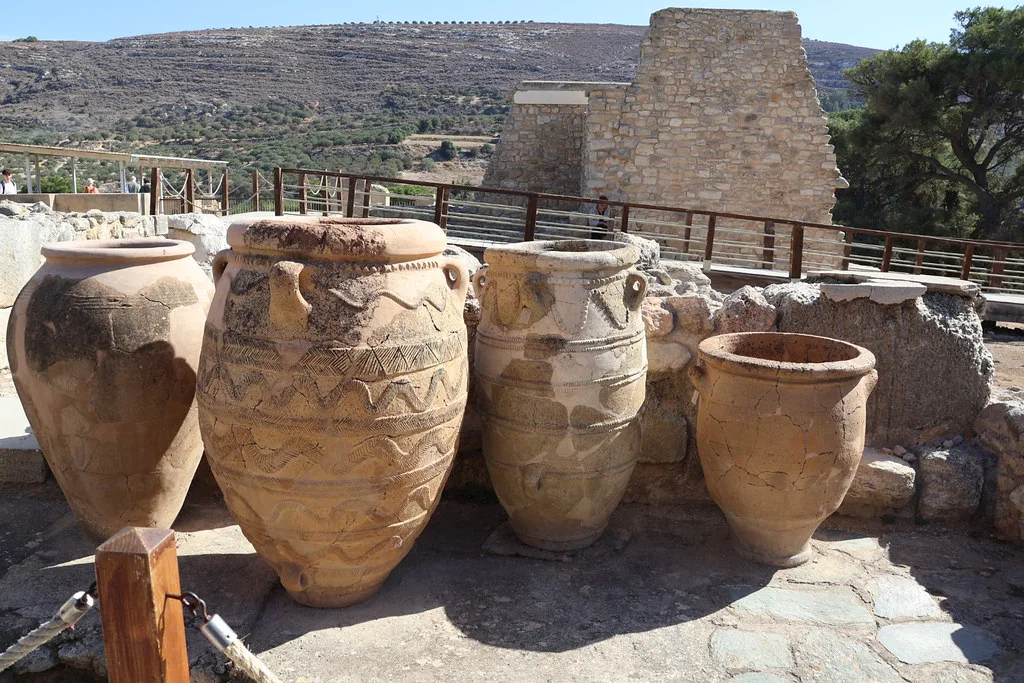
The Heraklion Archaeological Museum is the obvious rainy-day anchor, and pairing it with a visit to Knossos makes a full, rewarding day out of the Minoan story. Cooler temperatures make wandering the vast site far more pleasant than in high summer, when shade is scarce.
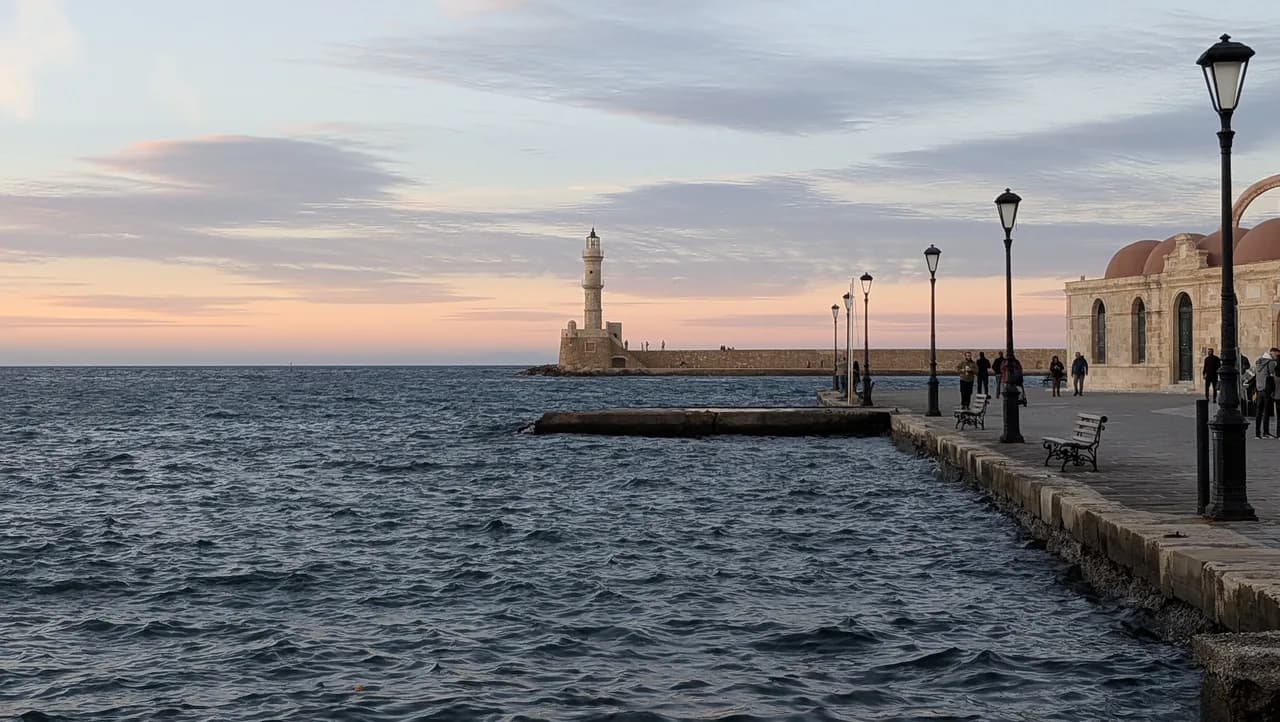
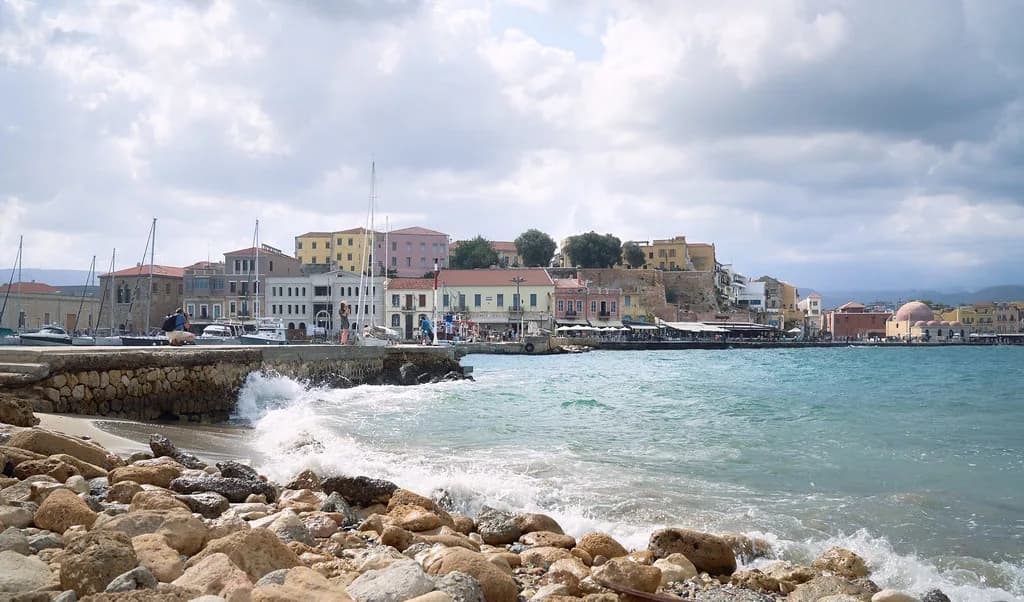
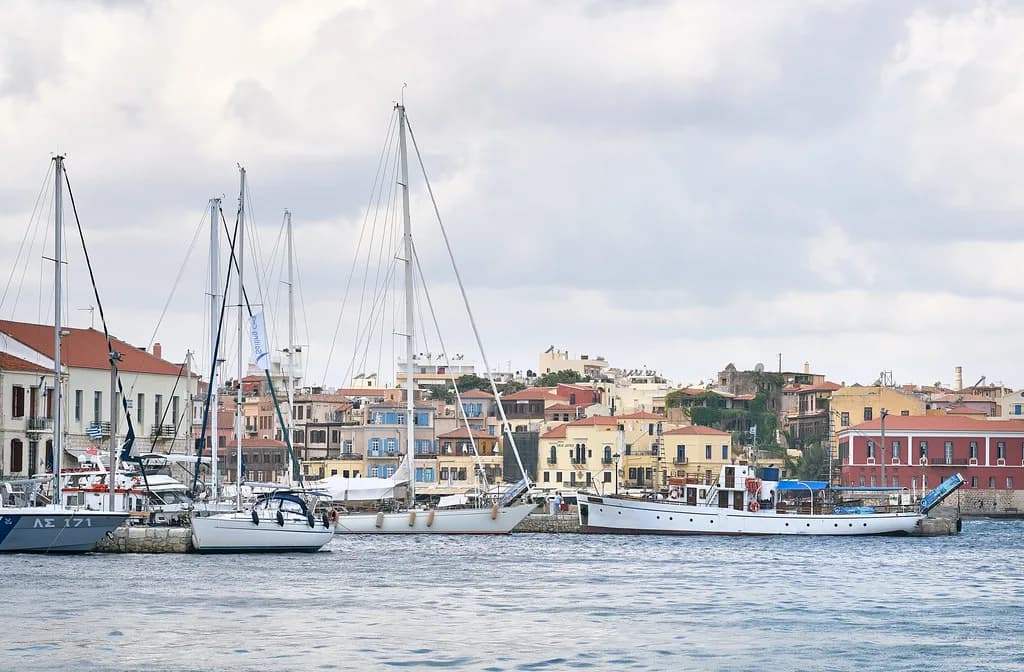
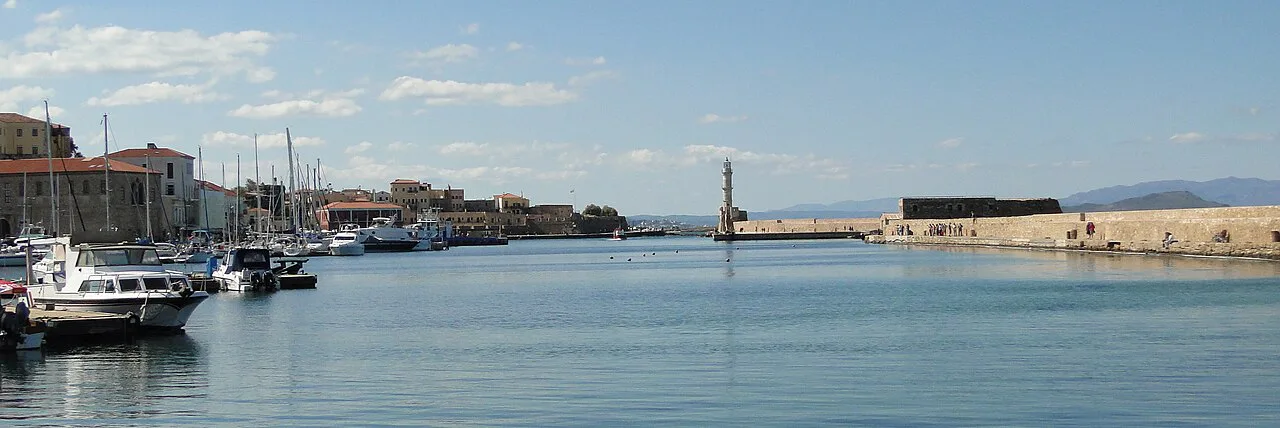
Chania's old town and Venetian harbor reward slow walking: lanes, a lighthouse, a covered market and plenty of cafés to duck into when a shower rolls through. Rethymnon's Venetian quarter works the same way, with narrow streets and a fortress that is at its best in soft autumn light.
Walking is November's real strength. The Samaria Gorge and other marked trails are far more comfortable without summer heat, though you should treat wet rock and shorter daylight with respect and start early. Mountain villages around Anogeia and the Amari valley suit a slow drive with lunch stops rather than a hard hike.
The Lasithi Plateau is a fine clear-day excursion, with mountain roads, windmills and villages to break up the drive; check conditions before heading up, as weather in the mountains is cooler and wetter than on the coast. Further east, Agios Nikolaos and the sheltered south around Ierapetra make a good pair for a two- or three-day loop.
What November Weather Can Throw at You
Autumn on Crete is genuinely variable: one week can bring bright, still days in the low twenties and the next can deliver gusty rain and grey skies. Locals treat November as a toss-up rather than a guarantee, which is exactly why the month rewards a flexible itinerary over a tightly booked one.
Average wind runs around nine miles per hour, strongest on exposed northern stretches, and rain totals build toward December rather than peaking early in the month. That pattern favors travelers who arrive in the first half of November and keep an eye on the sky before committing to a long drive.
Food and Local Life
Tavernas swing toward heartier winter cooking — braised meats, legumes, wild greens and pies — and portions tend to suit the cooler evenings. This is also olive-pressing season, when small mills around the countryside are busy and local oil is at its freshest.
Raki, chestnuts and mountain honey show up on menus and in village shops, and the pace is unhurried in a way that summer never is. Eating where locals eat rather than in seasonal resort strips gives you a much better sense of the island off-season.
Crowds, Prices and the Trade-offs
November is firmly low season. Sights are near-empty, roads are calm and accommodation outside the closed resort belt is easier to find, but you trade guaranteed sunshine, longer evenings and a full menu of boat trips and beach services for that quiet.
Expect shorter daylight, a higher chance of rain and thinner transport and excursion schedules, and plan around them rather than fighting them. Anyone who needs a beach holiday with reliable sun should look at October instead; anyone who wants empty ruins and cool walks will find November generous.
North Coast or South Coast
If you are based in Heraklion or Agios Nikolaos, expect breezier, slightly cooler days and plan indoor options for the wettest spells. Base yourself further south around Ierapetra or the Messara plain and you gain a bit of shelter and warmth, at the cost of longer drives to the big museums and the airport.
A split stay works well in November: a few days in Heraklion for the archaeology and city life, then a few in Chania or Rethymnon for the old towns and west-coast walks. It keeps you close to open restaurants while still letting you chase the better weather.
November Compared With October and December
October is warmer and busier, with a better chance of swimming and a fuller slate of boat trips, which makes it the stronger pick for a beach-leaning trip. November is cooler, quieter and cheaper-feeling, and much better for sightseeing without heat or queues. If you are considering November on Crete, the same trade-off between warmth and quiet shows up in Greece in November elsewhere, which is worth a look before you commit.
December is wetter and quieter still, and the holiday period brings its own rhythm to the cities. If you are weighing a deeper winter trip, compare what Crete in December looks like before committing to a later date.
Who November in Crete Suits
November suits walkers, sightseers, photographers and anyone who prefers a near-empty Knossos and a quiet harbor to a crowded beach. It also suits travelers on a budget who can be flexible about weather and do not need every excursion to run.
It does not suit travelers whose main goal is sunbathing, swimming every day or a resort-style holiday with everything on site. Families tied to school breaks and beach time should look at October or wait for spring, when the island reopens for the season.
Plan Your November Trip
Go to Crete in November for the archaeology, the old towns, the walking and the local food, and treat the weather as a mixed but workable companion. Book a city base rather than a seasonal resort, keep an indoor backup for wet afternoons and start outdoor days early while the light lasts.
If you plan to push deeper into the colder months, weigh November against Crete in February, when the island is at its quietest and the mountain roads may see snow. Either way, the season rewards travelers who plan around the weather rather than against it.
Explore more Crete winter guides
Frequently Asked Questions
Is Crete warm in November?
It is mild rather than warm. Typical November days average around 19–20°C (66–68°F) with nights near 12°C (54°F), and rain becomes more likely as the month goes on. Treat those as long-term averages, not a forecast, and pack for cool evenings and wet spells.
Can you swim in Crete in November?
The sea stays around 20°C (68°F), so hardy swimmers can still get in, especially in sheltered south-coast coves. Most travelers will find it bracing, and beach businesses in the resort areas are winding down, so do not plan a trip around daily swimming.
Is Crete busy in November?
No. November is low season, with near-empty archaeological sites, calm roads and plenty of space in the cities. Seasonal hotels and beach businesses around the resort belt close, so choose a city base such as Heraklion, Chania or Rethymnon for year-round restaurants and life.
What is there to do in Crete in November?
Focus on the Heraklion Archaeological Museum and Knossos, the old towns and harbors of Chania and Rethymnon, and walking in cooler weather on trails and mountain roads. The olive harvest and heartier taverna cooking give the month a distinctly local flavor.
Is Chania or Heraklion better in November?
Heraklion is stronger for archaeology and city energy, with the museum and Knossos close by. Chania offers a more atmospheric old town and harbor for slow wandering, and pairs well with west-coast walks. A split stay covers both comfortably.
Should I visit Crete in October or November?
Choose October if you want warmer days, a better chance of swimming and more excursions running. Choose November if you want lower-season quiet, empty sights and cool walking weather, and can accept shorter days and some rain.
Sources
Winter travel notes
Optional updates when we add or revise winter guides.
You might also like
Continue reading
More guides you'll find useful