Crete in March: Weather, What's Open and Whether to Go
Crete in March brings mild days around 16-17°C, a cold sea and gorges still closed. See what is open, what is on, and who should wait for April.
On this page
March on Crete is early spring on Europe's southernmost island, and it behaves like a shoulder month rather than a warm one. Towns are quiet, the hills are green, snow often still caps the White Mountains, and the sea stays cold enough that most visitors walk the shore rather than swim. The month rewards people who want museums, old towns and long walks without summer heat or crowds, and it frustrates anyone hoping for beach days.
The one structural complication in 2027 is Easter, which falls unusually early: Easter Sunday is 28 March 2027, with Holy Week running 21–28 March. That single fact reshapes the last week of the month, from accommodation demand to which towns feel busy. Understanding March in Crete means splitting it into three parts — early March, mid-March, and the Easter week — because they feel like different destinations.
Weather in March
Typical March conditions on Crete are mild by day and cool at night, with the island consistently warmer than the rest of Greece in this month. Daytime temperatures often reach 17–20°C (63–68°F) along the north coast, while forum reports from recent March trips describe roughly 16°C (61°F) daytime and a handful of rainy days. Treat these as long-term averages and seasonal norms, not a forecast.
Rain is the variable to plan around. March sits at the tail of the wet season, and showers tend to arrive in passes rather than settle in for days; coastal areas on the north side, around Chania and Rethymno, catch more wind and weather than the sheltered south. Snow is rare at sea level but common on the Lefka Ori above roughly 1,000 metres, where the peaks can stay white into spring and occasionally close high mountain roads.
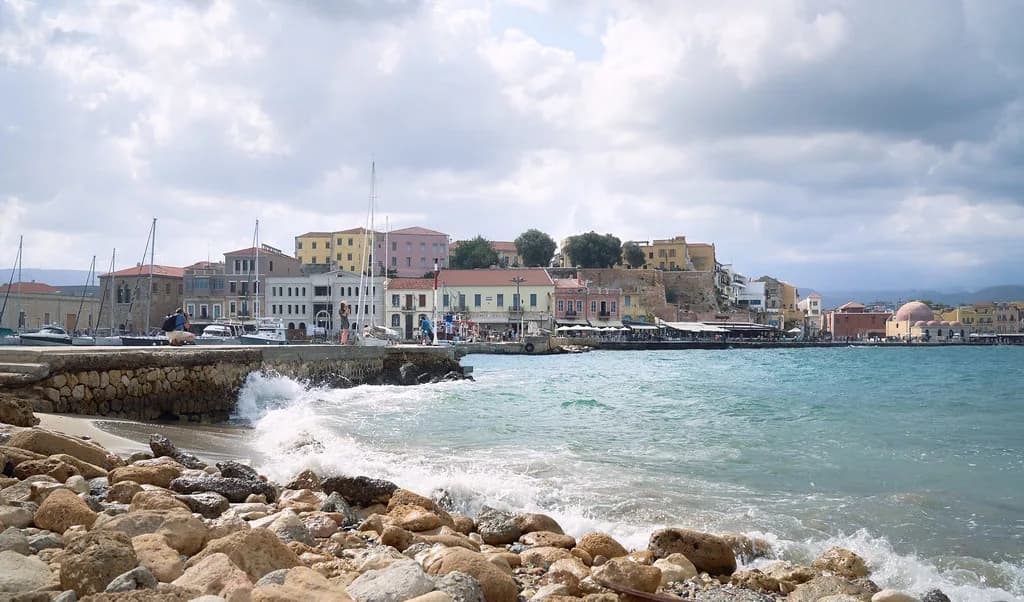
The sea is the month's biggest limitation. Water temperatures lag the air by weeks, so even on a bright 18°C afternoon the water feels cold enough that swimming is a brief, bracing dip for the hardy rather than a normal activity. If a beach holiday is the point of the trip, March will disappoint; if coastal walks and sea-view lunches are the point, it is excellent.
Daylight and the Clocks
March days start short and lengthen noticeably. At the start of the month, sunset arrives around 18:30, which squeezes sightseeing into a fairly tight window; by the end, the evening stretches well past 19:30. European clocks go forward on 28 March 2027, adding an extra hour of usable evening light — the same Sunday as Easter — so late March gives you materially more daylight than early March, even though the temperatures differ only slightly.
Practical consequences: schedule archaeological sites and long drives for the late morning and early afternoon, and keep towns, museums and tavernas for the shoulder hours. An early-March trip with outdoor plans needs shorter distances between stops than the same itinerary in late March would.
What Is Open in March
The distinction that matters most is between year-round cities and seasonal resort strips. Chania, Rethymno and Heraklion operate all year as working cities, with tavernas, bakeries, cafés, museums and shops serving locals through the winter. The purpose-built resort areas along the north coast, and the smaller beach towns, largely close from November until spring, so basing yourself there in March means empty streets and limited dining.
Major archaeological sites and museums — Knossos, the Heraklion Archaeological Museum, the Maritime Museum in Chania's Firkas Fortress, the Archaeological Museum of Chania — keep normal hours year-round, though some sites run shorter winter hours that change in spring. Rather than guess, check the official site or the regional tourism office for the specific site before you build a day around it.
Gorges and Mountain Walks
The Samaria Gorge is the hike most visitors want, and March is not its season; the long national park route through the gorge opens later in spring. The realistic alternative is the Imbros Gorge, which is shorter, lower and easier, and can be walked while the White Mountains still carry snow. Local advice for March is explicit that the gorges are closed and the higher routes are not yet running, so treat any long gorge crossing as a late-April plan, not a March one.
For mountain scenery without committing to a gorge, the plateau villages of the Lasithi Plateau and the roads around the White Mountains offer the best of March: snow on the peaks, green valleys below, and almost no traffic. Check road conditions locally before heading up, since a late snowfall can close passes, and start early to make the most of the daylight.
Lower coastal and village walks are the most reliable option in March. Paths around Chania's Akrotiri peninsula, the hinterland around Vamos and the villages above Rethymno give you half-day routes with tavernas at either end and no altitude risk. Muddy ground after rain is the trade-off; bring shoes with grip and plan a shorter route than you would in May.
Things to Do
Indoor sights are the backbone of a March trip. The Heraklion Archaeological Museum holds the world's best collection of Minoan artefacts, including the Phaistos Disc and the Knossos frescoes, and in March you can see it without the summer queues. Combine it with the Palace of Knossos outside the city, which is exposed and better on a dry morning than a wet afternoon.
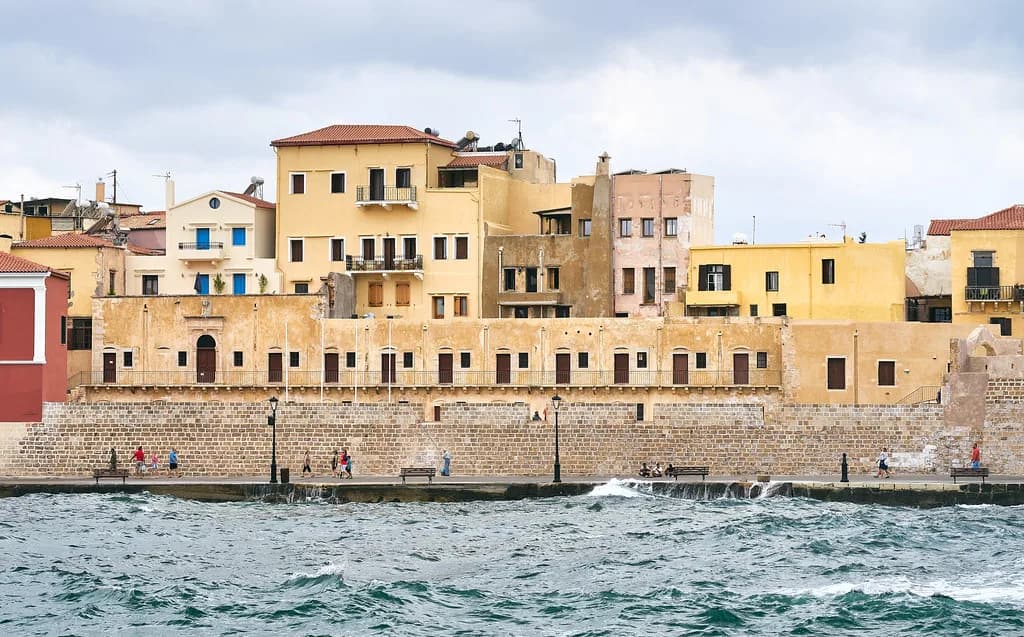
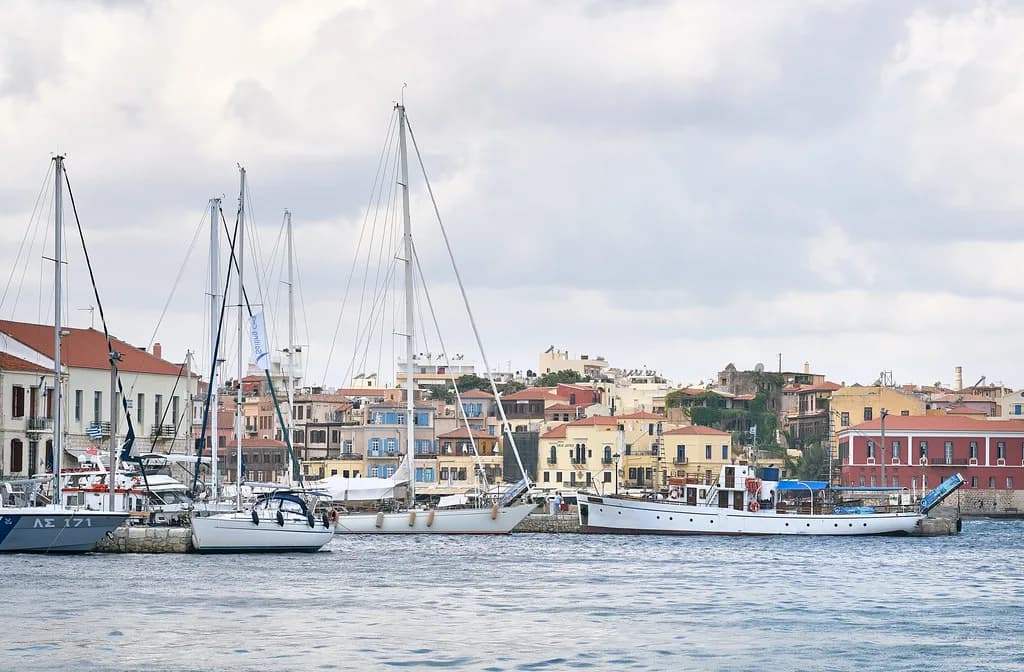
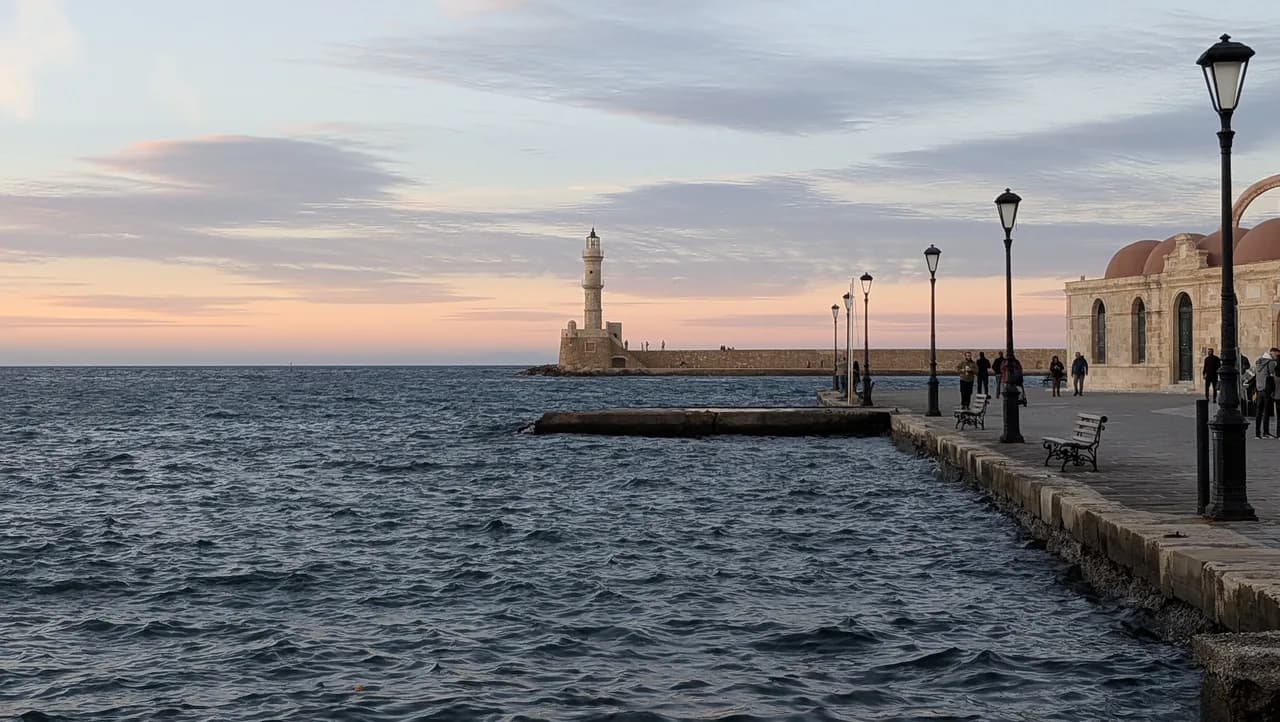
Chania is the best single base for a first March trip. The Old Venetian Harbour, the Venetian Lighthouse, the lanes of the old town and the covered market reward slow wandering, and the city keeps its cafés and restaurants open through the season. Chania's Santa Run and Christmas activities are long finished by March; the city in March is about everyday Cretan life, not festival programming.
Rethymno's Venetian and Ottoman old town, with its harbour and narrow lanes, is a natural half-day and pairs well with a long lunch. Further east, Agios Nikolaos and the lake at its centre make a gentle stop on a coastal drive, and the Lasithi plateau is within reach from there on a full day. None of these need summer weather to be worth the trip.
Cooking classes and olive oil tastings run through the quieter months, and March is a good month for both: the olive harvest has mostly finished, presses are winding down, and local producers have time to talk. A half-day class in the Chania or Rethymno hinterland is a sensible rainy-day substitute for a planned walk.
Carnival and Lent
Carnival in Crete belongs to February, not March. Carnival Tuesday falls on 9 February 2027, Ash Wednesday on 10 February, and Clean Monday follows immediately; by March the island is inside Lent, and the season's programming is religious rather than carnival. If the masked parades and costume parties are what you want, Crete in February is the month to plan.
What March does offer is church life in the run-up to Easter: longer services, fasting menus in tavernas and, in the final week, processions and preparations across the island. The Christmas season — markets, the Blessing of the Waters on 6 January, the Vasilopita on New Year's Day — is well behind by March.
One footnote for anyone who assumed the whole island shuts after New Year: Crete's holiday period ends with Epiphany on 6 January, after which the season of festivals gives way to ordinary winter. March is therefore a month of local routine and Lenten cooking rather than public celebration, which is either exactly the appeal or a reason to pick another month.
Holy Week and Easter 2027
Easter Sunday 2027 falls on 28 March, which means Holy Week runs 21–28 March and the whole of the final week of the month is shaped by it. Orthodox Easter services, fasting food, midnight liturgies and family travel make this a genuinely atmospheric time to be on Crete, and it is the strongest single argument for booking the last week of March rather than the first.
The trade-off is availability. Domestic travel rises sharply over the Easter period, so ferries, car rentals and the limited stock of open hotels in the quieter towns fill earlier than they do in mid-March. If Easter week is the plan, book transport and a car well ahead, and expect the Easter weekend itself to feel busy compared with the rest of the month.
Day Trips That Work in March
The strongest March day trips are short and flexible. Knossos from Heraklion, Rethymno from Chania or Heraklion, the Akrotiri monasteries and the Therisos gorge drive from Chania all fit a single day and can be swapped if the weather turns. Long loops to the far east of the island, by contrast, eat most of a short March day in driving, and are better saved for a longer trip or a later month.
Weather-watching should drive the plan. On a wet day, take the Heraklion Archaeological Museum, the Maritime Museum in Chania or a long lunch; on a clear day, go high into the White Mountains or out along the coast. The mistake visitors make in March is booking fixed full-day tours on consecutive days and then sitting through them in rain.
Food in March
March cooking on Crete is still winter cooking. Expect slow-braised pork and apaki, wild greens, artichokes, snails, mountain herbs, sheep's and goat's cheeses, and the wood-fired oven dishes that Cretan tavernas serve through the cooler months. It is one of the best months for eating because the food is hearty and the tavernas are not stretched.
Olive oil is the thread running through all of it. The harvest runs from November to January, so by March the new oil is pressed and being used, and producers in the Chania and Rethymno hinterland are often willing to show visitors the process. Meals finish with raki, the local spirit, usually offered with a small dessert; accepting is the polite move even if you only touch the glass to your lips.
Crowds and Prices
March is quiet, and that is the central selling point. Museums and sites are uncrowded, old towns are walkable, tavernas seat you without a booking, and the overall price level is well below summer. Exactly how much lower varies too much to quote as a figure, and depends on whether you are in Easter week; compare actual dates and properties rather than relying on seasonal rules of thumb.
The trade-offs are real: rain that can wipe out a day's plan, short daylight at the start of the month, a sea too cold to swim in, and seasonal businesses still shut. Mountain roads can be affected by snow, and some ferries and buses run reduced winter schedules. Anyone who needs guaranteed sunshine, warm water or a full choice of restaurants should look at late May or June instead.
Who March Suits
March is excellent for walkers, culture travelers and anyone who prefers a quiet island to a busy one. It suits people who want to see Knossos and the Heraklion Archaeological Museum without queues, walk the Imbros Gorge and the mountain villages, base themselves in Chania or Rethymno in a working city, and accept a few wet days in exchange for low prices and empty roads.
It does not suit visitors who want to swim, sunbathe, take regular boat trips or eat at a full choice of beachfront restaurants. If you have a week off in March and want guaranteed warmth, the same week on Corfu is milder still, and Rhodes is warmer than either. But if early spring scenery, food and space matter more than the sea, March delivers more than any other month.
Getting Around
A car is the most useful single decision in March. It lets you chase the weather across the island, reach Imbros, the plateau villages and the monastery roads, and avoid waiting for reduced winter buses. Roads in the hills are narrow and winding and can be affected by rain and snow, so drive carefully and allow more time than the distance suggests.
Public transport works for a city-based trip. Buses connect Heraklion, Rethymno and Chania reliably, but timetables thin out at weekends and around holidays, so plan around them rather than assuming a summer frequency. Crete has two main airports, at Heraklion and Chania, both served year-round, plus ferries from Piraeus that run on reduced winter schedules.
The Verdict on March in Crete
Go in March if you want Crete for its landscape, food and history — cool, green, quiet and affordable, with empty old towns and trails that are comfortable to walk. If you want the sea, sand and reliable boat trips, wait for late May or June; if you want festival atmosphere, aim for the last week when Easter 2027 falls on 28 March, and book your car and ferry early.
Frequently Asked Questions
Is Crete warm in March?
Mild rather than warm. Typical daytime temperatures on the north coast run around 17–20°C, with cooler nights and a handful of rainy days across the month. It is comfortable for walking and sightseeing, but not beach weather.
Can you swim in Crete in March?
For most people, no. The sea stays cold well into spring, so swimming is a short, bracing dip on a mild day rather than a normal activity. Plan coastal walks and sea-view lunches instead, and save swimming for late May onwards.
Is everything open in Crete in March?
Cities like Chania, Rethymno and Heraklion operate year-round, as do the major museums and archaeological sites. Seasonal resort strips and beach towns stay largely closed, and some ferries and buses run reduced winter timetables.
Is March a good time to visit Crete?
Yes for walkers, culture travelers and anyone who prefers empty towns and low prices. No for beach holidays, swimming or boat-trip-focused trips, which need late May or June.
Are the gorges open in March?
Samaria is not running in March. The Imbros Gorge is the realistic lower-altitude alternative, and higher routes and long crossings are better left to late April. Check conditions locally before setting out.
Is late March better than early March in Crete?
Late March gives noticeably longer days, especially after the clocks go forward on 28 March 2027, and often milder conditions. In 2027 the last week also brings Holy Week and Orthodox Easter, which adds atmosphere but also demand for transport and accommodation.
Sources
Winter travel notes
Optional updates when we add or revise winter guides.
You might also like
Continue reading
More guides you'll find useful