Crete in February: Weather, What's Open and Who It Suits
Crete in February brings mild coastal days, snow on the mountains and a quiet, mostly local island. See typical weather, what stays open and who it suits.
On this page
February is the quietest month of the Cretan year, and that is the whole point. The coast is mild enough for long walks, the hills are at their greenest, and the crowds that fill Chania and Rethymno in summer are simply not there.
It is also a month of contrasts. You can eat lunch outside in a coastal town and look up at snow on the White Mountains or Psiloritis in the same afternoon, so the trip works best for travelers who want towns, food, walking and landscape rather than beach days.
What February Is Like on Crete
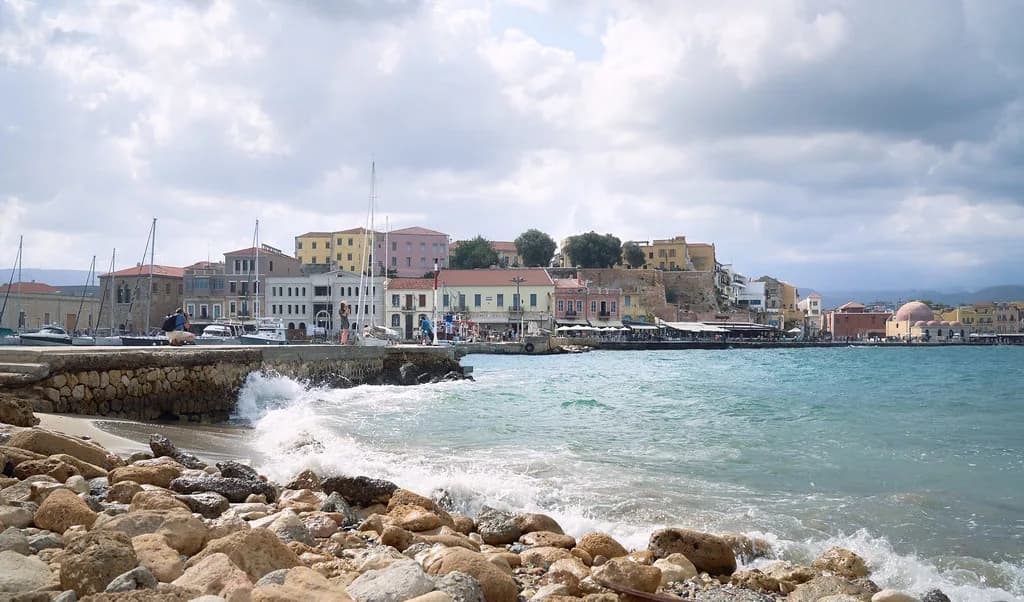
The island splits into two February experiences. Along the north coast, from Chania east to Agios Nikolaos and Sitia, days are often bright and mild, with rain arriving in spells rather than all day. Inland and above roughly a few hundred meters, and on the peaks, it is genuinely cold and often snowy.
Resort strips and beach villages empty out, some tavernas close for the season, and everyday life concentrates in the year-round towns. That means fewer choices in the coastal fringe but a more authentic, and cheaper-feeling, island: the trade-off is that you should plan around open towns rather than open beaches.
February typically sits at the cooler end of the Cretan winter, so treat any single day as variable. The pattern to plan for is a mix of mild, sunny afternoons and wet or windy spells, with much colder conditions whenever you gain altitude.
Weather in February
Use long-term averages as a planning guide, not a forecast. Crete's south coast, around Ierapetra and the Messara plain, is generally the mildest and driest part of the island in winter, while the north coast and the mountain villages are wetter and cooler. For exact February normals, including typical highs and lows in Celsius and Fahrenheit, rainfall totals and sunshine hours, rely on the official Greek national weather service rather than on any single weather app.
Sea temperatures around Crete reach their annual low in February, so swimming is for the hardy rather than the typical visitor. Winter rain in Crete often falls as short, heavy showers, and the wind can be strong on exposed coasts and passes, which matters more than the air temperature on a bad day.
Short Days and Mountain Weather
February days on Crete are still short, with sunset in the early evening rather than late, so build sightseeing around daylight. That makes the month better suited to a base in one or two towns than to a rushed circuit of the whole island.
Altitude changes everything. A coastal walk may be pleasant in a light jacket while the same day brings snow and ice on the high roads toward the Omalos plateau or the Psiloritis slopes. If your plan includes mountain villages or the plateau, check road conditions locally before setting out.
What Is Open in February
The big archaeological sites and museums generally operate on winter schedules in February, with shorter daily hours than in summer. Knossos, the Heraklion Archaeological Museum and the major sites at Phaistos and Gortyn reward a February visit precisely because you are not shuffling through in a crowd.
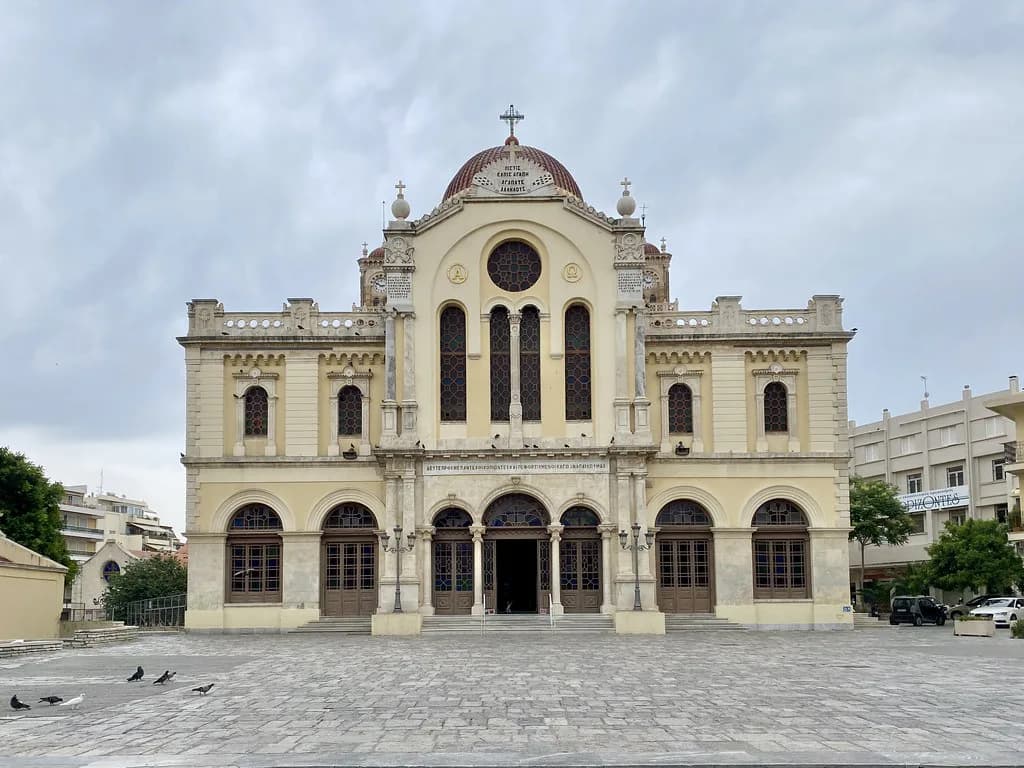
Coastal hotels, beach bars and many seasonal restaurants shut from roughly November, so check that your chosen base is a working town. Chania, Rethymno and Heraklion keep their old towns, cafes and tavernas going year-round, and smaller places such as Agios Nikolaos stay livelier than the resort strips nearby.
Museums, sites and tavernas set their own winter days and hours, so match your shortlist to what each venue posts for the month. A short, focused list of must-sees is more realistic than a long checklist.
Carnival Season and Apokries
February is Carnival month in Greece, and Crete celebrates Apokries with local parades, costumes and music, especially in Rethymno, which has one of the island's best-known Carnival traditions. Carnival Tuesday falls in February in 2027, but always confirm exact dates with the municipal tourism office, as the Orthodox Easter calendar shifts each year.
Carnival events are organized locally and vary by town and year, so confirm dates and locations with the municipal tourism office rather than assuming a fixed program. Outside Carnival week, February has no major national holiday to plan around, which keeps the island calm for most of the month.
Things to Do in Chania, Rethymno and Heraklion
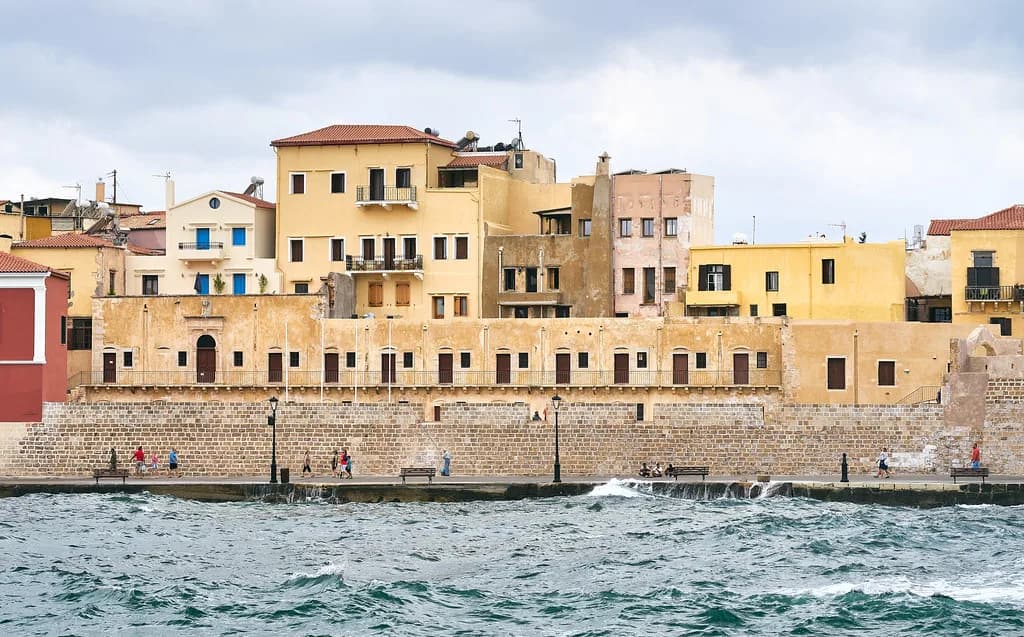
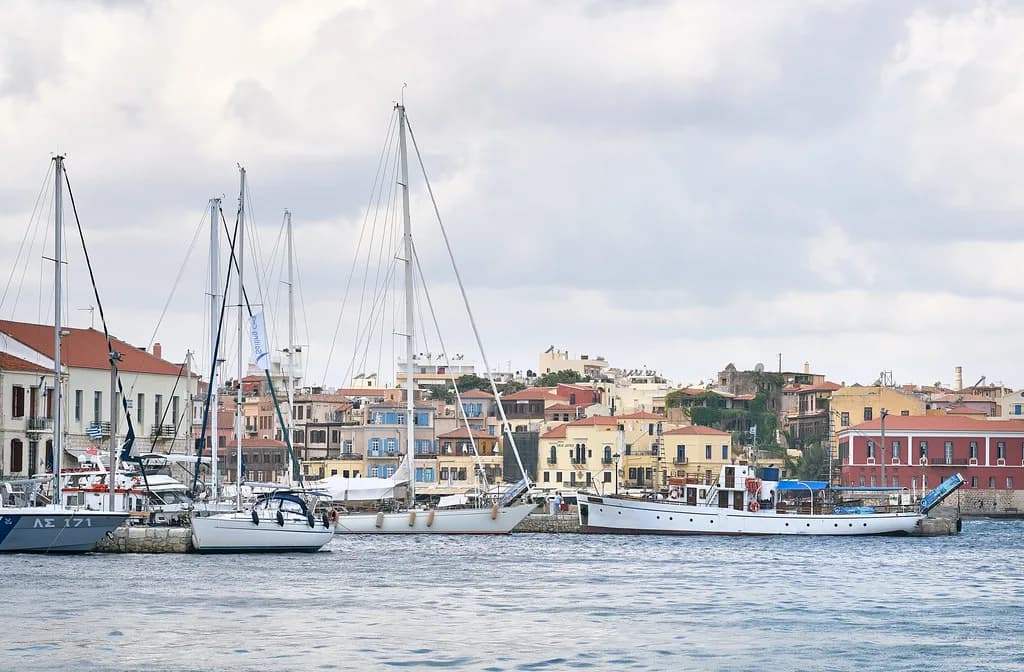
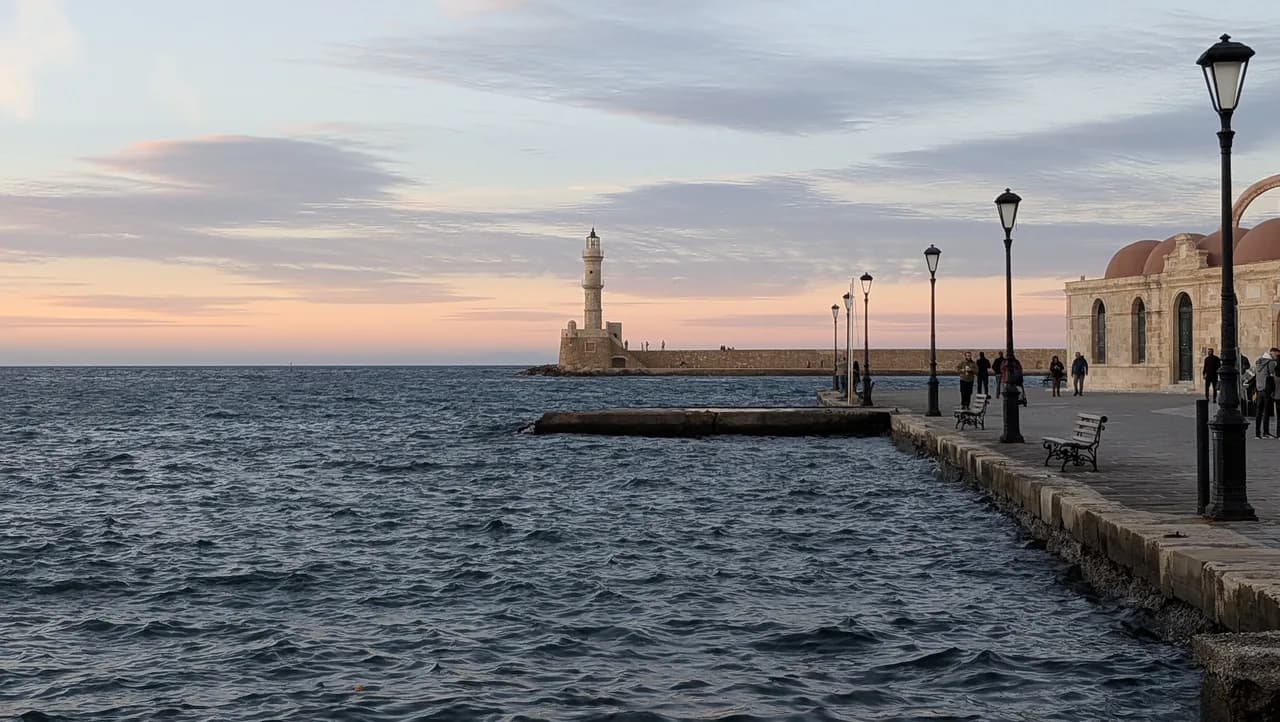
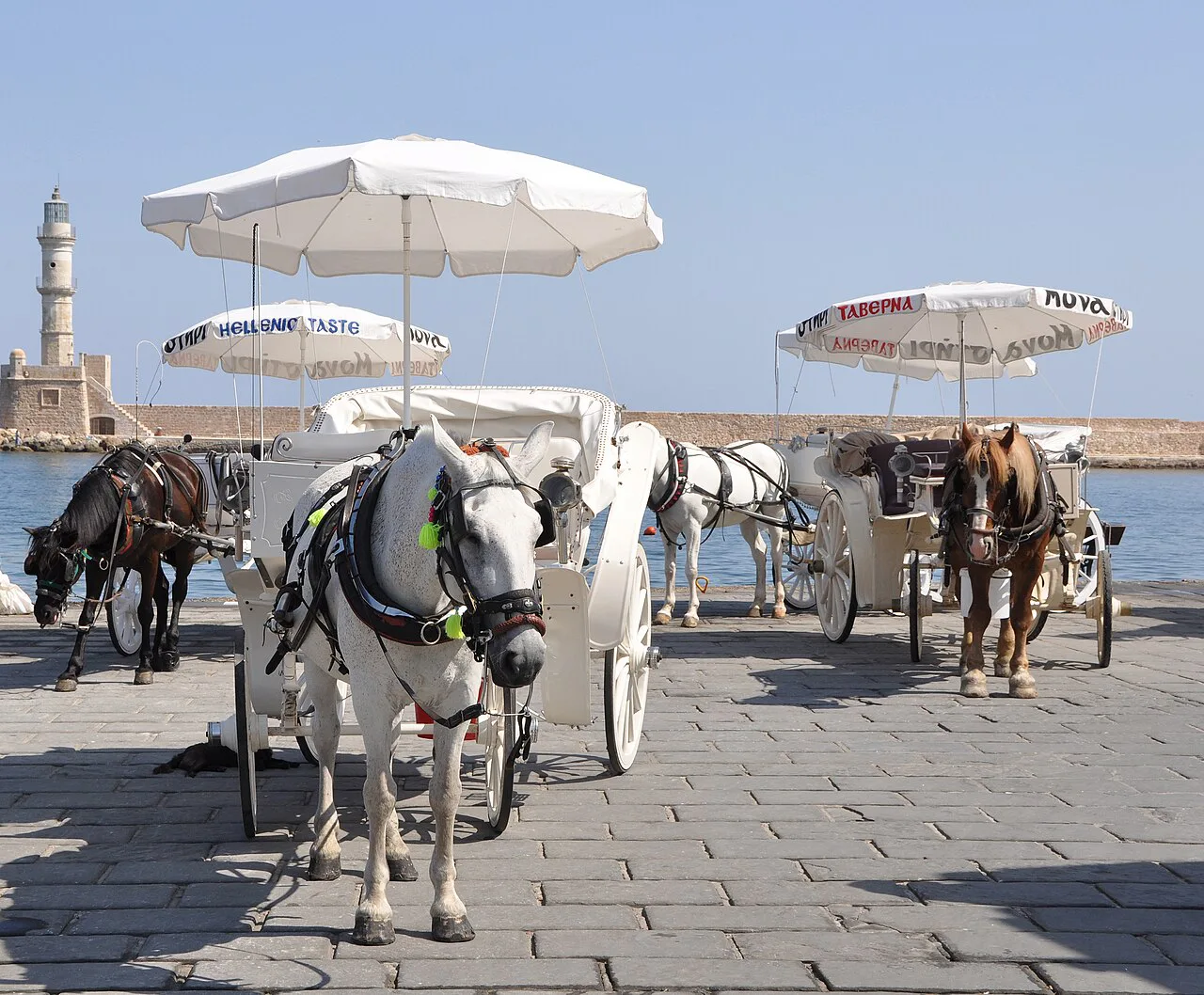
The old towns are the heart of a February trip. Chania's Venetian harbor, Rethymno's lanes and Heraklion's center are all walkable, with cafes and tavernas to duck into when showers pass. This is also the best month for long, unhurried meals of Cretan cheese, greens, lamb and raki.
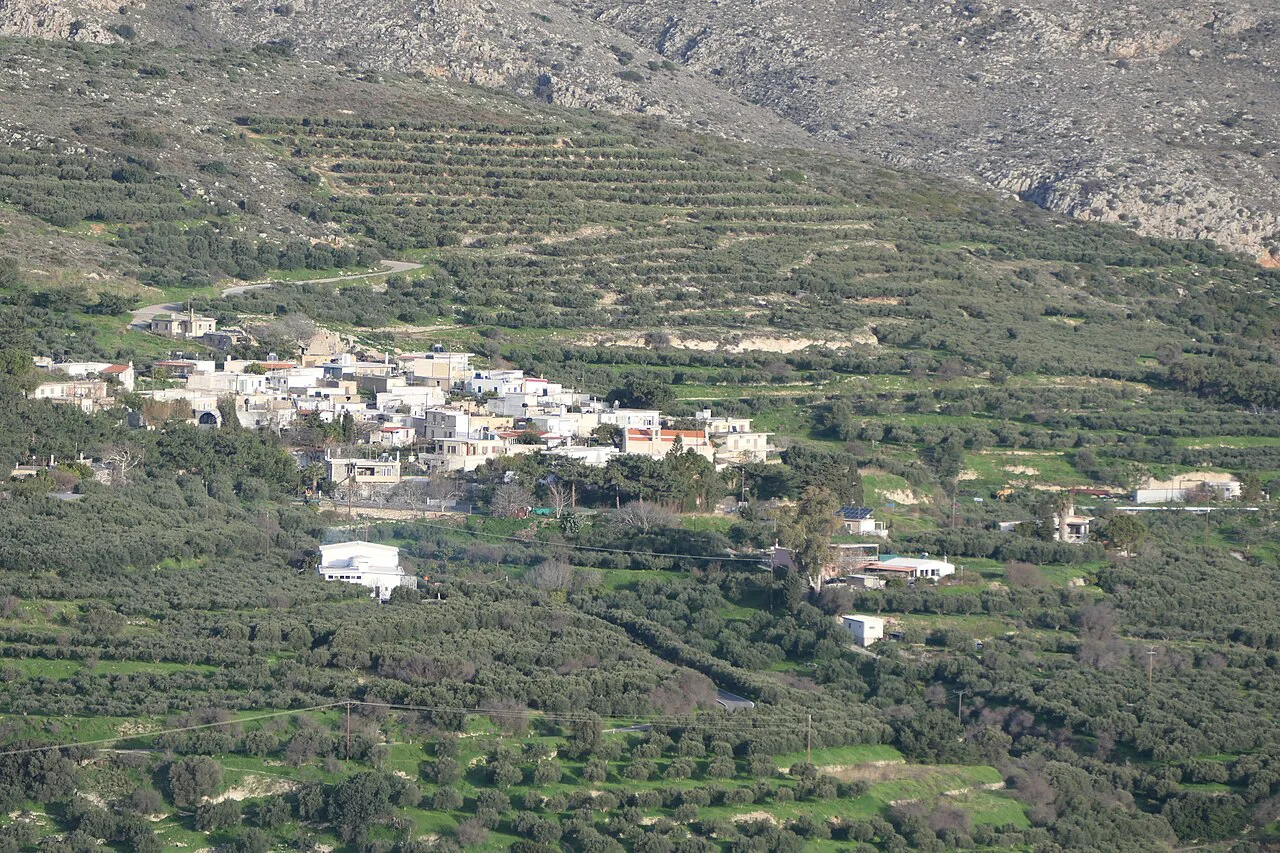
February sits at the tail end of the olive harvest and the citrus season, so you can still see olives being pressed and buy fresh oil and oranges in village markets. Winter temperatures on the coast hover around the mid-teens Celsius by day, which turns the countryside green and the orchards fragrant; winery visits and rural tavernas make a good wet-weather plan, though many producers prefer a call ahead in winter.
Pair a town day with a site: Knossos and the Heraklion Archaeological Museum make a strong single day, and the Palace of Knossos is far more legible without summer crowds and heat.
Hiking and the Green Countryside
Winter rain turns Crete green, and February is excellent for low and mid-altitude walking along the coast and through olive groves. The famous Samaria Gorge is a summer-only proposition, so in February choose shorter coastal and village paths instead.
The Lasithi Plateau, ringed by mountains in eastern Crete, is a rewarding winter day out for the landscape and village life, but expect cold and possible snow on the access roads. Check conditions on the day before driving up.
Snow and the High Mountains
Crete's high country is the surprise of a February trip. Psiloritis, the island's highest summit, and the White Mountains above Chania commonly hold snow in midwinter, and you can see it from the coast on clear days. This is mountain weather, not resort infrastructure, so treat it as scenery and short walks rather than a ski holiday.
If snow is a priority, plan a flexible day and ask locally about road access; mountain roads can close after a storm. The reward is a landscape of white peaks above a green and blue coast that few visitors see.
Day Trips That Work in February
In the west, Chania makes a good base for Rethymno, the Akrotiri peninsula and the foothills of the White Mountains. In the east, Agios Nikolaos and Sitia give access to quieter coastlines and the Lasithi Plateau. In the center, Heraklion is the practical base for Knossos and the south.
Keep day trips short and weather-led in February. A wet morning is a museum morning; a bright one is for a coastal drive or a village lunch, and that flexibility is easier with a single well-placed base than with several moves.
Crowds, Costs and Trade-offs
February is low season, so accommodation and car rental rates are typically well below summer levels, and restaurants are quieter. At the same time, some places close entirely, ferries and intercity buses may run reduced winter schedules, and short daylight limits how much you can fit into a day.
The bargain is real but so is the compromise: you get an uncrowded, local island and lose reliable beach weather and the full choice of seaside dining. If your ideal holiday is sunbathing and swimming, February will disappoint; if it is towns, food, walking and mountain scenery, it delivers.
Who February Suits
This month suits couples and independent travelers who value quiet, food, archaeology and landscape over beach time, and who are comfortable with changeable weather. It is also a good fit for hikers and photographers, and for anyone who wants to see Greek island life without the summer performance.
Travelers who want guaranteed sun, warm sea or a full resort scene should look at a later month, when the island warms up and more places reopen. February is a connoisseur's month, not a beach month.
Getting Around Crete in February
A car is the most practical way to travel in February, since it lets you chase the better weather and reach villages off the bus lines. Mountain roads need care after rain or snow, and winter tire rules and rental conditions are worth checking with your rental company before you drive into the high country.
Ferries to and from Crete run year-round but on reduced winter schedules, and weather can cause cancellations, so avoid tight connections with flights. Intercity buses connect the main towns on winter timetables, but rural services are thin, so plan around the main routes.
Taking a Dog to Crete in February
If you are travelling with a dog, February's quiet, cool conditions make the practical side easier than it would be in high summer. The winter months bring a low number of tourists, so the island quiets down, the popular beaches are now empty and the main roads connecting the island carry relaxed traffic, which makes moving between bases and finding space for walks less pressured than in the peak season.
The temperatures reported for December through February are average highs of generally around 15-16°C and average lows of around 9-11°C, with some days reaching highs of 20°C. Those figures are far kinder for a dog than summer heat, though the same source notes some days can reach even highs of 20°C, so shaded stops and water remain sensible on the warmer afternoons. The short days and mountain weather covered above also matter for dogs: plan walks so you are not caught out by darkness or by conditions higher up.
February is also when the countryside is at its most inviting for dogs and owners alike. The source describes the entire island starting to bloom, grass at its greenest in December, orange and lemon orchards full of fragrant blossoms, and olive trees ready to be picked. Hiking is described as an enjoyable experience in the winter, with perfect temperature and visibility, and there are a lot of trails to follow and enjoy the scenery, some starting from a beautiful beach and continuing through olive trees or rocky hills, others passing through small picturesque Cretan villages towards the mountains. Whether you choose an orchard-side stroll or a trail from a beach, February gives you green landscapes against the turquoise Mediterranean sea without the summer heat.
One advantage worth knowing if you stay in a villa: starting with the 2021 season, both pools at Calma Villas are heated and in use all year round, with the temperature reaching up to 28-30°C, making swimming possible even in the wintertime. A heated pool means the water is usable in February rather than closed, which matters if you want a swim without the sea being too cold for you.
Is February Worth It?
February is one of the most rewarding months for a certain kind of Crete trip: green hills, snow-capped mountains, quiet old towns and honest local food. It is not the island of beach clubs and sunbathing, and it should not be sold as such.
Go if you want an uncrowded, low-cost, weather-variable island with excellent town life; wait if you want warm sea and guaranteed sunshine. Base yourself in Chania, Rethymno or Heraklion, keep plans flexible, and let the weather choose your day. If you are weighing up other off-season Greek islands, our guide to Greece in February covers how crowds, weather and timing compare.
Explore more Crete winter guides
Frequently Asked Questions
Is Crete warm in February?
On the coast, February days are often mild enough for a jacket and a long walk, but they are not reliably warm, and rain and wind are common. Inland and in the mountains it is genuinely cold and can snow.
How cold does Crete get in winter?
Coastal areas are the mildest part of the island, while mountain villages and the high plateaus see cold conditions and snow. Use the official Greek national weather service for typical February figures rather than a single app.
Can you swim in Crete in February?
Sea temperatures reach their annual low in February, so swimming is for the hardy rather than typical visitors. Most travelers treat the month as a walking, eating and sightseeing trip.
Which is better in February, Chania or Heraklion?
Chania has the prettier old harbor and better access to western mountain scenery; Heraklion is more of a working city and the strongest base for Knossos and the archaeological museum. Both stay lively in February.
Is March a better time to go to Crete?
March usually brings longer days and warmer weather than February, and more places reopen. February is quieter and cheaper-feeling, March is more comfortable, so pick based on how much you value solitude.
What is there to do in Crete in February?
Explore the old towns of Chania, Rethymno and Heraklion, visit Knossos and the museums, eat in village tavernas, walk the green countryside and watch the snow on the high mountains. Carnival events also take place ahead of Carnival Tuesday on 9 February 2027.
Sources
Winter travel notes
Optional updates when we add or revise winter guides.
You might also like
Continue reading
More guides you'll find useful