Christmas in Croatia: Traditions, Food and What's Open
Christmas in Croatia means fish on Christmas Eve, a family lunch on the 25th and Epiphany on 6 January. Here is what the holiday season is like.
On this page
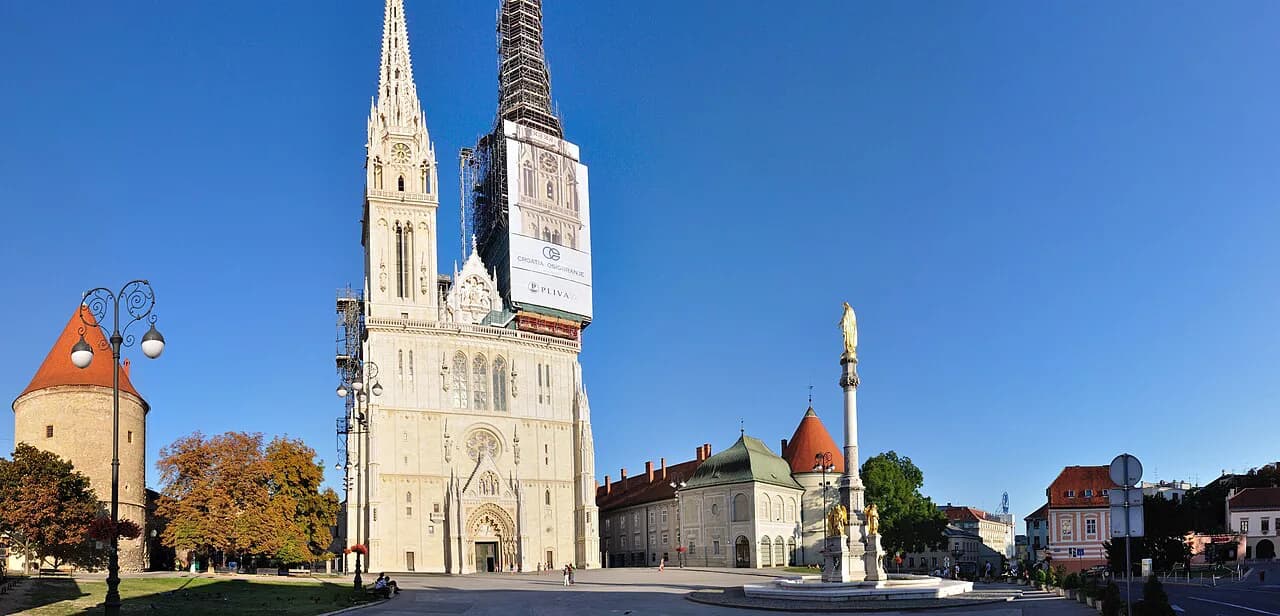
Croatia in late December splits into two moods. Inland, Zagreb and the surrounding towns run on Advent candles, mulled wine and cold, grey evenings, while the Adriatic coast empties out and turns quiet, breezy and often bright.
This is a family holiday first and a tourist holiday second. Croatians mark Christmas Eve with a fish dinner and midnight mass, spend Christmas Day at a long lunch with relatives, and keep celebrating through St. Stephen's Day and into January.
A winter trip here suits travelers who want atmosphere, food and a bit of cold-weather city life rather than beach time. If you need everything open and long daylight, choose another season.
When the Croatian Christmas Season Runs
The season opens on Advent Sunday, the fourth Sunday before Christmas, when the first of four candles on the Advent wreath is lit. In some parts of the country, preparations start earlier, on St. Catherine's Day, 25 November, and run for a full month.
Two December saints carry gift-giving duties: St. Nicholas on 6 December, when children clean their boots and leave them on the windowsill, and St. Lucy on 13 December. On St. Lucy's Day, many households plant Christmas wheat in a shallow dish as a wish for the coming year.
The season does not stop on 1 January. It ends on Epiphany, 6 January, when decorations come down and the Christmas period closes.
Plan your trip around the two poles of the season, Christmas and New Year, rather than the middle. The week between the 27th and the 31st is the quietest stretch in most towns, with many family-run kitchens shut and locals visiting relatives.
Weather in December and Early January
Expect a sharp split between inland and coastal Croatia. Zagreb and the interior are cold, often foggy and occasionally snowy, while the Adriatic coast stays milder but is wetter and windier than in summer, and sea temperatures are far below swimming comfort. If you are comparing the cold inland cities of this region, our Austria winter guide covers a similar split between snowy towns and milder valleys.
Days are short at this latitude: sunset comes in the late afternoon, so build sightseeing into the morning and early afternoon and leave evenings for indoor plans. Check the Croatian national weather service for the monthly averages before you fix dates.
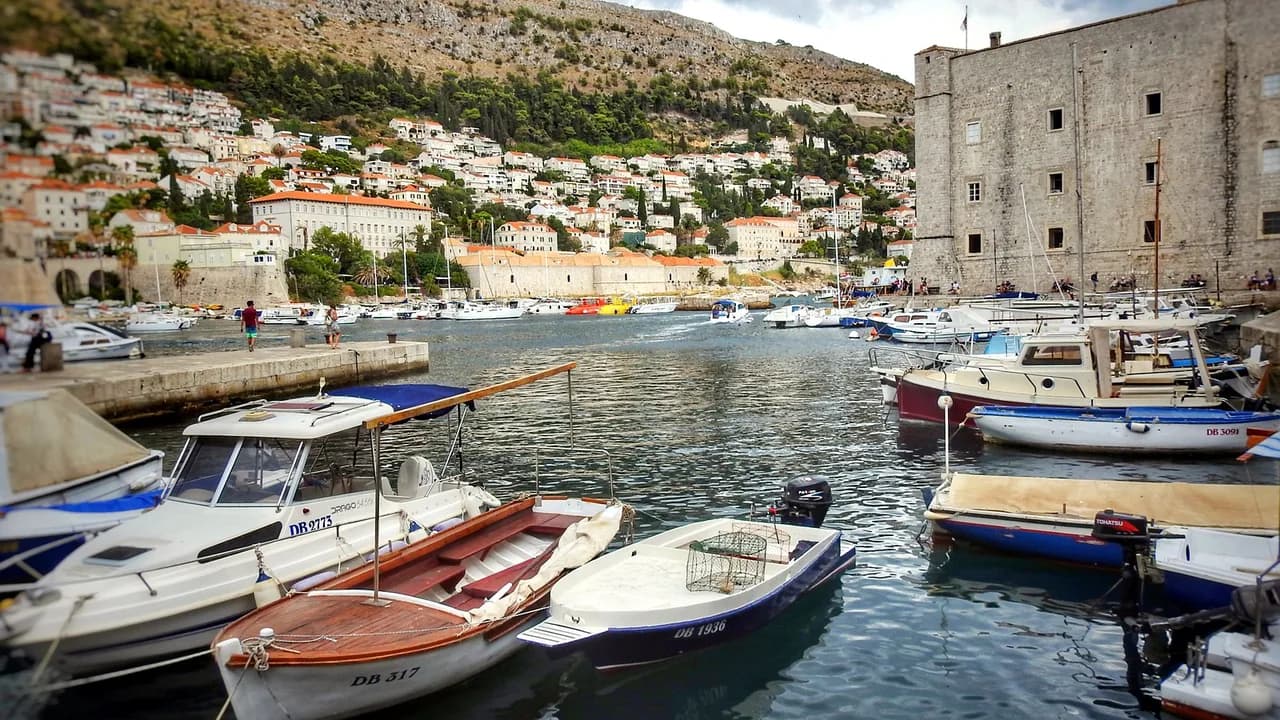
The postcard version of Croatia in December is the coast under low sun with empty promenades, but rain can close in for days.
Christmas Eve: Badnjak
Christmas Eve, Badnjak, is the most traditional evening of the year. The tree goes up, a nativity scene goes underneath, and dinner is built around fish: salted cod, fish stew and squid or seafood risotto, with fritule or uštipci for anyone with a sweet tooth.
Midnight mass, polnoćka, fills churches late on the 24th, and many families attend together. If you want to join a service, look for the parish church in the town you are staying in and arrive early; smaller coastal parishes are easier to enter than city cathedrals.
In older rural custom, a badnjak log was cut and burned through Christmas Day, but today the practice survives mainly in the countryside. In towns, the evening is about food, church and family rather than fire.
Christmas Day: Božić
Christmas Day is a long, meat-heavy lunch at home. Roast turkey with mlinci, suckling pig, sarma and homemade sausages share the table, and kuglof, a yeast cake often studded with raisins, is the classic dessert.
This is the hardest day of the year for eating out in Croatia. Most restaurants close or serve only booked family tables, and hotel dining rooms become the reliable option. If you are self-catering, shop on the 23rd, because the 25th is not a day for a casual supermarket run.
Christmas Day falls on a Friday in 2026, which stretches the holiday into a long weekend and pushes demand on the coast. Book any restaurant table well ahead and treat the 25th as a day for a walk, a church visit and a slow meal rather than sightseeing.
St. Stephen's Day and the Days Between Christmas and New Year
St. Stephen's Day, 26 December, is a state holiday and a day for visiting relatives, friends and neighbors. For visitors it behaves like a Sunday: quiet streets, limited public transport and businesses on holiday hours.
The days from 27 to 30 December are the best window of the season for actual travel. Museums, galleries and city sightseeing settle back into something like normal, while main-square celebrations build toward New Year's Eve.
If you want to see Plitvice Lakes National Park without summer crowds, this inter-holiday stretch is the window, accepting that winter conditions restrict access and should be confirmed with the park before travel.
New Year's Eve and New Year's Day
New Year's Eve is celebrated three ways: at home, at open-air parties on the main squares, or at private dinners in restaurants and hotels. In Fužine, in the Gorski Kotar hills between Rijeka and the Slovenian border, the town famously celebrates twice, at noon and again at midnight.
On New Year's Day, coastal towns hold a noon swim in the Adriatic, and in Opatija you will see men in Santa hats wading in. It is a spectator event as much as a swim, and a genuinely Croatian way to start the year.
New Year's Day falls on a Friday in 2027. Expect 1 January to be very quiet, with most shops and restaurants closed and transport running a holiday timetable, so plan a walk or a hotel meal rather than a day out.
Epiphany and the End of the Season
Epiphany, 6 January, also called Sveta tri kralja or Three Kings, closes the twelve days of Christmas. Decorations come down, and in parts of northern and eastern Croatia groups of boys dressed as zvjezdari carry a star from door to door.
For a visitor, Epiphany marks a real turning point. The holiday atmosphere evaporates, the Christmas lights go off, and Croatia in January settles into its normal quiet winter rhythm.
Epiphany falls on a Wednesday in 2027, which means a final holiday mid-week before the season definitively ends. Treat it as the last day for festive food and church visits, and plan travel and errands for the 7th onward.
What to Do: Markets, Castles and Museums
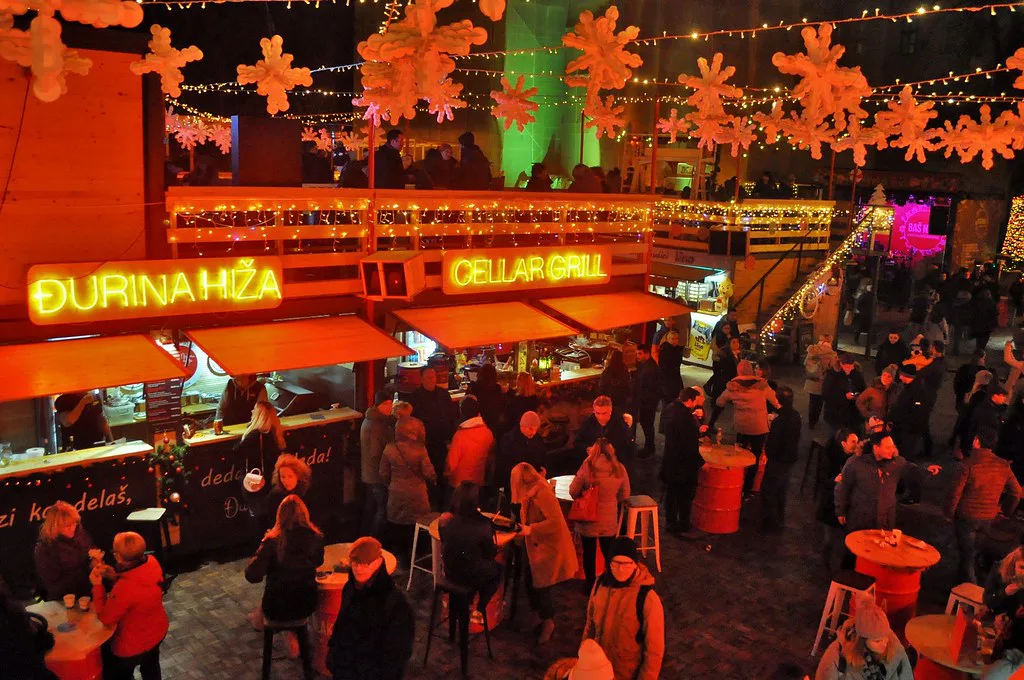
The Zagreb Christmas market is the biggest in the country, with wooden stands around the main square, ice skating at King Tomislav Square and a carousel on Strossmayer Square. Rijeka's market spreads up to Trsat Castle, the medieval fortress above the city lit with thousands of lights, skating and stalls selling mulled wine and local liqueurs.
Beyond the markets, winter favors indoor culture: Zagreb's museums and galleries, Rijeka's fish market, and the churches where Christmas services are held. In coastal towns, the appeal is walking the empty old-town streets and taking in sea views without the summer crowds.
Carnival season begins after Epiphany, which is worth knowing if you are considering a later trip. Croatia in February brings the Rijeka Carnival, one of the largest in Europe, a very different flavor of celebration from the December holidays.
What to Eat and Drink
Christmas food in Croatia is regional and heavy. Sarma, stuffed cabbage leaves simmered in tomato broth, appears on most tables, alongside roast meat, prosciutto, and in Slavonia the spicy sausage kulen. Dalmatia leans on pršut and seafood.
Traditional Christmas desserts are simple and homemade: kuglof, walnut cakes, poppy seed cake and fritule, small deep-fried dough balls. On the drinks side, mulled wine and rakija are the winter staples, with a glass of champagne at the noon New Year celebrations.
Getting Around and What Stays Open
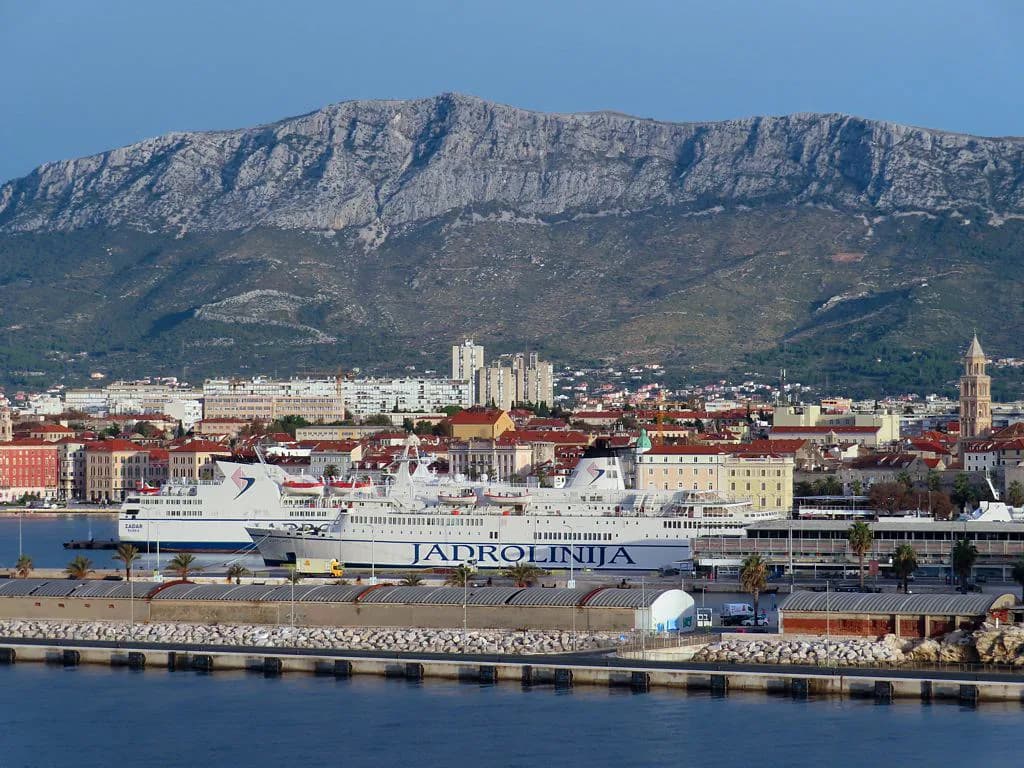
Expect reduced holiday transport from 24 December through 1 January, with a Sunday or holiday timetable on the main dates. Intercity buses and trains run, but less frequently, and ferries to the islands operate a reduced winter schedule.
Major museums and tourist offices typically stay open through the season apart from the main holiday days, but small family-run restaurants may close for the whole week. Carry some cash and book the meals that matter, particularly for 24, 25 and 31 December.
Who a Croatian Christmas Suits
Croatia at Christmas suits travelers who want a real family holiday rather than a sightseeing marathon. If you like long lunches, church music, cold-weather city walks and the chance to see coastal towns without crowds, this is one of the most atmospheric times to visit.
Choose another week if you need everything open, dislike short days or want reliable sunshine. To go further, consider Croatia in March, when the days lengthen and the coast starts to wake up again.
Explore more Croatia winter guides
Frequently Asked Questions
How do you say Merry Christmas in Croatian?
Sretan Božić is the standard greeting, and Sretna Nova godina means Happy New Year. Croatians use both through the holiday season, from Advent until Epiphany on 6 January.
What do Croatians eat on Christmas Eve?
Christmas Eve, Badnjak, is traditionally meatless. The table usually centers on fish: salted cod, fish stew, squid or seafood risotto, and festive pastries such as fritule. The big meat meal comes the next day, on Christmas Day.
When does the Christmas season end in Croatia?
The season closes on Epiphany, 6 January, also called Three Kings. Decorations come down that day, Christmas wheat and nativity scenes are packed away, and normal winter life resumes the following day.
Is Croatia a good place to spend Christmas?
Yes, if you want a traditional, family-centered holiday with cold weather and decorated towns. It is less good if you need shops and restaurants open on the 25th, when many places close.
What happens on New Year's Day in Croatia?
Coastal towns hold a noon swim in the Adriatic, and Opatija is well known for it. Much of the country otherwise stays quiet, with holiday hours at shops and a reduced transport timetable.
Sources
Winter travel notes
Optional updates when we add or revise winter guides.
You might also like
Continue reading
More guides you'll find useful