Croatia in February: Winter Weather and Carnival Guide
February in Croatia brings cold inland days, mild but quiet Dalmatian coast towns, Carnival crowds in Rijeka and low-season prices almost everywhere.
On this page
February is Croatia at its quietest, and it behaves like two different countries. Inland Zagreb is deep in winter, with frost, snow on Medvednica and a museum-and-café rhythm, while the Dalmatian coast runs mild but damp and largely emptied of summer visitors. Carnival season is under way across the country, which gives the month its one reliably busy stretch.
This is a month for city travelers, museum-goers, carnival fans and anyone who wants Plitvice Lakes or the continental castles without crowds. It is not a beach or island-hopping month: many coastal hotels and restaurants shut for the season and ferries run reduced timetables. If you want the full picture of the season around this month, start with the Croatia in winter overview before you commit.
Weather in February
February is the second-coldest month of the Croatian year, and temperatures depend heavily on where you are. Across the country, average daily temperatures run from roughly 1°C to 9°C (34°F to 48°F), with snow still falling in the interior and rain dominating the coast, according to kimkim's February climate summary. Treat every figure here as a long-term average, not a forecast.
In Zagreb, expect an average high near 7°C (45°F) and lows that drop to about -1.8°C (29°F), so mornings start below freezing. Dubrovnik is noticeably softer, with highs of about 10–11°C (50–52°F) and lows around 5–6°C (41–43°F), while Split sits in between at roughly 5.5–11°C (42–52°F), per Bookmundi's weather breakdown. Pack for the region you actually booked, not for a single national average.
Rainfall across Croatia averages around 159 mm for the month, and the Adriatic is at its briskest, with sea temperatures near 14°C (57°F). Days are still workable, with roughly ten hours of daylight that lengthen as the month goes on, according to Thomas Cook's February weather page. Plan sightseeing for the middle of the day, when light and warmth peak.
Coast vs Interior in February
The temperature gap between Zagreb and the southern coast is the single most useful thing to understand about February. The capital can be under snow while Dubrovnik enjoys a mild, if damp, afternoon, and the Kvarner Gulf sits somewhere between. Choose your base by what you want to do: museums and snowy landscapes inland, quieter old towns and sea views on the coast. If you are weighing a colder city break against a milder southern one, our Austria winter guide shows how the same choice plays out beyond Croatia.
Snow is a genuine feature of the interior, and not just in the mountains. If snow is part of the appeal, the does it snow in Croatia guide explains where the reliable winter landscapes are and how the coast differs. The southern coast is the warmest option in February, which makes Dubrovnik and Split the most comfortable coastal bases for walking and sightseeing.
What Is Open on the Coast and Islands
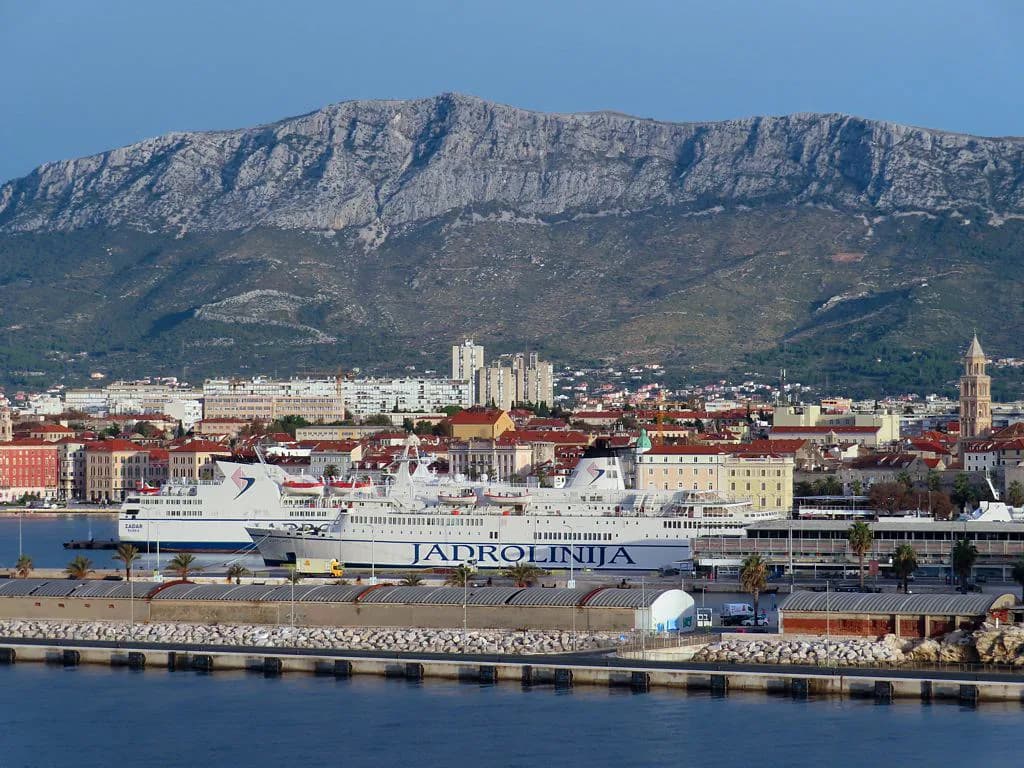
The low season on the Adriatic comes with real closures. Many hotels, restaurants and bars in coastal towns and on the islands shut for the winter, and ferries operate on reduced schedules, according to kimkim. That does not mean a dead coast, but it does mean fewer choices and more planning, especially outside Dubrovnik and Split.
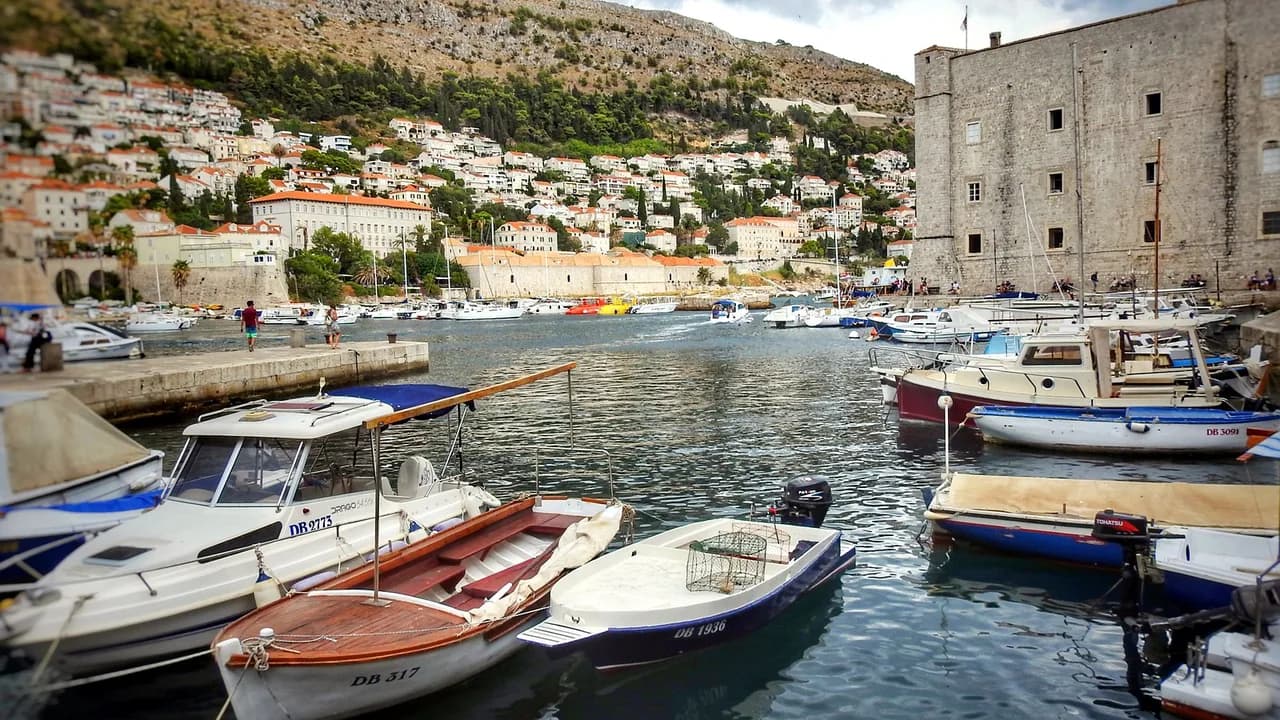
Big-city sights keep going year-round: Dubrovnik's city walls, Split's Diocletian's Palace and Trogir's old town are all walkable in February, and the quiet makes them far more pleasant than in summer. Island hopping, by contrast, is frustrating in February, so keep ferry connections simple and build in slack.
Zagreb in February
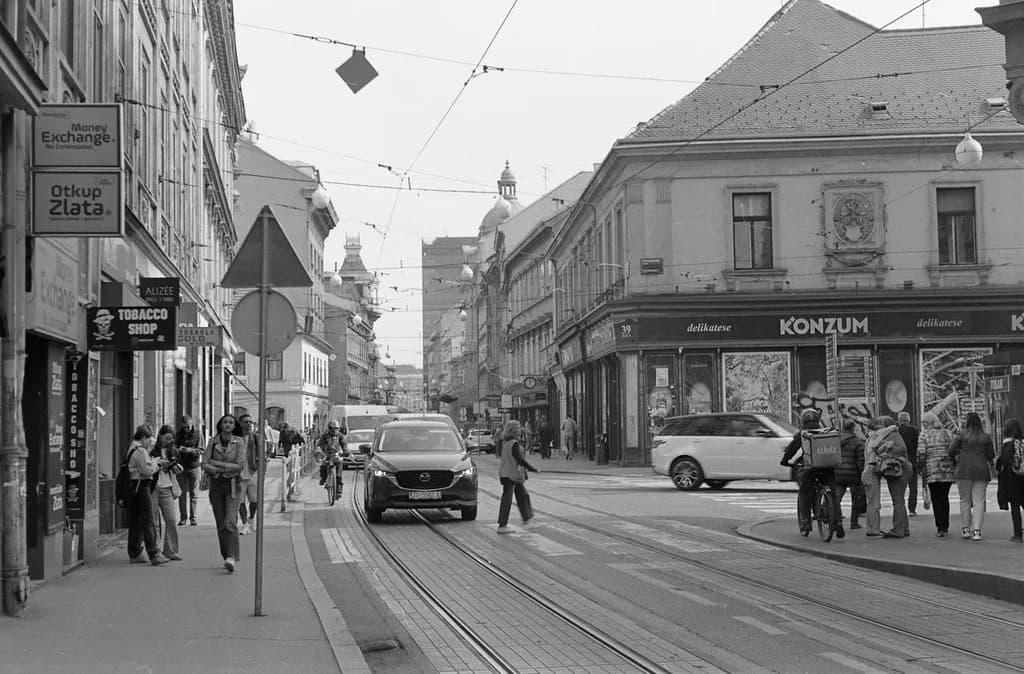
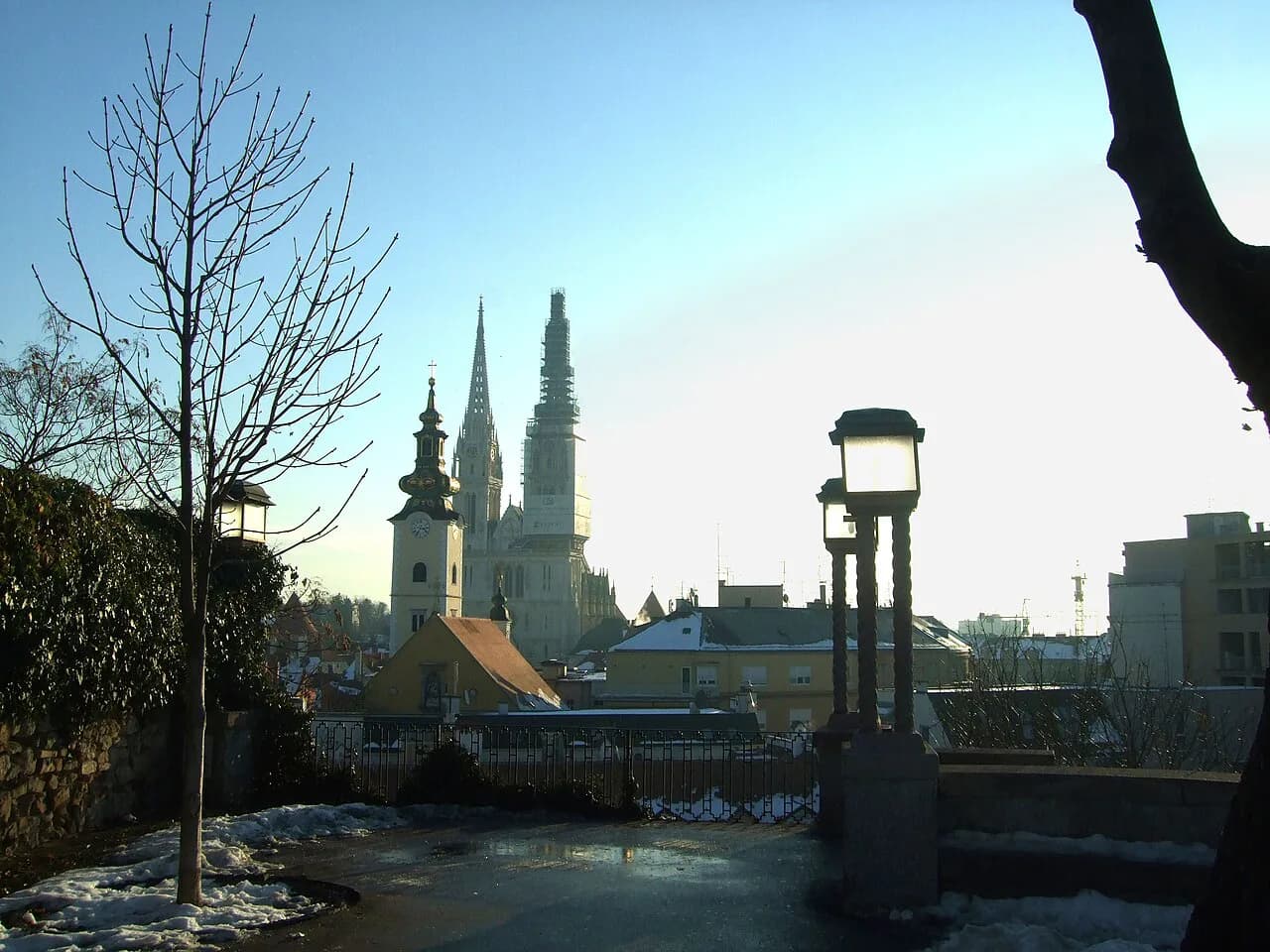
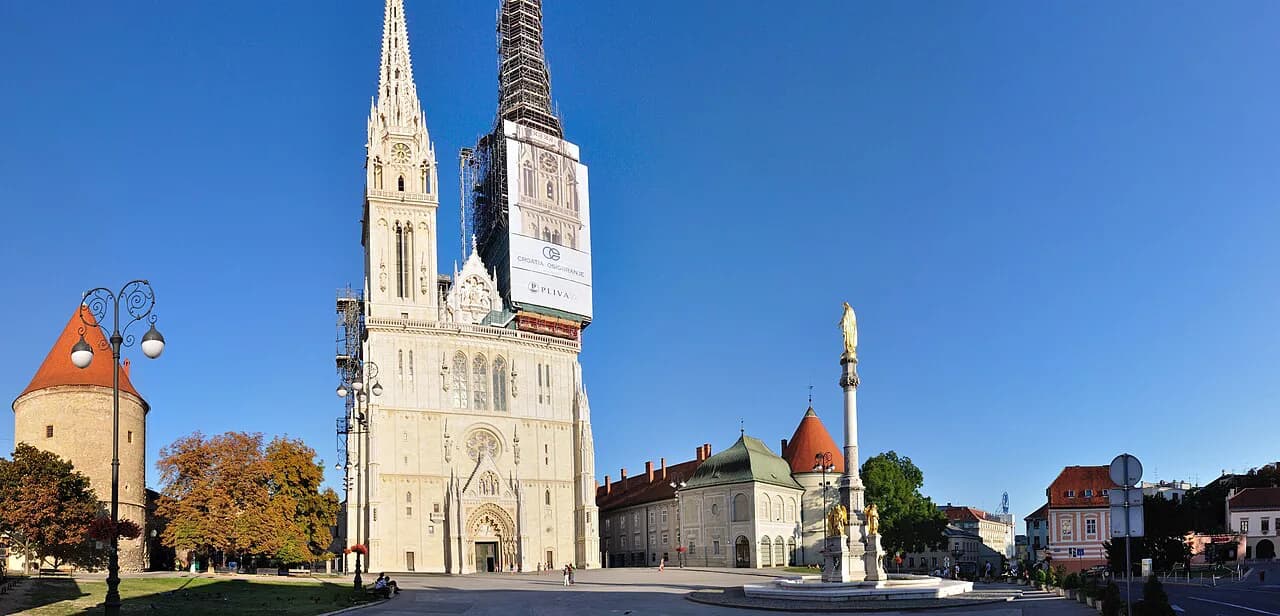
Zagreb is at its best as a winter city. The Museum of Broken Relationships, the Museum of Contemporary Art, Zagreb Cathedral and the view from Lotrščak Tower all fill a cold day well, and the upper town rewards slow walking between cafés. Bookmundi singles out the cathedral's neo-Gothic altars and stained glass and the tower's sunset view.
Medvednica rises right above the capital, with the Sljeme ski area and snowy beech forests about twenty minutes from the center. It is a realistic half-day escape when the city is grey, whether you ski, sled or just walk. If you are weighing months, Croatia in January is even quieter and colder, while Croatia in March begins to soften.
Carnival Season
Carnival is the organizing event of February in Croatia. The Rijeka Carnival is the country's largest, drawing tens of thousands of performers and visitors with street parties, masked balls, concerts and pageants that build from mid-January up to Ash Wednesday, per kimkim. Smaller celebrations in Samobor, Zadar and Dubrovnik offer a gentler version of the same tradition.
In 2027 the calendar falls late: Carnival Tuesday is 9 February and Ash Wednesday is 10 February, so festivities peak in the second week of the month. Book accommodation around Rijeka well ahead if carnival is your reason for coming. Outside those days the coast returns to its quiet winter rhythm.
Feast of St Blaise and Zagrebdox
Dubrovnik celebrates its patron saint on 3 February, a citywide Feast of St Blaise that has been observed since 972 and has changed little in form, according to kimkim. It is a genuine local tradition rather than a tourist show, and it brings life to an otherwise sleepy winter old town.
In Zagreb, Zagrebdox brings a week of regional documentary films to the Kaptol Boutique Cinema at the end of February, which makes a cold-weather city break easy to justify. Pair it with the upper town and a thermal spa afternoon.
Things to Do in Winter Weather
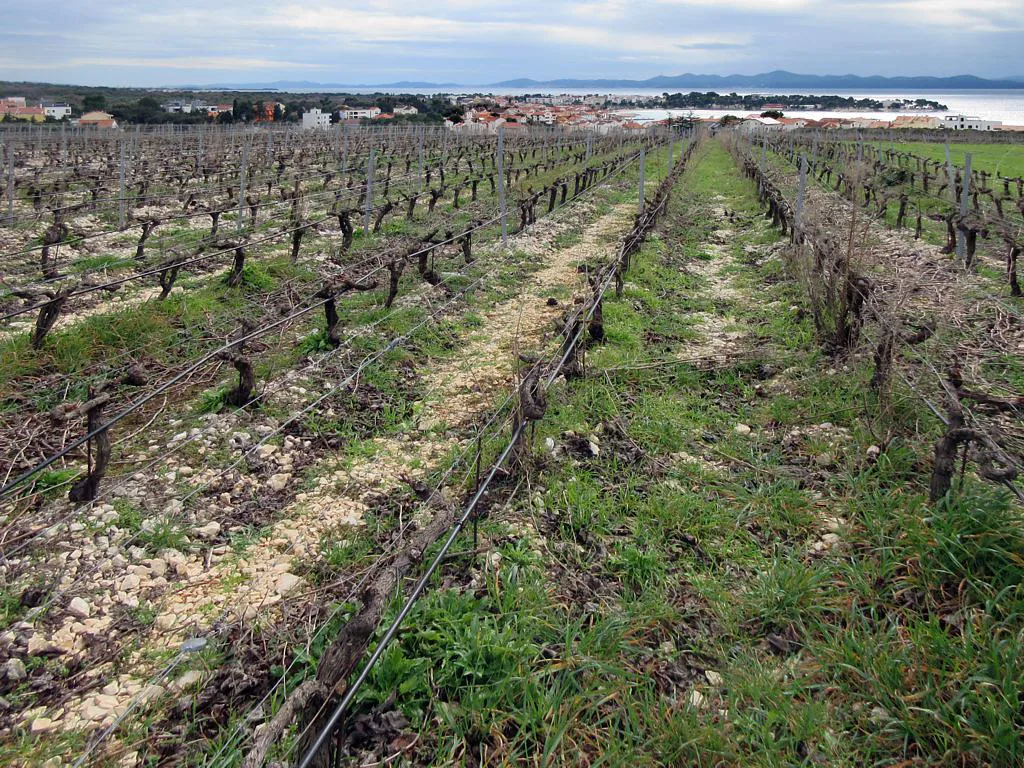
Plitvice Lakes is the standout winter excursion: snow-covered pines, frozen lakes and waterfalls, and a fraction of the summer crowds. Bookmundi calls the park's winter landscape unmissable, and the same trip works well as a stop between Zagreb and the coast. Continental castles such as Trakošćan and Varaždin look their best under snow.
Croatia's thermal spas are a natural fit for a cold February day, with long-established options at Sveti Martin na Muri, Tuhelj and Stubičke Toplice. For something quirkier, the Museum of Broken Relationships in Zagreb is a good indoor hour or two. Christmas markets have largely wound down by February, so plan around carnival and the fixed feast days instead.
Day Trips That Work in February
From Split, Diocletian's Palace and the Riva waterfront are easy winter walks, and Trogir is a short hop for a half-day of cobbled streets and the Kamerlengo fortress views. From Dubrovnik, the city walls and the cable car up to Mount Srđ work in mild weather, though check that the cable car is running before you build a day around it.
Trogir's Cathedral of St Lawrence, with its Romanesque portal and bell tower, is far calmer in February than in summer. Keep day trips short and flexible: winter daylight ends early, and transport thins out on the islands.
Crowds, Costs and Daylight Trade-offs
February is firmly low season, and the crowds that define the Dalmatian coast in summer are simply absent. Prices drop with them, and off-season hotel discounts are common, according to Bookmundi. The trade-off is real: shorter days, rain on the coast, closures in resort towns and fewer ferry departures.
The month still suits travelers who value emptiness and lower costs over beach weather. Build your days around daylight and keep one indoor option per day. If you need warmth and long evenings, this is not your month.
Who February Suits
February rewards carnival-goers, city and museum travelers, snow seekers and budget-conscious visitors. It is also a strong month for photographers chasing Plitvice under snow or the continental castles. What it does not suit is anyone planning a beach holiday, serious island hopping or long coastal drives with frequent ferry hops.
If you want the coast at its liveliest without summer crowds, Croatia in December brings Advent markets, while Croatia in November is milder still and quieter again. For most travelers set on a beach trip, May or September is the better answer.
Getting Around
Winter transport in Croatia is about reduced frequency rather than absence. Coastal ferries run on reduced schedules in February, so check operator timetables before locking in island plans, and keep a road alternative in mind. Driving between Zagreb, Plitvice and the coast is straightforward, though snow in the interior can slow things down.
Trains and buses link Zagreb, Split and Rijeka year-round, and Rijeka is well placed for carnival if you are coming from the capital. Give yourself buffer time around carnival weekend, when accommodation and transport fill up.
Travelling in February with a Dog
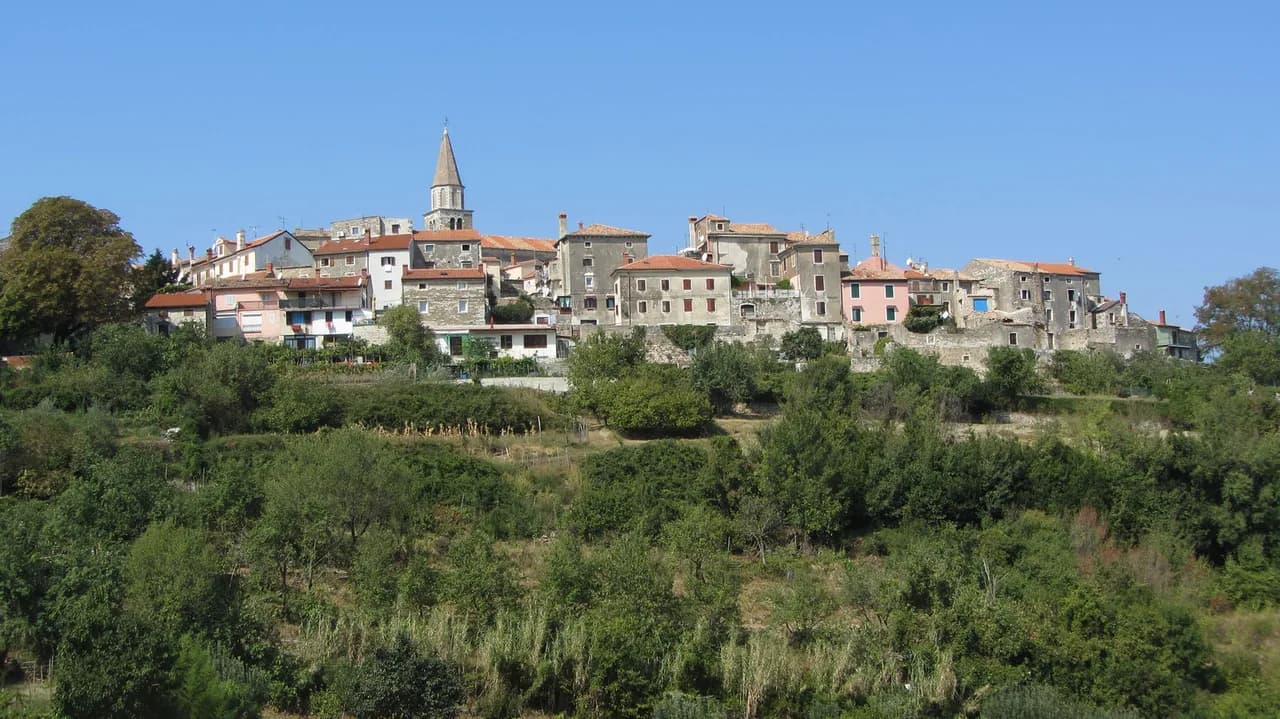
February is the last full month of winter in Croatia, and it is still considered offseason, so crowds along the popular Dalmatian coast and the Istrian Peninsula are few. For a visitor travelling with a dog, that quiet is the main practical advantage of the month: the coastal towns and islands are uncrowded, and the Adriatic views come unhindered by tourists and selfie sticks. The same offseason conditions that make February cheap and calm also shape your daily routine, because the coast in winter is not the coast of summer.
Plan around closures and transport. Many hotels, restaurants and bars are closed in the coastal towns and islands in February, though something is always open, and ferries operate on a reduced schedule. If your route depends on island hopping, build in slack for the reduced ferry timetable rather than assuming summer frequency. Inland, the picture is different: February continues to see snow in the interior of Croatia and rain on the coast, with average daily temperatures running from 1°C to 9°C, so a dog used to warm car rides and short pavement walks will cope better than one expecting long beach days. Sea temperatures sit around 14°C, brisk enough that swimming is not on the agenda.
Walking is where February works in your favour. Outside Zagreb, Medvednica Mountain offers hiking and sledding, and Plitvice Lakes National Park undergoes a seasonal transformation with snow-covered pines and frozen lakes and waterfalls. Both are outdoor options that suit a leashed companion far better than a museum. Daylight is around 10 hours a day, so an early start still leaves time for a proper walk before the light fades. If your trip overlaps with the Rijeka Carnival or the Feast of St Blaise in Dubrovnik, note that these are citywide street parties drawing large crowds; booking accommodation well in advance is advised, and dense carnival crowds are not the setting for a dog.
Plan Your February Trip
February in Croatia is a month of two halves: a cold, often snowy interior and a damp, quiet, mild coast. If carnival, museums, thermal spas and snow-covered Plitvice appeal, this is one of the best-value months of the year.
Decide your base by region first, then build days around carnival and the fixed feast days, and accept that some coastal places will be closed. Do that, and February delivers a Croatia most summer visitors never see.
Explore more Croatia winter guides
Frequently Asked Questions
Is February a good month to visit Croatia?
Yes, if you want low-season prices, few crowds and indoor or snow-based activities. It is a poor fit for beach holidays and island hopping, when many coastal hotels, restaurants and ferries scale back for the season.
What is the weather like in Croatia in February?
Typical February averages run from about 1°C to 9°C (34°F to 48°F) nationally, with Zagreb around 7°C (45°F) by day and below freezing at night, and Dubrovnik milder at roughly 10–11°C (50–52°F). Expect snow inland, rain on the coast and around ten hours of daylight.
Is it warm enough to swim in Croatia in February?
No. The Adriatic averages about 14°C (57°F) in February, which is cold even for hardy swimmers. Treat the sea as scenery rather than a swimming option and plan around cities, spas, museums and winter landscapes.
What is there to do in Croatia in February?
Highlights include carnival in Rijeka and smaller towns, the Feast of St Blaise in Dubrovnik on 3 February, Zagrebdox in Zagreb, Plitvice Lakes under snow, the continental castles at Trakošćan and Varaždin, and thermal spas such as Tuhelj and Stubičke Toplice.
When is the Rijeka Carnival?
It builds from mid-January up to Ash Wednesday, with street parties, masked balls and pageants. In 2027 that means the peak falls around Carnival Tuesday on 9 February, with Ash Wednesday on 10 February. Check the carnival program for specific events.
Is Dubrovnik or Split better in February?
Dubrovnik is milder, with average highs around 10–11°C (50–52°F) and lows near 5–6°C (41–43°F), and hosts the Feast of St Blaise on 3 February. Split sits slightly cooler but works well as a base for Diocletian's Palace and day trips to Trogir.
Do ferries run in Croatia in February?
Yes, but coastal ferries operate on reduced timetables in winter. Check the published schedule before planning island trips, and keep a road alternative in mind for short visits.
Is it cheaper to visit Croatia in February?
February is low season, so hotels commonly offer off-season discounts and crowds are minimal. Winter pricing and closures vary by town and property, so check rates directly with hotels.
Sources
Winter travel notes
Optional updates when we add or revise winter guides.
You might also like
Continue reading
More guides you'll find useful